Support

Aksu

About

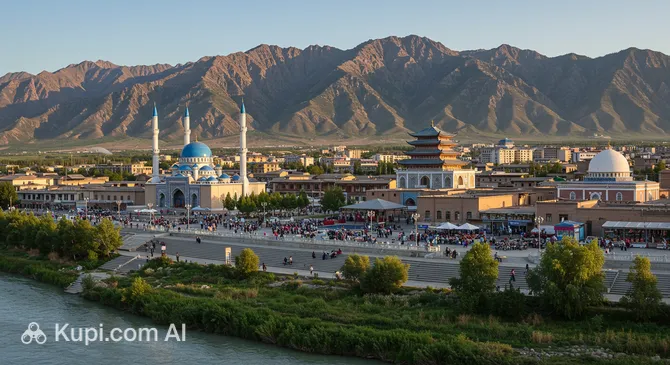
Aksu is a captivating city located in the western part of the Xinjiang Uygur Autonomous Region of China. Often referred to as a "Pearl on the Silk Road," this vibrant oasis serves as a crucial hub connecting various cultures and landscapes. With a population of over 500,000 residents, it offers a fascinating mix of modern development and traditional charm, set against a backdrop of dramatic natural scenery.

Geographically, the city is uniquely situated at the southern foot of the majestic Tianshan Mountains and on the northern edge of the vast Taklamakan Desert. The name "Aksu" translates to "white water" in the local language, a nod to the glacial runoff that flows through the region, turning the arid land into fertile soil. The climate here is continental arid, characterized by distinct seasons, plentiful sunshine, and a significant temperature difference between day and night, which is perfect for agriculture.

Aksu. Source: Kupi.Binoculars

The history of Aksu is deeply intertwined with the ancient trade routes that once crossed the continent. Travelers today are drawn to its rich heritage and the stunning natural wonders nearby. One of the most spectacular sights is the Tianshan Tomur Grand Canyon, known for its reddish-brown cliffs and strange rock formations that create a mysterious and awe-inspiring landscape. Additionally, the region is celebrated as the "Hometown of Fruit," particularly famous for its sweet, crisp apples and fragrant dates.

Whether you are an adventurer looking to explore the rugged beauty of the desert canyons or a culture enthusiast eager to experience local traditions, Aksu has something to offer. Its welcoming atmosphere and unique position between the mountains and the desert make it a memorable destination for any traveler venturing into this part of the world.

Weather Overview

Travelers visiting this region will encounter a distinct continental climate characterized by significant seasonal shifts. The weather in Aksu is generally arid, meaning you can expect plenty of sunshine and very little rainfall throughout the year. Summers are typically warm and dry, while winters bring freezing temperatures, requiring warm clothing for outdoor exploration.

During the peak of summer in July, average temperatures hover around 24.3°C, with daily highs often reaching 31.2°C. Conversely, January is the coldest month, where the average temperature drops to -6.0°C and nighttime lows can plunge to -10.5°C. Precipitation is exceptionally low, often recorded at 0mm for most months, although August tends to be the "wettest" time with about 7 days seeing traces of moisture.

Interesting Facts

Beyond the main attractions and scenic landscapes, Aksu holds many fascinating secrets that reveal its depth as a historical and natural wonder. Here are a few unique facts about this Silk Road oasis that are often overlooked by casual visitors:

  • Home to China's Oldest Grottoes: While the Mogao Caves are more famous, the Kizil Thousand Buddha Caves located in the Aksu Prefecture are actually the earliest major Buddhist grottoes in China. Dating back to the 3rd century, they showcase a unique artistic style with heavy influences from Gandharan (Indian) and Persian cultures, featuring extensive use of expensive lapis lazuli pigments.

  • The "Sugar Heart" Phenomenon: You may know Aksu for its apples, but the local "Bing Tang Xin" (Crystal Sugar Heart) apple is a specific marvel of nature. Due to the extreme temperature difference between day and night in the region, the sugar inside the apple condenses and crystallizes near the core, creating a unique, translucent "honey heart" pattern that is rarely found elsewhere.

  • The Mystery of the Divine Wood Garden: The Shenmu (Divine Wood) Garden in Wensu County is a place of botanical curiosities. It is famous for its ancient trees that have taken on bizarre, twisted shapes. Local legends surround the site, where dead trees have remained standing for centuries without decaying, and different species of trees sometimes grow intertwined as if they were one.

  • The Lifeblood of the Tarim: The name Aksu may mean "White Water," but its river is ecologically vital. The Aksu River is the primary source of the Tarim River, China's longest inland river. It contributes nearly 75% of the total water volume to the Tarim, effectively acting as the main "water tower" that sustains the ecosystem of the entire southern basin.

How to Get There

Planning a trip to this historic Silk Road hub involves choosing the right mode of transport, with air travel being the most efficient option for most visitors. For a comprehensive guide on all available routes and transportation methods, you can read more about how to get to Aksu.

The city is served by its own aviation hub, Aksu Airport (AKU), which is conveniently located just 10.8 km from the city center. This is the most direct entry point for travelers, handling a significant volume of passengers annually. The short journey from the airport to downtown typically takes around 20 to 25 minutes by taxi or shuttle bus, making it a hassle-free start to your adventure.

Alternatively, travelers exploring the broader region might consider arriving via Kuqa Airport (KCA). Situated in the city of Kuqa, approximately 236 km from Aksu, this airport serves as a secondary option within the prefecture. While it is further away, requiring a travel time of about 3 hours by road to reach Aksu, it can be a useful alternative if flight schedules to the main airport are fully booked.

For clarity, here is a summary of the main airports:

Airport Name City Passenger Traffic Km from City
Aksu Airport Aksu Medium 10.8
Kuqa Airport Kuqa Small 235.9
Karakol Karakol Small 214.1

Main Attractions

Aksu is a destination where the rugged beauty of nature meets the ancient echoes of the Silk Road. The region offers a diverse array of sights, ranging from dramatic geological formations to serene historical sites. Visitors can explore deep canyons, wander through mysterious forests, and uncover the rich cultural heritage preserved in local museums. Here are some of the most compelling places to visit in and around the city.

Tianshan Tomur Grand Canyon is undoubtedly the crown jewel of the region's natural landscapes. Located in Wensu County, this geological marvel is often compared to the Colorado Grand Canyon due to its massive scale and striking red sandstone cliffs. Tourists are drawn here to hike through the winding valleys, where wind and water have sculpted the rocks into fantastic shapes resembling castles, towers, and animals. It is a photographer's paradise, especially during sunrise or sunset when the red rocks glow intensely against the backdrop of the snow-capped Tianshan Mountains.

For those interested in history and art, the Kizil Thousand Buddha Caves offer a profound glimpse into the past. Situated on the cliffs of the Queletage Mountain, this site is one of the earliest major Buddhist cave complexes in the East, predating even the famous Mogao Caves. Visitors can explore the remaining grottoes to see exquisite murals that display a unique blend of Central Asian and Indian artistic styles. The site is not only an archaeological treasure but also a scenic spot, overlooking the weaving Muzat River below.

Shenmu Garden, also known as the Divine Wood Garden, provides a completely different experience. This unique park is famous for its collection of ancient, curiously shaped trees that have survived for centuries. Walking through the garden feels like stepping into a fantasy world, where dead trees remain standing in artistic poses and living trees intertwine in complex patterns. It is a peaceful retreat that combines the charm of a lush oasis with the mystery of the surrounding desert landscape, making it perfect for a relaxing afternoon stroll.

To gain a deeper understanding of the local culture, a visit to the Aksu Museum is highly recommended. The museum houses a comprehensive collection of artifacts unearthed from the Silk Road, including ancient coins, pottery, and manuscripts. It serves as an educational hub where tourists can learn about the diverse ethnic groups that have called this region home and the historical trade routes that shaped its development. The exhibits are well-curated, offering a fascinating narrative of the area's evolution from ancient times to the modern era.

Finally, the Dolan River Scenic Belt offers a lovely urban escape right in the heart of the city. This expansive park stretches along the riverbank and is a favorite spot for both locals and tourists to unwind. It features beautifully landscaped gardens, walking paths, and traditional architecture. In the evenings, the area comes alive with illuminated water features and a vibrant atmosphere, providing a perfect setting to experience the modern pulse of Aksu after a day of exploring the wilder outskirts.

Local Cuisine

The culinary scene in Aksu is a flavorful journey that reflects the region's rich history as a Silk Road trading hub. The local cuisine is predominantly characterized by Xinjiang flavors, offering a hearty blend of savory meats, aromatic spices, and wheat-based staples. For food lovers, dining here is not just about sustenance; it is an immersion into the vibrant Uyghur culture where generous portions and communal dining are the norms.

Meat plays a central role in the local diet, with mutton being the star ingredient. One of the absolute must-try dishes is Polu (pilaf), a savory combination of rice, tender mutton, carrots, and onions cooked in oil. It is often served at celebrations and family gatherings but is readily available in restaurants throughout the city. Another signature dish is Laghman, featuring thick, hand-pulled noodles topped with a spicy stir-fry of meat and seasonal vegetables like peppers and tomatoes. For a quick and smoky treat, you cannot miss the lamb kebabs (kawap), often seasoned with cumin and chili powder and grilled to perfection over charcoal.

No meal in Aksu is complete without Nang, the traditional flatbread that is a daily staple for locals. These golden, sesame-sprinkled breads are baked in tandoor ovens and come in various sizes and textures, ranging from thin and crispy to thick and soft. Given the city's reputation as the "Hometown of Fruit," you should also indulge in the local produce. The famous "Crystal Sugar Heart" apples and sweet dates are often enjoyed as a refreshing dessert or a healthy snack between meals.

When it comes to beverages, the local culture offers distinct options to quench your thirst in the arid climate. Tea is an essential part of daily life, often served with meals to balance the richness of the meat dishes. You might encounter salty milk tea, a traditional favorite among locals. For a refreshing cold drink, look for Kavas, a non-alcoholic, fermented beverage made from honey and hops that is widely popular in the region's night markets. It has a unique, sweet taste that pairs wonderfully with spicy street food.

The best way to experience the food culture is to visit a local Night Market. As the sun sets, these markets come alive with the aroma of grilling meat and the buzz of hungry diners. It is here that you can truly connect with the spirit of the city, hopping from stall to stall to sample roasted fish, spicy sheep offal, and fresh yogurt. Whether you choose a sit-down restaurant or a lively street stall, the atmosphere in Aksu is always welcoming and unpretentious.

Travel Tips

Planning a trip to Aksu is an exciting venture into the heart of the Silk Road, but the region's unique characteristics require some specific preparation. To help you navigate the local customs and logistics smoothly, here are some essential practical tips for your journey.

  1. Smart Packing for the Desert Climate: Since Aksu features a continental arid climate, the temperature difference between day and night can be drastic. Bring layers—a t-shirt might be fine at noon, but you will definitely need a warm jacket after sunset. Don't forget high-SPF sunscreen, sunglasses, and a hat, as the UV radiation is strong here, and comfortable walking shoes are a must for canyon hikes.

  2. Getting Around the City: Taxis are the most convenient and affordable way to travel within Aksu. Ride-hailing apps are widely used, but you can also easily hail a cab on the street. While public buses are available, they can be challenging to navigate without Chinese language skills. Renting a car typically requires a Chinese driver's license, so hiring a car with a local driver is often the best stress-free option for day trips.

  3. Mastering Mobile Payments: While the official currency is the Chinese Yuan (CNY/RMB), physical cash is used less frequently than in the past. Most vendors, from malls to street fruit stalls, prefer WeChat Pay or Alipay. It is highly recommended to set up the international version of Alipay or link your card to these apps before arrival. Carry some small cash notes just in case, but be prepared to pay with your phone.

  4. Staying Healthy and Hydrated: The air in Aksu is extremely dry throughout the year. Dehydration can happen quickly, so drink significantly more water than usual and carry moisturizing lip balm and lotion to prevent dry skin. Pharmacies (often marked with a green cross) are easy to find for basic supplies, but you should bring your own prescription medications.

  5. Overcoming the Language Barrier: Mandarin Chinese is the official language, and Uyghur is widely spoken, but English proficiency is very limited among the general population. Before you arrive, download an offline translation app and save the Chinese names and addresses of your hotel and destinations to show taxi drivers. Purchasing a local SIM card is essential for using map and translation apps on the go.

  6. Respecting Local Etiquette: When dining, especially in traditional restaurants, wait to be seated and observe local customs. It is polite to accept tea when offered, as hospitality is a core part of the culture. When greeting locals, a smile and a nod are universally appreciated, and it is courteous to ask for permission before taking close-up portraits of people.

  7. What to Avoid: Be extremely cautious regarding photography near sensitive infrastructure. Never take photos of police stations, security checkpoints, or military personnel, as this is strictly prohibited and will cause problems. Additionally, respect dietary customs by not bringing non-halal food (such as pork products) into traditional Muslim eateries.

  8. Mind the "Xinjiang Time": Although the entire country officially operates on Beijing Time (GMT+8), daily life in Aksu often follows "local time," which is two hours behind. If a local tells you dinner is at 8:00 PM, clarify if they mean Beijing time or local time, as sunset can be as late as 10:00 PM Beijing time in the summer.

With these practical tips in hand, you are well-prepared to embrace the unique rhythm of life in Aksu. Enjoy the breathtaking landscapes, the legendary sweet apples, and the warm hospitality that make this Silk Road oasis a truly memorable destination.

Entertainment & Nightlife

Entertainment and nightlife in Aksu offer a unique blend of vibrant local culture and modern leisure, distinct from the frantic clubbing scenes found in China's coastal metropolises. Here, the night comes alive relatively late due to the time difference, with the sun often setting after 10:00 PM in the summer. The evening atmosphere is centered less on wild parties and more on social dining, lively street gatherings, and illuminated scenic walks, creating a welcoming environment for visitors of all ages.

The heartbeat of the city after dark is undoubtedly the Aksu Night Market. This is not just a place to eat but a sprawling entertainment venue where the air is filled with the smoke of charcoal grills and the sound of lively chatter. It is the perfect spot to witness the local lifestyle, where friends gather around long tables to enjoy music, performances, and the famous local drink, Kavas. The crowd is a mix of locals unwinding after work and tourists soaking in the "Silk Road" vibe. For a more scenic experience, the area along the Dolan River transforms at night into a dazzling spectacle of lights. The riverbanks are illuminated with colorful LEDs, and the water features create a romantic backdrop for an evening stroll, making it a popular hub for couples and families.

For those seeking a more modern bar or lounge experience, the commercial districts near Century Plaza and the city center host a variety of venues. Nightlife here is heavily influenced by the popularity of KTV (Karaoke TV). You will find numerous KTV clubs where groups book private rooms to sing and drink in a more intimate setting. There are also several quiet bars and lounges, often attached to high-end hotels, which offer a sophisticated atmosphere for a quiet drink. While dress codes are generally casual throughout the city, the hotel bars may expect a slightly smarter appearance.

If you are planning a night out, the best time to head out is around 11:00 PM Beijing time, when the city is fully awake and the temperatures have cooled pleasantly. Prices are generally affordable compared to major Chinese cities; a night of food and drinks at the market is very budget-friendly, while private KTV rooms vary based on the package. Getting around is easy and safe; taxis are plentiful and can be hailed on the street or via ride-hailing apps. The city is well-lit and monitored, making it safe for walking in the main districts, though it is always wise to stick to populated areas.

During the daytime, entertainment options lean towards cultural and recreational activities. Visitors can enjoy performances at the local theaters which often showcase traditional music and dance. For families or those looking for a relaxing afternoon, the city's parks offer amusement rides and boating facilities. Museums and cultural centers also provide a cool retreat from the desert heat, allowing tourists to explore the region's history before the evening festivities begin.

Parks & Museums

While Aksu is often associated with the arid landscapes of the Silk Road, the city itself is a surprising oasis of greenery and cultural depth. Visitors will find a refreshing contrast between the surrounding desert and the lush, well-maintained parks within the urban area. Furthermore, the region's museums and historical sites offer a profound look into the civilizations that have thrived here for millennia, making it a perfect destination for both nature lovers and history buffs.

Dolan River Scenic Belt is the centerpiece of the city's green spaces and a favorite gathering spot for locals. Stretching along the banks of the Dolan River, this expansive park is often described as bringing the scenery of southern China to the western frontier. It features meticulously landscaped gardens, traditional pavilions, and wide walking paths that are perfect for a leisurely stroll. In the summer, the park becomes a vibrant social hub where people enjoy boating on the water, while the evenings transform the area with dazzling light shows and illuminated fountains.

For a more immersive natural experience, the Aksu National Wetland Park is a must-visit ecological treasure. Located on the outskirts of the city, this vast area plays a crucial role in regulating the local climate and protecting the region's biodiversity. It serves as a sanctuary for numerous bird species and offers visitors a chance to walk along wooden boardwalks that wind through reeds and waterways. The park highlights the remarkable success of local afforestation efforts, showcasing how a desert region can be transformed into a thriving wetland ecosystem.

When it comes to understanding the rich heritage of the area, the Aksu Museum stands out as the premier cultural institution. Housed in a modern building that reflects local architectural styles, the museum holds a vast collection of artifacts unearthed from the Silk Road. Exhibits range from ancient pottery and bronze ware to fascinating manuscripts and coins that trace the trade routes connecting East and West. One of the highlights is the display of well-preserved textiles and tools that offer a glimpse into the daily lives of the ancient inhabitants of the Tarim Basin.

Although technically an archaeological site, the Kizil Thousand Buddha Caves function as a magnificent open-air art gallery. Located within the prefecture, these grottoes contain some of the oldest Buddhist murals in the country. For art enthusiasts, walking through these caves is like stepping into a museum of ancient fine arts, where the walls are adorned with vibrant paintings depicting Jataka tales and celestial figures. The unique artistic style, characterized by the use of lapis lazuli and distinct Central Asian influences, provides a visual narrative of the region's diverse cultural history.

For a truly authentic experience, try visiting the Dolan River area just before sunset. Not only will you escape the midday heat, but you will also witness the "dance" of the locals. It is common to see large groups of residents practicing traditional Uyghur dances or Tai Chi in the plazas, offering a genuine and welcoming slice of local life that you won't find in a guidebook.

Getting Around

The public transport system in Aksu is relatively straightforward and primarily relies on an extensive network of buses and taxis. Unlike the mega-cities of China, Aksu does not have a metro or light rail system. For tourists, this means navigating the city is less about deciphering complex subway maps and more about utilizing the convenient and affordable road-based options. The city layout is compact enough that travel times are generally short, making it easy to move between hotels, markets, and attractions.

Public buses serve as the backbone of local transportation, covering the majority of the city's districts and extending to key locations such as the train station and the outskirts. The buses are modern, air-conditioned, and generally well-maintained. Routes are numbered, and bus stops display information in both Chinese and Uyghur, though English signage is rare. Fares are incredibly low, typically costing just 1 RMB per ride regardless of the distance. Passengers board at the front door and exit through the rear, paying immediately upon entry.

For most international visitors, taxis are the most practical and efficient alternative to buses. They are abundant throughout the city and can be easily hailed on the street or booked via ride-hailing apps. Taxis in Aksu are metered and very affordable compared to Western standards, with starting fares usually around 6 to 8 RMB. Utilizing a taxi eliminates the challenge of navigating bus routes and is particularly recommended when traveling with luggage or visiting destinations not directly served by main bus lines.

The payment system in Aksu aligns with the digital-first approach found across the region. While public buses still accept cash (coins or small notes), exact change is required as drivers do not provide change. However, the most common method of payment is via mobile apps. Tourists are highly advised to set up Alipay or WeChat Pay on their smartphones before arriving, as these apps can generate a "Transport QR Code" to scan when boarding buses. These same apps are also the standard way to pay for taxi rides, often making physical cash unnecessary.

Operating hours for public transport are influenced by the local "Xinjiang time" difference. Buses generally run from around 8:00 AM (Beijing time) until late in the evening, often continuing service until midnight or 1:00 AM in the summer months to align with the late sunset. It is important to note that during peak commuting hours—typically 10:00 AM to 11:00 AM and 8:00 PM to 9:00 PM Beijing time—buses can become quite crowded, so plan your travel accordingly.

A crucial piece of advice for non-Chinese speakers is to overcome the language barrier proactively. Since bus drivers and taxi drivers rarely speak English, you should have the names and addresses of your destination written in Chinese characters on your phone or a piece of paper. If you plan to use the bus, using a navigation app that supports local transit data is essential to identify the correct bus number and stop, as relying solely on reading bus stop signs can be difficult.

Accommodation

Finding the right place to stay in Aksu is relatively straightforward, as the city serves as a major commercial and tourist hub in the region. The accommodation landscape is dominated by mid-range business hotels and standard star-rated establishments, which are designed to cater to both government officials and travelers exploring the Silk Road. While you may not find an abundance of backpacker-style youth hostels compared to eastern China, there are plenty of clean, comfortable, and modern options that offer excellent value for money.

For most tourists, the most convenient area to stay is the City Center, particularly near Century Plaza or the bustling pedestrian streets. Staying here puts you within walking distance of the famous Night Market, allowing you to easily enjoy the local cuisine after a day of sightseeing. Alternatively, the area along the Dolan River offers a more scenic and tranquil environment. Hotels in this district are often newer and provide lovely views of the illuminated riverbanks and parks, making for a relaxing base away from the immediate noise of the commercial downtown.

A critical tip for international travelers planning a trip to this region is to verify the hotel's policy regarding foreign guests. In the Xinjiang Uygur Autonomous Region, not all accommodations are licensed to host non-Chinese citizens. Before making a reservation, it is essential to look for properties explicitly marked as "Accepting Foreign Guests" or to contact the hotel directly to confirm. This simple step can prevent significant inconvenience upon arrival.

In terms of pricing, accommodation in Aksu is generally very affordable compared to major metropolises like Beijing or Shanghai. You can expect to find high-quality, four-star standard rooms for a fraction of the price you would pay in the capital. Booking is best done through major international or Chinese online travel platforms, where you can easily filter for foreigner-friendly hotels. It is advisable to book at least a few weeks in advance, especially if you are visiting during the peak autumn harvest season when the weather is best and the local fruits are ripe.

Nearby Cities

For those looking to explore the surroundings, Aksu serves as an excellent base for day trips to several interesting nearby locations:

One of the most compelling destinations for a short visit is Kuqa. Located relatively close to Aksu, this city was once the center of the ancient Kingdom of Kucha and a vital stop on the Silk Road. It offers a rich tapestry of history, featuring the Subashi Ruins, a UNESCO World Heritage site, and the impressive Kuqa Grand Mosque. A trip here allows travelers to witness the fascinating blend of ancient Buddhist history and vibrant local culture within a manageable distance.

For those willing to venture a bit further, the legendary city of Kashgar is a must-see. Often considered the cultural heart of the region, it is famous for its well-preserved Old City, where traditional craftsmen still ply their trades in winding alleyways. Key attractions include the Id Kah Mosque and the bustling bazaars, which provide an immersive experience into the enduring traditions and lively atmosphere of the Silk Road.

City Population Distance (km)
Kashgar 920000 409
Shache 851374 400
Yining 542507 329
Kuqa 462588 234
Shuanghe 360000 443

These nearby destinations offer a glimpse into the diverse culture and landscapes of the region.

Shopping & Souvenirs

Shopping in Aksu offers a delightful contrast between the ancient and the modern, reflecting its position as a developing hub on the historic Silk Road. Visitors can transition from browsing glossy, air-conditioned department stores to haggling in bustling, open-air bazaars within the same afternoon. The city is particularly renowned for its agricultural abundance, meaning that food products—especially fresh and dried fruits—are among the most popular items to purchase. Whether you are looking for high-end fashion or authentic local handicrafts, the retail scene here provides a genuine slice of local life.

The primary commercial activity is concentrated in the City Center, particularly around the major pedestrian streets and public squares. This area serves as the modern heart of the city, lined with boutiques, sporting goods stores, and domestic fashion chains. Walking down these streets in the evening is a popular pastime for locals, and tourists will find a lively atmosphere with brightly lit storefronts and street vendors selling snacks and small trinkets. It is the best place to find general necessities, clothing, and electronics.

For a more comprehensive retail experience, the city features several large Shopping Malls and department stores, such as the Aksu Tianbai International Shopping Center. These multi-story complexes offer a one-stop solution for travelers, housing supermarkets, cosmetics counters, and international brands under one roof. They provide a comfortable escape from the desert heat or winter cold and are typically where you will find higher-quality goods and fixed prices, eliminating the need to bargain.

However, to truly experience the culture of the region, a visit to a local Bazaar or farmers' market is essential. These markets are sensory explosions of color and scent, piled high with pyramids of melons, grapes, and nuts. The local wholesale markets are particularly interesting for seeing the sheer volume of produce that moves through this agricultural oasis. Here, you can buy dried fruits in bulk at prices significantly lower than in the supermarkets or tourist shops.

When searching for the perfect Souvenirs, the region's agricultural fame takes center stage. The absolute must-buy item is the "Bing Tang Xin" (Crystal Sugar Heart) apple, famous for its unique sweet core. Since fresh fruit can be difficult to transport internationally, many tourists opt for high-quality dried goods. Aksu red dates (jujubes) and thin-shelled walnuts are prized across China for their size and flavor. Beyond food, traditional Uyghur handicrafts make excellent gifts; look for intricate wood carvings, embroidered doppa hats, or colorful Atlas silk scarves, which are distinct to the Xinjiang region.

Opening Hours in Aksu can be somewhat different from eastern China due to the time difference. Most shops open around 10:00 AM or 11:00 AM Beijing time and stay open late, often until 10:00 PM or 11:00 PM. Payment methods are heavily digital; while cash is accepted, the vast majority of transactions, even with small street vendors, are done via WeChat Pay or Alipay. It is highly recommended to have these apps set up on your phone. Credit cards are generally only accepted in large shopping malls or high-end hotels.

Regarding Tax-Free shopping, tourists should be aware that Aksu is not a typical duty-free destination like Shanghai or Hainan. Tax refund services for international visitors are generally not available in local stores or markets. Therefore, the price you see is the final price, although bargaining is expected and encouraged in bazaars and independent stalls.

Nearby cities

Reached the end of the page?

That means the route is fully explored