Support

Shache

About

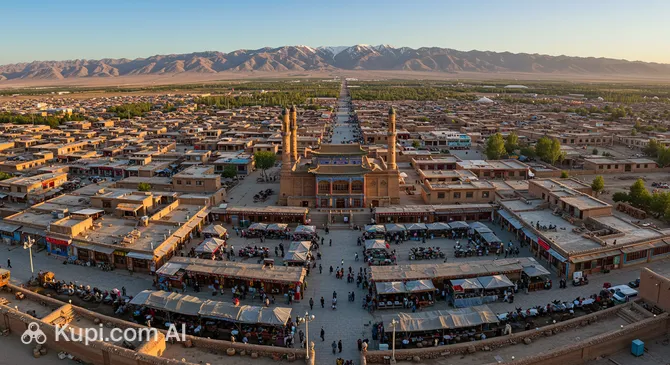
Shache, often referred to as Yarkant, is a captivating oasis city that offers a unique glimpse into the rich cultural tapestry of Central Asia. Located in the Xinjiang region of China, this bustling urban center sits on the southern edge of the vast Taklamakan Desert, watered by the Yarkand River. With a population of over 850,000 people, it serves as a vibrant hub where ancient traditions seamlessly blend with daily life, creating an atmosphere that feels both timeless and lively.

For centuries, this city was a crucial stopover for caravans traversing the legendary Silk Road. Travelers interested in the past can explore the fascinating history of Shache, which reveals its former glory as the seat of the Yarkand Khanate and a melting pot of diverse civilizations. Today, the city remains a testament to this enduring heritage, boasting architectural marvels and a deep connection to the artistic traditions of the region.

Shache. Source: Kupi.Binoculars

Visitors are often drawn to the magnificent Golden Mosque (Altyn Mosque), located in the heart of the city, which stands as a stunning example of traditional architecture. Another highlight is the Mausoleum of Amannisa Khan, a tribute to the renowned poet and musician credited with collecting and preserving the Twelve Muqam, a masterpiece of Uyghur music. Walking through the streets, you can experience the local hospitality and vibrant markets that continue to thrive in this desert oasis.

Whether you are a history enthusiast or simply seeking an adventure off the beaten path, Shache promises an unforgettable journey. We invite you to discover the charm of this historic city, where the echoes of the Silk Road still resonate in every corner.

Weather Overview

Travelers planning a visit should prepare for significant temperature variations depending on the season. The weather in Shache is generally arid, featuring hot summers and cold winters. July is typically the warmest month, with average temperatures rising to 27.5°C and daily highs often reaching 33.7°C, making it essential to pack light clothing and sun protection if visiting during this time.

In contrast, the winter months bring a crisp chill to the desert air. January is the coldest time of year, with average temperatures hovering around -3.6°C and lows dipping to -8.5°C. Precipitation is extremely scarce throughout the year, with most months seeing little to no rainfall, ensuring clear skies for the majority of your trip.

Interesting Facts

Beyond the main attractions, Shache holds many fascinating secrets that highlight its importance as a historical and agricultural gem on the ancient trade routes. Here are a few unique insights into this desert oasis:

  • The Land of Almonds: Shache is widely celebrated as the "Hometown of Almonds" in China. The region's unique climate allows for the cultivation of over 40 different varieties of almonds, known locally as "Badam," which are a staple of the local economy and culture.

  • A River to Nowhere: The city is nourished by the Yarkand River, which originates from the glaciers of the Karakoram mountains. Unlike rivers that flow to the ocean, this waterway travels inward, battling the sands of the Taklamakan Desert before eventually drying up or joining the Tarim River system.

  • A Fairy-Tale Legacy: Amannisa Khan, the revered cultural figure buried in the city, has a legendary backstory. It is said she was not born into royalty but was a woodcutter's daughter whose extraordinary musical talent captivated the Khan, leading her to become the queen who preserved the classical Twelve Muqam music.

  • Gateway to the Mountains: In the era of the Silk Road, Shache served as a critical junction for merchants traveling between the Orient and the Indian subcontinent. It was the northern terminus for the perilous trade route that crossed the formidable Karakoram Pass.

How to Get There

Planning a trip to this historic oasis on the Silk Road involves choosing the right mode of transport. While the journey can be an adventure in itself, modern connections have made it much easier to reach the city. You can find all ways to reach the city and plan your itinerary accordingly.

The most convenient entry point for most travelers is Shache (Yeerqiang) (QSZ). This airport serves the city directly, although it is physically located in Kuiyibagecun, approximately 21.5 km from the center of Shache. As a regional hub with moderate passenger traffic, it offers essential connections to other parts of the country. A trip from the airport to the city center by taxi or shuttle usually takes about 30 to 40 minutes.

Alternatively, many visitors choose to fly into Kashi Airport (KHG) in the nearby city of Kashgar. Located about 164.3 km from Shache, this is a major international airport with significantly higher passenger volume, offering a wider range of flight options. From Kashgar, the overland journey to Shache is quite scenic and takes approximately 2 to 3 hours by road.

For clarity, here is a summary of the main airports serving the region:

Airport Name City Passenger Traffic Km from City
Kashi Airport Kashgar Large 164.3
Hotan Airport Hotan Medium 276.8
Shache (Yeerqiang) Kuiyibagecun Small 21.5
Tashikuergan Hongqilafu Airport Taxkorgan Small 191.1

Main Attractions

The city's rich heritage as a former capital of the Yarkand Khanate has left it with a collection of stunning historical sites. Most of the primary points of interest are clustered together, making it easy for visitors to explore the deep cultural roots of this oasis on the Silk Road.

The Mausoleum of Amannisa Khan is undoubtedly one of the most culturally significant sites in the region. Dedicated to the 16th-century poet and musician who compiled the classical Twelve Muqam musical tradition, the structure is a masterpiece of local architecture. Tourists are captivated by its elegant blue-tiled dome and intricate lattice windows. It serves not only as a memorial but as a symbol of the artistic soul of the city, drawing music lovers and history buffs alike to pay their respects to the "Queen of Muqam."

Located immediately adjacent to the mausoleum is the Golden Mosque, a historic place of worship that dates back to the 16th century. It is renowned for its grand prayer hall, which is supported by tall, slender wooden pillars painted with vibrant floral patterns and geometric designs. The mosque's name is derived from the golden symbols that once adorned its minarets. For visitors, walking through the shaded courtyards offers a peaceful retreat and a chance to admire the enduring craftsmanship of the Saidiya Kingdom era.

Behind the mosque lies the Yarkand Khanate Royal Cemetery, the final resting place of the royal family that once ruled the region. This densely packed burial ground contains centuries-old tombs featuring distinctive mud-brick architecture and decorative tile work. It is a quiet, atmospheric site that provides a tangible connection to the powerful dynasties that controlled the trade routes of Central Asia. The contrast between the simple earth tones of the older tombs and the colorful tiles of the royal monuments makes it a fascinating spot for photography and reflection.

For a broader experience of local culture, the Shache Intangible Cultural Heritage Park is a grand, modern complex designed to showcase the region's traditions. While newer than the ancient sites, it features impressive palace-style architecture and serves as a venue for performances of the Twelve Muqam. It is an excellent place for tourists to witness the vibrant costumes, music, and dance that define the local identity, all set within a sprawling and photogenic environment.

Local Cuisine

The local cuisine of Shache is a vibrant reflection of its location on the ancient Silk Road, offering a rich blend of Central Asian flavors and agricultural abundance. Food here is not just sustenance but a celebration of community, characterized by hearty meat dishes, aromatic spices, and fresh produce from the surrounding oasis.

A culinary journey in this city must begin with its most celebrated specialty: Roasted Pigeon. Shache is famous throughout the region for this delicacy, where the bird is marinated in a secret blend of local spices and roasted until the skin is perfectly crispy and golden. Another iconic dish is Polu (pilaf), a savory combination of rice, tender mutton, yellow carrots, and onions, traditionally cooked in large cast-iron pans and often served to guests as a sign of hospitality.

Street food plays a major role in the local dining scene. Visitors should look for Samsa, crisp oven-baked buns filled with minced lamb and onions, and the ever-present Naan bread, which comes in various shapes and sizes, often stamped with decorative patterns. For a substantial meal, Laghman—hand-pulled noodles topped with a stir-fry of meat, peppers, and tomatoes—remains a favorite comfort food for both locals and travelers.

To accompany these rich meals, the local beverage culture offers unique options. Herbal teas are widely consumed, often infused with ingredients like saffron, rose, or local medicinal herbs, providing both warmth and health benefits. During the harvest season, fresh fruit juices are abundant, with pomegranate juice being a particularly refreshing choice sold by street vendors.

The best place to experience the authentic food culture is at the bustling night markets and open-air bazaars. As the sun sets, these areas transform into lively culinary hubs filled with the smoke of charcoal grills and the aroma of roasting meat. Here, tourists can sit at communal tables to enjoy lamb skewers (kawap) and other local treats while soaking in the energetic atmosphere of this desert oasis.

Travel Tips

Visiting Shache is a journey into the heart of the Silk Road, where cultural traditions run deep and the landscape is as demanding as it is beautiful. To help you navigate this fascinating oasis city with ease and respect for local customs, we have compiled a list of essential practicalities.

  1. Clothing and Gear: Since the city sits on the edge of a desert, the climate can be extreme. In summer, bring light, breathable fabrics, sunglasses, and a wide-brimmed hat to protect against the intense sun. In winter, heavy thermal layers are necessary as temperatures drop significantly. Modesty is important here; when visiting religious sites like the Golden Mosque or the Mausoleum of Amannisa Khan, ensure your shoulders and knees are covered. Comfortable walking shoes are a must for exploring the dusty streets and historical sites.

  2. Transportation: The most convenient way to get around Shache is by taxi. They are generally affordable and plentiful. Public buses exist but can be challenging to navigate without knowledge of the local languages. Ride-hailing apps used elsewhere in China may have fewer drivers here, so flagging down a street taxi is often faster. Always have your destination written in Chinese (and Uyghur if possible) to show the driver, as English is rarely understood.

  3. Finances: The local currency is the Chinese Yuan (RMB). While mobile payments like Alipay and WeChat Pay are ubiquitous and highly recommended (international versions are now available for tourists), cash is still king in smaller bazaars and street stalls. It is wise to carry small denominations for buying snacks or souvenirs. ATMs accepting international cards are mostly found at major branches of the Bank of China or ICBC in the city center.

  4. Health and Safety: The desert air is extremely dry, so staying hydrated is crucial. Carry a reusable water bottle and bring heavy-duty moisturizer and lip balm. Pharmacies are marked with a green cross, but prescription labels will be in Chinese, so bring your own essential medications. Shache is generally very safe for tourists, but you should always carry your passport with you, as identification checks can occur at hotels, transport hubs, or checkpoints.

  5. Communication: The primary languages are Mandarin Chinese and Uyghur. English proficiency is low, even in the tourism sector. A reliable translation app that works offline is your best friend. Google services are blocked in China, so ensure you have a suitable roaming package or a local SIM card with necessary apps installed before arrival. Downloading offline maps is also highly recommended for navigation.

  6. Local Etiquette: Shache has a strong cultural identity rooted in Islamic traditions. When greeting locals, a slight bow or placing your right hand over your heart is a respectful gesture. If invited into a home or seated for a meal on a raised platform (tapchan), remove your shoes. Always use your right hand for eating or passing items, as the left hand is considered unclean.

  7. What to Avoid: Be mindful of dietary restrictions; the majority of the local population does not consume pork or alcohol. Do not bring outside food into Halal restaurants, and avoid asking for alcohol in traditional eateries unless it is clearly on the menu. Additionally, refrain from taking photographs of people without their permission, particularly older residents, as this can be seen as intrusive.

  8. Understanding "Local Time": Although the official time is Beijing Time (GMT+8), daily life in Xinjiang often operates on an unofficial "local time" which is two hours behind. For example, lunch might be served at 2:00 PM Beijing time (noon local time), and shops open later in the morning. Always clarify which time is being referred to when scheduling appointments or tours.

By keeping these tips in mind, you will be well-prepared to embrace the unique rhythm of life in Shache. A little preparation goes a long way in ensuring your adventure through this historic desert city is both comfortable and culturally enriching.

Entertainment & Nightlife

Entertainment in Shache differs significantly from the high-energy nightlife found in China's eastern metropolises. Instead of thumping nightclubs and sprawling bar districts, the evening scene here is deeply rooted in local culture, revolving around social dining, vibrant night markets, and leisurely strolls. The atmosphere is welcoming but conservative, offering a unique opportunity to experience the traditional rhythms of life in this Silk Road oasis.

The heartbeat of the city after dark is undoubtedly the Shache Night Market. Located near the city center, this bustling area comes alive as the sun sets. It is a sensory explosion where the air is thick with the aroma of charcoal smoke, cumin, and roasting meat. Locals and tourists alike gather here not just to eat, but to socialize. The crowd is diverse, ranging from families enjoying dinner to groups of friends catching up over tea. The dress code is casual, and the market typically stays open late, often until midnight or 1:00 AM, depending on the season.

For those seeking a visual spectacle, the area around the Shache Intangible Cultural Heritage Park transforms in the evening. While the performances inside are a daytime or early evening affair, the exterior architecture and the surrounding plazas are often beautifully illuminated. It is a popular spot for a relaxing night walk, allowing visitors to admire the intricate details of the palace-style structures under the glow of warm lights. It offers a quieter, more photogenic alternative to the noisy markets.

If you are looking for a place to enjoy a drink, options are somewhat limited due to the local customs. The "bar scene" as known in the West is virtually non-existent. However, you can find a few quiet spots or lounges within the larger international-style hotels, such as the Shache Hotel (or similar large accommodations in the city center). Alternatively, KTV (Karaoke) is a popular form of entertainment for younger locals. These venues are scattered around the commercial districts and offer private rooms where groups can sing and drink in a more secluded setting.

When planning a night out, safety is rarely a concern. The city is well-lit and heavily patrolled, making it safe to walk around the main districts. However, it is always advisable to carry your passport, as security checks can happen. Taxis are the best way to get around at night; they are affordable and easy to flag down. A ride across the city center usually costs very little, but be sure to have cash on hand, as international cards are not accepted in taxis.

While the nights are for feasting, daytime entertainment in Shache offers its own charm. Visitors can explore the city's rich history at local museums or enjoy the green spaces. The Yeerqiang River National Wetland Park is a fantastic spot for nature lovers during the day, offering expansive views and a peaceful environment before the evening activities begin.

Parks & Museums

While Shache is renowned for its desert landscapes and ancient architecture, the city also offers refreshing green spaces and cultural institutions that provide a deeper understanding of its heritage. Visitors can find respite from the arid climate in lush parks or explore museums that celebrate the artistic and historical legacy of the Yarkand Khanate.

Yeerqiang River National Wetland Park is a standout natural attraction, offering a dramatic contrast between the flowing waters of the Yarkand River and the surrounding sands of the Taklamakan Desert. This sprawling area is a haven for birdwatchers and nature lovers, featuring reeds, wetlands, and migratory birds. For tourists, it provides a unique opportunity to witness the "green corridor" that sustains life in this region, making it an excellent spot for landscape photography, especially during the golden hours of sunrise or sunset.

For a glimpse into local daily life, Shache People's Park is the city's central green lung. Unlike the wilder wetland park, this is a manicured urban space where residents gather for morning exercises, Tai Chi, and leisurely strolls. It features shaded pathways, traditional pavilions, and small ponds. It is an interesting stop for travelers wishing to observe the community atmosphere and enjoy a quiet break from sightseeing in the city center.

The city's cultural depth is best explored at the Twelve Muqam Art Museum. Often located within or near the larger cultural heritage complexes, this facility is dedicated to the preservation of the Uyghur Twelve Muqam, a UNESCO-recognized musical tradition. The exhibits typically display traditional instruments, historical manuscripts, and costumes. It is a fascinating place for music enthusiasts to learn about the complex structures of these classical suites and the historical figures, such as Amannisa Khan, who helped preserve them.

Another key cultural site is the Yarkand Khanate Palace (often referred to as the Shache Wang Palace). Although a modern reconstruction, it serves as a living museum that recreates the grandeur of the 16th-century royal court. Inside, visitors can walk through ornate halls filled with murals, period-style furniture, and historical artifacts that tell the story of the region's golden age. It effectively visualizes the power and wealth of the ancient Silk Road rulers, offering a tangible context to the history books.

For a truly authentic experience, try to visit the Yeerqiang River wetlands in late autumn. during this time, the poplar trees (Populus euphratica) along the riverbanks turn a brilliant shade of gold, creating a breathtaking ribbon of color against the desert backdrop that few tourists get to see.

Getting Around

Navigating Shache is relatively straightforward, as the city's public transport network is designed to serve a compact urban area. The primary mode of public transportation is the bus system. These buses cover most major thoroughfares, connecting the commercial center with key residential districts and popular tourist sites like the Golden Mosque and the train station. While there is no metro or tram system in the city, the bus network is reliable and provides an authentic way to observe local daily life.

For payment, the system is modernized but simple. Bus fares are extremely affordable, typically costing around 1 to 2 RMB per ride. While you can still pay with cash, you must have the exact change ready, as drivers do not carry change. However, the most convenient method for most travelers is digital payment. Mobile apps like Alipay and WeChat Pay are universally accepted; you simply scan the QR code located near the driver's seat upon boarding.

Tourists should be aware that bus stop signs and route information are primarily in Chinese and Uyghur. English signage is rare at bus stops. To navigate successfully, it is highly recommended to have your destination written in local characters or to use a navigation app that allows you to track your location in real-time. Buses generally operate from early morning, around 7:30 AM, until late evening, typically winding down by 9:00 PM or 10:00 PM (local time), though this can vary by season.

Given the language barrier and the low cost of transport, taxis are often the preferred alternative for visitors. They are ubiquitous, easy to flag down on the street, and operate strictly by the meter. For short distances within the city center, a taxi ride is very inexpensive and saves significant time. Additionally, shared bicycles (such as those from Hellobike or Meituan) are often available on sidewalks. These can be unlocked using the same mobile payment apps and are perfect for short, leisurely trips between nearby attractions.

While Shache does not boast historic cable cars or vintage trams, the transport experience itself offers a unique cultural feature: the bilingual environment. Hearing the stops announced in both Mandarin and the local Uyghur language adds a distinct sense of place to your journey. Furthermore, taxi drivers here are known for playing lively local music, turning a simple ride across town into a brief cultural immersion.

Accommodation

Accommodation options in Shache (Yarkant) primarily cater to practical needs, ranging from standard business hotels to larger, established government-style guesthouses. Unlike major metropolitan areas in China, you will not find an abundance of international luxury chains or backpacker hostels here. Instead, the hospitality scene is dominated by mid-range local hotels that offer clean, comfortable, and safe environments suitable for both business travelers and tourists exploring the Silk Road.

For the most convenient stay, visitors should look for hotels located in the city center. Staying in the downtown area places you within walking distance of key attractions such as the Golden Mosque and the Mausoleum of Amannisa Khan. This area is also vibrant at night, offering easy access to the night markets and local restaurants. Alternatively, there are accommodation options near the train station, which are practical for those on a tight schedule, though they lack the atmospheric charm of the historic center.

A critical tip for international travelers planning a trip to Shache is to confirm the hotel's registration policy. In this region, not all accommodations are authorized to host foreign nationals. It is essential to verify that your chosen hotel accepts foreign passports before making a reservation. Additionally, during the peak travel seasons of summer and early autumn, rooms can fill up quickly, so booking in advance is highly recommended.

Price-wise, accommodation in Shache is generally very affordable compared to eastern China. Most hotels fall into the budget to mid-range category, offering good value for money. Booking is best done through major online travel platforms that cater to the Chinese market (many have international versions), as these will usually indicate whether a property is available to foreign guests. Direct booking upon arrival is possible but risky due to the specific registration rules.

Nearby Cities

For those looking to explore the surroundings, Shache serves as an excellent base for day trips to several interesting nearby locations:

City Population Distance (km)
Kashgar 920,000 160
Aksu 535,657 400
Kuqa 462,588 610
Hotan 322,300 276
Artux 240,368 172

Among the most compelling destinations for a visit is Kashgar. Located just a few hours away, it is one of the most famous stops on the Silk Road. Visitors are drawn to its well-preserved Old City, the grand Id Kah Mosque, and the vibrant Sunday livestock market, offering a bustling cultural experience that complements the charm of Shache.

To the southeast lies Hotan, a city renowned for its ancient artisan traditions. It is celebrated globally for its high-quality jade, silk, and carpets. A trip here offers a chance to see these crafts being made and to explore the city's rich history, including its ancient Buddhist heritage buried in the sands.

Another accessible option is Artux, known as the "City of Figs." Situated relatively close by, it is famous for its sweet fruits and serves as a gateway to the stunning natural landscapes of the region, making it a refreshing stop for nature lovers.

These nearby destinations offer a glimpse into the diverse culture and landscapes of the region.

Shopping & Souvenirs

Shopping in Shache offers a vibrant journey back in time, reflecting the city's historical status as a pivotal trading post on the Silk Road. Unlike the polished, high-rise retail experiences found in eastern China, the shopping scene here is dominated by bustling bazaars, traditional craftsmanship, and agricultural abundance. Visitors will find that the charm lies in exploring open-air markets and small, family-run shops where the spirit of the ancient trade routes is still very much alive.

The primary shopping districts are concentrated around the Old Town and the area surrounding the Golden Mosque. These streets are lined with traditional storefronts displaying colorful fabrics, sparkling jewelry, and daily necessities. Walking through this district provides an immersive experience, where the sound of hammering coppersmiths mixes with the inviting aromas of street food. It is the best place to find authentic local goods and interact with friendly shopkeepers.

While the city does have modern commercial centers and department stores catering to local residents, they are generally less distinct for tourists compared to the traditional markets. These modern venues offer standard clothing, electronics, and cosmetics. However, for a unique experience, travelers are encouraged to focus on the pedestrian commercial streets where the blend of modern convenience and traditional architecture creates a lively atmosphere.

The heart of Shache's commerce beats in its bazaars. The central market areas are a kaleidoscope of sights and sounds, selling everything from spice blends to hand-woven carpets. Sunday is typically the busiest market day, drawing farmers and artisans from the surrounding countryside. Here, you can wander through stalls piled high with fresh produce, sheepskin hats, and household goods, witnessing a trade culture that has persisted for centuries.

When it comes to souvenirs, Shache is famous as the "Hometown of Almonds." The region produces high-quality almonds (Badam) and walnuts, which make for excellent, healthy gifts to bring home. Additionally, as the center of the Twelve Muqam musical tradition, the city is a great place to purchase traditional Uyghur musical instruments like the Dutar or Tambur, either as playable instruments or intricate miniatures.

Another highly recommended purchase is Atlas silk (Etles). This fabric, known for its bold, tie-dyed patterns and vibrant colors, is a symbol of Uyghur culture and is widely available in fabric shops throughout the city. You can buy the fabric by the meter or find ready-made scarves and clothing. Hand-crafted copperware and locally made knives are also popular, showcasing the region's metalworking heritage.

Store opening hours in Shache can be a bit confusing due to the difference between official Beijing Time and "local time." generally, shops open around 10:00 AM or 11:00 AM (Beijing Time) and stay open late into the evening, often until 10:00 PM or 11:00 PM. Regarding payment, while mobile platforms like Alipay and WeChat Pay are almost universally accepted, it is advisable to carry cash when shopping in smaller market stalls or buying from street vendors.

Tourists should be aware that tax-free shopping systems (like VAT refunds) are generally not available in Shache, as it is not a major international retail hub. Prices are usually fixed in department stores, but bargaining is expected and acceptable in the bazaars and independent shops. approaching negotiations with a smile and a friendly attitude is the best way to secure a fair price.

Reached the end of the page?

That means the route is fully explored