Support

Kuqa

About

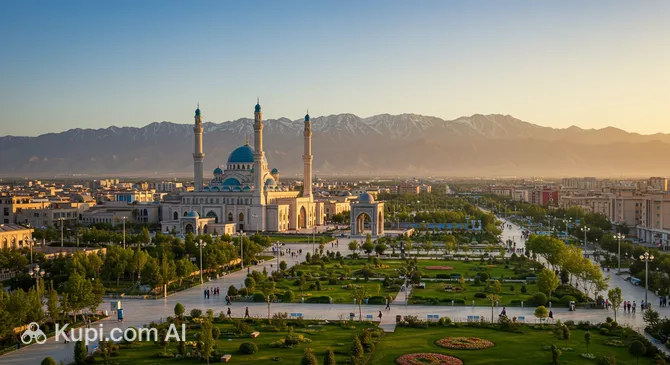
Kuqa, historically known as Kucha, is a captivating oasis city that once served as a pivotal hub on the ancient Silk Road. Renowned for its rich cultural tapestry and stunning geological formations, this destination offers travelers a unique glimpse into the past, where diverse civilizations converged. Today, it stands as a vibrant testament to the region's enduring legacy, blending traditional architecture with the breathtaking natural beauty of the surrounding landscapes.

Located in the Xinjiang Uyghur Autonomous Region of China, the city sits at the southern foot of the Tianshan Mountains and the northern edge of the Tarim Basin. With a population of approximately 462,588 inhabitants, Kuqa serves as a significant commercial and cultural center in the area. The local climate is typically continental, characterized by distinct seasons that shape the dramatic scenery, from snow-capped peaks to arid desert expanses.

Kuqa. Source: Kupi.Binoculars

The history of Kuqa is deeply intertwined with the spread of Buddhism and trade across Central Asia. Visitors can explore this profound heritage through the city's remarkable sites. One of the most spectacular attractions is the Tianshan Mysterious Grand Canyon, famous for its reddish-brown sandstone cliffs that have been sculpted by wind and rain into surreal shapes. Another must-see is the Subashi Ruins, the remnants of a once-grand Buddhist temple complex that whispers tales of the city's spiritual significance centuries ago.

Beyond its ancient ruins and canyons, the city's Old Town offers a lively atmosphere filled with local crafts, music, and traditional architecture. Whether you are wandering through the historic streets or marveling at the geological wonders nearby, Kuqa promises an unforgettable journey for those seeking to discover the hidden gems of the Silk Road.

Weather Overview

Kuqa experiences a continental climate characterized by distinct seasons and generally arid conditions. The weather in Kuqa varies significantly throughout the year, offering hot summers and freezing winters. Travelers can expect plenty of sunshine and dry skies, as the region receives negligible precipitation regardless of the season.

Summers are warm to hot, with July seeing average temperatures around 25.8°C and daily highs often reaching nearly 33°C. In contrast, winters are cold and dry; January is typically the coldest month, with average temperatures dropping to -7.0°C and lows dipping as far as -12.5°C. Rainfall is extremely rare, with most months recording 0mm of precipitation, though you might encounter a few slightly damp days during the summer months.

Interesting Facts

Beyond its famous canyons and historical significance, Kuqa holds fascinating secrets that reveal the depth of its cultural heritage. This ancient oasis offers more than just scenic views, boasting a legacy that influenced empires and traditions far beyond its borders.

  • The Music of the Tang Court: Ancient Kucha was a superpower of the arts, specifically known for its mesmerizing music and dance. The "Music of Kucha" traveled along the Silk Road and became a staple in the imperial courts of the Tang Dynasty in China, heavily influencing the classical music of the era.

  • Home of the Great Translator: The city was the birthplace of Kumarajiva, one of the most important figures in the history of Buddhism. A celebrated monk and scholar born in the 4th century, he is credited with translating vast amounts of Sanskrit scriptures into Chinese, fundamentally shaping East Asian Buddhism.

  • A Sentinel of the Silk Road: The Kizil Gaha Beacon Tower, located just outside the city, is considered the oldest and best-preserved ancient military beacon tower in the region. Dating back to the Han Dynasty, this solitary earthen structure was vital for defense, used to send smoke signals to warn of incoming threats.

  • The Sweetest Apricots: Kuqa is renowned locally as the "Hometown of the White Apricot." These unique, small fruits are celebrated for their translucent, thin skin and exceptionally sweet, honey-like pulp, making them a prized delicacy that visitors should not miss during the harvest season.

How to Get There

Reaching the historic city of Kuqa is the first step in exploring the rich heritage of the Silk Road in Xinjiang. While the region is vast, there are convenient air travel options that connect this oasis to other parts of the country. For a complete overview of transportation methods, you can read more about how to get to Kuqa, including details on planning your journey.

The most direct way to arrive is by flying into Kuqa Airport (KCA). This regional hub is incredibly convenient, located just 2.1 km from the city center. Given its close proximity, a transfer to the downtown area is exceptionally quick and stress-free, taking only 5 to 10 minutes by taxi. Although it handles a moderate volume of passengers annually, it provides essential connections for travelers wishing to land directly at their destination without the need for long overland transfers.

If direct flights to Kuqa are unavailable, you might consider flying into neighboring cities, which offer more schedule options. Korla Airport (KRL) in the city of Korla is a larger hub situated about 263 km away; thanks to the modern G3012 expressway, the road trip from there to Kuqa typically takes 3 to 4 hours. Alternatively, Aksu Airport (AKU) in Aksu is approximately 228 km away, requiring a similar drive of about 3 to 4 hours. These airports serve millions of passengers each year, making them viable alternatives for reaching the region.

For clarity, here is a summary of the main airports:

Airport Name City Passenger Traffic Km from City
Kuqa Airport Kuqa Small 2.1
Korla Airport Korla Medium 263.6
Aksu Airport Aksu Medium 228.6

Main Attractions

Kuqa offers a remarkable array of historical and natural wonders, serving as a gateway to the ancient Silk Road's legacy. From geological marvels to sacred religious sites, the city's attractions provide a vivid window into the region's diverse past and stunning geography.

Tianshan Mysterious Grand Canyon is undoubtedly one of the most spectacular natural sights in the area. Located in the foothills of the Tianshan Mountains, this geological wonder is famous for its towering reddish-brown sandstone cliffs. Over millions of years, wind and rain have sculpted the rocks into surreal, undulating shapes that change color with the shifting sunlight. It is a paradise for hikers and photographers who come to marvel at the dramatic narrow valleys and the sheer scale of the vibrant red rock formations.

For those interested in ancient history and art, the Kizil Caves are an essential stop. Situated roughly 70 kilometers from the city, this site represents one of the earliest major Buddhist cave complexes in China, predating even the famous Mogao Caves. The grottoes are renowned for their exquisite murals and sculptures, which display a unique fusion of Central Asian, Indian, and local artistic styles. Visitors can explore the accessible caves to see depictions of Jataka tales and gain insight into the spiritual life that flourished here nearly two millennia ago.

The Subashi Ruins offer a hauntingly beautiful glimpse into the region's archaeological significance. These extensive earthen remains were once the largest Buddhist temple complex in the ancient Kingdom of Kucha. Divided by a river into eastern and western sections, the site includes the remnants of pagodas, halls, and monks' quarters. Walking among these weathered walls in the quiet desert landscape allows travelers to connect with the history of the Silk Road and imagine the bustling religious activity that once defined this area.

Located within the city itself, the Kuqa Royal Palace provides a fascinating look at the local leadership history. This reconstructed complex was the residence of the hereditary princes of Kuqa and stands as a testament to the integration of cultures in the region. The architecture elegantly combines traditional Uyghur designs with Han Chinese influences. Inside, visitors can tour the museum, gardens, and living areas to learn about the lineage of the Kuqa kings and the administrative history of the area up until the early 20th century.

Local Cuisine

The culinary landscape of Kuqa is a delightful reflection of its location on the ancient Silk Road, offering a rich blend of Uyghur traditions and hearty Central Asian flavors. The city is most famous for its unique baking culture, particularly the renowned Kuqa Big Naan. Unlike the standard flatbreads found elsewhere in the region, this local specialty is exceptionally large—often exceeding half a meter in diameter—and is characterized by its thin, crispy crust and sesame-topped center. It is not merely a side dish but a celebrated staple that visitors often buy as a souvenir.

Meat lovers will find themselves at home here, as lamb is the cornerstone of many meals. You cannot leave without trying the local shish kebabs (kawap), which are marinated in cumin and chili powder before being grilled over charcoal to smoky perfection. Another hearty favorite is polu (pilaf), a savory dish of rice cooked with tender mutton, sweet yellow carrots, and onions. For noodle enthusiasts, laghman—hand-pulled noodles topped with a spicy stir-fry of meat and vegetables—offers a satisfying and chewy texture that defines the region's comfort food.

To balance the richness of the cuisine, locals typically drink hot milk tea or spiced herbal teas, which are served with almost every meal. During the warmer months, freshly made yogurt is a popular way to cool down. Additionally, since Kuqa is famous for its sweet white apricots, fresh fruit and locally produced fruit juices are abundant and incredibly refreshing, especially during the harvest season.

The best way to experience the local food culture is by exploring the bustling night markets and street stalls, particularly in the Old Town area. As evening falls, these markets come alive with the aroma of baking bread and grilling meat. Dining here is often a casual, open-air experience where you can sit at communal tables, watch the naan being pulled from tandoor ovens, and enjoy the vibrant atmosphere alongside friendly locals.

Travel Tips

Welcome to Kuqa, a mesmerizing stop on the ancient Silk Road where history and culture converge in spectacular fashion. To ensure your journey through this desert oasis is as smooth as it is unforgettable, here are some essential practical tips to help you navigate the local customs and logistics.

  1. Clothing and Gear: Since the climate is continental and arid, layering is key. Summers can be scorching, so bring lightweight, breathable fabrics and sun protection (hats, sunglasses, sunscreen). Winters are freezing, requiring heavy coats and thermal wear. If you plan to visit the Tianshan Mysterious Grand Canyon, sturdy walking shoes are a must. Additionally, when visiting mosques or religious sites, dress modestly by covering your shoulders and knees.
  2. Transportation: Within the city center, taxis are affordable and plentiful, making them the easiest way to get around. However, the major attractions like the Grand Canyon and Kizil Caves are located far from the city (70km+). Public transport to these areas is limited or non-existent for tourists, so it is highly recommended to hire a private driver or charter a car for the day to explore these distant sites comfortably.
  3. Finances: The local currency is the Chinese Yuan (CNY/RMB). While cash is still useful for small transactions at street stalls or for buying the famous Kuqa naan, digital payments dominate. It is advisable to set up Alipay or WeChat Pay and link your international credit card before arrival, as this is the primary payment method everywhere. ATMs accepting foreign cards are generally found at major branches like the Bank of China.
  4. Health and Safety: Kuqa is generally very safe for tourists, but the climate is extremely dry. Stay hydrated and carry lip balm and moisturizer. Keep your passport with you at all times; you will need it not just for checking into hotels, but also for purchasing entry tickets to tourist sites and passing through security checkpoints on the roads. Pharmacies are marked with a green cross, but bring a basic first-aid kit and any personal prescription meds.
  5. Communication: The primary languages are Mandarin Chinese (Putonghua) and Uyghur. English is rarely spoken, even in service industries. It is crucial to download an offline translation app on your phone. Also, ensure you have a reliable roaming plan or a local SIM card (available at major airports or carrier shops with a passport) to use navigation apps, as Google services are blocked in China.
  6. Local Etiquette: The region has a strong Muslim heritage. Always ask for permission before taking photos of locals, especially older residents. When shaking hands or handing over money or items, use your right hand, as the left is traditionally considered unclean. If you are invited into a local home, remove your shoes at the door.
  7. What to Avoid: Strictly avoid taking photographs of police stations, checkpoints, or military personnel. This is a sensitive rule throughout the region, and violating it can lead to your device being checked or photos deleted. Also, avoid public discussions on sensitive political topics.
  8. Additional Tip: Be aware of "Xinjiang Time." While the official clock follows Beijing Time (GMT+8), the sun rises and sets much later here. Locals often operate on an unofficial schedule that is two hours behind Beijing Time. This means lunch might be served at 2:00 PM and dinner as late as 8:00 or 9:00 PM. Always clarify which time is being referred to when booking appointments.

Armed with these practical insights, you are ready to explore the red canyons, ancient ruins, and vibrant bazaars of Kuqa with confidence. Embrace the local rhythm, enjoy the warm hospitality, and have a wonderful adventure in this unique corner of the world!

Entertainment & Nightlife

Entertainment in Kuqa is a vibrant reflection of its Silk Road heritage, offering a nightlife experience that is less about thumping basslines and more about immersive cultural encounters. The city does not feature a Western-style clubbing scene; instead, the evening comes alive in the bustling markets and illuminated streets where food, conversation, and local traditions take center stage. The atmosphere is warm and communal, with families and friends gathering to enjoy the cool desert air after sunset.

The heart of the city's nightlife beats strongest at the Kuqa Night Market, often located near the Tuanjie (Unity) New Bridge. This is the ultimate destination for food lovers and those seeking an authentic local vibe. As dusk falls, the area transforms into a sensory wonderland filled with the smoke of charcoal grills and the aroma of roasted cumin. The crowd here is a lively mix of locals and travelers, and the dress code is entirely casual. You can spend hours here sampling delicacies like spicy sheep's hoof, grilled fish, and the famous local yogurt, all while soaking in the energetic "medieval" atmosphere of the Old Town.

Another essential spot for an evening stroll is Resitan Road. This historic commercial street is lined with colorful buildings featuring intricate doors and windows that glow under the streetlights. It is a fantastic place to shop for handicrafts or simply people-watch. The shops and small eateries here stay open late, often until midnight or later, thanks to the "Xinjiang time" difference (where sunset occurs much later than in eastern China). For a more relaxed evening, you might find small tea houses or local music venues tucked away in Huamao Lane, offering a glimpse into the region's rich musical traditions.

For practical advice, the best time to head out is after 9:00 PM or even 10:00 PM, as the city operates on a later schedule due to its western longitude. Prices are generally very affordable, with a hearty meal at a night market costing a fraction of what you would pay in larger cities. Taxis are readily available and cheap, making it easy to hop between the Old Town and newer districts. However, be prepared for strict security measures; police checkpoints are common, and you should always carry your passport/ID, even for a simple night out.

While the nights are for feasting, the days in Kuqa are filled with awe-inspiring exploration. The city serves as the gateway to the breathtaking Tianshan Mysterious Grand Canyon and the ancient Kizil Caves. Within the city limits, visitors can explore the Kuqa Royal Palace or admire the architecture of the Kuqa Grand Mosque. Whether day or night, the city offers a unique blend of history and hospitality that is distinctively its own.

Parks & Museums

While Kuqa is predominantly known for its arid, dramatic landscapes and ancient ruins, the city and its surroundings offer surprising pockets of natural beauty and well-curated cultural repositories. The contrast between the red sandstone canyons and the lush alpine lakes nearby creates a diverse environment for exploration, while the local museums provide essential context to the region's role as a Silk Road superpower.

Big Dragon Pool (Dalongchi) is a stunning natural gem located deep in the Tianshan Mountains, north of the city center. Unlike the desert terrain below, this area features two alpine lakes surrounded by lush spruce forests and green meadows. The water sparkles with varying shades of emerald and turquoise, reflecting the snow-capped peaks above. It is a refreshing retreat during the hot summer months, ideal for travelers seeking tranquility and a dramatic change of scenery from the dusty plains.

Although often categorized as a major attraction, the Tianshan Mysterious Grand Canyon also functions as a significant National Geopark. Beyond its photogenic qualities, it serves as an open-air classroom for geology enthusiasts. The park features well-maintained walking paths that wind through the towering reddish-brown cliffs. The interplay of light and shadow on the wind-eroded rocks creates a natural gallery of stone sculptures, making it a perfect spot for a scenic hike that feels like walking on another planet.

For a deep dive into the region's heritage, the Kuqa Museum is an indispensable stop. Often situated within the Kuqa Royal Palace complex, this museum houses a collection of artifacts that chronicle the history of the ancient Qiuci Kingdom. Visitors can view pottery, coins, and traditional tools that date back thousands of years. The exhibits highlight the area's history as a melting pot of Indian, Persian, and Chinese cultures, offering a scholarly narrative to accompany the physical ruins found outside the city.

The Kuqa Royal Palace itself serves as a living museum of local governance and architecture. While the grounds are a reconstructed version of the original residence, the exhibition halls inside provide a fascinating look at the lives of the hereditary princes who ruled the area until the early 20th century. The blend of Han and Uyghur architectural styles in the buildings is a visual lesson in cultural integration, and the preserved living quarters allow tourists to step back in time to see how the local elite lived.

Among the architectural highlights is the Kuqa Grand Mosque, located in the old town. As the second-largest mosque in Xinjiang, it is a masterpiece of traditional construction. The main prayer hall is supported by tall, slender wooden pillars intricately painted with floral patterns, and the complex includes a religious court and a gate tower. It stands as a serene monument to the Islamic heritage that has shaped the city's identity for centuries.

For a truly authentic experience, take a walk through the alleys of the Old Town, particularly around the mosque area. This part of the city acts as a "living museum" where traditional mud-brick houses with brightly painted, carved wooden doors line the streets. It is a quiet, less commercialized area where you can observe the daily rhythm of life, from artisans working in small shops to elders chatting in the shade of grape trellises.

Getting Around

Public transport in Kuqa is relatively simple and straightforward, primarily relying on a network of buses and an abundance of taxis. Unlike China's massive metropolises, this oasis city does not have a metro or tram system. For most visitors, the city center is compact enough to navigate easily, while the major outlying attractions require specific travel arrangements. Understanding the local options will help you move between the historic Old Town and the modern districts with ease.

The city bus system is the most economical way to get around the urban area. Buses generally operate on fixed routes that connect the main residential areas, bazaars, and the train station. The vehicles are functional and safe, though they can get crowded during peak hours. Operating hours typically run from early morning until around 8:00 PM or 9:00 PM Beijing time. It is important to note that bus stops are usually marked only in Chinese and Uyghur, so having a map app or your destination written down is essential.

Regarding payment, the fare for a bus ride is extremely affordable, usually costing 1 RMB regardless of the distance traveled. Most buses operate on a self-service basis where you drop money into a box next to the driver upon entry. You must have the exact change, as drivers do not carry cash. Alternatively, mobile payments via Alipay or WeChat Pay are widely accepted; you simply scan the QR code near the entrance. Physical transport cards exist for residents but are generally not worth the hassle for short-term tourists.

Taxis are the most popular and convenient option for travelers. They are plentiful on the streets and can be easily flagged down anywhere in the city. Fares are metered and start at a very low base rate, making even cross-city journeys inexpensive compared to Western standards. While ride-hailing apps like Didi are available, street-hailing is often faster in Kuqa. Most taxi drivers do not speak English, so showing the driver your destination's name in Chinese on your phone is the most effective way to communicate.

For exploring the Old Town, you might encounter electric sightseeing carts or even traditional donkey carts in specific tourist zones. These are less of a practical transit mode and more of a novelty way to experience the historic atmosphere of the narrow alleys. They offer a slow-paced, open-air perspective of the traditional architecture and are usually paid for in cash on the spot.

A critical piece of advice for tourists is that public transport does not effectively serve the major outlying attractions. Famous sites like the Tianshan Mysterious Grand Canyon and the Kizil Caves are located 70 kilometers or more from the city center. There are no direct public buses to these locations. To visit them, you will need to negotiate a round-trip price with a taxi driver for the day or hire a private driver through your hotel. This is standard practice in the region and ensures you have a ride back to the city.

Accommodation

Accommodation in Kuqa primarily caters to the practical needs of travelers exploring the Silk Road. While you will not find an abundance of ultra-luxury international chains, the city offers a solid selection of comfortable mid-range hotels and functional business lodgings. The options generally range from clean, standard establishments to higher-end local hotels that provide modern amenities such as air conditioning and reliable Wi-Fi, which are essential comforts after a day spent in the desert climate.

For the most convenient stay, travelers are advised to look for hotels in the New District (City Center). This area is the modern heart of Kuqa, offering easy access to restaurants, supermarkets, and transportation hubs. Staying here ensures you are well-connected to the main roads leading to attractions like the Grand Canyon while enjoying the conveniences of a developed urban environment. While the Old Town is the cultural soul of the city, accommodation options there are limited and may not always be suitable for international visitors due to local regulations.

A crucial tip for international travelers visiting this region is to verify that your chosen hotel is licensed to accept foreign guests. In Kuqa, as in many parts of the region, not every hotel, hostel, or guesthouse has the authorization to host non-Chinese citizens. It is highly recommended to explicitly confirm this policy with the property or through your booking platform before your arrival to avoid any inconvenience during check-in.

Regarding costs and planning, prices in Kuqa are generally very reasonable compared to China's major eastern metropolises. Most travelers can find excellent value in the mid-range category. It is strongly advisable to book in advance, particularly during the peak travel season from June to October when the weather is most favorable and domestic tourism is high. Using major international online booking platforms is the most reliable way to secure a room and ensure the property is equipped to welcome international travelers.

Nearby Cities

For those looking to explore the surroundings, Kuqa serves as an excellent base for day trips to several interesting nearby locations.

Situated along the northern edge of the Tarim Basin, Kuqa is flanked by other significant oasis cities that played crucial roles on the ancient Silk Road. To the east lies Korla, a modern and vibrant metropolis often referred to as the "Pear City" due to its production of famous fragrant pears. Visitors here can enjoy the scenic Peacock River flowing through the city center or venture slightly further to Bosten Lake, one of the largest freshwater lakes in China, known for its reed marshes and birdlife.

Traveling west brings you to Aksu, a lush agricultural hub celebrated for its "sugar-heart" apples and rich greenery. As a key transit point connecting the northern and southern routes of the Tianshan Mountains, Aksu offers a blend of desert landscapes and fertile valleys. It provides a slightly different pace of life and serves as a gateway for those heading deeper into the region or towards the border areas.

City Population Distance (km)
Korla 770,000 267
Shihezi 717,000 384
Yining 542,507 277
Aksu 535,657 234
Shuanghe 360,000 351

These nearby destinations offer a glimpse into the diverse culture and landscapes of the region.

Shopping & Souvenirs

Shopping in Kuqa offers a fascinating blend of ancient Silk Road traditions and modern convenience. The city is not a destination for high-end luxury fashion; rather, it is a treasure trove for cultural artifacts, local handicrafts, and exceptional agricultural products. Visitors will find two distinct shopping experiences: the atmospheric bazaars of the Old Town, where bargaining is part of the fun, and the contemporary retail centers of the New District. Kuqa is particularly renowned across China for its unique, oversized flatbreads and sweet apricots, making food items some of the most popular purchases.

The most vibrant shopping area for tourists is undoubtedly Resitan Road in the Old Town. This historic street, lined with traditional architecture, is the best place to find authentic local crafts. Here, you can wander past small workshops where artisans hammer copper, carve wood, and sell handmade instruments. In contrast, the Tianshan Road area in the New District serves as the modern commercial hub. This is where you will find supermarkets, clothing boutiques, and electronics stores that resemble those in any other modern Chinese city.

While Kuqa does not boast massive international mega-malls, the New District features several modern commercial complexes that cater to local needs. The Kuqa Friendship Shopping City (or similar large department stores in the city center) provides a one-stop experience for clothing, cosmetics, and household goods. These venues offer a comfortable, air-conditioned environment and fixed prices, providing a relaxing break from the bustling outdoor markets.

The soul of Kuqa's shopping scene lies in its markets. The Kuqa Grand Bazaar (often simply referred to as the farmers' market) is a sensory explosion of colors and smells. It is the go-to place for fresh produce, spices, and textiles. Friday is typically the busiest market day, drawing villagers from the surrounding oasis to trade. Here, you can see mounds of dried fruits, colorful fabrics, and the daily bustle of local life. The Night Market, while primarily for food, also features stalls selling small trinkets and accessories, making it a lively spot to browse after dinner.

When it comes to souvenirs, the Kuqa Big Naan is the city's signature item. These massive flatbreads, often decorated with intricate patterns, are durable and make for a unique, edible gift. Dried fruits are another must-buy; the region's white apricots, walnuts, and raisins are famous for their intense sweetness and high quality. For non-food items, look for traditional Uyghur musical instruments like the dutar or rawap, which reflect the city's musical heritage. Beautifully crafted local knives are also popular, but be aware that they cannot be taken on planes or trains and must be mailed home via specific postal services.

Store opening hours in Kuqa are influenced by the unofficial "Xinjiang Time." Most shops do not open until 10:00 AM or 11:00 AM Beijing Time and stay open late, often until 10:00 PM or midnight. Regarding payment, cash (RMB) is widely accepted in small stalls and old markets. However, the most common and convenient method is mobile payment via Alipay or WeChat Pay. It is highly recommended to have these apps set up on your phone, as even small street vendors prefer digital transactions over cash.

Tax-free shopping for tourists is generally not available in Kuqa. The tax refund schemes found in major international hubs like Beijing or Shanghai do not typically apply to the local markets or department stores here. Visitors should expect to pay the marked price, inclusive of any applicable taxes.
Nearby cities

Reached the end of the page?

That means the route is fully explored