Support

Shihezi

About

Welcome to Shihezi, a remarkable destination often celebrated as the "Garden City of the Gobi." Known for its meticulous urban planning and extensive greenery, this city stands as a lush oasis amidst the arid landscapes of the region. It offers a unique atmosphere where nature and modernity coexist harmoniously, making it a pleasant stop for travelers exploring the vast territories of the northwest.

Located in the northern foothills of the majestic Tianshan Mountains in China, Shihezi enjoys a strategic position in the Xinjiang Uyghur Autonomous Region. With a population of over 700,000, it serves as a vibrant sub-prefecture-level city. The climate here is continental, characterized by distinct seasons that paint the city in different colors throughout the year, from blooming springs to snowy winters.
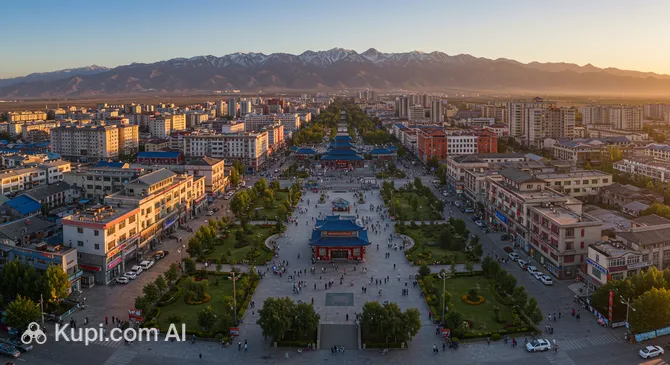
Shihezi. Source: Kupi.Binoculars

Unlike many ancient cities in the region, Shihezi is a relatively young metropolis that was transformed from a barren desert into a thriving urban center. Visitors intrigued by how this transformation took place can explore the fascinating history of Shihezi, which details the immense efforts undertaken to create this habitable and beautiful environment. The city's layout is spacious and organized, featuring wide boulevards lined with trees and flowers.

Tourists will find several engaging spots to visit, including the well-known Shihezi Army Reclamation Museum, which houses artifacts and exhibits showcasing the city's developmental heritage. For those seeking natural beauty, Mushroom Lake offers a serene setting for relaxation and leisure. The city's numerous parks and public squares provide ample space for walking and observing local life.

Whether you are interested in unique urban history or simply looking for a green sanctuary during your travels, Shihezi is a destination that promises a memorable experience. We invite you to discover the charm and tranquility of this truly distinctive garden city.

Weather Overview

Shihezi experiences a distinct continental climate, characterized by significant temperature differences between the seasons. Travelers should be prepared for hot summers and bitterly cold winters, with generally dry conditions prevailing throughout the year. For a more detailed breakdown to help plan your trip, you can check the weather in Shihezi before you pack.

The summer months are warm to hot, with July being the peak season. During this time, the average temperature hovers around 27.9°C, and daytime highs can reach up to 34.2°C. Conversely, winters are severe; in January, the average temperature drops to -16.0°C, with lows plunging to -20.0°C, requiring heavy winter clothing.

Precipitation is scarce in this region, with most months recording close to 0mm or just 1mm of rainfall. Expect distinct seasonal shifts with hot days in mid-year and cold, dry winters, making it a destination where clear skies are common.

Interesting Facts

Beyond its reputation as a garden oasis, Shihezi possesses a fascinating history and unique characteristics that set it apart from other destinations in the region. Here are some intriguing details about this man-made marvel:

  • Built by Soldiers: The city is a testament to human determination, having been established entirely by the Xinjiang Production and Construction Corps. In the 1950s, thousands of soldiers transitioned into farmers to reclaim the Gobi Desert, literally building the city from scratch on what was once barren land.

  • UN Recognition: Shihezi is a recipient of the United Nations' "Dubai International Award for Best Practices to Improve the Living Environment." This prestigious honor recognizes the city's extraordinary success in achieving over 40% green coverage and maintaining an ecological balance in an arid climate zone.

  • A Poet's Home: The city holds a significant place in modern literature as the long-time residence of the celebrated Chinese poet Ai Qing. He lived here for nearly 16 years, and his former residence has been preserved as a cultural site, offering a glimpse into his life and work.

  • The City of Cotton: Locally, Shihezi is often referred to as the "Cotton City." The surrounding reclaimed fields are renowned for producing some of the highest-quality cotton in the country, serving as a major hub for the textile industry and agricultural technology.

How to Get There

Reaching the "Garden City" involves navigating the vast landscapes of Xinjiang, but modern transport links have made the journey increasingly accessible. Whether you prefer flying directly into the region or taking a scenic drive from a major hub, there are several options to suit your itinerary. For a comprehensive guide on all available routes, you can read more about how to get to Shihezi to plan your arrival smoothly.

The most direct way to arrive is via the city's own Shihezi Huayuan (SHF). Located just 16.7 km from the city center, this airport offers the most convenient access for travelers, minimizing transfer times significantly. It handles a moderate volume of passengers and serves as the primary local entry point.

Alternatively, many international and long-distance travelers choose to fly into Urumqi Diwopu International Airport (URC) in the regional capital, Urumqi. Situated approximately 120.2 km from Shihezi, this major transport hub handles a large volume of passengers and offers a wider range of flight connections. Another regional option is Karamay Airport (KRY), located roughly 173.5 km away, which can serve as a viable alternative depending on your origin.

For clarity, here is a summary of the main airports serving the region:

Airport Name City Passenger Traffic Km from City
Urumqi Diwopu International AirportUrumqiLarge120.2
Korla AirportKorlaMedium289.8
Karamay AirportKaramaySmall173.5
Turpan Jiaohe AirportTurpanSmall281.7
Shihezi HuayuanShiheziSmall16.7

Main Attractions

Shihezi offers a fascinating array of attractions that reflect its unique origin as a city reclaimed from the Gobi Desert. Unlike ancient Silk Road stops, this "Garden City" is defined by its modern history of determination and its surprising lushness. Visitors can explore museums that chronicle the city's construction, walk through expansive green parks, and visit cultural sites dedicated to renowned literary figures.

The most significant landmark in the city is the Xinjiang Army Reclamation Museum. Housed in a building historically known as the "First Building of Army Reclamation," this museum is essential for understanding how Shihezi came to be. It houses thousands of artifacts, including old tools, photographs, and clothing, which tell the incredible story of the soldiers who transformed the barren desert into fertile farmland and a thriving city. It provides a deep insight into the spirit of the people who built their home here from scratch.

For culture enthusiasts, the Ai Qing Poetry Hall is a must-visit destination. This memorial hall is dedicated to Ai Qing, one of China's most celebrated modern poets, who lived and worked in Shihezi for many years. The hall displays his manuscripts, personal items, and published works, offering a quiet space to appreciate his literary contributions. It stands as a testament to the city's cultural heritage and its connection to the arts.

Nature lovers will appreciate North Lake Park (Beihu Park), a scenic area that beautifully demonstrates the city's success in ecological development. Located on the northern edge of the city, this expansive park features a large lake, weeping willows, and peaceful walking paths. It is a popular spot for both locals and tourists to relax, go boating, or simply enjoy the fresh air and birdwatching opportunities in the heart of the oasis.

Another important historical site is the Monument to Premier Zhou Enlai. Located in a dedicated memorial square, this monument commemorates the visit of the beloved premier to the reclamation area in the 1960s. The site serves as a reminder of the national support for the city's development and is often surrounded by flowers and well-maintained gardens, making it a respectful and educational stop on your tour.

Local Cuisine

The culinary scene in Shihezi is a vibrant reflection of its location in the Xinjiang Uyghur Autonomous Region, offering a delicious fusion of bold, spicy flavors and hearty ingredients. The food here is characterized by a mix of traditional ethnic dishes and influences from across China, resulting in a unique gastronomic identity. Visitors can expect generous portions, aromatic spices like cumin and chili, and a strong emphasis on fresh wheat noodles and lamb.

One dish you absolutely must try is the local version of Liangpi (Cold Skin Noodles). While this dish is found throughout the country, Shihezi is famous for its specific preparation, often regarded as some of the best in the region. These translucent, chewy wheat noodles are served cold, tossed with a savory and tangy sauce made from vinegar, chili oil, and garlic, and topped with fresh cucumber and gluten sponge. It is a refreshing staple, particularly popular during the warm summer months.

Another culinary heavyweight is Da Pan Ji, or "Big Plate Chicken." Originating in the nearby areas, this dish has become a symbol of local dining. It consists of a massive platter of braised chicken, bell peppers, onions, and potatoes, simmered in a rich, spicy gravy. It is traditionally served with wide, hand-pulled "belt" noodles added at the end to soak up the flavorful sauce. It is a communal dish meant to be shared among friends or family.

When it comes to beverages, the local favorite is undoubtedly Wusu Beer. Often referred to affectionately by locals as "Red Wusu" due to its distinctive red label, this lager is known for its crisp taste and slightly higher alcohol content compared to standard beers. For a non-alcoholic option, Kvass is widely available. This fermented drink, made from honey and bread, has a sweet, tangy flavor and is a legacy of the region's diverse cultural history.

The food culture in Shihezi is best experienced at the bustling night markets. As the sun sets, these markets come alive with the smoke of charcoal grills and the scent of roasting meat. Here, tourists can join locals at outdoor tables to enjoy lamb skewers (chuanr) seasoned with cumin, freshly baked naan bread, and various street snacks. The atmosphere is casual and lively, making it the perfect place to immerse yourself in the city's social life while enjoying an authentic feast.

Travel Tips

Planning a visit to the "Garden City" requires a bit of preparation to ensure your journey through this unique oasis is as smooth as possible. To help you navigate local customs and logistics, we have compiled a set of essential tips that will make your stay in Shihezi comfortable and hassle-free.

  1. Clothing and Gear: The continental climate here dictates your wardrobe. If visiting in winter, bring heavy-duty thermal wear, a down jacket, and non-slip boots, as temperatures drop significantly. In summer, light, breathable fabrics are best for the heat, but always carry a light jacket for cooler evenings. Since the air is quite dry, bringing a good moisturizer and lip balm is highly recommended. Standard electrical outlets are Type A, C, and I, so a universal adapter is useful.

  2. Transportation: Shihezi does not have a metro system, but getting around is easy. Taxis are the most convenient and affordable option for tourists; they are plentiful and can be hailed on the street. Public buses are extensively available and cover most key attractions, though signage is primarily in Chinese. Ride-hailing apps like DiDi are popular, but you may need a local number or a linked digital payment method to use them effectively.

  3. Finances: The local currency is the Renminbi (RMB). Like much of China, Shihezi is a nearly cashless society. It is essential to download Alipay or WeChat Pay and link your international credit card before arrival, as even small street vendors prefer digital payments. Cash is accepted but can be inconvenient for making change. ATMs at major branches like the Bank of China generally accept foreign cards.

  4. Health and Safety: Shihezi is a very safe city for tourists. However, it is strictly required to carry your passport with you at all times, as you may be asked to show identification when checking into hotels, buying tickets, or at security checkpoints. Pharmacies are marked with a green cross, and while basic supplies are available, it is wise to bring your own prescription medications. Drink plenty of bottled water to prevent dehydration in the arid climate.

  5. Communication: Mandarin Chinese is the primary language spoken in the city, and English proficiency is relatively low outside of major hotels. Installing a translation app that works offline or with voice input is crucial for daily interactions. Be aware that many western social media apps and search engines are blocked; to stay connected, ensure you have a roaming plan or a compliant travel SIM card purchased upon arrival in the country.

  6. Local Etiquette: Politeness is valued highly. When dining, never leave your chopsticks sticking vertically into a bowl of rice, as this resembles incense burning for the dead and is considered bad luck. It is also polite to accept tea or food with both hands. While the city is modern, dressing modestly is appreciated, especially if you visit any cultural sites or interact with older residents.

  7. What to Avoid: Do not take photographs of police stations, military personnel, or security checkpoints. This is strictly prohibited and can lead to immediate questioning or confiscation of your device. Always ask for permission before taking close-up photos of locals to respect their privacy.

  8. Time Zone Awareness: Although the official time is Beijing Time (UTC+8), the sun rises and sets much later here due to the geographical location. Locals often operate on an unofficial "local time" schedule, which is about two hours behind Beijing. This means lunch is typically served around 1:30 PM to 2:30 PM, and dinner can be as late as 8:00 PM or 9:00 PM. Adjust your dining plans accordingly!

By keeping these practical points in mind, you will be well-equipped to enjoy the lush parks, unique history, and warm hospitality of Shihezi. A little preparation goes a long way in making your adventure in this remarkable city truly unforgettable.

Entertainment & Nightlife

Nightlife in Shihezi is distinct from the high-energy club scenes of China's coastal metropolises. Here, the evening entertainment is more relaxed, community-focused, and deeply intertwined with the local dining culture. As the sun sets, the city transforms into a vibrant hub of social activity, where the primary rhythm is dictated by the lively night markets and the glowing neon of KTV (karaoke) parlors. The atmosphere is welcoming and casual, making it easy for visitors to blend in with locals enjoying their leisure time after work.

The undisputed heart of the city's nightlife is the Shihezi Night Market. This is not just a place to eat but a sprawling venue for entertainment where friends gather for hours. The air is filled with the scent of charcoal and spices, and the sound of laughter competes with lively music. It is bustling, chaotic in a charming way, and incredibly safe. Visitors can spend the entire evening hopping from stall to stall, watching chefs skillfully grill skewers or toss woks, creating a sensory experience that defines the local night culture.

For those seeking indoor entertainment, KTV lounges are the go-to option. In Shihezi, karaoke is a serious pastime, and venues range from modest family-run spots to lavishly decorated complexes with private rooms and high-end sound systems. It is the most popular way for groups to unwind. Additionally, the area around Happiness Square (Xingfu Square) often serves as a gathering point. In the evenings, this public space comes alive with locals dancing, exercising, and socializing, offering a wholesome and energetic slice of local life that tourists are welcome to observe or join.

If you are looking for a quiet drink, you will find a selection of small, laid-back bars scattered throughout the downtown commercial districts, particularly near the major shopping centers. These venues typically have a relaxed dress code—casual wear is perfectly acceptable everywhere. The crowd is usually a mix of young professionals and students. Most bars and entertainment venues stay open late, often until 2:00 AM or 3:00 AM, adjusting to the local "Xinjiang time" which is effectively two hours behind Beijing time.

When planning your night out, keep in mind that the evening starts later here. Dinner might not finish until 10:00 PM, so the nightlife peaks around midnight. Prices are generally very affordable compared to larger cities. Getting around is straightforward; taxis are plentiful at night and can be easily hailed from the street. The city is extremely safe for night walks, with well-lit main streets and a secure environment, allowing you to explore with peace of mind.

While the nights are for socializing, daytime entertainment in Shihezi offers a different pace. Visitors can explore the city's rich history at the local museums or enjoy a leisurely afternoon at the expansive North Lake Park, which features amusement rides and boating facilities suitable for families. The contrast between the educational, green daytime activities and the flavorful, spirited nights makes for a balanced and enjoyable travel experience.

Parks & Museums

As a city celebrated for its "Garden City" moniker, Shihezi offers far more than just a few isolated green spots. The urban planning here is masterfully integrated with nature, creating a seamless flow of parks, squares, and tree-lined avenues that invite exploration. Beyond the well-trodden paths, the city houses distinct cultural venues and recreational spaces that provide a deeper look into local life and the region's agricultural triumphs.

For a relaxing day out in the city center, West Park (Xi Gongyuan) is a favorite among residents. Unlike the expansive nature of the suburban lakes, this park offers a classic urban retreat with dense foliage, winding paths, and vibrant flower beds that bloom in succession from spring to autumn. It features recreational facilities including a swimming pool and a children's playground, making it a lively spot for families. It is also an excellent place to observe local culture, as elderly residents often gather here in the mornings to practice Tai Chi or play traditional instruments under the shade of mature elms.

Another significant green space is Century Park (Shiji Park), which represents the modern face of the city. Located near the administrative center, this area is designed with open plazas, grand sculptures, and manicured lawns. It is less about wilderness and more about community gathering. In the evenings, the park comes alive with a musical fountain show and groups of locals engaging in square dancing. It provides a spacious, airy atmosphere that contrasts beautifully with the dense greenery of the older districts.

While the main history museum covers the general narrative of the city, the Shihezi University Museum offers a specialized academic perspective. Situated within the university campus, this museum is a hidden gem for those interested in the natural history and agricultural development of Xinjiang. It boasts an impressive collection of animal specimens, botanical exhibits, and displays on the advanced agricultural technologies that helped tame the desert. It is an educational stop that highlights the scientific efforts behind the region's prosperity.

For a more immersive historical experience, travelers should visit the Site of the First Company of Army Reclamation. Located on the outskirts, this site functions as an open-air museum that preserves the raw, original conditions of the city's founders. Unlike the polished exhibits downtown, here you can enter preserved "Earth Houses" (Di Wo Zi)—the dugout shelters where the first settlers lived during the harsh winters. It features original tools and agricultural equipment in situ, offering a visceral connection to the determination required to build the city.

Insider Tip: Don't just look for enclosed parks; the streets of Shihezi are attractions in themselves. The city utilizes a unique "forest belt" design where wide strips of forest separate sidewalks from traffic. A simple walk along the main boulevards often feels like a hike through a woodland tunnel, offering a cool respite even during the hot summer afternoons.

Getting Around

Navigating Shihezi is a refreshing experience compared to the congestion often found in larger metropolises. Thanks to its meticulous urban planning, the city features a straightforward grid layout with wide, tree-lined boulevards that make orientation easy for first-time visitors. The traffic flow is generally smooth, allowing travelers to move between attractions, hotels, and dining areas efficiently.

Public buses form the backbone of the local transportation network. The system is extensive, covering all major districts, parks, and the university area. Buses are modern, clean, and extremely affordable, typically costing just 1 RMB per ride. It is important to note that most buses operate on a self-service ticketing basis; you should prepare exact change or use a mobile payment app like Alipay or WeChat Pay upon boarding. Bus stops are clearly marked, though route information is primarily in Chinese, so having a translation app handy is recommended.

For a more direct and private mode of travel, taxis are ubiquitous and inexpensive. You can easily hail them on the street, and they are identifiable by their distinct colors. All legal taxis use meters, and drivers are generally honest, though few speak English. It is advisable to have your destination written in Chinese to show the driver. Ride-hailing apps are also operational in the city, offering a convenient alternative if you prefer to book a car digitally and avoid language barriers regarding directions.

While Shihezi does not have a metro system, its connectivity to the wider region is supported by the Shihezi Railway Station. Located in the southern part of the city, this station is a key stop on the high-speed railway line connecting Urumqi and other major cities in Xinjiang. The high-speed trains are comfortable and punctual, making them an excellent option for day trips or for continuing your journey across China.

Given the city's reputation as a "Garden City," walking is a highly pleasant option, especially in the downtown core and around the parks. The sidewalks are wide and often separated from the road by lush green belts, providing shade and a quiet atmosphere. For shorter distances, shared bicycles are available throughout the city, allowing you to enjoy the scenery at a leisurely pace while moving from one site to another.

Accommodation

Accommodation in Shihezi largely reflects its status as a functional, modern city rather than a luxury resort destination. The hospitality scene is dominated by mid-range business hotels and standard guesthouses that offer clean, comfortable, and affordable lodgings. While you generally won't find ultra-luxury international chains here, the local establishments are known for their reliable service and often surprisingly spacious rooms, catering primarily to domestic travelers and business professionals visiting the region's industries.

For the most convenient experience, it is best to stay in the city center, particularly around the commercial districts near Happiness Square (Xingfu Square). Staying in this area places you within walking distance of the bustling night markets, shopping centers, and a wide array of restaurants. This central location allows you to easily soak up the local atmosphere and access public transport. Alternatively, if you prefer a quieter environment, look for hotels near West Park, where the surroundings are greener and more serene, yet still accessible to the main attractions.

Important Booking Tip: When planning your stay in Shihezi, and the Xinjiang region in general, it is crucial to verify that your chosen hotel is authorized to accept foreign guests. Not all properties hold the necessary license to host international travelers. It is highly recommended to contact the hotel directly or use a reputable international booking platform to confirm this requirement before you arrive to avoid any check-in issues.

In terms of cost, accommodation in Shihezi is very budget-friendly compared to China's eastern coastal cities. Travelers can expect excellent value for money, with high-quality mid-range rooms often available at what would be considered budget prices elsewhere. Booking is best done through major online travel platforms like Trip.com, which are more likely to list hotels compliant with regulations for foreign visitors. It is advisable to book your room in advance, especially during the peak summer months when the weather is most favorable for tourism.

Nearby Cities

For those looking to explore the surroundings, Shihezi serves as an excellent base for day trips to several interesting nearby locations:

City Population Distance (km)
Urumqi4335017134
Karamay391008170
Korla770000287
Turpan622903293
Shuanghe360000302

Urumqi, the regional capital, is the most accessible major destination from Shihezi. A trip here allows visitors to immerse themselves in a vibrant mix of cultures at the International Grand Bazaar, one of the largest traditional markets in the world. The city also features the Xinjiang Regional Museum, which houses incredibly well-preserved ancient mummies and artifacts that trace the history of the Silk Road.

To the north lies Karamay, a city famous for its oil heritage and unique geological features. The highlight for tourists is the nearby World Devil City (Urho Ghost City), a stunning wind-eroded yardang landform that creates an eerie, castle-like landscape in the middle of the desert. It is a photographer's paradise, especially during sunset when the rock formations glow in shades of red and gold.

Although a bit further away, Turpan is a legendary stop known for its extreme climate and sweetness. It sits in a depression below sea level and is famous for the blazing Flaming Mountains and the ingenious Karez irrigation system that waters its lush vineyards. Visitors can enjoy some of the sweetest grapes in the country and explore the ancient ruins of Jiaohe, offering a deep dive into the region's past.

These nearby destinations offer a glimpse into the diverse culture and landscapes of the region.

Shopping & Souvenirs

Shopping in Shihezi offers a blend of modern convenience and local agricultural bounty. As a relatively new and well-planned city, it lacks the chaotic ancient bazaars found in some other parts of the region, replacing them with organized commercial districts and orderly markets. Visitors will find a relaxed retail atmosphere where they can purchase daily necessities, fashion, and regional specialties without the intense haggling often required elsewhere.

The primary commercial activity is concentrated in the downtown area, particularly around the central squares and along the main boulevards. Beiwu Road and the streets surrounding Happiness Square (Xingfu Square) are the bustling hearts of the city's retail scene. Here, wide pedestrian-friendly sidewalks are lined with a mix of brand-name clothing stores, sporting goods shops, and local boutiques, making it a pleasant area for a leisurely afternoon stroll.

For a more comprehensive shopping experience, the city features several modern department stores and malls. These multi-story complexes are where locals go for higher-end fashion, cosmetics, and electronics. They offer a comfortable, climate-controlled environment which is particularly welcome during the hot summer months or freezing winters. Inside, you will find a mix of domestic Chinese brands and some international labels, along with food courts serving local snacks.

While Shihezi is modern, its markets remain the best place to find authentic local flavor. The local agricultural markets are vibrant hubs where the region's famous produce is sold. This is the ideal spot to buy dried fruits and nuts, such as raisins, walnuts, and jujubes (red dates), which are staples of the Xinjiang diet. The quality here is exceptional, and prices are generally lower than in tourist-heavy cities.

When it comes to souvenirs, cotton products are the city's claim to fame. Known as the "Cotton City," Shihezi is surrounded by some of China's most productive cotton fields. Visitors should look for high-quality cotton bedding, towels, and clothing, which are renowned for their softness and durability. Additionally, locally produced lavender essential oils and dried lavender products, often sourced from the nearby Yili Valley, make for fragrant and easy-to-pack gifts.

Opening hours in Shihezi are influenced by its geographical location. Although the official time is Beijing Time, the sun rises and sets much later here. Consequently, most shops do not open until 10:00 AM or 11:00 AM and typically stay open until 9:00 PM or 10:00 PM. In summer, night markets and some shops may operate even later.

Regarding payment, the city is almost entirely digital. WeChat Pay and Alipay are the standard methods for everything from mall purchases to street snacks. While cash is accepted, carrying small denominations is advisable as vendors may not always have change for large bills. International credit cards are rarely accepted outside of major hotels, so setting up a mobile payment app on your phone before arrival is highly recommended.

Tourists should be aware that tax-free shopping and VAT refund services are generally not available in Shihezi. The tax refund schemes found in major international hubs like Beijing or Shanghai have not yet extended to most retail outlets in this region, so visitors should plan their budgets assuming the listed price is the final cost.

Reached the end of the page?

That means the route is fully explored