Support

Karamay

About

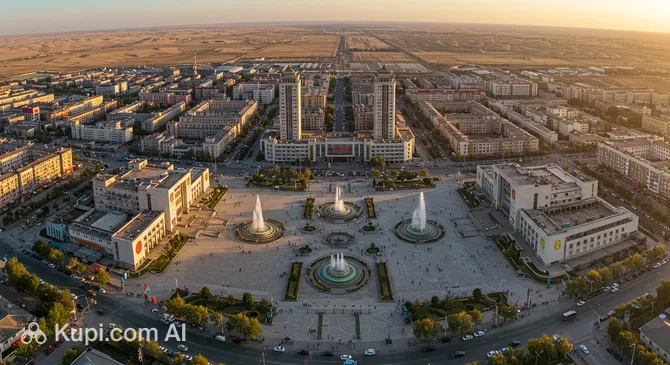
Karamay is a captivating city located in the northern part of the Xinjiang Uyghur Autonomous Region in China. Often referred to as the "Oil City," its name derives from the Uyghur language meaning "black oil," reflecting the abundant natural resource that has fueled its rapid development and prosperity. This modern oasis stands as a striking contrast to the rugged, arid landscapes that surround it, offering visitors a unique blend of industrial heritage and natural wonder.

Situated on the edge of the Junggar Basin, the city experiences a semi-desert climate characterized by hot summers and cold winters. despite its remote location, it is home to over 390,000 residents and boasts impressive urban planning. The history of Karamay is a testament to human resilience and engineering, showcasing how a thriving metropolis emerged from the Gobi Desert following the country's first major oil discovery in the 1950s.

Karamay. Source: Kupi.Binoculars

Travelers are drawn to the area's surreal geological features, most notably the famous Urho Ghost City (World Devil City). This spectacular yardang landform features wind-eroded rock formations that resemble ancient castles and mysterious figures, creating an eerie yet beautiful atmosphere. Another significant site is Black Oil Mountain, where visitors can witness crude oil naturally bubbling to the surface, a rare sight that highlights the geological forces beneath the region.

Whether you are fascinated by unique geological formations or interested in seeing a modern city rise from the desert, Karamay offers a distinct and memorable travel experience off the beaten path.

Weather Overview

The climate in this region is continental and arid, characterized by distinct seasonal changes. Visitors should expect hot, dry summers and very cold winters with minimal precipitation year-round. For a detailed forecast to help you pack, you can check the current weather in Karamay.

Winters are harsh, with January being the coldest month, featuring an average temperature of -13.3°C and lows dropping to -16.6°C. In contrast, the summer months bring significant heat; July is typically the warmest time of year, with average temperatures around 27.3°C and daily highs reaching 33.3°C.

Rainfall is extremely scarce, with data showing negligible precipitation amounts like 0mm to 1mm for most months, though there are occasional wet days. The transitional seasons of spring and autumn, particularly May and September, offer more moderate conditions with average temperatures of 19.7°C and 17.5°C respectively, making them comfortable periods for sightseeing.

Interesting Facts

Beyond the main attractions and industrial achievements, Karamay holds several fascinating secrets that surprise many visitors. From its cinematic landscapes to its remarkable economic status, here are some intriguing details about this desert metropolis.

  • A Hollywood Backdrop: The spectacular Urho Ghost City is not just a geological wonder; it has also served as a dramatic setting for the silver screen. Scenes from the Oscar-winning martial arts film Crouching Tiger, Hidden Dragon were filmed amidst these eerie, wind-sculpted rock formations, immortalizing the landscape in cinema history.

  • China's Wealthiest City: While Beijing and Shanghai are famous for their size, Karamay is often cited as the wealthiest city in the country based on GDP per capita. Thanks to its vast petroleum reserves and relatively small population, it has consistently ranked at the top, showcasing an incredibly high standard of living.

  • A River Diverted: The city's lush greenery and flowing water features are a marvel of modern engineering in the middle of the Gobi Desert. This is made possible by the Irtysh–Karamay Canal, a massive project that diverts water from the Irtysh River—which naturally flows toward the Arctic Ocean—hundreds of kilometers south to quench the thirst of this arid region.

  • The Big Oil Bubble: To honor the resource that built the city, there is a distinct stainless steel sculpture located at the site of the No. 1 Well. Resembling a giant, reflective oil bubble, it marks the exact spot where the first major oil gusher erupted, symbolizing the city's origin and identity.

How to Get There

Reaching this desert metropolis is most convenient by air, ensuring a comfortable journey across the vast landscapes of the region. For a complete guide on all transport options, you can read more about how to get to Karamay on our detailed page. The city is well-connected, primarily through its own airport, which serves as the main gateway for most visitors.

Karamay Airport (IATA: KRY) is the most direct point of entry. Located just 4.1 km from the city center, it allows for a quick and hassle-free transfer. A taxi or bus ride from the terminal to the downtown area typically takes only about 26 minutes. As a key regional transport hub, it handles a steady flow of travelers and offers connections to major cities within the country.

If flights to Karamay are unavailable, you might consider Shihezi Huayuan (IATA: SHF), located in the city of Shihezi. It is an alternative option, though it is situated approximately 168 km away from Karamay. Travelers choosing this route should be prepared for a longer ground transfer, as the drive takes around 4 hours and 30 minutes.

For clarity, here is a summary of the main airports:

Airport Name City Passenger Traffic Km from City
Tacheng Tacheng Medium 170.5
Karamay Airport Karamay Medium 4.1
Bole Airport Bole Medium 217.0
Shihezi Huayuan Shihezi Medium 168.4
Zaisan Zaysan Small 212.0

Rail travel is another way to explore the area, offering a scenic perspective of the terrain. While there are various connections in the region, some stations serve as transit points for the broader area.

One of the notable railway stops in the vicinity is Dostyk Railway Station, located in the city of Alashankou. It is important to note that this station is not in Karamay itself but is approximately 191.6 km away. If you arrive here, you will need to arrange for a taxi or bus to complete your journey, which takes about 5 hours.

Below is the information for the nearby railway station:

Station City Passenger Traffic Km to Center
Dostyk Railway Station Alashankou Medium 191.6

Main Attractions

Karamay offers a fascinating mix of industrial heritage and surreal natural landscapes, making it a unique destination for travelers. While the city is famous for its oil, the surrounding region boasts some of the most dramatic geological formations in Xinjiang. From eerie wind-sculpted rock cities to lush river valleys cutting through the desert, the attractions here provide a stark and beautiful contrast to the urban center.

Urho Ghost City, also known as the "World Devil City," is arguably the most famous site in the region. Located about 100 kilometers from the city center, this area features a spectacular Yardang landform created by millions of years of wind and rain erosion. The name comes from the howling sounds the wind makes as it whistles through the rock formations, which resemble medieval castles, pavilions, and strange beasts. It is a photographer's paradise, especially at sunset when the rocks glow in shades of gold and red, and has served as a filming location for major movies like Crouching Tiger, Hidden Dragon.

For a direct connection to the city's origins, Black Oil Mountain (Heiyou Mountain) is a must-visit. Situated just a few kilometers from the downtown area, this natural asphalt mound is where the city's history began. Visitors can walk along pathways to see crude oil bubbling naturally to the surface in thick, black pools—a rare geological phenomenon. The park includes a monument marking the site of the first oil well, offering a tangible sense of the resource that transformed this barren land into a wealthy metropolis.

In the heart of the city lies the Karamay River, a man-made marvel that brings life to the arid desert environment. This scenic belt is perfect for a relaxing evening stroll, featuring lush greenery, modern bridges, and elaborate water features. At night, the area transforms with a dazzling light show, and the musical fountains in Century Park create a vibrant atmosphere. It stands as a symbol of the city's engineering prowess, diverting water to create a refreshing oasis for locals and tourists alike.

Adventure seekers should not miss the Dushanzi Grand Canyon, located to the south of Karamay. Carved by the river water rushing down from the Tianshan Mountains, the canyon features steep, vertical cliffs that drop hundreds of meters to the valley floor. The gray and black rock layers create a striking visual effect, often described as a "scar on the earth." Glass walkways and viewing platforms allow visitors to appreciate the sheer scale and raw beauty of this dramatic natural wonder.

Local Cuisine

The culinary landscape of Karamay is a delightful reflection of its location in the Xinjiang region, offering a rich fusion of flavors that are hearty, spicy, and aromatic. As a modern city with a diverse population, you will find cuisine from all over China here, but the local food scene is dominated by the distinct tastes of Central Asian influence. The food is characterized by the generous use of mutton, beef, tomatoes, peppers, and fragrant spices like cumin and star anise.

No visit is complete without trying the region's signature dish, Dapanji, or "Big Plate Chicken." This savory masterpiece consists of bone-in chicken stewed with potatoes, onions, and bell peppers in a spicy, rich sauce, typically served over a bed of wide, hand-pulled noodles to soak up the flavor. Another staple is Polu (pilaf), a comforting dish made with fluffy rice, sweet carrots, onions, and tender chunks of mutton, cooked together in large cast-iron pans until the ingredients meld perfectly.

For a quick and delicious meal, look for Laghman, a type of hand-pulled noodle topped with a stir-fry of meat and vegetables. The texture of the noodles is chewy and satisfying, making it a favorite lunch option. Street food lovers must try the famous Lamb Skewers (Kawap). These are grilled over charcoal and heavily seasoned with cumin and chili powder, filling the air with an irresistible smoky aroma. You will also find freshly baked Naan bread everywhere; these flatbreads are often stamped with decorative patterns and are perfect for pairing with tea or stews.

To wash down these hearty meals, locals often turn to Xinjiang Black Beer (Sinkiang Black Beer), a dark lager with a nutty, slightly sweet flavor that pairs exceptionally well with spicy food. For a non-alcoholic option, Kvass is widely available. This fermented drink, made from bread, honey, and sometimes berries, is refreshing and fizzy, a testament to the region's cross-cultural history. Salty milk tea is another traditional beverage, especially favored during breakfast.

The food culture in Karamay comes alive after sunset. Tourists and locals alike flock to the city's bustling night markets and food streets. Here, the atmosphere is vibrant and casual, with rows of stalls grilling meat, steaming dumplings, and serving cold appetizers. It is the perfect place to hop from stall to stall, sampling a variety of snacks while soaking in the lively energy of this desert oasis.

Travel Tips

Planning a trip to Karamay requires a bit of preparation to ensure a smooth journey through this unique blend of modern urban living and rugged desert landscapes. To help you navigate the local customs, climate, and logistics, here are some essential practical tips for your visit.

  1. Clothing and Gear: The desert climate brings extreme temperature variations. In summer, the sun is intense, so bring high-SPF sunscreen, sunglasses, and a wide-brimmed hat; lightweight, breathable fabrics are best. Winters are freezing, requiring heavy thermal layers, down jackets, and gloves. Sturdy, comfortable walking shoes are a must, especially if you plan to explore the rocky terrain of the Urho Ghost City.

  2. Transportation: Within the city, taxis are affordable and plentiful, making them the most convenient way to get around. Ride-hailing apps like DiDi are also widely used and reliable. However, major attractions like the Ghost City are located far from the city center, so renting a car with a driver or joining a local tour group is often the most practical option for sightseeing.

  3. Finances: The local currency is the Renminbi (CNY). While cash is accepted, China is a digital-first society. It is highly recommended to set up WeChat Pay or Alipay on your phone before arrival and link your international credit card, as even small street vendors prefer mobile payments. ATMs accepting international cards are available at major bank branches, but carrying some cash is wise for remote areas.

  4. Health and Safety: Karamay is generally very safe for tourists. The air here is extremely dry, so staying hydrated is crucial; carry a water bottle and consider bringing moisturizer and lip balm. Pharmacies are easy to find and usually marked with a green cross, but carrying a basic travel kit with your own prescription medications is reliable, as language barriers can make buying specific drugs difficult.

  5. Communication: Mandarin Chinese is the primary language, and English proficiency is limited outside of high-end hotels. Download an offline translation app and a map app like Baidu Maps or Amap (Gaode), as Google services do not work without specific roaming plans or software. Purchasing a local SIM card is possible at official carrier stores, though you will need your passport for registration.

  6. Local Etiquette: Dining is a big part of the culture here. If you are eating in a Muslim-owned restaurant (often indicated by halal signs), do not bring in outside food or alcohol, and avoid ordering pork dishes, as this is considered disrespectful. When greeting locals, a polite nod or a handshake is standard; the people are generally hospitable and friendly to visitors.

  7. What to Avoid: Be mindful of photography regulations. Strictly avoid taking photos of police stations, military personnel, government buildings, or security checkpoints. This is a sensitive rule in the region, and violating it can lead to unnecessary complications. Always ask for permission before photographing individuals.

  8. Local Time Difference: Although the official time is Beijing Time (GMT+8), the local "Xinjiang Time" is practically two hours behind due to the geographical location. This means lunch is typically served around 2:00 PM, and dinner often starts after 8:00 PM. Shops and attractions also open later in the morning, so adjust your schedule accordingly.

By keeping these practical tips in mind, you will be well-equipped to enjoy the stark beauty and modern comforts of Karamay. A little preparation goes a long way in this fascinating corner of the world, allowing you to focus on the incredible sights and delicious food that await you.

Entertainment & Nightlife

When the sun finally sets over the Gobi Desert, Karamay transforms from an industrial powerhouse into a dazzling spectacle of lights and energy. The nightlife here is unexpectedly vibrant for a city in the remote northwest, driven by a local culture that loves to socialize late into the cool evenings. Due to the city's western location, "night" often begins much later than in eastern China, with sunsets in summer occurring as late as 10:00 PM Beijing time. This geographical quirk means the city stays awake well past midnight, offering travelers plenty of time to explore.

The epicenter of evening entertainment is undoubtedly the Karamay River Scenic Belt. This impressive man-made oasis cuts through the city and becomes a hub of activity after dark. The riverbanks are lined with illuminated pathways, modern bridges, and landscaped gardens that glow under colorful LED lights. It is the perfect place for a relaxing night walk, where you will join locals strolling, dancing in public squares, or simply enjoying the cool breeze off the water. The atmosphere here is lively yet family-friendly, making it safe and welcoming for all visitors.

For a more dynamic experience, head to Century Park, located along the river. This sprawling recreational area is famous for its elaborate musical fountain shows, which usually take place on weekends and holidays. The combination of water, music, and lasers creates a mesmerizing performance that draws large crowds. Nearby, you will find a variety of open-air tea houses and snack stalls where you can sit back and soak in the festive mood.

If you are looking for local flavors and a bustling crowd, the city's night markets are a must-visit. These culinary hotspots come alive late at night, filled with the smoke of charcoal grills and the aroma of cumin and chili. Here, you can sample local specialties like spicy lamb skewers (chuanr), grilled fish, and the famous "Xinjiang Black Beer." The vibe is casual and communal, with long tables often shared by strangers who quickly become friends over food and drinks.

For those seeking indoor entertainment, the city offers several modern bars and KTV (karaoke) clubs, particularly in the downtown commercial districts near Hanbo Central Square. These venues range from quiet lounges suitable for a conversation to more energetic clubs with DJs and dance floors. The dress code is generally casual, and the crowds are a mix of young locals and oil industry workers unwinding after a shift.

While nightlife is a highlight, Karamay also offers intriguing daytime entertainment. The Karamay Science and Technology Museum is a standout attraction, housed in a futuristic building designed to resemble an oil drop. It offers interactive exhibits that are great for families. Alternatively, the Karamay Museum provides a deep dive into the region's history, showcasing the incredible story of how this modern city was built from the ground up in a barren desert.

Practical Advice: The city is very safe for tourists, even late at night. Taxis are plentiful and can be easily hailed on the street or via ride-hailing apps; they are an affordable way to move between the river district and your hotel. Be mindful of the time difference: although clocks are set to Beijing Time, local life follows the sun, so dinner reservations and night outs typically start two hours later than you might expect.
Parks & Museums

Despite its location on the edge of the Gobi Desert, Karamay surprises visitors with an abundance of lush greenery and well-curated cultural institutions. The city has invested heavily in transforming its arid environment into a livable oasis, resulting in a network of parks that offer a refreshing escape, alongside museums that preserve the region's unique industrial and geological heritage.

Century Park is the crown jewel of the city's green spaces, serving as the central hub of the ambitious Karamay River project. Unlike the surrounding desert, this park is a vibrant expanse of manicured lawns, willow trees, and flowing water. It is an ideal spot for a leisurely afternoon walk or a picnic, offering a stark and beautiful contrast to the rugged terrain outside the city limits. Tourists will appreciate the park's serene atmosphere and the impressive engineering required to maintain such a lush environment in an arid climate.

Another significant green space is Chaoyang Park, a favorite among locals for morning exercises and evening strolls. It features traditional Chinese garden elements, including pavilions, winding paths, and shaded seating areas. For visitors, it offers a glimpse into the daily life of the city's residents and provides a quiet retreat from the bustling streets. The park's design harmonizes with the natural landscape, making it a peaceful place to recharge after a day of sightseeing.

For those interested in the city's origins, the Karamay Museum is an essential stop. The exhibits vividly chronicle the history of the city, from the discovery of the first oil well in the 1950s to its development into a modern metropolis. Highlights include historical photographs, geological samples, and life-size dioramas of the "Diwozi" (semi-underground earth houses) where early oil workers lived to survive the harsh desert winters. It provides a moving tribute to the human resilience that built the city.

The Karamay Science and Technology Museum is as famous for its architecture as it is for its exhibits. The building is designed to resemble a giant, gleaming oil drop, symbolizing the resource that fuels the region. Inside, visitors can explore interactive displays focused on geology, petroleum engineering, and astronomy. It is particularly interesting for families and science enthusiasts, offering a hands-on way to understand the complex geological forces that shaped the Junggar Basin.

For a truly authentic experience, look for the smaller sculpture parks scattered along the riverbank. These open-air galleries often feature statues depicting the diverse ethnic groups of Xinjiang and the daily lives of the early pioneers, offering subtle but meaningful insights into the local culture that you might miss on a standard tour.

Getting Around

The public transport system in Karamay is straightforward and efficient, relying primarily on a well-organized network of buses and a large fleet of taxis. Unlike some of the larger metropolises in the region, there is no metro or tram system here. However, the city's urban planning is modern and spacious, meaning traffic congestion is rarely a major issue, and getting from one point to another is generally quick and comfortable.

Public buses are the backbone of local transportation, covering the downtown area, the university district, and key industrial zones. The fleet is modern, with many vehicles being electric or hybrid, contributing to the city's clean air efforts. Route information at bus stops is typically displayed in Chinese and Uyghur. While this might be challenging for international visitors, the route numbers are clearly marked, and navigation apps can help you identify the right bus to take.

The payment system for buses is simple. Most routes operate on a flat-fare basis, typically costing just 1 RMB per ride, regardless of the distance. For tourists, the easiest way to pay is by dropping exact change (coins or small bills) into the fare box next to the driver upon entry. There are no conductors, so you must have the correct amount ready. Locals use IC cards or scan QR codes via mobile apps like WeChat or Alipay. If you have these apps set up on your phone, you can often find a "Transport" code to scan the reader, which is a convenient cashless option.

Operating hours for buses usually run from early morning, around 7:30 AM, until late evening, approximately 9:30 PM or 10:00 PM in the summer months. It is important to note that operating times may adjust slightly during winter due to shorter daylight hours. Boarding is always at the front door, and passengers exit through the rear door. Seats are generally available, but it is polite to offer them to elderly passengers or those with children.

For those seeking more flexibility, taxis are an excellent and affordable alternative. They are ubiquitous on the streets and can be hailed easily. Taxis in the city are metered, and the starting rate is quite low compared to international standards. Ride-hailing apps are also active here, allowing you to book a car directly to your location if you prefer not to wait on the street. Since most drivers do not speak English, it is highly recommended to have your destination written in Chinese characters or marked on a map on your phone to show the driver.

While there are no shared bike schemes as extensive as those in larger capital cities, the flat terrain of the city center makes walking a pleasant option, especially along the scenic river belt. However, given the extreme temperatures in summer and winter, relying on climate-controlled vehicles like buses or taxis is usually the most practical choice for tourists.

Accommodation

As a prosperous and modern city, Karamay offers a range of accommodation options that often exceed travelers' expectations for a desert location. The city's status as an industrial hub means that the hospitality infrastructure is well-developed, catering to both business professionals and tourists. Visitors can typically find everything from high-end luxury hotels with full amenities to clean, comfortable mid-range options and budget-friendly guesthouses.

The most popular and convenient area to stay is the city center (Downtown). Staying here places you in the heart of the action, with easy access to shopping districts, restaurants, and public transportation. Another excellent choice is the area along the Karamay River Scenic Belt. Hotels in this vicinity offer pleasant views of the water and greenery, and allow for relaxing evening strolls along the illuminated riverbanks right from your doorstep.

Important Booking Tip: A crucial detail for international travelers visiting Xinjiang is to verify that your chosen hotel is licensed to accept foreign guests. In China, not all accommodation providers are authorized to host non-Chinese citizens. It is highly recommended to check this specifically when booking online or to contact the hotel directly to confirm they can register your passport.

Prices in Karamay are generally reasonable, offering good value for money given the quality of facilities. The price range varies from budget-friendly rates for simpler rooms to higher prices for 4-star and 5-star establishments. It is advisable to book your accommodation in advance, particularly if you are visiting during the peak summer months (July to September) or during Chinese national holidays, when the city sees an influx of domestic tourists.

Nearby Cities

For those looking to explore the surroundings, Karamay serves as an excellent base for day trips to several interesting nearby locations:

City Population Distance (km)
Urumqi 4,335,017 291
Shihezi 717,000 170
Yining 542,507 320
Shuanghe 360,000 215
Bole 235,585 237

While the vast distances in the region can make travel times longer than expected, a few of these cities are distinct enough to warrant a visit.

Shihezi is one of the most accessible options, located about 170 kilometers away. Known as the "Garden City," it stands out for its high greenery coverage and well-planned urban layout, which contrasts sharply with the surrounding arid terrain. It is a quiet, pleasant city where visitors can explore the Army Reclamation Museum to learn about the agricultural development of the area.

Urumqi, the regional capital, is a bustling metropolis that offers a completely different vibe. Although it is nearly 300 kilometers away, high-speed train connections can make it a feasible trip for those wanting to experience the famous International Grand Bazaar. Here, travelers can immerse themselves in a vibrant mix of cultures, sampling traditional foods and shopping for local handicrafts.

Bole (Bortala) serves as the gateway to the stunning Sayram Lake. While the city itself is small and peaceful, its proximity to one of the most beautiful alpine lakes in the region makes it a key stop for nature lovers. The drive offers scenic views of the landscape transitioning from desert to mountains.

These nearby destinations offer a glimpse into the diverse culture and landscapes of the region.

Shopping & Souvenirs

Shopping

Shopping in Karamay offers a unique blend of modern convenience and distinctive local culture. As one of the wealthiest cities in China, it boasts well-stocked commercial centers and contemporary malls that rival those in larger metropolises. However, for most tourists, the real allure lies in the region's geological treasures. The city is famous for its "Gold Silk Jade," a beautiful, high-quality stone found in the surrounding Gobi Desert, making rock hunting and jewelry shopping a primary activity for visitors.

The commercial heart of the city is concentrated in the downtown area, particularly along Youyi Road and Yingbin Road. This bustling district is where you will find a mix of high-end fashion boutiques, sporting goods stores, and local retailers. It is a pedestrian-friendly area perfect for window shopping and soaking in the modern urban atmosphere of this oil-rich city.

For a comprehensive retail experience, the Karamay Department Store is a landmark destination. It offers a wide range of products from international cosmetics and clothing brands to household goods. Another popular spot is the Huijia Times Shopping Center, a modern complex that combines shopping with dining and entertainment, providing a comfortable, climate-controlled environment which is especially welcome during the hot summer months or freezing winters.

The most fascinating aspect of the local shopping scene is undoubtedly the stone markets. Karamay is known as the "City of Gold Silk Jade," and you will find numerous specialty shops and open-air markets dedicated to these colorful desert stones. The Karamay Strange Stone Market is a must-visit, where vendors display everything from raw, unpolished rocks picked from the Urho Ghost City to intricately carved masterpieces worth thousands of dollars. It is a place where bargaining is expected and finding a hidden gem is part of the adventure.

When it comes to souvenirs, Gold Silk Jade (Jinsiyu) is the top choice. These stones come in vibrant shades of yellow, red, and white, and are crafted into bracelets, pendants, and seals. Beyond stones, the region is famous for its agricultural products. Dried fruits such as raisins, walnuts, and red dates (jujubes) are of exceptional quality here due to the ideal climate. You can also find traditional Uyghur handicrafts, including embroidered caps and musical instruments, which make for meaningful keepsakes.

Opening Hours and Payment: Most shops and malls typically open around 10:30 AM or 11:00 AM (Beijing Time) and stay open late, often until 10:00 PM or 11:00 PM, reflecting the later sunset times in the region. Payment is almost exclusively digital; WeChat Pay and Alipay are used for everything from luxury purchases to street snacks. While major malls accept credit cards, smaller vendors and stone markets usually do not, so having mobile payment apps set up is essential. Cash is accepted but less common.

Tax-Free: Tax-free shopping for tourists is not widely established in Karamay compared to major international hubs like Shanghai or Beijing. Visitors should generally expect to pay the listed price including tax, and refunds are rarely available at local counters.

Reached the end of the page?

That means the route is fully explored