Support

Bole

About

Welcome to Bole (also known as Bortala), a captivating city located in the northwest of the Xinjiang Uyghur Autonomous Region. As a gateway to the majestic landscapes of western China, this city offers a unique blend of modern development and traditional charm. Situated near the border with Kazakhstan, Bole serves as the administrative center of the Bortala Mongol Autonomous Prefecture and is home to a diverse population of approximately 235,000 residents.

The city is nestled in a geographically stunning area, flanked by the foothills of the Tian Shan mountains and vast steppes. The climate here is continental, characterized by warm summers and cold winters, making it a distinct destination for those who appreciate dramatic seasonal changes. Visitors are often struck by the scenic Bortala River that winds through the urban center, providing a lush green belt that contrasts beautifully with the surrounding arid terrain.
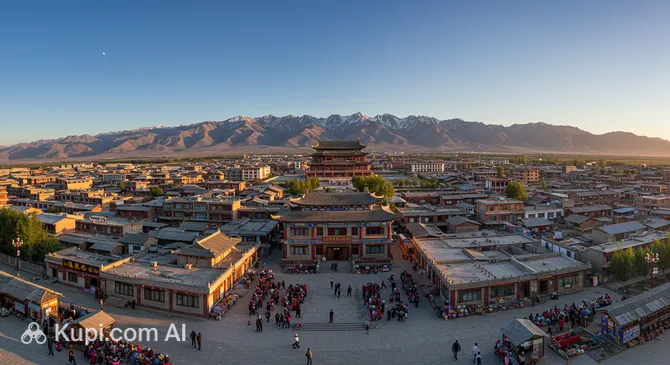
Bole. Source: Kupi.Binoculars

Exploring the history of Bole reveals a region that has long been a crossroads of cultures. The city's heritage is a colorful tapestry woven from Mongolian, Uyghur, Kazakh, and Han influences. This cultural diversity is reflected in the local cuisine, architecture, and festivals, offering travelers a chance to experience a side of the region that feels both exotic and welcoming.

Nature lovers will find Bole an excellent base for adventure. The city is often the starting point for trips to the breathtaking Sayram Lake, known for its crystal-clear alpine waters and stunning mountain backdrop. Closer to the city, the unique ecosystem of Ebinur Lake attracts birdwatchers and eco-tourists interested in the region's wetland biodiversity. Whether you are passing through on a longer journey or seeking a distinct cultural immersion, Bole welcomes you with open arms and unforgettable vistas.

Weather Overview

The climate in Bole is continental, offering distinct seasonal experiences for travelers. For a more detailed breakdown of conditions throughout the year, you can consult the guide to the weather in Bole. Generally, the region is characterized by significant temperature variations, ranging from freezing winters to warm summers.

Summers are the warmest time to visit, particularly in July, when average temperatures reach 23.7°C and daily highs can climb to 30.4°C. Although the total rainfall volume is minimal across the year, the summer months do see a moderate number of wet days. Conversely, winters are cold and dry, with January typically being the coldest month, seeing average temperatures drop to -11.2°C.

Expect warm summers with occasional rain and cold, dry winters. The transitional seasons of spring and autumn bring rapid changes; May is notably pleasant with an average of 16.2°C, while November marks the start of the freeze with temperatures dipping to -1.3°C.

Interesting Facts

Beyond the main attractions and scenic landscapes, Bole holds many fascinating secrets that surprise even seasoned travelers. From ancient geological wonders to poetic nicknames given by meteorologists, this city and its surrounding region offer a treasure trove of unique trivia.

  • The Atlantic's Last Tear: One of the most poetic facts about the region concerns Sayram Lake, located just southwest of Bole. It is famously nicknamed "The Last Tear of the Atlantic." This is not just a romantic moniker but a meteorological fact: it is the farthest point east that warm, moist air currents from the Atlantic Ocean can reach before they are blocked by the Tianshan Mountains, dropping their moisture to form this stunning alpine lake.

  • A Valley of "Monsters": Within Bole's administrative area lies the Guaishiyu, or "Strange Stone Valley." This area is home to the world's largest group of granite porphyry rock formations naturally sculpted by the wind over 230 million years. The rocks have eroded into bizarre shapes resembling animals, mythical creatures, and human figures, giving the valley an otherworldly, almost alien appearance.

  • A Name Rooted in Nature: The name "Bortala" (from which Bole is derived) comes from the Mongolian language and translates to "Brown Steppe" or "Gray Grass." This ancient name perfectly captures the region's historical identity as a vast, rugged grassland that has supported nomadic herders for centuries, contrasting with the "Silver Grassland" moniker sometimes used in modern tourism.

  • Home to a Living Fossil: The region is one of the few places on Earth where you can find the Xinjiang Salamander (Ranodon sibiricus). Often called a "living fossil," this species has existed for approximately 350 million years, predating the dinosaurs. While they are most concentrated in the neighboring Wenquan County, they are a celebrated symbol of the pristine ecosystem of the entire Bortala prefecture.

How to Get There

Reaching this scenic part of the Xinjiang Uyghur Autonomous Region is made easier by several transport connections. Whether you prefer flying or taking the train, there are options to suit different itineraries. For a comprehensive guide on all available routes and travel tips, you can read more about how to get to Bole.

The most convenient entry point for air travelers is Bole Airport (BPL). Situated directly in Bole, the airport is approximately 20.2 km from the city center. A journey by taxi or shuttle bus typically takes around 30 minutes. With an annual passenger traffic of about 500,000 people, it is a moderately busy regional hub that connects the area to other major cities.

If direct flights are unavailable, you might consider flying into Karamay Airport (KRY) in the city of Karamay. However, it is located roughly 238 km away from Bole. Travelers choosing this option should be prepared for a longer ground transfer, as the drive typically takes approximately 3 to 4 hours. Another alternative is Tacheng (TCG) in Tacheng, though it is also a considerable distance away at 225.7 km.

For clarity, here is a summary of the main airports:

Airport Name City Passenger Traffic Km from City
Bole Airport Bole Medium 20.2
Usharal Usharal Small 176.5
Tacheng Tacheng Medium 225.7
Karamay Airport Karamay Medium 238.0
Taldykorgan Taldykorgan Small 285.8

Regarding rail travel, while Bole is the main destination, some travelers may arrive via nearby transport hubs. One notable stop is the Dostyk Railway Station, located in the city of Alashankou. This station is approximately 55.9 km from Bole. From Alashankou, you can arrange a taxi or bus transfer to Bole, which generally takes about 1 hour.

Below is a list of railway stations in the vicinity:

Station City Passenger Traffic Km to Center
Dostyk Railway Station Alashankou Medium 55.9
Altynkol Station Khorgos Unknown 159.3
Beskol Station Usharal Small 164.5

Main Attractions

Bole offers a fascinating array of attractions that blend the region's dramatic natural beauty with its rich cultural heritage. From shimmering alpine lakes to geological wonders and urban green spaces, the city serves as a perfect base for exploring the unique landscapes of the Bortala Mongol Autonomous Prefecture. Here are some of the top places to visit during your stay.

Undoubtedly the crown jewel of the region is Sayram Lake. Often referred to as "The Last Tear of the Atlantic," this stunning alpine lake is renowned for its incredibly clear, sapphire-blue waters that reflect the surrounding snow-capped peaks of the Tian Shan mountains. Located just a short drive from the city, it is the highest and largest alpine lake in Xinjiang. Visitors are captivated by the changing colors of the water, the blooming wildflowers in spring and summer, and the serene atmosphere that makes it a photographer's paradise.

For a completely different landscape, travelers should explore Guaishiyu, also known as the Strange Stone Valley. Situated roughly 38 kilometers from Bole, this area features a surreal collection of granite rock formations that have been sculpted by wind erosion over millions of years. The rocks have taken on bizarre and imaginative shapes, resembling animals, mythical creatures, and human figures. Walking through this "natural sculpture gallery" offers a sense of mystery and is a fantastic spot for hiking and witnessing the raw power of nature.

To understand the local history and culture, a visit to the Bortala Museum is highly recommended. The museum's architecture itself is striking, designed to resemble a cluster of traditional Mongolian yurts. Inside, you will find comprehensive exhibits detailing the history of the Silk Road, the diverse ethnic groups of the region, and ancient artifacts unearthed in the area. It provides a deep dive into the heritage of the Mongolian, Uyghur, and Kazakh communities that call this land home.

Within the city limits, the Bortala River National Wetland Park offers a refreshing escape. This lush green belt runs along the river and serves as an ecological lung for Bole. It is a favorite spot for both locals and tourists to enjoy leisurely walks, observe local birdlife, and admire the contrast between the flowing water and the arid surroundings. The park is particularly beautiful at sunset when the river glimmers under the fading light.

Local Cuisine

The culinary landscape of Bole is a delightful reflection of its diverse heritage, blending the hearty flavors of Mongolian, Uyghur, and Kazakh traditions. Meat plays a central role in the local diet, with high-quality mutton and beef featuring prominently in almost every meal. Visitors can expect rich, savory dishes seasoned with cumin, chili, and peppercorns, offering a gastronomic experience that is both rustic and deeply satisfying.

One distinctive delicacy you must try is the Cold Water Fish (Gao Bai Gui) sourced from the nearby Sayram Lake. Due to the icy, pristine waters of the alpine lake, the fish grows slowly, resulting in meat that is incredibly tender, fatty, and flavorful. It is often prepared braised in brown sauce or grilled to highlight its natural taste. For a true taste of the region's nomadic roots, sample the traditional Roasted Lamb or the ubiquitous Mutton Skewers (Kawap), which are marinated, grilled over charcoal, and typically served with fresh flatbread (Naan).

When it comes to beverages, the local culture offers some unique options. Salty Milk Tea is a staple drink, particularly among the Mongolian and Kazakh communities, and is often enjoyed with breakfast or as a welcoming gesture to guests. It is rich, savory, and warming, quite different from the sweet teas found elsewhere. For something refreshing, especially during the warm summers, try Kvas, a fermented honey-based drink that is widely available in the region, or the famous local Wusu Beer to wash down a spicy meal.

Dining in Bole is a social affair, with food often served on large platters meant for sharing, such as the famous Big Plate Chicken (Dapanji). The city's food culture comes alive in its restaurants and bustling night markets, where the aroma of grilling meat fills the air. Tourists should not miss the opportunity to visit a local night market, where you can hop from stall to stall tasting everything from spicy hand-pulled noodles (Laghman) and steamed dumplings to freshly made yogurt.

Travel Tips

To ensure your journey to Bole is as smooth and enjoyable as possible, a little preparation goes a long way. As a city situated on the cultural and geographical frontier of China, it presents unique conditions that differ from the eastern coast, so keeping these practical tips in mind will help you navigate the region with confidence.

  1. Pack for Dramatic Temperature Changes: The continental climate means weather can shift rapidly. Even in summer, evenings can be cool, especially if you visit Sayram Lake, where the high altitude brings chilly winds. Bring layers, a windbreaker, and sturdy walking shoes. In winter, heavy thermal gear is non-negotiable. Don't forget high-SPF sunscreen and sunglasses, as the UV radiation is strong in this region.

  2. Mastering Local Transportation: Within Bole city, taxis are affordable and plentiful. However, to reach major attractions like Sayram Lake or the Strange Stone Valley, public transport is limited. The most convenient option is to hire a private driver or join a local day tour. If you plan to use ride-hailing apps, be aware that international versions may not work; ask your hotel to help you book a car if needed.

  3. Digital Payments are Essential: While cash (RMB) is accepted, China is a nearly cashless society. Most vendors, from malls to street food stalls, prefer WeChat Pay or Alipay. Before you arrive, set up the "TourCard" or international card integration on Alipay so you can pay with your phone. It is still wise to carry some small denomination cash for remote areas where signals might be weak.

  4. Stay Hydrated and Safe: The climate in Bole is very dry. Drink plenty of water and carry moisturizer or lip balm to prevent dryness. In terms of safety, the region is secure for tourists, but strict travel formalities are common. Always carry your passport with you, even for short trips within the city, as you may need to show it at checkpoints or when buying tickets for scenic spots.

  5. Overcoming the Language Barrier: English is not widely spoken in Bole. It is crucial to have a translation app installed on your phone that works offline or with a local SIM. Apps like Microsoft Translator or Baidu Translate are reliable. Buying a local SIM card is recommended for internet access, but you will need your passport to register for one at an official provider's store.

  6. Respect Local Dining Customs: Bole is home to diverse ethnic groups, including many who follow Halal dietary laws. When dining in Muslim restaurants (often identified by green signs or Islamic script), do not bring outside food or alcohol inside. It is also polite to accept tea when offered, as hospitality is a core part of the local culture.

  7. Be Mindful of Photography Rules: While the landscapes are photogenic, avoid taking pictures of police stations, checkpoints, or military personnel. This is strictly prohibited and can lead to unnecessary complications. Always ask for permission before photographing locals, especially those in traditional attire, as a sign of respect.

  8. Watch the Clock – "Xinjiang Time": Although the official time is Beijing Time (UTC+8), locals often operate on an unofficial "local time" which is two hours behind, due to the sun rising and setting later in the west. This means lunch might be served around 2:00 PM and shops may open later in the morning. Clarify whether a scheduled time is "Beijing Time" or "Local Time" to avoid confusion.

By keeping these tips in mind, you will be well-equipped to embrace the adventure that Bole offers. Whether you are marveling at the alpine lakes or enjoying a hearty mutton meal, a respectful and prepared approach will ensure your memories of this unique frontier city are nothing but positive.

Entertainment & Nightlife

Nightlife in Bole is a vibrant yet relaxed affair, distinct from the high-energy clubbing scenes of coastal China. Here, the evening entertainment centers primarily around socializing, dining, and enjoying the outdoors under the city lights. As the sun sets—often quite late due to the region's western location—the streets fill with the aroma of charcoal-grilled meats and the sound of lively conversations, creating an atmosphere that is welcoming to families, couples, and solo travelers alike.

The heart of the local nightlife beats strongest in the city's culinary districts. One of the most bustling areas to visit is the food street near the Youhao Shopping Center. This pedestrian-friendly zone comes alive after dark, offering a sensory overload of sights and smells. It is the perfect place to immerse yourself in the local "night market" culture, where rows of stalls serve sizzling lamb skewers (kawap), spicy roasted fish, and fresh seasonal fruits. The crowd here is a mix of locals enjoying a post-work meal and tourists eager to taste authentic Xinjiang flavors.

For a more scenic and tranquil evening, head to the Bortala Riverfront Park. This expansive green belt along the river is beautifully illuminated at night, making it a favorite spot for evening strolls. You will often see groups of locals gathering to dance—a popular pastime in the region—ranging from traditional Uyghur dances to modern ballroom styles. The atmosphere is incredibly safe and friendly, and joining in or simply watching from the sidelines is a great way to experience the local community spirit.

Another key area for evening entertainment is the Red Star Commercial Street (Hongxing Commercial Street). This district offers a more modern mix of shopping and dining, with numerous restaurants, teahouses, and KTV (karaoke) venues. Karaoke is a beloved pastime here, and you can easily find private rooms to sing the night away with friends. Most venues in this area stay open well past midnight, catering to the "Xinjiang time" lifestyle where dinner often begins as late as 9:00 PM or 10:00 PM Beijing time.

When planning your night out, keep in mind that the pace of life in Bole follows the sun. Peak nightlife hours are typically from 10:00 PM to 1:00 AM Beijing time. Dress codes are generally casual; comfort is key, especially for walking. Taxis are readily available and affordable at night, but it is always a good idea to have your destination written in Chinese to show the driver. The city is very safe for night walks, with well-lit main streets and a visible security presence ensuring a secure environment for tourists.

While the nights are for dining and relaxing, the daylight hours offer their own array of cultural experiences. Before the sun goes down, consider visiting the Bortala Museum to learn about the region's history or taking a day trip to the breathtaking Sayram Lake. These daytime adventures provide the perfect context for the rich cultural tapestry you will witness coming to life on the streets of Bole after dark.

Parks & Museums

Bole defies the image of a rugged frontier outpost with its surprisingly lush urban planning and dedication to public green spaces. The city has cultivated a network of parks that serve not only as ecological lungs but also as vibrant social hubs where the diverse cultures of the region come together. For travelers, these spaces offer a relaxing break and a genuine opportunity to witness the daily rhythms of local life away from the major tourist sites.

At the heart of the city lies Bole People's Park (Renmin Park), a bustling focal point for the community. This is the best place to experience the local lifestyle firsthand. In the early mornings, the park is frequently filled with residents practicing Tai Chi or traditional ethnic dances, while afternoons see families enjoying the shaded paths and playgrounds. It serves as a "living room" for the city, where the atmosphere is always welcoming and energetic.

For a more botanical experience, Haitang Park is a delightful destination, particularly known for its seasonal beauty. Named after the crabapple (haitang) trees that adorn its landscapes, the park transforms into a sea of pink and white blossoms during the spring. It offers a quieter, more contemplative environment compared to the central squares, making it an ideal spot for a peaceful afternoon walk or a picnic amidst carefully manicured gardens.

Adding a historical dimension to the city's greenery is the Silk Road Cultural Park. This themed space functions as a recreational area that celebrates Bole's significance on the ancient trade routes. Visitors can explore landscaped areas dotted with sculptures and reliefs that depict the caravans and cultural exchanges of the past. It provides an educational yet scenic setting, allowing you to absorb the region's deep historical roots while enjoying the fresh air.

Getting Around

Once you have arrived in Bole, getting around the city is convenient and affordable, thanks to its relatively compact size and well-structured layout. Unlike the sprawling metropolises of eastern China, traffic here is generally manageable, allowing visitors to navigate between hotels, restaurants, and scenic spots with ease. The primary modes of transport for tourists are taxis, private drivers, and, for the adventurous, the local bus network.

Taxis are the most popular choice for travelers. They are plentiful on the streets and can be easily flagged down or booked via ride-hailing apps like DiDi (if you have the localized version). Fares are inexpensive by international standards, usually starting with a low base rate that covers the first few kilometers. Since few drivers speak English, it is essential to have your destination written in Chinese characters or pinned on a map app on your phone to show the driver.

For those who prefer public transit, Bole operates a network of public buses that connect major residential areas, commercial districts, and the train station. The fare is typically very low (often just 1 or 2 RMB), payable via cash (exact change required) or mobile payment methods like Alipay. While economical, bus routes and announcements are almost exclusively in Mandarin or Uyghur, so this option is best suited for travelers who have a translation app handy or a clear idea of their route.

Exploring the city center on foot is a delightful option, particularly during the warmer months. The areas surrounding the Bortala River are designed with pedestrians in mind, featuring wide promenades and parks that make walking both safe and scenic. It is a great way to soak in the local atmosphere, observe the unique architecture, and discover hidden shops or eateries that you might miss from a vehicle.

If you plan to visit attractions outside the city limits, such as the Strange Stone Valley or Sayram Lake, relying on public transport can be challenging. In these cases, hiring a private driver or chartering a car for the day is highly recommended. This gives you the flexibility to stop for photos at your leisure and navigate the region's vast landscapes comfortably. Most hotels in Bole can assist in arranging a reliable driver for day trips.

Accommodation

Finding the right place to stay in Bole is relatively straightforward, as the city offers a selection of accommodation options tailored primarily to practical travelers and tourists exploring the Xinjiang region. The range generally spans from solid mid-range business hotels to budget-friendly guesthouses. While you may not find an abundance of ultra-luxury international chains, there are several modern, high-standard local hotels that provide comfortable amenities, reliable Wi-Fi, and English-speaking staff to assist international visitors.

For convenience and atmosphere, the most popular area to stay is the city center, particularly near the commercial districts like Red Star Street or the Youhao Shopping Center. Staying here puts you within walking distance of local restaurants, night markets, and shops, making it easy to grab a meal after a long day of sightseeing. Alternatively, travelers seeking a quieter environment often prefer hotels located along the Bortala River. These properties often offer pleasant views of the water and the surrounding green belt, providing a scenic and tranquil base just a short distance from the urban bustle.

A crucial tip for booking accommodation in this region is to plan well ahead, especially if you are visiting during the peak summer months (July and August). This is when domestic tourism to nearby attractions like Sayram Lake is at its height, and the best rooms sell out quickly. Furthermore, international travelers must specifically check whether a hotel is licensed to accept foreign guests. Not all properties in the region have this authorization, so it is essential to confirm this detail before making a reservation to avoid any check-in issues.

In terms of pricing, Bole is generally affordable compared to China's major eastern metropolises. Travelers can typically find excellent value in the mid-range category, where a comfortable, modern room costs significantly less than in cities like Beijing or Shanghai. Booking is best done through major international or Chinese online travel platforms, which usually indicate whether a property welcomes foreign passport holders. Whether you choose a simple business hotel or a riverside suite, the hospitality in Bole is warm and welcoming.

Nearby Cities

For those looking to explore the surroundings, Bole serves as an excellent base for day trips to several interesting nearby locations:

One of the most accessible and culturally rich destinations is Yining (also known as Gulja). Located roughly 106 kilometers from Bole, it is famous for its vibrant "Garden City" atmosphere, the charming blue architecture of the Kazanqi Folk Village, and its proximity to the stunning lavender fields of the Ili River Valley. It is an ideal spot for travelers wanting to experience a unique blend of Uyghur, Kazakh, and Russian influences.

For those interested in modern history and urban planning, Shihezi offers a distinct experience. Often referred to as the "City of Poems," it is celebrated for its remarkable greenery and wide avenues, standing as a lush oasis on the edge of the desert. While it requires a longer drive, it provides a fascinating contrast to the ancient trade hubs of the region.

City Population Distance (km)
Urumqi 4,335,017 458
Shihezi 717,000 326
Yining 542,507 106
Aksu 535,657 435
Kuqa 462,588 356

These nearby destinations offer a glimpse into the diverse culture and landscapes of the region.

Shopping & Souvenirs

Shopping in Bole offers a unique blend of modern convenience and local flavor, reflecting its position as a cultural crossroads near the border. While the city may not be a sprawling metropolis of luxury fashion, it provides a genuine retail experience where travelers can find everything from high-quality outdoor gear to authentic regional specialties. The shopping scene is less about international designer labels and more about discovering the agricultural and artisanal bounty of the Xinjiang region.

The commercial heartbeat of the city is undoubtedly Red Star Commercial Street (Hongxing Commercial Street). This bustling thoroughfare is the go-to destination for both locals and visitors, lined with a wide array of shops selling clothing, electronics, and shoes. It is a vibrant area for a leisurely walk, allowing you to browse local fashion trends and soak in the energetic atmosphere of the city center.

For a comprehensive, modern shopping experience, the Youhao Shopping Center stands out as the premier destination. As part of a well-known regional department store chain, it offers a comfortable, air-conditioned environment with floors dedicated to cosmetics, jewelry, and apparel. The complex also typically houses a well-stocked supermarket, making it an excellent stop for travelers needing to replenish supplies or purchase standardized goods.

To truly understand the region's richness, a visit to the local markets is essential. While night markets are often dominated by food, the daytime bazaars and farmers' markets are where the local culture shines. Here, you can wander through stalls piled high with fresh seasonal produce, fragrant spices, and blocks of tea. These markets are vibrant and colorful, offering a sensory connection to the land and its people.

When searching for the perfect souvenir, look no further than the region's famous agricultural products. The Bortala prefecture, specifically Jinghe County, is renowned as the "Home of the Chinese Wolfberry," making Goji berries a top purchase. They are known for their exceptional quality, large size, and sweetness. Other excellent gifts include dried fruits like raisins and apricots, as well as locally grown lavender products. For collectors, the region's unique geology makes ornamental stones (Gobi stones) a prized, though heavy, keepsake.

Visitors should be aware that store hours in Bole follow the unofficial "local time." Although the clocks show Beijing Time, most shops do not open until 10:00 AM or 11:00 AM and often remain open late into the evening, until around 10:00 PM. In terms of payment, the city is highly digitized. Cash is accepted but less common; the vast majority of transactions, from malls to street vendors, are conducted via WeChat Pay or Alipay. It is highly recommended to have these apps set up on your phone before you go.

Tax-free shopping facilities and VAT refund schemes for international tourists are generally not available in Bole. Prices displayed in stores are final and inclusive of tax, so travelers should not expect to claim refunds upon departure.

Reached the end of the page?

That means the route is fully explored