Support

Urumqi

About

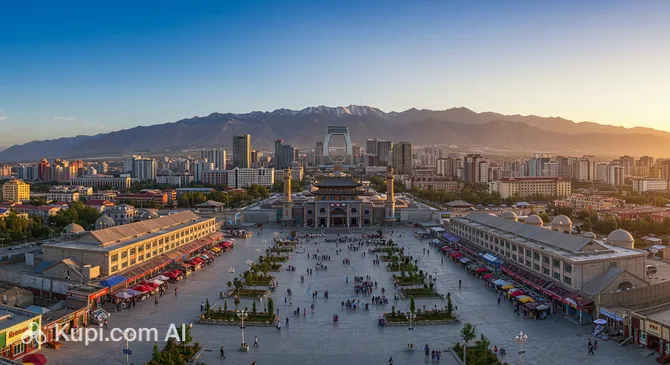
Urumqi is a captivating city that serves as the vibrant capital of the Xinjiang Uyghur Autonomous Region. Located in the northwest of China, it acts as a cultural bridge between East and West. Known for holding the Guinness World Record as the major city most remote from any sea, it offers a truly distinctive atmosphere that blends modern development with traditional charm.

Urumqi. Source: Kupi.Binoculars

The city sits at the northern foot of the majestic Tian Shan mountains, providing a stunning natural backdrop to its urban landscape. With a population of over 4 million people, it is a bustling hub of activity. The history of Urumqi is deeply intertwined with the ancient Silk Road, where merchants once traded goods and ideas, leaving behind a rich legacy that can still be felt today.

Travelers are often drawn to the International Grand Bazaar, an architectural marvel and one of the largest bazaars in the world, where you can find everything from local delicacies to intricate handicrafts. For panoramic views, a visit to Red Hill (Hongshan) Park is a must, offering a bird's-eye perspective of the city against the snowy mountain peaks. Whether you are exploring its lively markets or using it as a gateway to the breathtaking Heavenly Lake, Urumqi promises an unforgettable adventure for every visitor.

Weather Overview

Urumqi experiences a continental semi-arid climate characterized by significant differences between the seasons. Travelers can generally expect warm summers suitable for outdoor exploration and long, cold winters that transform the landscape. To help you pack appropriately for your trip, it is advisable to check the current weather in Urumqi before your departure.

The winter months are freezing, with January being the coldest time of the year, featuring an average temperature of -11.7°C and lows dipping to -15.7°C. Conversely, summer brings pleasant warmth, with July seeing average highs of 31.1°C. Precipitation is scarce throughout the year, with most months recording very little rainfall, ensuring that days are often dry regardless of the temperature.

Interesting Facts

Beyond the main attractions, Urumqi holds many fascinating secrets that reveal its unique position at the crossroads of cultures. This city offers more than just scenic views; it is a place of geographical wonders and historical mysteries.

  • Although the city officially runs on Beijing Time, the sun actually rises and sets much later due to its western location. This creates a unique daily rhythm where locals often operate on an unofficial "local time" that is two hours behind, meaning dinner might be served as late as 10:00 PM and the sun can linger in the sky until nearly midnight during summer.

  • Urumqi is the closest major city to the Geographical Center of Asia. A special monument located in the nearby Yongfeng Township marks the precise mathematical midpoint of the continent, symbolizing the city's status as the true heart of this vast landmass.

  • The Xinjiang Uygur Autonomous Region Museum houses one of the most intriguing archaeological finds in the world: the "Loulan Beauty." This remarkably preserved mummy dates back nearly 4,000 years and still retains distinct facial features, offering a captivating glimpse into the ancient history of the Silk Road.

  • The Dabancheng district, located just southeast of the city, is famous for hosting one of the largest wind farms in China. The valley acts as a natural wind tunnel, and travelers passing through are greeted by the surreal sight of hundreds of massive wind turbines stretching endlessly against the backdrop of snowy peaks.

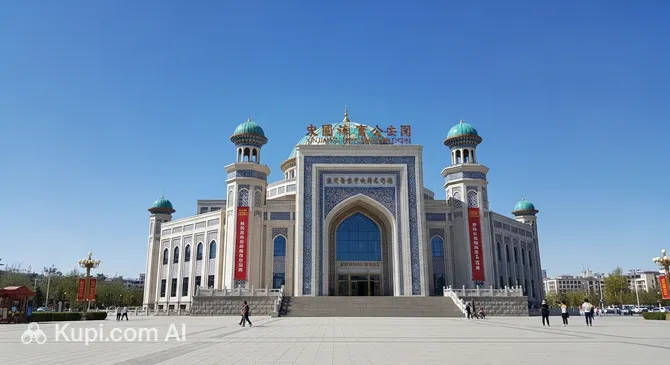
Xinjiang Uygur Autonomous Region Museum. Source: Kupi.Binoculars

How to Get There

Reaching the capital of the Xinjiang Uyghur Autonomous Region is an adventure in itself, given its location in the heart of the Asian continent. Whether you are arriving from within China or from abroad, planning your journey is essential. You can find more information and specific routes on our detailed guide on how to get to Urumqi, which covers various transport options.

The primary gateway to the city is Urumqi Diwopu International Airport (IATA: URC). Located just 14.5 km from the city center, it is a major hub connecting the region to the rest of the world. A taxi or bus ride from the airport to downtown typically takes around 45 minutes, making it the most convenient option for most travelers. This facility handles a large volume of passengers annually, ensuring frequent connections and modern amenities.

If flights to Urumqi are unavailable, you might consider landing at Shihezi Huayuan (SHF) in the city of Shihezi. However, please note that this airport is approximately 146 km away from Urumqi. The journey by road from Shihezi would take about 4 hours. Another regional option is Turpan Jiaohe Airport (TLQ) in Turpan, located roughly 149 km away, which also requires a significant transfer time.

For clarity, here is a summary of the main airports in the region:

Airport Name City Passenger Traffic Km from City
Urumqi Diwopu International Airport Urumqi Large 14.5
Korla Airport Korla Medium 266.0
Turpan Jiaohe Airport Turpan Small 149.0
Karamay Airport Karamay Small 294.1
Shihezi Huayuan Shihezi Small 145.9

Regarding rail travel, Urumqi is well-integrated into China's extensive railway network. The city is served by the modern Urumqi Railway Station, which acts as the western terminus for the high-speed rail line connecting the region to Lanzhou and beyond. Trains are a popular choice for travelers looking to experience the scenic landscapes of the Silk Road, offering a comfortable and efficient alternative to flying.

Main Attractions

Urumqi offers a fascinating blend of natural wonders and cultural heritage, serving as a gateway to the history of the Silk Road. Visitors can explore a variety of sites that range from bustling traditional markets to serene alpine landscapes, all within reach of the city center.

A visit to the Xinjiang Uygur Autonomous Region Museum is essential for anyone interested in the deep history of the area. This world-class facility houses an impressive collection of artifacts that showcase the customs and costumes of the region's diverse ethnic groups. Its most famous exhibits are the ancient mummies, including the well-preserved "Loulan Beauty," which provide a unique window into the lives of the people who inhabited this land thousands of years ago.

For a vibrant taste of local life, the International Grand Bazaar is the city's most iconic landmark. As one of the largest bazaars in the world, it features striking Islamic architecture with tall minarets and domes. Inside, tourists can wander through endless stalls selling dried fruits, nuts, colorful carpets, and traditional musical instruments. It is also a perfect spot to enjoy local dance performances and sample authentic Uyghur cuisine.

Nature lovers should not miss a trip to the Heavenly Lake of Tianshan (Tianchi). Located about an hour's drive from the city, this stunning alpine lake is nestled among snow-capped peaks and dense spruce forests. The crystal-clear water reflects the surrounding mountains, creating a postcard-perfect scene. Visitors can take a boat ride across the lake or hike along the trails to enjoy the fresh mountain air and breathtaking views.

Back in the city center, Red Hill (Hongshan) Park offers a peaceful retreat and the best panoramic views of Urumqi. At the summit stands a historic pagoda built in the 18th century, which has become a symbol of the city. The park is a popular spot for locals to exercise and relax, and climbing to the top provides a spectacular contrast between the modern skyline and the distant Bogda Peak.

Local Cuisine

The culinary scene in Urumqi is a tantalizing fusion of Central Asian traditions and Chinese flavors, offering a gastronomic adventure that is distinct from the rest of the country. As the capital of Xinjiang, the city's food culture is heavily influenced by the Uyghur community, with a strong emphasis on halal ingredients. Mutton, beef, and wheat are the staples here, and the air in the dining districts is often filled with the smoky aroma of charcoal grills and aromatic spices like cumin and chili powder.

No visit to Urumqi is complete without trying the region's famous Lamb Skewers (Kawap). These succulent chunks of meat are marinated in a blend of spices and roasted over open fires, found everywhere from street corners to high-end restaurants. Another signature dish is Polu (pilaf), a hearty meal consisting of rice cooked with tender mutton, sweet carrots, onions, and vegetable oil. It is a symbol of hospitality and is often served in large portions meant to be shared.

Noodle lovers will delight in Laghman, a dish of hand-pulled noodles topped with a stir-fry of meat and vegetables such as peppers, tomatoes, and onions. For a spicy kick, travelers should seek out Da Pan Ji, literally translating to "Big Plate Chicken." This rich stew features chicken pieces, potatoes, and peppers simmered in a spicy sauce and is typically served with broad, flat noodles to soak up the flavorful broth. Accompanying almost every meal is Naan, a golden, sesame-sprinkled flatbread baked in clay ovens, which serves as the daily bread for locals.

To wash down these hearty meals, locals enjoy a variety of unique beverages. Salty Milk Tea is a traditional favorite, often consumed with breakfast or during breaks. On the refreshing side, Kvass, a fermented drink made from honey and hops, offers a sweet and tangy taste that is perfect for hot summer days. For those looking for something stronger, the locally brewed Wusu Beer, often referred to as "Red Wusu" due to its label, is legendary across China for its robust flavor and high potency.

The best places to experience this vibrant food culture are the bustling night markets and food courts. The area around the International Grand Bazaar is a culinary hotspot where tourists can sample street food delicacies while soaking in the lively atmosphere. Dining in Urumqi is often a communal affair; restaurants are filled with large round tables where families and friends gather to share generous platters, making every meal a celebration of community and flavor.

Travel Tips

Visiting Urumqi offers a unique opportunity to experience a blend of cultures and landscapes, but navigating this distinct region requires a bit of preparation. To help you make the most of your journey through the heart of the Silk Road, here are some essential practical tips to ensure a smooth and enjoyable trip.

  1. Clothing and Gear: The weather here is one of extremes, so packing layers is key. In winter, heavy down jackets, thermal underwear, and non-slip boots are essential to survive the freezing temperatures. Summer days are hot and dry, but nights can be cool, so bring a light jacket. If you plan to visit religious sites like the grand mosques, dress modestly; men should wear long trousers, and women should cover their shoulders and knees, and often their heads.

  2. Transportation: Getting around Urumqi is convenient with its modern Metro system and the efficient Bus Rapid Transit (BRT) network, which covers most major attractions. Taxis are plentiful and affordable, but drivers rarely speak English, so it is crucial to have your destination written in Chinese characters. Ride-hailing apps like DiDi are also widely used and can be linked to international numbers.

  3. Finances: The local currency is the Chinese Yuan (CNY or RMB). While cash is accepted, China is a digital-first society; it is highly recommended to download Alipay or WeChat Pay and link your international credit card before arrival. ATMs are available, but not all accept foreign cards. Tipping is not part of the local culture and is generally not expected in restaurants or taxis.

  4. Health and Safety: Urumqi is a safe city for tourists, but it is important to always carry your passport with you, as ID checks can occur at hotels, transport hubs, and even shopping malls. The climate is extremely dry, so stay hydrated and carry lip balm and moisturizer. Pharmacies are marked with a green cross, but carrying a basic personal medical kit is advisable as specific brands may be hard to find.

  5. Communication: Mandarin Chinese is the lingua franca, though Uyghur is widely spoken. English proficiency is relatively low, so installing a translation app that works offline (like Baidu Translate) is a lifesaver. Be aware that many western apps and websites are blocked; you will need a roaming plan or a specific travel SIM card to access them. Purchasing a local SIM card usually requires a passport registration at an official store.

  6. Local Etiquette: Hospitality is central to the culture here. If you are invited into a local home or offered tea, it is polite to accept a little, as refusing outright can be seen as rude. When greeting people, a handshake is common, but always use your right hand for eating or passing items to others, following local customs.

  7. What to Avoid: Strictly avoid taking photographs of police stations, military personnel, checkpoints, or government vehicles. This is a serious rule, and violating it can lead to the deletion of your photos or further questioning. Also, avoid discussing sensitive political topics or religion in public spaces to respect local norms.

  8. Time Zone Quirk: Although Urumqi officially runs on Beijing Time (UTC+8), the sun rises and sets two hours later than in eastern China. Locals often refer to "Xinjiang Time" (UTC+6) for daily activities. Always clarify if a scheduled time is "Beijing Time" or "Local Time" to avoid showing up two hours early or late!

By keeping these tips in mind, you will be well-equipped to navigate the fascinating streets of Urumqi with confidence. Embrace the local rhythm, respect the customs, and you are sure to have an incredible experience in this vibrant crossroads of Asia.

Entertainment & Nightlife

As the sun sets over the Tianshan mountains—often as late as 10:00 PM or 11:00 PM Beijing time due to the city's western location—Urumqi transforms into a vibrant hub of nocturnal activity. The nightlife here is a unique blend of Central Asian culture and modern urban energy. The city does not sleep early; instead, the streets fill with the aroma of charcoal grills, and neon lights illuminate the traditional Islamic-style architecture, creating an atmosphere that is both exotic and cosmopolitan.

For a culturally immersive evening, the area around the International Grand Bazaar on Jiefang South Road is the place to be. At night, the bazaar is lit up in dazzling colors, and the atmosphere is electric. A highlight here is the Grand Bazaar Banquet Hall, where visitors can enjoy a spectacular dinner show featuring traditional Uyghur music and dance. The performance is a feast for the senses, often accompanied by a hearty meal of local specialties, making it a perfect introduction to the region's artistic heritage.

Food lovers should head to the bustling night markets, such as the famous Wuyi Night Market (May First Night Market). This is where the local culinary soul truly shines. The air is thick with the scent of cumin and roasting meat as vendors grill endless rows of lamb skewers. It is a loud, friendly, and casual environment where locals gather to drink Wusu Beer and enjoy "shaved ice" yogurt. The prices are very affordable, and the dress code is entirely casual, making it an easy stop for any traveler.

For those seeking a more modern party scene, the Nanhu Road area is known for its concentration of bars and clubs. Here, you will find venues ranging from quiet lounges to energetic dance clubs that play a mix of Western pop and Chinese hits. Places like Soho Bar are popular among the younger crowd, offering a lively environment to mingle and dance until the early hours of the morning. The crowd in these districts is stylish but welcoming, and the fun usually kicks off after midnight.

When enjoying the nightlife, keep in mind that "night" starts much later here. Most clubs and bars do not get busy until after 11:00 PM Beijing Time. Taxis are the best way to get around after dark; they are plentiful and safe, though it is helpful to have your hotel address written in Chinese. The main nightlife districts are well-lit and generally safe for walking, but it is always wise to stay in populated areas and carry your identification, as security checks can happen at venue entrances.

While the nights are for feasting and dancing, the days offer a different kind of enrichment. Before the sun goes down, consider spending your afternoon at the Xinjiang Uygur Autonomous Region Museum. It provides a fascinating context to the culture you will experience in the evening, showcasing ancient artifacts and the history of the diverse ethnic groups that call this vibrant city home.

Parks & Museums

Urumqi offers a surprising array of green sanctuaries and cultural institutions that provide a deeper understanding of the region's diverse heritage. Beyond the bustling markets and modern skyscrapers, the city is dotted with peaceful parks and world-class museums that preserve the rich history of the Silk Road and offer a respite from the urban pace.

For those seeking panoramic views and fresh air, Red Hill Park (Hongshan Park) is the city's most iconic natural landmark. Located in the center of Urumqi, this park is named after the reddish-brown rocks that form the hill. At the summit, visitors can admire the historic Red Hill Pagoda, a nine-story solid brick structure dating back to the Qing Dynasty. The climb to the top rewards travelers with a sweeping view of the city skyline set against the dramatic backdrop of the snowy Bogda Peak.

Another favorite among locals is People's Park, a lush oasis that blends traditional Chinese landscaping with local cultural elements. It is an excellent place to witness the daily life of Urumqi's residents. In the mornings, the park comes alive with people practicing Tai Chi, dancing, or playing traditional instruments. The park features a serene lake, shaded pavilions, and beautifully manicured gardens, making it a perfect spot for a leisurely stroll or a quiet afternoon picnic.

When it comes to history and culture, the Xinjiang Uygur Autonomous Region Museum stands as the premier institution in the city. This vast museum is a treasure trove of artifacts that trace the history of the region from the Stone Age to the present. Its most famous collection includes the remarkably preserved ancient mummies found in the Tarim Basin, which have fascinated archaeologists worldwide. Additionally, the museum features extensive exhibits on the costumes, tools, and customs of the various ethnic groups that inhabit Xinjiang, offering a colorful and educational journey through local culture.

For geology enthusiasts, the Xinjiang Geological and Mineral Museum offers a fascinating look into the region's natural resources. Xinjiang is known for its rich mineral deposits, and this museum showcases a dazzling array of gemstones, minerals, and fossils unearthed in the area. It provides a unique scientific perspective on the rugged landscapes that surround the city.

History buffs should also visit the Urumqi Confucian Temple, located on Qianjin Road. As the only well-preserved building from the late Qing Dynasty in the city, it offers a glimpse into the architectural style of that era. The temple complex is peaceful and dignified, featuring ancient trees and traditional courtyards that contrast sharply with the modern city outside its walls.

For a truly authentic experience, try visiting one of the smaller community parks like South Park (Nan Park) early in the morning. You will find it less crowded with tourists and full of authentic local interactions. It is not uncommon to be invited to join a game of shuttlecock or to simply sit and enjoy tea while watching the vibrant community life unfold around you.

Getting Around

Navigating Urumqi is surprisingly efficient thanks to a modern and integrated public transportation network that caters to the city's unique geography. The system is anchored by a developing Metro service and an extensive Bus Rapid Transit (BRT) network, which functions much like a surface subway. These primary modes of transport are complemented by regular bus lines and affordable taxis, making it relatively easy for visitors to reach major attractions, bazaars, and transport hubs.

The Urumqi Metro is the newest addition to the city's infrastructure. Line 1 is the main artery for tourists, connecting Diwopu International Airport directly to the city center and the Grand Bazaar area. The stations are modern, clean, and feature signage in Chinese, Uyghur, and English, making navigation straightforward. Trains are punctual and comfortable, providing a reliable escape from surface traffic, especially during rush hours.

Perhaps the most vital part of the city's transit system is the BRT (Bus Rapid Transit). Unlike standard buses, BRT vehicles operate in dedicated lanes, allowing them to bypass congestion and move quickly across the city. The stations are enclosed and located in the middle of the road, similar to tram stops. Routes like BRT-1 and BRT-2 are particularly useful for travelers, linking key districts and commercial areas. It is often faster than taking a taxi during peak times.

For payment, the city has largely moved towards digital solutions. While you can still purchase single-journey tokens for the metro or pay with exact cash on buses, the most convenient method is using a smartphone. Apps like Alipay and WeChat Pay have dedicated "Transport" mini-apps that generate a QR code for scanning at turnstiles and bus readers. If you prefer a physical card, the Hongshan Pass (Red Mountain Pass) is a rechargeable smart card available at major stations, valid for both the metro and buses.

Taxis offer a flexible alternative and are generally inexpensive compared to other major cities. They can be hailed on the street, but it is increasingly popular to use ride-hailing apps like DiDi (accessible via Alipay), which overcome language barriers by allowing you to input your destination in English. If hailing a cab on the street, always have your destination written in Chinese characters, as most drivers do not speak English.

Travelers should be aware of a few practicalities regarding the local system. Security checks are standard and rigorous at all metro and BRT stations; expect to have your bags scanned and liquids checked before entry. Public transport operates on Beijing Time, with the metro typically running from around 07:00 to 23:30. Be mindful of the "local time" difference when planning your evening return, as transport may shut down while the city's nightlife is still active.

Accommodation

Accommodation in Urumqi is diverse and plentiful, catering to the needs of both business travelers and tourists exploring the Silk Road. The city offers a wide spectrum of options, ranging from luxurious five-star international chains and modern high-rise hotels to comfortable mid-range establishments and budget-friendly hostels. Whether you are looking for opulent amenities or a simple base for your adventures, the city's hospitality sector is well-developed to welcome visitors.

For most tourists, the best area to stay is the Tianshan District, which serves as the city center. Staying here places you within walking distance of major landmarks like the International Grand Bazaar and People's Park, immersing you in the vibrant local atmosphere. Alternatively, the Saybagh District is a practical choice for those prioritizing proximity to transportation hubs, including the train station and long-distance bus terminals. For a more modern and quiet experience, the newer business districts in the north of the city offer contemporary hotels with excellent facilities.

While specific hotel availability can vary, Urumqi hosts several major international hotel brands that provide a familiar standard of service and comfort. These are often located in the downtown core and offer amenities such as western-style breakfasts and English-speaking staff. In addition to these global names, there are numerous distinctively local hotels that feature Uyghur-inspired decor, offering a more immersive cultural experience.

Booking Tip: A critical detail for international travelers in China is to ensure that your chosen accommodation is licensed to accept foreign guests. Not all hotels in Urumqi have this authorization. It is highly recommended to check this specifically before booking to avoid any issues upon arrival. Additionally, during the peak summer tourist season (July to September), rooms can fill up quickly, so booking well in advance is advisable.

In terms of pricing, accommodation in Urumqi is generally more affordable than in China's major coastal cities like Beijing or Shanghai. Budget travelers can find clean and basic rooms or hostel beds for very reasonable rates, while mid-range hotels offer excellent value with modern conveniences. Luxury stays are available at a fraction of the cost you might expect elsewhere. The most reliable way to secure a room is through major international travel platforms or reputable Chinese booking apps that cater to English speakers, as these platforms typically indicate whether a property accepts foreign passports.

Nearby Cities

For those looking to explore the surroundings, Urumqi serves as an excellent base for day trips to several interesting nearby locations: The region is vast, but a few key destinations offer distinct experiences within a reasonable travel distance.

One of the most popular excursions is to Turpan, located approximately 160 kilometers southeast of the capital. Known as the "Oven of China" due to its intense summer heat, this unique depression is famous for the legendary Flaming Mountains and the lush, cooling vineyards of the Grape Valley. History enthusiasts will appreciate the ancient Jiaohe Ruins and the impressive Karez irrigation system, which sustain this oasis city.

Closer to Urumqi lies Shihezi, often celebrated as the "Garden City of the Gobi." Situated about 134 kilometers away, it offers a stark contrast to the surrounding arid landscapes with its broad, tree-lined avenues and extensive green spaces. It provides a more relaxed pace and offers insight into the region's modern agricultural reclamation efforts.

For those seeking dramatic desert scenery, Shanshan is a compelling choice. It is the gateway to the Kumtag Desert, one of the few places in the world where vast sand dunes sit right on the edge of an urban center. Visitors can enjoy camel rides, sand sliding, and breathtaking sunsets over the golden dunes.

City Population Distance (km)
Korla 770,000 261
Shihezi 717,000 134
Turpan 622,903 160
Karamay 391,008 291
Shanshan 230,000 236

These nearby destinations offer a glimpse into the diverse culture and landscapes of the region, ranging from ancient historical sites to modern garden cities and spectacular natural wonders.

Shopping & Souvenirs

Shopping in Urumqi is a delightful experience that mirrors the city's role as a historic trading post on the Silk Road. The retail landscape here is a fascinating mix of the old and the new, where ultra-modern shopping malls stand in stark contrast to bustling traditional bazaars. As a commercial hub for Central Asia, the city offers a wide array of goods ranging from high-end international fashion brands to unique local handicrafts and ethnic specialties that you won't find anywhere else in China.

For a modern shopping experience, Zhongshan Road is the place to start. Often referred to as the "Wangfujing of Urumqi," this vibrant pedestrian-friendly street is lined with department stores, boutique shops, and electronic retailers. It is the commercial heart of the city and a popular destination for locals looking for the latest trends. Another key area is Youhao Road, which is home to several large commercial complexes and offers a more upscale atmosphere.

Travelers looking for a comprehensive mall experience should visit the Maison Mode Urumqi (MM2) or the CC Mall. These large shopping centers provide a comfortable, climate-controlled environment perfect for escaping the summer heat or winter cold. Inside, you will find a mix of familiar global brands, cinema complexes, and extensive food courts serving both local and international cuisine.

However, the true soul of shopping in Urumqi lies in its markets. The International Grand Bazaar is unmissable, not just as a tourist attraction but as a prime shopping destination. Here, you can haggle for goods in a lively atmosphere surrounded by Islamic architecture. Adjacent to it is the Erdaoqiao Market, which specializes in ethnic goods and offers a vast selection of items imported from neighboring Central Asian countries.

When it comes to souvenirs, Urumqi offers distinct treasures. The region is famous for its dried fruits and nuts, particularly the sweet raisins from Turpan and walnuts, which are sold in bulk at almost every market. Hetian Jade is another prized purchase, highly valued for its quality and cultural significance. For something truly local, look for Atlas silk, a fabric with unique, colorful patterns used in traditional Uyghur clothing, or hand-woven wool carpets that feature intricate designs. Musical instruments like the long-necked Dutar also make for beautiful, albeit fragile, keepsakes.

Most shops and malls typically operate from around 10:00 AM to 10:00 PM (Beijing Time). It is important to remember that smaller local shops might open a bit later due to the time difference with eastern China. Payment is heavily digital; Alipay and WeChat Pay are the standard everywhere, from high-end boutiques to street stalls. While cash (RMB) is generally accepted, carrying small denominations is advisable for market purchases. International credit cards are usually only accepted in large malls and hotels.

Regarding tax refunds, while China has a tax-free shopping system for overseas tourists, it is not as widely implemented in inland cities as it is in Beijing or Shanghai. Some designated large department stores in Urumqi may offer tax refund services for eligible purchases, but it is best to inquire at the customer service desk of specific malls before making significant purchases. Look for the "Tax Free" signage at the entrance of stores to be sure.
Reached the end of the page?

That means the route is fully explored