Support

Turpan

About

Turpan is a captivating oasis city that shimmers like a mirage amidst the arid landscapes of the Xinjiang Uyghur Autonomous Region in China. Renowned for its unique geographical features and rich cultural tapestry, this city serves as a fascinating stop for travelers seeking to explore the ancient pathways of the Silk Road. With a population of approximately 622,000 people, Turpan offers a distinct blend of bustling local life and serene historical grandeur.

Geographically, the city is situated in the Turpan Depression, which is the second-lowest point on Earth's surface after the Dead Sea. This location contributes to its extreme climate; often referred to as the "Land of Fire," Turpan experiences long, hot summers, yet it miraculously supports lush agriculture. The region is famous for its sweet grapes and melons, thriving in the desert thanks to ancient ingenuity.
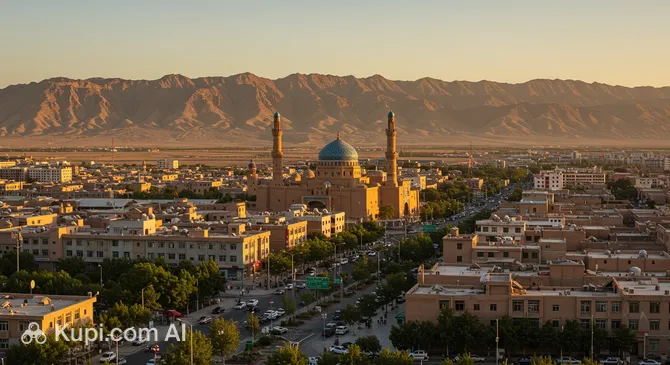
Turpan. Source: Kupi.Binoculars

The deep and layered history of Turpan is evident in its remarkable archaeological sites and architectural wonders. Visitors are often drawn to the spectacular Flaming Mountains, whose red sandstone hills seem to blaze under the midday sun. Another marvel is the Karez Well System, an underground irrigation network that has sustained the city's vineyards and residents for centuries, showcasing incredible engineering skills from the past.

Whether you are exploring the ancient ruins of Jiaohe, wandering through the cool shade of the Grape Valley, or admiring the intricate design of the Emin Minaret, Turpan promises a truly unique travel experience. Its combination of natural wonders and historical depth makes it an essential destination for anyone wishing to witness the diverse beauty of the region.

Weather Overview

The climate in Turpan is defined by its unique desert location, resulting in extreme temperature variations between the seasons. Travelers should expect scorching summers with virtually no rain and cold, dry winters. The region is incredibly arid throughout the year, with precipitation levels remaining near zero millimeters annually, ensuring clear skies for the vast majority of the time.

During the peak summer months of June through August, the heat is intense, with July seeing an average temperature of around 31.8°C and highs frequently reaching 37.7°C. Conversely, the winter months bring freezing conditions; January is typically the coldest time, with averages dipping to -4.7°C and lows falling to -8.4°C. For a more comprehensive breakdown of what to expect during your trip, you can view the detailed report on the weather in Turpan.

Spring and autumn offer a milder transition, though the air remains very dry. May and September provide more comfortable averages ranging from 24.0°C to 24.7°C, making these shoulder seasons attractive for outdoor exploration. Rainfall is exceptionally rare, with most months recording zero wet days, so you can generally plan your activities without worrying about showers.

Interesting Facts

Beyond the main attractions, Turpan holds many fascinating secrets and unique traditions that stem from its extreme geography and long history. Here are a few intriguing facts about this desert oasis that often surprise visitors:

  • Natural Sand Therapy: Due to the intense heat, the sand in Turpan is believed to have medicinal properties. In the height of summer, you might see locals and tourists burying their bodies in the scorching dunes, a traditional therapy thought to help treat rheumatism and arthritis.

  • The "Chunche" Drying Houses: Visitors are often puzzled by the rectangular brick buildings with honeycomb-like perforated walls perched on hillsides. These are traditional drying houses called chunche, designed to dry grapes into raisins using hot desert winds while protecting them from direct sunlight to preserve their green color.

  • A Mythical Origin: The intense heat of the Flaming Mountains is legendary in more ways than one. According to the classic novel Journey to the West, the fires were caused when the Monkey King kicked over a celestial kiln, spilling hot coals from heaven onto the earth.

  • The Underground Great Wall: While the Karez irrigation system is famous, its scale is often underestimated. It is comprised of over 1,000 wells and channels; if laid out in a straight line, the total length of these underground tunnels would exceed 5,000 kilometers, earning it the nickname "The Underground Great Wall."

How to Get There

Reaching the historic oasis of Turpan is an essential part of the Silk Road adventure. Whether you are arriving from within China or from abroad, understanding your transport options is key to a smooth journey. You can find detailed information and more about how to get to Turpan on our dedicated page.

For air travel, the most direct entry point is the local Turpan Jiaohe Airport (TLQ). It is conveniently situated just 11.6 km from the city center, allowing for a quick and easy transfer to your accommodation. However, due to its smaller size, many travelers opt for the Urumqi Diwopu International Airport (URC) in the city of Urumqi. As a major regional hub with large passenger traffic, it offers significantly more flight connections. It is located about 174.8 km from Turpan, and the journey by road typically takes a few hours.

For clarity, here is a summary of the main airports serving the region:

Airport Name City Passenger Traffic Km from City
Urumqi Diwopu International Airport Urumqi Large 174.8
Korla Airport Korla Medium 288.1
Turpan Jiaohe Airport Turpan Small 11.6

Main Attractions

Turpan is a treasure trove of historical and natural wonders, offering visitors a chance to step back in time along the ancient Silk Road. The city's attractions range from crumbling ancient cities to lush valleys that seem impossible in such an arid environment. Here are some of the most compelling places to visit during your stay.

Jiaohe Ruins is arguably the most spectacular archaeological site in the region. Perched atop a willow-leaf-shaped plateau bordered by deep river valleys, this ancient city was carved directly out of the earth more than 2,000 years ago. Unlike other ancient settlements built with stone or wood, Jiaohe consists of structures dug from the native loess soil. Walking through its well-preserved streets, you can see the remains of temples, government offices, and workshops, offering a hauntingly beautiful insight into the lives of its former inhabitants.

For those interested in architectural marvels, the Emin Minaret, also known as Sugong Tower, is a must-see. Standing at 44 meters, it is the tallest minaret in China and a masterpiece of Uyghur Islamic architecture. Built in 1777, the tower is constructed from sun-dried bricks arranged in intricate geometric and floral patterns that change as the structure tapers toward the sky. The adjacent mosque and the tower’s unique design make it a photogenic and culturally significant landmark.

Hidden within the Mutou Valley of the Flaming Mountains lies the Bezeklik Thousand Buddha Caves. This complex of Buddhist grottoes dates back to the 5th century and serves as a testament to Turpan's history as a religious crossroads. While many of the murals have faced the ravages of time and history, the remaining artwork and the dramatic setting—with the fiery red mountains contrasting against the green valley below—create a powerful atmosphere that captivates every visitor.

Another significant historical site is the Gaochang Ruins, located at the foot of the Flaming Mountains. Once a bustling capital and a major trading hub on the Silk Road, Gaochang was a melting pot of cultures and religions. The site covers a vast area, and visitors often take donkey carts or shuttle buses to explore the extensive city walls, palace remains, and temple ruins. It offers a different perspective compared to Jiaohe, showcasing the scale and grandeur of a once-thriving desert kingdom.

Local Cuisine

The cuisine of Turpan is a delightful reflection of its position as a vital oasis on the ancient Silk Road. Blending Central Asian traditions with local agricultural abundance, the food here is hearty, flavorful, and deeply connected to the land. The city is renowned for its "sweetness," primarily due to the world-famous fruits grown in its unique depression climate, but the savory side of the local diet is equally compelling, featuring generous portions of mutton, hand-pulled noodles, and aromatic spices.

No culinary journey in Turpan is complete without indulging in its legendary fruits. The region is often called the "Hometown of Grapes," producing hundreds of varieties that are incredibly sweet and juicy. Visitors can enjoy fresh grapes during the harvest season or sample the famous green raisins dried in the local chunche houses year-round. Equally celebrated are the Hami melons, which are crisp, refreshing, and served as a staple dessert or snack to combat the desert heat.

For main courses, lamb is the undisputed star of the table. One of the most iconic dishes is Polu (pilaf), a rich and savory mixture of rice, carrots, onions, and tender chunks of mutton cooked in oil. Another must-try is Kawap, or lamb skewers, seasoned with cumin and chili powder and grilled over charcoal. For a truly spectacular feast, you might encounter Whole Roasted Lamb, a traditional dish prepared in a special oven until the skin is golden and crispy while the meat remains succulent.

Wheat-based foods are also central to the local diet. Naan, a type of flatbread baked in a clay oven (tandoor), is a daily essential. It comes in various sizes and is often stamped with decorative patterns, possessing a fragrant, sesame-topped crust. Laghman is another favorite, consisting of thick, hand-pulled noodles topped with a stir-fry of meat, peppers, tomatoes, and other vegetables, offering a satisfying texture that locals love.

When it comes to beverages, the culture is just as distinct. Tea is the standard drink, often served with rock sugar or spices. Due to the abundance of vineyards, Turpan also has a long history of winemaking, and you can sample local sweet wines known as Musoles. For a non-alcoholic refresher, look for Kawaz, a traditional fermented drink made from honey and hops that tastes somewhat like a honey beer or kvass, perfect for cooling down on a hot day.

The dining atmosphere in Turpan is vibrant and communal. In the evenings, night markets come alive with the smoke of grilling meat and the chatter of diners. A unique experience in this city is dining under the cool shade of grape trellises, particularly in and around the vineyards. Whether you are grabbing a hot Samsa (roasted bun filled with minced meat) from a street vendor or sitting down for a banquet, the food in Turpan offers a genuine taste of Silk Road hospitality.

Travel Tips

Planning a trip to the unique desert oasis of Turpan requires a bit of specific preparation to ensure your journey is comfortable and respectful of local customs. These practical tips will help you navigate the extreme climate and cultural nuances of this fascinating stop on the Silk Road.

  1. Clothing and Gear: The most critical factor in Turpan is the sun. In summer, temperatures can soar above 40°C, so bring loose, breathable cotton clothing that covers your arms and legs to protect against sunburn. A wide-brimmed hat, high-quality sunglasses, and sunscreen are non-negotiable. If visiting in winter, be prepared for biting cold; heavy coats, thermal layers, and warm boots are essential.

  2. Transportation: Within the city center, taxis are plentiful and inexpensive, making them the easiest way to get around. However, many major attractions like the Jiaohe Ruins and the Flaming Mountains are located on the outskirts. For these, it is best to hire a private driver for the day or join a local tour, as public buses to these remote sites can be infrequent or slow.

  3. Finances: The official currency is the Renminbi (CNY). While mobile payments via Alipay and WeChat Pay are ubiquitous across China, cash is still widely accepted and useful in smaller bazaars or with street vendors in Turpan. It is advisable to withdraw sufficient cash in larger cities like Urumqi or at major bank ATMs in the Turpan city center, as international cards may not work in smaller local shops.

  4. Health and Safety: The air here is extremely dry. To prevent dehydration and nosebleeds, drink significantly more water than usual and consider carrying a nasal spray and heavy moisturizer. Pharmacies are marked with a green cross, but carry a basic first-aid kit with rehydration salts. The city is generally very safe for tourists, but always keep an eye on your belongings in crowded markets.

  5. Communication: Mandarin Chinese is the official language, but Uyghur is the mother tongue for a large portion of the population. English is rarely spoken outside of high-end hotels. It is essential to download a translation app that works offline. Additionally, ensure you have a SIM card or roaming plan that works in the region to stay connected.

  6. Local Etiquette: As a region with a strong Islamic heritage, conservative dress is appreciated, especially when visiting religious sites like the Emin Minaret. Avoid wearing shorts or sleeveless tops in these areas. When greeting locals, a polite nod or a hand over the heart is a respectful gesture. Always use your right hand when offering or receiving items.

  7. What to Avoid: Do not ask for pork or alcohol in traditional Halal restaurants, as this is considered offensive. Additionally, avoid taking photographs of local residents without asking for their permission first, as many people are private and may not wish to be photographed.

  8. Understanding "Xinjiang Time": Although the official time is Beijing Time (UTC+8), daily life in Turpan often runs on "local time," which is two hours behind. For example, lunch might be served at 2:00 PM and dinner at 8:00 PM Beijing time. Always clarify which time zone is being referred to when booking transport or tours to avoid confusion.

By keeping these practicalities in mind, you can focus on enjoying the stunning landscapes and rich history that make Turpan such a memorable destination. A little preparation goes a long way in this land of fire and fruit, ensuring a smooth and rewarding adventure.

Entertainment & Nightlife

As the sun sets and the intense heat of the "Land of Fire" dissipates, Turpan transforms into a lively hub of social activity. Unlike the high-energy clubbing scenes found in China's coastal metropolises, nightlife here is deeply rooted in local culture, community, and gastronomy. The atmosphere is relaxed yet vibrant, centered around open-air gatherings where the cool desert breeze offers a welcome respite.

The epicenter of evening entertainment is undoubtedly the Turpan Night Market. Located near the city center, this bustling area comes alive after 9:00 PM (Beijing Time) and stays active well past midnight. It is a sensory explosion of smoke rising from charcoal grills, the sound of Uyghur music, and the chatter of locals and tourists alike. Here, "nightlife" means sitting on low stools at communal tables, enjoying ice-cold Wusu Beer or the local honey-based Kawaz, and feasting on spicy lamb skewers.

For a more cultural experience, the Cultural Square is a fantastic place to observe and participate in local life. In the evenings, this large public space fills with residents performing traditional dances or simply socializing. It is not a commercial venue but rather the living room of the city. If you are looking for a more structured evening, many restaurants in the Grape Valley offer dinner shows featuring traditional Uyghur Muqam music and dance, providing a colorful and melodic backdrop to your meal.

While Western-style bars and nightclubs are scarce, the city does have a selection of KTV (karaoke) venues and quiet bars, typically located within or near larger hotels. These spots offer a more private setting for those wishing to unwind with a drink indoors. The crowd in Turpan is generally friendly and diverse, ranging from families enjoying late dinners to travelers sharing stories of the Silk Road.

During the daylight hours, entertainment leans towards the educational and historical. The Turpan Museum is a highlight, housing fascinating exhibits on the region's mummies and dinosaur fossils. For families, the local amusement parks offer simple rides, but the true daytime joy lies in exploring the cultural heritage sites mentioned elsewhere.

Practical Nightlife Tips:

  • Timing: Due to the western geographical position, the sun sets late. True nightlife doesn't kick off until around 10:00 PM Beijing Time.
  • Prices: Entertainment is very affordable. A hearty meal and drinks at the night market can cost as little as 50–80 CNY per person.
  • Transport: Taxis are readily available at night and are inexpensive. Most drivers know the popular night market spots by name.
  • Safety: Turpan is very safe for night walks. The major streets and markets are well-lit and patrolled, making it comfortable for tourists to explore on foot.

Parks & Museums

While Turpan is famously known as the "Land of Fire" due to its searing heat and desert landscapes, the city also offers refreshing green sanctuaries and world-class museums that preserve its rich Silk Road heritage. Visitors will find that the local parks serve as vital cooling oases, while the museums provide deep insights into the ancient civilizations that once flourished in this unique depression.

Grape Valley is the city's most celebrated natural retreat, functioning as a massive, lush park located within the blazing Flaming Mountains. It is a stark and beautiful contrast to the surrounding barren rock; here, dense trellises of grapevines create a cool, green canopy that lowers the temperature significantly. Tourists can wander through scenic pathways, relax by flowing streams, and visit traditional houses, making it a perfect spot to escape the midday sun and enjoy the tranquility of nature.

For those interested in the unique ecology of the region, the Turpan Desert Botanical Garden is a fascinating stop. Managed by the Chinese Academy of Sciences, this sprawling garden is home to hundreds of species of desert plants, including rare sand-binding vegetation and vibrant tamarisk shrubs. It is not just a research facility but a landscaped park where you can walk among the resilient flora that thrives in one of the earth's harshest climates, offering a quiet and educational experience away from the crowds.

The cultural crown jewel of the city is the Turpan Museum. This modern facility houses a staggering collection of artifacts that trace the history of the Silk Road. Its most famous exhibits include the remarkably well-preserved ancient mummies, which have survived for millennia due to the region's extreme aridity. The museum also features an impressive paleontology section, showcasing massive fossils of the Paraceratherium (a giant prehistoric rhino) discovered in the area, which is a hit with visitors of all ages.

Another essential cultural venue is the Karez Folk Custom Park (often referred to as the Karez Museum). While the Karez system is an engineering marvel, this specific site functions as an open-air museum designed to explain how it works. It features cut-away models, underground tunnels you can walk through, and exhibits on the tools used by ancient diggers. It provides a tangible way to understand the immense effort required to bring water to this desert city.

For a lesser-known authentic experience, take a stroll through the smaller community parks in the city center during the late afternoon. You will often find elderly locals playing traditional instruments or chess under the shade of ancient mulberry trees. These unassuming spots offer a genuine glimpse into the slow-paced, communal lifestyle of Turpan's residents, far removed from the typical tourist trail.

Getting Around

Public transport in Turpan is relatively simple and straightforward, reflecting the city's modest size compared to China's massive metropolises. Unlike larger hubs, Turpan does not have a metro system. Instead, the city relies on a comprehensive network of public buses and a large fleet of taxis to move residents and visitors between the city center and the surrounding oasis districts. For tourists, the compact nature of the downtown area makes navigation easy, though reaching the scattered historical sites on the outskirts often requires specific planning.

The public bus system is the most economical way to get around. Routes cover the main streets and connect major landmarks, such as the Turpan Museum and the local bazaars. Buses are generally modern and air-conditioned, which is a necessity given the region's intense heat. The fare is incredibly affordable, typically costing 1 CNY per ride regardless of the distance. Operating hours usually run from around 7:30 AM to 9:30 PM, though this can vary slightly by route and season.

Regarding payment, the system has modernized rapidly. While you can still pay with exact change by dropping coins or notes into the fare box upon entry, most locals use mobile payment apps. Alipay and WeChat Pay are universally accepted on buses via QR code scanners. If you plan to use cash, ensure you have small denominations (1 CNY notes or coins), as drivers do not carry change. There are no physical travel cards or day passes specifically for tourists; the pay-per-ride model is the standard.

Taxis are an extremely popular alternative and are often the preferred choice for travelers who do not speak Chinese, as navigating bus routes without English signage can be challenging. Taxis are plentiful and can be hailed on the street or booked via ride-hailing apps like DiDi (the local equivalent of Uber). Fares are metered and start at a low base rate, making short hops across the city very cheap. For longer excursions to attractions outside the city limits, such as the Flaming Mountains or Tuyoq Valley, it is common to negotiate a flat daily rate with a driver.

A unique and charming feature of Turpan's transport scene is the traditional donkey cart, often affectionately referred to by locals and tourists as a "donkey taxi." While no longer a primary mode of commuting for residents, these carts are frequently found near major tourist sites like the Grape Valley and the Emin Minaret. They offer a leisurely, open-air way to view the vineyards and village architecture, providing a nostalgic glimpse into the Silk Road era. Prices for these rides are negotiable and should be agreed upon before hopping on.

For those interested in alternatives, shared bikes are available in some parts of the city, accessible via the same mobile apps used for payments. However, due to the extreme daytime temperatures, cycling is only recommended during the cooler morning or evening hours. Renting a car without a driver is generally difficult for international tourists due to licensing regulations, so hiring a car with a driver remains the most practical option for total freedom of movement.

Practical advice for using transport here includes having your destination written in Chinese characters (or saved on your phone), as few bus drivers or taxi drivers speak English. Additionally, be aware of the time difference; while public transport schedules follow official Beijing Time, local daily life often lags two hours behind. Always double-check if a stated time refers to "Beijing Time" or "Local Time" to avoid missing the last bus.

Accommodation

Finding the right accommodation in Turpan is an essential part of planning your journey, as the city offers a mix of modern convenience and traditional charm. Whether you are looking for a luxury hotel with full amenities or a culturally immersive guesthouse, the options here cater to a variety of travel styles. The hospitality sector has developed significantly to support the flow of tourists along this key Silk Road stop, ensuring a comfortable respite from the desert heat.

For most travelers, the City Center is the most practical area to base yourself. Staying near major thoroughfares like Gaochang Road places you within walking distance of the bustling night markets, the Turpan Museum, and numerous restaurants. Hotels in this area typically range from budget-friendly business chains to higher-end establishments that feature distinct Islamic architectural influences. The primary advantage here is accessibility; taxis are easy to hail, and you are never far from the evening social scene.

If you prefer a more scenic and tranquil environment, consider booking a stay in or near the Grape Valley. This area offers a unique opportunity to sleep in traditional Uyghur-style guesthouses or family-run homestays, often situated right under the cooling shade of grape trellises. These accommodations provide a more authentic glimpse into local life, featuring courtyards decorated with colorful carpets and fruit trees. It is a perfect choice for those who want to wake up to the sound of nature rather than city traffic.

A critical consideration when booking accommodation in China, and particularly in the Xinjiang region, is to confirm that your chosen hotel is licensed to accept foreign guests. Not all establishments have the authorization to host non-Mainland Chinese citizens. It is highly recommended to verify this status in advance or book through major international platforms that filter for "foreigner-friendly" properties to avoid any check-in complications.

Given Turpan's reputation as the "Land of Fire," ensuring your room has reliable air conditioning is non-negotiable, especially if you are visiting between May and September. Many mid-range and luxury hotels also offer swimming pools, which can be a lifesaver after a dusty day exploring the Flaming Mountains. By choosing the right location and amenities, your hotel becomes not just a place to sleep, but a cool sanctuary in the heart of the desert.

Nearby Cities

For those looking to explore the surroundings, Turpan serves as an excellent base for day trips to several interesting nearby locations. The region is vast, but a few key destinations offer distinct experiences ranging from metropolitan energy to spectacular natural dunes.

One of the most popular short excursions is to Shanshan (Piqan), located just under 100 kilometers east of Turpan. It is famous for the Kumtag Desert, often described as the "City in the Desert" because the sand dunes begin right at the edge of the urban area. Visitors can enjoy camel rides, desert off-roading, or simply admire the golden waves of sand against the blue sky. It is close enough for a relaxed day trip without spending too much time on the road.

For a complete change of pace, the regional capital, Urumqi, is accessible for a longer day trip or as the next stop on your itinerary. Here, travelers can explore the vibrant International Grand Bazaar, one of the largest in the world, or visit the Xinjiang Regional Museum to see the famous "Loulan Beauty" mummy. To the east lies Hami, the namesake of the famous melon. While a bit further away, it offers a deep dive into the history of the Hami Kingdom and features unique royal tombs and traditional architecture.

City Population Distance (km)
Urumqi 4,335,017 160
Korla 770,000 283
Shihezi 717,000 293
Hami 673,383 354
Shanshan 230,000 84

These nearby destinations offer a glimpse into the diverse culture and landscapes of the region, allowing visitors to experience everything from endless deserts to bustling modern cities within a short distance of the oasis.

Shopping & Souvenirs

Shopping in Turpan is a vibrant reflection of its status as an ancient Silk Road trading post. Unlike the gleaming luxury malls of China's coastal cities, the retail experience here is deeply rooted in local culture, agriculture, and traditional craftsmanship. Visitors will find that the best shopping opportunities are centered around bustling bazaars and specialty shops where the region's unique heritage is on full display. The city is particularly famous for its dried fruits, ethnic handicrafts, and locally produced wines.

The heartbeat of the local commercial scene is the Turpan Grand Bazaar. This sprawling market is a sensory delight, filled with the aroma of spices and the vibrant colors of textiles. It is the best place to immerse yourself in the local atmosphere. Here, you can wander through aisles stacked high with goods ranging from daily necessities to exquisite artisan products. The streets surrounding the bazaar are also lined with smaller vendors selling everything from fresh produce to handmade musical instruments.

While traditional markets dominate the tourism landscape, Turpan does have modern commercial centers for those needing standard conveniences. There are several department stores and mid-sized shopping complexes in the city center, particularly along Gaochang Road. These venues offer clothing, electronics, and supermarkets, providing a comfortable, air-conditioned environment if you need to purchase travel supplies or recognizable brands.

When it comes to souvenirs, dried fruits are the undisputed kings of Turpan shopping. As the "Grape Capital," the city produces renowned raisins that come in various colors and sizes, including the famous green raisins which are dried in the shade to retain their color and flavor. You can also find dried apricots, figs, and the incredibly sweet dried Hami melon. These are easy to pack and make for delicious, authentic gifts to bring home.

Beyond food, the region is celebrated for its craftsmanship. Uyghur knives are legendary for their sharpness and intricate handles, often inlaid with gems or silver. However, tourists must be aware of strict travel regulations; these knives cannot be carried on planes or trains and usually need to be mailed to your home address via the post office. Another popular item is the Doppa, the traditional square or round skullcap embroidered with geometric patterns, which serves as a beautiful and lightweight cultural keepsake.

Turpan is also one of the few places in China with a significant wine culture. The local vineyards produce a variety of sweet dessert wines that are distinct from European varieties. Visiting a winery or a specialty shop to purchase a bottle of local wine is a great way to take a taste of the region with you. Additionally, hand-woven carpets and tapestries featuring Central Asian designs can be found in specialized boutiques, offering a more luxurious memento.

Regarding practicalities, store hours in Turpan often follow the "local time" rhythm, meaning shops may open later than in eastern China, typically around 10:00 AM or 11:00 AM Beijing Time, and stay open late into the evening. Bargaining is expected and encouraged in the bazaars; approach it with a smile and a friendly attitude. For payment, while cash is useful for small street vendors, Alipay and WeChat Pay are the standard methods used almost everywhere, so having these apps set up on your phone is highly recommended.

Reached the end of the page?

That means the route is fully explored