Support

Hami

About

Hami, also known as Kumul, is a captivating oasis city located in the eastern part of the Xinjiang Uyghur Autonomous Region of China. Often referred to as the "Eastern Gateway" to the region, it serves as a vital bridge connecting the inland provinces with the vast landscapes of the west. Geographically, the city is uniquely situated in a basin surrounded by the Gobi Desert, yet it benefits from the water sources of the eastern Tianshan Mountains, creating a fertile environment that contrasts sharply with the arid surroundings.

As a significant hub on the ancient Silk Road, the city possesses a deep cultural heritage shaped by centuries of trade and exchange. Visitors interested in the past can explore the fascinating history of Hami, which is reflected in its diverse architecture and enduring local traditions. The area has long been a melting pot of cultures, offering a distinctive atmosphere that blends modern development with historical charm.
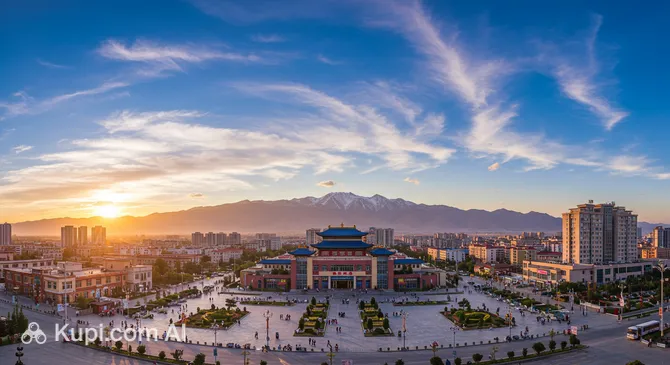
Hami. Source: Kupi.Binoculars

The city is perhaps most famous for the legendary Hami melon, a sweet and crisp fruit that was historically served as a tribute to emperors and remains a symbol of the region today. Beyond its culinary fame, Hami offers spectacular sights such as the Hami King's Tomb, a magnificent complex showcasing traditional Islamic architecture and intricate designs. For nature lovers, the nearby Devil City (Yardan Landform) presents a surreal landscape of wind-eroded rock formations that look like medieval castles rising from the desert.

With its unique combination of delicious fruit, rich history, and stunning natural wonders, Hami is a destination that truly rewards the adventurous traveler. Whether you are marveling at the geological formations or enjoying the local hospitality, a visit to this desert jewel promises an unforgettable experience.

Weather Overview

Hami experiences a continental desert climate characterized by distinct seasons and significant temperature variations. Because the city is situated in a basin near the Gobi Desert, the atmosphere is generally arid with plenty of sunshine. To plan your trip effectively and pack the right clothing, it is helpful to review the current weather in Hami before you travel.

Winters in the region are cold, with January being the coldest month, seeing average temperatures of -8.7°C and lows dropping to around -13.6°C. Conversely, summers are hot and dry. July is typically the warmest time of year, with average temperatures of 27.3°C and daily highs reaching up to 33.7°C. Spring and autumn are transitional seasons where temperatures rise and fall rapidly, offering milder conditions.

Rainfall is scarce throughout the year, with most months recording negligible precipitation and very few wet days. Travelers can generally expect hot, sunny summers and cold, dry winters with minimal rain or snow.

Interesting Facts

Beyond the main attractions and its reputation for sweetness, Hami holds many fascinating secrets that range from ancient royal history to prehistoric discoveries. This city is not just a stop on the Silk Road; it is a place where unique geographical and historical anomalies have converged to create a truly distinct identity.

  • The Last Khanate: Hami was home to the Kumul Khanate, a semi-autonomous feudal state that remarkably survived until 1930. This makes it the location of the very last ruling Khanate in China, where local Khans—direct descendants of the Mongol Empire—continued to govern their territory long after the imperial system had shifted elsewhere.

  • A Royal Misunderstanding: The famous Hami melon might actually be named due to a historical branding accident. Legend has it that the melon originally grew in neighboring areas like Shanshan, but because the King of Hami sent it as a special tribute to the Qing Dynasty court, the Emperor named the delicious fruit after the sender rather than its origin.

  • Xinjiang in Miniature: Geographers often refer to Hami as the "epitome of Xinjiang" because it is the only prefecture that contains examples of almost every topographical feature found in the region. Within its boundaries, you can find snowy glaciers, lush forests, vast grasslands, and arid deserts all existing in close proximity.

  • The Pterosaur Kingdom: In recent years, Hami has gained international fame in the scientific community as a "Pterosaur Eden." Paleontologists have discovered one of the world's largest and most fossil-rich sites here, uncovering hundreds of millions-of-years-old pterosaur eggs and bones that have revolutionized the understanding of these flying reptiles.

How to Get There

Travelers planning a trip to this historic Silk Road hub will find that the city is well-connected to the rest of the country. The most direct way to arrive is via Hami Airport (HMI), which is situated approximately 12.8 km from the city center. This facility handles flights from various key locations, making the region easily accessible. Upon arrival, a taxi or shuttle ride to the downtown area typically takes about 40 minutes. For a complete overview of travel options and logistics, you can read more about how to get to Hami.

For clarity, here is a summary of the main airport serving the city:

Airport Name City Passenger Traffic Km from City
Hami Airport Hami Regional 12.8

Beyond air travel, Hami serves as a vital transportation junction on land. It is a major stop on the high-speed railway line connecting the Xinjiang region with the rest of inland China, allowing for efficient and scenic train journeys. The city is also accessible by a network of highways, making it a convenient stop for those undertaking a road trip across the vast landscapes of the northwest.

Main Attractions

Hami offers a remarkable blend of Silk Road history and diverse natural landscapes, ranging from arid desert formations to lush alpine grasslands. Visitors to this region can explore ancient architectural wonders that tell the story of local rulers or venture into the wild to witness some of the most unique geological features in Northwest China.

One of the city's most prominent historical sites is the Hami King's Mausoleum (Hui Wang Fen). This grandeur complex serves as the resting place for nine generations of the Hami Kings and their family members, who governed the region as a semi-autonomous kingdom during the Qing Dynasty. The site is architecturally fascinating because it fuses traditional Islamic dome structures with Chinese wooden style elements, symbolizing the cultural integration of the area. Visitors can explore the intricate tombs and the adjacent grand mosque, which is one of the largest in the region, offering a deep dive into the area's royal past.

For those seeking spectacular natural scenery, the Hami Devil City (Yardan Landform) is an absolute must-see. Located in the desert southwest of the city, this vast area features eerie and magnificent rock formations carved by centuries of fierce winds. The erosion has sculpted the earth into shapes resembling medieval castles, pagodas, and mythical creatures. It is particularly stunning at sunset when the rocks glow in shades of gold and red, and the sound of the wind whistling through the formations adds a mysterious atmosphere that justifies its nickname.

A stark contrast to the desert surroundings can be found at the Barkol Grassland. Situated to the north of the Tianshan Mountains, this lush expanse is one of the most beautiful steppes in the region. In the summer, the grassland transforms into a vibrant carpet of green, dotted with grazing herds of horses and traditional yurts. It is a popular spot for travelers looking to experience the nomadic lifestyle, enjoy cooler temperatures, and witness the famous "Lake in the Mirage" effect of Barkol Lake.

Another natural gem is the White Stone Scenic Spot (Baishitou), located deep within the eastern Tianshan Mountains. Named after a massive white quartz stone that stands out against the green landscape, this area offers a refreshing alpine environment filled with pine forests and meadows. It is an excellent destination for hiking and photography, providing a cool retreat from the heat of the lower basins and showcasing the incredible ecological diversity that exists within the Hami prefecture.

Local Cuisine

The local cuisine of Hami is a delightful reflection of its position on the ancient Silk Road, offering a rich blend of Central Asian flavors and traditional Chinese cooking styles. The city is most renowned for its namesake, the Hami Melon (Hami Gua). Known across the world for its golden skin and incredibly sweet, crisp flesh, this fruit is the pride of the region. Visitors will find it served everywhere, from high-end banquets to roadside stalls, and it is an absolute must-try to understand the sweetness of the local terroir.

For a hearty main course, the signature dish of the city is Mutton Braised with Flatbread (Yangrou Men Bing). This specialty is unique to the area and features layers of thin, hand-stretched dough that are steamed directly on top of a rich, savory stew of tender lamb, onions, and carrots. The bread absorbs the flavorful meat juices, creating a comforting and filling meal that is distinct from the noodle dishes found elsewhere in Xinjiang. Of course, travelers can also enjoy regional staples like Polu (pilaf), a fragrant rice dish cooked with mutton and yellow carrots.

The street food culture is vibrant and revolves heavily around the grill. As evening approaches, the air fills with the aroma of charcoal and spices from vendors roasting Lamb Skewers (Kawap). These are typically seasoned generously with cumin and chili powder. To accompany these rich, meat-heavy meals, locals traditionally drink warm Salty Milk Tea, which helps with digestion. For a cold refreshment, you can try Kvass, a fermented honey-bread drink, or the regionally famous Wusu Beer, often referred to affectionately by locals as "red Wusu."

Dining in Hami is a social affair, best experienced at the bustling night markets. These lively venues offer a feast for the senses, where you can watch bakers slap rounds of Naan bread into tandoor ovens and see vendors tossing woks over high flames. Apart from the savory dishes, the markets are a great place to sample other local products, such as the sweet Hami Jujubes (red dates), which are considered some of the best in the country due to the region's abundant sunshine.

Travel Tips

Visiting Hami is a unique experience that combines the rugged beauty of the Gobi Desert with the warm hospitality of the Silk Road. To help you navigate the local customs, distinct climate, and logistics of this fascinating oasis city, here are some practical tips to ensure your journey is smooth and enjoyable.

  1. Clothing and Gear: The desert climate means temperatures can fluctuate drastically. In summer, pack lightweight, breathable fabrics, but always bring a jacket for cooler evenings. Sun protection is non-negotiable; bring a wide-brimmed hat, high-SPF sunscreen, and sunglasses to protect against the intense glare. If you plan to visit religious sites like the Hami King's Tomb or local mosques, dress modestly by covering your shoulders and knees. Comfortable, closed-toe walking shoes are essential for exploring the rocky terrain of the Devil City.

  2. Transportation: Within the city center, taxis are plentiful and affordable, making them the most convenient way to get around. Ride-hailing apps like DiDi are available but may have longer wait times than in major metropolises. For attractions located outside the city, such as the Barkol Grassland or Yardan landforms, public transport is limited. It is highly recommended to hire a private driver or join a local tour for the day, as this provides the flexibility to stop for photos and navigate the desert roads safely.

  3. Finances: While credit cards are rarely accepted in small shops or local restaurants, mobile payments via Alipay and WeChat Pay are ubiquitous. Link your international card to these apps before arrival for a seamless experience. However, it is wise to carry some cash (RMB) in smaller denominations, especially when buying melons from roadside farmers or visiting remote areas where signal might be spotty.

  4. Health and Safety: The air in Hami is extremely dry. To prevent nosebleeds and dry skin, keep yourself hydrated, carry a reusable water bottle, and pack plenty of moisturizer and lip balm. Pharmacies are easy to find in the city and are usually marked with a green cross. Always carry your passport with you, even for short trips within the city, as identity checks at train stations, hotels, and checkpoints are standard procedure in the region.

  5. Communication: Mandarin Chinese is the primary language, though you will also hear Uyghur spoken frequently. English is not widely understood, so having a translation app on your phone is crucial for reading menus and asking for directions. It is advisable to download offline maps and language packs before you arrive, as internet access can sometimes be slow or restricted for certain foreign websites.

  6. Local Etiquette: Hami has a significant Muslim population, and local dining customs reflect this. Always respect Halal traditions; do not bring outside food (especially pork products or alcohol) into Halal restaurants. When greeting locals, a handshake or a polite nod is appropriate. Hospitality is taken seriously here; if you are offered tea or melon, accepting it is a sign of respect and friendship.

  7. What to Avoid: Be mindful of photography regulations. Do not take photos of police stations, checkpoints, or security personnel, as this is strictly prohibited and can lead to your device being inspected. Additionally, avoid public discussions on sensitive political topics; focus your interactions on culture, food, and travel to keep conversations friendly and positive.

  8. Time Zone Awareness: Although the official time is Beijing Time (GMT+8), Hami is geographically far to the west. Locals often operate on "Xinjiang Time," which is roughly two hours behind Beijing Time. This means lunch might be served around 2:00 PM and dinner after 8:00 PM. Always clarify whether a scheduled time is "Beijing Time" or "Local Time" to avoid showing up too early for appointments or meals.

By keeping these practicalities in mind, you will be well-prepared to embrace the rich culture and stunning landscapes of Hami. Whether you are bargaining for the sweetest melon in the market or watching the sunset over the desert, a little preparation goes a long way in making your adventure truly memorable.

Entertainment & Nightlife

While Hami may not possess the high-octane clubbing scene of China's coastal metropolises, its nightlife offers a unique and authentic charm that centers heavily on culinary experiences and social gatherings. As the sun sets over the surrounding desert, the city cools down and locals head out to enjoy the evening breeze, creating a lively yet relaxed atmosphere. The entertainment here is a blend of vibrant night markets, casual bars, and the ever-popular karaoke lounges that define modern Chinese leisure.

The undisputed heart of the city's evening culture is the Hami Night Market. This is not just a place to eat; it is a bustling social hub where the community gathers. Located centrally, usually active well past midnight, the market is a sensory explosion of sizzling woks, neon lights, and the aroma of charcoal-grilled meats. The atmosphere is casual and boisterous, with long communal tables where tourists sit shoulder-to-shoulder with locals. It is the perfect spot to start your night, soaking in the local vibe without any need for a formal dress code.

For those seeking a drink or a place to unwind with music, the commercial areas around Yingbin Road and the city center host a variety of venues. Here, you will find local bars and pubs that typically open around 8:00 PM and stay busy until 2:00 AM. Unlike Western dance clubs, many of these spots focus on social drinking, dice games, and live performances by local singers. KTV (Karaoke) is also a massive part of the nightlife here. Large, lavishly decorated KTV clubs offer private rooms where groups of friends can sing and snack in privacy, a quintessential experience for anyone visiting the region.

If you prefer a quieter evening, the city's public squares and parks, such as the areas near the Hami River, offer a peaceful alternative. In the warmer months, these spaces are filled with families taking evening strolls and groups practicing traditional dances under the streetlights. It is a safe and pleasant way to observe local life at a slower pace.

Before the night begins, daytime entertainment in Hami offers plenty of cultural enrichment. Visitors can spend their afternoon exploring the Hami Museum to gain deeper insights into the Silk Road history or visit the local theaters which occasionally host performances showcasing traditional Uyghur music and dance, known as the Twelve Muqam.

Practical Tips for Nightlife:

Safety and Transport: Hami is generally very safe for tourists at night. Main streets and night markets are well-lit and patrolled. However, it is always wise to stay in populated areas. Taxis are the best way to get around after dark; they are affordable and easy to flag down. Ride-hailing apps are also an option, though waiting times can vary.

Prices and Timing: The cost of a night out is quite reasonable compared to larger cities. A hearty meal at a night market might cost between 30 to 60 RMB per person, while beers in a bar typically range from 15 to 30 RMB. The peak time for nightlife is between 9:00 PM and midnight, especially given the later sunset times in this western part of the country.

Parks & Museums

While Hami is famous for its surrounding deserts and snowy peaks, the city itself and its immediate suburbs offer a surprising array of cultivated green spaces and cultural institutions. Visitors can transition from the heat of the Gobi to the cool shade of wetland parks or step indoors to explore millennia of history preserved in world-class museums. These venues provide a deeper understanding of the region's ecological diversity and its pivotal role on the ancient Silk Road.

For a unique blend of agriculture and leisure, the Hami Melon Garden is a standout destination. Situated just outside the city center, this expansive park is dedicated to the region's most famous export. It is not merely a farm but a landscaped scenic area featuring pavilions, grape trellises, and statues celebrating the history of the "tribute melon." Tourists visiting in late summer can wander through fields growing over 100 varieties of melons, participate in tasting events, and learn about the traditional cultivation techniques that have flourished in this arid climate for centuries.

In the heart of the city, the Hami River National Wetland Park serves as an ecological corridor and a favorite recreational spot for locals. This project has transformed the riverbanks into a lush green belt that contrasts sharply with the surrounding dry landscape. The park features wooden boardwalks, ornamental bridges, and carefully maintained gardens that offer a refreshing escape from the urban bustle. It is an excellent place for an evening stroll to observe local birdlife and enjoy the cooler microclimate generated by the flowing water and vegetation.

To delve into the region's rich past, a visit to the Hami Museum is essential. This modern facility houses an impressive collection that spans from the prehistoric era to the Qing Dynasty. One of its most significant exhibits is dedicated to paleontology, showcasing the incredible Pterosaur fossils discovered in the area. Hami is known globally in scientific circles for these finds, and the museum displays well-preserved eggs and skeletons of the Hamipterus tianshanensis. Additionally, the history galleries feature well-preserved mummies from the Bronze Age and diverse artifacts that illustrate the cultural exchanges between East and West along the Silk Road.

Another key cultural site is the Hami Intangible Cultural Heritage Center (often integrated with major cultural venues in the city). Here, visitors can gain insight into the living traditions of the region, particularly the Hami Muqam, a local variation of the classic Uyghur musical suite. The exhibits often display traditional instruments, colorful costumes, and intricate embroidery, highlighting the artistic achievements of the local people. It provides a vibrant counterpoint to the archaeological focus of the main museum, celebrating the music and crafts that are still practiced today.

For an authentic insider experience, try to visit the Hami Museum during a weekday morning when it is quieter. This allows for a more intimate viewing of the "Beauty of Hami" (a preserved mummy) and the intricate dinosaur fossils without the crowds. Afterward, a walk through the Wetland Park at sunset offers a chance to see the community unwind, often with impromptu traditional dance sessions occurring in the open plazas.

Getting Around

The public transportation system in Hami is straightforward and primarily relies on an extensive network of buses and a large fleet of taxis. As the city is relatively compact compared to major metropolises, there is no metro or tram system. For most travelers, getting around the central districts and reaching key commercial areas or the railway station is efficient and very affordable using these road-based options.

Public buses serve as the main mode of transit for locals. The network covers the downtown area comprehensively, with routes connecting major hotels, markets, and government buildings. The buses are generally modern and air-conditioned, which is a necessity during the hot summer months. Stops are clearly marked, though route information is typically displayed only in Chinese and Uyghur, so having a translation app or a map on your phone is highly recommended for navigation.

Regarding payment, the system is designed for speed and convenience. Fares are typically a low flat rate, regardless of the distance traveled within the city. While you can still pay with cash by dropping exact change (usually 1 or 2 RMB) into the fare box next to the driver, this method is becoming less common. The most popular way to pay is via mobile apps. Visitors can use the "Transport" or "Ride Code" mini-apps within Alipay or WeChat Pay to scan the QR code reader installed on the bus. Physical transport cards exist but are generally used by long-term residents rather than tourists.

Taxis offer a flexible and comfortable alternative, especially given the extreme temperatures often found in the region. You can easily hail a taxi on the street, or use ride-hailing apps like DiDi, which are widely active in the city. Taxis are metered, and prices are quite reasonable. For tourists who do not speak the local language, using an app is advantageous as it allows you to input your destination digitally. If you hail a cab on the street, always have the name of your hotel or destination written in Chinese characters to show the driver.

Public transport generally operates from early morning, around 7:30 AM, until late evening. In the summer, due to the late sunset in this western region, buses may run until 10:00 PM or later. However, frequency drops significantly after dinner time. Shared bicycles are also available on many street corners for short trips, but they are best used in spring or autumn when the weather is mild.

It is important to note that while the bus system is excellent for city travel, it does not typically extend to the major scenic spots located in the surrounding desert, such as the Yardan landforms. For these excursions, the standard practice is to hire a private driver or negotiate a day rate with a taxi driver, as this provides the necessary flexibility to explore the remote areas safely.

Accommodation

Accommodation in Hami primarily caters to practical travelers and business visitors, offering a range of options that emphasize comfort and convenience. The city provides a solid selection of mid-range hotels, budget-friendly guesthouses, and standard business lodging. While you may not find many international ultra-luxury resort chains, the local establishments are generally modern, clean, and well-equipped to serve tourists exploring the Silk Road.

The most convenient area to stay is the city center, particularly around Yingbin Road and the main commercial squares. Staying here places you within walking distance of the vibrant night markets, local restaurants, and shopping districts, allowing for easy exploration after sundown. Another popular location is the area surrounding the Hami Railway Station. This district is ideal for travelers on a tight schedule or those arriving late by high-speed train, as it offers numerous hotels designed for efficient short stays and quick transit.

For international travelers, a crucial booking tip is to verify the accommodation's registration policy. In this region, some smaller guesthouses or budget inns may not be authorized to host foreign guests. It is highly recommended to confirm this status before arrival or to stick to larger, well-established hotels which are more likely to have the necessary permits. Checking policies on major international booking platforms is a reliable way to ensure a smooth check-in process.

In terms of pricing, Hami is generally quite affordable compared to China's coastal metropolises. Budget travelers can find decent rooms for very reasonable rates, while mid-range options offer spacious amenities such as air conditioning and private bathrooms without a high price tag. Prices can rise during the peak tourist season, which spans from late spring to early autumn—coinciding with the famous melon harvest. Consequently, it is advisable to book your room at least a few weeks in advance if you plan to visit during these busy months.

Nearby Cities

Nearby Cities:

Hami serves as a strategic "Eastern Gateway" to the Xinjiang region, making it an excellent jumping-off point for exploring the legendary Silk Road. Its location on the border between the vast deserts of the northwest and the corridor leading to inland China allows travelers to easily access some of the most historically significant and geographically stunning destinations in the country. Whether you are heading deeper into the autonomous region or moving eastward toward Gansu Province, several fascinating cities are within a manageable distance.

To the west, the journey leads towards the heart of the region. The closest major stop is Shanshan, famous for the Kumtag Desert, which is one of the few deserts in the world directly adjacent to a city. Further along the route lies the depressed basin of Turpan, an oasis renowned for its Grape Valley and the ancient Jiaohe Ruins. For those seeking the bustle of a major metropolis, the regional capital, Urumqi, offers a modern urban experience set against the backdrop of the Tianshan Mountains.

Traveling southeast from Hami takes you into Gansu Province, where history comes alive. The city of Dunhuang is a world-class destination, home to the UNESCO-listed Mogao Caves and the Singing Sand Dunes. Continuing east, you will reach Jiayuguan, the site of the magnificent fortress that marks the western end of the Great Wall of China. Both cities are accessible via the high-speed railway that passes through Hami.

Here is a breakdown of the nearby cities, their populations, and their approximate distance from Hami:

City Population Distance (km)
Shanshan 230,000 270
Dunhuang 186,027 312
Turpan 622,903 354
Urumqi 4,335,017 491
Jiayuguan 231,853 524

Shopping & Souvenirs

Shopping in Hami offers a delightful mix of modern convenience and traditional charm, reflecting its position as a historic oasis on the Silk Road. While you will find standard retail outlets, the true joy of shopping here lies in exploring local specialty stores that showcase the region's agricultural bounty and unique geological treasures. It is an excellent place to purchase authentic goods that are difficult to find elsewhere in the country.

The commercial pulse of the city beats strongest in the downtown area, particularly along Yingbin Road and the streets surrounding the central squares. This district is lined with a variety of shops ranging from fashion boutiques to local convenience stores, making it a convenient one-stop destination for most travelers' needs. Walking through these bustling streets gives visitors a glimpse into the daily life of the locals.

For a more modern retail experience, visitors can head to the major department stores located in the city center. Large commercial complexes, such as the Hami Friendship Shopping Center (Youyi Shangchang) or other central plazas, offer a comfortable, air-conditioned environment. Here, you can find clothing, electronics, and cosmetics brands, providing a familiar shopping atmosphere amidst the desert surroundings.

A visit to Hami is incomplete without exploring its vibrant markets. The city is famous for its Strange Stone Market, a unique venue that attracts collectors from all over to admire and purchase rare ornamental stones, agates, and silicified wood found in the Gobi Desert. Additionally, local farmers' markets are the best places to see the sheer variety of seasonal fruits, where you can buy directly from the growers.

When it comes to souvenirs, the most iconic choice is, without a doubt, the Hami Melon. While fresh melons can be heavy to transport, many tourists opt for dried melon slices, which are sweet, chewy, and easy to pack. Hami Jujubes (red dates) are another top choice, known for their large size and high sugar content. For non-food items, Hami embroidery is a beautiful traditional craft featuring intricate floral patterns, and polished Gobi stones or "Gold Silk Jade" make for distinctive keepsakes.

Shops in Hami typically operate according to local customs, often opening later than in eastern China due to the geographic time difference. Expect stores to open around 10:00 AM or 11:00 AM (Beijing Time) and remain open until late in the evening, often closing around 10:00 PM. Mobile payments via Alipay and WeChat Pay are the standard and are accepted almost everywhere, from large malls to small market stalls, though carrying some cash is useful for small vendors.

Tax-free shopping for tourists is generally not available in Hami. Visitors should not expect VAT refund counters at local stores, as the tax refund system is primarily found in China's major international gateway cities and specific coastal zones.

Reached the end of the page?

That means the route is fully explored