Support

Jiayuguan

About

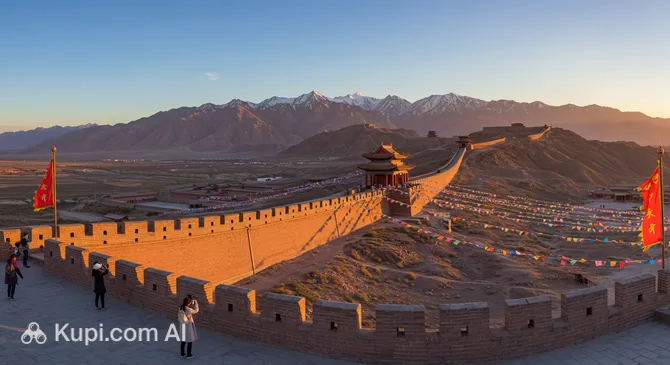
Jiayuguan is a captivating city located in the northwestern Gansu Province of China. Renowned primarily for its magnificent fortress, which traditionally marked the western end of the Great Wall during the Ming Dynasty, the city stands as a symbolic gateway between the ancient civilization of the interior and the vast, rugged wilderness of the west. Its strategic position in the Hexi Corridor has made it a legendary location for travelers and historians alike.

Jiayuguan. Source: Kupi.Binoculars

Geographically, the city is situated in an oasis surrounded by the stark beauty of the Gobi Desert and the imposing Qilian Mountains. With a population of approximately 230,000 people, it maintains a unique atmosphere where modern urban life meets ancient heritage. The history of Jiayuguan is deeply connected to the Silk Road, serving for centuries as a vital military outpost and a crucial trade hub that facilitated cultural exchanges between East and West.

Visitors are drawn to the city's impressive landmarks, most notably the Jiayuguan Pass itself. Often hailed as the "First and Greatest Pass Under Heaven," this well-preserved military fort offers a glimpse into the architectural prowess of the past. Nearby, the Overhanging Great Wall clings dramatically to a steep ridge, providing spectacular panoramic views of the surrounding desert landscape. Whether you are exploring its ancient ramparts or admiring the sunset over the desert, Jiayuguan offers an inspiring journey through time that should not be missed.

Weather Overview

Jiayuguan experiences a dry, continental climate characterized by significant seasonal contrasts. Winters are cold and crisp, with January temperatures averaging around -8.3°C and lows often reaching -13.8°C. Snowfall is rare, keeping the colder months mostly dry. Spring brings a gradual warming, though temperatures can remain cool well into April.

Summer is the most popular time to visit, offering warm and pleasant conditions. July is typically the warmest month, with average highs of 28.6°C, while August generally experiences the highest number of wet days. To help you pack appropriately for your specific travel dates, be sure to check the latest weather in Jiayuguan. Expect warm summers with occasional rain and cold, dry winters, making the transitional periods of late spring and early autumn excellent alternatives for exploring the outdoors comfortably.

Interesting Facts

Beyond the well-trodden paths of the Great Wall, Jiayuguan preserves a wealth of fascinating stories and hidden gems that offer a deeper look into its past. Here are some intriguing facts that highlight the city's unique character and rich heritage.

  • The Legend of the Single Brick: According to local lore, the architect of the Jiayuguan Pass calculated the necessary materials so precisely that only one brick remained after construction was completed. To avoid punishment, he claimed it was placed there by a deity to stabilize the structure and that moving it would cause the tower to collapse. This single brick can still be seen today, resting on a ledge of the Xiwong City Gate tower.

  • The Underground Art Gallery: Just outside the city lie the Wei-Jin Tombs, a vast cluster of ancient burial sites. They are famous for their vibrant brick paintings depicting scenes of daily life from over 1,500 years ago, earning them the reputation of being the largest subterranean art gallery in the world.

  • A Hub for Aviation Sports: Thanks to the unique thermal currents generated by the Gobi Desert and the Qilian Mountains, the city is home to one of the best gliding bases in China. It has become a premier destination for glider pilots who come to ride the strong, reliable updrafts.

  • The Gate of Sighs: In ancient times, the fortress marked the final boundary of the empire. For those banished to the west, walking through the gate meant leaving civilization behind to face the unknown wilderness, making it a poignant historical symbol of separation and exile.

How to Get There

Reaching this historic destination is relatively straightforward, as the city is well-connected to the rest of the country by both air and rail. Whether you are traveling from major Chinese hubs or exploring the Silk Road route, you can find convenient options to suit your itinerary. For a comprehensive overview of travel methods, you can read more about how to get to Jiayuguan.

The most direct way to arrive is via Jiayuguan Airport (IATA: JGN), which is conveniently located just 11 km from the city center. This airport serves as a key gateway for the region, handling flights from major cities such as Beijing, Xi'an, and Lanzhou. Upon arrival, a taxi or shuttle bus can take you to the downtown area in approximately 15 to 20 minutes. With an annual passenger traffic of over 1 million, it is a modern and efficient facility equipped to handle tourists year-round.

Another option for air travel is Zhangye Ganzhou Airport (IATA: YZY), situated in the neighboring city of Zhangye. It is important to note that this airport is about 232 km away from Jiayuguan. While it provides an alternative point of entry, the transfer by road takes approximately 2.5 to 3 hours by taxi or car via the expressway. Travelers choosing this airport often combine their trip with a visit to Zhangye's Danxia landforms before continuing to Jiayuguan.

For clarity, here is a summary of the main airports:

Airport Name City Passenger Traffic Km from City
Jiayuguan Airport Jiayuguan Medium 10.9
Zhangye Ganzhou Airport Zhangye Small 232.4

In addition to air travel, Jiayuguan is a major hub on the Lanxin High-Speed Railway, which connects Lanzhou to Urumqi. High-speed trains offer a fast and scenic way to reach the city, with the Jiayuguan South Railway Station serving as the primary stop for bullet trains. This extensive rail network makes it easy to include Jiayuguan as a stop on a broader tour of the Hexi Corridor and the Silk Road.

Main Attractions

While Jiayuguan is a modern industrial city, its tourism appeal centers firmly on its historical significance as the guardian of the ancient Silk Road. The city's attractions offer a profound look into China's military past and architectural ingenuity. Here are the key sites that define the travel experience in this region.

Jiayuguan Pass is the undisputed highlight of the city and the best-preserved military fortress along the entire Great Wall. Built during the Ming Dynasty, this imposing structure consists of an inner city, an outer city, and a moat, designed to be an impenetrable barrier against invaders. Tourists are captivated by the magnificent gate towers and the panoramic views from the ramparts, where the snow-capped Qilian Mountains provide a stunning backdrop to the yellow earth of the Gobi Desert. Walking along the ancient walls allows visitors to truly grasp the strategic importance of this "First and Greatest Pass Under Heaven."

Located just a short drive north of the main fortress, the Overhanging Great Wall offers a more rugged and adventurous experience. This section of the wall was built on a ridge with a 45-degree gradient, earning it the nickname "Suspended Wall" because it appears to hang precariously from the mountainside. It is a fascinating spot for hiking enthusiasts who are willing to climb the steep steps. Reaching the top rewards travelers with a breathtaking bird's-eye view of the desert expanse and the oasis city below, offering a different perspective than the main fort.

To complete the historical journey, visitors should head south to the First Pier of the Great Wall. Standing atop a precipitous cliff overlooking the rushing Taolai River, this rammed-earth platform marks the westernmost starting point of the Ming Dynasty Great Wall. While the structure itself is weathered by centuries of wind and sand, the dramatic location is awe-inspiring. A glass viewing platform extends over the cliff, allowing brave tourists to look directly down at the river canyon, blending historical contemplation with a touch of modern thrill.

For those interested in ancient art and culture, the Wei-Jin Tombs are an essential stop located about 15 kilometers northeast of the city. Often referred to as the "Underground Art Gallery," this vast cemetery features tombs dating back to the 3rd and 5th centuries. The site is famous for its vivid brick paintings that depict scenes of everyday life, such as farming, hunting, and banqueting, rather than religious or mythological themes. These colorful murals provide a rare and intimate window into the lifestyle of the region's inhabitants over 1,500 years ago.

Local Cuisine

The local cuisine of Jiayuguan is a delightful exploration of Northwestern Chinese flavors, heavily influenced by its location along the ancient Silk Road. The food here is hearty and savory, characterized by a reliance on wheat-based dishes and high-quality meats, particularly mutton and beef. The culinary style is designed to provide warmth and energy in the high-altitude desert climate, offering a distinct departure from the rice-based diets found in the southern parts of the country.

The undisputed star of the city's dining scene is Jiayuguan Barbecue. Renowned throughout the region, the local roast mutton is famous for its freshness and the skillful use of spices like cumin and chili powder. Visitors should definitely try the roasted lamb skewers, which are grilled over charcoal until they are crispy on the outside and tender on the inside. Another specialty is roasted lamb leg or chops, often served as a communal dish that perfectly embodies the generous hospitality of the Northwest.

Wheat is the staple grain of Gansu Province, resulting in an impressive variety of flour-based foods. Beef Noodles are a daily essential for locals, featuring hand-pulled noodles served in a clear, aromatic broth with radish slices and vibrant red chili oil. For a lighter, cold option, try Niangpi, a dish made from steamed flour skins cut into strips and tossed with a spicy, tangy sauce. It is a popular snack that offers a refreshing contrast to the rich meat dishes.

To balance the savory and often spicy flavors of the food, the most iconic local drink is Apricot Peel Tea (Xingpishui). This non-alcoholic beverage is made by boiling dried apricot skins with rock sugar and water, creating a sweet and sour drink that is incredibly refreshing in the dry desert air. It is widely believed to aid digestion and is a standard accompaniment to barbecue meals. Local beers are also widely available and are a favorite choice for social gatherings.

The food culture in Jiayuguan is best experienced after sunset at one of the city's vibrant Night Markets, such as the popular Datang Food Street. These markets are the social heart of the city, where the air is filled with the smoky aroma of grilling meat and the buzz of conversation. Tourists and locals alike gather at open-air tables to enjoy affordable street food, making it an unmissable atmospheric experience for any traveler.

Travel Tips

Preparing for a trip to Jiayuguan involves more than just booking tickets; understanding the local environment and customs will ensure your journey to this historic Silk Road outpost is smooth and enjoyable. To help you navigate the unique desert climate and cultural nuances of this fascinating region, here are some essential practical tips.

  1. Clothing and Gear: The desert climate brings significant temperature fluctuations between day and night. It is best to dress in layers so you can adjust comfortably. Even in summer, bring a light jacket for the evenings, while winters require heavy thermal wear. Since you will be walking on uneven stone surfaces at the fortress and the Great Wall, sturdy and comfortable walking shoes are a must. Don't forget high-SPF sunscreen, sunglasses, and a wide-brimmed hat, as the UV radiation can be quite strong in this open terrain.

  2. Transportation: The most convenient way to reach the major attractions, such as the Jiayuguan Pass and the Overhanging Great Wall, is by taxi. Taxis are generally inexpensive and plentiful in the city. Ride-hailing apps like DiDi are also widely used and can be easier for non-Chinese speakers as they allow you to input destinations in English. Public buses are available but can be challenging to navigate without knowledge of the language.

  3. Finances: The local currency is the Renminbi (CNY). While credit cards are accepted at major hotels, daily transactions largely rely on mobile payments. It is highly recommended to set up Alipay or WeChat Pay on your phone before arrival, as they now support international bank cards and are used for everything from buying street food to paying entry fees. Always carry some cash for smaller vendors or in case of connectivity issues.

  4. Health and Safety: The air in Jiayuguan is extremely dry. Visitors should drink plenty of water to stay hydrated and bring moisturizing lotion and lip balm to prevent chapped skin. Never drink tap water directly; always opt for bottled or boiled water. Pharmacies are marked with a green cross, but it is wise to bring a basic travel medical kit with you, as specific brands of medicine may not be available.

  5. Communication: Mandarin is the primary language, and English proficiency is limited outside of high-end hospitality venues. Download a reliable offline translation app (like Baidu Translate or a localized version of Google Translate) to communicate with drivers and locals. Additionally, ensure you have a roaming plan or a specialized SIM card that allows access to international apps, as many western social media and navigation platforms are blocked.

  6. Local Etiquette: When handing over money, a business card, or a gift, use both hands as a sign of respect. Dining etiquette is also important; wait for the host or the eldest person to start eating before you begin. If you are sharing dishes, use the serving chopsticks provided rather than your own to pick up food.

  7. What to Avoid: Avoid leaving your chopsticks sticking vertically into a bowl of rice, as this resembles incense burned for the dead and is considered very inauspicious. Also, avoid losing your temper or shouting in public if things go wrong; maintaining "face" and staying calm will usually resolve problems much faster than confrontation.

  8. Additional Tip: For the most atmospheric experience, plan your visit to the Jiayuguan Fort in the late afternoon. The setting sun casts a golden glow over the yellow earth walls and the distant snow-capped mountains, providing the most spectacular lighting for photography and a truly magical ambiance.

By keeping these practical tips in mind, you will be well-equipped to explore the wonders of Jiayuguan with confidence and ease. Embracing the local lifestyle and being prepared for the elements will allow you to focus fully on the breathtaking history and scenery that make this city so special.

Entertainment & Nightlife

Nightlife in Jiayuguan is distinct from the high-energy clubbing scenes found in China's coastal metropolises. Here, the evening atmosphere is relaxed, communal, and centered heavily around food and socializing. The city comes alive after sunset not with thumping bass, but with the clinking of beer glasses, the aroma of charcoal-grilled meat, and the bright lights of pedestrian food streets. For tourists, this offers a chance to experience the authentic "slow life" of the Northwest, where locals gather to unwind after a hot day in the desert.

The undisputed heart of the city's nightlife is Datang Food Street. Located in the city center, this pedestrianized district transforms into a bustling hub of activity as dusk falls. It is lined with countless restaurants and open-air stalls serving the region's famous barbecue. The vibe here is energetic and friendly; you will see groups of friends and families sitting at outdoor tables, enjoying "skewers and beer" well past midnight. In addition to dining, this area is home to several KTV (karaoke) parlors, which are the primary form of late-night entertainment for locals. If you are looking for a place to soak up the local culture and enjoy a lively crowd, this is the place to be.

For those seeking a more traditional bar experience, the area around Xinhua Road offers a selection of smaller, more intimate venues. While you won't find massive dance clubs with international DJs, there are cozy bars and lounges where you can enjoy a quiet drink. These spots often feature a mix of domestic and imported beers, and the atmosphere is generally laid-back, suitable for conversation rather than dancing. The dress code throughout the city is casual; there is no need to dress up to enter any of these establishments.

Daytime entertainment in Jiayuguan offers a mix of history and modern thrills. Beyond the ancient fortifications, the Jiayuguan Fantawild Adventure is a massive high-tech theme park that attracts visitors from all over the region. Known as the "Silk Road Dreamland," it features 4D theaters, roller coasters, and cultural shows that bring the legends of the Silk Road to life. It is a fantastic option for families or anyone looking to take a break from historical sightseeing. Additionally, the Jiayuguan Great Wall Museum offers an immersive educational experience, providing deep context to the ruins you see outside.

From a practical standpoint, nightlife in Jiayuguan is very affordable. A night out with plenty of food and drinks at the night market will cost significantly less than in Beijing or Xi'an. Public transport slows down late at night, but taxis are abundant and inexpensive. Ride-hailing apps like DiDi are the most convenient way to get back to your hotel. The city is extremely safe for night walks, even in less crowded areas, but it is always wise to stick to well-lit main streets. Most venues accept WeChat Pay and Alipay, so ensure your mobile payment methods are set up before heading out.

Parks & Museums

Despite its location on the edge of the Gobi Desert, Jiayuguan surprises many visitors with its refreshing pockets of greenery and world-class cultural institutions. The city has invested heavily in transforming its arid environment into a livable oasis, while its museums offer a deep dive into the region's pivotal role along the Silk Road. Exploring these venues provides a perfect balance to the rugged outdoor adventures of the surrounding fortifications.

The crown jewel of the city's green spaces is the East Lake Ecology Tourism Area (Donghu). This expansive park is a testament to modern engineering, featuring three man-made lakes that are fed by pristine snowmelt from the Qilian Mountains. Dominating the park's skyline is the iconic Dolphin Tower, a meteorological structure that offers panoramic views of the city. For tourists, East Lake is a surreal escape where you can view the reflection of snow-capped peaks and the distant Great Wall in the calm waters, creating a striking contrast with the surrounding desert landscape. It is an ideal spot for a leisurely afternoon walk or a boat ride.

Another significant natural area is the Nanhu Cultural Ecological Park. Located in the southern part of the city, this park focuses on blending natural scenery with local culture. It features vast lawns, walking trails, and water features that attract migratory birds. It serves as a popular recreational hub for locals, making it a great place to observe daily life in China's northwest. The park is particularly atmospheric in the evening when the setting sun casts a warm glow over the water, offering a tranquil retreat after a day of sightseeing.

For history enthusiasts, the Jiayuguan Great Wall Museum is an absolute must-visit. Conveniently situated within the scenic area of the Jiayuguan Pass, it is the first museum in the country dedicated specifically to the history of the Great Wall. The building itself is designed to resemble a cross between a beacon tower and a section of the wall. Inside, visitors will find a comprehensive collection of artifacts, including ancient weaponry, signaling tools, and historical documents that explain the defense systems of the Ming Dynasty. It provides essential context that brings the stone ruins outside to life.

To understand the modern evolution of the region, the Jiayuguan City Museum offers a different perspective. While the Great Wall Museum focuses on ancient defense, this venue highlights the area's development from a remote frontier post to a modern industrial powerhouse, often referred to as the "Steel City of the West." The exhibits cover the geological history of the Hexi Corridor, the folk customs of the local ethnic groups, and the industrial achievements that have shaped the contemporary city. It is an educational stop that connects the ancient past with the present day.

For a truly authentic experience, try visiting the East Lake area in the early morning. You will find local residents practicing Tai Chi, dancing, or flying elaborate kites—a popular pastime in this windy region. Joining in or simply watching these morning rituals offers a genuine glimpse into the community spirit that thrives in this desert oasis, far removed from the typical tourist trail.

Getting Around

Navigating Jiayuguan is surprisingly easy and stress-free compared to larger metropolises. As a relatively compact city, it does not have a metro or light rail system. Instead, the public transport network relies entirely on an efficient bus system and a large fleet of taxis, both of which are affordable and convenient for tourists.

The public bus system is the primary mode of transit for locals. There are numerous routes that crisscross the city, connecting residential areas, the railway station, and major tourist sites. For visitors, the most useful lines are typically Bus No. 4 and Bus No. 6, which generally run from the city center to the Jiayuguan Pass scenic area. Buses are clean and typically operate from early morning (around 7:00 AM) until the evening (around 8:00 PM or 9:00 PM in summer). Stops are marked in Chinese, so having your destination written down or using a navigation app is highly recommended.

Fares for public buses are extremely low, usually a flat rate of 1 CNY per ride, regardless of the distance. The payment system is straightforward: you board at the front and exit at the back. Most buses are equipped with coin boxes and QR code scanners. While you can pay with exact cash (coins or small bills), the most common method is digital payment via Alipay or WeChat Pay. Tourists can activate the "Transport" code within these apps to scan upon entry. Physical transport cards exist for residents but are generally not necessary for short-term visitors.

For most travelers, taxis are the preferred alternative due to their speed and low cost. You can easily flag them down on the street or find them waiting at the train station and airport. Taxis in the city are metered, with fares starting at a modest base rate that covers the first few kilometers. Given the city's small size, a trip across town or to the main fort is very inexpensive. For destinations further afield, such as the Overhanging Great Wall or the Wei-Jin Tombs, drivers may prefer to negotiate a flat round-trip price that includes waiting time.

Ride-hailing apps, particularly DiDi, are widely available and highly recommended for international tourists. The app features an English interface and allows you to input your destination and pay automatically, eliminating language barriers and the need to handle cash. This is especially useful if you are traveling to specific hotels or restaurants where explaining the address might be difficult.

For short distances within the city center, shared bicycles are a popular and eco-friendly option. You will see shared bikes parked on sidewalks, which can be unlocked using the scan function in the Alipay or WeChat apps. The flat terrain and wide streets make cycling a pleasant way to explore the urban area, visit the night markets, or ride to East Lake Park.

A practical tip for tourists is to carry small change if you plan to use the bus and have not set up mobile payments, as drivers cannot give change. Additionally, be aware that public transport schedules may vary slightly with the seasons; buses tend to stop running earlier in the cold winter months compared to the peak summer tourist season. Overall, the combination of cheap taxis and reliable buses makes getting around this historic oasis city simple and efficient.

Accommodation

As a key stop on the Silk Road tourism circuit, Jiayuguan offers a well-developed range of accommodation options suited to various budgets and travel styles. The city caters to everyone from backpackers seeking simple lodgings to families and tour groups looking for comfort and modern amenities. While you won't find an abundance of ultra-luxury international chains, there is a solid selection of reliable mid-range hotels, business hotels, and clean, budget-friendly hostels that provide excellent value for money.

The most popular and convenient area for tourists to stay is the city center, particularly around the Datang Food Street and Xinhua Road areas. Staying here places you in the heart of the action, with easy access to restaurants, night markets, and shopping districts. It also makes catching a taxi to the main attractions, such as the Jiayuguan Pass, very straightforward. For travelers arriving late or departing early by train, the area surrounding the Jiayuguan Railway Station offers several practical hotels, though it is slightly removed from the best dining spots.

Booking Tips: Since Jiayuguan is a seasonal destination, the demand for rooms spikes dramatically during the peak summer months (July and August) and during Chinese national holidays (such as the first week of October). It is highly recommended to book your accommodation at least a few weeks in advance if you plan to visit during these times to ensure you get your preferred choice and rate. In the off-peak winter season, you can often find significant discounts and plenty of availability on short notice.

In terms of pricing, accommodation in Jiayuguan is generally very affordable compared to China's major coastal cities. Budget travelers can find hostel beds or simple guesthouse rooms for very low rates, often under 20-30 USD per night. Mid-range hotels, which typically offer clean, modern rooms with air conditioning and private bathrooms, usually range from 30 to 60 USD. Even the city's higher-end establishments, often rated as 4 or 5 stars locally, are reasonably priced, rarely exceeding 100 USD per night. Most hotels can be easily booked via major international online platforms, though using Chinese-specific apps can sometimes yield better deals.

Nearby Cities

For those looking to explore the surroundings, Jiayuguan serves as an excellent base for day trips to several interesting nearby locations:

The most popular destination for a short excursion is Zhangye, located approximately 209 kilometers to the southeast. Easily accessible by high-speed train, this city is world-famous for the breathtaking Zhangye Danxia National Geological Park, often referred to as the "Rainbow Mountains" due to their vibrant, multi-colored rock strata. Visitors can also explore the historic Giant Buddha Temple, which houses the largest indoor clay reclining Buddha in China, making it a perfect blend of natural beauty and cultural heritage.

Another fascinating stop along the ancient Silk Road is Wuwei. Although situated further away, it holds immense historical value as the discovery site of the "Flying Horse of Gansu," a bronze statue that has become a symbol of Chinese tourism. The city offers a deep dive into the region's Han Dynasty heritage with attractions like the Leitai Han Tomb and the Confucius Temple, providing a rich historical context that complements the military history of Jiayuguan.

City Population Distance (km)
Xining 2,467,965 465
Wuwei 1,815,059 429
Zhangye 1,199,515 209
Jinchang 438,026 365
Huinan 230,000 438

These nearby destinations offer a glimpse into the diverse culture and landscapes of the region.

Shopping & Souvenirs

Shopping in Jiayuguan offers a unique blend of modern convenience and traditional Silk Road heritage. While the city is not a massive retail metropolis like Shanghai, it provides a charming selection of local goods that reflect the region's history and geography. Visitors can explore bustling commercial streets, browse through modern department stores, or hunt for cultural treasures in open-air markets. The shopping scene here is less about high-end luxury and more about discovering authentic regional crafts and specialty foods.

The primary commercial hub of the city is centered around Xinhua Road. This lively street is the heartbeat of local commerce, lined with a variety of shops ranging from clothing boutiques and shoe stores to electronics retailers. It is a great place to experience the daily rhythm of the city, with wide sidewalks that invite leisurely strolling. In the evenings, the area remains vibrant as locals head out to shop and socialize, creating a welcoming atmosphere for tourists.

For a more structured shopping experience, visitors can head to the city's main shopping centers, such as the Jiayuguan Department Store or the Eastern Shopping Mall. These multi-story complexes offer a wide range of domestic Chinese fashion brands, cosmetics, and jewelry. They also typically house large supermarkets in their basements, which are perfect for travelers looking to stock up on water, fresh fruit, or local snacks for their onward journey.

Markets play an essential role in the local lifestyle. While the night markets are famous for food, areas like the Datang Food Street also feature vendors selling small trinkets and local specialties. Additionally, the entrance areas to major attractions like the Jiayuguan Pass are lined with stalls catering specifically to tourists. These markets are excellent spots to find folk art, camel bone carvings, and curious desert artifacts, though visitors should be prepared to bargain to get a fair price.

When it comes to souvenirs, the most famous item to bring home is the Luminous Cup (Ye Guang Bei). Carved from dark jade found in the nearby Qilian Mountains, these cups are renowned for their paper-thin walls that appear to glow when held against the light. They have been celebrated in Chinese poetry for over a thousand years. Other unique keepsakes include Gobi stones—naturally polished rocks with distinct patterns found in the desert—and camel hair products. For edible gifts, local dried dates, melon seeds, and vacuum-packed roast mutton are popular choices.

Store hours in Jiayuguan are generally tourist-friendly. Most shops and malls open around 10:00 AM and stay open until 9:30 PM or 10:00 PM, particularly in the summer. Payment is overwhelmingly digital; WeChat Pay and Alipay are accepted almost everywhere, from large malls to small street stalls. While cash is accepted, it is becoming less common, and international credit cards are rarely usable outside of high-end hotels. Travelers are strongly advised to set up mobile payments on their phones before arriving.

Regarding tax refunds, Jiayuguan is not a designated tax-free shopping zone for international tourists. The tax refund schemes found in major gateway cities like Beijing or Shanghai are generally not available here. Visitors should plan to make their purchases with the understanding that the listed price is final in terms of taxes.
Nearby cities

Reached the end of the page?

That means the route is fully explored