Support

Zhangye

About

Zhangye is a captivating destination located in the northwest of the Gansu Province, serving as a vital agricultural and transport hub in the historic Hexi Corridor. Known as "Golden Zhangye" due to its fertile land and abundant water resources, this city offers a unique blend of natural wonders and cultural depth. Situated in China, it is a place where the stark beauty of the Gobi Desert meets vibrant oases and dramatic mountain landscapes.

Home to approximately 1.2 million people, the city experiences a continental climate with distinct seasons, making it an intriguing spot to visit year-round. While the winters can be cold, the summers are generally pleasant, allowing travelers to comfortably explore the surrounding natural marvels. The region is geographically diverse, bordered by the Qilian Mountains to the south and the Heli and Longshou Mountains to the north.
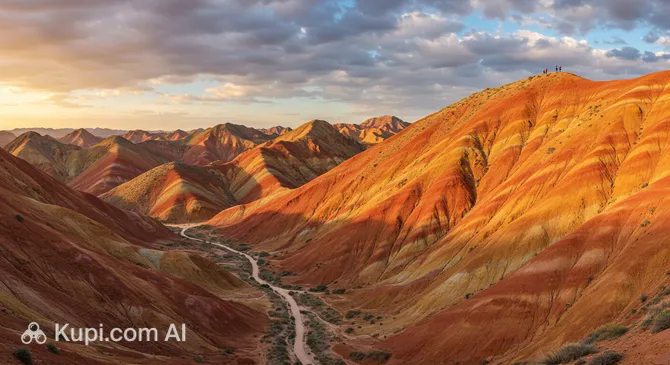
Zhangye. Source: Kupi.Binoculars

The city was once an essential stop on the ancient Silk Road, facilitating trade and cultural exchange between the East and the West. Visitors interested in the past can explore the fascinating history of Zhangye, which reveals its strategic importance and long-standing Buddhist heritage. This historical depth is palpable in the city's architecture and the enduring traditions of its local communities.

Travelers flock to Zhangye primarily to witness the surreal Zhangye Danxia National Geological Park, famous for its colorful "Rainbow Mountains." These striped, multicolored rock formations create a breathtaking spectacle that looks like a painting come to life. Another must-see is the Giant Buddha Temple, which houses one of the largest indoor reclining clay Buddha statues in the world, showcasing the region's spiritual significance.

Whether you are a photographer chasing the perfect light over the Danxia landforms or a history enthusiast tracing the footsteps of ancient merchants, Zhangye promises an unforgettable journey. Its combination of spectacular scenery and rich cultural legacy makes it a standout destination for any adventurer.

Weather Overview

The climate in Zhangye is continental, characterized by four distinct seasons and significant temperature variations throughout the year. The region is generally arid, ensuring plenty of clear skies that are perfect for viewing the area's famous geological formations.

Winters are cold and very dry, with January being the coldest month, featuring an average temperature of -7.0°C and lows dropping to -13.6°C. In contrast, summers are warm and comfortable. July is typically the peak of the heat, with average temperatures around 22.0°C and daily highs reaching 28.4°C. While the total rainfall volume remains low, August sees the highest frequency of wet days.

Spring and autumn serve as transitional periods with milder temperatures, though mornings and evenings can still be crisp. For a more comprehensive breakdown of conditions for your specific travel dates, you can consult the guide to weather in Zhangye. Overall, you can expect warm summers with occasional light rain and cold, dry winters.

Interesting Facts

Beyond the famous rainbow mountains and historical temples, Zhangye holds several fascinating secrets and legends that add depth to its allure. Here are a few intriguing facts about this ancient Silk Road hub:

  • Marco Polo's Residence: The famous Venetian explorer Marco Polo reportedly spent a full year in Zhangye, which he referred to as "Campichu," around 1274. He was so impressed by the city's grandeur and the massive reclining Buddha that he dedicated a significant portion of his travelogue to describing the region's prosperity and religious significance.

  • A Name with Purpose: The name "Zhangye" has a powerful literal translation meaning "to extend the arm." This dates back to the Han Dynasty, symbolizing the empire's strategy to "extend the arm of the country" through the Hexi Corridor to communicate with the Western Regions and cut off the connection between the Xiongnu and the Qiang tribes.

  • The Legend of the Celestial Horse: The Mati Temple Grottoes, or "Horse Hoof Temple," get their name from a local legend. It is said that a celestial horse descended from the heavens and left a distinct hoof print on a rock within the grottoes, which visitors can still look for today while exploring the cliffside shrines.

  • Hidden Treasures Inside the Buddha: The massive reclining Buddha in the Giant Buddha Temple is not just a solid statue; it is hollow and reinforced with a wooden frame. In 1966, a secret chamber within the statue's abdomen was discovered to contain thousands of cultural relics, including ancient scriptures, pearls, and precious stones that had been hidden for centuries.

How to Get There

Reaching this historic city in the Hexi Corridor is relatively straightforward, thanks to its developing transport infrastructure. Visitors can choose between flying directly into the local airport, arriving at a neighboring regional hub, or utilizing China's extensive rail network. For a comprehensive guide on travel options and logistics, you can read more about how to get to Zhangye to plan your journey effectively.

The most convenient air gateway is Zhangye Ganzhou Airport (YZY), located approximately 24 km from the city center. It is a smaller regional airport, primarily serving domestic flights from cities like Xi'an, Lanzhou, and Beijing. The drive from the airport to downtown typically takes about 30 to 40 minutes by taxi or shuttle bus. While it handles a modest volume of passengers annually, it offers the quickest access to the city's attractions.

Alternatively, travelers can fly into Jiayuguan Airport (JGN), situated in the city of Jiayuguan. Although it is a larger transport hub with more frequent connections, it is located about 209 km away from Zhangye. The overland journey from Jiayuguan to Zhangye takes roughly 2.5 to 3 hours by car. Many visitors opt to transfer to a high-speed train for the final leg of the trip, which serves as a convenient and comfortable alternative. This airport is a viable option if direct flights to Zhangye are unavailable or if you plan to visit the Great Wall at Jiayuguan first.

For clarity, here is a summary of the main airports:

Airport Name City Passenger Traffic Km from City
Jiayuguan Airport Jiayuguan Medium 209.2
Zhangye Ganzhou Airport Zhangye Small 23.8

Beyond air travel, Zhangye is well-integrated into China's railway network. The city is a major stop on the Lanzhou-Xinjiang High-Speed Railway. Zhangye West Railway Station handles bullet trains that drastically reduce travel times from major hubs like Lanzhou, Xi'an, and Urumqi. Arriving by train is often considered the most scenic and efficient method for those already within China, offering views of the Qilian Mountains and the vast landscapes of the Gansu corridor.

Main Attractions

Zhangye is a destination that rewards exploration, offering a mix of surreal geological wonders and profound cultural heritage. While the city itself is a quiet historic hub, the surrounding areas host some of China's most spectacular landscapes. Here are the top attractions that make a trip to this part of Gansu unforgettable.

Undoubtedly the most famous site is the Zhangye Danxia National Geological Park. Often referred to as the "Rainbow Mountains," this area is a photographer's dream, featuring rolling hills painted in vivid stripes of red, orange, yellow, and blue. These colors are the result of sandstone and mineral deposits laid down over 24 million years. The best time to visit is during sunset or just after a rainfall, when the colors glow with varying intensities, creating a landscape that looks more like an oil painting than a natural formation.

For those interested in history and spirituality, the Giant Buddha Temple is a must-visit landmark located right in the city center. Built during the Western Xia Dynasty, it houses China's largest indoor reclining clay Buddha, which stretches an impressive 34.5 meters in length. The statue's serene expression and the intricate murals covering the temple walls offer a glimpse into the region's deep Buddhist roots. It is a peaceful retreat that showcases the architectural style and religious devotion of the ancient Silk Road.

Located about 65 kilometers from the city, the Mati Temple (Horse Hoof Temple) offers a unique combination of grotto art and mountain scenery. Carved directly into the sheer cliffs of the Qilian Mountains, this site includes a series of caves connected by narrow staircases and balconies suspended high above the ground. It is famous for the legendary horse hoof print left by a celestial steed, but the real draw is the adventurous climb through the cliffside shrines and the stunning views of the surrounding forests and snowy peaks.

While the Rainbow Mountains get most of the attention, the Binggou Danxia Scenic Area is equally impressive but for different reasons. Instead of vibrant colors, this park is renowned for its dramatic rock shapes that resemble palaces, pillars, and mythical creatures. The wind-sculpted formations here are rugged and majestic, offering a more rugged hiking experience. It is often less crowded than its colorful neighbor, allowing visitors to enjoy the stark beauty of the landforms in relative solitude.

Another spectacular natural site is the Pingshan Lake Grand Canyon. Often compared to the Colorado Grand Canyon, this vast area features deep red gorges, towering peaks, and intricate stone forests. It provides excellent opportunities for hiking and exploration, with trails leading down to the canyon floor. The raw, unpolished beauty of the canyon makes it a favorite for outdoor enthusiasts looking to experience the wilder side of Zhangye's geography.

Local Cuisine

The local cuisine in Zhangye is a hearty reflection of its location in the Hexi Corridor, blending the wheat-based traditions of Northwest China with the rich flavors of the Silk Road. The food here is designed to be filling and warming, characterized by an abundance of noodles, mutton, and savory broths. For food lovers, the city offers a unique array of textures and shapes that you won't find elsewhere in the country.

One dish you simply cannot miss is Zhangye Chaopao, often translated as "Fried Cannon Noodles." Despite the explosive name, it refers to the shape of the noodles: short, thick, and rolled to resemble small firecrackers. These chewy noodles are typically boiled and then served in a savory broth topped with stewed meat, tofu, and vegetables. Another local favorite is Beef Xiaofan (Small Rice), which is deceptively named. It does not contain rice at all; instead, it consists of tiny, rice-sized cubes of dough served in a rich beef bone broth, often garnished with slices of beef and coriander. It is a popular breakfast choice that warms you up for the day.

For a unique texture, try Cuoyuzi, or "Fish Noodles." These are handmade noodles rolled into the shape of small fish, with a thick middle and pointed ends. They are usually stir-fried with vegetables and meat or served cold with a vinegar dressing. Meat lovers will also appreciate the region's high-quality mutton, often served simply as "Hand-Grabbed Mutton" (Shouzhua Yangrou) to highlight its natural flavor, or spiced with cumin and chili on skewers.

To balance the hearty and savory meals, the most iconic local drink is Apricot Skin Tea (Xingpicha). This non-alcoholic beverage is made from dried apricot skins boiled with rock sugar and hawthorn. It has a sweet and sour profile that is incredibly refreshing, especially during the hot summer months or after a greasy meal. If you are looking for something stronger, the local Huanghe Beer (Yellow River Beer) is a common accompaniment to evening feasts.

The best place to experience the local food culture is undoubtedly the Ganzhou Night Market. As evening falls, this area comes alive with the smoke of charcoal grills and the chatter of locals. It is a vibrant spot where you can hop from stall to stall, sampling spicy skewers, grilled flatbreads, and bowls of noodles while soaking in the lively atmosphere of this historic city.

Travel Tips

Visiting Zhangye offers a unique glimpse into the ancient Silk Road and China's spectacular geology, but the rugged terrain and local customs require a bit of preparation. To ensure your journey through the Hexi Corridor is as smooth as the Rainbow Mountains are colorful, here are some practical tips to keep in mind.

  1. Dress for the Desert Climate: The weather here is continental and arid, meaning temperatures can fluctuate significantly between day and night. Even in summer, bring a light jacket for the evenings. In winter, heavy thermal layers are essential. Since the sunlight is intense and the air is dry, always carry sunglasses, high-SPF sunscreen, and a good moisturizer or lip balm to protect your skin.

  2. Navigating the City and Beyond: Within Zhangye city, taxis are affordable and plentiful, and ride-hailing apps like DiDi are very convenient. However, the main attractions like the Danxia National Geological Park are located quite far from the city center. For these trips, it is best to charter a car for the day or join a local tour group, as public buses to the parks can be infrequent and slower.

  3. Smart Financial Preparation: While major hotels may accept international credit cards, cash (Renminbi) is still king in smaller shops and local restaurants. However, the most convenient way to pay is via mobile apps like Alipay or WeChat Pay, which now allow international travelers to link their foreign cards. It is highly recommended to set this up before arrival to pay like a local.

  4. Health and Hydration: Zhangye is generally a very safe city for tourists. The biggest health challenge is usually the dry air and altitude. Drink plenty of water throughout the day to avoid dehydration and altitude sickness, especially when hiking. Pharmacies are marked with a green cross, but carrying a basic travel kit with remedies for digestion and headaches is a good idea.

  5. Overcoming Language Barriers: English is not widely spoken in Zhangye, especially outside of high-end hotels. It is crucial to have a translation app installed on your phone that works offline. Apps like Baidu Translate or a voice translation tool can be lifesavers. Also, keep the names and addresses of your hotel and destinations written in Chinese characters to show taxi drivers.

  6. Temple and Cultural Etiquette: When visiting religious sites like the Giant Buddha Temple, dress modestly—cover your shoulders and knees. It is generally forbidden to take photos of Buddha statues inside the halls, so please observe signage carefully. When pointing at something or someone, use an open hand rather than a single finger, which can be considered rude.

  7. Respect the Geological Formations: When visiting the Danxia landforms, never step over the fences or walk on the colorful soil. The geological structure is extremely fragile, and footprints can cause permanent damage that takes decades to recover. Stick strictly to the designated boardwalks and viewing platforms to preserve this natural wonder.

  8. Timing Your Photography: To get the best experience at the Rainbow Mountains, plan your visit for the late afternoon. The colors are most vibrant and saturated during sunset, especially if it has rained the day before. Mid-day sun can wash out the colors, making the landscape look less dramatic.

With these preparations in place, you are ready to fully immerse yourself in the wonders of Zhangye without worry. Enjoy the breathtaking landscapes, the rich history, and the warm hospitality that make this part of Gansu truly unforgettable.

Entertainment & Nightlife

While Zhangye may not boast the high-octane nightlife of Shanghai or Beijing, the city offers a charming and authentic evening experience that reflects the relaxed pace of life in Northwest China. The nightlife here is less about thumping bass lines and more about vibrant street culture, illuminated historical landmarks, and socializing over hearty meals. The atmosphere is generally welcoming and safe, with locals often staying out late during the warmer months to enjoy the cool desert breeze.

The epicenter of the city's evening activity is undoubtedly the Ganzhou Night Market. While it is famous for its food, it also serves as the primary social hub where friends and families gather. The streets here are bustling with energy, neon lights, and the sounds of vendors. It is the perfect place to soak up the local vibe, people-watch, and enjoy a casual beer at one of the open-air tables. The crowd is a mix of tourists and locals, creating a lively yet comfortable environment that stays active until well past midnight.

For a more culturally immersive evening, visitors should not miss the spectacular "Return to Zhangye" performance. Staged at the Danxia Kou Scenic Area, this grand outdoor production showcases the history and culture of the Silk Road through music, dance, and impressive light effects. It is a visually stunning way to spend an evening and offers a deeper understanding of the region's heritage. Shows typically run in the evening, and it is advisable to book tickets in advance through your hotel or a local travel agency.

If you are looking for a drink or a place to unwind, the city center around the Drum Tower and the pedestrian streets nearby host a variety of KTVs (karaoke clubs) and small bars. Karaoke is a favorite pastime in China, and booking a private room with friends is a quintessential local experience. For a quieter night, a walk around Runquan Lake Park is highly recommended. In the evenings, the park is beautifully lit, and you might catch a musical fountain show or see groups of locals practicing traditional dances in the plazas.

During the day, Zhangye offers plenty of entertainment options beyond its geological wonders. The Zhangye National Wetland Park is a fantastic spot for leisure, offering birdwatching, walking trails, and boat rides in a lush, green setting that contrasts sharply with the surrounding desert. History buffs can visit the Zhangye Museum to see artifacts from the Silk Road era, or explore the Wooden Pagoda Temple, which offers panoramic views of the city from its upper levels.

When venturing out at night, safety is rarely a concern as Zhangye is a peaceful city. The main streets and night markets are well-lit and populated. Taxis are readily available and affordable; you can easily flag one down or use a ride-hailing app. Most venues do not have a strict dress code, so casual attire is perfectly acceptable everywhere. Prices for drinks and entertainment are generally lower than in China's coastal cities, making a night out here very budget-friendly.

Parks & Museums

While the rainbow mountains often steal the spotlight, the city of Zhangye itself is a surprising oasis of greenery and history amidst the arid landscape of Northwest China. Visitors who take the time to explore the city center and its immediate surroundings will discover lush wetland parks that defy the desert geography, alongside museums that safeguard the rich legacy of the Silk Road.

The crown jewel of the city's green spaces is the Zhangye National Wetland Park. Located just north of the city center, this expansive area is one of the largest urban wetlands in Northwest China. It serves as a vital ecological zone, featuring vast stretches of reeds, clear lakes, and meandering streams that provide a habitat for numerous migratory bird species, including swans and black storks. For tourists, it offers a tranquil escape with well-maintained wooden boardwalks, cycling paths, and electric cart tours, making it an ideal spot to witness the "wetland city" character of Zhangye.

Another favorite among locals is Runquan Lake Park. Situated in the southern part of the city, this park is a beautifully landscaped recreational area centered around a large artificial lake. It is particularly popular in the warmer months when visitors can rent paddle boats or simply stroll along the willow-lined paths. The park features traditional pavilions and bridges, offering a scenic foreground against the distant backdrop of the Qilian Mountains. It acts as a community hub where you can often see residents practicing Tai Chi or playing traditional instruments.

For those looking to delve into the region's past, the Zhangye Museum is an essential stop. The museum houses a comprehensive collection of artifacts that trace the history of the Hexi Corridor, from prehistoric times through the Han and Tang dynasties. Highlights include ancient bronze ware, pottery, and well-preserved bamboo slips that offer insights into the military and administrative life of the ancient Silk Road. The exhibits are designed to help visitors understand Zhangye's strategic importance as a trade hub connecting East and West.

While the Giant Buddha Temple is the most famous religious site, the Wooden Pagoda Temple (Wanshou Temple) also stands as a significant cultural landmark. The pagoda itself is an architectural marvel of the Sui Dynasty, constructed entirely of wood without a single nail. The surrounding complex often serves as a quiet space for contemplation and offers a glimpse into the architectural ingenuity of ancient Chinese builders. Climbing to the top of the pagoda provides a unique panoramic view of the modern city blending with its historical roots.

For a truly authentic experience, consider visiting the Zhangye National Wetland Park in the early morning or late afternoon. Not only is the lighting perfect for photography, but you will also encounter the peaceful rhythm of local life as residents engage in their daily exercise routines. Renting a bicycle near the park entrance is a fantastic insider tip, allowing you to cover more ground and find secluded spots among the tall reeds away from the main tour groups.

Getting Around

Navigating Zhangye is relatively straightforward and stress-free compared to China's bustling metropolises. As a compact city without a metro system, the public transport network relies primarily on an extensive bus system and a plentiful supply of taxis. For most tourists, the city center is small enough to explore partially on foot, but reliable transport options are available for reaching hotels, train stations, and the major scenic spots located on the outskirts.

The public bus network covers the main urban area and connects key locations such as the railway stations and the city center. Buses are modern and generally comfortable. The fare is extremely affordable, typically costing 1 RMB per ride, regardless of distance. In some seasons or for air-conditioned vehicles, the price may increase slightly to 2 RMB. Payment is made upon boarding; you can drop exact change (coins or notes) into the fare box or, more conveniently, use a mobile payment app like Alipay or WeChat Pay, which have "Transport Code" features accessible to international travelers.

For those planning to visit the famous geological parks, specific tourist bus lines are the most practical option. These buses usually depart from the Zhangye West Bus Station and run directly to the Danxia National Geological Park and Mati Temple. These routes operate on a fixed schedule, usually starting in the morning and returning in the late afternoon. It is advisable to check the departure times a day in advance, as schedules can change based on the season and tourist volume.

Taxis are a very popular and inexpensive way to get around Zhangye. You can easily flag them down on the street; they are typically green or yellow. The starting fare is low, making it an economical choice even for solo travelers. Most drivers use the meter, but for longer trips to attractions outside the city limits, it is common to negotiate a flat rate or hire a driver for the entire day. Ride-hailing apps like DiDi are also active in the city and can be a lifesaver if you don't speak the local language, as the app handles the destination input and payment automatically.

For short distances within the city, shared bicycles and electric scooters are widely available. You will see them parked on sidewalks throughout the downtown area. To use them, you simply scan the QR code on the bike using the Alipay or WeChat app. This is a fantastic way to cruise around the wetland parks or get from your hotel to a nearby restaurant while enjoying the local atmosphere.

A few practical tips will ensure a smooth experience. Public buses generally operate from around 6:30 AM to 8:30 PM, so do not rely on them for late-night travel; taxis are your best bet after dark. If you choose to pay with cash on buses, always carry plenty of 1 RMB coins or notes, as drivers cannot give change. Finally, having your destination written in Chinese characters is essential when using taxis, as very few drivers speak English.

Accommodation

Finding the perfect place to stay in Zhangye is relatively easy, as the city offers a growing range of accommodation options to suit different travel styles and budgets. The selection spans from standard business hotels and comfortable mid-range establishments to budget-friendly youth hostels and local guesthouses. While ultra-luxury international chains are less common here than in China's major metropolises, visitors will find plenty of clean, modern, and well-equipped hotels that provide excellent value for money.

For most travelers, the most convenient area to stay is the Ganzhou District, which serves as the city center. Staying here places you within walking distance of key landmarks like the Drum Tower and the Giant Buddha Temple, as well as the vibrant Ganzhou Night Market for evening dining. This area is also the transport hub, making it easier to catch buses or taxis to the outlying scenic spots. Hotels in the city center typically offer more amenities and easier access to supermarkets and restaurants.

Alternatively, if your primary goal is to capture the sunrise or sunset over the Rainbow Mountains, you might consider staying near the Zhangye Danxia National Geological Park in Linze County. A cluster of accommodations, ranging from boutique hotels to rustic "Nongjiale" (agritourism guesthouses), has developed around the park's entrance in Nantaizi village, approximately 40 kilometers from the city. Staying here allows you to be among the first to enter the park in the morning, though dining and entertainment options are more limited compared to downtown.

Prices in Zhangye are generally reasonable and lower than in top-tier tourist cities like Beijing or Xi'an. A decent mid-range room can often be found for a modest price, while budget options are extremely affordable. Booking is best done through major online travel platforms. It is important to note that in smaller Chinese cities, not all hotels are authorized to host foreign guests. Therefore, it is crucial to confirm that your chosen accommodation accepts international passports before making a reservation.

Booking Tip: Zhangye is a seasonal destination, with tourism peaking during the summer months (July and August) and the "Golden Week" holiday in early October. During these times, the best hotels fill up quickly, and prices can rise significantly. To secure your preferred location, especially if you plan to stay near the Danxia park entrance, it is highly recommended to book your accommodation at least a few weeks in advance.

Nearby Cities

For those looking to explore the surroundings, Zhangye serves as an excellent base for day trips to several interesting nearby locations. Situated along the historic Hexi Corridor, the city is well-connected to other significant cultural and historical hubs that are easily accessible by train or car.

One of the most notable nearby destinations is Jiayuguan, home to the magnificent Jiayuguan Pass. Known as the "First and Greatest Pass Under Heaven," it marks the western starting point of the Ming Dynasty Great Wall and offers stunning views of the fortress against a backdrop of snow-capped mountains and desert. Another worthy stop is Wuwei, an ancient city famous for the discovery of the Bronze Galloping Horse, which has become the symbol of Chinese tourism. Visitors here can explore the Leitai Han Tomb and immerse themselves in Silk Road history. For those willing to venture a bit further, Xining offers a gateway to the Tibetan Plateau, featuring a distinct blend of cultures and the famous Ta'er Monastery.

City Population Distance (km)
Xining 2467965 282
Wuwei 1815059 221
Jinchang 438026 158
Jiayuguan 231853 209
Huinan 230000 293

These nearby destinations offer a glimpse into the diverse culture and landscapes of the region.

Shopping & Souvenirs

Shopping in Zhangye offers a delightful mix of modern convenience and traditional Silk Road charm. While the city may not be a global fashion capital, it excels in providing authentic local products, unique handicrafts, and a relaxed retail atmosphere. Visitors can expect to find everything from bustling street markets filled with fresh produce and trinkets to modern department stores stocking international brands. The experience is less about high-end luxury and more about discovering the cultural heritage of the Hexi Corridor through its tangible goods.

The heart of the city's commercial activity is centered around the Drum Tower (Gulou) and the surrounding streets in the Ganzhou District. West Street (Xi Dajie) and South Renmin Road are the primary arteries where tourists can find a concentration of shops. This area is perfect for a leisurely stroll, offering a blend of clothing boutiques, electronics stores, and local specialty shops. As you walk towards the Giant Buddha Temple, you will also encounter numerous smaller stalls selling religious artifacts, prayer beads, and cultural curiosities that make for excellent keepsakes.

For a more contemporary shopping experience, the city features several large department stores and shopping centers, primarily located along the main avenues. These malls provide a one-stop destination for clothing, cosmetics, and daily necessities. They are particularly useful for travelers looking to restock on supplies or purchase warmer clothing for trips to the nearby mountains. Inside, you will typically find a supermarket on the lower level and various fashion retailers on the upper floors, offering a comfortable, climate-controlled environment.

No shopping trip to Zhangye is complete without visiting the Ganzhou Night Market. While famous for its food, this vibrant area also serves as a lively bazaar where vendors sell a variety of miscellaneous goods, from local snacks to small handicrafts. It is the best place to soak up the local atmosphere, interact with residents, and perhaps haggle for small souvenirs. The market comes alive after sunset, transforming into a sensory experience of lights, smells, and sounds.

When it comes to souvenirs, Zhangye has several unique specialties that reflect its geography and history. Linze Red Dates (Jujubes) are a top choice; grown in the nearby Linze County, they are renowned for their sweetness and nutritional value. Another prized item is Qilian Jade, a beautiful dark green or black stone found in the Qilian Mountains, often carved into cups, seals, or jewelry. For those interested in folk art, Zhangye Paper Cuttings and traditional Yugur embroidery offer a colorful and lightweight option to bring a piece of local culture home.

Most shops in Zhangye operate from around 10:00 AM to 9:00 PM, with supermarkets and night markets staying open later. Payment methods have become increasingly digital; while cash (RMB) is accepted, the vast majority of transactions are handled via mobile apps like WeChat Pay and Alipay. International credit cards are rarely accepted outside of major hotels or large department stores, so it is advisable to have mobile payment set up or carry sufficient cash for smaller purchases.

Tax-free shopping is generally not available for international tourists in Zhangye, as the system is mostly limited to major gateway cities like Beijing or Shanghai. Visitors should expect the listed price to be the final cost, although bargaining is acceptable and expected in street markets and smaller independent souvenir shops.

Reached the end of the page?

That means the route is fully explored