Support

Jinchang

About

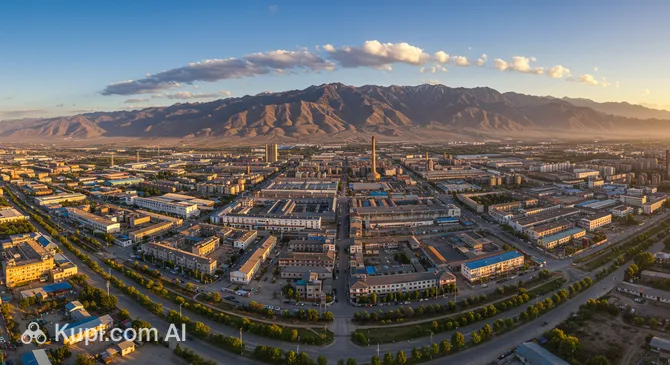
Jinchang is a fascinating destination located in the Gansu province of China. Known primarily as the country's "Nickel Capital," this city offers a unique blend of industrial heritage and surprising ecological beauty. Situated along the historic Hexi Corridor, Jinchang has transformed from a purely industrial hub into a modern, welcoming city that surprises visitors with its cleanliness, wide avenues, and commitment to green spaces.

Jinchang. Source: Kupi.Binoculars

Geographically, the city lies north of the majestic Qilian Mountains and south of the Badain Jaran Desert, providing a dramatic backdrop of diverse landscapes. While the history of Jinchang is deeply intertwined with mineral exploration and mining development, the city has recently reinvented itself as a "City of Flowers." During the warmer months, vast fields of purple lavender and verbena bloom, creating a romantic atmosphere that contrasts strikingly with its rugged surroundings.

Travelers to Jinchang can explore the impressive Jinchuan National Mine Park, which showcases the colossal scale of the region's mining operations and offers a glimpse into its industrial significance. For a softer experience, the purple flower bases provide stunning photo opportunities often compared to Provence. Whether you are passing through on a Silk Road journey or specifically seeking off-the-beaten-path locations, Jinchang invites you to discover its harmonious mix of industry and nature.

Weather Overview

Jinchang experiences a dry continental climate characterized by distinct seasons and significant temperature variations. The city is generally arid throughout the year, with plenty of sunshine and very low precipitation levels, making it a suitable destination for outdoor exploration during the warmer months.

Summers are warm and pleasant, with July being the hottest month, featuring an average temperature of 23.2°C and highs reaching up to 29.1°C. While August sees the highest frequency of wet days, the actual rainfall amount remains minimal. In contrast, winters are cold and extremely dry. January is typically the coldest month, where average temperatures drop to -7.1°C and nightly lows can plunge to -12.8°C.

Spring and autumn offer transitional weather with moderate temperatures; for instance, May and September enjoy comfortable averages around 16°C. Overall, visitors should expect warm summers with occasional light rain and cold, dry winters. For a more detailed breakdown of monthly conditions, you can check the current weather in Jinchang.

Interesting Facts

Beyond its industrial facade and floral landscapes, Jinchang holds intriguing secrets that range from ancient historical mysteries to futuristic endeavors. Here are some surprising facts that reveal the unique character of this desert city.

  • The Legend of the Lost Roman Legion: One of the most fascinating local mysteries centers on the village of Liqian in Yongchang County, administered by Jinchang. Historians and geneticists have investigated the theory that the villagers, many of whom possess distinct Caucasian features like green eyes and blonde hair, are descendants of Roman soldiers from Crassus's lost legion who settled here over 2,000 years ago.

  • A Simulation of Life on Mars: Due to its unique red rock terrain and arid landscape, Jinchang was chosen as the site for "Mars Base 1." This educational facility and tourist attraction in the Gobi Desert vividly simulates the environment of the Red Planet, allowing visitors to experience what life might be like for astronauts in a Martian colony.

  • Convergence of the Great Walls: Jinchang is one of the few places where you can see sections of the Great Wall from two different dynasties in close proximity. Remnants of the wall built during the Han Dynasty (206 BC–220 AD) and the Ming Dynasty (1368–1644 AD) run through the area, offering a rare opportunity to compare the construction techniques of these two major eras.

How to Get There

Reaching Jinchang involves a journey through the historic landscapes of Gansu province. While the city is well-connected to the regional transport network, visitors often combine different modes of travel to arrive. You can read more about how to get to Jinchang and explore the detailed routes available for your trip.

For international and long-distance travelers, flying into a major regional hub is a common choice. One of the most significant gateways is Lanzhou Zhongchuan International Airport (LHW), located in the provincial capital, Lanzhou. This large airport handles a high volume of passengers and offers numerous connections. It is situated approximately 256 km from Jinchang. If you choose to travel by road from this airport, the journey typically takes approximately 3 to 4 hours via the expressway.

For a closer arrival point, you might consider Zhangye Ganzhou Airport (YZY). Located in the city of Zhangye, it is about 135 km away from Jinchang. Although it is a smaller airport with less traffic, the travel time by road is significantly shorter, generally taking around 2 hours. Additionally, Xining Airport (XNN) in Xining offers another viable option. It is located about 221 km away, and the transfer to Jinchang takes a few hours by car.

For clarity, here is a summary of the main airports serving the region:

Airport Name City Passenger Traffic Km from City
Lanzhou Zhongchuan International Airport Lanzhou Large 256.0
Xining Airport Xining Large 221.5
Zhangye Ganzhou Airport Zhangye Small 135.3
Zhongwei Airport Zhongwei Small 280.7

Traveling by train is also an excellent way to reach Jinchang. The city is situated along the vital Lanzhou-Xinjiang railway line, which facilitates easy access from the provincial capital, Lanzhou, and other cities along the Hexi Corridor. The railway station connects Jinchang to the broader national network, offering a scenic and comfortable journey through the diverse terrains of northwestern China. Visitors are advised to check the latest train schedules for the most convenient connections.

Main Attractions

Jinchuan National Mine Park stands as a testament to the city's industrial identity and is a must-visit for those interested in modern history and engineering. This park is built around the colossal open-pit mine, often referred to as a "man-made wonder," which is one of the largest of its kind in China. Visitors can stand on the viewing platform to gaze into the massive pit, gaining a visceral understanding of the scale of nickel mining operations that built the city. The park also features a museum and exhibits that explain the geological and technological history of the region, turning a site of heavy industry into an educational landscape.

For a truly otherworldly experience, Mars Base 1 offers a unique adventure in the heart of the Gobi Desert. Chosen for its red rocky terrain and arid conditions that strikingly resemble the surface of the Red Planet, this facility serves as both a science education center and a tourist attraction. Here, visitors can explore simulated astronaut living quarters, experience "Mars walks" in space suits, and learn about aerospace exploration. It is a fantastic spot for families and space enthusiasts looking to imagine life beyond Earth while surrounded by the stark beauty of the desert.

In a surprising contrast to the surrounding desert and mines, the Purple Golden Flower Sea (also known as the Jinchang Flower Culture Expo Park) transforms the city into a vibrant garden during the summer months. This ecological project has turned vast areas into fields of blooming lavender, verbena, and other purple flowers, earning Jinchang the nickname "Provence of the North." It is a popular spot for photography, romantic strolls, and wedding shoots, offering a softer, fragrant side to the city's rugged character.

History buffs will be intrigued by Liqian Ancient City, located in nearby Yongchang County. This site is famous for the "Lost Legion" legend, which suggests that Roman soldiers settled here over 2,000 years ago after the Battle of Carrhae. Today, the site features a reconstructed Roman-style fortress and architectural elements that celebrate this unique potential connection between East and West. While the historical theory remains a subject of debate, the cultural fusion and the local villagers with distinct European features make it a compelling destination for cultural exploration.

Another significant historical site is Shengrong Temple, situated in a scenic gorge where nature and spirituality meet. The temple complex is home to a historic Tang Dynasty pagoda and offers a peaceful retreat from the city. Notably, this area is one of the few places where you can see the convergence of the Great Wall sections from both the Han and Ming dynasties. The juxtaposition of these ancient defensive structures against the backdrop of the mountains provides a powerful perspective on the region's enduring strategic importance along the Silk Road.

Local Cuisine

The culinary landscape of Jinchang offers a savory journey through the hearty flavors of the Hexi Corridor, deeply rooted in the traditions of northwestern China. The local diet is designed to sustain people through the region's distinct seasons, featuring a heavy emphasis on wheat products, mutton, and bold spices that warm the body and soul.

Mutton is the undisputed king of the table here. Raised on the aromatic herbs of the surrounding grasslands and desert steppes, the local sheep yield meat that is exceptionally tender and free from strong gamey odors. A must-try specialty is Hand-Grabbed Mutton (Shou Zhu Yang Rou). In this dish, premium cuts of lamb are boiled simply to preserve their natural taste and served with a side of salt, garlic, and vinegar for dipping. For a richer flavor, diners can try Yellow Braised Lamb, a savory casserole often cooked with potatoes and glass noodles.

Wheat-based foods are the staple of every meal. Noodles come in countless varieties, from hand-pulled beef noodles to knife-cut strips served in rich broths. A popular local snack, especially in the warmer months, is Niang Pi. These are steamed flour-skin noodles, served cold and tossed with a vibrant mixture of chili oil, vinegar, garlic juice, and sesame paste. The texture is soft yet elastic, offering a perfect balance of sour and spicy notes.

In the nearby Yongchang County, the food culture has its own unique character. The area is famous for the "Eighteen Dishes" (Shiba Zi), a traditional banquet-style assortment of small plates that showcases the region's pickling techniques and variety of flavors. Visitors should also look out for the unique Yongchang Purple Carrot, a local geographical indication product known for its crisp texture and sweetness, often enjoyed raw as a healthy snack or used in local cooking.

Travel Tips

Welcome to Jinchang, a unique destination where industrial might meets the delicate beauty of desert blooms. To help you navigate this fascinating "Nickel Capital" and its surrounding wonders comfortably, here are some practical tips for your journey.

  1. Clothing and Gear: The climate here is extremely dry, so packing moisturizer, lip balm, and high-SPF sunscreen is essential regardless of the season. Summers are warm but not scorching; light, breathable fabrics work well, but bring a light jacket for cooler evenings. If visiting in winter, prepare for biting cold with heavy thermal layers, a down jacket, and gloves. Comfortable, closed-toe walking shoes are a must for exploring the rocky terrain of the Mars Base 1 or the vast Jinchuan National Mine Park.

  2. Transportation: Within the city center, taxis are plentiful and very affordable, making them the most convenient option for tourists. Public buses are available but can be confusing without Chinese language skills. For attractions outside the city, such as the Mars Base or Liqian Ancient City, public transport is limited; it is highly recommended to hire a private driver or charter a taxi for the day. Ride-hailing apps like DiDi work here, but you will need a version compatible with international payment methods.

  3. Finances: The local currency is the Chinese Yuan (CNY/RMB). While mobile payments (Alipay, WeChat Pay) are ubiquitous even in small street stalls, setting them up as a foreigner can sometimes be tricky. It is crucial to carry a sufficient amount of cash, especially for smaller purchases. International credit cards are rarely accepted outside of major hotels. Withdraw cash from ATMs at large banks like the Bank of China in the city center before heading to remote sites.

  4. Health and Safety: Jinchang is a safe city for travelers, but the dry desert air can cause dehydration or nosebleeds; drink plenty of water throughout the day. Pharmacies are marked with a green cross, but staff generally do not speak English, so have a translation app ready or a photo of the medicine you need. The UV radiation can be strong, so wear sunglasses and a hat when visiting outdoor flower fields or desert areas.

  5. Communication: Mandarin is the primary language, and English proficiency is relatively low compared to major tourist hubs like Beijing or Shanghai. You must download an offline translation app and a map app (like Amap or Baidu Maps) before you arrive. Buying a local SIM card at the airport or a major telecom store is advisable for reliable internet access, which is vital for navigation and translation.

  6. Local Etiquette: People in Gansu are generally warm and hospitable. When dining, it is polite to wait for the host or the eldest person to start eating. If you are sharing dishes, use the communal chopsticks or the opposite end of your own chopsticks. When visiting religious sites like Shengrong Temple, dress modestly and ask for permission before photographing monks or the interiors of prayer halls.

  7. What to Avoid: Avoid taking photographs of industrial facilities, checkpoints, or military personnel unless you are in a designated tourist zone like the Mine Park. Jinchang has a strategic industrial background, and unauthorized photography in non-tourist industrial areas can lead to misunderstandings with security.

  8. Timing Your Visit: To see Jinchang at its most beautiful, plan your trip between June and August. This is when the "Purple Golden Flower Sea" is in full bloom, transforming the desert city into a fragrant garden of lavender and verbena. Visiting outside these months means missing the floral spectacle that gives the city its softer reputation.

With these tips in hand, you are ready to explore the surprising contrasts of Jinchang, from its Mars-like deserts to its violet flower fields. Enjoy your adventure in this hidden gem of the Hexi Corridor!

Entertainment & Nightlife

Nightlife in Jinchang offers a distinctively local and relaxed atmosphere, contrasting with the high-energy clubbing scenes of China's larger metropolises. As the sun sets over the "Nickel Capital," the city transforms into a vibrant hub of social activity where the focus is on communal dining, outdoor leisure, and entertainment. The evenings here are less about exclusive nightclubs and more about lively night markets, karaoke (KTV) venues, and illuminated public squares where locals gather to unwind.

The heart of the city's evening entertainment can often be found along Cultural Street (Wenhua Street) in the Jinchuan District. This area serves as a primary artery for local nightlife, lined with various KTV lounges, casual bars, and tea houses. The atmosphere is welcoming and unpretentious, with a dress code that is almost entirely casual. Visitors can expect to hear the sounds of popular Chinese songs drifting from the private karaoke rooms, which are the preferred venue for groups of friends looking to celebrate late into the night.

For food enthusiasts, the true pulse of Jinchang after dark beats at the Nongmao Street Market (often referred to as the Shisiqu Market). This bustling night market is a sensory delight, filled with the smoke of charcoal grills and the chatter of hungry diners. It is the best place to sample local late-night staples, particularly spicy barbecue skewers (chuan'er) and grilled fish, paired with local beers. The market typically stays active well past midnight, offering an authentic glimpse into the city's culinary culture at very affordable prices.

Those seeking a more tranquil evening experience should head to Bauhinia Square (Zijing Square). In the evenings, this expansive public space is beautifully lit and becomes a social center for residents. You will see groups participating in traditional square dancing, families taking leisurely strolls, and children playing under the city lights. It is a perfect spot for a safe, relaxing night walk to soak in the local lifestyle without spending a penny.

Practical advice for enjoying Jinchang at night is straightforward. The city is generally very safe for walking, even late at night, though standard travel precautions should always apply. Taxis are readily available and inexpensive, making it easy to hop between the market and your hotel. Most venues accept mobile payments like Alipay or WeChat Pay, but carrying some cash is recommended for smaller street stalls. The best time to experience the outdoor nightlife is from May to October, when the desert evenings are pleasantly cool.

While the nights are for dining and socializing, daytime entertainment in Jinchang offers its own cultural rewards. Visitors can explore the Jinchang City Museum to delve into the region's history or enjoy a performance at the local Grand Theatre if a show is scheduled. For families, the city's parks provide a green escape, often featuring small amusement rides and boating lakes that are active throughout the day.

Parks & Museums

Jinchang surprises many visitors with its dedication to ecological development and cultural preservation, transforming from a purely industrial center into a city filled with lush greenery and historical depth. The city's parks offer a refreshing counterpoint to the surrounding Gobi Desert, while its museums provide a fascinating look into the region's unique geological wealth and ancient Silk Road heritage.

Jinchuan Park is the city's premier urban oasis and a favorite recreational spot for locals. Situated in the heart of the district, this comprehensive park features a large artificial lake where visitors can enjoy boating in the summer. The landscape is dotted with traditional Chinese pavilions, willow-lined paths, and vibrant flower beds, creating a serene atmosphere that feels worlds away from the arid desert outside the city limits. It serves as a perfect example of Jinchang's success in creating habitable, green environments in challenging climates.

Another significant green space is the Jinchang Botanical Garden. While the famous "Purple Golden Flower Sea" draws crowds for its lavender, the Botanical Garden offers a more diverse collection of desert-adapted flora. It functions as both a leisure area and a research base for desertification control. Walking through its paths, you can observe a variety of drought-resistant plants and trees that are crucial to the region's ecological stability, making it an educational stop for nature enthusiasts.

For those interested in the region's past, the Jinchang City Museum is an essential stop. The museum houses a collection of artifacts that trace the area's history from the Neolithic age to the present day. Highlights include ancient painted pottery from the Majiayao culture and relics from the Han and Ming dynasties, reflecting Jinchang's position along the vital Hexi Corridor. The exhibits provide context to the diverse ethnic groups and traders who have passed through this territory for millennia.

The Jinchuan Science and Technology Museum offers a deep dive into the industry that built the city. As the "Nickel Capital," Jinchang's modern identity is forged in mining, and this museum explains the geological processes and technological advancements behind nickel and precious metal extraction. Through interactive exhibits and mineral displays, visitors can understand the complexity of mining operations and the science that turns raw ore into valuable materials.

In terms of architectural landmarks, the Drum Tower of Yongchang (also known as the Beihai Tower) stands out in the nearby Yongchang County. Built during the Ming Dynasty, this imposing structure is a classic example of traditional Chinese defensive architecture. It sits centrally in the town, and its well-preserved wooden carpentry and stone base offer a glimpse into the strategic importance of the region during the era of the Great Wall's active defense.

For an authentic local experience, try visiting the People's Cultural Square in the early morning. Unlike the evening bustle, the morning scene is one of disciplined tranquility, where residents practice Tai Chi and traditional sword dancing. It is a great place to witness the slow, healthy lifestyle of the locals against the backdrop of the city's modern sculptures.

Getting Around

Navigating Jinchang is relatively straightforward and stress-free compared to the bustling megacities of the region. As a smaller industrial city, it does not have a metro or tram system. Instead, the public transport network relies entirely on a comprehensive bus system and a plentiful supply of taxis, which are sufficient for covering the compact urban center and reaching the surrounding attractions.

The public bus network is the most economical way to get around the main Jinchuan District. Routes are well-planned, connecting major residential areas, parks, and shopping streets with the industrial zones. Buses are generally modern and clean, operating frequently during the day. The fare is typically a flat rate of 1 RMB for lines within the city center, regardless of the distance traveled. Tourists should note that bus operations usually start around 6:30 AM and end earlier than in larger cities, often winding down between 8:00 PM and 9:00 PM.

Regarding payment, the system is heavily digitized. The most convenient method is to use mobile payment apps like Alipay or WeChat Pay. You can activate a "Transport QR Code" within these apps to scan upon boarding. Physical travel cards exist for locals but are not necessary for short-term visitors. If you do not have mobile payments set up, cash is still accepted. However, you must have the exact change (usually a 1 Yuan coin or note) to drop into the fare box, as drivers do not carry change and there are no ticket conductors.

Taxis are a popular and affordable alternative, offering a convenient way to travel door-to-door, especially if you are carrying luggage or visiting spots not directly served by bus stops. You can easily flag them down on the street; they are typically painted green or yellow. All legitimate taxis are equipped with meters, and drivers are generally honest, though very few speak English. It is highly recommended to have your destination written in Chinese characters on your phone or a piece of paper to show the driver.

Ride-hailing apps, particularly DiDi (the local equivalent of Uber), are active in the city and can be a lifesaver for tourists. The app allows you to input your destination in English and pays automatically, bridging the language gap with drivers. This is often the best option for evening travel after the buses have stopped running.

For short trips within the city center, shared bicycles are widely available. You will see yellow (Meituan) or blue (HelloBike) bikes parked on sidewalks. These can be unlocked using the scan function in the respective apps or through Alipay. They are perfect for leisurely rides along the wide, flat avenues or for visiting the city's floral parks. Be sure to park them in designated zones to avoid extra fees.

A crucial detail for travelers arriving by train concerns the location of Jinchang Railway Station. It is situated in Hexibao Town, approximately 40 to 50 kilometers away from the main urban center (Jinchuan District). Unlike stations in many other cities, it is not a short commute. The connection is typically serviced by specific shuttle buses or inter-district coaches that run between the station and the city. While taking a taxi is possible, visitors should be aware that the ride will be significantly longer and more expensive than a standard trip within the city limits.

Accommodation

Accommodation in Jinchang primarily caters to business travelers and an increasing number of tourists drawn by the city's floral landscapes and desert attractions. The options are generally practical and comfortable, ranging from standard star-rated hotels to budget-friendly guesthouses. While you will not find an abundance of ultra-luxury international resorts, the city offers a solid selection of mid-range establishments that provide modern amenities, cleanliness, and reliable service.

The most convenient area for visitors to base themselves is the Jinchuan District, which serves as the city's urban core. Staying here places you within easy reach of major landmarks like Jinchuan Park and the vibrant Cultural Street for dining and nightlife. Hotels in the city center often provide easy access to taxis and public buses, making it simple to organize day trips to outlying attractions such as the Mars Base 1 or the Jinchuan National Mine Park.

Regarding costs, accommodation in Jinchang is quite affordable compared to China's major tourist hubs. Most well-equipped hotels fall into the budget to mid-range price categories. Travelers can expect reasonable rates even for rooms that offer good standards of comfort. Booking can be done through major international travel platforms, but it is worth noting that some smaller local guesthouses may only accept bookings via domestic Chinese apps. When checking in, be prepared to pay a refundable deposit, which is a standard practice in many Chinese hotels.

A helpful tip for planning your stay is to consider the season. If you intend to visit during the peak blooming period of the "Purple Golden Flower Sea" (typically from June to August), the city sees a surge in domestic tourism. During these months, it is highly advisable to book your room well in advance to secure your preferred accommodation, as the best-located hotels can fill up quickly.

Nearby Cities

For those looking to explore the surroundings, Jinchang serves as an excellent base for day trips to several interesting nearby locations:

Located just a short distance away, Wuwei is a historical treasure trove along the ancient Silk Road. It is most famous for the Leitai Han Tomb, the discovery site of the iconic "Bronze Galloping Horse" which became the symbol of Chinese tourism. Visitors can explore the Confucian Temple, one of the largest in the region, and immerse themselves in the deep cultural heritage that flourished here over two millennia ago.

A bit further west lies Zhangye, a destination renowned for its spectacular landscapes. The city is the gateway to the breathtaking Zhangye Danxia National Geopark, often referred to as the "Rainbow Mountains" due to its colorful rock formations. Additionally, the Giant Buddha Temple in the city center houses the largest indoor clay reclining Buddha in China, making it a compelling stop for both nature lovers and history enthusiasts.

City Population Distance (km)
Xining 2,467,965 214
Wuwei 1,815,059 77
Baiyin 1,708,751 279
Zhangye 1,199,515 158
Zhongwei 1,067,336 287

These nearby destinations offer a glimpse into the diverse culture and landscapes of the region.

Shopping & Souvenirs

Shopping in Jinchang offers a practical and authentic experience that reflects the city's unique position as an industrial hub surrounded by desert beauty. While it may not boast the high-end luxury boutiques of China's coastal metropolises, the city provides a variety of modern retail options and local specialty stores. Visitors can expect to find everything from daily necessities and fashion to distinct regional products that celebrate the area's natural resources and agricultural heritage.

The commercial heartbeat of the city is located in the Jinchuan District. The area surrounding the central square and the intersection of Xinhua Road and Shanghai Road serves as the primary shopping district. Here, wide avenues are lined with a mix of independent boutiques, sportswear outlets, and electronics shops. It is a bustling area where locals come to shop, stroll, and dine, offering tourists a chance to observe the city's modern lifestyle up close.

For a more concentrated retail experience, visitors can head to the city's main department stores and shopping centers. The Jinchang Commercial Building (Jinchang Shangsha) is a well-known establishment in the city center, offering multiple floors of clothing, cosmetics, and household goods. These malls typically feature supermarkets in the basement levels, which are excellent places to stock up on snacks and drinks at local prices.

To dive deeper into the local culture, exploring the markets is a must. The Nongmao Markets (farmers' markets) scattered throughout the residential areas are vibrant hubs of activity. Here, you can see the abundance of local produce, including the region's famous melons and vegetables grown in the desert oases. For those interested in collectibles, the local Curio Market or antique shops often feature "Gobi stones"—unique, colorful rocks and agates found in the surrounding desert, which are prized by collectors for their natural shapes and patterns.

When it comes to souvenirs, Jinchang offers several unique items that make for perfect gifts. Thanks to the city's massive floral tourism projects, lavender products are a top choice. You can find high-quality essential oils, dried flower sachets, and handmade soaps produced locally. Another distinctive specialty is the Yongchang Purple Carrot, a Geographical Indication product known for its nutritional value; it is often sold dried or as a crisp snack. Additionally, the region's desert dates and various wheat-based snacks offer a taste of the Hexi Corridor to bring home.

Standard shopping hours in Jinchang typically run from around 9:00 AM to 9:00 PM, though some supermarkets and smaller convenience stores may stay open later. Payment methods are heavily digital, with WeChat Pay and Alipay being the norm for everything from mall purchases to street food. While larger department stores may accept international credit cards, it is rare. Therefore, it is highly recommended to carry some cash (RMB) or ensure your mobile payment apps are set up before you go shopping.

Travelers should note that Jinchang is not a designated tax-free shopping zone. The Tax-Free refund schemes found in major international hubs like Beijing or Shanghai are generally not available here. Visitors should expect to pay the listed price, which includes all applicable taxes, and not rely on obtaining a VAT refund upon departure.
Reached the end of the page?

That means the route is fully explored