Support

Zhongwei

About

Zhongwei is a captivating destination located in the west of the Ningxia Hui Autonomous Region of China. Known for its dramatic landscapes where the golden sands of the Tengger Desert meet the winding waters of the Yellow River, this city offers a visual contrast that is truly unique. With a population of over a million inhabitants, it serves as a vibrant hub that perfectly balances modern development with its spectacular natural surroundings.

Zhongwei. Source: Kupi.Binoculars

Strategically positioned along ancient trade routes, the history of Zhongwei is deeply connected to the legacy of the Silk Road, influencing its diverse culture and architecture. One of the city's most famous attractions is the Shapotou scenic area, a world-renowned site where visitors can experience the thrill of sliding down massive sand dunes or riding traditional sheepskin rafts on the river. Another architectural gem is the Gaomiao Temple, a distinctive complex known for its intricate design and the harmonious blend of Buddhism, Taoism, and Confucianism.

Whether you are looking for desert adventures or a chance to explore rich cultural traditions, Zhongwei provides an unforgettable experience. Its welcoming atmosphere and breathtaking scenery make it an essential stop for travelers seeking to discover the diverse beauty of the region.

Weather Overview

Zhongwei features a continental climate characterized by distinct seasons and generally arid conditions, influenced significantly by its proximity to the Tengger Desert. When planning your trip and checking the weather in Zhongwei, you can generally expect clear skies and dry air throughout most of the year.

Winters are cold and very dry, with average temperatures in January dropping to around -5.7°C and minimums reaching nearly -12°C. Precipitation is virtually non-existent during the winter months, making for crisp, cold days. In contrast, summers are warm, with July being the hottest month, averaging 25.3°C and seeing highs up to 31.4°C. Although the summer months of June through August see a slight increase in wet days, actual rainfall accumulation remains extremely low at just 1-2mm.

Spring and autumn offer pleasant transition periods, with temperatures rising from an average of 7.2°C in March to 17.9°C in May, and cooling down again in the fall. Overall, visitors should expect warm summers with minimal rainfall and cold, dry winters.

Interesting Facts

Beyond the main attractions, Zhongwei holds many fascinating secrets that reveal its resilience, innovation, and deep cultural roots. This city is not just a gateway to the desert but a place where human ingenuity and nature have coexisted in surprising ways for centuries.

  • The Miracle of Straw Checkerboards: Zhongwei is world-famous in ecological circles for its successful battle against desertification. To protect the Baotou-Lanzhou Railway from being buried by the Tengger Desert, locals developed a unique method of fixing sand dunes using wheat straw arranged in checkerboard patterns. This simple yet effective technique was recognized by the United Nations and has been used as a model for desert control globally.

  • A Temple with an Underground World: The Gaomiao Temple is not only remarkable for blending Buddhism, Taoism, and Confucianism but also for what lies beneath it. The complex features an elaborate underground labyrinth depicting the "Courts of Hell." This intricate subterranean network is filled with statues and scenes from traditional folklore, offering a stark and eerie contrast to the heavenly architecture above.

  • China's "Route 66": The scenic road leading to the ancient village of Beichangtan is often compared to the famous U.S. Route 66. Winding through the desolate, rugged landscape of the Gobi and yellow sandstone canyons along the Yellow River, this stretch of highway has become a favorite spot for road-trippers seeking cinematic views and a sense of freedom.

  • Ancient Sheepskin Rafts: Before modern bridges spanned the Yellow River, the primary mode of transport was the sheepskin raft. These rafts are made from whole sheep hides that have been cured, oiled, and inflated like balloons. In Zhongwei, you can still see these ancient vessels in operation, a tradition that has been passed down for roughly 2,000 years.

How to Get There

Reaching Zhongwei is convenient thanks to its growing connectivity, with options ranging from direct flights to regional rail hubs. Whether you are arriving from a major Chinese metropolis or a nearby city, planning your journey is straightforward. For a complete breakdown of routes and transport tips, you can read more about how to get to Zhongwei in our detailed guide.

The most direct way to arrive by air is via Zhongwei Airport (ZHY). Located just 8.7 km from the city center, it is a small but efficient regional airport. A taxi or bus ride from here to downtown typically takes around 35 minutes. For a wider range of international and domestic connections, travelers often choose Yinchuan Hedong International Airport (INC) in the city of Yinchuan. It is situated approximately 139 km from Zhongwei, and the transfer by road takes about 3 hours and 50 minutes. Another significant option is Lanzhou Zhongchuan International Airport (LHW) in Lanzhou, roughly 178 km away, which serves as a major gateway for the broader region.

For clarity, here is a summary of the main airports:

Airport Name City Passenger Traffic Km from City
Lanzhou Zhongchuan International AirportLanzhouHigh177.8
Yinchuan Hedong International AirportYinchuanMedium139.0
Zhongwei AirportZhongweiSmall8.7
Guyuan Liupanshan AirportGuyuanSmall182.4
Alxa Left Banner AirportBayanhotSmall151.6

If you are considering rail travel, please note that while Zhongwei is accessible by train, some travelers may route through major regional hubs. One such key hub is Lanzhou West Railway Station (LZX) in the city of Lanzhou, which is about 205 km from Zhongwei. From this station, a transfer by road would take approximately 5.5 hours, though connecting trains are often a faster choice.

Below is the information for the nearest major railway stations listed:

Station City Passenger Traffic Km to Center
Lanzhou West Railway StationLanzhouVery High204.9
Lanzhou Railway StationLanzhou-202.5

Main Attractions

Zhongwei offers a remarkable array of sights that blend the raw beauty of the desert with rich cultural heritage. From adrenaline-pumping adventures on sand dunes to serene moments in ancient temples, the city's attractions cater to a wide variety of interests. Here are some of the top places to visit during your stay.

Shapotou Scenic Area is undoubtedly the crown jewel of Zhongwei's tourism. Recognized as one of China's most beautiful desert locations, it is famous for the stunning juxtaposition of the Yellow River flowing right beside the vast Tengger Desert. Tourists flock here to experience the "Sand Capital" by sliding down the massive 100-meter high sand dunes, where the shifting sands create a humming sound often described as the "Golden Sand Bell." The area is divided into a desert district for camel rides and exploration, and a river district where you can ride the traditional sheepskin rafts, offering a thrilling yet historical way to navigate the waters.

Gaomiao Temple stands as a unique architectural marvel in the heart of the city. Built during the early Ming Dynasty and expanded over centuries, this complex is renowned for its high density of buildings and the harmonious coexistence of Buddhism, Taoism, and Confucianism within its walls. The temple is constructed on a high platform, giving it an imposing presence. Visitors are often fascinated by the intricate wood carvings, the multi-layered eaves, and the panoramic views of Zhongwei from the upper pavilions. It serves not just as a place of worship, but as a testament to the region's inclusive cultural history.

For those seeking natural beauty beyond the sand, the Sikou Scenic Area offers a dramatic landscape of canyons and cliffs. Located in the southern part of the city, this area is often referred to as a "natural gallery" due to its rugged peaks and scenic valleys. It is an excellent spot for hiking enthusiasts who want to explore the majestic Danxia landforms and enjoy the fresh mountain air. The scenery changes with the seasons, providing a lush, green contrast to the arid desert environments found elsewhere in the region.

Jinsha Island provides a softer, more colorful side to the desert landscape. Located in the middle of the Tengger Desert wetlands, this resort area is famous for its vast flower gardens, including lavender and lilies, which bloom vividly against the backdrop of yellow sand. It is a popular destination for photography and leisure, offering a relaxing atmosphere with wooden cabins and water features. The blend of purple flower fields and desert dunes creates a surreal and romantic environment that is quite unlike anywhere else in northwest China.

Local Cuisine

The culinary landscape of Zhongwei is a delightful reflection of its location in the Ningxia Hui Autonomous Region, blending hearty Northwest Chinese flavors with the distinct traditions of the Hui Muslim community. The food here is characterized by its warmth, generous use of spices, and high-quality ingredients, particularly the locally raised lamb which is celebrated across the country for its tenderness and lack of gamey odor.

One dish you simply cannot leave without trying is Haozi Noodles (Haozi Mian). This is a specialty unique to Zhongwei, where the dough is infused with the powder of a wild plant called "Haozi" (wild mugwort), giving the noodles a distinct texture and a slight herbal fragrance. They are typically served in a savory broth topped with diced meat, tofu, and vegetables. It is a breakfast staple for locals but enjoyed at any time of the day as a comforting meal.

Given the city's position on the banks of the Yellow River, fish also plays a significant role in the local diet. Braised Yellow River Carp is a signature dish, often cooked in a sweet and sour sauce that highlights the fresh, tender meat of the fish caught from the nearby waters. For meat lovers, Hand-Grabbed Mutton (Shouzhua Yangrou) is the ultimate feast. The lamb is boiled simply to preserve its natural flavor and served with salt, garlic, and vinegar, allowing the quality of the meat to shine.

When it comes to beverages, the local culture emphasizes hospitality through tea. Eight Treasures Tea (Babao Cha) is the traditional drink of the region. Served in covered bowls, this tea is a blend of tea leaves, rock sugar, dried dates, wolfberries (goji berries), sesame, walnuts, and dried fruits. It is sweet, nourishing, and often refilled with hot water multiple times during a meal. For something stronger, visitors might encounter Xixia Beer, a popular regional lager that pairs perfectly with spicy barbecue.

The heart of Zhongwei's food scene beats strongest after sunset at places like Xiangyang Street Night Market. This bustling food street is where locals and tourists gather to enjoy the vibrant atmosphere. Here, you can sample a wide array of street food, from sizzling skewers of grilled mutton to spicy hotpots and various noodle dishes. It is the perfect venue to immerse yourself in the local lifestyle and enjoy an authentic gastronomic adventure.

Travel Tips

Planning a trip to Zhongwei is the start of an exciting adventure, but a little preparation goes a long way in this unique desert region. To help you navigate the local customs, climate, and shifting sands with ease, we have compiled a set of essential practical tips for your journey.

  1. Clothing and Gear: Since Zhongwei is located on the edge of the Tengger Desert, the temperature difference between day and night can be significant. It is best to dress in layers so you can adjust comfortably. Even in summer, bring a light jacket for the evenings. Sun protection is non-negotiable here; pack high-SPF sunscreen, sunglasses, and a wide-brimmed hat. If you plan to hike in the dunes, high-top shoes or gaiters will help keep the sand out.
  2. Transportation: Getting around the city is relatively easy and affordable. Taxis are plentiful and can be hailed on the street, but for convenience, using ride-hailing apps like DiDi (the local equivalent of Uber) is highly recommended. Public buses are available but can be confusing for non-Chinese speakers. For excursions to Shapotou or other scenic areas, hiring a private driver for the day is often the most stress-free option.
  3. Finances: The local currency is the Chinese Yuan (CNY). While credit cards are accepted at major hotels, daily life in Zhongwei runs on mobile payments like Alipay and WeChat Pay. It is crucial to set these up on your phone before arriving. However, always carry some cash for smaller vendors or in case of connection issues. ATMs are widely available in the city center for withdrawing local currency.
  4. Health and Safety: Zhongwei is generally very safe for tourists. The biggest health consideration is the dry climate; bring heavy-duty moisturizer, lip balm, and stay hydrated to avoid nosebleeds or dehydration. Pharmacies are marked with a green cross, but English is rarely spoken, so have a translation app ready if you need specific medicine.
  5. Communication: Mandarin is the primary language, and English proficiency is low outside of major hotels. It is essential to download an offline translation app and a map app before you arrive. Buying a local SIM card with a data plan is highly recommended to stay connected, as you will need internet access for navigation and payments.
  6. Local Etiquette: Zhongwei has a significant Hui Muslim population, so being culturally sensitive is important. When visiting mosques or dining in Halal restaurants, dress modestly and avoid bringing in outside food or alcohol. A friendly nod or handshake is a common greeting. Locals are generally welcoming, and showing respect for their traditions is deeply appreciated.
  7. What to Avoid: Do not photograph locals, especially the elderly or those in religious attire, without asking for permission first. Additionally, avoid ordering pork or consuming alcohol in restaurants clearly marked as Halal (often indicated by green signs or Arabic script), as this is considered highly offensive.
  8. Local Specialty Tip: Ningxia is the home of the world-famous Goji berry (wolfberry). Zhongwei produces some of the highest quality berries in the region. Buying a packet of dried Goji berries from a local market makes for a healthy snack during your trip and an authentic, lightweight souvenir to take home.

With these practical insights in hand, you are well-prepared to explore the stunning landscapes and rich culture of this desert city. We hope your time in Zhongwei is filled with smooth travels and unforgettable memories!

Entertainment & Nightlife

Zhongwei offers a nightlife experience that is quite distinct from the neon-lit intensity of China's coastal metropolises. Here, the evening entertainment is a fascinating blend of vibrant culinary traditions in the city center and serene, otherworldly experiences in the surrounding desert. While you will find pockets of modern urban entertainment, the true soul of Zhongwei after dark is found in its bustling night markets and under the vast, unpolluted canopy of stars.

The heartbeat of the city's evening activity is undoubtedly the Xiangyang Street Night Market. Located in the downtown area, this pedestrian-friendly zone comes alive as the sun sets, transforming into a sensory explosion of sizzling woks, aromatic spices, and lively chatter. It is the perfect place to immerse yourself in the local atmosphere, where residents gather to socialize over skewers of grilled lamb and cold beer. The vibe is casual and welcoming, with no dress code required—just bring a healthy appetite.

For those seeking a more cultural spectacle, the Shapotou Celebration is a must-see evening performance. This immersive live show takes place in a dedicated theater venue and utilizes advanced lighting and stage machinery to retell the ancient legends of the region, blending the history of the Silk Road with local folklore. It provides a colorful and engaging alternative to the typical bar scene and is suitable for families and travelers interested in the artistic heritage of Ningxia.

If you are looking for a drink or a song, the area around the Drum Tower (Gulou) serves as the city's commercial hub and hosts a variety of KTVs (karaoke clubs) and casual bars. While Zhongwei does not have a massive clubbing district, this central area offers several spots where you can enjoy a relaxed evening with music and local brews. The style here is laid-back, and venues typically stay open until around 2:00 AM.

A unique aspect of Zhongwei's nightlife lies just outside the city limits in the Tengger Desert. Many visitors choose to spend their evenings at desert camps or specialized hotels like the Desert Star Hotel, where the lack of light pollution creates one of the best stargazing environments in China. Evening bonfires, fireworks, and open-air parties on the dunes offer a magical way to experience the night that you won't find in an urban jungle.

Practically speaking, Zhongwei is a very safe city for night walks, even in the later hours. Taxis are affordable and easy to flag down, and ride-hailing apps are widely used to get back to your hotel. Prices for food and entertainment are generally lower than in major cities like Beijing or Shanghai. For the best experience, plan your nightlife adventures during the summer months (May to September), when the desert evenings are pleasantly cool rather than freezing cold.

During the day, the entertainment shifts towards exploration and history. The city offers several cultural institutions, such as the Zhongwei Museum, which houses artifacts from the Western Xia Dynasty. For thrill-seekers, the amusement facilities within the Shapotou Scenic Area provide adrenaline-pumping activities like sand sliding and zip-lining across the Yellow River, ensuring that your days are just as exciting as your nights.
Parks & Museums

Zhongwei is a city of striking contrasts, where the arid grandeur of the desert meets the lush, life-sustaining waters of the Yellow River. Beyond its famous sand dunes, the city maintains a surprising array of green spaces and cultural institutions that offer a deeper look into its ecological efforts and historical significance.

Yellow River National Wetland Park is a refreshing escape that highlights the softer side of Zhongwei’s landscape. Unlike the adrenaline-filled desert zones, this park focuses on ecological preservation and tranquility. Visitors can walk along wooden boardwalks that wind through tall reeds and marshlands, offering excellent opportunities for birdwatching. It serves as a vital sanctuary for migratory birds and provides a cool, green respite where you can appreciate the Yellow River's role as the "Mother River" of Chinese civilization.

For a more local experience, Xiangshan Park is a favorite among residents for leisure and exercise. Located within the city, it features landscaped gardens, walking paths, and pavilions that reflect traditional design. It is an ideal spot for a morning stroll to see locals practicing Tai Chi or flying kites. The park’s elevated areas offer a panoramic view of the cityscape against the backdrop of the distant mountains, making it a peaceful place to unwind after a day of desert exploration.

The city's cultural depth is best explored at the Zhongwei Museum. This facility houses a comprehensive collection of artifacts that trace the region's history from the Stone Age to the present day. Key exhibits often include ancient pottery, bronze ware, and relics from the Western Xia Dynasty, providing context to the area's strategic importance on the Silk Road. It is particularly interesting for history buffs who want to understand the diverse ethnic influences that have shaped Ningxia over centuries.

Another site serving as an open-air gallery of religious art is the Shikong Grottoes. While sometimes overshadowed by larger scenic areas, these grottoes contain statues and murals carved directly into the cliff face. They offer a glimpse into the spiritual life of the ancients, with Buddhist iconography that has weathered the elements. The site combines natural red sandstone scenery with cultural heritage, allowing visitors to appreciate the artistic devotion of past generations.

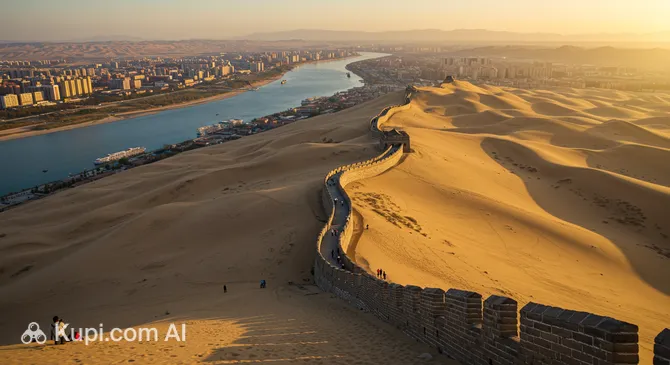
Zhongwei is also home to significant historical landmarks, most notably remnants of the Great Wall of China. The sections here, particularly those dating back to the Qin and Han dynasties, are among the oldest in the country. Unlike the restored brick walls of Beijing, the Great Wall in Zhongwei is often made of rammed earth, blending seamlessly into the desert landscape. These ancient fortifications stand as silent sentinels of the past, stretching across the rugged terrain.

For a truly authentic experience, try to find a vantage point near the ancient village of Beichangtan to view the Great Wall ruins at sunset. The fading light turns the earthen walls a deep gold, creating a photographer's paradise without the crowds found at more famous tourist sites.

Getting Around

Navigating Zhongwei is relatively straightforward and stress-free compared to China's bustling megalopolises. As a compact city with a population of around one million, it does not have a metro or subway system. Instead, the public transport network relies primarily on a well-organized bus system and an abundance of affordable taxis, making it easy for visitors to move between the city center, the railway station, and major scenic spots.

The public bus network is the most economical way to get around. Most routes within the city operate on a flat-fare basis, typically costing just 1 or 2 CNY per ride. The buses are generally clean and run frequently during the day. For tourists, the most relevant route is often Bus No. 2, which connects the city center and the railway station directly to the famous Shapotou Scenic Area. Bus stops are marked with signs, though they are usually in Chinese, so having your destination written down in characters or using a map app is highly recommended.

Payment for public transport has gone largely digital. While you can still pay with cash by dropping exact change (coins or small notes) into the fare box upon entry, the most common method is scanning a QR code. Tourists can use the "Transport" or "Ride Code" mini-apps within Alipay or WeChat Pay. If you plan to use cash, ensure you have 1 Yuan coins or notes ready, as drivers cannot give change.

Taxis are an extremely popular and convenient alternative for travelers. You can easily flag down a taxi on the street, and they are distinctively colored, often green or yellow. Fares are metered and are very inexpensive by international standards, with the starting rate covering the first few kilometers. For a more seamless experience, especially if you do not speak Chinese, using the DiDi Chuxing app (China's version of Uber) is advisable. The app has an English interface, allows you to input your destination on a map, and handles payment automatically, eliminating language barriers.

For short distances, shared bicycles are scattered throughout the city sidewalks. These bikes, operated by companies like HelloBike or Meituan, can be unlocked by scanning a QR code via the Alipay or WeChat apps. They offer a pleasant way to explore the city streets at your own pace, particularly in the cooler mornings or evenings. However, keep in mind that you will need a mobile data connection to unlock and lock them.

A crucial practical tip for tourists is to be aware of operating hours. Unlike in major cities like Beijing or Shanghai where transport runs late into the night, bus services in Zhongwei often wind down relatively early, with many routes stopping service around 7:00 PM or 8:00 PM. If you are out late enjoying the night market or returning from a sunset desert tour, plan to take a taxi back to your accommodation.

Accommodation

Zhongwei provides a fascinating mix of accommodation styles that cater to both adventure seekers and budget-conscious travelers. The options range from standard business hotels and affordable hostels in the city center to luxury resorts and unique "star-gazing" camps located directly in the desert. Whether you are looking for a quick stopover or an immersive luxury experience, the city has something to offer.

For those prioritizing convenience and access to local food, the City Center (Shapotou District) is the most practical place to stay. Here, you will find a high concentration of mid-range hotels and guesthouses that offer excellent value for money. Staying downtown places you within walking distance of the vibrant night markets and major transport links, making it easy to commute to scenic spots during the day and enjoy the culinary scene at night.

However, the most iconic accommodation experience in Zhongwei is found in the Shapotou Scenic Area and the surrounding Tengger Desert. This area is famous for its high-end desert resorts and distinctively designed cabins, such as the well-known "egg-shaped" structures or tented camps designed specifically for stargazing. These properties allow guests to step directly out onto the sand dunes and sleep under a pristine canopy of stars, offering a romantic and unforgettable immersion in nature.

Prices vary significantly depending on the location. City accommodations are generally very affordable, often falling into the budget to mid-range category. In contrast, the specialized desert hotels are considered premium experiences and command a much higher price point. Booking Tip: If you plan to stay in one of the popular desert resorts, it is essential to book weeks or even months in advance, especially during the summer peak season (May to October) and Chinese national holidays, as these unique rooms sell out extremely quickly.

Most accommodations can be booked via major international travel platforms, but for the widest selection of local guesthouses and specific desert camps, using large online booking agents that specialize in the region is recommended. When booking smaller guesthouses in the city, it is advisable to confirm that the property is licensed to host international travelers to ensure a smooth check-in process.

Nearby Cities

For those looking to explore the surroundings, Zhongwei serves as an excellent base for day trips to several interesting nearby locations:

City Population Distance (km)
Lanzhou3,067,141201
Yinchuan1,901,793142
Baiyin1,708,751142
Guyuan1,426,000189
Wuzhong1,382,713104

Yinchuan, the capital of the Ningxia Hui Autonomous Region, is one of the most compelling destinations for a short trip. Located about 142 km away, it is steeped in history as the former capital of the Western Xia Dynasty. Visitors are drawn here to see the mysterious Western Xia Imperial Tombs, often called the "Oriental Pyramids," and to explore the ancient rock carvings in the Helan Mountains. The city also offers a modern urban experience mixed with rich Hui cultural heritage.

Wuzhong is the closest major city on the list, situated just 104 km from Zhongwei. It is renowned for its authentic culinary scene, particularly its Muslim cuisine and tea culture. A major attraction nearby is the 108 Pagodas at Qingtongxia, a unique triangular formation of stupas overlooking the Yellow River. This site provides a serene and picturesque setting that contrasts beautifully with the arid landscapes of the region.

Lanzhou, while slightly further away, serves as a significant cultural and transport hub in northwest China. Famous for its hand-pulled beef noodles, which are a staple across the country, the city offers a chance to see the Yellow River from a different perspective. Highlights include the Waterwheel Expo Garden and the White Pagoda Mountain, which offers panoramic views of the city spanning the river banks.

These nearby destinations offer a glimpse into the diverse culture and landscapes of the region.

Shopping & Souvenirs

Shopping in Zhongwei offers a delightful opportunity to discover the unique agricultural and cultural heritage of the Ningxia region. While the city may not boast the high-end luxury fashion boutiques found in China's coastal metropolises, it excels in providing authentic local products and distinct regional specialties. Visitors will find a mix of modern retail experiences in the city center and traditional vendors selling goods that reflect the area's desert landscape and rich history.

The commercial heart of the city beats strongest around the Drum Tower (Gulou) area. This central district serves as the primary hub for both locals and tourists, with streets radiating outwards filled with clothing stores, pharmacies, and specialty shops. Gulou West Street and the surrounding pedestrian-friendly zones are perfect for a casual stroll, offering a variety of mid-range brands and local boutiques where you can pick up daily necessities or browse for gifts.

For a more concentrated retail experience, Zhongwei Mall (Zhongwei Shangsha) is one of the most prominent shopping centers in the city. Located near the Drum Tower, this department store provides a comprehensive selection of goods ranging from apparel and cosmetics to electronics and household items. It is a reliable spot for travelers who need to purchase travel gear or familiar brands in a modern, air-conditioned environment.

Markets in Zhongwei are less about flea market trinkets and more about the region's agricultural bounty. Since Ningxia is famous for its produce, visiting a local farmers' market can be an eye-opening experience. Here, you can see the vibrant trade of local fruits and dried goods. While the Xiangyang Street Night Market is primarily known for food, you can often find small stalls nearby selling local crafts and small souvenirs in the evenings.

When it comes to souvenirs, the undisputed king of Zhongwei shopping is the Ningxia Goji Berry (wolfberry). The region is known globally as the "hometown of Goji," and the berries here are prized for their size, color, and nutritional value. You can buy them dried in gift packs, or even as fresh fruit when in season. Other popular items include licorice root, another local herbal specialty, and sand art bottles, which are intricate crafts made using the colorful sands of the Tengger Desert, often depicting desert scenery or camels.

Store opening hours in Zhongwei generally run from around 9:00 AM or 10:00 AM until 9:00 PM or 10:00 PM. Smaller independent shops may have more flexible hours. As with most of China, mobile payments via Alipay and WeChat Pay are the dominant payment methods and are accepted almost everywhere, from large malls to street vendors. Cash is accepted but less common, while international credit cards are rarely useful outside of major hotels or large department stores.

Regarding tax-free shopping, tourists should be aware that Zhongwei does not typically offer tax refund services for international visitors. The tax-free shopping schemes found in major international hubs like Beijing or Shanghai are generally not available here, so visitors should not expect to claim VAT refunds on their purchases within the city.

Reached the end of the page?

That means the route is fully explored