Support

Wuhai

About

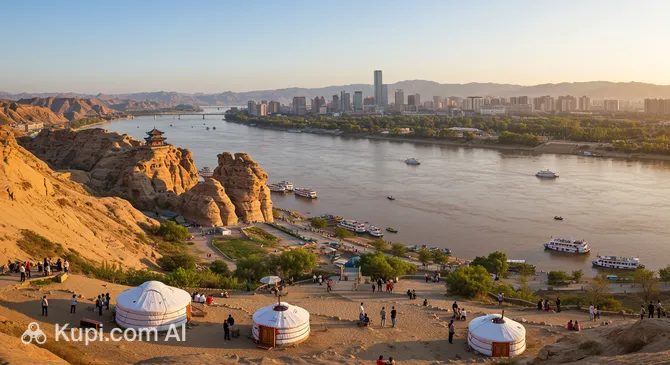
Nestled along the winding path of the Yellow River, Wuhai is a fascinating city located in the Inner Mongolia Autonomous Region of China. Known for its dramatic landscapes where the desert meets the water, this city of approximately 530,000 inhabitants offers a unique blend of natural beauty and urban development. The city is geographically distinct, situated between the majestic Gander Mountain and the vast Ulan Buh Desert, creating a stunning visual contrast for travelers.

Wuhai. Source: Kupi.Binoculars

While Wuhai is a modern municipality, the region possesses a rich cultural spirit and is famously celebrated as a "City of Calligraphy" due to the widespread local passion for this traditional art. Visitors interested in the region's background and its transformation from an industrial hub to a scenic eco-city can delve into the history of Wuhai to understand its unique evolution.

Travelers are often captivated by the city's centerpiece, Wuhai Lake. This expansive body of water, formed by the Yellow River, creates a surreal "sea in the desert" environment that is perfect for photography and leisure. Another unmissable landmark is the colossal statue of Genghis Khan atop Gander Mountain (Gandershan), which provides panoramic views of the city grid, the shimmering lake, and the rolling dunes beyond.

With its distinctive mix of golden sands, river waters, and mountain peaks, Wuhai invites adventurers to explore a side of Inner Mongolia that is both rugged and serene. It is a compelling destination for those looking to experience the diverse geography and warm hospitality of the region.

Weather Overview

The climate in this region is continental, characterized by distinct seasons that offer different experiences for travelers. Wuhai is known for its arid conditions, situated near the desert, which results in generally low humidity and very little rainfall throughout the year. Expect warm summers with occasional light rain and cold, dry winters where the air is crisp and clear.

Winter is the coldest season, with January seeing average temperatures around -8.1°C and lows dropping to nearly -14°C. In contrast, summers are quite warm and pleasant; July is typically the hottest month, with average temperatures of 25.5°C and highs reaching over 31°C. Precipitation is minimal year-round, barely reaching 2mm even in the peak of summer. To help plan your packing list and activities, it is helpful to review the current weather in Wuhai for specific forecasts during your intended dates of travel.

Interesting Facts

Beyond the main attractions, Wuhai holds many fascinating secrets that reveal its deep historical roots and surprising ecological transformation. Here are a few intriguing aspects of this unique city in China.

  • Ancient Rock Art Gallery: Hidden within the Zhuozi Mountain (Zhuozishan) area are extensive clusters of rock paintings that date back more than 5,000 years. These mysterious petroglyphs, carved by ancient nomadic tribes, depict hunting scenes, animals, and sun gods, serving as an open-air library of Neolithic history.

  • The "Golden Latitude" for Wine: Wuhai is located near the 39th parallel north, placing it on the same "golden latitude" as world-famous wine regions like Bordeaux and Napa Valley. The abundance of sunshine and significant temperature difference between day and night allow the city to produce exceptional grapes and wines, earning it a growing reputation in the viticulture world.

  • A Desert Wetland Haven: The creation of Wuhai Lake has dramatically altered the local microclimate and ecosystem. Once a purely arid landscape, the city has become a vital stopover for thousands of migratory birds, including rare species like the relict gull and whooper swan, which flock to the wetlands formed where the desert meets the Yellow River.

How to Get There

Reaching this destination in Inner Mongolia is relatively straightforward, with air travel being the most efficient option for many visitors. Whether you are arriving from within China or from further afield, you can find all ways to reach the city in our detailed guide.

The most direct way to arrive is via Wuhai Airport (WUA), which is conveniently located just 15.3 km from the city center. As the primary local hub, it handles a steady flow of travelers. A taxi ride from the airport to downtown Wuhai typically takes about 45 minutes, making it a quick and easy transfer. Although it is smaller than some regional giants, Wuhai Airport provides essential links for tourists visiting the area.

Another viable option is to fly into Yinchuan Hedong International Airport (INC), situated in the nearby city of Yinchuan. This is a significantly larger transport hub, serving over 7 million passengers annually, and offers a broader range of flight connections. However, it is located approximately 152 km from Wuhai. If you choose this route, be prepared for a longer ground transfer; the journey by taxi or bus to Wuhai generally takes around 4 hours. You can learn more about this hub on the Yinchuan Hedong International Airport page.

For clarity, here is a summary of the main airports:

Airport Name City Passenger Traffic Km from City
Yinchuan Hedong International AirportYinchuanLarge151.9
Ordos Ejin Horo AirportOrdosMedium264.0
Wuhai AirportWuhaiSmall15.3
Bayannur Tianjitai AirportBayannurSmall162.5
Alxa Left Banner AirportBayanhotSmall136.8

In addition to air travel, Wuhai is accessible via China's extensive railway network. While specific station details are not listed here, trains are a popular and reliable mode of transport in the region, connecting the city to major centers across Inner Mongolia and beyond. Traveling by train offers a scenic perspective of the landscape, and visitors are encouraged to check local schedules for the most current routes and ticket information.

Main Attractions

Wuhai offers a surprising array of sights that highlight its unique position at the intersection of desert, river, and mountains. From ecological wonders to cultural landmarks, the city provides travelers with diverse experiences that showcase both its natural beauty and its artistic heritage.

One of the most striking features of the region is Wuhai Lake. This expansive body of water, formed by the Yellow River, creates a rare and mesmerizing landscape where the deep blue waves lap directly against the golden sands of the Ulan Buh Desert. It is a favorite spot for visitors to enjoy boat rides, go for leisurely walks along the waterfront, or simply photograph the surreal "sea in the desert" scenery, especially during sunset when the colors are most vivid.

Dominating the skyline is the Gander Mountain Scenic Area (Gandershan), a must-visit for panoramic views. The mountain is crowned by a colossal statue of Genghis Khan, which stands as a majestic tribute to the region's history. Tourists can take a cable car to the summit to admire the statue up close and gaze out over the entire city, seeing clearly how the urban center is sandwiched between the rugged mountains and the winding river.

For adventure seekers, Jinsha Bay (Golden Sand Bay) offers an accessible taste of the Ulan Buh Desert. Located just a short drive from the city center and the airport, this eco-tourism zone is famous for its towering dunes and recreational activities. Visitors can experience the thrill of sand sliding, ride camels across the ridges, or take off-road vehicles for an energetic drive through the sands, making it a fun destination for families and thrill-seekers alike.

Reflecting the city's cultural identity, the Wuhai Calligraphy Art Museum is an architectural and artistic highlight. Wuhai is renowned as a "City of Calligraphy," and this museum is dedicated to preserving and displaying that heritage. The building's design is inspired by traditional stationery items like paper and inkstones, and inside, guests can explore extensive collections of calligraphic works that reveal the deep artistic spirit of the local community.

Local Cuisine

The local cuisine in Wuhai is a hearty reflection of its unique geography, blending the robust, meat-heavy traditions of Inner Mongolia with the fresh flavors provided by the Yellow River. Food here is known for its generous portions and rich tastes, designed to energize locals against the desert climate. The dining scene offers a fascinating mix of nomadic heritage and Northern Chinese staples, making it a treat for adventurous foodies.

One of the most iconic dishes to try is Hand-Grabbed Mutton. This traditional meal consists of large chunks of high-quality lamb boiled in water without complex seasonings, allowing the natural tenderness and flavor of the meat to shine. It is typically served with a side of garlic and vinegar sauce or chili paste. Another signature delicacy is the Yellow River Carp. Since Wuhai sits directly on the banks of this major river, the fish is exceptionally fresh and is often prepared braised with a savory brown sauce or sweet and sour, offering a lighter alternative to the region's red meats.

When it comes to beverages, the local culture is deeply rooted in hospitality. A staple drink is Salty Milk Tea, a savory blend of brick tea and fresh milk, often enriched with butter or millet. It is consumed daily and is the perfect warmer during colder months. Additionally, Wuhai is situated on the "Golden Latitude" for winemaking. The region produces excellent local wines from desert-grown grapes, which pair wonderfully with the savory local dishes and are a source of pride for the city.

Dining in Wuhai is a social affair, often centered around large round tables in bustling restaurants where dishes are shared family-style. For a more casual experience, visitors can explore the local night markets and street food stalls. Here, you can sample smaller snacks like roast lamb skewers, grilled flatbreads, and spicy hot pot, immersing yourself in the lively atmosphere that defines the city's evenings.

Travel Tips

Planning a trip to Wuhai requires a bit of preparation to fully enjoy its unique blend of desert landscapes and river scenery without hassle. To help you navigate this distinct part of Inner Mongolia with ease, here are some practical tips designed to make your journey smoother and more comfortable.

  1. Clothing and Gear: Since Wuhai sits on the edge of the Ulan Buh Desert, the air is exceptionally dry. Regardless of the season, bring a high-quality moisturizer, lip balm, and sunglasses to protect against the glare of the sun on the sand and water. In summer, lightweight, breathable fabrics are best, but always carry a light jacket for cooler desert evenings. If visiting in winter, heavy thermal layers are essential as temperatures drop significantly below freezing.
  2. Transportation: The most convenient way for tourists to get around Wuhai is by taxi. They are affordable and generally easy to flag down on the street. Ride-hailing apps like DiDi are also widely used and can be helpful if you want to avoid language barriers when giving directions. Public buses are available and very cheap, but routes are often displayed only in Chinese, making them challenging for international visitors without a translation app.
  3. Finances: The local currency is the Chinese Yuan (RMB). While cash is accepted, digital payments via Alipay or WeChat Pay are the norm even for small vendors. It is highly recommended to set up the "TourCard" mini-app within Alipay or WeChat before you arrive, as international credit cards are rarely accepted outside of major hotels. Keep some cash on hand for small purchases or in case of connection issues.
  4. Health and Safety: Wuhai is a safe city for travelers, but the arid climate can cause dehydration quickly. Drink plenty of bottled water (avoid tap water) and carry a water bottle while exploring the dunes. Pharmacies are marked with a green cross; however, staff may not speak English, so having a photo or the Chinese name of any medication you need is crucial.
  5. Communication: English is not widely spoken in Wuhai, even in some service sectors. You should download a reliable translation app that works offline before you arrive. Buying a local SIM card is advisable for internet access; these can be purchased at the airport or official telecom stores in the city center with your passport.
  6. Local Etiquette: When handing over money, a business card, or a gift, use two hands as a sign of respect. If you are invited to dine with locals, wait for the host to start eating or drinking before you begin. Inner Mongolian hospitality is warm and often involves toasting; it is polite to accept a sip even if you do not drink much.
  7. What to Avoid: Avoid sticking your chopsticks vertically into a bowl of rice, as this resembles incense burning for the dead and is considered very inauspicious. Additionally, try to avoid losing your temper or shouting in public; keeping a calm demeanor (saving face) is highly valued in local social interactions.
  8. Local Insight: Wuhai is famous for its desert wines. A unique souvenir or experience is to visit a local chateau to taste wines produced from grapes grown in the sandy soil. Also, as the "City of Calligraphy," you might find high-quality brushes and inkstones in local markets, which make for authentic and culturally significant keepsakes.

By keeping these practicalities in mind, you will be well-equipped to explore everything from the majestic Gander Mountain to the serene Wuhai Lake. Embrace the local customs and the unique environment, and your visit to this gem on the Yellow River is sure to be a memorable adventure.

Entertainment & Nightlife

While Wuhai is not known for a pulsating club scene comparable to China's mega-cities, its nightlife has a distinct, friendly character centered on socializing, dining, and relaxation. As the sun sets over the desert and the air cools, the city comes alive with locals enjoying the evening breeze. The nightlife here is less about loud discos and more about vibrant night markets, lively karaoke (KTV) parlors, and late-night barbecue joints that stay open until the early hours.

The primary hub for evening entertainment is the Haibowan District, where the city's most modern amenities are concentrated. A popular destination for tourists and locals alike is the Wanda Plaza on Renmin South Road. This massive commercial complex is a one-stop-shop for entertainment, housing a state-of-the-art cinema, various restaurants, and KTV lounges where you can sing the night away in a private room. It is a safe and bustling environment perfect for families or groups of friends looking for a fun night out.

For those seeking a more relaxed atmosphere for a drink, options are often found within the city's major hotels. The bar at the Yuehai Hotel (located on North Third Street) provides a comfortable setting to enjoy a quiet cocktail or a local beer after a day of sightseeing. It is an excellent choice for travelers who prefer a refined environment over the noise of street-side stalls. Another area to explore is the vicinity of Wuhai Lake. In the evenings, the promenade is beautifully lit, offering a romantic backdrop for a night walk. You might catch locals practicing traditional dances or simply enjoying the view of the illuminated bridges reflecting on the water.

A true Wuhai nightlife experience is incomplete without tasting the local "Shaokao" (barbecue). Inner Mongolia is famous for its grilled meats, and Wuhai is no exception. As night falls, the air in busy residential streets fills with the scent of cumin and charcoal. Join the locals at a street-side table, order skewers of lamb, and pair them with a cold Wusu beer. It is a casual, affordable, and incredibly authentic way to spend an evening.

Practical Tips for Nightlife:

  • Timing: The city becomes most active after 8:00 PM. Restaurants and KTVs often stay open late, but shops in malls may close around 10:00 PM.
  • Safety: Wuhai is very safe for night walks, even for solo travelers. The main streets are well-lit and monitored.
  • Transport: Taxis are readily available at night and are very affordable. Ride-hailing apps like DiDi are also a convenient way to get back to your hotel.
  • Dress Code: The vibe is casual everywhere. Smart-casual is appropriate for hotel bars, while comfortable clothes are perfect for night markets.

Before the sun goes down, you can enjoy Wuhai's daytime cultural offerings. The city has several museums and parks that explain its unique geography and history. However, the transition from the golden desert sunset to the city's neon-lit evening provides a perfect end to your day in this unique "Oasis of the Gobi."

Parks & Museums

Wuhai is not only an industrial powerhouse but also a city deeply committed to ecological restoration and cultural preservation. Visitors will find a surprising array of green spaces that defy the surrounding desert landscape, alongside modern museums that celebrate the region's unique history and artistic achievements.

For nature lovers, Longyou Bay National Wetland Park is a standout destination. Located along the banks of the Yellow River, this protected area serves as a vital "transit station" for migratory birds traveling between East Asia and Australia. It offers a tranquil escape where tourists can observe rare species like the relict gull and whooper swan in their natural habitat. The park’s lush reeds and winding waterways provide a stark, beautiful contrast to the arid dunes nearby, making it a perfect spot for birdwatching and eco-tourism.

In the heart of the city, Wuhai People's Park offers a glimpse into the daily lives of the locals. This well-maintained urban oasis features over 6,000 trees, providing ample shade and a refreshing environment for walking and relaxation. It is a hub of community activity, where you can often see residents practicing Tai Chi, dancing, or enjoying family outings. Nearby, the Wuhai Botanical Garden showcases the city's success in "greening the desert," displaying a variety of drought-resistant plants and flowers that thrive in this unique climate.

When it comes to culture, the Wuhai Museum is the primary institution for understanding the city's past. Located within the impressive Wuhai Science and Technology Museum building on Binhe Avenue, it houses collections that span geological history, local folk culture, and the region's industrial development. Exhibits include ancient rock art reproductions and artifacts that tell the story of civilization along the Yellow River. It is an excellent educational stop for those wanting to dig deeper into the area's heritage.

As the "City of Calligraphy," no visit is complete without exploring the Wuhai Calligraphy Art Museum. This venue is dedicated to the preservation and display of Chinese calligraphic art, reflecting the city's deep-rooted passion for this tradition. The museum frequently hosts exhibitions featuring works by renowned masters as well as local enthusiasts. Its architecture, often inspired by the tools of the trade like inkstones and paper, is an attraction in itself, symbolizing the city's artistic soul.

For a truly unique experience, consider visiting the museum located inside the massive Genghis Khan Statue atop Gander Mountain. While the statue itself is a landmark, the base often features exhibits related to Mongolian history and culture, including intricate tapestries and jade carvings. It offers a blend of art, history, and breathtaking views that is hard to find elsewhere.

Getting Around

The public transport system in Wuhai is relatively compact and straightforward, relying primarily on an extensive network of public buses. Unlike the mega-cities in the region, Wuhai does not have a metro or tram system. The bus network connects the three main districts—Haibowan, Wuda, and Hainan—making it possible to travel between the urban center, residential areas, and industrial zones. For tourists, the most relevant routes are those within the Haibowan District, where most hotels, shopping centers, and attractions like Wuhai Lake are located.

Fares for public buses are very affordable, typically costing 1 RMB per ride, regardless of the distance. While some routes connecting the farther districts may cost slightly more, the price remains negligible for international visitors. Buses are generally modern and air-conditioned, though they can get crowded during peak commuting hours in the morning and late afternoon. Stops are marked, but route information is almost exclusively in local characters, so having a navigation app or a translated map is essential for figuring out which number to take.

The payment system has largely shifted towards digital solutions. While you can still pay with cash by dropping exact change into the fare box upon entry, this is becoming less common. The most convenient method for a traveler is to use the "Transport" code feature within Alipay or WeChat. By setting up the Alipay TourCard or linking an international credit card to these apps, you can simply scan the QR code on the bus reader to pay. Physical IC transport cards exist for residents, but purchasing one is generally unnecessary for a short-term stay.

For most tourists, taxis and ride-hailing services are the most practical alternative to buses. Taxis are abundant on the streets and can be hailed easily; they are metered and very inexpensive compared to Western standards. Alternatively, the DiDi app (similar to Uber) allows you to book rides in English, which eliminates the language barrier when explaining your destination to a driver. This is often the preferred method for reaching specific scenic spots like the Gander Mountain Scenic Area or getting to the airport.

For short distances within the city center or along the scenic lakeside promenades, shared bicycles are a popular option. You will see yellow (Meituan) or blue (HelloBike) bikes parked on sidewalks. These can be unlocked using the same Alipay or WeChat apps used for bus payments. Riding a bike along the Yellow River during sunset offers a leisurely way to see the city that other forms of transport cannot match.

A unique transportation feature in Wuhai is the cable car at Gander Mountain. While primarily a tourist attraction rather than a commuter link, it serves as the main method for visitors to ascend from the base of the mountain to the summit where the massive Genghis Khan statue stands. The ride offers spectacular aerial views of the desert and the city grid, serving as a memorable journey in itself.

When planning your travel, keep in mind that public transport operating hours in Wuhai are shorter than in larger metropolises. Most bus lines start running around 6:30 AM and stop relatively early, often between 7:00 PM and 8:00 PM. If you are out enjoying the nightlife or dining late, be prepared to take a taxi back to your accommodation.

Accommodation

Finding the right place to stay in Wuhai is relatively straightforward, as the city offers a range of accommodation options that cater to different budgets and travel styles. While you will not find an abundance of ultra-luxury international chains, the local hospitality sector provides clean, comfortable, and surprisingly affordable choices. The selection spans from reliable budget chains and business hotels to more upscale resorts that take advantage of the city's unique lakeside scenery.

For the vast majority of tourists, the best area to base yourself is the Haibowan District. This is the city's commercial and political center, offering the most convenient access to transportation, dining, and shopping. Staying here places you within easy reach of the Wuhai Airport and the railway station. Furthermore, many hotels in this district are situated near Wuhai Lake, allowing guests to enjoy pleasant evening walks along the water and easy access to the desert parks nearby.

If you are looking for a touch of luxury, there are several high-end properties in the city center that offer extensive amenities. For instance, the Grand Skylight International Hotel is a popular choice for travelers seeking 5-star standards, featuring spacious rooms and views of the Yellow River. On the other end of the spectrum, budget-conscious visitors can rely on well-known domestic chains like Jinjiang Inn or Home Inn, which provide standardized, clean rooms and essential amenities at a very low cost. These are scattered throughout the downtown area and are perfect for those who plan to spend most of their day exploring.

Booking Tip: While it is often possible to find a room upon arrival, it is highly recommended to book your accommodation in advance, especially if you are visiting during the peak summer months or Chinese national holidays (such as the first week of May or October). During these times, the best rooms with lake views sell out quickly.

One of the advantages of visiting this part of China is the excellent value for money. Travelers will find that even the top-tier hotels in Wuhai are priced significantly lower than comparable options in Beijing or Shanghai. Most bookings can be easily managed through major international travel platforms or Chinese apps like Ctrip (Trip.com), which are widely accepted and often offer the best rates.

Nearby Cities

For those looking to explore the surroundings, Wuhai serves as an excellent base for day trips to several interesting nearby locations:

City Population Distance (km)
Baotou2709378282
Ordos2000000256
Yinchuan1901793138
Bayannur1650000131
Wuzhong1382713191

One of the most accessible and culturally rich destinations for a short visit is Yinchuan. Located just a relatively short drive away in the neighboring Ningxia Hui Autonomous Region, it serves as the region's capital. Yinchuan is famous for the mysterious Western Xia Imperial Tombs, often referred to as the "Oriental Pyramids." Visitors can explore the fascinating history of the Tangut people or enjoy the natural beauty of Sand Lake (Shahu), a unique wetland oasis surrounded by desert dunes.

To the north lies Bayannur, situated on the fertile Hetao Plain along the northern bend of the Yellow River. This city is known for its agricultural abundance, particularly its vast fields of sunflowers and melons. For nature enthusiasts, the Sanshenggong Water Control Project offers impressive views of the Yellow River's power and engineering, making it a pleasant spot for a relaxing afternoon trip to see a different side of the river's influence on the landscape.

Although slightly further afield, Ordos is a compelling destination for those interested in Mongolian history and modern urban planning. It is home to the Mausoleum of Genghis Khan, a site of deep spiritual significance for the Mongolian people. Additionally, the Kangbashi District is renowned for its futuristic architecture and large-scale public art, offering a striking contrast to the traditional grasslands that surround the city.

These nearby destinations offer a glimpse into the diverse culture and landscapes of the region, ranging from ancient imperial history to modern architectural marvels.

Shopping & Souvenirs

Shopping in Wuhai offers a distinctive mix of modern convenience and deep-rooted cultural tradition. As a developing city in Inner Mongolia, it does not boast the overwhelming luxury avenues of Beijing or Shanghai, but it provides a comfortable retail experience centered on the Haibowan District. Visitors can expect to find everything from large, air-conditioned shopping malls housing international brands to specialized local shops selling regional handicrafts. The city is particularly famous for its artistic heritage, making it an excellent place to hunt for cultural treasures rather than just mass-produced goods.

The primary commercial hub of the city is located in the Haibowan District. The area around Renmin Road (People's Road) and Xinhua Street serves as the bustling heart of downtown. Here, tourists can wander through a concentration of department stores, boutiques, and electronic shops. The streets are lively and pedestrian-friendly, often illuminated by neon lights in the evening, making it a pleasant area to explore both day and night while looking for clothing or local snacks.

For a comprehensive one-stop shopping experience, Wanda Plaza is the city's premier destination. Located on Renmin South Road, this modern complex is the most popular mall in Wuhai. It features a wide array of fashion retailers, lifestyle brands, and a well-stocked supermarket on the lower level, which is perfect for picking up snacks or daily necessities. The mall also serves as a leisure center with a cinema and numerous restaurants, offering a cool retreat from the desert heat during the summer months.

A unique aspect of Wuhai's commercial scene is its markets dedicated to local collectibles, specifically the "Strange Stones" and calligraphy markets. Since Wuhai is known as the "City of Calligraphy" and is situated near the Gobi Desert, there are specialized areas where vendors sell intricate desert stones (Gobi stones) and art supplies. These natural stones, polished by centuries of wind and sand, are prized for their unique shapes and patterns. Wandering through these markets offers a glimpse into the local passion for collecting and appreciation of nature's art.

When it comes to souvenirs, Wuhai offers several items that are truly representative of the region. * Wuhai Stones: These ornamental rocks are the most iconic local gift. They range from small, affordable pocket stones to massive decorative pieces. * Calligraphy Supplies: High-quality brushes, inkstones, and paper are widely available and make for meaningful cultural keepsakes. * Desert Wine: Thanks to the city's "golden latitude," local wineries produce excellent wines. A bottle of locally produced Cabernet or Chardonnay grown in the sandy soil is a delicious reminder of your trip. * Sand Art: Bottles filled with colored sand from the nearby desert, arranged into landscapes or patterns, are popular and portable gifts.

Opening hours for most shops in Wuhai are quite convenient for tourists. Large shopping malls and department stores typically open around 10:00 AM and remain open until 9:30 PM or 10:00 PM. Smaller street-side boutiques may close a bit earlier, while convenience stores are often open 24/7. In terms of payment, digital wallets are king. Alipay and WeChat Pay are accepted almost everywhere, from high-end malls to small market stalls. While cash (RMB) is legally accepted, carrying small denominations is advisable as some vendors may struggle to make change for large bills. International credit cards are generally only accepted in major hotels or large shopping centers like Wanda Plaza.

Regarding tax-free shopping, Wuhai is not currently a major hub for tax refund services for international tourists. Unlike major coastal cities, the infrastructure for instant tax refunds is limited. Visitors should generally expect the listed price to be the final price, and while bargaining is common in markets and independent stalls, it is not practiced in department stores or branded retail chains.
Reached the end of the page?

That means the route is fully explored