Support

Yinchuan

About

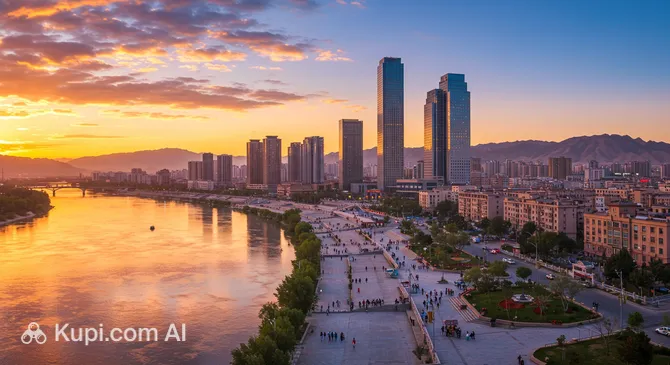
Welcome to Yinchuan, the vibrant capital of the Ningxia Hui Autonomous Region in northwest China. Known poetically as the "Phoenix City," this destination offers a fascinating blend of ancient history, diverse culture, and stunning natural landscapes. It serves as a unique oasis where the arid beauty of the Gobi Desert meets the fertile banks of the Yellow River, creating a scenery unlike any other in the country.

Geographically, the city is nestled between the majestic Helan Mountains to the west and the meandering Yellow River to the east. Despite its proximity to desert terrain, Yinchuan enjoys a distinct microclimate with abundant sunshine and lush greenery, sustained by centuries-old irrigation systems. With a population of approximately 1.9 million people, it is a bustling regional hub that maintains a welcoming and relaxed atmosphere, distinct from the frantic pace of coastal megacities.

Yinchuan. Source: Kupi.Binoculars

The history of Yinchuan is deeply intertwined with the legendary Western Xia Dynasty, for which it once served as the imperial capital. Travelers can explore this mysterious heritage at the spectacular Western Xia Imperial Tombs, often referred to as the "Oriental Pyramids." The city is also a significant center for the Hui ethnic minority, which is reflected in the beautiful architecture of the Nanguan Mosque and the local culinary scene. For nature lovers, the nearby Sand Lake offers a rare and photogenic combination of golden desert dunes and wetland reeds.

Whether you are drawn by the allure of lost civilizations or the stark beauty of the northwestern frontier, Yinchuan promises an unforgettable journey. It is a place where tradition and modernity coexist harmoniously, inviting visitors to discover a side of the region that is both captivating and culturally rich.

Weather Overview

Yinchuan features a continental climate with distinct seasons, characterized by abundant sunshine and generally low humidity. Travelers should be prepared for significant temperature variations between day and night, which is typical for this region. Expect warm summers with occasional rain and cold, dry winters.

Summer, particularly from June to August, is warm but usually comfortable compared to more humid parts of the country. July is the warmest month, with an average temperature of 24.8°C and daily highs reaching around 30.3°C. This season also brings the highest frequency of rainfall, with August seeing about 10 wet days, though the overall precipitation volume remains light.

In contrast, winters are cold and very dry. From December through February, temperatures frequently drop below freezing, with January averaging -5.7°C and often dipping as low as -11.3°C. Precipitation is minimal to non-existent during these months. For those planning a trip and needing specific forecasts, the detailed weather in Yinchuan guide provides comprehensive monthly data. Spring and autumn are transitional and relatively short, offering pleasant temperatures for sightseeing in months like May and September.

Interesting Facts

Beyond the main attractions, Yinchuan holds many fascinating secrets that reveal its unique position at the crossroads of history and geography. Here are some intriguing facts that highlight the city's distinctive character:

  • The Hollywood of the Desert: The Zhenbeipu Western Film City is not just a studio; it was constructed on the ruins of two actual Ming Dynasty border fortresses. This rugged location served as the backdrop for over 100 films, including internationally acclaimed classics like Red Sorghum and A Chinese Odyssey, earning it a reputation as the cradle of Chinese cinema's "Western" genre.

  • Ancient Rock Art Gallery: The nearby Helan Mountains are home to thousands of mysterious petroglyphs (rock carvings) that date back anywhere from 3,000 to 10,000 years. Among the depictions of hunting scenes and animals, there are peculiar human-like faces and a famous "Sun God" image, which have sparked local legends and theories about ancient civilizations.

  • A "Southern" Oasis in the North: Despite its location near the Gobi Desert, Yinchuan has historically been known as "Jiangnan beyond the Great Wall" (referring to the fertile lands south of the Yangtze). This lushness is due to an ancient irrigation system diverting water from the Yellow River, which has allowed the region to produce rice and fish for over two millennia.

  • The Legend of the Phoenix: The city's nickname, "Phoenix City," is derived from a local folktale. Legend has it that a phoenix, captivated by the beauty of the Yellow River and the majesty of the Helan Mountains, chose to descend from the heavens and transform into the city, forever protecting the lush oasis from the encroaching desert sands.

How to Get There

Traveling to this part of northwest China is becoming increasingly convenient, with modern transport hubs connecting the region to the rest of the country. For a complete guide on planning your journey, you can read more about how to get to Yinchuan. The primary entry point for most air travelers is Yinchuan Hedong International Airport (IATA: INC). Located approximately 23 km from the city center, this busy hub handles millions of passengers annually and offers flights to major Chinese cities as well as select international destinations. A taxi or shuttle bus from the airport to downtown Yinchuan typically takes about 55 minutes.

Another option for travelers is Alxa Left Banner Airport (IATA: AXF), although it is important to note that this airport is not located in Yinchuan itself. It serves the city of Bayanhot in the neighboring Alxa League, situated about 65 km away from Yinchuan. While it is a smaller regional airport with less traffic, it can be a viable alternative depending on your itinerary. The journey by taxi or car from this airport to Yinchuan generally takes around 2 hours.

For clarity, here is a summary of the main airports serving the region:

Airport Name City Passenger Traffic Km from City
Yinchuan Hedong International Airport Yinchuan Large 22.7
Wuhai Airport Wuhai Medium 153.1
Zhongwei Airport Zhongwei Small 139.0
Guyuan Liupanshan Airport Guyuan Small 267.5
Alxa Left Banner Airport Bayanhot Small 64.7

Regarding rail travel, Yinchuan is a significant railway hub in the region. The city is served by the Yinchuan Railway Station, which connects it to major destinations such as Beijing, Xi'an, and Lanzhou. The expansion of the high-speed rail network has greatly improved accessibility, making the train a comfortable and scenic way to arrive. Visitors are advised to check current schedules and ticket availability in advance, as trains can be a popular mode of transport during peak travel seasons.

Main Attractions

Yinchuan is a destination where history whispers from the desert sands and culture thrives along the riverbanks. The city's attractions offer a journey through time, from mysterious ancient dynasties to the rugged frontiers of Chinese cinema. Whether you are a history buff, a nature enthusiast, or a culture seeker, the top sights here provide a unique window into the heritage of Northwest China.

One of the most iconic sites is the Western Xia Imperial Tombs, located at the foot of the Helan Mountains. Often referred to as the "Oriental Pyramids," this vast necropolis serves as the final resting place for the emperors of the Western Xia Dynasty (1038–1227). The site features nine imperial mausoleums and over 200 accessory tombs, characterized by their unique, beehive-shaped earthen mounds. It is fascinating for tourists because it offers a rare glimpse into the Tangut civilization, a powerful empire that once rivaled the Song Dynasty but largely vanished from history records. The on-site museum displays intricate artifacts and the enigmatic Tangut script, helping to piece together the story of this lost kingdom.

For a completely different experience, the Zhenbeipu Western Film City transports visitors into the rugged world of classic Chinese cinema. Built on the site of two Ming Dynasty border fortresses, this location is celebrated for its raw, desolate beauty and traditional architecture. It has been the setting for over 100 movies, including the internationally acclaimed Red Sorghum and A Chinese Odyssey. Tourists love this attraction for its interactive nature; you can walk through familiar movie sets, rent costumes to dress up as characters, and soak in the atmosphere of the "Old West" of China. It stands as a testament to the creativity that can flourish in even the harshest landscapes.

Nature and art converge spectacularly at the Helan Mountains Rock Art scenic area. Nestled within a pass of the imposing mountain range, this site is an outdoor gallery featuring thousands of ancient petroglyphs carved by nomadic tribes between 3,000 and 10,000 years ago. The carvings depict hunting scenes, animals, and human faces, including the famous "Sun God" image. Visiting here is not just about seeing art; it is a hike through stunning geological formations where you might even spot wild blue sheep scaling the cliffs. It is a profound experience that connects visitors with the early human history of the region.

Finally, the Sand Lake (Shahu) offers a surreal blend of textures where the golden dunes of the desert meet the lush reeds of a wetland oasis. Located about an hour from the city, this ecological wonder is a paradise for birdwatchers, especially during migration seasons when thousands of birds flock to the tranquil waters. For adventure seekers, the park provides a mix of activities ranging from camel rides and sand sliding on the dunes to peaceful boat tours through the reed mazes. It is a perfect spot to witness the diverse geography that defines the Ningxia region.

Local Cuisine

The culinary landscape of Yinchuan is a flavorful reflection of its cultural heritage, heavily influenced by the Hui ethnic minority and the traditions of northwest China. The cuisine here is hearty, aromatic, and distinctively Halal, making it a paradise for meat lovers and those who appreciate bold, warming flavors. Unlike the delicate sweetness of southern Chinese food or the numbing spice of the southwest, Yinchuan's dishes focus on the natural savory taste of high-quality ingredients, particularly lamb.

Mutton is undoubtedly the star of the local table. The region is famous for its Tan Sheep, a breed prized for its tender texture and lack of gamey odor. A must-try dish is Hand-Grabbed Mutton (Shouzhua Yangrou), where large chunks of lamb are boiled to perfection and served simply with salt, vinegar, and garlic. It is a dish that prioritizes the quality of the meat over complex sauces. For breakfast, locals often turn to Yang Zasui, a rich and spicy soup made from lamb offal, which is considered both nutritious and energizing for the day ahead.

No meal in Yinchuan is complete without the famous Eight Treasures Tea (Babao Cha). This is not just a beverage but a cultural staple served in almost every restaurant. The tea is a sweet and intricate blend of tea leaves, rock sugar, sesame seeds, walnuts, jujubes, dried longans, raisins, and the region's signature ingredient—Goji berries. Served in a covered bowl (gaiwan), it balances the richness of the meat-heavy dishes perfectly.

Speaking of Goji berries (Wolfberries), Ningxia is known globally as the primary production base for this "red treasure." In Yinchuan, you will find them used creatively in everything from soups and porridges to local snacks. Visitors can also explore the vibrant night markets, such as the one at Huaiyuan, to sample local street foods like spicy beef patties and cold noodles, immersing themselves in the bustling atmosphere of the city's evening life.

Travel Tips

Planning a trip to Yinchuan offers a unique opportunity to explore the cultural crossroads of Northwest China, but the region's distinct climate and local customs require a bit of preparation. To help you navigate the "Phoenix City" with ease and confidence, here are some practical tips to ensure your journey is as smooth as it is memorable.

  1. Clothing and Gear: Due to the continental climate and high altitude, the sun can be very strong even when it feels cool. Bring sunglasses, a hat, and high-SPF sunscreen regardless of the season. In summer, pack light, breathable fabrics, but always carry a jacket for cooler evenings. If visiting in winter, heavy thermal layers are essential as temperatures drop well below freezing. Since Yinchuan has a significant Hui Muslim population, dress modestly when visiting religious sites like the Nanguan Mosque; cover your shoulders and knees to show respect.
  2. Transportation: Yinchuan does not have a metro system, so the best way to get around is by taxi or ride-hailing apps like DiDi (the Chinese equivalent of Uber, which has an English interface). Taxis are affordable and plentiful. Public buses are very cheap and cover the city well, but routes are in Chinese, so having a translation app is helpful. Renting a car is generally not recommended for short-term visitors as you would need a temporary Chinese driving license.
  3. Finances: The local currency is the Renminbi (RMB/CNY). While cash is still accepted, the country is a nearly cashless society. It is highly recommended to download Alipay or WeChat Pay and link your international credit card before arrival, as this is how you will pay for everything from street food to museum tickets. International credit cards are rarely accepted directly at merchants outside of 5-star hotels. You can withdraw cash from ATMs at major branches like the Bank of China.
  4. Health and Safety: Yinchuan is very dry, so keeping your skin hydrated is crucial; bring plenty of lip balm and moisturizer, and drink water frequently to avoid dehydration. Pharmacies are marked with a green cross, and while over-the-counter medicine is available, it is best to bring your own prescription meds. The city is generally very safe for tourists, but standard precautions against pickpocketing in crowded markets apply.
  5. Communication: Mandarin Chinese is the primary language, and English proficiency is relatively low compared to Beijing or Shanghai. Download a translation app that works offline or has a voice conversation feature. You will also need a local SIM card (available at the airport or major telecom stores with your passport) to access the internet. Remember that many Western apps are blocked, so you may need a roaming plan or specific software to stay connected.
  6. Local Etiquette: Yinchuan is a hub for the Hui ethnic minority, so being culturally sensitive is important. When dining with locals or in Halal restaurants, avoid ordering alcohol unless you are sure it is permitted, and never bring outside food containing pork into these establishments. Greetings are usually a nod or a handshake; avoid hugging or kissing on the cheek upon first meeting.
  7. What to Avoid: Do not drink tap water; always buy bottled water or boil it first. Additionally, avoid sticking your chopsticks vertically into a bowl of rice, as this resembles incense burning for the dead and is considered very bad luck.
  8. Additional Tip: Yinchuan is the capital of the Goji berry (wolfberry) region. If you are looking for authentic souvenirs, high-quality Goji berries are cheaper and fresher here than anywhere else. Visit a local market to buy them by weight, but be sure to haggle politely for a fair price.

By keeping these practical tips in mind, you will be well-equipped to embrace the local lifestyle and focus on the incredible sights Yinchuan has to offer. Whether you are trekking through the desert dunes or sipping Eight Treasures Tea, a little preparation goes a long way in making your adventure truly unforgettable.

Entertainment & Nightlife

Yinchuan comes alive after dark with a nightlife scene that perfectly blends the city's rich cultural heritage with modern entertainment. Unlike the frantic pace of China's coastal megacities, the evening atmosphere here is relaxed yet vibrant, centered heavily around social dining, bustling night markets, and a growing district of contemporary bars and lounges. Whether you are looking for a culinary adventure or a stylish place to sip a cocktail, the "Phoenix City" offers plenty of options to keep you entertained well into the night.

The undisputed highlight of an evening in Yinchuan is the **Huaiyuan Night Market**, located in the Xixia District near the university area. This isn't just a market; it is a cultural phenomenon. As the sun sets, the streets fill with the smoke of charcoal grills and the chatter of hungry crowds. It is the best place to experience the local atmosphere, where students and families gather to enjoy famous snacks like crispy beef patties, spicy sheep hooves, and lamb skewers. The vibe is energetic, casual, and incredibly friendly, with stalls staying open late, making it a must-visit for any food lover.

For a more upscale and modern nightlife experience, head to the **Jianfa Dayuecheng** (Joy City) area in the Jinfeng District. This comprehensive commercial hub is the heart of modern Yinchuan, featuring a concentration of trendy bars, pubs, and karaoke (KTV) clubs. The crowd here is stylish and younger, and the venues range from quiet lounges suitable for conversation to livelier spots with music and dancing. It is the perfect district to dress up slightly—smart casual is the norm—and enjoy a premium drink or a late-night movie in a sophisticated setting.

Another area worth exploring is **Xinhua Commercial Street** in the Xingqing District. As the traditional commercial center of the city, this area remains bustling with pedestrians late into the evening. While it focuses more on late-night shopping and casual eateries than hard partying, it offers a great selection of tea houses. Here, you can experience the local tradition of sipping Eight Treasures Tea while watching the city lights, offering a more sedate but equally authentic night out.

Before the sun goes down, Yinchuan offers a variety of daytime entertainment options. The **Ningxia Museum** is an excellent place to spend an afternoon, offering world-class exhibits on the mysterious Western Xia Dynasty and the region's rock art. For those interested in the performing arts, the **Yinchuan Arts Theatre** frequently hosts local productions, including traditional Hui dance and music performances. Families and leisure seekers often flock to the city's numerous parks, which provide a peaceful escape with boating lakes and walking paths.

Practical Tips for Nightlife:

  • Best Time to Go: Night markets are at their peak between 8:00 PM and 10:00 PM. Bars and clubs generally pick up after 9:30 PM.
  • Getting Around: Taxis are plentiful and affordable at night. Ride-hailing apps are also very reliable and safe. Public buses stop running relatively early, so a car is your best bet after 9:00 PM.
  • Safety: Yinchuan is very safe for night walks, even in the late hours. The main districts are well-lit and monitored. However, always keep an eye on your personal belongings in crowded places like the night market.
  • Prices: Entertainment is generally affordable. A feast at the night market will cost very little, while cocktails in the Jinfeng District are moderately priced, offering good value compared to Beijing or Shanghai.

Parks & Museums

Yinchuan is a city of striking contrasts, where the arid beauty of the northwest meets the lush tranquility of ancient irrigation channels and wetlands. Known as a "City of Lakes" within a desert region, it offers visitors a surprising abundance of green spaces alongside world-class museums that preserve the enigmatic history of the Silk Road. Exploring these venues provides a deeper understanding of how nature and civilization have intertwined here for millennia.

Among the city's green lungs, Yuehai Park stands out as a sprawling wetland oasis that perfectly illustrates why Yinchuan is often compared to the water towns of southern China. Located in the Jinfeng District, this vast park features a massive lake filled with reeds and lotus flowers, offering a scenic backdrop for boating or a leisurely stroll along the wooden boardwalks. It is particularly beautiful in the summer when the lotuses are in bloom, and in the evening when the city lights reflect off the calm water. For a more traditional urban park experience, Zhongshan Park in the city center is the oldest in Yinchuan. It serves as a hub for local life, where residents gather for morning tai chi, opera singing, and strolls among pavilions and willow trees. It also houses a small zoo and amusement facilities, making it a family-friendly stop.

Delving into the region's rich past, the Ningxia Museum is an essential stop for any culture enthusiast. Housed in a striking modern building that interprets the shape of a local pagoda, the museum holds a vast collection of artifacts, including the famous "Gilded Bronze Bull" and relics from the mysterious Western Xia Dynasty. It provides a comprehensive narrative of the region's history, from prehistoric rock art to the unique customs of the Hui ethnic group. For art lovers, the Museum of Contemporary Art Yinchuan (MOCA) is a stunning architectural masterpiece located on the banks of the Yellow River. The building's fluid, ribbon-like design mimics the movement of the river, and inside, it hosts cutting-edge exhibitions that often bridge the gap between Chinese and Islamic contemporary art.

The city's historical landscape is punctuated by significant architectural landmarks that have watched over Yinchuan for centuries. The Drum Tower, located at the intersection of the main commercial streets, is a classic symbol of the city. Built during the Qing Dynasty, its red walls and sweeping eaves offer a glimpse into traditional Chinese fortification architecture. Nearby stands the Jade Emperor Pavilion, another majestic wooden structure dedicated to the Taoist deity, known for its exquisite craftsmanship. For a spiritual and architectural highlight, the Chengtian Temple Pagoda (often called the West Pagoda) offers a quieter alternative to the more tourist-heavy sites. Standing over 60 meters tall, this brick pagoda dates back to the Western Xia period and provides panoramic views of the city from its top.

For a truly authentic experience away from the main crowds, consider visiting the Mingcui Lake National Wetland Park. While less famous than Sand Lake, it offers a more serene environment for birdwatching and enjoying the unique wetland ecosystem. An insider tip for photographers is to visit the area near the Yellow River at sunset; the contrast between the modern architecture of the MOCA museum and the timeless flow of the "Mother River" creates a captivating visual narrative of Yinchuan's evolution.

Getting Around

Navigating Yinchuan is relatively straightforward and affordable, although the system differs slightly from China's larger coastal metropolises. Unlike Beijing or Shanghai, Yinchuan does not currently have an operational metro or subway system. Instead, the city relies on a comprehensive and efficient network of public buses, including a Bus Rapid Transit (BRT) system, as well as a plentiful supply of taxis, making it easy for visitors to reach major attractions and commercial districts.

The backbone of the city's public transport is the bus network. The standard buses cover almost every corner of the city, with fares typically set at a flat rate of 1 RMB or 2 RMB depending on the line and season (air-conditioned buses may cost slightly more). For faster travel across the city, the BRT lines run on dedicated lanes, bypassing traffic congestion during peak hours. These buses are modern and comfortable, providing a reliable way to move between the three main districts: Xingqing, Jinfeng, and Xixia.

When it comes to paying for your ride, digital payment is the norm. While you can still use cash, you must have the exact change (coins or small notes) as drivers do not provide change. For a smoother experience, most tourists use the "Ride Code" feature within the Alipay or WeChat apps. These apps generate a QR code that you simply scan upon boarding. Physical public transport cards (Yinchuan Traffic Card) are available at designated service centers, but they are generally less convenient for short-term visitors compared to mobile payments.

For those who prefer a more direct and private mode of transport, taxis are an excellent alternative. Taxis in Yinchuan are very reasonably priced, with a flag-fall rate that is significantly lower than in Western countries or major Chinese cities. You can easily hail a taxi on the street; look for vehicles with a lit "For Hire" sign. Alternatively, ride-hailing apps like DiDi (the local equivalent of Uber) are widely used and offer an English interface, allowing you to input your destination and pay automatically via the app, which eliminates language barriers.

The city's flat terrain and wide avenues also make it conducive to cycling. Shared bicycles, such as those from Hellobike or Meituan, are scattered throughout the city and can be unlocked using their respective apps or through Alipay. This is a popular option for short trips, such as getting from a bus stop to a nearby restaurant or exploring the scenic areas around the city's lakes and parks at a leisurely pace.

A few practical tips will ensure a hassle-free experience. Public transport generally operates from around 6:00 AM to 9:00 PM, though some major lines may run a bit later. Since bus stops and announcements are primarily in Mandarin, it is highly recommended to have your destination written in Chinese characters or to use a navigation app to track your route in real-time. If you plan to visit attractions further afield, like the Western Xia Imperial Tombs, keep in mind that while tourist buses exist, hiring a taxi or a private driver for the day is often the most time-efficient option.

Accommodation

Finding the perfect place to stay in Yinchuan is relatively easy, as the city offers a wide spectrum of accommodation options that cater to various budgets and travel styles. Compared to China's major coastal metropolises, hospitality prices here are generally more affordable, allowing travelers to enjoy higher-end amenities for a reasonable cost. The options range from reliable budget business hotels and youth hostels to luxurious international five-star resorts.

When choosing a location, it helps to understand the city's layout, which is divided into three main districts. The Xingqing District represents the "Old City" and is the best choice for travelers who want to be in the thick of the action. staying here places you within walking distance of historical landmarks like the Drum Tower and the bustling Xinhua Commercial Street. It is also the culinary heart of the city, offering easy access to night markets and traditional restaurants. This area is teeming with mid-range hotels and budget-friendly guesthouses that offer an authentic local experience.

For those preferring modern luxury and a quieter atmosphere, the Jinfeng District (New City) is the ideal base. This developing central business district features wide avenues, gleaming skyscrapers, and the scenic Yuehai Park. It is home to the city's most prestigious international hotel chains, such as Kempinski and Hyatt, as well as upscale domestic brands. Staying here offers a more relaxed environment with easy access to modern shopping malls and government centers, though you may need to take a taxi to reach the historical sites in the old town.

The Xixia District is located in the western part of the city and is known as the educational hub, hosting several universities. While it is further from the city center, it is geographically closer to major out-of-town attractions like the Western Xia Imperial Tombs and the Helan Mountains. Accommodation here tends to be more budget-oriented, catering to students and backpackers, making it a practical option for those prioritizing savings over luxury.

Booking Tips:

A crucial tip for international travelers in Yinchuan (and China in general) is to confirm that your chosen hotel is licensed to accept foreign guests. While most 4-star and 5-star hotels automatically have this qualification, some smaller budget inns or "economy" chain hotels may only be authorized to host mainland Chinese citizens. It is highly recommended to book through major international platforms where this distinction is usually clear, or to contact the property directly before arrival.

Price Range:

Yinchuan offers excellent value for money. A comfortable stay in a standard 3-star hotel can cost as little as 200–300 RMB per night. Mid-range options usually fall between 350–600 RMB, while luxury 5-star experiences generally start from around 700–900 RMB—a fraction of the price you would pay in Beijing or Shanghai. During the peak travel season (July to August), prices can rise, so booking at least a few weeks in advance is advisable to secure the best rates and availability.

Nearby Cities

For those looking to explore the surroundings, Yinchuan serves as an excellent base for day trips to several interesting nearby locations:

City Population Distance (km)
Baiyin 1,708,751 284
Bayannur 1,650,000 269
Guyuan 1,426,000 274
Wuzhong 1,382,713 54
Zhongwei 1,067,336 142

Among these options, Wuzhong is the most accessible destination, located just a short drive south of the capital. Known as the "Hometown of Hui Cuisine," it is a culinary paradise where travelers can experience the authentic local "morning tea" culture and taste some of the finest lamb in the region. The city also manages the Qingtongxia Gorge, home to the impressive 108 Pagodas, a unique array of Buddhist stupas arranged in a triangle on the banks of the Yellow River.

Another highly recommended stop is Zhongwei, which can be easily reached by high-speed train. This city is famous for the Shapotou Scenic Area, a spectacular location where the rolling dunes of the Tengger Desert meet the waters of the Yellow River. Visitors here can enjoy thrilling activities such as sand sliding, riding camels, or floating down the river on traditional sheepskin rafts, offering a perfect mix of adventure and natural beauty.

These nearby destinations offer a glimpse into the diverse culture and landscapes of the region.

Shopping & Souvenirs

Shopping in Yinchuan offers a delightful mix of modern retail experiences and the chance to discover unique local specialties that are hard to find elsewhere. As the commercial hub of the Ningxia region, the city caters to both luxury seekers and bargain hunters. While it may not rival the sheer scale of coastal fashion capitals, Yinchuan excels in providing high-quality regional products, particularly those related to health, culture, and gastronomy. Visitors can expect everything from gleaming high-end shopping centers to bustling streets filled with traditional goods.

The heartbeat of the city's retail scene is undoubtedly Xinhua Commercial Street in the Xingqing District. This bustling pedestrian-friendly area has been the traditional center of commerce for decades. It is lined with a dense concentration of department stores, fashion boutiques, and sporting goods shops. Walking down this street offers a lively atmosphere where you can soak in the local vibe, making it a perfect spot for window shopping or picking up clothing and accessories at reasonable prices.

For a more contemporary and upscale experience, the Jinfeng District is home to the city's most impressive modern malls. Jianfa Dayuecheng (Joy City) is arguably the premier shopping destination in Yinchuan. This massive complex houses international fashion brands, a cinema, and a wide array of dining options, making it a one-stop destination for entertainment and retail therapy. Another key player is the Wanda Plaza, which follows the reliable standard of the famous chain, offering a comfortable environment with popular domestic and international chains.

While Yinchuan is modernizing fast, its markets remain a great place to observe local life. The Nanmen (South Gate) Market area is known for its vibrant trade in daily goods and food stuffs. For those interested in wholesale-style shopping or finding inexpensive gadgets and clothes, the Yinchuan Mall provides a labyrinth of stalls where bargaining is part of the experience. Although primarily known for food, the night markets also frequently feature stalls selling small crafts and trinkets that make for fun, inexpensive keepsakes.

When it comes to souvenirs, Yinchuan is famous for the "Five Treasures of Ningxia." The most popular item by far is the Goji berry (Wolfberry); the region produces the highest quality berries in the world, and you can buy them dried in bulk or in gift packs. Another prized item is Helan Stone, a unique purple and green stone mined from the nearby mountains, which is carved into exquisite inkstones and artistic ornaments. Other worthy purchases include Eight Treasures Tea packs (a delicious blend of tea, sugar, and dried fruits), licorice root, and high-quality sheepskin products, which are renowned for their warmth and softness.

Most shopping malls and department stores in Yinchuan operate from around 10:00 AM to 10:00 PM, giving you plenty of time to shop after a day of sightseeing. Smaller independent shops may close slightly earlier. As with the rest of the country, mobile payments via Alipay or WeChat Pay are the dominant method of transaction, used even by small street vendors. Cash is accepted but becoming less common, and international credit cards are typically only usable in major malls or luxury hotels.

Regarding tax refunds, while China has a tax-free shopping policy for international tourists, it is primarily implemented in major tier-one cities. In Yinchuan, the availability of "Tax Refund" services is limited. Visitors should look for the specific Tax Free signage at the service counters of large, high-end department stores like Xinhua Department Store or Joy City, but it is best not to rely on this availability for general shopping.
Reached the end of the page?

That means the route is fully explored