Support

Guyuan

About

Welcome to Guyuan, a captivating city located in the southern part of the Ningxia Hui Autonomous Region in China. Known for its pleasant climate and rich cultural heritage, Guyuan serves as a significant regional hub that bridges the gap between the Loess Plateau and the vast landscapes of the northwest. With a population of approximately 1.4 million people, it offers a lively yet welcoming atmosphere for travelers seeking to explore a less commercialized side of the country.

Historically, this region was a crucial stop on the ancient Northern Silk Road and a strategic military outpost. Visitors fascinated by the past can delve into the deep history of Guyuan, discovering how it served as a melting pot for various cultures and dynasties over the centuries. Today, the city retains echoes of its storied past while embracing modern development, making it a unique destination for history buffs and nature lovers alike.
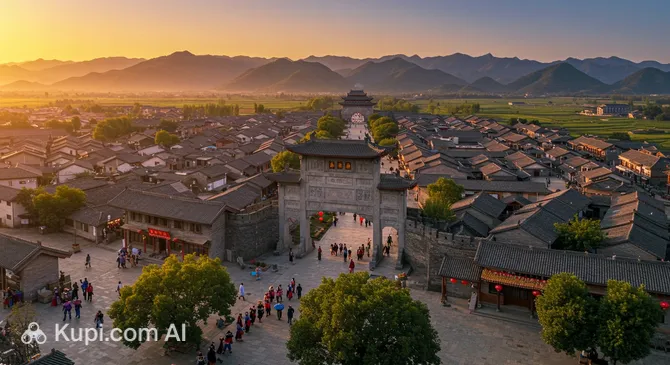
Guyuan. Source: Kupi.Binoculars

The city is renowned for its stunning natural and historical attractions. One of the most famous sites is the Xumi Mountain Grottoes, a treasure trove of Buddhist art featuring over 100 caves carved into the sandstone cliffs. Nature enthusiasts will appreciate the majesty of Liupan Mountain, known for its lush forests, scenic hiking trails, and its reputation as a "cool island" in the region due to its refreshing summer temperatures. Additionally, the Guyuan Museum houses an impressive collection of artifacts that showcase the area's archaeological significance.

Whether you are hiking through the misty peaks of the Liupan Mountains or admiring ancient stone carvings, Guyuan offers a memorable travel experience. We invite you to discover the unique charm and enduring spirit of this remarkable city on your next journey.

Weather Overview

The climate in Guyuan is characterized by distinct seasonal variations, offering a continental environment with cold, dry winters and warm, moderately humid summers. The coldest month is typically January, where the average temperature drops to -5.7°C, and nighttime lows can reach a chilly -11.1°C. Travelers visiting during the winter should come prepared for freezing temperatures, although precipitation is extremely rare during this time.

In contrast, the summer months provide a comfortable escape with pleasant warmth. July is generally the warmest month, featuring an average temperature of 20.1°C and daily highs around 25.2°C. This period also sees an increase in moisture; for instance, August records the highest frequency of precipitation with approximately 12 wet days. To ensure you pack the right gear for your specific travel dates, we recommend consulting the detailed guide to the weather in Guyuan. Overall, you can expect warm summers with occasional rain and cold, dry winters.

Interesting Facts

Beyond the main attractions, Guyuan holds many fascinating secrets that reveal its pivotal role in the history of China. Far from being just a remote outpost, this city was once a vibrant crossroads of civilizations and possesses geographical features that defy the typical landscape of the region.

  • Ancient Fortifications: While the Ming Dynasty sections of the Great Wall near Beijing are world-famous, Guyuan is home to the Great Wall of the Qin State. These earthen ramparts date back to the Warring States Period, making them significantly older than their eastern counterparts and offering a raw, authentic glimpse into early defensive engineering.

  • A Touch of Ancient Greece: In a discovery that stunned archaeologists, a gilded silver flask depicting figures from the Trojan War was unearthed in a local tomb in Guyuan. This rare artifact serves as tangible proof that the city was a cosmopolitan hub on the Silk Road, linking the region directly to the cultures of Central Asia and the Mediterranean.

  • The "Green Island": Despite being situated on the famously arid Loess Plateau, the Liupan Mountain area in Guyuan is known as a "wet island". This unique microclimate traps moisture and supports lush, dense forests, creating a green oasis that stands in stark contrast to the dry, yellow earth typical of the surrounding northwest landscape.

  • The Soul of the Northwest: Guyuan is a cultural stronghold for Hua'er, a style of traditional folk song often called the "romantic soul of the Northwest." Recognized as part of the UNESCO Intangible Cultural Heritage, these powerful, high-pitched songs are spontaneously sung by locals to express deep emotions and have been passed down through generations.

How to Get There

Reaching this historic destination in the Ningxia Hui Autonomous Region is relatively straightforward, thanks to its own airport and proximity to major regional transport hubs. Whether you prefer flying directly into the city or taking a scenic route through neighboring areas, you can find more about how to get to Guyuan and plan the best itinerary for your trip.

The most direct way to arrive is by flying into Guyuan Liupanshan Airport (GYU). This regional airport is conveniently located just 7.1 km from the city center. A taxi ride from the airport to downtown Guyuan typically takes around 30 minutes, making it an extremely efficient option for travelers. Although it is a smaller airport with regional connections, it saves significant travel time compared to overland routes.

For travelers seeking more flight options or international connections, Lanzhou Zhongchuan International Airport (LHW) is a major alternative. However, please note that this airport is located in the city of Lanzhou, approximately 242 km away from Guyuan. It is a large hub with extensive traffic, but the transfer to Guyuan by road can take nearly 6.5 hours, so it is best suited for those who plan to visit Lanzhou first or cannot find direct flights to Guyuan.

For clarity, here is a summary of the main airports serving the region:

Airport Name City Passenger Traffic Km from City
Lanzhou Zhongchuan International Airport Lanzhou Large 242.0
Qingyang Airport Qingyang Medium 125.1
Longnan Chengxian Longnan Small 250.2
Zhongwei Airport Zhongwei Small 198.1
Guyuan Liupanshan Airport Guyuan Small 7.1

If you are considering arriving by train, please be aware that the nearest major high-speed railway hubs listed in our data are located in neighboring cities. Lanzhou West Railway Station is a significant transit point located in Lanzhou, about 225 km from Guyuan. Similarly, Lanzhou Railway Station is also in Lanzhou, approximately 216 km away. Travelers arriving at these stations would typically need to transfer to a local train or take a long-distance bus to reach Guyuan, a journey that can take several hours depending on the mode of transport.

Below is a list of the nearest major railway stations for reference:

Station City Passenger Traffic Km to Center
Lanzhou West Railway Station Lanzhou Large 224.8
Lanzhou Railway Station Lanzhou Unknown 216.0

Main Attractions

Travelers visiting Guyuan will find a compelling mix of ancient history and breathtaking natural landscapes. As a vital stop on the ancient Northern Silk Road, the city and its surrounding counties are dotted with archaeological treasures and scenic parks that offer a deep dive into the region's heritage.

One of the most significant cultural sites is the Xumi Mountain Grottoes. Carved into the sandstone cliffs of Mount Xumi, this extensive complex dates back over 1,400 years to the Northern Wei Dynasty. It features more than 100 caves and hundreds of Buddhist statues, the most striking of which is a colossal 20-meter-tall Maitreya Buddha that overlooks the valley. The grottoes are not only a testament to religious devotion but also showcase the artistic exchange that occurred along the Silk Road.

For those seeking natural beauty, Liupan Mountain National Forest Park is a must-visit destination. Known as a "green island" on the Loess Plateau, the park is famous for its dense forests, refreshing streams, and cool summer climate. It is also historically significant as the site where Mao Zedong wrote a famous poem during the Long March. The park offers numerous hiking trails that lead to panoramic viewpoints, allowing visitors to take in the lush scenery that contrasts sharply with the arid landscapes typical of northwest China.

Another spectacular natural wonder is the Huoshizhai National Geopark, often translated as "Fire Stone Village." Located in nearby Xiji County, this area is renowned for its unique Danxia landforms. The landscape is characterized by reddish sandstone cliffs, strange rock formations, and dense vegetation. From a distance, the red rocks resemble a burning fire, creating a dramatic and photogenic backdrop that attracts geology enthusiasts and photographers alike.

To understand the full historical context of the region, a visit to the Guyuan Museum is highly recommended. It is considered one of the best regional museums in the country, housing a vast collection of artifacts unearthed from local tombs. Highlights include ancient bronze wares, pottery, and the famous gilded silver flask depicting scenes from the Trojan War, which serves as tangible evidence of the profound cultural exchanges between China and the West.

Local Cuisine

The culinary scene in Guyuan is a delightful reflection of its location in the Ningxia Hui Autonomous Region, offering a rich blend of robust flavors and deep-rooted Muslim cultural influences. The local diet is heavily centered around wheat, potatoes, and high-quality meats, particularly mutton and beef. Visitors will find that the food here is hearty and warming, perfectly suited to the region's cool climate and high altitude, with Halal restaurants being the predominant dining option throughout the city.

The absolute star of the table is Hand-grabbed Mutton (Shouzhua Yangrou). This dish features tender chunks of premium lamb boiled simply to preserve the natural flavor, served with a side of salt, garlic, and vinegar for dipping. Another culinary staple is the potato; Guyuan is famous for its high-quality potato production, so you can expect to find them prepared in numerous creative ways, from spicy stir-fries to comforting mashed dishes. Noodle lovers should try the local Buckwheat Noodles, which are often served with a savory, sour, and spicy sauce that highlights the region's love for bold seasonings.

When it comes to beverages, the local tea culture offers a unique and sweet experience. Eight Treasures Tea (Babao Cha) is the signature drink of the Hui people and is ubiquitous in Guyuan. Served in a traditional covered bowl, this aromatic tea mixes tea leaves with ingredients like dried dates, longan, sesame seeds, rock sugar, and the famous Ningxia goji berries. It serves as both a drink and a nutritious treat. For those interested in alcoholic beverages, Xixia Beer is a popular regional lager that pairs excellently with the spicy and savory local barbecue.

To truly understand the local food culture, visitors should explore the city's bustling night markets and street food stalls. These venues are the heart of Guyuan's social life, where the air is filled with the scent of cumin and roasting meat. Here, you can sample spicy lamb skewers, steaming bowls of sheep offal soup (Yangzasui), and crisp fried dough twists known as Sanzi. Whether you choose a sit-down meal in a traditional restaurant or a quick bite at a market, the dining experience is characterized by generous portions and warm hospitality.

Travel Tips

Visiting Guyuan offers a unique opportunity to explore the cultural crossroads of the Silk Road and the stunning landscapes of the Loess Plateau, but a little preparation goes a long way in this distinct region. To help you navigate the local customs, climate, and logistics smoothly, here are some practical tips for your journey.

  1. Clothing and Gear: Since Guyuan sits at a relatively high altitude and experiences a continental climate, layering is essential. Even in summer, evenings can be cool, especially if you visit the Liupan Mountains. Bring sturdy, comfortable walking shoes for hiking and exploring the grottoes. As this is a region with a significant Hui Muslim population, it is respectful to dress modestly—covering shoulders and knees—when visiting religious sites or traditional neighborhoods.
  2. Transportation: Public buses cover the city center well, but they can be crowded and signage is often only in Chinese. For tourists, taxis and ride-hailing apps (like DiDi) are the most convenient way to get around. To visit major attractions located outside the city, such as the Xumi Mountain Grottoes, it is often best to hire a taxi for the day or join a local tour, as public transport to these remote areas can be infrequent.
  3. Finances: The local currency is the Chinese Yuan (CNY). While credit cards are rarely accepted outside of high-end hotels, mobile payments via Alipay or WeChat Pay are ubiquitous and highly recommended. You should carry some cash for small vendors or rural areas, but ensure you have crisp notes. ATMs accepting international cards are generally found at major branches of the Bank of China or ICBC in the city center.
  4. Health and Safety: Guyuan is generally very safe for travelers. However, due to the dry climate and elevation, staying hydrated is crucial; always drink bottled or boiled water rather than tap water. Pharmacies are marked with a green cross, but English is rarely spoken, so having a translation app or a picture of the medicine you need is helpful.
  5. Communication: Mandarin Chinese is the primary language, often spoken with a strong local accent. English is not widely spoken outside of major hotels. It is virtually essential to download a reliable translation app (like Baidu Translate or a localized version of Google Translate) and an offline map before you arrive. A local SIM card or an eSIM with data is necessary to stay connected and use navigation apps.
  6. Local Etiquette: The Hui culture is prominent here, so be mindful of Islamic traditions. When greeting locals, a polite nod or a handshake is standard. If you are invited into a local home, take your shoes off at the door unless told otherwise. In dining situations, wait for the host to signal the start of the meal, and try to sample a bit of everything offered as a sign of respect.
  7. What to Avoid: Never bring pork products or alcohol into a Halal restaurant. Most restaurants in Guyuan are Halal (look for the green signage), and consuming prohibited items inside is considered highly offensive. Additionally, avoid pointing your feet at people or religious objects, as this is considered rude in local culture.
  8. Additional Tip: Don't leave without buying some Ningxia Goji berries. The region produces some of the highest quality wolfberries in the world. They are sold everywhere, from supermarkets to street stalls, and make for a lightweight, healthy, and authentic souvenir to take home.

By keeping these practical tips in mind, you will be well-equipped to enjoy the rich history and warm hospitality of Guyuan without any hassles. Embrace the local pace of life, respect the unique cultural blend, and your trip to this hidden gem of Northwest China will be truly unforgettable.

Entertainment & Nightlife

While Guyuan may not possess the frenetic pace of China's coastal metropolises, its nightlife offers a warm, welcoming, and distinctly local flavor. The evening entertainment here is less about thumping nightclubs and more about vibrant social gatherings, delicious late-night food, and illuminated city squares. Visitors will find that the night comes alive with the chatter of locals enjoying barbecue, the glow of streetlights, and a relaxed atmosphere that encourages leisurely exploration.

The heart of the city's evening activity is undoubtedly centered around Wenhua East Road. As the most prosperous commercial thoroughfare in Guyuan, this street transforms after sunset into a bustling strip of neon lights and activity. Here, you will find a concentration of KTVs (karaoke clubs), casual bars, and late-night eateries. It is the perfect place to take a stroll, soak in the urban energy, and perhaps join the locals for a singing session, which is a beloved pastime in the region.

For a comprehensive entertainment experience, the Guyuan New Era Shopping Center on Wenhua East Road is a key destination. This modern complex is not just for shopping; in the evenings, it becomes a hub for dining and leisure. Visitors can catch a movie at the cinema, enjoy a meal at one of the many restaurants on the upper floors, or simply wander through the lively surroundings where young people gather to socialize. It provides a comfortable, climate-controlled environment to enjoy the night.

If you prefer an open-air experience, head to People's Square. In true Chinese fashion, this vast public space becomes a stage for community life after dinner. You will see groups performing traditional square dances, children playing with light-up toys, and elders practicing Tai Chi or playing instruments. It is a fantastic spot for people-watching and immersing yourself in the local culture without spending a penny. The atmosphere is family-friendly, safe, and full of joy.

For foodies, the nightlife in Guyuan is synonymous with night markets and barbecue. The streets branching off the main roads often host vendors selling spicy lamb skewers (shao kao), cold noodles, and local snacks. The aroma of cumin and chili fills the air, drawing in hungry crowds. These open-air dining spots are casual, so there is no need to dress up—jeans and a t-shirt are perfectly acceptable.

Practical advice for enjoying Guyuan at night is straightforward. The city is generally very safe for walking, even late at night, but it is always wise to stay in well-lit areas. Taxis are plentiful and affordable, making them the best way to get back to your hotel. Most drivers do not speak English, so have your destination written in Chinese or use a ride-hailing app. Prices for food and entertainment are reasonable, with a hearty barbecue meal costing a fraction of what you would pay in larger cities.

During the day, you can complement your evening adventures with a visit to the city's cultural landmarks. The Guyuan Museum is an excellent place to spend an afternoon admiring ancient artifacts before the sun goes down. Whether you are singing karaoke on Wenhua East Road or enjoying a quiet stroll through the illuminated square, Guyuan's nightlife offers a genuine slice of life in Northwest China.

Parks & Museums

Beyond its headline attractions, Guyuan offers a wealth of specialized museums and scenic parks that delve deeper into the region's unique role in Chinese history, particularly its "Red Tourism" heritage and ancient defensive architecture. While the major national parks showcase the grand landscapes, these specific sites provide a more intimate look at the events and legends that shaped the area.

A pivotal site for history enthusiasts is the Liupanshan Long March Memorial Hall. Located atop the main peak of the mountain range, this memorial commemorates the historic victory of the Red Army's Long March. Unlike the general nature trails, this site focuses on the human spirit and resilience, featuring exhibition halls filled with historical photos, relics, and weapons. Visitors can walk through the memorial square and view the monument inscribed with Mao Zedong’s famous poem, "Mount Liupan," offering a solemn and educational perspective on modern Chinese history.

For those interested in the conclusion of the Long March, Jiangtaibao in Xiji County is a site of immense significance. It was here that the three main forces of the Red Army successfully joined forces in 1936. The site features the Red Army Long March Reunion Memorial Monument and a museum hall that details this strategic military convergence. It is a quiet, reflective place that allows travelers to understand the scale of the military movements that traversed this rugged terrain.

Nature lovers looking for a serene escape should head to Laolongtan, or "Old Dragon Lake." Regarded as the source of the Jing River, this scenic spot is nestled within the deeper valleys of the mountains. It is famous for its series of four natural pools that cascade into one another, creating a tranquil environment surrounded by steep cliffs and dense vegetation. According to local legend, this was the dwelling place of a dragon, adding a layer of mythical charm to the stunning water features.

Finally, no visit to Guyuan is complete without exploring the Great Wall of the Qin State. While the brick walls of the Ming Dynasty are famous worldwide, these ancient earthen ramparts offer a raw and authentic connection to the Warring States Period. Stretching across the landscape, particularly visible in Pengyang County, these weathered ruins demonstrate early rammed-earth construction techniques. Walking alongside these silent, eroding barriers provides a powerful sense of time and isolation, far removed from the commercialized tourist crowds found elsewhere.

Getting Around

Public transport in Guyuan is relatively straightforward and compact, reflecting the city's size and layout. Unlike China's massive metropolises, Guyuan does not have a metro or light rail system. Instead, the public transportation network relies primarily on an extensive bus system and a plentiful supply of taxis. For most tourists, getting around the city center (Yuanzhou District) is easy and affordable, though reaching the more distant scenic spots often requires specific travel arrangements.

The public bus system is the backbone of local transit. Routes cover the main urban areas, connecting the railway station, the bus terminal, and major commercial streets like Wenhua Road. Buses are generally clean and run frequently during the day. Stops are marked with signs, though they are almost exclusively in Chinese. It is highly advisable to use a navigation app to identify the bus number you need before heading out. Operating hours typically run from around 6:30 AM to 7:30 PM or 8:00 PM, depending on the route and season, so be careful not to rely on them for late-night travel.

Regarding payment, the system is modernized yet traditional. The standard fare for most bus routes is very low, typically 1 RMB or 2 RMB per ride, regardless of distance. You can pay with cash, but you must have the exact change (coins or small notes) to drop into the fare box upon entry, as drivers do not carry change. For a more seamless experience, mobile payments via Alipay or WeChat Pay are widely accepted; you simply scan the "Transit" QR code on the bus card reader. Physical transport smart cards exist for locals, but they are generally not practical for short-term visitors to obtain.

For many travelers, taxis serve as the most convenient alternative to buses. They are inexpensive compared to Western standards and can be hailed easily on the street. All legal taxis are metered, and you should ensure the driver turns the meter on when you start your journey. In addition to street hails, ride-hailing apps like DiDi (accessible via a standalone app or within WeChat/Alipay) are extremely popular. Using an app is often better for tourists as it removes the language barrier; you can input your destination in English or via a map pin, and the driver knows exactly where to go.

While there are no shared bikes on every corner like in Beijing, the city center is quite walkable. Many of the commercial and dining areas are clustered together, allowing you to explore on foot. However, if you plan to visit the major outlying attractions such as the Xumi Mountain Grottoes or Liupan Mountain, standard city public transport will not take you there. For these trips, you will need to take a long-distance bus from the Guyuan Bus Station or, more conveniently, hire a private driver or taxi for the day.

Accommodation

Finding accommodation in Guyuan is generally straightforward, though the options are more reflective of a regional transit hub than a luxury tourist destination. The city primarily offers a wide range of budget guesthouses and mid-range business hotels. While you will not typically find ultra-luxury international resort chains here, there are several comfortable, clean, and modern establishments run by reputable domestic hotel groups that cater effectively to both business travelers and tourists.

The most convenient area for visitors to stay is the Yuanzhou District, which serves as the city's main urban center. Staying near Wenhua Road or People's Square is highly recommended, as this places you within walking distance of the city's vibrant night markets, shopping centers, and restaurants. Alternatively, for travelers with early morning connections or those using Guyuan as a base for day trips, the hotels clustered around the Guyuan Railway Station and the main bus terminal offer practical, no-frills lodging with easy access to transportation.

A critical tip for international travelers is to verify that your chosen hotel is licensed to accept foreign guests. In smaller Chinese cities like Guyuan, many budget accommodations and smaller inns are only authorized to host mainland Chinese citizens. It is highly recommended to book through major international travel platforms or contact the hotel directly to confirm they can process foreign passports before you arrive. Additionally, booking in advance is wise during the summer peak season (July and August), when the region's cool weather attracts many domestic tourists.

Regarding costs, accommodation in Guyuan is very affordable compared to China's major metropolises. Budget options can often be found for very reasonable rates, while mid-range and higher-end local hotels typically offer excellent value for money, providing amenities like breakfast buffets and reliable Wi-Fi. Most bookings can be easily managed online, which is also helpful for overcoming potential language barriers at the front desk upon check-in.

Nearby Cities

For those looking to explore the surroundings, Guyuan serves as an excellent base for day trips to several interesting nearby locations. Whether you are interested in ancient religious sites, unique geological formations, or traditional folk culture, the region offers diverse experiences within a short travel distance.

One of the most notable nearby destinations is Pingliang, located approximately 65 km away. It is home to the majestic Kongtong Mountain, a sacred site in Taoism renowned for its stunning peaks and ancient temples. Further afield, Tianshui (166 km) attracts visitors with the spectacular Maijishan Grottoes, a UNESCO World Heritage site featuring thousands of Buddhist statues carved into a cliffside. For those interested in cultural heritage, Qingyang offers a deep dive into folk arts, being famous for its shadow puppetry and traditional embroidery.

City Population Distance (km)
Tianshui 3,365,000 166
Dingxi 2,698,624 154
Qingyang 2,211,191 131
Pingliang 2,068,033 65
Dongguozhuang 45,748 120

These nearby destinations offer a glimpse into the diverse culture and landscapes of the region.

Shopping & Souvenirs

Shopping in Guyuan offers a grounded and authentic experience that reflects the city's role as a regional hub in the Ningxia Hui Autonomous Region. While you will not find the high-end luxury boutiques of Shanghai or Beijing here, the city provides a fascinating mix of modern retail conveniences and traditional local commerce. For tourists, the real joy lies in discovering regional specialties, particularly agricultural products and folk crafts that are unique to this part of northwest China.

The commercial heartbeat of the city is undoubtedly Wenhua Road, particularly the eastern section (Wenhua East Road). This bustling thoroughfare is lined with a variety of shops ranging from clothing boutiques and sportswear outlets to electronics stores and local bakeries. It serves as the primary destination for locals to do their daily shopping and leisurely strolling. Walking down this street gives visitors a clear sense of the local fashion trends and the vibrant pace of life in Guyuan.

For a more concentrated modern shopping experience, visitors should head to the city's main shopping malls. The Guyuan New Era Shopping Center (Xin Shidai) is a popular complex that offers a department store style environment with cosmetics, jewelry, and fashion brands on the lower levels, and dining options above. Another key retail spot is the Xinhua Department Store, a well-known chain in the Ningxia region that provides reliable quality for clothing, shoes, and household goods. These malls are excellent places to find domestic Chinese brands that are often high quality but less known internationally.

To truly understand the local lifestyle, a visit to the local markets is essential. While there are standard supermarkets for groceries, the traditional markets are where the culture comes alive. In the mornings, street markets buzz with vendors selling fresh produce, including the region's famous potatoes and seasonal fruits. In the evenings, these areas often transition into night markets where you can buy small trinkets, phone accessories, and inexpensive clothes alongside delicious street food.

When it comes to souvenirs, Ningxia Goji berries (wolfberries) are the absolute must-buy item. The region is famous worldwide for producing the highest quality Goji berries, known as "red diamonds." You can buy them dried in bulk or in gift packages at almost any supermarket or specialty store. Another excellent gift is a pre-packaged mix of Eight Treasures Tea (Babao Cha), allowing you to recreate the local sweet tea experience at home. For those interested in arts and crafts, look for Hui embroidery or traditional paper cuttings, which are intricate folk arts practiced in the region.

Most shops and malls in Guyuan operate from approximately 10:00 AM to 9:30 PM, though smaller street vendors may stay open later, especially in summer. Payment methods are heavily digital; WeChat Pay and Alipay are accepted virtually everywhere, from large department stores to small market stalls. Cash is accepted but becoming less common, so carrying small denominations is wise. International credit cards are rarely accepted outside of major hotels, so ensure you have your mobile payment set up or enough cash on hand.

Regarding tax refunds, it is important to note that Guyuan is not a major international entry port, and tax-free shopping for tourists is generally not available here. The "Tax Free" signs seen in major global cities are not a feature of the retail landscape in Guyuan, so visitors should not expect to claim VAT refunds on their purchases.

Reached the end of the page?

That means the route is fully explored