Support

Lanzhou

About

Lanzhou is a vibrant and strategically important city located in the geographic center of China. As the capital of Gansu Province, it serves as a major transportation hub and a cultural melting pot, offering a unique blend of modern urban life and rich traditional heritage. Known as the "City of the Yellow River," it presents a distinctive atmosphere where rugged mountains meet the rushing waters of the country's second-longest river.
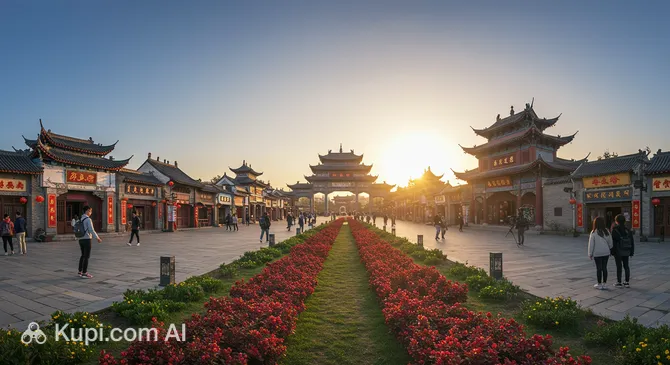
Lanzhou. Source: Kupi.Binoculars

Stretching along the banks of the majestic Yellow River, Lanzhou is the only provincial capital through which this iconic river flows. The city is nestled in a narrow valley surrounded by mountains, creating a dramatic and scenic landscape. With a population of over 5.7 million people, it is a bustling metropolis that plays a crucial role in connecting the western and eastern regions of the country. The climate here is semi-arid, characterized by warm summers and cold, dry winters, making it a distinct destination in every season.

The city holds a significant place in the past as a vital golden segment of the ancient Silk Road. Exploring the history of Lanzhou reveals its long-standing importance as a center for trade and cultural exchange between the East and the West. This legacy is still visible today in the city's diverse architecture, multicultural population, and the harmonious coexistence of different traditions.

Visitors are often drawn to the scenic Waterwheel Expo Park, which showcases the giant waterwheels that were once used for irrigation along the river. The historic Zhongshan Bridge, known as the "First Bridge across the Yellow River," is another must-see landmark, especially when illuminated at night. For food enthusiasts, the city is famous for its authentic Lanzhou beef noodles, a delicious local dish that has gained fame throughout the world.

Whether you are embarking on a journey along the Silk Road or looking to explore the unique landscapes of the northwest, Lanzhou offers a warm welcome and a fascinating travel experience. It is a destination that beautifully bridges the gap between ancient history and modern development.

Weather Overview

Lanzhou generally experiences a semi-arid climate with distinct seasonal variations, offering travelers a different atmosphere depending on when they visit. The weather in Lanzhou is characterized by significant temperature differences between summer and winter, as well as varying humidity levels throughout the year.

Winters are typically cold and very dry. In January, the average temperature drops to approximately -4.1°C, with nightly lows plunging to around -9.1°C. Precipitation is virtually non-existent during these colder months, resulting in crisp, clear days. Conversely, summers are pleasantly warm rather than scorching. July is usually the warmest month, featuring an average temperature of 21.7°C and daily highs that can reach 27.2°C. While rainfall volume remains low overall, the frequency of wet days increases significantly in late summer, with August seeing up to 14 days with some precipitation.

Spring and autumn serve as transitional periods with moderate temperatures. May offers comfortable averages of around 15.2°C, while October sees cooler temperatures averaging 8.9°C as the city heads towards winter. Expect warm summers with a higher chance of light rain and cold, extremely dry winters.

Interesting Facts

Beyond the well-known landmarks, Lanzhou holds several fascinating secrets that offer a glimpse into its unique local culture and geography. From ancient river traditions to distinctive culinary treasures, these details make the city truly one of a kind.
  • The city is often cited as one of the longest and narrowest urban areas in China. Due to being sandwiched between steep mountains along the banks of the Yellow River, the city stretches for nearly 100 kilometers from east to west while remaining incredibly narrow, resulting in a distinctive "snake-like" shape on maps.

  • Before modern bridges spanned the water, locals relied on "sheepskin rafts" for transportation. These rafts, made from inflated whole sheepskins tied to a wooden frame, are an ancient craft dating back roughly 2,000 years and can still be seen on the river today as a unique cultural experience for visitors.

  • The city's famous beef noodles are governed by a strict aesthetic standard known locally as the "Five Colors." To be considered authentic, a bowl must feature clear soup, white radish slices, red chili oil, green cilantro and garlic sprouts, and yellow noodles.

  • Lanzhou is the only place in the world that produces the "Lanzhou Lily," a rare variety of sweet lily bulb. Unlike common lily bulbs which are often bitter and used primarily for medicinal purposes, this local specialty is famously sweet, crisp, and can be eaten raw like a fruit.

How to Get There

Reaching this pivotal hub on the Silk Road is straightforward thanks to its well-developed transport network. As a key connection point in northwestern China, the city is accessible by both air and rail from various parts of the country. For a comprehensive guide on travel options, you can read more about how to get to Lanzhou to help plan your itinerary.

The primary entry point for air travelers is Lanzhou Zhongchuan International Airport (IATA: LHW). It is a major "international airport" handling a large volume of passengers annually. The airport is located quite a distance from the main urban area, approximately 89 km from the city center. A journey by taxi or airport bus can take around 2 hours and 30 minutes depending on traffic conditions. It offers flights to numerous domestic cities as well as select international destinations.

An alternative option is Xining Airport (IATA: XNN), located in the city of Xining. It is situated about 208 km from Lanzhou. While it is not in the city itself, it serves as a significant regional hub. Travelers arriving here would need to arrange intercity transport to reach Lanzhou, which takes considerably longer than arriving directly.

For clarity, here is a summary of the main airports:

Airport Name City Passenger Traffic Km from City
Lanzhou Zhongchuan International Airport Lanzhou Large 89.1
Xining Airport Xining Medium 207.7
Zhongwei Airport Zhongwei Small 208.0
Guyuan Liupanshan Airport Guyuan Small 184.0
Xiahe (Gannan Xiahe) Airport Gannan Tibetan Autonomous Prefecture Small 182.9

Lanzhou is also a vital railway junction, often referred to as a bridge between east and west. The city is served by Lanzhou West Railway Station (IATA: LZX), a major high-speed rail hub located approximately 46 km from the reference center. It handles a massive number of passengers and connects the city to high-speed networks across China. Additionally, Lanzhou Railway Station (IATA: LZD) operates closer to the traditional city core, about 37 km away, serving both conventional and high-speed trains.

For a quick overview of the railway stations, please refer to the table below:

Station City Passenger Traffic Km to Center
Lanzhou West Railway Station Lanzhou Large 46.3
Lanzhou Railway Station Lanzhou 36.9

Main Attractions

Lanzhou offers a fascinating array of sights that reflect its position as a cultural crossroads on the ancient Silk Road. One of the top destinations for history enthusiasts is the Gansu Provincial Museum. This extensive facility is a treasure trove of regional heritage, housing over 350,000 artifacts. Visitors are particularly drawn to the Silk Road civilization exhibit, which features the world-famous "Bronze Galloping Horse Treading on a Flying Swallow." It is an essential stop for anyone wanting to understand the deep historical roots and artistic achievements of the area.

Rising majestically on the north bank of the river is White Pagoda Mountain (Baitashan). Named after the distinct seven-story white pagoda built atop the peak during the Yuan Dynasty, this park offers the best panoramic views of the entire city and the winding river below. Tourists can choose to hike up the winding paths or take a cable car to reach the summit. The complex includes intricate pavilions and temples, making it a peaceful retreat that contrasts beautifully with the bustling urban landscape.

While the city is modernizing, the historic Zhongshan Bridge remains a beloved landmark and a testament to early engineering. Known as the "First Bridge across the Yellow River," it was built in 1907 using materials imported from Germany. Today, it serves as a pedestrian-only zone, perfect for a leisurely stroll to feel the river breeze. It is especially captivating in the evening when the iron structure is illuminated, creating a stunning reflection on the water.

Another iconic spot located along the scenic riverfront promenade is the Yellow River Mother Sculpture. This evocative granite statue depicts a mother, symbolizing the river, gently caressing an infant, representing the Chinese people. It is widely regarded as one of the most artistic and sentimental depictions of the Yellow River. The sculpture provides a meaningful photo opportunity and a moment of reflection for travelers exploring the city's famous Binhe Road.

Local Cuisine

Lanzhou is a paradise for food lovers, particularly those who appreciate the hearty and aromatic flavors of Northwestern Chinese cuisine. Influenced heavily by the local Hui Muslim community, the city's culinary scene revolves around halal ingredients, with a strong emphasis on tender beef, succulent mutton, and wheat-based staples. Dining here is not just about sustenance; it is a vibrant cultural experience that often begins at the break of dawn.

The most iconic dish is undoubtedly Lanzhou Beef Noodles. While known globally, the authentic version found here is a daily ritual for locals, often eaten for breakfast. Restaurants open early, serving bowls of chewy, hand-pulled noodles swimming in a savory clear broth. Diners can customize their order by requesting different noodle widths, ranging from "hair-thin" to "belt-wide." The combination of the rich soup, the spicy kick of red chili oil, and the freshness of cilantro creates a flavor profile that defines the city.

Beyond noodles, lamb plays a central role in the local diet. A must-try specialty is Hand-grabbed Mutton (Shouzhua Yangrou). This dish features premium quality lamb ribs boiled in water with spices until the meat is incredibly tender and falls off the bone. It is typically served without heavy sauces to highlight the natural flavor of the meat, accompanied by garlic cloves and a dip of salt and pepper. It is a communal dish that perfectly reflects the hospitality of the region.

When the sun sets, the city comes alive with bustling night markets, which are the heart of Lanzhou's street food culture. Here, the air is filled with the scent of grilling meat and spices. Visitors should look for Niunai Jidan Laolao, a popular dessert snack. It is a hot, creamy mixture of fermented glutinous rice wine, milk, eggs, and sesame seeds, often topped with raisins or peanuts. It provides a sweet and comforting contrast to the spicy savory dishes.

To wash down these rich meals, locals prefer Sanpaotai, also known as "Eight Treasures Tea." This is not just simple tea but a sophisticated blend of tea leaves, rock sugar, dried dates, goji berries, longan, and sometimes dried apricots. Served in a covered bowl, it is sweet, nourishing, and helps balance the greasiness of the meat-heavy cuisine. Sipping this tea while watching the Yellow River flow by is a quintessential Lanzhou experience.

Travel Tips

Visiting the "City of the Yellow River" is an exciting adventure into the heart of northwestern China, but the unique local culture and geography require a bit of preparation. To help you navigate Lanzhou with ease and confidence, here are some essential practical tips for your journey.

  1. Clothing and Gear: Since Lanzhou has a semi-arid climate with significant temperature drops between day and night, dressing in layers is the best strategy regardless of the season. In summer, light clothing is fine, but always carry a jacket for the evenings. If you visit in winter, bring thermal underwear, a heavy coat, and gloves. Comfortable walking shoes are a must for exploring the long riverfront parks. Don't forget a universal power adapter (Type A, C, or I) for your electronics.
  2. Transportation: The city is long and narrow, making traffic congestion common during rush hours. The Lanzhou Metro is the most efficient way to travel across the main districts without getting stuck on the roads. For destinations not near a station, taxis and ride-hailing apps are affordable and plentiful. Note that the airport is quite far (about 70km) from the center; taking the intercity high-speed train from the airport to Lanzhou West or Lanzhou Station is much faster and cheaper than a taxi.
  3. Finances: The official currency is the Renminbi (CNY). While some high-end hotels accept international credit cards, daily life relies heavily on mobile payments. It is highly recommended to set up Alipay or WeChat Pay and link your international bank card before arrival, as even small street vendors use QR codes. Keep some cash on hand as a backup, but don't rely on it exclusively.
  4. Health and Safety: The air in Lanzhou is extremely dry. Pack plenty of moisturizer, lip balm, and hydrating face masks to prevent skin irritation and nosebleeds. Tap water is not safe to drink; always buy bottled water or boil it first. Pharmacies are marked with a green cross, but carrying a basic travel kit with remedies for digestion and colds is wise, as language barriers can make buying specific medicine difficult.
  5. Communication: Mandarin Chinese is the primary language, and English proficiency is generally low outside of major hotels. You simply cannot survive without a translation app on your phone. Download offline language packages for apps like Google Translate or Microsoft Translator. Since Western social media and Google services are blocked, ensure you have a reliable roaming plan (eSIM) or a VPN installed before you enter the country to stay connected.
  6. Local Etiquette: Lanzhou is home to a large Hui Muslim population, and their culture is deeply woven into the city's fabric. When greeting locals, a smile and a nod are polite. If you are invited into a home, take off your shoes. In public, avoid loud or boisterous behavior, especially near religious sites or mosques.
  7. What to Avoid: Be extremely respectful of dietary customs. Never bring outside food, alcohol, or pork products into a Halal restaurant (marked with green signs or Arabic script). Doing so is considered highly offensive. Also, avoid discussing sensitive political topics; focus your conversations on food, scenery, and culture, which locals love to talk about.
  8. Dining Tip: Do as the locals do and eat your beef noodles for breakfast. Most renowned noodle shops close by early afternoon because the broth is considered best when fresh in the morning. If you try to find the "best" noodles at dinner time, you might find the top shops are already closed!

By keeping these practicalities in mind, you will be well-equipped to embrace the rugged charm and warm hospitality of Gansu's capital. Enjoy your bowl of steaming noodles and the breathtaking sunset over the Yellow River!

Entertainment & Nightlife

As the sun sets over the Yellow River, Lanzhou transforms from a bustling trade hub into a city of vibrant lights and energetic social gatherings. The nightlife here is distinctively casual and centered heavily around socializing, dining, and enjoying the riverside atmosphere. Unlike the high-gloss clubbing scenes of coastal metropolises, entertainment in Lanzhou feels more grounded and authentic, offering visitors a chance to mingle with locals in a relaxed setting.

For those seeking the heartbeat of the city after dark, the Zhengning Road Night Market is the undisputed epicenter. While it is famous for its food, it is also a major entertainment venue where the atmosphere is electric. The street is packed with locals and tourists alike, creating a cacophony of vendors shouting, woks sizzling, and music playing. It is the perfect place to start your evening, soaking in the sights and sounds of the Northwest. The crowd here is diverse, ranging from families to groups of young friends, and the energy typically peaks between 8:00 PM and 10:00 PM.

If you are looking for a drink and some music, head straight to Gannan Road. This area is widely known as the city's "Bar Street" and is the focal point for pubs, lounges, and live music venues. Lanzhou has a surprisingly rich reputation for Chinese folk music (minyao), and many small bars along this strip feature talented local singers with acoustic guitars. The vibe is generally laid-back and bohemian rather than upscale or exclusive. Places here usually stay open until 2:00 AM or 3:00 AM. The dress code is almost universally casual; jeans and a comfortable shirt are perfectly acceptable everywhere.

For a more scenic and romantic evening, the banks of the Yellow River offer a unique form of entertainment. The Binhe Road promenade is beautifully illuminated at night, with the bridges glowing against the dark water. Many visitors choose to take a Yellow River Night Cruise from the pier near the Zhongshan Bridge. drifting along the river provides a stunning perspective of the city skyline and the White Pagoda Mountain lit up in the distance. Alternatively, you can join the locals at the open-air tea stalls along the riverbank, sipping "Three-Cannon" tea while enjoying the cool night breeze.

When planning your night out, it is helpful to know that Lanzhou is a very safe city for evening walks, especially in busy districts like Chengguan. Taxis and ride-hailing services are plentiful and affordable, making it easy to hop between the night market and the bar street. Average prices for drinks and entertainment are significantly lower than in Beijing or Shanghai. However, be aware that traffic can be heavy in the early evening, so allow extra time for travel.

While the nights are lively, the city also offers solid daytime entertainment options. Culture lovers should check the schedule at the Lanzhou Grand Theater, which hosts concerts, operas, and dance performances, including the classic "Tales of the Silk Road" drama. For a more relaxed day, families often visit the Lanzhou Ocean World to see aquatic exhibits or spend time at the various amusement parks scattered around the city's outskirts. Of course, the museums and historical sites mentioned earlier remain the primary daytime draw for most travelers.

Parks & Museums

While Lanzhou is often recognized for its river views and noodles, the city also boasts a surprising array of green spaces and cultural institutions that offer a deeper look into its heritage. Beyond the busy streets, visitors can find tranquility in mountain parks and explore museums that chronicle the region's pivotal role on the Silk Road.

One of the most celebrated natural areas is Five Springs Mountain Park (Wuquanshan), located at the northern foot of Gaolan Mountain. This historic park is named after five legendary springs—Ganlu, Jueyue, Mozi, Hui, and Meng—which are said to have been discovered by a famous general from the Han Dynasty. It is not just a place for nature walks; the park is a complex of ancient architectural wonders, including the solemn Chongqing Temple and the Morning Bell Temple. Walking here offers a blend of lush greenery and traditional Chinese temple culture, making it a favorite retreat for locals seeking peace.

For those who want to see the city from its highest point, Lanshan Park is the ultimate destination. Situated atop Gaolan Mountain, significantly higher than the White Pagoda, this park serves as a natural observation deck. The air here is noticeably cooler, making it a popular summer resort. Visitors can hike up the steep trails or take a car to the summit to enjoy tea at one of the many open-air teahouses. The view from the top, especially at sunset, encompasses the entire winding stretch of the Yellow River and the urban sprawl, offering a perspective that is truly unmatched.

In terms of culture, while the provincial museum is the most famous, the Lanzhou Painted Pottery Museum is a hidden gem that deserves attention. As the only museum in China specifically dedicated to painted pottery, it showcases the exquisite craftsmanship of the Majiayao culture. The collection features thousands of ancient vessels with intricate geometric patterns that date back over 4,000 years. It provides a fascinating insight into the artistic sophistication of the prehistoric civilizations that flourished along the Yellow River valley.

Another significant cultural site is the Lanzhou City Museum, housed within the grounds of the Baiyi Pagoda Temple. Unlike the larger provincial institutions, this museum offers a more intimate look at the city's specific evolution. It houses a diverse collection of local relics, including bronze wares, porcelain, and calligraphy. The setting itself is historic, with the ancient pagoda providing an atmospheric backdrop to the exhibits, allowing visitors to step back in time while remaining in the city center.

For a truly authentic experience, consider visiting the Lanzhou Earthquake Museum. This unique facility is built directly on an earthquake fracture zone, providing a rare geological perspective on the region's seismic activity. The museum features extensive exhibits dedicated to the devastating 1920 Haiyuan earthquake, serving as a memorial and an educational center. It includes preserved ruins and visible fault lines that demonstrate the raw power of nature, offering a somber yet important lesson in geology and history.

Getting Around

Navigating Lanzhou is a unique experience shaped by its geography; since the city stretches along the Yellow River in a long, narrow strip, the public transport system is designed to move people efficiently from east to west. The backbone of modern travel here is the Lanzhou Metro (Rail Transit). Currently, Line 1 runs through the central artery of the city, connecting major districts and railway stations with impressive speed. It is the most reliable way for tourists to beat the notoriously heavy street traffic, offering a clean, bilingual, and air-conditioned environment.

Complementing the subway is an extensive bus network, which includes a highly efficient Bus Rapid Transit (BRT) system. The BRT lanes are separated from regular traffic, allowing these buses to bypass congestion during rush hours. Regular city buses cover every corner of the metropolis that the metro does not reach. While they can be crowded, they are an affordable way to see the local life. Stops are usually announced in English on major routes, but having the destination written in Chinese characters is helpful for less central lines.

A distinctive feature of the local transport network is the Water Bus system on the Yellow River. Unlike typical tourist cruises, these are functional ferries used by locals to commute, avoiding the gridlock on the bridges and riverside roads. Operating between key piers such as Lanzhou Port and Shilidian, the water bus offers a scenic and surprisingly fast alternative. It allows you to travel while enjoying views of the White Pagoda Mountain and the city skyline from the water, merging sightseeing with practical transit.

For direct transfers, taxis are plentiful and reasonably priced. They are typically green or blue and can be hailed on the street. However, during peak times (7:30–9:00 AM and 5:00–7:00 PM), finding an empty cab can be difficult. Ride-hailing apps like DiDi are extremely popular and often more convenient for foreigners, as the destination can be input in English within the app, overcoming language barriers. Shared bicycles are also scattered everywhere, perfect for short trips along the flat, scenic Binhe Road promenade.

When it comes to payment, the system is heavily digitized. While you can still use cash (exact change is required) for buses and ticket machines for the metro, the most convenient method is mobile payment. Tourists are strongly advised to set up Alipay or WeChat Pay on their phones. Both apps have "Transport" features that generate a QR code scanneable at metro turnstiles and on bus readers. Physical transport cards (IC Cards) are available at metro stations and designated outlets, but they require a deposit and are less flexible for short-term visitors.

Public transport generally operates from around 6:30 AM to 10:30 PM, though specific times vary by route and line. If you plan to use the water bus, be aware that its schedule is subject to weather conditions and water levels of the river. Always check the forecast before heading to the pier. By combining the speed of the metro with the scenic charm of the water bus, you can explore this riverside city efficiently and comfortably.

Accommodation

Finding the perfect place to stay in Lanzhou is relatively easy, as the city offers a wide spectrum of accommodations to suit various budgets and travel styles. Whether you are looking for luxury international chains, reliable business hotels, or comfortable budget options, the provincial capital is well-equipped to host travelers exploring the Silk Road.

Most visitors choose to base themselves in the Chengguan District. This is the bustling city center and the commercial heart of town. Staying here puts you within walking distance of major attractions like the Zhongshan Bridge and the vibrant Zhengning Road Night Market. It is the best area for those who want to be in the middle of the action, with easy access to shopping malls, authentic restaurants, and the scenic riverfront promenade.

For travelers prioritizing convenience, especially those arriving or departing by high-speed train, the Qilihe District is an excellent alternative. This area surrounds the Lanzhou West Railway Station, the city's main high-speed transport hub. Hotels here are typically modern and cater well to business travelers and tourists in transit. It is also the home of the Gansu Provincial Museum, making it a strategic location for history buffs who want to visit the collection early in the day.

A crucial tip for international travelers visiting China is to verify hotel policies regarding foreign guests before making a reservation. Due to local regulations, not all properties are authorized to host non-Chinese citizens. When booking online, look for the specific indication that the hotel "Accepts Foreigners" or contact the property directly to confirm. Major international brands and higher-end local hotels almost always accept foreign passports, but smaller guesthouses may not have the necessary license.

During the peak travel season, which typically runs from May to October, accommodation can fill up quickly, and prices tend to rise. It is advisable to book your room well in advance during these months to secure the best rates. Conversely, visiting in winter often allows for more budget-friendly options, though you should ensure your chosen hotel provides adequate heating to handle the crisp winter nights.

Nearby Cities

Nearby Cities:

Lanzhou serves as an excellent gateway to explore the wider Gansu province, with several interesting destinations located within a short distance. These neighboring cities offer travelers a chance to experience different facets of the region, ranging from deep-rooted cultural traditions to unique industrial heritage.

Located approximately 50 kilometers away, Dingxi is a significant regional hub often referred to as the "Potato Capital" due to its massive agricultural output. Beyond its farming fame, it is a key center for the cultivation of traditional Chinese medicine herbs and offers a glimpse into the rural lifestyle of the Loess Plateau. The city provides a quieter contrast to the bustling provincial capital.

To the north lies Baiyin, a city with a rich history tied to mining and resource extraction. Known historically as the "Copper City," it played a vital role in the country's industrial development. Today, it attracts visitors interested in industrial tourism and serves as a jumping-off point for exploring the dramatic landscapes of the nearby Yellow River Stone Forest.

For those interested in ethnic culture, Linxia City is a must-visit destination situated about 91 kilometers southwest. Often called the "Little Mecca of China," it is a vibrant center for the Hui ethnic minority. The city is renowned for its stunning mosques, exquisite brick carving artistry, and distinct local cuisine, offering a rich cultural immersion just a short drive away.

Below is a list of cities near Lanzhou that are easily accessible for day trips or onward travel:

City Name Population Distance (km)
Dingxi 2,698,624 50
Taoyang 109,300 63
Baiyin 1,708,751 76
Linxia City 355,968 91

Shopping & Souvenirs

Shopping in Lanzhou offers a distinctive mix of modern retail convenience and traditional northwestern charm. As a major commercial hub on the historic Silk Road, the city provides everything from high-end international fashion brands to unique local handicrafts. Visitors can spend their day browsing through gleaming multi-story shopping centers or wandering through bustling street markets where the spirit of ancient trade still lingers.

The most famous shopping destination in the city is undoubtedly the Zhangye Road Pedestrian Street. Located in the heart of the Chengguan District, this vibrant thoroughfare is the "Wangfujing" of Lanzhou. It is lined with historic buildings, department stores, and specialty shops selling clothing, jewelry, and local snacks. The street is pedestrian-only, making it a pleasant place to stroll, window shop, and soak up the lively urban atmosphere without the noise of traffic. Just a short distance away, Qingyang Road serves as another key commercial artery, featuring larger department stores and financial centers.

For a comprehensive modern shopping experience, Lanzhou Center (Lanzhou Zhongxin) in the Qilihe District is a top choice. It is one of the largest and most popular malls in the city, housing a vast array of international brands, a cinema, and an extensive food court. It is an excellent spot to find familiar western goods or escape the weather. Another prominent location is the Wanda Plaza, which offers a standard, high-quality mall experience with numerous fashion outlets, restaurants, and entertainment facilities suitable for families.

Travelers looking for a more cultural shopping experience should visit the Lanzhou Antiques Market, located near the City God Temple (Chenghuang Miao). This area is a treasure trove for collectors and souvenir hunters. Here, you can find traditional Chinese paintings, calligraphy, vintage coins, and curious artifacts. It is a fascinating place to browse, even if you don't intend to buy, as it offers a glimpse into the region's artistic heritage.

When it comes to souvenirs, Lanzhou has several unique specialties that make for perfect gifts. The Lanzhou Lily is a famous local product; unlike ordinary lilies, this variety is sweet and edible, often sold in vacuum-packed bags. Sanpaotai (Eight Treasures Tea) is another essential buy, consisting of pre-mixed packets of tea, rock sugar, dates, and dried fruits. For something more lasting, look for Tao Inkstones, one of the four famous types of inkstones in China, which originate from nearby counties in Gansu. Additionally, products made from the local Kushui Rose, such as rose tea, rose jam, or essential oils, are highly prized for their fragrance.

Most shops and malls in Lanzhou operate from around 10:00 AM to 9:30 PM or 10:00 PM. While large shopping centers and supermarkets accept major credit cards (UnionPay is standard, Visa/Mastercard less so), the most common way to pay is via mobile apps like Alipay or WeChat Pay. Small market vendors and street stalls almost exclusively use these digital wallets or cash. It is advisable to carry some small denomination cash for market purchases.

Regarding tax refunds, while China has a tax-free shopping scheme for international tourists in major cities, it is less widespread in inland cities like Lanzhou. Visitors should look for the "Tax Refund Store" signage at the entrance of large department stores or high-end malls. If available, you will need your passport and the purchase invoice to process the refund, but it is best not to rely on this availability for general shopping.

Reached the end of the page?

That means the route is fully explored