Support

Lanzhou

About

Lanzhou is a captivating destination located in the northwest of China. As the capital of Gansu Province, this vibrant metropolis serves as a crucial transportation hub and a cultural gateway connecting the eastern and western parts of the country. With a population of over 3 million people, the city offers a unique blend of modern urban energy and traditional charm, set against a backdrop of rugged mountains.

Lanzhou. Source: Kupi.Binoculars

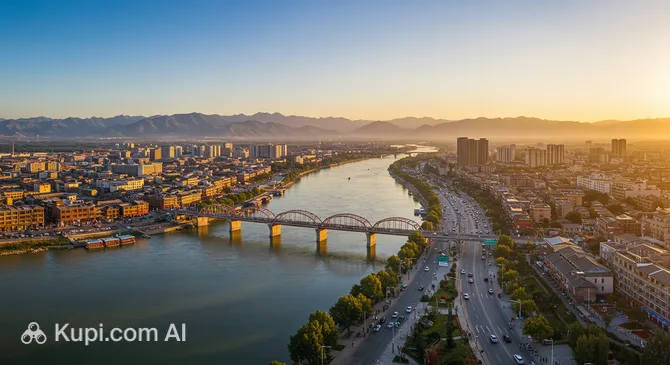
Geographically, Lanzhou is distinct for being the only major city through which the Yellow River flows. The river splits the city, creating a stunning landscape that has shaped its development and character for centuries. Visitors interested in the past will find that the history of Lanzhou is deeply intertwined with the ancient Silk Road, as it was once a vital crossing point for traders and caravans traveling between central Asia and the Chinese interior.

Travelers are often drawn to the city's unique sights and flavors. Lanzhou is famous nationwide for its culinary heritage, particularly the delicious Lanzhou Beef Noodles, a dish that can be found on almost every street corner. For sightseeing, the Waterwheel Expo Park showcases the ancient irrigation machines that are a symbol of the city, while White Pagoda Mountain offers panoramic views of the urban skyline and the winding river below.

Whether you are passing through on a journey along the Silk Road or planning a dedicated visit, Lanzhou welcomes you with its warm hospitality and rich cultural tapestry. It is a place where history meets modernity, making it a memorable stop for any explorer.

Weather Overview

Lanzhou experiences a semi-arid climate characterized by four distinct seasons, making it a year-round destination with varying landscapes. Generally, travelers can expect warm summers with occasional rain and cold, dry winters. To help you pack the right gear for your trip, it is helpful to review the current forecast and detailed trends regarding the weather in Lanzhou.

The winter months are chilly, with January being the coldest time of the year. During this period, average temperatures hover around -4.5°C, while nighttime lows can drop to -10.1°C. Precipitation is extremely rare in winter, resulting in crisp, dry days. In contrast, summer brings warmer weather, with July seeing average temperatures of 22.4°C and daytime highs reaching up to 28.3°C, offering a comfortable environment for outdoor activities.

While the city is generally dry, the majority of its precipitation occurs during the warmer months. August is typically the wettest month in terms of frequency, featuring about 14 days with some rainfall, though the total accumulation remains relatively low at around 3mm. Spring and autumn serve as mild transition periods; for instance, May offers pleasant average temperatures of 15.8°C, making it an excellent time for sightseeing.

Interesting Facts

Beyond the main attractions, Lanzhou holds many fascinating secrets that reveal its deep historical roots and unique geography. Here are some intriguing facts that highlight the distinct character of this riverside metropolis.
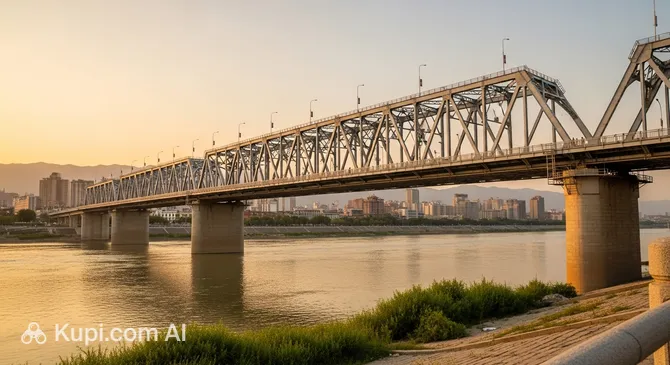
  • The iconic Zhongshan Bridge is historically significant as the first permanent bridge ever built over the Yellow River. Constructed in 1907, it was a massive logistical feat; all the steel components were manufactured in Germany, shipped to Tianjin, and then painstakingly transported overland to Lanzhou by horse-drawn carts.

  • Lanzhou is shaped unlike almost any other major city due to its topography. Sandwiched between mountains on the north and south banks, the urban area is incredibly long and narrow, stretching like a ribbon for over 20 kilometers along the river while remaining quite thin in width.

  • The local culinary staple, Lanzhou Beef Noodles, follows a strict aesthetic standard known as "One Clear, Two White, Three Red, Four Green, Five Yellow." This poetic rule ensures every bowl has clear soup, white radish slices, red chili oil, green cilantro and garlic sprouts, and yellowish noodles.

  • Historically, the city was known as the "City of Waterwheels." Before modern pumps, huge wooden waterwheels lined the banks of the Yellow River to irrigate the fields, and some of these impressive ancient engineering marvels can still be seen in the city today.

Zhongshan Bridge. Source: Kupi.Binoculars

How to Get There

Reaching this pivotal hub in northwest China is straightforward, as it serves as a major connection point for travelers heading west. You can find detailed information on how to get to Lanzhou on our dedicated page, but the city is generally well-connected by both air and rail.

The primary entry point for air travelers is Lanzhou Zhongchuan International Airport (LHW). It is a significant international airport handling a large volume of passengers annually. Located approximately 54 km from the city center, the journey by taxi or airport bus typically takes around 100 minutes. If flights to Lanzhou are unavailable, travelers might consider arriving at Xining Airport (XNN) in the neighboring city of Xining. It is situated about 170 km away, and a transfer by road would take roughly 4.5 hours.

For clarity, here is a summary of the main airports:

Airport Name City Passenger Traffic Km from City
Lanzhou Zhongchuan International Airport Lanzhou High 53.9
Xining Airport Xining Medium 169.5
Zhongwei Airport Zhongwei Small 204.6
Guyuan Liupanshan Airport Guyuan Small 214.7
Xiahe (Gannan Xiahe) Airport Gannan Tibetan Autonomous Prefecture Small 175.8

The city is also a vital railway junction, linking the eastern provinces with the western regions. The Lanzhou West Railway Station is the busiest hub, located about 7.7 km from the city center, and serves a massive number of high-speed trains. Alternatively, the Lanzhou Railway Station is situated much closer to the downtown area, just 3.2 km away, making it a convenient option for those who wish to be near the city's core immediately upon arrival.

Below is a summary of the major railway stations serving the area:

Station City Passenger Traffic Km to Center
Lanzhou West Railway Station Lanzhou Very High 7.7
Lanzhou Railway Station Lanzhou 3.2

Main Attractions

Lanzhou offers a fascinating array of sights that reflect its position as a major stop on the ancient Silk Road and a modern riverside metropolis. From historical landmarks to scenic parks, the city provides travelers with numerous opportunities to explore its unique heritage and geography.

One of the most iconic symbols of the city is the Zhongshan Bridge. Known as the "First Bridge over the Yellow River," this iron structure was built in the early 20th century and has since become a beloved pedestrian promenade. Visitors flock here to take a leisurely stroll across the rushing waters, enjoy the cool river breeze, and admire the illuminated cityscape at night. It serves as a perfect vantage point for photography and a tangible connection to the city's development.

Zhongshan Bridge. Source: Kupi.Binoculars

For those interested in the region's rich history, the Gansu Provincial Museum is an absolute must-visit. It houses an extensive collection of artifacts, including pottery, ancient manuscripts, and treasures from the Silk Road. The museum's most famous exhibit is the bronze statue of the "Galloping Horse Treading on a Flying Swallow," which has become a symbol of Chinese tourism. The exhibitions provide a deep dive into the diverse cultures that have thrived in this corridor for millennia.

Located on the north bank of the river, White Pagoda Mountain Park offers the best panoramic views of Lanzhou. Named after the seven-story white pagoda that sits at its summit, the park features a series of pavilions and temples climbing up the hillside. A hike to the top rewards visitors with a sweeping outlook over the Yellow River and the sprawling urban landscape below, making it a popular spot for both exercise and sightseeing.

Another highlight celebrating the local culture is the Waterwheel Expo Park. Historically, Lanzhou was known for its massive wooden waterwheels used for irrigation along the riverbanks. This park recreates that heritage with giant, functioning replicas that turn slowly with the current. It is a peaceful place to walk, observe the ingenious engineering of the past, and enjoy the green spaces right next to the water.

Local Cuisine

Lanzhou is widely regarded as a gastronomic paradise, particularly for those who appreciate the rich, hearty flavors of Northwest China. The city's culinary scene is heavily influenced by the Hui Muslim community, resulting in a diet that predominantly features beef, mutton, and wheat-based foods. The cuisine here is known for being aromatic, spicy, and filling, perfectly suited to the region's distinct seasons.

The undisputed king of the local table is Lanzhou Beef Noodles (Lanzhou Lamian). This is not just a dish but a cultural icon, enjoyed by locals for breakfast, lunch, and dinner. You will find thousands of noodle shops across the city, each boasting its own secret recipe for the savory broth. The chefs hand-pull the dough into noodles of various thicknesses right before your eyes, serving them in a clear, flavorful soup topped with tender beef slices, radish, and a generous spoonful of bright red chili oil.

Beyond noodles, lamb is a staple protein. A must-try dish is Hand-grabbed Mutton (Shouzhua Yangrou), where premium quality lamb is boiled to tenderness and served simply with salt, garlic, and vinegar. The meat is incredibly soft and lacks the gamey taste often associated with mutton. For something cold and refreshing, try Niang Pi, a type of broad, yellow noodle made from wheat flour, served with a spicy, tangy sauce that excites the palate.

When it comes to beverages, the locals have a unique tea culture. Sanpao Tai (Eight Treasures Tea) is a traditional drink served in a covered bowl. It contains a mix of tea leaves, rock sugar, goji berries, dried dates, longan, and other ingredients, creating a sweet and nourishing drink that balances the richness of the meat-heavy meals. For beer lovers, the local Yellow River Beer (Huanghe Piju) is a crisp lager that pairs perfectly with spicy street food.

To truly experience the food culture, tourists should head to the city's bustling night markets, such as the famous Zhengning Road Night Market. As the sun sets, this street transforms into a lively corridor filled with steam, smoke, and the shouts of vendors. Here, you can sample everything from grilled skewers and sheep's head to sweet fermented oat desserts, immersing yourself in the authentic and vibrant atmosphere of Lanzhou's nightlife.

Travel Tips

To help you navigate the unique geography and culture of Lanzhou, we have compiled a list of essential travel tips. Whether you are here to taste the legendary noodles or explore the ancient Silk Road heritage, these practical suggestions will ensure your journey through the Gansu capital is smooth and enjoyable.

  1. Clothing and Gear: Lanzhou has a semi-arid climate, meaning the air is very dry year-round. Bring plenty of moisturizer and lip balm, as your skin may dry out quickly. Summers are warm but not scorching, so light clothing is fine, but evenings can be cool. In winter, heavy coats and thermal layers are essential. Since the city stretches along the river, you will likely do a lot of walking along the promenade, so pack comfortable walking shoes.

  2. Transportation: The city is incredibly long and narrow, which can lead to significant traffic congestion during rush hours. The Metro (Subway) is the most efficient way to travel east-west without getting stuck in traffic. For door-to-door service, ride-hailing apps (integrated into Alipay or WeChat) are far more reliable than hailing street taxis. If you do take a taxi, have your destination written in Chinese.

  3. Finances: Like most of China, Lanzhou is nearly a cashless society. While major hotels may accept international credit cards, street vendors and small shops will not. It is highly recommended to download Alipay or WeChat Pay and link your international bank card before you arrive. Carry a small amount of cash (RMB) just in case, but mobile payment is the standard.

  4. Health and Safety: The city is generally very safe for tourists. Pharmacies are marked with a green cross, but English is rarely spoken, so use a translation app to describe symptoms. The tap water is not safe to drink; always buy bottled water, which is cheap and readily available. Due to the dust and dry air, sensitive travelers might find wearing a mask comfortable on windy days.

  5. Communication: English proficiency is relatively low outside of 5-star hotels. You must have a translation app installed on your phone (like Baidu Translate or a voice translation app). Internet access is restricted, so ensure you have an eSIM or a roaming plan that allows access to western apps, or install a VPN before entering the country. Local SIM cards can be purchased at the airport or major telecom business halls with your passport.

  6. Local Etiquette: Lanzhou has a significant Hui Muslim population. When dining in Halal restaurants (identifiable by green signs and Islamic symbols), strictly avoid consuming alcohol or bringing outside food, especially pork products. It is considered very disrespectful to violate these dietary laws within their establishments. Always be polite and ask for permission before taking close-up photos of locals.

  7. What to Avoid: Avoid visiting the popular Zhongshan Bridge during national holidays if you dislike crushing crowds, as it becomes packed with tourists. Also, avoid looking for authentic "Lanzhou Beef Noodles" for dinner. In Lanzhou, this dish is traditionally a breakfast or lunch meal; most reputable local shops close by 2:00 PM or 3:00 PM. If a shop is selling it at night, it is likely catering only to tourists.

  8. Additional Tip: Take advantage of the Yellow River cruise or the tea stalls along the riverbank. Locals love to sit by the water, sipping "Three Pao Tai" tea and cracking sunflower seeds. Joining them is the best way to soak up the relaxed, slow-paced vibe of the city, especially at sunset when the bridge lights up.

By keeping these tips in mind, you will be well-prepared to experience the best of Lanzhou. From respecting local customs to mastering the mobile payment systems, a little preparation goes a long way in making your visit to this historic riverside city truly memorable.

Entertainment & Nightlife

When the sun sets over the Yellow River, Lanzhou transforms from a bustling industrial hub into a vibrant city of lights and flavors. The nightlife here offers a distinct mix of modern entertainment and traditional relaxation, often centered around the river that defines the city's geography. Whether you are looking for a high-energy club, a quiet place to sip local tea, or a lively street market, the city has plenty to offer after dark.

For those seeking a classic bar scene, Gannan Road is the undisputed center of action. Known locally as the "Bar Street," this strip is lined with a variety of pubs, lounges, and live music venues. The atmosphere here ranges from laid-back and nostalgic to loud and energetic. You can find places like the Baroque Xinzhen Bar, which is popular for its elegant decor and relaxed vibe, or Huochai Tiantang (Match Paradise), a favorite among locals for its live guitar performances and friendly crowd. Most bars open around 7:00 PM but truly come alive after 9:30 PM.

If you prefer an outdoor experience, the banks of the Yellow River provide a unique setting. In the warmer months, the riverside promenade is filled with open-air tea stalls and beer gardens. Locals love to sit here on small folding chairs, cracking sunflower seeds and drinking Sanpao Tai (Eight Treasures Tea) or local beer while watching the river flow. It is also the perfect place for a night walk, offering stunning views of the illuminated Zhongshan Bridge. The bridge lights up in vibrant colors, creating a beautiful reflection on the water and serving as a romantic backdrop for an evening stroll.

For a more chaotic and sensory-rich experience, the Zhengning Road Night Market is a must-visit. While primarily a food destination, it acts as a major nightlife hub where the city's energy is most palpable. The narrow street is packed with steam, shouting vendors, and hungry crowds until the early hours of the morning. It is a safe and exciting place to immerse yourself in the local culture, though you should keep an eye on your belongings in the tight crowds.

Practical advice for a night out includes using ride-hailing apps like DiDi or Alipay to get around, as flagging a taxi on the street can be difficult late at night, especially near bar districts. The dress code is generally casual everywhere, even in clubs. Prices are reasonable compared to China's coastal cities; expect to pay moderate prices for cocktails and very affordable rates for local beer and street food.

Before the nightlife kicks in, daytime entertainment in Lanzhou is equally engaging. Visitors can explore the city's rich heritage at museums or enjoy traditional performances at local theaters. For families, the city's parks and the amusement areas near the river offer pleasant ways to spend the afternoon before the city lights turn on.

Parks & Museums

Lanzhou offers a surprising wealth of green spaces and cultural institutions that provide a respite from the city's energetic pace. While the Yellow River dominates the landscape, the surrounding mountains and urban gardens create unique environments for relaxation, while the city's museums preserve the deep history of the Silk Road and the region's diverse ethnic heritage.

One of the most beloved green spaces is Five Springs Mountain Park (Wuquan Park), located at the northern foot of Gaolan Mountain. With a history spanning over 2,000 years, this park is named after five legendary springs believed to have been discovered by a Han Dynasty general. It serves as a tranquil retreat featuring ancient architectural complexes, including temples and pavilions nestled among lush trees. It is an excellent spot for visitors to appreciate traditional Chinese gardening styles and enjoy a quiet walk away from the traffic.

For those seeking spectacular views and fresh mountain air, Lanshan Park is a top choice. situated atop the towering Gaolan Mountain, it overlooks the entire city and the winding Yellow River. Visitors can reach the summit by hiking or taking a cable car. The park is particularly popular in the summer as the altitude provides a cool escape from the heat. At the peak, you will find numerous tea houses where you can sit, sip local tea, and watch the city lights twinkle on as evening falls.

While the provincial museum is the most famous, the Lanzhou City Museum offers a more intimate look at the local history. Housed within the Baiyi Pagoda (White Robe Pagoda) complex, the museum itself is a cultural relic. It focuses on the historical evolution of Lanzhou, displaying artifacts that range from ancient pottery to items from the Ming and Qing dynasties. The setting itself, an ancient pagoda courtyard, adds a layer of atmospheric charm to the visit.

Another fascinating institution is the Lanzhou Painted Pottery Museum. Gansu province is renowned as a cradle of painted pottery culture in China, particularly the Majiayao culture. This museum is dedicated to preserving and displaying these exquisite Neolithic artifacts. Tourists interested in archaeology and art will find the intricate geometric patterns and designs on the ancient vessels to be captivating evidence of early human creativity in the Yellow River valley.

For a truly local experience, head to the Yellow River Mother Sculpture area along the riverfront park in the early morning. It is not just a photo stop; the surrounding green belt is where local residents practice Tai Chi, fly kites, and play traditional instruments, offering a genuine glimpse into the daily life and leisure culture of the city.

Getting Around

Navigating Lanzhou is a unique experience due to the city's distinct geography. Since the metropolis is built along the banks of the Yellow River and sandwiched between mountains, it stretches out in a long, narrow strip. This linear layout places a heavy burden on the main east-west roads, making the public transportation system not just a convenience, but a necessity for avoiding significant traffic congestion. For tourists, understanding the mix of metro, bus, and water transport is key to moving around efficiently.

The Lanzhou Metro is the most reliable way to travel across the city. Currently, Line 1 acts as the primary artery, running from east to west and connecting major hubs like the railway stations and the downtown commercial districts. It is modern, clean, and bilingual, with announcements and signs in English. Taking the subway is highly recommended for longer distances, as it bypasses the frequently gridlocked surface traffic. A second line, Line 2, is also operational, further expanding the network's reach, though Line 1 remains the most useful for visiting major tourist sites.

For destinations not covered by the metro, the city has an extensive public bus network. This includes a Bus Rapid Transit (BRT) system that operates in dedicated lanes, offering a faster alternative to regular buses. Regular bus fares are very affordable, typically costing 1 RMB for most routes. While buses reach every corner of the city, they can be crowded during rush hours. It is important to note that bus stops are usually announced in Mandarin, so having your destination written down in Chinese or following your route on a map app is advisable.

A unique feature of Lanzhou's transport system is the Water Bus. Since the city extends along the Yellow River, ferries and water buses serve as both a scenic and practical mode of transport. They operate between several piers along the riverbank, allowing you to travel from one end of the city center to the other while avoiding road traffic entirely. While often used by tourists for sightseeing, they are a legitimate part of the public transit network, especially pleasant during the warmer months.

When it comes to paying for rides, Lanzhou is heavily digitized. The most convenient method is using mobile payment apps like Alipay or WeChat Pay. You can activate a "Transport Code" within these apps, which generates a QR code that you scan at metro turnstiles or upon boarding a bus. Physical transportation cards (IC cards) are available for purchase at metro stations, but they require a deposit and are less convenient for short-term visitors. If you prefer cash, you must have exact change (usually 1 RMB coins or notes) for the bus fare box, as drivers do not provide change. Metro stations have ticket machines that accept cash to issue single-journey tokens.

Taxis and ride-hailing services offer a comfortable alternative. Traditional taxis are plentiful and use a meter, but hailing one during peak hours (7:30–9:00 AM and 5:00–7:00 PM) can be extremely difficult. Ride-hailing apps, which are integrated into Alipay and WeChat, are often a better choice as they overcome language barriers by allowing you to input your destination digitally. Additionally, shared bicycles are scattered throughout the city. Scanning a QR code on a bike allows you to unlock it for a small fee, providing a great way to explore the riverfront promenades at your own pace.

Most public transport operates from early morning, around 6:30 AM, until late evening. The metro typically stops running around 10:30 PM, though hours may extend slightly during holidays. Buses may stop running earlier, so it is wise to check the schedule if you plan to stay out late. By combining the speed of the metro with the scenic charm of the water bus, you can navigate this riverside city with ease and comfort.
Accommodation

Accommodation:

Finding a place to stay in Lanzhou is relatively easy, as the city offers a diverse range of accommodation options to suit various budgets and travel styles. As a provincial capital and a major transportation hub on the Silk Road, the hospitality sector is well-developed. Visitors can choose from inexpensive youth hostels and budget guesthouses to comfortable mid-range business hotels and luxurious international five-star resorts.

When selecting a location, most tourists prefer to stay in the Chengguan District. This is the bustling city center where many of the main attractions, shopping streets, and the best night markets are located. Staying here puts you within walking distance of the Yellow River and a plethora of restaurants serving the famous beef noodles. For travelers prioritizing convenience for early departures or late arrivals, the area around Lanzhou West Railway Station in the Qilihe District is an excellent choice. This area has seen rapid development and offers modern hotels with easy access to the high-speed rail network.

The price range for accommodation is generally reasonable compared to China's eastern coastal cities. Budget travelers can find dormitory beds or simple private rooms for approximately 100 to 200 RMB per night. Mid-range hotels, which often provide clean, modern amenities and breakfast, typically range from 300 to 600 RMB. For those seeking luxury, high-end hotels offering river views and premium services usually start from 700 RMB and can go up significantly depending on the season.

Booking Tips: It is highly recommended to book your accommodation in advance, especially if you are visiting during the peak summer months (July and August) or during major Chinese holidays like the National Day "Golden Week" in October. International travelers should use reliable platforms such as Trip.com or Booking.com to ensure the chosen hotel is licensed to accept foreign guests, as not all smaller inns in China have the requisite permits. Always have your passport ready for check-in, as hotel staff are required to register your stay with the local police.

Nearby Cities

For those looking to explore the surroundings, Lanzhou serves as an excellent base for day trips to several interesting nearby locations:

City Population Distance (km)
Lanzhou 5,708,191 39
Dingxi 2,698,624 89
Baiyin 1,708,751 60
Linxia City 355,968 74
Taoyang 109,300 78

One of the most culturally distinct destinations nearby is Linxia City. Often referred to as the "Little Mecca of China," it is a major center for the Hui ethnic minority. Visitors are drawn here to admire the stunning architecture of its numerous mosques and the exquisite local craftsmanship, particularly the traditional brick carvings. It also serves as a gateway to the Bingling Temple Grottoes, a magnificent series of Buddhist caves carved into cliffs along the Yellow River.

To the north lies Baiyin, a city with a rich industrial heritage that contrasts with the surrounding natural beauty. While the city center is modern, the wider region is famous for the Yellow River Stone Forest, a national geopark featuring dramatic stalagmite-like sandstone pillars rising from the river valley. It offers a spectacular landscape that has been the backdrop for many films and is perfect for hiking and photography.

Dingxi offers a different pace, known historically as a vital passage on the ancient Silk Road. Today, it is celebrated as the "Potato Capital of China" and a major center for traditional Chinese medicinal herbs. The region's unique loess plateau scenery and historical sites related to the Wei River culture provide a glimpse into the agricultural and historical roots of Gansu province.

These nearby destinations offer a glimpse into the diverse culture and landscapes of the region.

Shopping & Souvenirs

Shopping in Lanzhou offers a vibrant mix of modern retail experiences and traditional local commerce. As a major transportation hub connecting the east and west of China, the city is well-stocked with goods ranging from international fashion brands to unique regional handicrafts. Visitors can enjoy strolling through bustling pedestrian streets, exploring massive contemporary shopping complexes, or hunting for cultural treasures in specialized markets.

The heart of the city's commercial activity is undoubtedly the Zhangye Road Pedestrian Street. Located in the city center, this bustling thoroughfare is lined with historic shops, modern boutiques, and department stores. It is a popular destination for both locals and tourists, offering a lively atmosphere where you can shop for clothing, electronics, and local snacks all in one place. Another key area is Qingyang Road, which serves as a major commercial artery featuring upscale shopping centers and business hotels.

For a comprehensive modern shopping experience, the Lanzhou Center (Lanzhou Zhongxin) is a top recommendation. Situated near the Lanzhou West Railway Station, this massive complex is one of the largest shopping malls in northwest China. It houses a vast array of international brands, a cinema, and extensive dining options, making it a perfect spot for families. Alternatively, the Guofang Department Store in the central square area caters to those looking for high-end cosmetics, jewelry, and luxury fashion.

Travelers interested in local culture should visit the Lanzhou Antique Market. Here, you can find a fascinating collection of items that reflect the region's rich history, including vintage coins, old books, and traditional artwork. While night markets like Zhengning Road are famous for food, they also offer small stalls selling trinkets and local crafts that make for fun, inexpensive gifts.

When it comes to souvenirs, Lanzhou has several distinctive specialties. Lanzhou Carved Gourds are a famous folk art, featuring intricate designs and poetry etched onto the surface of small gourds. Yellow River Stones, naturally polished by the river's current and renowned for their unique patterns, are also highly prized by collectors. For edible gifts, look for Lanzhou Lily bulbs, which are sweet and edible, or Kushui Rose products, such as tea and jam, produced from roses grown in the nearby Kushui County.

Most shopping malls and department stores operate from around 10:00 AM to 9:30 PM or 10:00 PM. Street markets often stay open later, especially during the summer. Payment is almost exclusively digital; Alipay and WeChat Pay are the standard methods used by everyone from luxury boutiques to street vendors. While major malls accept credit cards, it is advisable to have mobile payment set up on your phone. Cash is accepted but is becoming less common.

Regarding tax refunds, China operates a Tax Refund Scheme for overseas tourists in designated large department stores. While this system is more prevalent in coastal cities like Shanghai or Beijing, some major shopping centers in Lanzhou may participate. Look for the "Tax Free" signage at the entrance or customer service desk, and be prepared to present your passport and receipts if you wish to claim a refund on eligible purchases.

Reached the end of the page?

That means the route is fully explored