Support

Xining

About

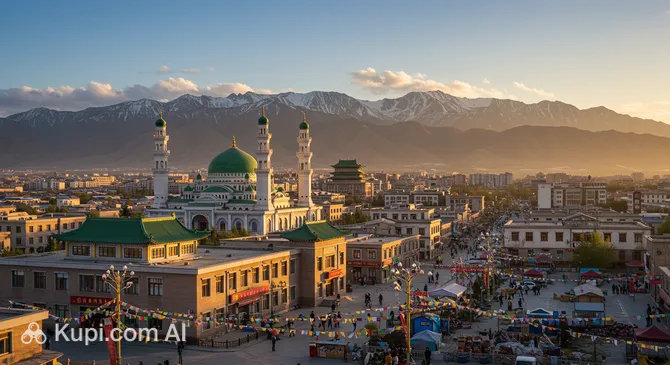
Welcome to Xining, the vibrant capital of Qinghai province and the pivotal eastern gateway to the Tibetan Plateau. As a historical hub on the ancient Silk Road, this city offers a fascinating blend of diverse cultures, where Han, Tibetan, and Hui traditions coexist harmoniously. Located in the western part of China, Xining is renowned for its remarkably cool summers, earning it the well-deserved nickname of the "Summer Resort Capital."

Xining. Source: Kupi.Binoculars

Geographically, the city sits at a high altitude, providing crisp air and stunning mountain backdrops. With a population of approximately 2.4 million, it stands as the largest city on the Qinghai-Tibet Plateau, yet it retains a welcoming and relaxed atmosphere. The unique climate makes it an ideal escape from the heat found elsewhere in the region during the summer months. Visitors interested in the deep roots of the area can explore the rich history of Xining, which spans over two millennia and is reflected in its diverse architectural styles and local customs.

Travelers are often drawn to the magnificent Ta'er Monastery (Kumbum Monastery), a sacred site of Tibetan Buddhism known for its exquisite yak butter sculptures and intricate murals. Another cultural landmark is the Dongguan Giant Mosque, which showcases a unique fusion of traditional Chinese and Islamic architectural elements. Whether you are using it as a starting point for a journey to the breathtaking Qinghai Lake or staying to soak up the multicultural ambiance, Xining promises a truly memorable travel experience.

Weather Overview

Xining features a semi-arid, high-altitude climate that results in distinct seasonal changes and generally cool temperatures year-round. The city is famous for its mild summers, where the average temperature in July hovers around 17.0°C, offering a refreshing retreat from the sweltering heat found in other parts of the country. In contrast, winters are cold and dry, with January seeing average temperatures drop to -7.1°C and nighttime lows reaching as far as -14.1°C.

Precipitation is relatively low overall, but the distribution varies significantly throughout the year. While winter months like December and January are extremely dry with almost no precipitation, the summer brings more moisture, with August seeing up to 17 wet days despite the total rainfall volume remaining modest. For a more detailed breakdown of seasonal conditions and packing advice, you can view the full report on the weather in Xining.

Interesting Facts

Beyond the main attractions, Xining holds many fascinating secrets that surprise even seasoned travelers. From rare wildlife to culinary quirks, the city offers unique experiences rooted in its high-altitude environment and multicultural heritage.
Kumbum Monastery. Source: Kupi.Binoculars
  • The sacred Kumbum Monastery is celebrated for its "Three Arts of Perfection," which include vivid murals, intricate embroidery, and spectacular yak butter sculptures. These colorful butter sculptures are renowned for their detail and are traditionally crafted by monks in freezing rooms to prevent the heat from melting the delicate designs.

  • Xining is a sanctuary for the elusive "ghosts of the mountains." The Xining Wildlife Park houses the only captive breeding base for snow leopards in the country, providing a rare opportunity to see these majestic big cats that typically hide in the rugged terrain of the Tibetan Plateau.

  • The local culinary culture features a unique twist on dairy: Xining yogurt is famous for its incredible thickness. Made from rich yak milk, it is solid enough to be eaten with a fork rather than drunk and is often served with a golden layer of cream on top, offering a distinct tart flavor.

  • The city serves as a massive gathering point for diverse faiths, particularly visible at the Dongguan Giant Mosque. During important festivals and Friday prayers, the congregation is so large—often numbering in the tens of thousands—that worshippers fill the entire courtyard and spill out onto the main streets, creating a breathtaking sea of white prayer caps.

How to Get There

Reaching this high-altitude capital is an adventure in itself, offering connections through major regional hubs. Whether you prefer flying directly or taking a scenic route via neighboring cities, there are several convenient options. For a comprehensive guide on planning your journey, you can read more about how to get to Xining and choose the best route for your itinerary.

The most direct way to arrive is via Xining Airport (IATA: XNN), also known as Xining Caojiabao International Airport. Located within the city limits, it sits approximately 25.2 km from the downtown area. A taxi or bus ride to the city center typically takes about 58 minutes. This facility handles a significant volume of travelers, classified as a medium-sized hub, and connects the region to numerous domestic and international destinations.

Alternatively, travelers often fly into Lanzhou Zhongchuan International Airport (IATA: LHW) in the city of Lanzhou. This large international airport is situated about 165.4 km from Xining. If you choose to travel by road from this airport, the journey by taxi or shuttle would take approximately 4.5 hours. It serves as a major gateway to Northwest China and offers a wide range of flight connections.

For clarity, here is a summary of the main airports:

Airport Name City Passenger Traffic Km from City
Lanzhou Zhongchuan International Airport Lanzhou Large 165.4
Xining Airport Xining Medium 25.2
Zhangye Ganzhou Airport Zhangye Small 261.4
Xiahe (Gannan Xiahe) Airport Gannan Tibetan Autonomous Prefecture Small 215.3

If you are considering rail travel, please note that the closest major railway hubs listed for this route are located in the neighboring city of Lanzhou. You can arrive at the Lanzhou West Railway Station (IATA: LZX), which is approximately 187.2 km from Xining. From there, a transfer by taxi or bus to Xining would take around 5 hours. This station is a massive transport node with very high passenger traffic, linking many parts of China to the northwest.

Below is the information for the nearby railway stations:

Station City Passenger Traffic Km to Center
Lanzhou West Railway Station Lanzhou Very Large 187.2
Lanzhou Railway Station Lanzhou Unknown 196.7

Main Attractions

Xining is a captivating blend of diverse cultures and deep spiritual heritage, offering travelers a unique glimpse into the traditions of the Tibetan Plateau and the Silk Road. The city's attractions range from centuries-old religious sites to modern museums that preserve the region's rich history. Visitors can immerse themselves in the peaceful atmosphere of temples, marvel at architectural wonders, and explore the distinct customs of the local ethnic groups.

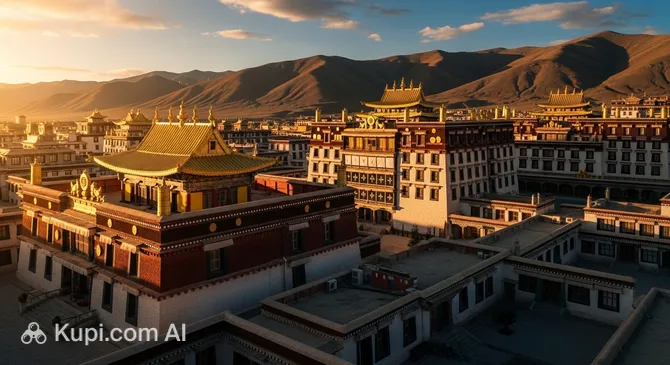
One of the most significant spiritual sites in the region is the Kumbum Monastery (Ta'er Monastery). Located just outside the city, this sprawling complex is revered as the birthplace of Tsongkhapa, the founder of the Gelug school of Tibetan Buddhism. It is famous for its "Three Arts of Perfection": intricate yak butter sculptures, colorful murals, and exquisite embroidery. Walking through its halls, tourists can witness pilgrims prostrating in devotion and monks engaging in lively philosophical debates, making it a profound cultural experience.

Kumbum Monastery. Source: Kupi.Binoculars

Another architectural gem is the Dongguan Giant Mosque, which stands as one of the largest and most important mosques in northwest China. Built with a fascinating combination of traditional Chinese palace style and Islamic features, the mosque serves as a major religious center for the Hui people. It is particularly impressive during Friday prayers when thousands of worshippers gather, filling the courtyard in a synchronized display of faith. Visitors are welcome to explore the grounds and admire the elegant green domes and towering minarets.

For those interested in traditional healing and art, the China Tibetan Medicine Culture Museum is a must-visit destination. This massive facility offers deep insights into the history and practices of Tibetan medicine, displaying ancient surgical instruments, herbs, and medical texts. The museum's crown jewel is the Great Thangka, a staggering scroll of painting that stretches over 600 meters, depicting Tibetan history, culture, and religion in breathtaking detail. It holds the Guinness World Record for the longest painted scroll.

If you are looking for a scenic retreat within the city, Nanshan Park (South Mountain Park) offers a refreshing escape. Home to the Nanchan Temple, the park provides panoramic views of Xining's skyline against the backdrop of rugged mountains. It is a popular spot for locals to exercise and relax, and the climb to the Phoenix Tower at the summit rewards hikers with fresh air and a spectacular vantage point to see the city's layout and growth.

Local Cuisine

The culinary landscape of Xining is a delightful reflection of its multicultural heritage, serving as a melting pot where flavors from the Hui, Tibetan, and Han communities blend seamlessly. Due to the high altitude and cool climate, the local diet is hearty and warming, heavily featuring mutton, yak meat, and wheat-based staples. Food here is unpretentious but packed with robust spices like cumin and chili, designed to energize travelers exploring the Tibetan Plateau.

Meat lovers will find themselves in paradise, as lamb is the undisputed king of the table. A must-try signature dish is Hand-Grabbed Mutton (Shouzhua Yangrou), which consists of premium lamb boiled to tenderness and served in large chunks. It is traditionally eaten with the hands and dipped in salt, garlic, and chili sauce to highlight the meat's natural flavor. Another local favorite is Niangpi, a cold dish made from flour paste steamed into thick, chewy strips. Served with gluten cubes and drenched in vinegar, chili oil, and mustard, it offers a spicy and refreshing contrast to the rich meat dishes.

When it comes to beverages and desserts, Xining offers unique treats derived from its pastoral surroundings. Yak Yogurt is iconic here; unlike the liquid versions found elsewhere, local yogurt is incredibly thick and rich, often topped with a yellow layer of cream. It is usually served in small bowls and eaten with a spoon. To wash down a heavy meal, locals often sip on Eight Treasures Tea (Babao Cha), a sweet and aromatic herbal tea containing ingredients like dried dates, wolfberries, and rock sugar. For those interested in spirits, Highland Barley Wine is a potent local alcohol that plays a significant role in Tibetan hospitality.

The food culture in Xining is vibrant and communal, best experienced in the city's bustling food streets and night markets. Mojia Street is the most famous culinary destination for tourists, transforming into a lively hub of activity as the sun sets. Here, you can wander past steaming stalls selling spicy sheep trotters, grilled skewers, and bowls of sheep intestine noodles. Whether you are dining in a halal restaurant with green signs or grabbing a quick snack at a roadside stall, the atmosphere is always welcoming and filled with the inviting aromas of the northwest.

Travel Tips

Visiting Xining offers a unique gateway to the Tibetan Plateau, but the high altitude and rich cultural diversity require a bit of preparation to ensure a smooth journey. To help you navigate the local climate, customs, and daily life in this fascinating city, here are some practical tips for your trip.

  1. Clothing and Gear: Due to the high elevation (around 2,275 meters), the weather can be changeable with strong UV radiation. Even in summer, nights can be cool, so dressing in layers is essential. Bring sunglasses, high-SPF sunscreen, and a hat. If you plan to visit religious sites like the Kumbum Monastery or Dongguan Giant Mosque, ensure you have modest clothing that covers your shoulders and knees.

  2. Transportation: Public buses are the most common and economical way to get around Xining, with an extensive network covering major attractions. Taxis are also affordable and plentiful, but few drivers speak English, so it is crucial to have your destination written in Chinese. Ride-hailing apps (accessible via Alipay or WeChat) are very convenient alternatives to hailing a cab on the street.

  3. Finances: The local currency is the Renminbi (RMB). While cash is still accepted, mobile payments via Alipay and WeChat Pay are dominant everywhere, from malls to street stalls. It is highly recommended to link your international credit card to one of these apps before arrival. ATMs are widely available, but carrying small denominations of cash is wise for backup. Tipping is not part of the local culture.

  4. Health and Safety: Xining's altitude is high enough to cause mild altitude sickness for some travelers; stay hydrated, avoid strenuous activity on your first day, and get plenty of sleep. The air is very dry, so bring lip balm and moisturizer. Pharmacies are easy to find (look for a green cross), but carrying a basic travel kit with remedies for headaches or stomach issues is a good idea.

  5. Communication: English is not widely spoken outside of major hotels and tourist centers. Download an offline translation app (like Baidu Translate or Microsoft Translator) to communicate with locals. Buying a local SIM card upon arrival is recommended for map navigation and translation, as many Western apps and websites may be inaccessible without roaming data or specific software.

  6. Local Etiquette: Xining is a melting pot of Tibetan, Hui, and Han cultures. When visiting Tibetan temples, always walk around stupas and prayer wheels in a clockwise direction. In Hui (Muslim) districts and restaurants, strictly avoid consuming alcohol or bringing in outside food, especially pork, as this is considered highly offensive.

  7. What to Avoid: Do not take photographs of monks, pilgrims, or inside temple halls without explicit permission. It is also important to avoid pointing your feet at altars or religious statues when sitting, as this is seen as disrespectful in Buddhist culture.

  8. Dining Tip: Be prepared for the local yogurt (suannai), which is a city staple. It is much more sour and solid than what you might be used to and is often served with a layer of yellow skin on top. Locals eat it with sugar, so don't hesitate to stir it in if the tartness is too strong for your palate!

By keeping these practical points in mind, you will be well-equipped to immerse yourself in the vibrant atmosphere of Xining. Enjoy the crisp mountain air, the delicious local cuisine, and the warm hospitality that defines this historic Silk Road hub.

Entertainment & Nightlife

Entertainment in Xining is distinctly different from the high-energy clubbing scenes of China's coastal metropolises. Here, the nightlife is deeply rooted in social dining, vibrant street markets, and a relaxed atmosphere that reflects the city's multicultural fabric. As the sun sets, the air fills with the savory aroma of grilled meats and spices, drawing locals and tourists alike out onto the streets. The vibe is casual and welcoming, with most activities centered around food, conversation, and exploring the illuminated city center.

The undisputed highlight of an evening in Xining is its bustling night markets. Mojia Street is the most famous and historic venue, serving as the epicenter of the city's culinary nightlife. It is not just a street but a sensory experience where you can find everything from sizzling lamb kebabs to steaming pots of yak milk tea. Another popular spot is Shuijing Alley, located near the West Gate. This area offers a mix of local snacks and souvenir stalls, making it a perfect place to wander after dinner. For a more modern experience, the Tangdao 637 complex has emerged as a trendy district featuring a blend of shopping, dining, and bars, often hosting cultural performances and light shows.

For those seeking a drink or a place to unwind with music, the area around Dashizi (Grand Cross) in the city center is the main hub. While Xining does not have a massive district dedicated solely to nightclubs, you will find a selection of lively bars, pubs, and KTV (karaoke) lounges scattered through this commercial zone and along Xiadu Avenue. The crowd here is mixed, ranging from young locals enjoying pop music to travelers sharing stories over a beer. The dress code is almost universally casual; you will feel comfortable in jeans and a jacket, which is practical given the cool evening temperatures.

Daytime entertainment in Xining offers a slower pace, focusing on culture and leisure. Apart from the major historical sites, visitors can enjoy modern amenities like the Qinghai Grand Theatre, which occasionally hosts concerts and stage plays. For families or those looking for lighthearted fun, the city's shopping malls often contain indoor amusement arcades and cinemas showing the latest releases. Exploring the commercial pedestrian streets during the day provides a great opportunity to shop for local handicrafts, such as Tibetan carpets and intricate silver jewelry.

From a practical standpoint, nightlife in Xining is very affordable compared to Beijing or Shanghai. A hearty meal at a night market can cost very little, while drinks at a bar are reasonably priced. The city is generally very safe for night walks, even in busy market areas, though it is always wise to keep an eye on your belongings in crowds. Public transport winds down in the evening, but taxis are plentiful and cheap. You can easily hail a cab on the street or use a ride-hailing app to get back to your hotel safely after a night out.

Parks & Museums

Parks and Museums:

Xining offers a surprising wealth of green spaces and cultural institutions that reflect its status as a historical crossroads on the Silk Road. Beyond the bustling streets, the city is dotted with serene parks that take advantage of the dramatic mountainous terrain, while its museums provide deep insights into the ethnic diversity and artistic heritage of the Qinghai-Tibet Plateau.

One of the most scenic natural areas is Beishan National Forest Park (North Mountain Park), famous for its unique Danxia landforms and the ancient Beishan Temple suspended on the cliffside. The park offers a mix of steep hiking trails and cultural exploration, with the temple walkways providing breathtaking views over the city. For a more relaxed experience within the downtown area, People's Park is a favorite among locals. Situated along the Huangshui River, it features tree-lined paths, blooming flower gardens, and a peaceful lake where visitors can rent boats, making it an ideal spot to observe local daily life.

To understand the region's rich past, a visit to the Qinghai Provincial Museum is essential. Located on Xinning Square, this modern facility houses an impressive collection of historical artifacts, including ancient painted pottery, Tibetan religious art, and relics from the Silk Road. It provides a comprehensive narrative of the area's development from prehistoric times to the present. Another significant institution is the China Tibetan Medicine Culture Museum, which showcases the profound history of traditional healing practices on the plateau through extensive displays of herbs, surgical tools, and the world's longest Thangka painting.

Kumbum Monastery. Source: Kupi.Binoculars

In terms of historical architecture, the Ma Bufang Residence (Jade Mansion) stands out as a unique attraction. This sprawling complex was the home of a prominent historical figure in the mid-20th century and is renowned for its walls built with jade from the nearby Kunlun Mountains. The architecture is a fascinating blend of Western and Chinese styles, featuring intricate carvings and well-preserved living quarters. Of course, no tour of the city's heritage is complete without mentioning the Kumbum Monastery, a vast complex of temples and halls that serves as a spiritual center for Tibetan Buddhism and a gallery of exquisite yak butter sculptures.

For a truly authentic experience, head to the Culture Park in the early morning. Here, you will find residents practicing Tai Chi, singing traditional folk songs, or writing calligraphy with water on the pavement. It offers a quiet, unscripted glimpse into the community spirit that defines Xining.

Getting Around

Public transport in Xining is primarily road-based, with a comprehensive public bus network serving as the backbone of getting around. While the city does not currently rely on a metro system for tourism, the bus lines are extensive, frequent, and cover nearly all major districts, commercial centers, and key sites. The buses are generally modern and clean, making them a reliable and authentic option for travelers who want to navigate the city alongside locals.

The payment system is straightforward, though it has become increasingly digital. The fare for most bus routes is a flat rate, typically very affordable at around 1 or 2 RMB. While you can still pay with cash by dropping exact change (coins or small notes) into the fare box upon entry, the most convenient method for tourists is using mobile payments. Apps like Alipay and WeChat Pay have dedicated "Transport Code" features that allow you to scan a QR code as you board. Physical transit cards exist but are less practical for short-term visitors compared to mobile options or simply carrying small cash.

For those seeking more comfort or direct routes, taxis are ubiquitous and surprisingly inexpensive compared to many other major cities. You can easily hail them on the street; they are usually painted in distinctive colors like green or yellow. All legal taxis are equipped with meters, and it is standard practice to ensure the driver uses it. Ride-hailing apps are also widely available and are often integrated into major payment apps, offering a great alternative if you don't speak the language, as you can input your destination digitally.

Operating hours for public buses generally run from early morning, around 06:00, until the evening, typically ending between 21:00 and 22:00. Some major lines may run a bit later, but night services are limited, making taxis the best choice for late-night travel. When taking a bus, remember to board at the front door and exit through the rear. Since English proficiency among drivers is limited, it is highly recommended to have your destination written in Chinese characters to show the driver or fellow passengers if you need assistance.

Exploring the city center on foot is also a viable and pleasant option, especially around the bustling market areas where traffic can be dense. While shared bicycles are available to rent via mobile apps, the city's high altitude of over 2,200 meters might make cycling more physically demanding for those not yet acclimated. Whether you choose the bus for a local experience or a taxi for convenience, moving around Xining is generally safe, efficient, and budget-friendly.

Accommodation

As the capital of Qinghai Province and a major tourism hub, Xining offers a diverse range of accommodation options to suit various budgets and travel styles. The city has seen significant development in its hospitality sector, meaning visitors can find everything from inexpensive youth hostels and comfortable mid-range business hotels to high-end luxury resorts. Whether you are a backpacker looking for a social atmosphere or a family seeking modern amenities, the city is well-equipped to host you.

For most travelers, the most convenient area to stay is the City Center, particularly around the Dashizi (Grand Cross) area and the Central Square. Staying here places you within walking distance of major shopping malls, diverse dining options, and the bustling night markets like Mojia Street. If you are planning a short stopover or have an early train to catch to Lhasa or other destinations, the area surrounding the Xining Railway Station offers numerous modern hotels designed for transit passengers. Alternatively, the district near the Dongguan Giant Mosque provides a more culturally immersive experience with easy access to halal food and local life.

When planning your stay, it is crucial to consider the season. Since Xining is known as China's "Summer Resort Capital," the months of July and August are the peak tourist season. During this time, the city welcomes a large influx of domestic visitors escaping the heat, causing room rates to rise significantly and popular hotels to fill up quickly. It is highly recommended to book your accommodation several weeks in advance if you plan to visit during the summer.

In terms of pricing, Xining is generally more affordable than China's coastal metropolises. Budget travelers can find clean dorm beds or simple private rooms for very reasonable rates, while mid-range hotels offer excellent value with standard amenities like air conditioning and private bathrooms. Luxury options are available and typically cost a fraction of what they would in Beijing or Shanghai. Most bookings can be made easily through major international online travel platforms. However, foreign travelers should double-check that their chosen hotel is authorized to accept international guests, as per local regulations.

Nearby Cities

For those looking to explore the surroundings, Xining serves as an excellent base for day trips to several interesting nearby locations:

One of the most popular connections is to Lanzhou, the capital of the neighboring Gansu province. Easily accessible by high-speed train, this city is famous for the Yellow River flowing through its heart and its iconic hand-pulled beef noodles. Visitors can explore the Waterwheel Expo Garden or hike up White Pagoda Mountain for a panoramic view of the river valley.

For a deep dive into cultural heritage, Linxia (often called "Little Mecca") offers a fascinating glimpse into the traditions of the Hui ethnic group. The city is renowned for its exquisite brick carvings and unique architectural style that blends Chinese and Islamic elements. It also serves as a gateway to the Bingling Temple Grottoes, a spectacular series of Buddhist caves carved into cliffs along the Yellow River.

History enthusiasts may enjoy a trip to Wuwei, a historic hub on the ancient Silk Road. It is celebrated as the discovery site of the "Bronze Galloping Horse," which has become the symbol of Chinese tourism. The city houses the Leitai Han Tomb and a Confucian Temple, offering a quiet yet profound look into the region's storied past.

City Population Distance (km)
Lanzhou 3,067,141 195
Wuwei 1,815,059 164
Linxia City 355,968 173
Huinan 230,000 110
Hezuo 112,173 207

These nearby destinations offer a glimpse into the diverse culture and landscapes of the region.

Shopping & Souvenirs

Shopping in Xining is a unique experience that mirrors the city's role as a cultural melting pot on the Silk Road. While you will find modern conveniences and fashion brands similar to those in other major Chinese cities, the real draw here is the wealth of local ethnic specialties. The city serves as a primary trading hub for Tibetan and Hui goods, making it the perfect place to hunt for authentic handicrafts, rare medicinal herbs, and distinct highland foods that are difficult to find elsewhere.

The commercial heart of the city lies at the Dashizi (Grand Cross) intersection. This bustling area is where the four main streets of the city center meet, creating a vibrant district packed with department stores, specialty shops, and restaurants. It is a pedestrian-friendly zone where you can easily spend an afternoon browsing through both high-end retailers and smaller local boutiques. Another key area is the East Gate (Dongmen) district, which offers a lively mix of wholesale markets and retail outlets, often with more competitive prices.

For those looking for a modern shopping experience, the Wangfujing Department Store near the central square is a reliable choice. It houses international cosmetics, branded clothing, and a supermarket in the basement stocked with local snacks. Another popular destination is the Seazons Place (Tangdao 637), a newer complex that combines shopping, dining, and entertainment in a contemporary setting, offering a comfortable retreat from the outdoor bustle.

To truly capture the spirit of the region, visitors should explore the local markets. Shuijing Alley (Water Well Alley) is renowned for its wide array of folk crafts and souvenirs. Located near the West Gate, it is a treasure trove for items like prayer wheels, ethnic jewelry, and traditional clothing. While Mojia Street is primarily famous for its food, it is also an excellent spot to buy edible souvenirs such as packaged yak jerky and spices to take home.

When it comes to souvenirs, Xining is famous for its Tibetan carpets. These hand-woven rugs are celebrated for their vibrant colors, resilience, and intricate patterns, often considered some of the best in the world. Another "red treasure" of the region is the Goji berry (wolfberry); Qinghai produces some of the highest quality berries, which are sold dried in bulk. Other popular items include yak butter products, intricate silver daggers or jewelry, and Thangkas (traditional Tibetan Buddhist scroll paintings). If you visit the Kumbum Monastery, the surrounding streets are also lined with stalls selling religious artifacts and handicrafts.

Most shops in Xining generally open around 10:00 AM and close between 9:30 PM and 10:00 PM. Supermarkets and convenience stores may open earlier and close later. As in the rest of China, mobile payments via Alipay and WeChat Pay are the dominant method of transaction, accepted by everyone from luxury malls to street vendors. Cash is accepted, but carrying large amounts of change can be cumbersome. International credit cards are typically only accepted in large department stores or 5-star hotels.

Regarding tax refunds, Xining is not currently a major hub for tax-free shopping for international tourists compared to coastal cities like Shanghai. While some high-end stores might theoretically offer tax refund services, the procedure can be complex and is rarely utilized. It is best to assume that the price you see is the final price, although bargaining is expected and encouraged in markets and smaller independent shops.
Reached the end of the page?

That means the route is fully explored