Support

Hezuo

About

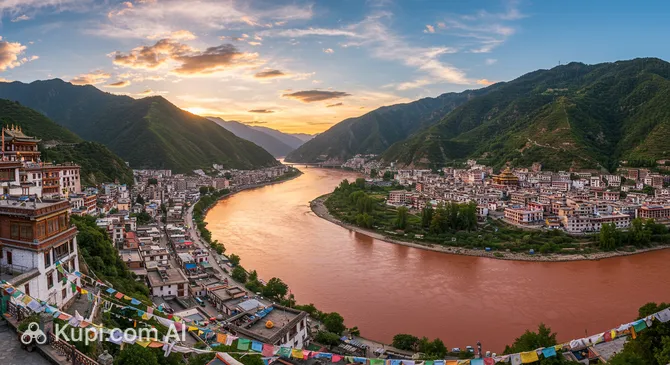
Hezuo is a captivating city that serves as the administrative seat of the Gannan Tibetan Autonomous Prefecture. Often referred to as a gateway to the Tibetan Plateau, this unique destination offers a fascinating blend of cultures and breathtaking highland scenery. Located in the southern part of the Gansu province in China, Hezuo sits at a high altitude, providing visitors with crisp air and expansive views of the surrounding grasslands and mountains.

Hezuo. Source: Kupi.Binoculars

With a population of approximately 112,000 residents, the city maintains a relatively calm atmosphere compared to the country's bustling metropolises. It acts as an important commercial and trading hub for the region, where traditional Tibetan heritage meets modern development. Those interested in the roots of this community can delve into the history of Hezuo, which traces its evolution from a nomadic trading post to the vibrant city it is today.

One of the city's most iconic landmarks is the Milarepa Buddha Pavilion. This magnificent nine-story temple is dedicated to the Tibetan saint Milarepa and is renowned for its intricate murals, statues, and spiritual significance. Beyond the temple, the city serves as a perfect base for exploring the rolling alpine meadows and experiencing the authentic lifestyle of the local people.

Whether you are passing through on a journey across the plateau or planning a dedicated visit to explore Tibetan culture, Hezuo welcomes travelers with its distinct charm and hospitality. It is a truly memorable stop for anyone seeking to discover the diverse landscapes and spiritual traditions of the region.

Weather Overview

Hezuo experiences a distinct highland climate characterized by long, cold winters and short, cool summers. Due to its significant elevation on the Tibetan Plateau, the weather remains chilly for much of the year, making warm clothing a necessity regardless of the season. To help you pack appropriately for your trip, it is helpful to review the current weather in Hezuo before you travel.

Winters in the city are harsh and freezing, with January being the coldest month. Average temperatures drop to around -8.5°C, and nights can see lows plummeting to -15.4°C. Despite the biting cold, this season is typically dry, with very few wet days recorded between December and January.

Summer brings milder conditions but not significant heat. In July, the average temperature is only about 12.5°C, with daily highs rarely exceeding 18°C. Travelers should be prepared for frequent precipitation during this time; from June through September, the region experiences a high number of wet days, often exceeding 20 days per month, although the rainfall contributes to the lush green landscapes of the surrounding grasslands.

Interesting Facts

Beyond its scenic grasslands and spiritual atmosphere, Hezuo holds several fascinating secrets that are often overlooked by casual visitors. Here are a few unique insights into this high-altitude city that reveal its distinct character.

  • A Name with Double Meaning: While the name "Hezuo" literally translates to "Cooperation" in Chinese—a moniker officially adopted in 1956—it is actually a phonetic approximation of the original Tibetan name, "Zoe" (or "Heicu"). This creates a fascinating linguistic bridge where the local Tibetan heritage is preserved within the sound of the modern administrative name.

  • A Tower of Spiritual Unity: The city's iconic Milarepa Buddha Pavilion is distinct not only for its rare nine-story architecture but for its inclusivity. Unlike many temples that focus on a single lineage, this shrine houses statues and deities from all four major schools of Tibetan Buddhism, serving as a powerful symbol of religious harmony in the region.

  • A City Without a True Summer: Situated at an elevation of nearly 3,000 meters, Hezuo is geographically defined as having no "absolute frost-free period." Even during the warmest months of July and August, the temperature can occasionally drop low enough for frost to form, meaning the city effectively bypasses the sweltering heat found in most other parts of the country.

  • Home of the Shambhala Festival: Hezuo hosts one of the most vibrant cultural gatherings on the plateau, the Gannan Shambhala Tourism Festival. This event transforms the urban environment into a celebration of nomadic life, featuring massive campfire parties, traditional horseracing, and elaborate folk dramas that attract travelers from far and wide.

How to Get There

Reaching this highland city requires a bit of planning, as it is tucked away on the northeastern edge of the Tibetan Plateau. While the journey offers spectacular views of the Gansu landscapes, travelers should be prepared for transfers from major regional transport hubs. You can find comprehensive information on all ways to reach the city on our detailed transport page.

The most convenient gateway for air travelers is Xiahe (Gannan Xiahe) Airport (GXH). Located in the Gannan Tibetan Autonomous Prefecture, this airport is situated just 32 km from Hezuo. The drive from the airport to the city center typically takes about 1 hour and 10 minutes by taxi or shuttle bus. Although it is a smaller regional airport, it offers the most direct access to the area.

For international travelers or those connecting from major Chinese cities, Lanzhou Zhongchuan International Airport (LHW) in Lanzhou is the primary hub. It is located approximately 180 km from Hezuo. From here, the journey by road takes roughly 4 to 5 hours. Another viable option is Xining Airport (XNN) in Xining, which is about 187 km away, with a similar travel time of around 5 hours by road.

For clarity, here is a summary of the main airports:

Airport Name City Passenger Traffic Km from City
Lanzhou Zhongchuan International Airport Lanzhou Large 180.0
Xining Airport Xining Large 187.0
Longnan Chengxian Longnan Small 297.3
Jiuzhai Huanglong Airport Songpan Small 248.6
Xiahe (Gannan Xiahe) Airport Gannan Tibetan Autonomous Prefecture Small 32.1

The city of Hezuo does not have its own passenger railway station. Visitors preferring rail travel typically arrive at Lanzhou West Railway Station in the city of Lanzhou, which is approximately 140 km from Hezuo. This station is a major high-speed rail hub with connections to many parts of China. From the station, you can transfer to a long-distance bus or hire a taxi to reach Hezuo, a journey that generally takes between 3.5 to 4 hours depending on road conditions.

Another option in the same city is Lanzhou Railway Station, located about 142 km away. It serves conventional trains and acts as another key transit point for travelers heading towards the Gannan region.

Below is a list of the nearest major railway stations:

Station City Passenger Traffic Km to Center
Lanzhou West Railway Station Lanzhou Very Large 140.7
Lanzhou Railway Station Lanzhou 142.8

Main Attractions

Hezuo offers a unique blend of spiritual heritage and breathtaking natural landscapes, making it a compelling destination for travelers exploring the Gannan region. The city's attractions provide a deep dive into Tibetan culture while offering easy access to the pristine environment of the plateau.

The most prominent landmark in the city is the Milarepa Buddha Pavilion (Milariba Foge). This stunning nine-story temple is a rare architectural gem, as it is one of the very few towers of its kind in the region dedicated to the revered Tibetan saint and poet, Milarepa. Each floor of the pavilion is a sanctuary in itself, housing intricate shrines, vibrant murals, and over 1,000 statues representing different deities and historical figures of Tibetan Buddhism. Visitors are often struck by the spiritual atmosphere and the panoramic views of the city available from the upper levels.

Just a short distance south of the city center lies the Dangzhou Grassland, a favorite retreat for both locals and tourists. Known for its accessibility, this scenic area combines lush meadows with dense forests and clear streams, creating a "natural oxygen bar" environment. It serves as the main venue for the vibrant Gannan Shambhala Tourism Festival held in summer, where the grasslands come alive with traditional tents, folk performances, and bonfires. It is an excellent spot for a relaxing picnic or a gentle hike to acclimate to the altitude.

For those willing to venture a bit further, the Meiren Grassland offers a distinctively different landscape. Located to the east of Hezuo, this alpine meadow is famous for its unique "mushroom-shaped" grass mounds, which are formed by the specific grazing and weather patterns of the plateau. In July and August, the area transforms into a colorful carpet of wildflowers, making it a paradise for photographers and nature lovers seeking untouched beauty. The drive through this area offers sweeping views that capture the essence of the high-altitude wilderness.

Another site of interest is the Gannan Plateau Botanical Garden, which showcases the diverse flora of the region. It provides an educational look at the resilient plant species that thrive in this harsh yet beautiful climate. For travelers interested in the ecological aspects of the Tibetan Plateau, this garden offers a quieter, more contemplative experience compared to the bustling temple grounds.

Local Cuisine

The culinary landscape of Hezuo is a hearty reflection of its location on the Tibetan Plateau, offering flavors designed to provide warmth and energy in the high-altitude climate. The local diet is heavily influenced by Tibetan traditions, featuring robust ingredients like yak meat, barley, and dairy products. For travelers, dining here is an opportunity to taste organic, locally sourced foods that are quite distinct from the cuisine found in eastern China.

One of the absolute must-try staples is Yak meat. Leaner and richer in protein than beef, it is prepared in various ways, from dried jerky snacks to savory stews and sizzling hot pots. You will also frequently encounter Momo, traditional Tibetan dumplings filled with minced yak meat or vegetables. These are often served with a spicy dipping sauce and make for a comforting meal after a day of exploring the grasslands.

Another essential element of the local diet is Tsampa. Made from roasted highland barley flour mixed with yak butter tea, it is kneaded into small dough balls and eaten by hand. While it is a daily staple for locals, it offers a unique nutty flavor that adventurous foodies should definitely experience. For something sweeter, look for Gannan Yogurt. This fermented dairy treat is incredibly thick and creamy, often topped with Juema (a local ginseng-like root) and a spoonful of sugar to balance the tartness.

Beverages in Hezuo are just as distinctive as the food. The most ubiquitous drink is Yak Butter Tea (Su You Cha), a savory, salty mixture of tea leaves, yak butter, and salt. It is an acquired taste for some but is essential for hydration and combating altitude sickness. For a celebratory drink, you can try Highland Barley Wine (Chang), a mild, low-alcohol brew that is sweet, slightly sour, and deeply ingrained in local hospitality rituals.

The dining culture in Hezuo is a blend of Tibetan teahouses and Hui Muslim eateries. In the city center, you can find traditional restaurants serving elaborate Tibetan feasts alongside smaller shops offering hand-pulled noodles and grilled lamb skewers, reflecting the region's diverse ethnic makeup. In the evenings, the atmosphere becomes lively as locals gather to share large communal dishes, making mealtime a warm and social experience.

Travel Tips

Visiting Hezuo offers a unique opportunity to experience the blend of Tibetan culture and high-altitude landscapes, but the distinct environment requires some specific preparation. These practical tips will help you navigate the local customs and climate comfortably, ensuring a smooth and enjoyable journey on the plateau.

  1. Clothing and Gear: Due to the high elevation (nearly 3,000 meters), the weather can be unpredictable and chilly even in summer. Layering is key; bring a windproof jacket and warm sweaters regardless of the season. In winter, heavy down coats, thermal underwear, and gloves are essential. Don't forget high-SPF sunscreen, sunglasses, and a hat, as the UV radiation is significantly stronger at this altitude.

  2. Transportation: Hezuo is a relatively small city, making it easy to navigate. Taxis are the most convenient way to get around and are generally very affordable; you can hail them on the street. Public buses exist but may be confusing without Chinese language skills. Ride-hailing apps like DiDi are useful if you have a local number, but for day trips to the grasslands, hiring a private driver or chartering a car is often the best option.

  3. Finances: The local currency is the Chinese Yuan (RMB). While digital payments via Alipay and WeChat Pay are ubiquitous even in smaller towns, international credit cards are rarely accepted outside of major hotels. It is highly recommended to carry a sufficient amount of cash for small vendors, local eateries, and entrance fees at some religious sites. ATMs are available in the city center.

  4. Health and Safety: Altitude sickness is a genuine concern for many visitors. Take it easy for the first day, stay hydrated, and avoid strenuous exercise until you acclimatize. Pharmacies are widely available in the city and sell portable oxygen canisters and herbal remedies for altitude adjustments. The city is generally very safe, but always keep an eye on your belongings in crowded market areas.

  5. Communication: Mandarin Chinese is the primary language, though many locals also speak Tibetan dialects. English proficiency is extremely limited, even in service industries. It is crucial to have a translation app installed on your phone that works offline. Buying a local SIM card upon arrival in China is necessary to access maps and translation tools reliably.

  6. Local Etiquette: When visiting religious sites like the Milarepa Buddha Pavilion, always dress modestly (covering shoulders and knees) and remove hats. It is customary to walk clockwise around temples, stupas, and prayer wheels. Always ask for permission before taking photos of monks or locals, as some may consider it intrusive.

  7. What to Avoid: Never point your feet towards an altar or a religious statue when sitting; instead, sit cross-legged or tuck your feet underneath you. Additionally, avoid stepping on the raised threshold of temple doorways; always step over it, as this is considered a sign of respect.

  8. Market Mornings: For an authentic glimpse into local life, try to visit the local markets early in the morning. This is when nomads from the surrounding grasslands come to town to trade yak butter, cheese, and textiles. It’s a vibrant cultural scene and a great place to buy unique souvenirs directly from the artisans.

By keeping these tips in mind, you will be well-equipped to embrace the serene beauty and rich traditions of Hezuo. With the right preparation, your adventure on the Gannan plateau is sure to be a rewarding and unforgettable experience.

Entertainment & Nightlife

Nightlife in Hezuo offers a unique cultural experience that differs significantly from the neon-lit bustle of larger Chinese cities. Situated on the Tibetan Plateau, the city's evening energy is concentrated around community gatherings, warm meals, and relaxed socializing rather than raucous clubbing. The atmosphere is generally peaceful and authentic, with the crisp high-altitude air encouraging travelers to seek out cozy indoor venues or join the lively outdoor traditions that define local evenings.

The heart of the city's nightlife beats around Shambhala Cultural Square (Xiangbalam Square). As dusk falls, this massive plaza transforms into a vibrant stage for Guozhuang, a traditional Tibetan circle dance. Hundreds of locals, dressed in both modern clothes and traditional robes, link arms to dance in concentric circles to the rhythm of folk music. It is a mesmerizing spectacle that welcomes participation; tourists are often encouraged to join in the simple, rhythmic steps. The square is safe, well-lit, and provides the best insight into the friendly spirit of the local community.

For those seeking a drink or a place to unwind, the options are typically low-key, ranging from hotel lounges to small local bars. There are several cozy local teahouses on Tongqin Street where you can enjoy a quiet evening with tea or local beverages. Another popular area for a night out is Renmin Street, which serves as the city's commercial spine. Here, you will find a variety of restaurants and KTVs (karaoke clubs), which are the primary form of late-night entertainment for local residents. If you prefer a scenic stroll, Hezuo Folk Street offers a charming atmosphere with traditional architecture, perfect for admiring the city lights and picking up late-night snacks.

Food plays a central role in Hezuo's nightlife, with "night markets" often consisting of clusters of BBQ stalls and noodle shops rather than designated market zones. The aroma of sizzling yak meat skewers and hot pot fills the air, drawing crowds seeking warmth and sustenance. These eateries usually stay open late, offering a hearty end to the day. Prices are generally very affordable, with a substantial meal costing a fraction of what you would pay in Beijing or Shanghai.

When venturing out at night, practical preparation is essential. The temperature drops drastically after sunset, so wearing a heavy coat is mandatory, even in summer. The city is compact, and taxis are the best way to get around; they are plentiful and inexpensive, with fares within the city often costing just a few yuan. Hezuo is safe for walking at night, though it is advisable to stay on main streets to avoid stray dogs, which can be common in Tibetan regions. Always carry cash, as smaller late-night vendors may not accept international cards.

During the day, the entertainment shifts towards cultural and natural exploration. Visitors can immerse themselves in the region's heritage at the Gannan Museum, which houses impressive collections of Tibetan artifacts and history. For a mix of nature and leisure, a trip to the nearby Dangzhou Grassland offers opportunities for horseback riding and picnicking, providing a perfect contrast to the city's evening urban charm.
Parks & Museums

Hezuo offers a refreshing balance between accessible urban green spaces and profound cultural institutions, making it a delightful destination for travelers seeking both relaxation and education. The city does not rely on traditional manicured city parks; instead, it seamlessly integrates with the vast, rolling landscapes of the plateau, while its museums and monuments provide a deep dive into the region's spiritual and historical identity.

For those looking to enjoy nature without leaving the city limits, the Dangzhou Grassland Scenic Area is the premier destination. Located just a few kilometers south of the city center, this expansive area functions as Hezuo's "central park." It features a beautiful combination of lush meadows, planted forests, and winding streams. It is a favorite spot for locals to set up tents for picnics, fly kites, or simply enjoy the crisp highland air. In the warmer months, the park becomes a lively social hub, often hosting festivals and campfire gatherings that showcase the vibrancy of local life.

Another significant green space is the Gannan Plateau Botanical Garden. This facility is dedicated to the research and conservation of the unique flora found on the Qinghai-Tibet Plateau. Visitors can wander through sections displaying rare alpine flowers, medicinal herbs, and resilient shrubs that thrive in this harsh climate. It offers a quieter, more educational experience compared to the open grasslands, perfect for botany enthusiasts or anyone appreciating the delicate beauty of high-altitude vegetation.

When it comes to understanding the region's heritage, the Gannan Tibetan Autonomous Prefecture Museum is an essential stop. As the main comprehensive museum in the area, it houses a rich collection of artifacts that narrate the history of the Gannan region. Exhibits typically include ancient pottery, traditional Tibetan costumes, exquisite Thangka paintings, and religious ritual instruments. The museum provides excellent context on the nomadic lifestyle and the development of the diverse ethnic cultures that call this prefecture home.

While primarily a religious site, the Milarepa Buddha Pavilion stands as the city's most significant historical and architectural landmark. This nine-story tower is a masterpiece of Tibetan architecture and serves as a vertical gallery of Buddhist art. The walls of each floor are adorned with intricate murals and house statues of various deities, making it a living museum of spiritual iconography. Its commanding height also makes it a key orientation point in the city.

For a truly authentic experience, take a walk along the Kora path that circumambulates the Milarepa Buddha Pavilion. Following the local pilgrims clockwise around the perimeter offers a unique perspective on the daily spiritual life of the residents. Additionally, hiking up the small hill directly behind the pavilion provides a stunning panoramic view of Hezuo, where the golden roofs of the temples contrast beautifully with the modern city grid and the surrounding green mountains.

Getting Around

Public transport in Hezuo is straightforward and reflects the city's relatively small size and compact layout. Unlike China's sprawling mega-cities, Hezuo does not have a metro system, tram network, or light rail. The primary form of public transportation is the local bus network, which serves the main urban areas and connects key residential districts with commercial centers and tourist landmarks like the Milarepa Buddha Pavilion.

The bus system consists of several lines that run along the city's major arteries. These buses are generally clean and reliable, operating from early morning, typically around 6:30 AM, until early evening, often winding down by 7:30 PM or 8:00 PM. While the network is efficient for locals, stops and route maps are almost exclusively in Chinese characters. For tourists who do not read the language, using a navigation app that supports Chinese map data is essential to identify the correct bus number and direction.

Fares for local buses are extremely affordable. A single journey usually costs a flat rate of 1 RMB, regardless of the distance traveled within the city limits. Payment is made upon boarding through the front door. The buses operate on a self-service basis, meaning there is no conductor to sell tickets. You must drop the exact fare into the coin box next to the driver. Alternatively, mobile payments via Alipay or WeChat Pay are widely accepted; you simply scan the QR code located near the coin box as you board.

For most travelers, taxis are the most practical and convenient alternative to buses. Taxis in Hezuo are abundant and can be easily hailed on the street. They are generally inexpensive compared to larger cities, with flag-fall prices starting at a low rate. While taxis are equipped with meters, it is not uncommon for drivers to suggest a flat rate for trips to specific scenic spots on the outskirts or during late hours. It is advisable to insist on using the meter or to agree on a price firmly before the journey begins.

Ride-hailing apps, such as DiDi, are operational in the city and offer a user-friendly way to book a car without needing to speak the language. This option also provides price transparency and eliminates the need to carry cash. However, availability might be slightly lower during peak times or late at night compared to major metropolitan hubs.

Given the city's compact nature, walking is also a viable option for exploring the central downtown area. However, visitors should be mindful of the high altitude. Hezuo sits at nearly 3,000 meters above sea level, so walking distances that might feel short elsewhere can be more tiring here. Shared bicycles may be available on the streets, accessible via scanning a QR code with a smartphone, but due to the cold climate and terrain, they are less commonly relied upon by tourists than in other parts of the region.

Accommodation

Hezuo provides a practical range of accommodation options suitable for travelers exploring the Gannan Tibetan Autonomous Prefecture. As a developing tourist hub, the city primarily features mid-range business hotels and budget-friendly guesthouses. While you will not find ultra-luxury international chains here, there are several comfortable, modern establishments that offer good amenities, including heating—a necessity given the high altitude—and hot water. For backpackers and budget travelers, younger-oriented hostels and simple inns are also available.

The most convenient place to stay is in the city center, particularly along the main thoroughfares like Renmin Street and Hezuo Road. Staying in this area ensures easy access to local restaurants, supermarkets, and transportation options. Another popular choice is to find accommodation near the Milarepa Buddha Pavilion. Hotels in this vicinity often offer views of the temple and are within walking distance of the city's main cultural attraction, allowing for an early morning visit before the crowds arrive.

A crucial tip for international travelers is to confirm that your chosen accommodation is licensed to accept foreign guests. In this region, not all hotels are authorized to host non-Chinese citizens, so it is strictly advisable to verify this policy before booking. Additionally, the summer months of July and August represent the peak tourist season, coinciding with the Gannan Shambhala Tourism Festival. During this period, demand spikes, and rooms can sell out weeks in advance.

In terms of pricing, accommodation in Hezuo is generally very affordable compared to China's major coastal cities. Budget options and guesthouses typically cost between 100 to 200 RMB per night, while standard mid-range hotels usually range from 250 to 500 RMB. Booking is best done through major online travel platforms that cater to international tourists to ensure payment compatibility and language support. While walk-ins are possible in the off-season, pre-booking is highly recommended to secure the best rates and ensure a smooth check-in process.

Nearby Cities

For those looking to explore the surroundings, Hezuo serves as an excellent base for day trips to several interesting nearby locations: One of the most culturally distinct destinations nearby is Linxia City. Located approximately 74 kilometers away, it is often referred to as the "Little Mecca" of China due to its rich Hui Muslim heritage and numerous mosques. Visitors can admire the intricate brick carvings that adorn the traditional architecture and indulge in the local cuisine, which is renowned for its hand-grabbed mutton and diverse noodle dishes. Another compelling option for a short visit is Xiahe, home to the famous Labrang Monastery. Although it is a distinct town, it lies within the broader region and offers a profound spiritual atmosphere as one of the six great monasteries of the Gelug school of Tibetan Buddhism. Travelers can walk the long Kora path alongside pilgrims or venture out to the nearby Sangke Grassland for a taste of nomadic life. For a more urban experience, one can head north to Lanzhou, the provincial capital. Situated along the Yellow River, it acts as a major hub for the Silk Road and offers attractions like the Waterwheel Expo Park. While it is a bit further away, it provides a chance to taste the authentic Lanzhou beef noodles right at their source and explore a bustling city environment.
City Population Distance (km)
Lanzhou 5708191 151
Lanzhou 3067141 145
Dingxi 2698624 169
Gannan Tibetan Autonomous Prefecture 705000 2
Linxia City 355968 74
These nearby destinations offer a glimpse into the diverse culture and landscapes of the region.

Shopping & Souvenirs

Shopping in Hezuo is a delightful exploration of local Tibetan culture rather than a hunt for international luxury brands. As the administrative seat of the Gannan Tibetan Autonomous Prefecture, the city serves as a trading hub for the surrounding nomadic communities. Visitors will find a commercial landscape filled with authentic handicrafts, traditional attire, and unique local food products. The experience is less about sprawling modern malls and more about discovering small specialty shops and bustling markets that reflect the region's heritage.

The primary commercial activity is concentrated along Renmin Street and Hezuo Road in the city center. These thoroughfares are lined with a mix of modern boutiques, pharmacies, and stores selling outdoor gear suitable for the plateau climate. Walking down these streets, you will also encounter shops dedicated to traditional Tibetan clothing, offering colorful robes, sashes, and boots that are worn by locals during festivals and daily life.

While Hezuo does not boast massive mega-malls found in China's coastal cities, there are several department stores and commercial centers where you can find daily necessities. The Gannan Department Store and various commercial buildings in the downtown area offer clothing, cosmetics, and electronics. These multi-story venues provide a more modern shopping environment and are good places to stock up on supplies or buy warmer clothes if the highland weather proves colder than expected.

For a more atmospheric experience, the local markets are unmissable. In the mornings, vendors often set up stalls selling fresh produce, yak butter, and blocks of cheese brought in from the grasslands. The areas surrounding the Milarepa Buddha Pavilion also feature numerous small shops and stalls. Here, you can browse through a wide array of religious artifacts, including prayer wheels, incense, and intricate Buddhist statues, making it a prime spot for cultural browsing.

When it comes to souvenirs, Hezuo offers distinctive items that make for meaningful keepsakes. Tibetan silver jewelry is particularly famous in the region, known for its craftsmanship and unique designs. Yak horn combs and products made from yak wool, such as scarves and shawls, are both practical and beautiful. Foodies should look for vacuum-packed yak jerky, dried dairy products, and bags of tsampa (roasted barley flour) to bring a taste of the plateau home.

Most shops in Hezuo operate from around 9:00 AM to 8:00 PM or 9:00 PM. Payment methods are heavily digital, with WeChat Pay and Alipay being the standard everywhere, from department stores to street vendors. While some larger hotels or establishments might accept credit cards, it is rare in general retail. Therefore, carrying a sufficient amount of cash (RMB) is highly recommended for small purchases. Tax-free shopping is generally not available for tourists in Hezuo, as it is not a designated duty-free zone.

Reached the end of the page?

That means the route is fully explored