Support

Longnan

About

Welcome to Longnan, a captivating city that offers a surprising and lush contrast to the arid landscapes typically associated with Gansu province. Located in the southeastern part of China, bordering the provinces of Sichuan and Shaanxi, Longnan is often referred to as the "Little Jiangnan of Gansu" due to its verdant scenery and abundant water resources. This unique geographical position creates a subtropical moist climate, making it a refreshing destination with comfortable weather throughout the year.
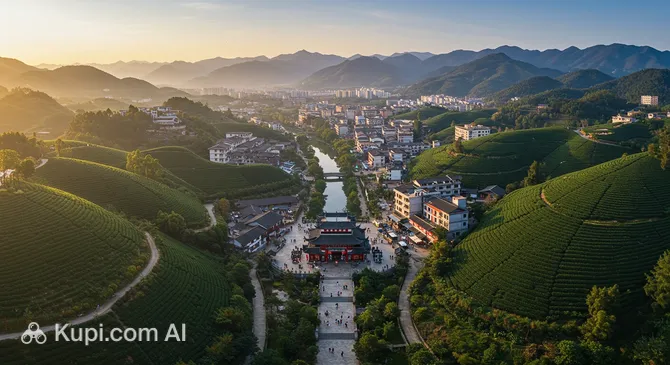
Longnan. Source: Kupi.Binoculars

Home to approximately 2.6 million residents, Longnan is not only a hub of natural beauty but also a region steeped in cultural significance. Travelers eager to explore the history of Longnan will find that it is considered one of the birthplaces of the Qin culture and played a strategic role during the Three Kingdoms period. The area serves as an important gateway, blending the ruggedness of the northwest with the delicate beauty of the south.

The city is a paradise for nature lovers, boasting remarkable attractions such as the Wanxiang Cave. Known as the "Underground Art Palace," this limestone cave system is famous for its spectacular stalactites and stalagmites. Another highlight is the Wenxian Tianchi National Forest Park, where a stunning alpine lake mirrors the surrounding mountains, offering a tranquil escape from the bustling world.

Whether you are hiking through its green mountains, exploring ancient caverns, or simply soaking in the mild atmosphere, Longnan promises an unforgettable travel experience. It is an ideal stop for those looking to discover the ecological diversity and hidden historical treasures of northwestern China.

Weather Overview

The climate in Longnan varies significantly across the seasons, offering distinct experiences for travelers throughout the year. Summers are generally mild and comfortable, with July being the warmest month, averaging around 19.1°C. While the temperatures are pleasant for outdoor exploration, this period also experiences the highest frequency of wet days, often reaching up to 19 days in July and August, suggesting that rain gear is an essential packing item.

In contrast, the winter months bring a sharp drop in temperature. January is typically the coldest time of the year, with an average temperature of -4.2°C and lows plunging to -8.5°C. Despite the cold, winters are significantly drier compared to the summer, with December and January seeing as few as 5 to 6 wet days. To help plan your activities around these conditions, it is helpful to review the detailed forecast for the weather in Longnan.

Spring and autumn serve as transitional periods, with temperatures gradually rising from an average of 4.8°C in March to 13.1°C in May, and cooling down from 14.6°C in September. Overall, you can expect mild summers with frequent precipitation and cold, relatively dry winters.

Interesting Facts

Beyond the main attractions, Longnan holds many fascinating secrets that reveal its unique position as a biological and cultural crossroads. This region defies the arid stereotypes of the northwest, offering surprises that range from rare wildlife to Mediterranean-style agriculture.

  • The Olive Capital: In a surprising agricultural twist, Longnan is recognized as a premier base for olive cultivation in China. The Wudu District shares a latitude and climate similar to the Mediterranean, allowing it to produce high-quality olive oil and earning it the reputation as the "hometown of olives" in the country.

  • Home to Wild Pandas: While usually linked to neighboring provinces, the endangered giant panda also calls Longnan home. The Baishuijiang National Nature Reserve in Wenxian County contains the largest population of wild pandas in Gansu, serving as a critical habitat for the species.

  • A Living Tradition: Xihe County is celebrated as the birthplace of the Qiqiao Festival, also known as the Begging for Skills Festival. This ancient custom, observed during the Double Seventh Festival, sees local women performing elaborate ceremonies to pray for ingenuity and wisdom, a practice preserved here for millennia.

  • Golden Snub-nosed Monkeys: The city's lush forests are a sanctuary for the Sichuan golden snub-nosed monkey. These rare and beautiful primates inhabit the Yuhe Nature Reserve, thriving in the region's dense vegetation and contributing to its status as a biodiversity hotspot.

How to Get There

Reaching this scenic part of Gansu requires some planning, as the city is tucked away in a mountainous region. However, the journey offers a chance to see the diverse landscapes of western China. You can find more about how to get to Longnan to help you choose the most convenient route for your itinerary.

The most direct air route is via Longnan Chengxian Airport (LNL). Although it serves the city, travelers should note that it is located in Cheng County, approximately 92 km from the Longnan city center. A journey by taxi or airport shuttle from here typically takes about 2 hours and 40 minutes. It is a smaller regional airport, so flight connections may be limited compared to major hubs.

If direct flights are unavailable, a viable alternative is flying into Guangyuan Airport (GYS) in the neighboring city of Guangyuan. Situated roughly 134 km from Longnan, this airport is another convenient entry point. The transfer by road from Guangyuan generally takes around 3 hours and 40 minutes. For those seeking a major transport hub with more frequent connections, Mianyang Nanjiao Airport (MIG) in Mianyang is a larger facility handling significantly more passenger traffic. However, it is located about 219 km away, which entails a considerably longer ground transfer.

For clarity, here is a summary of the main airports serving the region:

Airport Name City Passenger Traffic Km from City
Mianyang Nanjiao Airport Mianyang Medium 219.4
Guangyuan Airport Guangyuan Small 133.7
Hanzhong Airport Hanzhong Small 214.8
Longnan Chengxian Longnan Small 91.9
Jiuzhai Huanglong Airport Songpan Small 130.3

Main Attractions

Longnan is a treasure trove of natural wonders, offering a distinct blend of northern grandeur and southern elegance. The city's unique geography has created a landscape filled with karst caves, alpine lakes, and lush forests that are quite rare for this part of the country. Below are some of the most captivating places to explore during your visit.

Guan'e Gou National Forest Park is arguably the most breathtaking natural attraction in the region. Located in Dangchang County, this scenic area is often compared to the famous Jiuzhaigou Valley due to its chain of crystal-clear alpine lakes and cascading waterfalls. The park is a paradise for hikers and photographers, featuring deep canyons, precipitous cliffs, and virgin forests that change colors dramatically with the seasons. Visitors can explore the "Goose Gorge" with its stunning water features or venture further into the mountains to see the majestic peaks that surround the valley.

For a journey into the earth's depths, Wanxiang Cave in the Wudu District is a must-see. With a history spanning over 250 million years, this massive limestone cave system extends for kilometers, though only a portion is open to tourists. It is renowned as the "Underground Art Palace" because of its spectacular array of stalactites, stalagmites, and stone pillars that resemble various figures and landscapes. The cave is illuminated with colorful lights, enhancing the mystical atmosphere and highlighting the intricate geological formations.

If you are looking for a tranquil escape that feels more like the subtropical south, head to the Yangba Scenic Area in Kangxian County. Known as the "Natural Oxygen Bar" of Gansu, this area is covered in dense bamboo forests and tea plantations. The humid climate and verdant hills create a relaxing environment perfect for leisurely walks and eco-tourism. It offers a rare opportunity to experience tea culture and lush greenery in the heart of northwest China, making it a refreshing contrast to the more arid landscapes typical of the province.

Another significant site is the Xixia Ode Scenic Area in Cheng County, which combines natural beauty with deep cultural heritage. It is famous for the "Ode to Xixia," a well-preserved ancient cliff inscription that dates back to the Eastern Han Dynasty. This site attracts calligraphy enthusiasts and history buffs who come to admire the exquisite ancient writing and explore the surrounding gorge, which features charming pavilions and walking paths nestled among the cliffs.

Local Cuisine

The local cuisine of Longnan is a fascinating blend that reflects its geographic position on the border of Gansu, Sichuan, and Shaanxi provinces. While it retains the wheat-based traditions typical of northwest China, the flavors are heavily influenced by the spicy and numbing notes of neighboring Sichuan, creating a unique culinary identity known for being distinctively sour and spicy.

One of the most iconic dishes you must try is Yangyu Jiaotuan, a unique type of potato mash. Unlike Western mashed potatoes, this dish involves vigorously stirring boiled potatoes until they become sticky and chewy. It is typically served in a bowl with a flavorful broth containing vinegar, chili oil, garlic, and pickled vegetables. It is a humble yet beloved comfort food that perfectly represents the region's reliance on hearty, locally grown ingredients.

For breakfast or a quick lunch, Douhua (Bean Curd Pudding) is a local favorite. In Longnan, this soft, silken tofu is usually served savory rather than sweet. It comes topped with a generous spoonful of spicy chili oil, crushed peanuts, soybeans, and chopped green onions, offering a rich texture and a kick of heat to start the day. You will also frequently encounter Mianpi, cold steamed noodles made from wheat flour, dressed in a tangy, spicy sauce that offers a refreshing contrast during the warmer months.

When it comes to beverages, the traditional Guan Guan Tea is central to local social life, particularly in the rural counties. This is not just a drink but a ritual where tea leaves are toasted in a small clay pot (the "guan") over a charcoal fire before water is added. Locals often infuse the tea with rock sugar, red dates, and wolfberries, creating a concentrated and warming brew. It is traditionally enjoyed leisurely by the stove, often accompanied by toasted bread or walnuts.

The food culture in Longnan is unpretentious and vibrant, best experienced in the bustling street markets and small family-run eateries rather than high-end restaurants. The night markets are particularly lively, filled with the aroma of grilling meat and vinegar. Additionally, as the city is known as the "Olive Capital of China," you may find unique local products infused with high-quality olive oil, which is becoming a signature ingredient in the region's evolving gastronomy.

Travel Tips

Traveling to Longnan offers a unique blend of cultures and landscapes, but being prepared for its specific conditions ensures a smoother journey. Here are some practical tips to help you navigate the "Little Jiangnan" of Gansu with ease and confidence.

  1. Clothing and Gear: Since the region features a moist subtropical climate, summers can be humid and rainy, so packing a waterproof jacket and an umbrella is essential. If you plan to explore natural sites like the Wanxiang Cave or hike in Guan'e Gou, bring sturdy, comfortable walking shoes with good grip to handle uneven and potentially slippery terrain.

  2. Transportation: Within the city districts, taxis and local buses are affordable and convenient. However, many major attractions are spread across different counties, often far from the city center. For these longer trips, hiring a private driver or using ride-hailing apps like DiDi is often more efficient than relying solely on public transit.

  3. Finances: The local currency is the Chinese Yuan (CNY). While some high-end hotels may accept international credit cards, the vast majority of transactions—from street food to entry tickets—are done via mobile payment platforms like Alipay or WeChat Pay. It is highly advisable to set these up before arrival and carry some cash for rural areas.

  4. Health and Safety: Longnan is generally very safe, but the mountainous terrain requires caution, especially during the rainy season when landslides can occur. Pharmacies are easily identified by a green cross, but English service is rare, so bring a translation app and a supply of any personal prescription medications you might need.

  5. Communication: English is not widely spoken outside of major transport hubs or luxury accommodation. To navigate effectively, download offline translation tools and Chinese navigation apps like Baidu Maps or Amap. Purchasing a local SIM card is crucial for staying connected and using these digital services.

  6. Local Etiquette: The locals are known for their hospitality, often centering around tea culture. If you are invited to share a pot of traditional Guan Guan Tea, accept the gesture graciously, as it is a key social ritual. In dining settings, wait for the host to start eating before you begin.

  7. What to Avoid: Avoid underestimating travel times between scenic spots. The winding mountain roads can make distances take much longer to cover than they appear on a map, so do not pack your itinerary too tightly to avoid rushing through the beautiful landscapes.

  8. Local Specialty: Take advantage of Longnan's reputation as the "Olive Capital" of China. The region produces high-quality olive oil and olive-based cosmetics, which are excellent local products to buy as souvenirs, offering a quality that rivals Mediterranean producers.

By keeping these practicalities in mind, you can focus on enjoying the lush scenery and rich culture that make this city so special. Have a wonderful trip exploring this hidden gem of the northwest!

Entertainment & Nightlife

Nightlife in Longnan is a reflection of the city's relaxed and welcoming character. Unlike the high-energy clubbing scenes found in China's massive coastal metropolises, the evening atmosphere here is grounded in local culture, social dining, and scenic leisure. The nightlife is concentrated primarily in the Wudu District, where the city comes alive after sunset with neon lights reflecting off the river and the savory aromas of street food filling the air.

The heart of the evening action is often found around Wanxiang Street. This vibrant area acts as a social hub for residents and visitors alike. It is a fantastic place to experience the local lifestyle, with people strolling, shopping, and enjoying the cool evening air. The street is lined with various shops and eateries, offering a perfect mix of commercial buzz and casual leisure that defines the city's after-dark appeal.

For food enthusiasts, the Longnan Food Street (Meishijie) is an unmissable destination. As night falls, this area buzzes with activity as outdoor stalls and restaurants serve up local specialties. The atmosphere is casual and noisy in the best possible way, filled with the clatter of woks and lively conversations. You must try the local night markets here, where open-air barbecue (Shao Kao) and spicy hotpot are the stars. The dress code is entirely casual, and prices are very affordable.

If you prefer a more low-key evening, a stroll along the Bailong River scenic belt is highly recommended. The riverside promenades are beautifully lit and safe for night walks. You will see locals practicing square dancing, playing traditional instruments, or simply enjoying the river breeze. It is the perfect spot to observe the authentic lifestyle of the city in a tranquil setting.

When planning your entertainment schedule, it is important to note that the famous Wanxiang Cave is strictly a daytime attraction. Unlike some urban landmarks that stay open late, the cave typically closes its doors in the late afternoon, around 17:30. It is best to schedule this "Underground Art Palace" for the morning or early afternoon, leaving your evenings free to explore the city's culinary and social scenes.

Practical advice for enjoying Longnan at night includes heading out around 8:00 PM when the streets are liveliest. Public transport slows down late at night, so taxis are the best way to get around; they are plentiful and inexpensive within the city limits. Ride-hailing apps are also reliable. The city is generally very safe, but as with any travel destination, it is wise to stick to well-lit main streets.

Parks & Museums

Longnan offers a refreshing blend of lush subtropical scenery and deep-rooted history, making its parks and cultural venues distinct from the typical arid landscapes of northwestern China. The city’s green spaces are characterized by alpine lakes and dense forests, while its museums preserve the legacy of the early Qin Dynasty and the region’s diverse ethnic traditions.

Wenxian Tianchi National Forest Park is one of the most enchanting natural areas in the region. Located in Wen County, this alpine barrier lake was formed by ancient seismic activity and sits at an elevation of over 2,400 meters. Often referred to as the "Heavenly Lake," it is renowned for its crystal-clear waters that reflect the surrounding peaks and changing seasons like a mirror. A local legend claims that not a single fallen leaf floats on the water's surface, preserving its pristine emerald appearance year-round. It is a perfect spot for those seeking tranquility and untouched nature.

For a relaxing experience closer to the city center, the Bailong River Scenic Belt serves as the green lung of the Wudu District. Stretching along the riverbanks, this linear park features well-maintained walking paths, willow trees, and pavilions. It is a favorite spot for locals to exercise, practice traditional instruments, or simply enjoy a leisurely stroll. The park comes alive in the late afternoon, offering a glimpse into the slow-paced and riverside lifestyle of the city's residents.

To understand the profound historical significance of the region, a visit to the Longnan City Museum in the Wudu District is essential. The museum houses a comprehensive collection of artifacts that trace the area's history from the Neolithic age to modern times. Highlights include exquisite painted pottery, ancient calligraphy, and exhibits dedicated to the unique folk customs of the local Qiang and Tibetan ethnic groups. It provides a fascinating narrative of Longnan’s role as a cultural corridor connecting the northwest with the southwest.

History enthusiasts should also venture to the Dabaozishan Site and Museum in Li County (Lixian). This archaeological site is of immense importance as it represents the ancestral home of the Qin people before they unified China. The museum displays monumental findings from the early Qin nobility tombs, including magnificent bronze ritual vessels and gold ornaments. These artifacts offer a rare window into the formative years of one of China's most influential dynasties.

Insider Tip: For a unique cultural experience that feels more like southern China, visit the tea plantations in the Yangba Scenic Area of Kang County. Walking through the terraced tea fields offers not only fresh air and beautiful views but also a chance to see the traditional tea-picking process, a rare sight in Gansu province.

Getting Around

Navigating Longnan is relatively straightforward, though the options are more limited compared to China's mega-cities. The primary mode of public transportation within the main urban area, particularly the Wudu District, is the public bus network. There is no metro or tram system in the city. Buses are frequent and cover most major streets, residential areas, and commercial hubs, making them a reliable way to move between the city center and the railway station.

The payment system for public transport is highly digital. While buses generally have coin boxes for cash fares—typically costing 1 to 2 CNY—carrying exact change is necessary as drivers do not provide it. The most convenient method for tourists is to use mobile payment apps like Alipay or WeChat Pay. You can scan the QR code located near the bus entrance to pay your fare instantly. Physical transit cards exist for locals, but they are generally not necessary for short-term visitors given the ease of mobile payments.

For a smooth experience, it is highly recommended to download a Chinese navigation app such as Baidu Maps or Amap (Gaode Maps). Bus stop signs and route information are almost exclusively in Chinese, so having a real-time map app will help you identify the correct bus number and know exactly when to get off. Most bus lines operate from early morning, around 6:30 AM, until approximately 8:30 PM or 9:00 PM. Be aware that service frequencies drop significantly after dinner time.

Taxis and ride-hailing services are extremely popular alternatives and are quite affordable in Longnan. You can easily hail a taxi on the street; they are usually green or yellow and operate with a meter. For a more seamless experience without language barriers, use the DiDi app (often integrated into Alipay) to book a car. This allows you to input your destination in English or via a map pin, ensuring the driver knows exactly where you want to go without needing to speak the language.

A unique aspect of traveling in Longnan is the geography; the city is built along a river valley, making it quite linear. This means that while distances on a map might look short, travel can be constrained by the terrain. Additionally, if you plan to visit attractions in different counties (like the airport in Cheng County or scenic spots in Dangchang), you will need to rely on long-distance coaches or private drivers, as the city bus network does not extend to these outlying regions.

Accommodation

Finding the perfect place to stay in Longnan is relatively easy, though the options differ slightly from those in major international tourist hubs. The accommodation landscape is dominated by **mid-range hotels** and practical business hotels, which offer comfortable amenities at very reasonable prices. For budget-conscious travelers, there are numerous clean and simple guesthouses, particularly in the county towns near scenic spots. While ultra-luxury international chains are scarce, you can find high-quality local resorts and 4-star standard hotels that provide excellent service and modern facilities.

The most convenient area for most travelers is the **Wudu District**, which serves as the city's administrative and commercial center. Staying here places you close to major transport hubs, such as the bus stations that connect to outlying attractions, as well as the lively night markets and the scenic Bailong River. However, if your itinerary focuses heavily on nature, such as the famous Guan'e Gou National Forest Park, it is practical to book accommodation in **Dangchang County** for a night or two to minimize travel time between the mountains and the city.

Booking Tip: A crucial detail for international travelers visiting smaller Chinese cities like Longnan is to verify that your chosen hotel is licensed to accept foreign guests. Not all properties have the necessary clearance to host non-mainland ID holders. It is highly recommended to use major international booking platforms or contact the hotel directly to confirm this policy before making a reservation, especially if you are traveling during peak periods like the National Day holiday in October.

In terms of pricing, Longnan is generally very affordable compared to China's coastal cities. **Budget** stays can often be found for as little as 100 to 200 CNY per night, while comfortable **mid-range** options typically fall between 200 and 450 CNY. Even the more upscale local hotels rarely exceed 600 to 800 CNY. Most bookings are best made through online travel agencies, which offer the most up-to-date availability and allow you to filter for properties that welcome international tourists.

Nearby Cities

For those looking to explore the surroundings, Longnan serves as an excellent base for day trips to several interesting nearby locations. The region sits at a unique intersection of provinces, allowing travelers to easily access rich historical sites and diverse landscapes in neighboring areas.

Guangyuan is the closest major city and a fantastic destination for history buffs. Located just across the border in Sichuan, it is famous as the birthplace of Wu Zetian, the only female emperor in Chinese history. Visitors can explore the breathtaking Jianmen Pass, a legendary mountain pass known for its steep cliffs and strategic importance on the ancient roads into Sichuan.

To the north lies Tianshui, a cultural treasure trove renowned for the spectacular Maijishan Grottoes. Often referred to as the "Oriental Sculpture Museum," this site features thousands of Buddhist statues carved into a sheer cliff face connected by winding walkways. It is one of the most significant Buddhist art sites in China and offers a profound glimpse into the Silk Road's religious heritage.

Another worthwhile stop is Hanzhong, often called the cradle of the Han Dynasty. Nestled in a basin south of the Qinling Mountains, it is celebrated for its pivotal role during the Three Kingdoms period. In the spring, the countryside around the city transforms into a stunning sea of yellow rapeseed flowers, attracting photographers and nature lovers from all over the country.

City Population Distance (km)
Mianyang 4868243 216
Hanzhong 3416196 199
Tianshui 3365000 150
Guangyuan 2484122 137
Langzhong 728935 228

These nearby destinations offer a glimpse into the diverse culture and landscapes of the region, making them perfect additions to your travel itinerary.

Shopping & Souvenirs

Shopping in Longnan is less about hunting for international luxury brands and more about discovering the region's rich agricultural heritage and unique local specialties. As a city nestled between the mountains and influenced by the climates of both the north and south, Longnan offers a commercial scene that focuses on authentic local products, traditional Chinese medicine ingredients, and daily necessities. Visitors will find that the shopping experience here provides a genuine glimpse into the livelihood of the locals, with prices that are generally very reasonable compared to larger Chinese metropolises.

The main commercial activity is concentrated in the Wudu District, the city's administrative center. The bustling streets around Panlong Square and the central pedestrian areas are lined with a mix of clothing boutiques, sportswear outlets, and electronics shops. Wanxiang Street, which is also a hub for evening entertainment, serves as a key shopping destination during the day, offering everything from local snacks to modern fashion items. A stroll through these areas allows you to soak in the vibrant atmosphere of a developing western Chinese city.

For a more modern retail experience, the city features several shopping centers such as the Longnan Department Store and newer developments like the Dongjiang Times Square area. These malls provide a comfortable, climate-controlled environment where you can find supermarkets, cinemas, and chain restaurants alongside domestic fashion retailers. While they may not rival the massive complexes in Beijing or Shanghai, they are convenient spots to restock on travel supplies or purchase higher-quality clothing.

To truly understand the local culture, a visit to the local farmers' markets is essential. These markets are sensory explosions filled with the aroma of spices and fresh produce. Here, you can see the abundance of the region's agriculture, from piles of fiery red chilies to sacks of fragrant Sichuan peppercorns (Huajiao). The morning markets are particularly lively, offering a chance to buy fresh fruits like walnuts and persimmons directly from local growers.

When it comes to souvenirs, Longnan has several distinctive products that make for excellent gifts. The region is famous as the "Olive Capital" of China, so purchasing high-quality olive oil or olive-based cosmetics is a must. Additionally, Longnan is a major production base for traditional Chinese medicine; high-quality herbs like Angelica sinensis (Dang gui), rhubarb, and Codonopsis pilosula are widely available and highly regarded. For foodies, a bag of the local Wudu peppercorns or Kangxian green tea will allow you to bring the flavors of Gansu back home.

Most shops in Longnan operate from around 9:00 AM to 9:00 PM, though supermarkets and smaller convenience stores may stay open later. In terms of payment, cash is still accepted, but the vast majority of transactions are handled via mobile apps like WeChat Pay and Alipay. International credit cards are rarely accepted outside of major hotels, so it is crucial to have your mobile payment set up or carry sufficient Chinese Yuan (CNY) for your shopping needs. Tax-free shopping for tourists is generally not available in this region.

Reached the end of the page?

That means the route is fully explored