Support

Mianyang

About

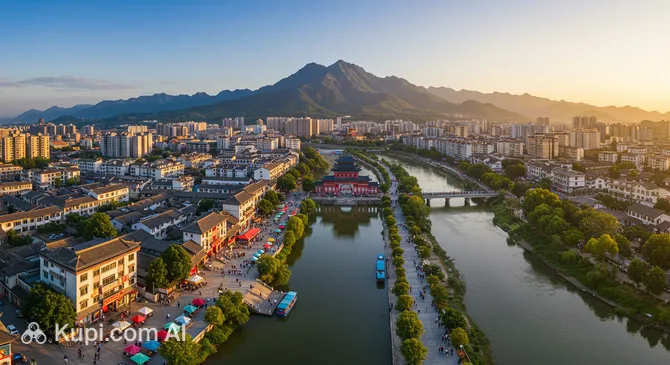
Mianyang is a vibrant metropolis and the second-largest city in the Sichuan province of China. Often celebrated as the "Western Science and Technology City," it offers a fascinating blend of modern innovation and rich cultural heritage. Situated in the northwestern part of the Sichuan Basin along the middle and upper reaches of the Fu River, the city provides a picturesque setting that harmonizes its industrial significance with natural beauty.

Mianyang. Source: Kupi.Binoculars

The region boasts a deep cultural legacy that captivates visitors from around the world. Exploring the history of Mianyang reveals its storied past, most notably as the hometown of the renowned Tang Dynasty poet, Li Bai. This profound connection to ancient literature adds a poetic charm to the city, inviting travelers to delve into the artistic soul of the region while enjoying its contemporary amenities.

Nature lovers and history buffs will find plenty to admire in Mianyang. The city serves as a gateway to stunning landscapes, such as the scenic Mount Luofu, famous for its unique karst landforms and relaxing hot springs. For those interested in modern achievements, the city's status as a hub for research is showcased in various institutions and the impressive Science and Technology Museum. With a population of over 4.8 million, Mianyang offers a lively urban atmosphere balanced by the tranquility of its surrounding mountains and rivers.

Whether you are interested in walking in the footsteps of ancient poets or exploring the frontiers of technology, Mianyang provides a truly unique travel experience. It is a destination that promises both educational insights and memorable adventures, making it a must-visit stop on any Sichuan itinerary.

Weather Overview

Mianyang experiences a climate characterized by distinct seasonal variations, making it important to choose the right time for your visit. The city generally sees its warmest weather during the summer months, particularly in August, when average temperatures reach approximately 26.9°C and daily highs can climb to around 30.6°C. This season also brings the highest frequency of rainfall, with July recording up to 20 wet days, so travelers should be prepared for regular showers.

In contrast, the winter months are significantly cooler and drier in terms of rainfall volume, though the air remains crisp. January is typically the coldest month, with average temperatures dipping to 5.8°C and lows around 2.3°C. To plan your trip effectively, it is helpful to consult the detailed guide on the weather in Mianyang before packing. Overall, visitors can expect warm summers with frequent precipitation and cool winters with relatively low rainfall amounts.

Interesting Facts

Beyond the main attractions, Mianyang holds many fascinating secrets that surprise even seasoned travelers. From ancient culinary traditions to rare wildlife sanctuaries, the city offers unique discoveries around every corner.
  • Sanctuary for Giant Pandas: While other cities are famous for breeding centers, Mianyang's Pingwu County is often called the "County of Giant Pandas." It is home to the Wanglang National Nature Reserve, which supports one of the highest densities of wild giant pandas in China.

  • The Home of the God of Literature: Zitong County is celebrated as the birthplace of Wenchang culture. The Seven-Curve Mountain Great Temple located here is the ancestral temple of the Wenchang Emperor, drawing students from across the country to pray for academic success.

  • A Breakfast with History: The local Mianyang Rice Noodles are a culinary icon with a history spanning over 1,800 years. Legend says that the warlord Liu Bei from the Three Kingdoms period was so impressed by their taste that he declared them the finest in the region.

  • Guardian of Qiang Traditions: Mianyang oversees Beichuan, the only Qiang Autonomous County in the country. This area serves as a vital preservation center for the unique architecture, colorful festivals, and rich heritage of the Qiang ethnic minority.

How to Get There

Reaching Mianyang is relatively straightforward thanks to its location within the dynamic Sichuan province. Whether you are arriving by air or utilizing the extensive rail network of the region, there are several options to suit your itinerary. For a comprehensive guide on all available transport methods, you can read more about how to get to Mianyang.

For air travel, the most convenient option is the local Mianyang Nanjiao Airport (IATA: MIG). It is situated directly in Mianyang, just 7.3 km from the city center. This regional hub handles a moderate volume of passengers, making arrival quick and easy; a taxi or bus ride to the downtown area typically takes about 30 minutes. Alternatively, international travelers often choose Chengdu Shuangliu International Airport (IATA: CTU), a major aviation hub located in the city of Chengdu. Although it is approximately 121 km away from Mianyang, it offers a wider range of flight connections. The journey by road from Chengdu Shuangliu to Mianyang takes around 3 hours and 20 minutes.

For clarity, here is a summary of the main airports:

Airport Name City Passenger Traffic Km from City
Chengdu TianfuChengduVery High129.4
Chengdu Shuangliu International AirportChengduHigh120.9
Mianyang Nanjiao AirportMianyangMedium7.3
Guangyuan AirportGuangyuanLow140.8
Langzhong Gucheng AirportLangzhongLow128.9

If you are traveling by train through the wider region, you might transit through major railway hubs in neighboring cities. One significant station is Chongqing West Railway Station (IATA: CKJ), located in Chongqing. It is a major transport center handling a very large number of passengers annually. However, please note that this station is about 272 km away from Mianyang. Traveling from there to Mianyang by road would take approximately 4 to 5 hours. Another option in the vicinity is Neijiang North Railway Station (IATA: NJB) in Neijiang, roughly 211 km from Mianyang, which serves as a regional connector.

Below is a list of the railway stations in the broader region:

Station City Passenger Traffic Km to Center
Chongqing West Railway StationChongqingVery High271.8
Neijiang North Railway StationNeijiangMedium211.2
Chongqingbei Railway StationChongqing272.8
Shapingba Railway StationChongqing275.2

Main Attractions

One of the most culturally significant sites in the region is the Li Bai Memorial Hall, located in nearby Jiangyou. Dedicated to China's most celebrated poet from the Tang Dynasty, this expansive complex is designed in the style of a classic garden, featuring pavilions, corridors, and serene ponds. It is a fascinating destination for those who wish to understand the literary soul of the country, offering a vast collection of his poems, calligraphy, and historical artifacts that trace his life and wandering spirit.

For a blend of spiritual tranquility and artistic grandeur, Shengshui Temple (Holy Water Temple) is a must-visit. Perched on a hillside overlooking the Fu River, the temple is renowned for its massive array of lifelike statues, particularly the hundreds of Arhats that line the cliffside. The intricate craftsmanship of these figures and the temple's commanding views of the city make it a photographer's paradise and a peaceful retreat from the urban bustle.

Dominating the city's skyline is the majestic Yuewang Tower, often counted among the great historical towers of China. Originally built during the Tang Dynasty and restored to its former glory, the tower stands as a symbol of Mianyang's rich heritage. Visitors can climb to the top for a panoramic view of the city and the converging rivers, a sight that is especially spectacular at night when the tower and the surrounding riverbanks are illuminated by a vibrant light show.

Nature enthusiasts and those seeking relaxation should explore Mount Luofu, famous for its unique karst geology and drifting mists that give it the appearance of floating among the clouds. Beyond its scenic hiking trails and ancient Taoist relics, the area is widely celebrated for its hot springs. The mineral-rich waters here provide a perfect way to unwind after a day of sightseeing, offering a therapeutic experience amidst lush natural surroundings.

Local Cuisine

The culinary landscape of Mianyang is a fiery testament to its location in the heart of the Sichuan basin, offering a gastronomic journey defined by bold flavors and aromatic spices. As a city in China famed for its love of food, Mianyang presents a local cuisine that balances the famous "Ma La" (numbing and spicy) sensation with distinct regional specialties. Food here is not just sustenance; it is a vibrant part of daily life, with the streets often filled with the appetizing scents of chili oil, Sichuan peppercorns, and simmering broths.

The undisputed king of the local food scene is Mianyang Rice Noodles (Mianyang Mifen). Unlike the thicker noodles found elsewhere, these are exceptionally thin and delicate, allowing them to absorb flavors instantly. This dish is the quintessential breakfast for locals, who start their day early at street-side stalls. The noodles are typically served in one of three broths: a fiery red soup with beef, a clear chicken broth, or a mixed flavor. Topped with ingredients like pickled vegetables, seaweed, and braised meat, a bowl of Mifen is a must-try experience that defines the city's morning rhythm.

For a hearty lunch or dinner, adventurous eaters should seek out Jiangyou Braised Intestines (Jiangyou Feichang). Originating from the nearby Jiangyou area, this dish has become a signature delicacy throughout Mianyang. The intestines are meticulously cleaned and cooked in various ways—braised in soy sauce, dry-fried with chilies, or stewed with potatoes—resulting in a texture that is surprisingly crispy on the outside and tender on the inside. Of course, no trip to this region is complete without gathering around a bubbling Sichuan Hot Pot, a communal feast where diners cook fresh meats and vegetables in a spicy, oil-rich soup base.

To balance the heat of the cuisine, the local drinking culture leans heavily towards tea. Traditional teahouses are scattered throughout the city, serving green and jasmine teas that help cleanse the palate and aid digestion. For something stronger, the region is known for its production of Baijiu, a potent white spirit often enjoyed during celebratory dinners. Non-alcoholic options like chilled soy milk or peanut milk are also popular accompaniments to spicy meals, providing a soothing contrast to the chili heat.

The true spirit of Mianyang's food culture is found in its "fly restaurants"—small, unpretentious eateries known for delicious, affordable food rather than fancy decor. Tourists should not hesitate to explore the bustling night markets and back alleys where the atmosphere is liveliest. Whether you are grabbing a quick skewer of barbecue on the street or sitting down for a banquet of spicy dishes, the city offers an authentic and unpretentious dining environment that welcomes everyone with open arms.

Travel Tips

Preparing for a trip to Mianyang ensures you can fully enjoy its unique blend of ancient history and modern innovation without any hassle. These practical tips are designed to help you navigate the city smoothly, allowing you to focus on the sights and flavors of this dynamic Sichuan destination.

  1. Clothing and Gear: The climate in Mianyang is generally mild but humid. In summer, bring light, breathable fabrics and rain gear, as this is the wettest season. Winters can feel damper and colder than the thermometer suggests, so pack warm layers and a good jacket. If you plan to hike Mount Luofu or visit temple complexes, comfortable walking shoes are essential. Modest clothing covering shoulders and knees is appreciated when visiting religious sites like Shengshui Temple.
  2. Transportation: Getting around Mianyang is convenient even without a metro system. Taxis are plentiful and affordable, making them a primary choice for tourists. Ride-hailing apps like DiDi are widely used and often have English interfaces. The public bus network is extensive and covers most major attractions, but route maps are usually in Chinese, so having a navigation app is helpful. Car rental is generally not recommended for short-term visitors due to complex traffic conditions and licensing requirements.
  3. Finances: The local currency is the Chinese Yuan (CNY). While credit cards are accepted in major hotels, daily life in China runs on mobile payments. It is highly recommended to download Alipay or WeChat Pay and link your international card before arrival, as even small street vendors prefer these methods over cash. ATMs are available, but carrying a small amount of cash is still wise for backup. Tipping is not part of the local culture and is not expected in restaurants or taxis.
  4. Health and Safety: Mianyang is a safe city for travelers, with low crime rates. However, always exercise standard precautions with your belongings in crowded areas. Pharmacies are marked with a green cross, and many basic medications are available over the counter, though labels will be in Chinese. It is advisable to drink bottled water rather than tap water. In case of emergency, dial 110 for police or 120 for medical assistance.
  5. Communication: Mandarin is the official language, though locals often speak the Sichuan dialect, which can sound quite different. English is not widely spoken outside of high-end hotels and major tourist spots. Installing a translation app that works offline is crucial. Since many western apps and websites are inaccessible, consider purchasing a local SIM card with a data package or setting up an international roaming plan that allows unrestricted internet access. Navigation apps like Amap or Baidu Maps are more accurate locally than global alternatives.
  6. Local Etiquette: Greetings are usually formal but friendly; a nod or a simple "Ni hao" (Hello) works well. When dining, wait to be seated and remember that sticking chopsticks vertically into a bowl of rice is a taboo, as it resembles incense burning for the dead. If you are invited to a meal, be prepared for the host to order plenty of food, as generosity is a key part of hospitality in Sichuan culture.
  7. What to Avoid: Avoid losing your temper or shouting in public, as "saving face" is important in local social interactions; patience yields better results. Also, try not to leave food on your plate if you are a guest, but leaving a tiny amount can signify that you were well-fed and the host provided enough.
  8. Local Insight: Embrace the local morning routine by waking up early to try authentic Mianyang Rice Noodles. The best spots are often crowded with locals by 8:00 AM. Unlike other regions where breakfast might be mild, here it is perfectly normal to start the day with a spicy, flavorful bowl of red broth noodles to wake up your senses.

With these tips in hand, you are ready to explore the streets of Mianyang with confidence. Whether you are climbing ancient towers or savoring spicy delicacies, a little preparation will go a long way in making your journey unforgettable.

Entertainment & Nightlife

As the sun sets, Mianyang transforms from a busy center of science and technology into a city of vibrant lights and energetic social scenes. The nightlife here is less about overwhelming chaos and more about a lively, welcoming atmosphere where locals unwind. The heart of the evening action is undoubtedly along the banks of the Fu River and the An Chang River. As darkness falls, the city's bridges and skyline are illuminated in a dazzling display of neon, creating a picturesque backdrop for a night out.

For those seeking a trendy atmosphere with a mix of history and modern entertainment, the 1958 Cultural and Creative Park is the place to be. Built on the site of an old factory, this district has been revitalized into a stylish hub filled with industrial-chic bars, cafes, and live music venues. It attracts a fashionable crowd of young professionals and students, offering everything from craft beer to creative cocktails. It is the perfect spot to hop between venues without needing a taxi, as many of the city's most popular hangouts are clustered here.

If you prefer a more cultural evening experience, a visit to Yuewang Tower at night is essential. While it is a historical site by day, at night it becomes the centerpiece of Mianyang's light show. Visitors can stroll around the base or climb up to see the city glittering below. Nearby, Tieniu Square offers a glimpse into authentic local life, where residents gather for public dancing, singing, and socializing well into the evening. For late-night food cravings, the Ma'an Road area is famous for its night market vibe, serving up spicy barbecue and local snacks until the early hours.

Practicalities for a night out in Mianyang are straightforward. The city is generally very safe for walking, even late at night, especially in busy districts like Fucheng. Taxis are plentiful and affordable, and ride-hailing apps are the most convenient way to get back to your hotel. Most bars and clubs do not have a strict dress code; smart casual is the norm. Prices for drinks and entertainment are reasonable compared to larger metropolises like Chengdu, making it easy to enjoy a full night out without breaking the bank.

While the nights are exciting, Mianyang offers plenty of daytime diversions as well. Visitors can explore the vast Mianyang Science and Technology Museum to see cutting-edge exhibits or take a relaxing stroll through Mianyang People's Park, a green oasis in the city center. Whether you are soaking up the culture by day or the neon lights by night, the city ensures a memorable experience around the clock.

Parks & Museums

Mianyang offers a refreshing balance between its rapid urban development and a deep appreciation for nature and history. The city is dotted with lush green spaces and educational venues that offer visitors a chance to unwind and delve into the region's rich cultural tapestry, ranging from ancient Three Kingdoms lore to modern scientific achievements.

One of the most celebrated natural areas is Fule Mountain Park, situated on the eastern banks of the river. This scenic spot is steeped in history and is said to be the site where the warlords Liu Bei and Liu Zhang once met, drank wine, and admired the landscape during the Three Kingdoms period. Today, tourists can hike through its classical gardens, rest in elegant pavilions, and climb the imposing Fule Tower. The summit offers panoramic views of the sprawling city and the converging rivers, making it a perfect location for photography and leisurely walks.

For a more relaxed experience in the heart of the city, Mianyang People's Park serves as a communal living room for locals. It is an excellent place to observe daily life, from morning tai chi sessions to groups of friends playing cards or mahjong. The park features shaded walkways, peaceful ponds, and traditional teahouses where visitors can sip fresh green tea while soaking up the laid-back Sichuan atmosphere. It provides a quiet respite from the busy streets and a genuine glimpse into the local lifestyle.

As a hub of innovation, the Mianyang Science and Technology Museum is a key attraction that defines the city's modern identity. This massive venue is particularly engaging for families and technology enthusiasts, featuring interactive exhibits on aerodynamics, space exploration, and satellite technology. Visitors can explore models of rockets, experience 4D cinemas, and learn about the scientific advancements that have shaped China. It offers a fascinating contrast to the city's ancient heritage, highlighting Mianyang's role in the future of science.

To understand the deeper roots of the region, the Mianyang Museum is the premier cultural destination. The museum houses an impressive collection of artifacts ranging from Han Dynasty pottery to intricate stone carvings and bronze wares. It also dedicates significant space to the unique folk customs of the Qiang and Tibetan ethnic minorities found in the surrounding areas. A visit here provides a comprehensive look at the diverse cultural history of northern Sichuan, offering context to the traditions still visible in the city today.

For those seeking a quiet retreat with a touch of history, Xishan Park is a hidden gem worth visiting. Home to the tomb of Jiang Wan, a famous strategist of the Shu Kingdom, the park offers a serene environment filled with ancient cypress trees and calligraphy steles. It is less crowded than other major attractions, providing a perfect escape for travelers looking to connect with the past in silence.

Getting Around

Navigating Mianyang is relatively straightforward and convenient, even for travelers visiting for the first time. Unlike some of China's mega-cities, Mianyang does not currently have an operational metro system, so the public transport network relies primarily on an extensive bus system and a large fleet of taxis. The city is well-connected, and traffic is generally more manageable than in the provincial capital, making getting around efficient and affordable.

The public bus system is the backbone of local transportation, covering the entire urban area and extending into the suburbs. Buses are modern, air-conditioned, and frequent, with most major routes running every few minutes during peak hours. For tourists, this is an economical way to reach major attractions like Fule Mountain or the Science and Technology Museum. Bus stops are clearly marked, though route information is predominantly in Chinese, so having a translation app or a map on your phone is highly recommended to identify the correct line.

When it comes to paying for rides, digital payments are the standard in Mianyang. Most locals use smartphone apps like Alipay (Zhifubao) or WeChat Pay, which generate a QR code to be scanned upon entry. For international visitors, these apps now support linking foreign credit cards, making them the easiest way to pay. If you prefer cash, you must have the exact change ready—typically 2 CNY per ride—as drivers do not carry change. There is also a local transport card known as the "Mianzhou Tong," but for short-term visitors, mobile payments or cash are far more practical.

Taxis are a very popular alternative and are surprisingly affordable compared to Western standards. You can easily hail a taxi on the street; they are usually green or yellow and are equipped with meters. It is advisable to have your destination written in Chinese to show the driver, as English proficiency among drivers may be limited. For a more seamless experience, ride-hailing apps like DiDi are widely used. The DiDi app often has an English interface and allows you to input your destination and pay automatically, eliminating language barriers and the need for cash.

For short distances or leisurely exploration, shared bicycles are scattered throughout the city. Services like HelloBike and Meituan Bike offer bright blue or yellow bikes that can be unlocked using the respective apps or through Alipay/WeChat. This is a fantastic way to explore the scenic riverside paths along the Fu River or navigate the city center's flatter areas at your own pace. Be sure to park them in designated zones to avoid extra fees.

Operating hours for public transport are tourist-friendly, with most bus lines running from early morning (around 6:00 AM) until late evening (usually 9:00 PM or 10:00 PM). Taxis and ride-hailing services are available 24/7. To make your journey as smooth as possible, it is essential to download a reliable navigation app like Amap (Gaode Maps) or Baidu Maps. While they are in Chinese, they offer the most accurate real-time bus schedules and traffic information, far outperforming global map services in this region.

Accommodation

Finding the perfect place to stay in Mianyang is relatively easy, as the city offers a wide spectrum of accommodation options to suit various budgets and travel styles. As a major center for business and technology in Sichuan, the hospitality sector is well-developed, ranging from high-end luxury hotels and international chains to efficient mid-range business hotels and budget-friendly guesthouses. Whether you are looking for 5-star comfort with river views or a clean, simple room near transport hubs, Mianyang has plenty of choices.

For most tourists, the best area to stay is within the Fucheng District, which serves as the commercial and entertainment heart of the city. Staying here places you within walking distance of major shopping malls, delicious street food markets, and vibrant nightlife spots. Another popular and scenic option is to book a hotel along the banks of the Fu River. These properties often offer spacious rooms with panoramic views of the water and the city's illuminated skyline at night, providing a more relaxing atmosphere while still being close to the action.

Business travelers might prefer the High-Tech Industrial Development Zone, where many modern hotels cater specifically to professionals visiting the "Science and Technology City." These hotels are typically equipped with excellent meeting facilities and are located near major corporate offices. For those prioritizing convenience for transit, the areas surrounding Mianyang Railway Station offer numerous mid-range and budget hotels, making it easy to catch an early train or drop off luggage immediately after arrival.

Booking Tips: While Mianyang is not as crowded as Chengdu, it is still advisable to book your accommodation in advance, especially if you are visiting during major Chinese holidays like the Spring Festival (Chinese New Year) or the National Day "Golden Week" in October. During these peak times, prices can rise, and popular hotels fill up quickly. For the rest of the year, last-minute bookings are generally manageable.

In terms of pricing, Mianyang is quite affordable compared to China's first-tier cities. A stay in a comfortable mid-range hotel typically costs between 200 and 400 CNY per night, while luxury experiences can be found for 500 CNY and above. Budget travelers can find decent hostels or economy hotel chains for under 150 CNY. International booking platforms are widely used, but checking major Chinese travel apps can sometimes yield better deals and a wider selection of local properties.

Nearby Cities

Mianyang is strategically located in the Sichuan Basin, surrounded by a cluster of dynamic cities that offer further opportunities for exploration. The most prominent neighbor is Chengdu, the provincial capital, which lies just to the southwest. Known for its laid-back lifestyle and giant pandas, it is a major hub that is easily accessible for a day trip or an extended stay. Closer still is Deyang, a key industrial city situated less than an hour away, making it the nearest urban center to Mianyang.

For those looking to expand their travel itinerary, the region is dotted with populous cities and scenic destinations. Huanglongsi and Suining are within comfortable traveling distance, offering a mix of cultural and natural attractions. Below is a list of nearby cities, complete with their distances and population figures, to help you plan your journey through this vibrant part of China.

City Distance (km) Population
Deyang 46 3,877,000
Chengdu 115 14,645,000
Huanglongsi 133 4,824,016
Suining 135 3,252,619
Nanchong 153 6,278,614

Shopping & Souvenirs

Shopping:

Shopping in Mianyang offers a delightful mix of modern convenience and local charm, reflecting its status as a bustling regional hub in Sichuan. The city’s retail landscape ranges from gleaming multi-story shopping malls housing international brands to lively street markets where traditional commerce thrives. Visitors can find everything from high-end fashion and electronics to unique local handicrafts, making it a satisfying destination for those looking to engage in some retail therapy while exploring the city.

The commercial heart of the city is undoubtedly located in the Fucheng District. The most prominent thoroughfare is Linyuan Road, a busy street lined with department stores, boutiques, and restaurants. This area serves as the primary shopping artery where locals and tourists alike gather to browse the latest trends. Walking along this district provides a vibrant atmosphere, especially in the evenings when the neon lights are ablaze and the streets are filled with shoppers.

For a comprehensive shopping experience under one roof, Mianyang boasts several large malls. Wanda Plaza is a favorite among locals, offering a vast array of clothing stores, a cinema, and numerous dining options, providing a modern and comfortable environment. Another key destination is the Parkson Shopping Center, a well-known department store that features a wide selection of cosmetics, fashion, and household goods. These malls are perfect for travelers seeking familiar western brands or high-quality domestic labels.

Travelers interested in a more authentic local vibe should explore the city's markets. While supermarkets are common, traditional markets still play a vital role in daily life, offering fresh produce, spices, and tea. For those looking for smaller trinkets and affordable goods, the areas around the universities and the pedestrian zones near the city center often host stalls selling accessories, phone gadgets, and clothes at bargain prices.

When it comes to souvenirs, Mianyang has several distinct specialties worth taking home. The most iconic gift is a package of Mianyang Rice Noodles (Mianyang Mifen). These are available in convenient instant gift boxes, allowing you to recreate the city's signature breakfast flavor at home. Additionally, due to the city's proximity to the Qiang ethnic areas, Qiang embroidery is a beautiful and culturally significant purchase. These intricate handicrafts, often found on bags, shoes, and wall hangings, feature colorful geometric patterns. Local teas, such as Beichuan Moss Tea, also make for excellent gifts for friends and family.

Most shops and malls in Mianyang operate from around 10:00 AM to 10:00 PM, giving visitors plenty of time to shop after a day of sightseeing. Payment methods are heavily digital; while some larger stores accept credit cards, the vast majority of transactions are done via Alipay or WeChat Pay. It is highly recommended to have these apps set up on your phone, as even small market vendors prefer mobile payments over cash.

Regarding tax-free shopping, Mianyang is not traditionally a major hub for tax refunds compared to coastal metropolises like Shanghai or Beijing. However, some large international chain stores or high-end malls may offer tax refund services for eligible foreign tourists. It is advisable to look for "Tax Free" signage at the entrance or ask the customer service desk at major department stores for specific policies and requirements.
Reached the end of the page?

That means the route is fully explored