Support

Dadukou

About

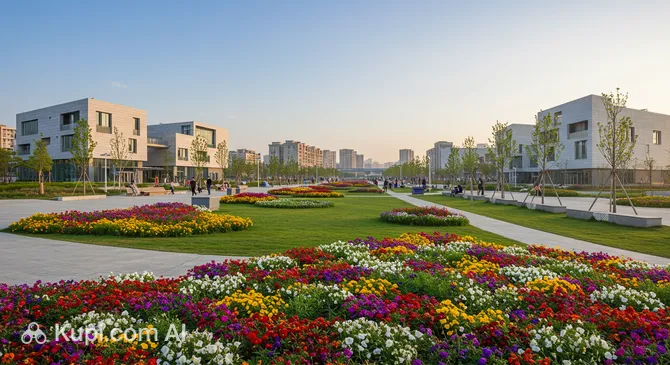
Dadukou is a dynamic and evolving district located in the southwest of the sprawling Chongqing Municipality in China. Situated along the northern bank of the majestic Yangtze River, this area offers a fascinating glimpse into the region's transformation from an industrial powerhouse to a modern, livable urban center. With a population of approximately 1,214,121 residents, it buzzes with local energy while providing a slightly more relaxed pace compared to the dense city center of Chongqing.

Dadukou. Source: Kupi.Binoculars

The area is rich in heritage, having once been a pivotal hub for the nation's steel industry. Travelers interested in how the district has reinvented itself can explore the unique history of Dadukou, which is proudly preserved in its cultural landmarks. Today, the smokestacks have largely given way to green spaces and creative parks, blending the old with the new in a distinct architectural style.

Visitors will find several engaging attractions to fill their itinerary. The Chongqing Industrial Museum is a highlight, creatively repurposing old factory structures to tell the story of the city's industrial past. For those seeking nature, Dadukou Park offers lush scenery and a peaceful environment for a leisure walk. The riverside promenades also provide stunning views of the Yangtze, making Dadukou a worthwhile stop for anyone looking to experience the authentic local lifestyle of Chongqing.

Weather Overview

Dadukou typically experiences a humid climate with distinct seasonal variations, featuring hot summers and mild to cool winters. Before booking your trip, it is helpful to review the detailed weather in Dadukou to ensure you pack the right gear. The coldest months are usually December and January, where average temperatures hover around 8.5°C to 9.0°C, offering a crisp and relatively dry atmosphere with fewer rainy days.

In contrast, the summer months bring heat and humidity, with August seeing average temperatures rise to 29.2°C and daily highs often reaching 33.3°C. Rainfall is quite common during the warmer seasons; from May through July, travelers might encounter up to 18 wet days per month. Overall, visitors can expect warm summers with frequent rain and cool, drier winters.

Interesting Facts

Beyond its reputation as an industrial hub, Dadukou holds fascinating secrets that trace back to ancient times and pivotal moments in history. This district offers more than just riverside views; it is a place where deep-rooted heritage and remarkable resilience have shaped the local identity.
  • The Benevolent Origins of the Name: While "Dadukou" translates to "Grand Ferry Crossing," few visitors know the charitable story behind it. The name originates from the Yidu Ferry, established during the Qing Dynasty by a local philanthropist. This service was created to provide free river crossings for the public, earning the area a lasting reputation for kindness and community spirit before it ever became a city district.

  • A Million-Year History: Dadukou is arguably the cradle of human activity in the region. Archaeologists discovered a stone hand axe at the Mawangchang Ruins that dates back approximately 800,000 to 1 million years. This ancient tool is considered the earliest evidence of human presence in the main urban area of Chongqing, proving that the district's history far predates its modern industrial fame.

  • The Savior of Steel: During the War of Resistance in 1938, Dadukou became the stage for a heroic industrial feat. The famous Hanyang Iron Works was dismantled and painstakingly transported up the Yangtze River to this secure location. This massive relocation effort made Dadukou the backbone of China's wartime steel production, a legacy that defined the district for decades.

  • A British Industrial Treasure: Hidden within the Chongqing Industrial Museum is a rare technological marvel: an 8,000-horsepower steam engine manufactured in Sheffield, UK, in 1905. This massive machine, which once powered the country's first heavy rolling mill, is one of the few surviving examples of its kind in the world and serves as a stunning centerpiece for industrial history enthusiasts.

How to Get There

Reaching this district is relatively straightforward thanks to its proximity to major transportation hubs in the region. Whether you are arriving by air or rail, efficient connections make the journey smooth. For a complete guide on routes and transport options, you can read more about how to get to Dadukou on our detailed page.

The city of Dadukou does not have its own airport, but you can fly into Chongqing Jiangbei International Airport (IATA: CKG) in the city of Chongqing, which is about 30.3 km from Dadukou. It is a major international gateway with extensive connections. From there, you can get a taxi or bus, which takes about 65 minutes. Alternatively, travelers can use Chongqing Xiannyushan Airport (IATA: CQW) located in Wulingshancun, approximately 117.4 km away. The transfer from this regional airport takes around 3 hours and 15 minutes.

For clarity, here is a summary of the main airports:

Airport Name City Passenger Traffic Km from City
Chongqing Jiangbei International Airport Chongqing Very High 30.3
Zunyi (Maotai) Zunyi Medium 185.4
Dazhou Jinya Airport Dazhou Medium 195.9
Nanchong Airport Nanchong Medium 146.7
Chongqing Xiannyushan Airport Wulingshancun Low 117.4

Traveling by train is also a very convenient option. The city of Dadukou does not have a major railway station listed in the immediate center, but you can arrive at the Shapingba Railway Station (IATA: CKF) in the city of Chongqing, which is only about 5.3 km from Dadukou. From there, you can get a taxi or bus, which takes about 28 minutes. Another excellent option is the Chongqing West Railway Station (IATA: CKJ), located in Chongqing roughly 8.5 km away. This is a significant hub, and the transfer takes approximately 33 minutes.

Below is a list of the nearest railway stations:

Station City Passenger Traffic Km to Center
Chongqing West Railway Station Chongqing Very High 8.5
Wanzhou North Railway Station Wanzhou Medium 237.1
Neijiang North Railway Station Neijiang Medium 140.6
Chongqingbei Railway Station Chongqing 15.5
Shapingba Railway Station Chongqing 5.3

Main Attractions

Dadukou offers a fascinating mix of industrial heritage, riverside charm, and lush green spaces. While it may not be as crowded as the central tourist districts, it holds unique treasures that tell the story of Chongqing's transformation. Here are some of the main attractions worth visiting.

The Chongqing Industrial Museum is undoubtedly the district's most significant landmark. Built on the site of the former Chongqing Iron and Steel Factory, this museum preserves the city's "steel soul." Visitors can explore repurposed factory buildings and see massive industrial equipment, including a rare 8,000-horsepower steam engine manufactured in the UK in 1905. It is a fantastic spot for history buffs and photography enthusiasts who appreciate raw, industrial aesthetics combined with modern art installations.

For a glimpse into the region's traditional past, Yidu Ancient Town is a must-visit. Located near the Masangxi Yangtze River Bridge, this reconstructed town revives the history of the old ferry crossing that once served as a vital transportation hub. Travelers enjoy strolling through its three main streets and nine alleys, which are lined with traditional architecture, teahouses, and small shops. It offers a more relaxed atmosphere compared to other ancient towns, making it a perfect place to sip tea while overlooking the river.

Those seeking a peaceful escape from the urban bustle should head to Dadukou Park. As one of the district's primary green lungs, this park features a serene lake, winding walking paths, and abundant vegetation. It is a hub for local life, where you can watch residents practicing Tai Chi, dancing, or simply enjoying a leisure walk. The park provides a refreshing break and a chance to experience the authentic daily lifestyle of the local community.

Another popular spot, especially during warmer months, is Niulanba Beach along the Yangtze River. Often referred to by locals as a "seaside" escape within the city, this sandy stretch offers wide, open views of the water and the futuristic Baijusi Yangtze River Bridge. It is a favorite location for picnics, sand play, and enjoying the river breeze, offering a unique natural setting right on the edge of the metropolis.

Local Cuisine

The culinary landscape of Dadukou is a fiery testament to its location within the Chongqing Municipality, offering travelers a chance to dive deep into the world of Mala—the signature numbing and spicy flavor profile defined by Sichuan peppercorns and chili peppers. Food here is not just sustenance; it is a vibrant social activity, often enjoyed in lively, unpretentious settings that reflect the district's industrial roots and community spirit.

No visit to this area is complete without experiencing Chongqing Hot Pot. This is the centerpiece of local dining, where diners gather around a bubbling pot of spicy broth to cook a variety of fresh ingredients, from thinly sliced meats to duck intestines and lotus roots. For a lighter but equally iconic meal, try a bowl of Xiao Mian (Little Noodles). Often eaten for breakfast, these wheat noodles are served in a savory, spicy broth topped with vegetables and sometimes minced meat or chickpeas, providing a flavorful wake-up call.

Street food enthusiasts should explore the offerings around Yidu Ancient Town. Here, amidst the traditional architecture, you can find local snacks such as Ciba (glutinous rice cakes dusted with soybean flour and brown sugar) and spicy skewers. Another local favorite is Suan La Fen, a bowl of hot and sour sweet potato noodles that perfectly balances vinegar tartness with chili heat, offering a chewy texture that locals adore.

To cool down the palate, locals often turn to Shancheng Beer, a refreshing lager that is ubiquitous in the region and pairs perfectly with the heavy spice of the cuisine. For a non-alcoholic option, herbal teas or soy milk are popular choices to soothe the "fire" of the hot pot. The district also boasts a strong tea culture, where residents spend hours in riverside teahouses sipping green tea and chatting, a practice that offers a relaxing counterpoint to the intense flavors of their meals.

The dining culture in Dadukou is characterized by its authenticity and lack of pretense. You will find some of the best food in "fly restaurants"—small, hole-in-the-wall eateries known for their incredible taste rather than their decor. Whether you are dining at a bustling night market or a riverside restaurant overlooking the Yangtze, the food scene here is welcoming, bold, and unforgettable.

Travel Tips

Preparing for a trip to Dadukou ensures you can fully enjoy its unique blend of industrial history and scenic river views without minor hassles. Here is a curated list of practical advice to help you navigate this dynamic district of Chongqing with ease.

  1. Clothing and Gear: Summers in Dadukou are incredibly hot and humid, so pack breathable, light fabrics and a portable fan. Winters are mild but damp, making a warm, water-resistant jacket essential. Since Chongqing is known as the "Mountain City," comfortable walking shoes are non-negotiable for navigating the hilly terrain and numerous stairs found in parks and streets.

  2. Transportation: The most efficient way to get around is the Chongqing Rail Transit (CRT). Line 2 runs directly through Dadukou and offers scenic views of the Yangtze River while avoiding road traffic. Taxis and ride-hailing apps like DiDi are affordable and convenient alternatives, though you should have your destination written in Chinese to show the driver.

  3. Finances: The local currency is the Chinese Yuan (CNY). While some international hotels may accept credit cards, daily life in Dadukou runs on mobile payments. It is highly recommended to download Alipay or WeChat Pay and link your international card before arrival, as many small vendors and restaurants no longer keep much change for cash transactions.

  4. Health and Safety: Pharmacies are easily identifiable by a green cross sign, and basic medications are widely available. Dadukou is generally very safe for tourists, but standard precautions like keeping an eye on your belongings in crowded areas, such as Yidu Ancient Town, are always wise. For emergencies, dial 120 for medical assistance or 110 for police.

  5. Communication: Mandarin is the official language, though locals often speak the distinct Chongqing dialect. English proficiency may be limited outside of major hotels. Download a translation app like Baidu Translate or a voice translator, and ensure you have a SIM card or roaming plan that works in China to access local map apps like Amap (Gaode Maps).

  6. Local Etiquette: Dining is a communal affair here; when eating hot pot, use the communal chopsticks or a slotted spoon to retrieve food from the pot. Locals are known for their straightforward and energetic nature, often speaking loudly, which is usually a sign of enthusiasm and friendliness rather than aggression.

  7. What to Avoid: Avoid relying on Western mapping services like Google Maps, as they are often inaccurate or inaccessible in this region. Additionally, do not be surprised or offended by the local spice levels; if you cannot handle heat, explicitly ask for "bu la" (no spice) or "wei la" (mild spice), though even mild can be quite strong for the uninitiated.

  8. Terrain Awareness: Be mentally and physically prepared for the "verticality" of the area. Dadukou, like much of Chongqing, features many slopes and staircases. It is best to travel with a backpack rather than heavy rolling luggage if you plan to walk any distance from the main transit hubs.

With these tips in hand, you are ready to explore the steel heritage and riverside charm of Dadukou with confidence. Embrace the local energy, enjoy the spicy flavors, and have a wonderful journey in this fascinating corner of Chongqing!

Entertainment & Nightlife

While Dadukou may not rival the frenetic, neon-lit intensity of Chongqing’s central Yuzhong District, it offers a vibrant and authentic nightlife scene that reflects the local lifestyle. The evening entertainment here is less about exclusive nightclubs and more about lively social gatherings, late-night dining, and relaxed leisure. The atmosphere is welcoming and unpretentious, making it easy for visitors to mingle with locals who are out enjoying their post-work hours.

The heart of the district's nightlife beats strongest around the Jiugongmiao Pedestrian Street and the surrounding commercial areas. As the sun sets, this district transforms into a bustling hub of activity. Here, you will find a concentration of modern entertainment complexes that house cinemas, KTV (karaoke) lounges, and casual bars. The crowd is a mix of young professionals and families, creating a safe and energetic environment. Dress codes are generally casual; smart-casual attire fits in perfectly at the nicer bars, while jeans and t-shirts are standard for night markets and KTVs.

For a more scenic evening, head towards the Binjiang Road area along the Yangtze River. This stretch is popular for its "riverside dining" culture, where restaurants and open-air bars offer views of the water and the illuminated bridges. It is an excellent spot to enjoy a cold beer and spicy crayfish while soaking in the river breeze. Another key location is Yidu Ancient Town, which takes on a magical quality at night with its traditional lanterns lit up. It is a prime spot for a night walk, offering a variety of teahouses and snack stalls that stay open late.

Practical advice for enjoying Dadukou at night centers on food and transport. The "night beer" (Ye Pi Jiu) culture is huge here; look for outdoor tables filled with locals enjoying barbecue skewers (Shao Kao) and grilled fish. Prices are significantly lower than in the city center, with a hearty night out costing a fraction of what you would pay in Jiefangbei. Most venues stay open until at least 2:00 AM, with some street food stalls serving until dawn. Taxis and ride-hailing apps are readily available throughout the night, and the area is safe for walking, though it is always wise to stick to well-lit main streets.

Before the sun goes down, Dadukou offers plenty of daytime diversions to fill your schedule. Visitors can explore the Chongqing Industrial Museum to understand the region's history or take a relaxing stroll through the lush landscapes of Dadukou Park. These venues provide a cultural and natural counterpoint to the energetic culinary and social scenes that emerge after dark.

Parks & Museums

Dadukou has successfully transformed its identity from a heavy industrial base into a district celebrating ecological restoration and cultural preservation. For tourists, this means a surprising abundance of well-maintained green spaces and venues that thoughtfully curate the region's unique history. The district offers a blend of serene nature and educational experiences that provide a deeper understanding of the development of the Chongqing Municipality.

Dadukou Park stands as the central green lung of the district, offering a classic example of a Chinese urban park designed for community leisure. At its heart lies a scenic artificial lake, framed by weeping willows and connected by traditional zigzag bridges that invite leisurely exploration. It is the perfect venue for observing authentic local life; throughout the day, residents gather here to practice Tai Chi, play traditional musical instruments, or engage in the art of water calligraphy on the pavement. The meticulously landscaped gardens and seasonal flower displays provide a vibrant backdrop to these daily social rituals.

Adjacent to the central leisure area is Zhonghua Meide Park (China Virtues Park), a thematic green space that sets itself apart with a focus on cultural education and moral philosophy. As the first park of its kind in Chongqing, it is dedicated to celebrating traditional Chinese virtues such as benevolence, righteousness, and filial piety. Visitors can wander through impressive stone archways and admire intricate relief sculptures and pavilions that depict historical stories of moral excellence. The park's tranquil atmosphere makes it an ideal spot for a quiet walk while appreciating the deep-rooted values that shape local culture.

The cultural anchor of the district is the Chongqing Industrial Museum. Far more than just a display of machinery, this sprawling complex serves as a memorial to the "Steel Soul" of the city. Located on the site of the former steelworks, it utilizes the original factory buildings to create an immersive atmosphere. Exhibitions detail the dramatic relocation of the Hanyang Iron Works to China's interior during wartime and the subsequent industrial boom. Tourists will find the juxtaposition of gritty industrial ruins with modern artistic curation to be visually striking and historically significant.

Another key institution is the Dadukou District Museum, which focuses on the archaeological and anthropological history of the area. This venue houses a collection of artifacts that trace human activity in the region back nearly a million years, including the famous Paleolithic stone hand axe discovered locally. The museum also features exhibits on local folklore and the evolution of the district's social customs, providing a comprehensive narrative that predates the industrial era.

For an authentic local experience, look for the smaller "pocket parks" scattered along the Binjiang Road riverside belt. These lesser-known green strips offer unobstructed views of the Yangtze River and the impressive bridges spanning it. They are often less crowded than the main tourist spots and provide a perfect vantage point for watching the sunset over the water while the city lights begin to twinkle on the opposite bank.

Getting Around

Navigating Dadukou is convenient and accessible, thanks to its seamless integration into the modern transportation network of the Chongqing Municipality in China. Unlike some outlying areas, this district benefits from a robust system of public transit that connects it efficiently to the city center and neighboring regions. Whether you prefer the scenic views of the monorail, the flexibility of a taxi, or the extensive reach of the bus system, getting around is generally hassle-free.

The most popular and efficient mode of transport is the Chongqing Rail Transit (CRT). Dadukou is served primarily by Line 2, a famous straddle-beam monorail that offers a unique travel experience. As the train glides along elevated tracks, passengers are treated to panoramic views of the Yangtze River and the undulating urban terrain. Key stations such as Xinshancun and Dadukou act as major hubs, placing you within walking distance of the district's main commercial areas and parks.

For destinations not directly situated near a rail station, the public bus network provides comprehensive coverage. Dozens of bus routes weave through the district, connecting residential communities with tourist attractions like the Chongqing Industrial Museum. Buses are an economical choice, typically costing just a small fare. However, as route information at stops is predominantly in Chinese, it is advisable to use a navigation app or have your destination written in local characters to show the driver.

Taxis and ride-hailing services are widely available and offer a comfortable alternative, particularly for travelers with luggage or those moving about late at night. The city's signature yellow taxis can be easily hailed on the street, while apps like DiDi provide a convenient way to book rides in English. Given Chongqing's reputation as a "Mountain City," taking a car can be a welcome relief from the steep inclines found in some parts of the district.

While the area is becoming increasingly pedestrian-friendly with the development of greenways and riverside promenades, walking as a primary mode of transport can be physically demanding. The terrain is characterized by hills and stairs, which adds to the charm of the landscape but requires a good level of fitness. Walking is best enjoyed as a leisure activity in flat areas like the Jiugongmiao Pedestrian Street or Dadukou Park, rather than for long-distance commuting.

Accommodation

Dadukou offers a practical and often more affordable alternative to staying in the crowded tourist centers of Chongqing. The accommodation landscape here is dominated by functional mid-range business hotels, cost-effective chain hotels, and an increasing number of serviced apartments. While you might not find the ultra-luxury 5-star skyscrapers typical of the Yuzhong District, visitors will appreciate the value for money and the authentic local atmosphere.

The most convenient area for tourists to base themselves is around the Jiugongmiao Commercial District. This is the heart of Dadukou, bustling with shopping malls, diverse dining options, and direct access to Metro Line 2. Staying here ensures you are well-connected to the rest of the municipality while having immediate access to local amenities. For those seeking a quieter environment with scenic outlooks, properties along Binjiang Road offer views of the Yangtze River, providing a relaxing backdrop after a day of exploration.

A crucial tip for international travelers booking accommodation in Dadukou, as in many parts of China, is to verify that the property is licensed to host foreign guests. Not all smaller inns or budget hotels have this clearance. It is highly recommended to use major international booking platforms or check the "Foreigner Acceptance" policy specifically if using local apps to ensure a smooth check-in process.

Generally, prices in Dadukou are very competitive, often significantly lower than in the central districts like Jiefangbei or Jiangbei. You can typically find high-quality mid-range rooms at budget prices. Booking online in advance is the standard method, and it is particularly advisable during Chinese national holidays when domestic travel peaks and availability can tighten.

Nearby Cities

For those looking to explore the surroundings, Dadukou serves as an excellent base for day trips to several interesting nearby locations:

City Population Distance (km)
Chongqing 12,135,000 11
Nanchong 6,278,614 154
Luzhou 3,780,000 122
Neijiang 3,702,847 138
Suining 3,252,619 145

While Dadukou is a district within the municipality, a short trip to the main city center of Chongqing is a must for anyone who hasn't explored the core urban area. Just 11 km away, the heart of the city offers a dramatic change of pace with its futuristic skyline, the bustling Jiefangbei Pedestrian Street, and the iconic Hongya Cave complex. It is the perfect place to experience the full intensity of the "Mountain City" topography and enjoy world-famous hot pot in its most authentic setting.

For a journey further afield, Luzhou makes for a fascinating cultural excursion. Located approximately 122 km away at the confluence of the Yangtze and Tuo rivers, this city is renowned across China for its ancient tradition of liquor brewing. Visitors can explore the history of baijiu production and enjoy the scenic riverfront parks that define this historic port city.

Another excellent option is Neijiang, situated about 138 km from Dadukou. Known as the "Sweet City" due to its long history of sugar cane cultivation, it offers a blend of natural beauty and artistic heritage. It is the hometown of the celebrated painter Zhang Daqian, and art lovers can visit the memorial hall dedicated to his life and works, making it a culturally enriching destination for a day trip.

These nearby destinations offer a glimpse into the diverse culture and landscapes of the region.

Shopping & Souvenirs

Shopping in Dadukou offers a convenient blend of modern retail experiences and authentic local commerce, reflecting the district's transformation into a livable urban center. While it may not have the luxury density of central Chongqing's Jiefangbei, it provides a comprehensive selection of goods ranging from high-street fashion to traditional regional specialties. The shopping scene here is concentrated and accessible, making it easy for visitors to find everything they need within a few bustling hubs.

The commercial heart of the district is undoubtedly the Jiugongmiao Commercial District. This vibrant area serves as the primary activity center for locals and visitors alike. Centered around the pedestrian street, it is lined with a variety of clothing boutiques, electronics shops, and lifestyle stores. The atmosphere here is lively, especially in the evenings when the neon lights turn on and locals gather to shop, eat, and socialize.

For a modern, all-in-one shopping experience, the Dadukou Wanda Plaza is the standout destination. As a large-scale complex, it houses international and domestic fashion brands, a cinema, and a vast array of dining options. It is an excellent place to escape the summer heat or winter chill while browsing for clothes, cosmetics, or electronics. Another key venue is the New Century Department Store, a trusted local retailer that offers quality goods and is a staple for daily shopping in the region.

Travelers looking for a more traditional atmosphere should explore the markets around Yidu Ancient Town. While primarily a cultural attraction, the town features numerous small stalls and shops set within reconstructed historic architecture. Here, you can find local handicrafts, traditional snacks, and unique trinkets that reflect the riverside culture of the Yangtze. It is a stark contrast to the polished malls and offers a more tactile and atmospheric browsing experience.

When it comes to souvenirs, Dadukou offers items that celebrate both its spicy cuisine and its industrial heritage. The most popular gifts to bring back are undoubtedly Chongqing hot pot soup bases and vacuum-packed spicy snacks, which allow you to recreate the local flavors at home. For something unique to the district, look for industrial-themed memorabilia at the museum shops, such as miniature models of steam engines or creative stationery inspired by the steelworks history.

Most shopping malls and major department stores in Dadukou operate from approximately 10:00 AM to 10:00 PM daily. Smaller independent shops and street stalls may have more flexible hours, often staying open later into the night to cater to the evening crowd. Payment methods are heavily digital; Alipay and WeChat Pay are universally accepted and preferred, even by small street vendors. While major malls accept credit cards, carrying some cash is advisable for smaller purchases, though digital payment is far more convenient.

Tax-free shopping for tourists is generally available in China at designated large department stores and malls for qualifying purchases. If you plan to buy higher-value items at major venues like Wanda Plaza, it is worth inquiring at the customer service desk about the availability of a tax refund scheme. Be sure to have your passport with you to process any potential claims.

Reached the end of the page?

That means the route is fully explored