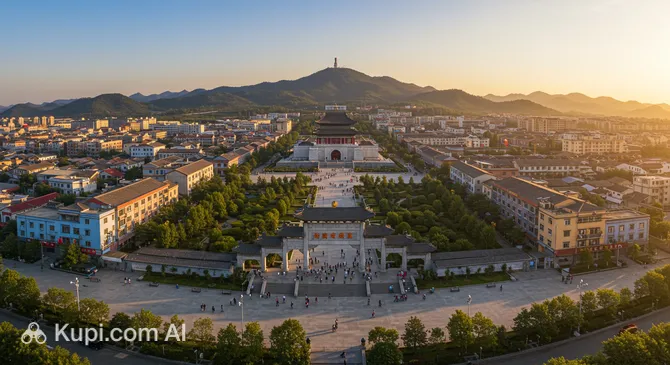
Zunyi invites travelers to explore a rich tapestry of cultural heritage and lush greenery, offering a balance between educational historical sites and refreshing natural escapes. From comprehensive museums detailing the region's pivotal role in the nation's past to serene parks located right in the city center, there are plenty of spaces to relax and learn.
Phoenix Mountain National Forest Park (Fenghuang Shan) is the city's premier green lung, conveniently situated in the urban center. This expansive area is a favorite among locals for morning exercises and weekend hikes. The park features dense forests, winding stone paths, and fresh air that provides a welcome break from the city bustle. At the summit, visitors are rewarded with a panoramic view of the Zunyi skyline. It is also home to the Red Army Martyrs Cemetery, adding a layer of solemn history to the beautiful natural setting.
For a more leisurely experience, Zunyi Park offers a traditional recreational atmosphere along the banks of the Xiangjiang River. It is a charming spot where willow trees drape over calm waters and locals gather to play cards, sing folk songs, or practice Tai Chi. The park includes a small amusement area for children and shaded pavilions perfect for a quiet rest. It serves as a window into the everyday life of the city's residents, making it a great place for people-watching and soaking up the local vibe.
In terms of cultural institutions, the Zunyi Museum stands out as a modern facility that goes far beyond the city's revolutionary fame. Its exhibits cover a vast timeline, from prehistoric fossils and dinosaur remains found in the region to artifacts from the ancient Yelang Kingdom. The museum also dedicates significant space to the colorful customs, costumes, and crafts of the local ethnic minority groups, such as the Gelao and Miao people, offering a deep dive into the diverse anthropological fabric of Guizhou.
A unique destination for history buffs is the Guizhou Third Front Construction Museum. Located within the 1964 Cultural and Creative Park, this museum documents the massive industrial movement of the 1960s when factories were relocated to inland China for strategic defense. Through immersive displays of old machinery, photographs, and recreated workspaces, it tells the fascinating story of how Zunyi was transformed into an industrial hub. It provides a rare glimpse into the Cold War-era history that shaped the city's modern identity.
Beyond the city center, the National Liquor Culture Museum in nearby Renhuai is an essential stop for anyone interested in China's most famous spirit, Maotai. As the largest museum of its kind in the world, it explores the thousands of years of brewing history, the unique geography of the Chishui River, and the complex craftsmanship behind the drink. The collection includes rare vintage bottles and artistic vessels, explaining why this liquor holds such a prestigious place in Chinese culture.
Among the significant historical sites, Loushan Pass is a must-visit for its dramatic scenery and military importance. Known as a "natural barrier," this mountain pass was the site of a fierce battle during the Long March. Today, visitors can walk along the fortifications and read the famous poem Mao Zedong wrote about the victory here. The rugged karst peaks and mist-covered valleys create a stirring backdrop for the historical monuments scattered across the landscape.
For a truly authentic experience, take a trip to the Meitan Tea Sea, located just east of the city. As one of the world's largest contiguous tea plantations, it offers a mesmerizing landscape of rolling green hills that stretch as far as the eye can see. Visitors can cycle through the tea fields, learn about the picking process, and enjoy a cup of freshly brewed local green tea in a pavilion, surrounded by the soothing scent of nature.