Support

Chongqing

About

Chongqing is a mesmerizing metropolis located in southwestern China, renowned for its dramatic landscape and vibrant energy. Often referred to as the "Mountain City," it offers a unique urban experience where skyscrapers rise steeply from the banks of the confluence of the Yangtze and Jialing Rivers. This sprawling municipality is not only a major economic hub but also a place where modern architecture blends seamlessly with natural beauty.

The city is famous for its hilly terrain, humid climate, and frequent fog, which earns it the nickname "Fog City." With a massive population, it feels incredibly alive and dynamic around the clock. Delving into the history of Chongqing reveals its long-standing importance as a strategic port and a cultural melting pot, evolving from an ancient Ba capital into the futuristic giant it is today.
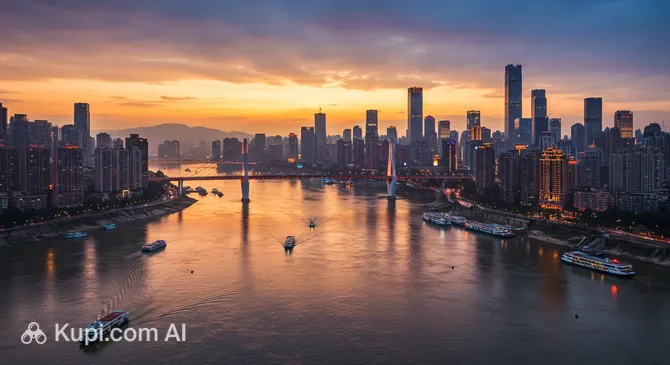
Chongqing. Source: Kupi.Binoculars

Visitors are often captivated by the city's cyberpunk aesthetic and multi-dimensional transportation network. One of the most iconic sights is Hongya Cave, a massive stilt house complex built along a cliffside that lights up spectacularly at night. Another unique feature is the Liziba Station, where the monorail famously passes directly through a residential building, showcasing the city's innovative engineering. Of course, no trip is complete without trying the world-famous Chongqing hot pot, known for its fiery and numbing flavors.

Whether you are planning to embark on a scenic Yangtze River cruise or simply want to get lost in its winding, three-dimensional streets, Chongqing promises an adventure unlike any other. It is a destination that truly rewards curiosity and offers a fascinating glimpse into the heart of modern Chinese life.
Weather Overview

Chongqing experiences a humid subtropical climate, often characterized by hot, steamy summers and mild, relatively dry winters. When planning your visit and checking the weather in Chongqing, it is helpful to know that the city is famous for its misty atmosphere and frequent overcast days, which contribute to its unique, moody aesthetic.

Summers can be quite intense, with August typically being the hottest month, boasting an average temperature of 30.0°C and highs reaching up to 34.1°C. Conversely, winters are generally cool rather than freezing; January is usually the coldest time of year with an average of 8.1°C and lows hovering around 5.2°C. Travelers should be prepared for frequent dampness, especially in late spring and early summer, as May can see up to 20 wet days.

Interesting Facts

Beyond the main attractions, Chongqing holds many fascinating secrets that have earned it the nickname "The 8D City." Its complex geography and unique urban planning have created a lifestyle and environment that are truly distinct from anywhere else in China.

  • The City Without Bicycles: Unlike most Chinese metropolises where cycling is a primary mode of transport, bicycles are a rare sight here. The terrain is so hilly and steep that riding is practically impossible, making Chongqing one of the few major cities in the country driven almost entirely by walking, public transit, and motorcycles.

  • A GPS Nightmare: The city's verticality is legendary, with roads stacked on top of each other, trains passing through buildings, and pedestrian walkways connecting skyscrapers high above the ground. This complex layering often confuses satellite navigation systems, which struggle to distinguish between five different levels of overpasses at the same coordinates.

  • Underground Dining: During World War II, Chongqing served as China's provisional capital and constructed an extensive network of air-raid shelters. Today, many of these cool, subterranean tunnels have been creatively repurposed into wine cellars, souvenir shops, and even bustling hot pot restaurants.

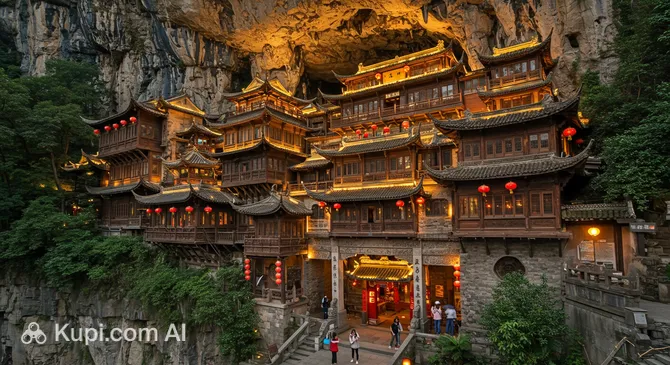
  • Architectural Marvels: The region is famous for traditional "Diaojiaolou" (stilt houses) designed to cling to steep riverbanks. A prime example of this style is Hongya Cave (Northwest Gate), which recreates this ancient engineering feat on a massive scale, appearing to hang precariously from the cliffside.

Hongya Cave (Northwest Gate). Source: Kupi.Binoculars

How to Get There

Reaching this sprawling metropolis is straightforward, as it serves as a key transportation hub in southwestern China. Whether arriving by air or high-speed train, travelers can easily find more about how to get to Chongqing to plan their journey efficiently and choose the option that best suits their itinerary.

The primary gateway for most international and domestic travelers is the Chongqing Jiangbei International Airport (CKG). Located within Chongqing itself, it is a bustling major hub handling a massive volume of passengers annually. The airport is situated approximately 19 km from the city center, and a taxi ride to the downtown area typically takes around 50 minutes, depending on traffic conditions.

For those exploring the wider region or connecting from specific locations, Chongqing Xiannyushan Airport (CQW) is another option, though it is located in the town of Wulingshancun, about 111 km from Chongqing. Travel from here to the city center is significantly longer, taking roughly 3 hours by road. Additionally, travelers might consider flying into Nanchong Airport (NAO) in the city of Nanchong. It is approximately 140 km away, with a travel time of nearly 4 hours by car.

For clarity, here is a summary of the main airports:

Airport Name City Passenger Traffic Km from City
Chongqing Jiangbei International AirportChongqingVery Large19.1
Zunyi (Maotai)ZunyiMedium195.0
Dazhou Jinya AirportDazhouMedium184.8
Nanchong AirportNanchongMedium140.1
Chongqing Xiannyushan AirportWulingshancunSmall111.2

Chongqing is also exceptionally well-connected by an extensive rail network, making train travel a popular choice. One of the most significant hubs is Chongqing West Railway Station (CKJ), located just 9.5 km from the city center. It is a major station connecting the city to various parts of the country. A taxi or bus ride from here to the downtown area generally takes about 35 minutes.

Another convenient option is Chongqingbei Railway Station (CKP), which is situated only 5.1 km from the center. Its close proximity makes it an excellent choice for travelers, with a quick transfer time of around 30 minutes by road. Both stations offer modern facilities and frequent connections.

Below is a list of relevant railway stations:

Station City Passenger Traffic Km to Center
Chongqing West Railway StationChongqingVery High9.5
Wanzhou North Railway StationWanzhouHigh226.2
Neijiang North Railway StationNeijiangMedium146.8
Chongqingbei Railway StationChongqing5.1
Shapingba Railway StationChongqing13.5

Main Attractions

Chongqing is a city of contrasts, where ancient traditions sit comfortably alongside futuristic infrastructure. From bustling historic districts to serene wildlife parks, the city offers a diverse range of experiences for every traveler. Below are some of the top sights that capture the unique spirit of this mountain metropolis.

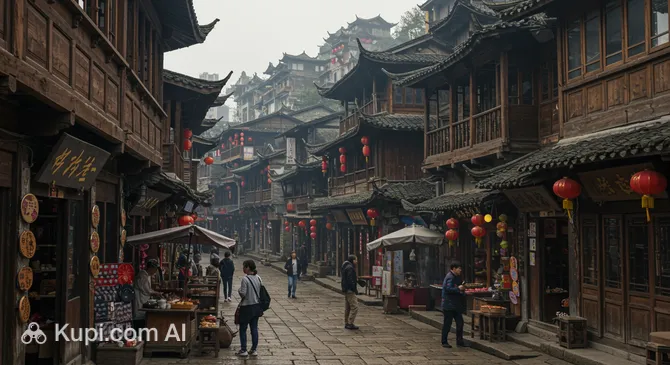
For a glimpse into the city's past, a visit to Ciqikou Ancient Town is essential. Perched on a hill overlooking the Jialing River, this preserved district is often called "Little Chongqing." Walking through its narrow, cobblestone streets feels like stepping back into the Ming and Qing dynasties. Visitors can explore traditional tea houses, admire local embroidery, and sample famous snacks like spicy hot pot base and sticky rice cakes. It is a vibrant hub of culture and commerce that offers a perfect counterpoint to the modern city center.

Ciqikou Ancient Town. Source: Kupi.Binoculars

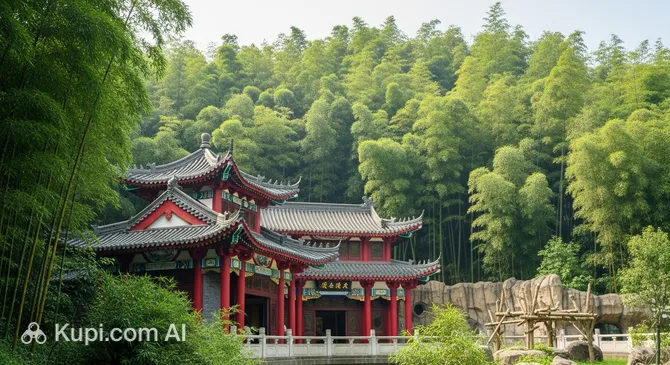
Animal lovers and families should not miss the Chongqing Zoo, located in the Jiulongpo District. This sprawling sanctuary is renowned for its conservation efforts and is one of the best places in China to see giant pandas. The zoo provides a lush, naturalistic environment for these beloved creatures, as well as for other rare species like the South China tiger and the golden snub-nosed monkey. It is a delightful spot to enjoy a leisurely afternoon surrounded by nature.

Chongqing Zoo. Source: Kupi.Binoculars

While often admired for its stunning exterior, Hongya Cave (Northwest Gate) offers an equally fascinating experience inside. This architectural marvel is an 11-story complex built into a cliffside, functioning as a vertical street filled with restaurants, souvenir shops, and bars. A unique feature of its design is that you can walk out onto the street from both the 1st and the 11th floors. At night, the entire structure glows with golden lights, making it a prime location for dining with a spectacular view of the river.

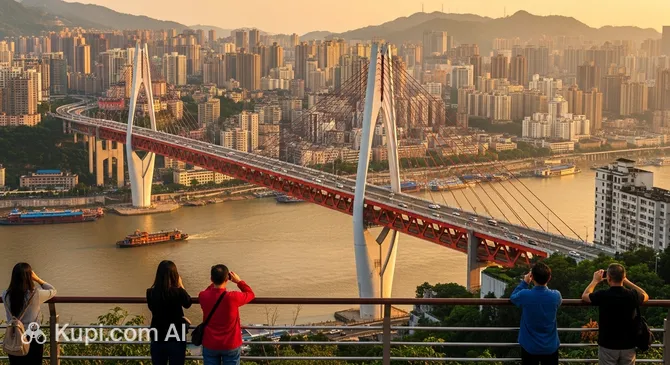
To truly appreciate the engineering prowess of the "Bridge Capital of China," take time to view the Chongqing Yangtze River Double-Line Bridge. Spanning the mighty Yangtze River, this massive structure is a testament to the city's rapid development and logistical ingenuity. Whether viewed from the riverbanks or crossed during a transit journey, the bridge commands attention and offers sweeping panoramas of the skyline and the water below, especially when illuminated in the evening.

Chongqing Yangtze River Double-Line Bridge. Source: Kupi.Binoculars

Local Cuisine

The culinary landscape of Chongqing is legendary, famously defined by the "Ma La" flavor profile—a tongue-tingling combination of numbing Sichuan peppercorns and fiery chili peppers. Food here is not just sustenance; it is a way of life, reflecting the city's bold character and humid climate. Locals believe the spice helps expel moisture from the body, making the rich, red-oil dishes a perfect match for the foggy weather.

The undisputed king of the local table is Chongqing Hot Pot. Unlike versions found elsewhere, the broth here is traditionally made with beef tallow and packed with dried chilies and spices, creating a bubbling, aromatic vat of flavor. It is a communal affair where diners cook fresh ingredients like beef tripe, duck intestine, and lotus root right at the table. For a quick and beloved breakfast or lunch, Xiao Mian is a staple. These "little noodles" are simple yet flavorful, usually served in a spicy soup topped with vegetables and peanuts, offering a savory kick to start the day.

Street food enthusiasts will find endless delight in snacks like Suan La Fen, a bowl of hot and sour sweet potato noodles that is both chewy and zesty. Another must-try is Laziji, or spicy chicken, where bite-sized pieces of crispy fried chicken are buried under a mountain of dried red chilies and peppercorns. Walking through the bustling alleys of Ciqikou Ancient Town is one of the best ways to sample these treats, as vendors line the streets selling everything from spicy skewers to handmade mochi.

To balance the intense heat of the cuisine, locals often turn to specific beverages. Shancheng Beer is the iconic local lager, ubiquitous at hot pot restaurants and night markets. For a non-alcoholic option, chilled sour plum juice (Suanmeitang) or sweetened soy milk are popular choices to soothe the palate after a spicy bite. Tea culture also runs deep, with traditional teahouses offering a relaxing space to sip jasmine or green tea while watching the world go by.

Dining in Chongqing ranges from upscale establishments with river views to the famous "fly restaurants"—small, hole-in-the-wall eateries known for incredible flavor rather than decor. For a memorable gastronomic experience combined with sightseeing, the multi-level complex of Hongya Cave (Northwest Gate) offers numerous restaurants where you can enjoy local specialties while gazing out over the illuminated Jialing River.

Travel Tips

Welcome to the vertical maze of Chongqing! To help you navigate the "8D City" with ease and fully enjoy its vibrant atmosphere, here are some essential practical tips to ensure your journey is as smooth as it is exciting.

  1. Clothing and Footwear: The most important item in your suitcase should be a pair of extremely comfortable walking shoes. Chongqing is a city of hills, stairs, and steep inclines, so you will be walking and climbing more than usual. In terms of clothing, summers are incredibly hot and humid, so breathable fabrics are a must. Winters are damp and chilly, requiring warm layers and a waterproof jacket. Don't forget a universal power adapter (Type A, C, or I) to keep your devices charged.
  2. Getting Around: The Chongqing Rail Transit (CRT) is efficient, scenic, and the best way to bypass traffic jams. Taxis and ride-hailing apps (like DiDi, often accessible via Alipay) are affordable and convenient. Avoid renting a car; the multi-layered road system is notoriously complex, and even GPS systems often struggle to distinguish between the various levels of overpasses.
  3. Money Matters: China is almost entirely a cashless society. Before you arrive, download Alipay or WeChat and link your international credit card to their "Tour card" or payment function. While major hotels may accept physical cards, street vendors and small shops operate solely on QR codes. Carry a small amount of cash (RMB) just in case, but rely on your phone. Tipping is not part of the culture and is not expected.
  4. Health and Safety: Chongqing cuisine is famous for its "Ma La" (numbing and spicy) flavor. If you have a sensitive stomach, bring digestion medication or antacids, and request "wei la" (mild spice) when ordering. Pharmacies are marked with a green cross, but English service is rare, so have a translation app ready. The city is generally very safe for tourists, even at night.
  5. Communication: English is not widely spoken outside of 5-star hotels and major tourist hubs. It is essential to have a translation app installed on your phone that works offline or with data. You will also need a VPN or a roaming plan that allows access to western apps, as many are blocked locally. Buying a local SIM card at the airport is recommended for stable internet access, which is crucial for navigation and payments.
  6. Local Etiquette: Dining in Chongqing is a loud and lively affair; noise is often seen as a sign of a good meal and happy guests, so don't be shy. When eating hot pot, use the communal chopsticks or a slotted spoon to cook the food, but use your own chopsticks to eat from your bowl. It is polite to greet people with a nod or a simple "Ni hao" (Hello).
  7. What to Avoid: Do not rely blindly on 2D maps. In Chongqing, your destination might appear to be right next to you on a map, but it could be twenty stories above or below your current location. Always look for elevators or ask locals for the correct level. Also, avoid visiting popular spots like Hongya Cave during major holidays if you dislike extreme crowds.
  8. Navigation Hack: When entering a building, check which floor leads to the street. In this mountainous terrain, the "ground floor" of a building might be the 1st floor on one side and the 10th floor on the other. Always clarify which exit leads to the specific road or station you need.

By keeping these tips in mind, you will be well-prepared to tackle the stairs, savor the spice, and embrace the chaotic charm of this futuristic mountain metropolis. Enjoy your adventure in one of the most fascinating cities in the region!

Entertainment & Nightlife

Chongqing is widely regarded as one of the best cities in China for nightlife, often compared to Hong Kong or Shanghai but with a grittier, "cyberpunk" edge. As the sun sets and the city's famous skyline lights up, the streets fill with energy, offering everything from high-end rooftop bars to chaotic, neon-lit street markets. The nightlife here is legendary, fueled by the local love for late-night dining and entertainment.

For those seeking the heart of the party, the Jiujie (9th Street) area in the Jiangbei District is the undisputed epicenter. This street is a sleepless zone packed with nightclubs, live houses, KTV (karaoke) lounges, and bars that stay open until dawn. The atmosphere here is electric and loud, attracting a young, trendy crowd. Popular venues in this district often feature international DJs and state-of-the-art sound systems. If you are looking for a pulsing beat and a vibrant social scene, this is where you want to be.

For a more scenic and slightly more relaxed evening, Nanbin Road along the south bank of the Yangtze River is an excellent choice. This area is lined with upscale bars and restaurants that offer stunning panoramic views of the Yuzhong Peninsula across the water. It is the perfect spot to enjoy a cocktail while admiring the illuminated skyline and landmarks like the Chongqing Yangtze River Double-Line Bridge. The vibe here is sophisticated, making it ideal for couples or travelers wanting a memorable night out without the intense noise of a club.

A unique blend of sightseeing and nightlife can be found at the iconic Hongya Cave (Northwest Gate). While it is a major attraction by day, at night it transforms into a glowing fortress of commerce and leisure. The complex houses numerous bars, coffee shops, and restaurants with terraces overlooking the Jialing River. Visitors can enjoy local craft beer or tea while immersed in architecture that resembles the spirited world of an animated film. It serves as a fantastic starting point for a night out.

If you prefer a more traditional evening atmosphere, Ciqikou Ancient Town offers a charming alternative. Although less about clubbing, the area remains lively into the evening with tea houses, Sichuan opera performances, and street food vendors selling spicy snacks. It is a great place to experience the local culture before heading to a busier district for late-night drinks.

Practical Nightlife Tips:

  • Timing: The party starts late in Chongqing. Bars get busy around 9:00 PM, while clubs usually fill up after 11:00 PM and keep going until 4:00 AM or 5:00 AM.
  • Prices: Nightlife is generally more affordable than in Beijing or Shanghai, though high-end clubs in Jiangbei can still be pricey. A beer in a bar might cost 30–50 RMB, while cocktails range from 60–90 RMB.
  • Dress Code: The dress code is generally "smart casual." While you don't need a suit, locals tend to dress fashionably for clubs. Avoid flip-flops or overly sporty attire if you plan to visit upscale venues.
  • Safety & Transport: Chongqing is very safe at night, with well-lit streets and a visible police presence in busy areas. Public transport closes around 10:30 PM or 11:00 PM, so you will likely need a taxi to get home. Ride-hailing apps like DiDi are the most convenient way to get around; simply type your destination in English or show the driver the address in Chinese.

During the daytime, entertainment options are equally diverse. The city boasts several world-class museums, such as the Three Gorges Museum, and grand theaters hosting concerts and acrobatic shows. However, it is the transition from day to night, when the fog lifts and the neon lights flicker on, that truly defines the spirit of entertainment in this mountain metropolis.

Parks & Museums

While Chongqing is famous for its concrete canyons and neon-lit skyscrapers, the city also offers surprisingly lush green spaces and profound cultural institutions that provide a respite from the urban bustle. Exploring these parks and museums allows visitors to connect with the region's natural beauty and its deep historical roots, dating back to the ancient Ba Kingdom.

For a panoramic view of the metropolis framed by nature, Eling Park is an essential stop. Perched on the narrow ridge of the Yuzhong Peninsula, this park was originally a private garden during the late Qing Dynasty. It sits at one of the highest points in the city center, offering sweeping vistas of both the Yangtze and Jialing Rivers. It is a peaceful retreat featuring traditional Chinese landscaping, lotus ponds, and winding paths, making it a favorite spot for locals to drink tea and play mahjong.

Another significant green area is the Nanshan Botanical Garden, located on the South Mountain across the river. Known as the "Green Lung" of Chongqing, it boasts a vast collection of rare plants and flowers, including a stunning display of cherry blossoms in spring and camellias in winter. The garden is not only a botanical treasure but also offers fresh mountain air and one of the best vantage points for admiring the city's glittering night skyline from a distance.

To understand the soul of the city, a visit to the Three Gorges Museum is mandatory. Located directly opposite the grand People's Assembly Hall, this massive institution houses over 170,000 artifacts. The exhibits cover the rich history of the Ba people, the cultural heritage of the Three Gorges region, and the engineering marvel of the Three Gorges Dam. It provides a comprehensive narrative of how the river has shaped the civilization and development of this unique municipality.

Art enthusiasts will be drawn to the Chongqing Art Museum (Jiefangbei), which is an architectural spectacle in itself. The building is designed to resemble a traditional fire pot with red beams stacked like chopsticks, creating a striking contrast against the surrounding glass towers. Inside, visitors can explore rotating exhibitions of traditional Chinese painting, calligraphy, and contemporary local art that reflect the bold spirit of the region.

For those interested in wildlife within the city limits, the Chongqing Zoo serves as both a recreational park and a center for conservation. While primarily known for its giant pandas, the zoo grounds are landscaped with bamboo groves and shaded walkways, functioning as a pleasant park for families to enjoy a casual stroll.

For a more unconventional artistic experience, head to Huangjueping Graffiti Street. Located near the Sichuan Fine Arts Institute, this entire street—including residential buildings and shops—is covered in colorful graffiti and murals. It is a vibrant, open-air gallery that showcases the city's youthful creativity and offers a gritty, authentic atmosphere far removed from the polished tourist centers.

Getting Around

Navigating the "Mountain City" is an adventure in itself, and the public transport system in Chongqing is designed to master its unique, multi-dimensional terrain. The backbone of the network is the Chongqing Rail Transit (CRT), which combines heavy rail subways with straddle-beam monorails. The monorail lines, particularly Line 2 and Line 3, are not just practical for getting around but also offer spectacular views as they weave through skyscrapers and glide along the riverbanks. Because the city is built on steep hills, the rail system is often the fastest way to travel between districts, bypassing the heavy traffic on the winding surface roads.

For areas not covered by the rail network, an extensive fleet of public buses operates throughout the municipality. While buses are an affordable option, they can be slower due to traffic congestion, especially during rush hours. However, they are essential for reaching specific neighborhoods or scenic spots located further up the mountains. The bus network is dense, and stops are usually well-marked, though most information is in Chinese, so having a navigation app handy is crucial for non-local speakers.

Paying for transport is seamless and largely digital. Fares for both the metro and buses are distance-based and generally very inexpensive. While single-journey tickets (tokens) can be purchased with cash at station vending machines, the most convenient method is using a QR code via mobile apps like Alipay or WeChat. You simply activate the "Transport" code within the app and scan it at the turnstiles or upon boarding a bus. Physical rechargeable transit cards (IC cards) are also available at service centers, which can be a good souvenir, but the mobile option is far more popular among visitors.

Tourists should be aware of the city's unique "vertical" public transport options. The Yangtze River Cableway, once a primary commuter link, is now a popular way to cross the river while enjoying aerial views, though it can get crowded with sightseers. Additionally, the city features massive public escalators and elevators, such as the famous Crown Escalator (Huangguan Escalator), which connects the upper and lower halves of the city. These facilities function as public transit and require a small fare, usually payable by swipe card or cash.

Taxis and ride-hailing services are excellent alternatives when you want to avoid the crowds. The distinctive yellow taxis are ubiquitous and metered, but drivers rarely speak English, so having your destination written in Chinese is essential. Ride-hailing apps like DiDi are extremely convenient and often feature English interfaces with automatic translation for messaging drivers. Unlike other major metropolises, bicycles are virtually non-existent here due to the steep inclines; you will not find the rows of shared bikes common elsewhere.

The metro system typically operates from around 6:30 AM to 10:30 PM, though times can vary slightly by line and holidays. During peak hours (7:30–9:00 AM and 5:30–7:00 PM), major interchange stations can become incredibly crowded. A practical tip for navigating the stations is to pay close attention to the signage indicating which floor you are on; in Chongqing, you might enter a station at ground level and find yourself descending ten stories, or conversely, exiting a station directly onto the 8th floor of a building.

Accommodation

Where to Stay:

Accommodation in Chongqing is as diverse and multi-layered as the city itself. Travelers can find everything from ultra-modern luxury hotels located on the upper floors of skyscrapers to budget-friendly hostels tucked away in bustling alleyways. Because the city is a major commercial hub, there is a wide selection of international chains, boutique guesthouses, and serviced apartments. Generally, the standard of accommodation is high, and visitors can often find excellent value for money compared to other major Chinese metropolises like Shanghai or Beijing.

Choosing the right area is crucial given the city's complex geography and traffic. The most popular district for first-time visitors is Yuzhong District, specifically around the Jiefangbei CBD. Staying here places you right in the center of the action, within walking distance of major shopping streets, food markets, and the subway. It is the most convenient base for accessing key landmarks. For those seeking a room with a spectacular view, the hotels along Nanbin Road in the Nan'an District are highly recommended. Located across the Yangtze River, this area offers a quieter atmosphere and stunning panoramic vistas of the illuminated Yuzhong skyline at night.

For travelers interested in nightlife and a more modern vibe, the Jiangbei District (near Guanyinqiao) is an excellent choice. It is a thriving commercial center packed with malls, restaurants, and entertainment venues. Conversely, if you prefer a more traditional and relaxed setting, looking for guesthouses near the historic Ciqikou Ancient Town can provide a unique cultural experience, allowing you to wake up in a neighborhood that feels worlds away from the concrete jungle.

Booking Tips and Prices:

The price range for accommodation varies significantly but is generally affordable. Budget travelers can find hostel beds or simple rooms for a very low cost, while mid-range hotels offer comfortable amenities at reasonable rates. Luxury properties, particularly those with river views, command higher prices but deliver world-class service. It is highly advisable to book your accommodation in advance, especially if you plan to visit during major Chinese holidays like the Spring Festival or the National Day "Golden Week" in October, when the city is flooded with domestic tourists.

When booking, it is important to use reliable online platforms. While many large international hotels accept all guests, some smaller budget inns or local guesthouses may not be authorized to host foreign passport holders. It is always a good practice to confirm this detail before finalizing your reservation to ensure a smooth check-in process.

Nearby Cities

For those looking to explore the surroundings, Chongqing serves as an excellent base for day trips to several interesting nearby locations. The region is dotted with historic towns, scenic river cities, and cultural hubs that offer a different pace of life compared to the bustling metropolis.

City Population Distance (km)
Nanchong6,278,614147
Luzhou3,780,000132
Neijiang3,702,847145
Suining3,252,619142
Guang'an3,205,47699

Among these destinations, Nanchong is particularly notable for its deep cultural roots. Located along the Jialing River, it is historically celebrated as a "Cradle of Silk" in China. Visitors are often drawn to the wider region to explore Langzhong Ancient City, one of the best-preserved historic towns in the country, which falls under Nanchong's administration. It offers a captivating journey back in time with its traditional architecture and feng shui urban design.

Another fascinating option is Luzhou, situated at the confluence of the Yangtze and Tuo Rivers. It is famously known as the "Liquor City" due to its centuries-old tradition of brewing baijiu, a strong Chinese spirit. Beyond its aromatic heritage, the city boasts scenic river views and lush national forest parks, making it a pleasant getaway for those interested in local industry and nature alike.

Closer to Chongqing lies Guang'an, a city rich in red history and natural beauty. It is the hometown of Deng Xiaoping, and his former residence is a major attraction for those interested in modern Chinese history. Additionally, the area features the stunning Huaying Mountain, known for its unique karst landscapes and sea of clouds.

These nearby destinations offer a glimpse into the diverse culture and landscapes of the region, providing rewarding experiences for travelers willing to venture just a few hours outside the city center.

Shopping & Souvenirs

Shopping in China is always an adventure, and Chongqing is no exception. As a sprawling metropolis, it offers a dizzying mix of high-end luxury, trendy street fashion, and traditional handicrafts. The city is known for its massive commercial districts that rival those of Shanghai or Hong Kong, yet it retains pockets of old-world charm where you can find unique local treasures.

The undisputed heart of the city's retail scene is the Jiefangbei Pedestrian Street in the Yuzhong District. Often compared to Times Square, this bustling area is anchored by the Liberation Monument and surrounded by towering skyscrapers. Here, visitors can explore upscale department stores like Chongqing Department Store and Maison Mode, which house international luxury brands. It is the perfect place to soak up the urban energy, especially at night when the neon lights reflect off the glass facades.

For a more local and youthful vibe, head to the Guanyinqiao commercial circle in the Jiangbei District. This massive shopping hub is a favorite among residents and is packed with enormous malls, underground shopping streets, and entertainment complexes. It is an excellent spot to find mid-range fashion, electronics, and trendy accessories, all while observing the daily life of the city's fashionable youth.

If you are looking for traditional souvenirs and cultural gifts, Ciqikou Ancient Town is the place to go. Walking along its stone-paved alleys, you will find countless shops selling handcrafted items. Popular purchases here include Shu embroidery, which is famous for its delicate needlework, and beautiful hand-painted folding fans. The area is also known for its silver jewelry smiths, who often craft pieces right in front of customers.

Another iconic destination for shopping with a view is Hongya Cave (Northwest Gate). This stilt-house complex is not just a photo opportunity; its multiple levels are filled with souvenir stands and specialty shops. It is a great location to pick up quirky gifts, local handicrafts, and packaged food products while enjoying the stunning scenery of the Jialing River.

When it comes to edible souvenirs, Chongqing offers flavors that pack a punch. The most popular item to bring home is a block of hot pot soup base. These solid, vacuum-packed bricks of spicy tallow and chilies allow you to recreate the city's famous dish in your own kitchen. Other must-buy snacks include spiced beef jerky, bags of tongue-numbing Sichuan peppercorns, and sweet, chewy taopian (walnut and sesame slices). Whether you are hunting for designer labels or spicy treats, Chongqing's markets and malls have something for every taste.

Reached the end of the page?

That means the route is fully explored