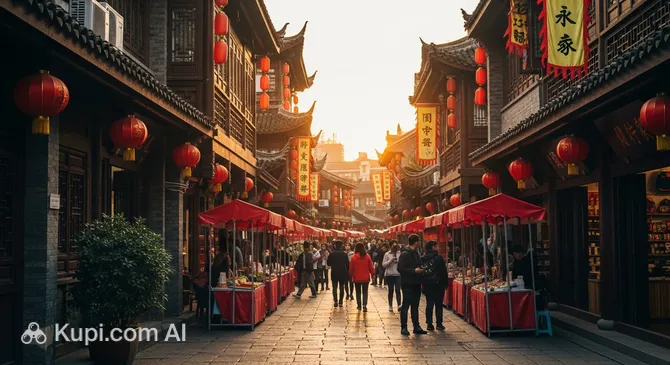
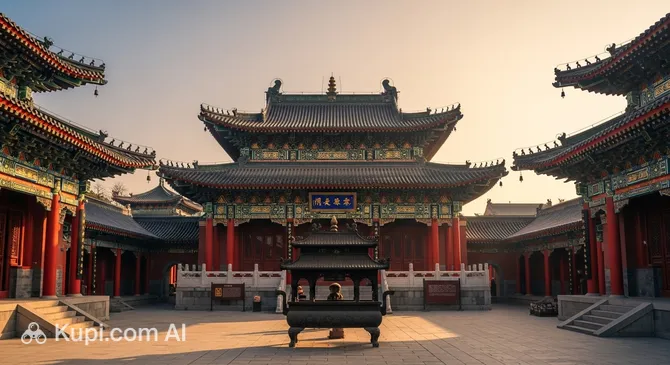
Welcome to Chengdu, the capital of Sichuan province and one of the most culturally rich destinations in Southwest China. Known worldwide as the home of the giant panda, this sprawling metropolis offers a unique blend of ancient traditions and modern dynamism. Unlike the frenetic pace of other major Chinese cities, Chengdu is celebrated for its relaxed atmosphere, embodied by its locals who enjoy leisurely afternoons in parks and teahouses.
Chengdu. Source: Kupi.Binoculars
Geographically, the city is situated on the fertile Chengdu Plain, which has earned it the nickname "The Land of Abundance." With a population exceeding 14 million people, it serves as a vital economic and transportation hub for the region. Despite its size, the city retains a lush, green character due to its humid subtropical climate. Those interested in the past will find the history of Chengdu fascinating, as it is one of the few cities that has maintained its name and location for over 2,000 years, tracing its roots back to the ancient Shu Kingdom.
Travelers flock here not only for the adorable residents at the Chengdu Research Base of Giant Panda Breeding but also for the incredible food. As a UNESCO City of Gastronomy, Chengdu is the heart of Sichuan cuisine, famous for its bold, spicy flavors and the iconic hotpot. Whether you are exploring the historic alleys of Jinli Ancient Street or sipping tea in People's Park, Chengdu promises an unforgettable experience that perfectly balances excitement and tranquility.
Weather Overview
The city experiences a subtropical monsoon climate, characterized by distinct seasons with moderate humidity throughout the year. For a more comprehensive breakdown of conditions during your specific travel dates, you can check the detailed weather in Chengdu. Generally, the area is known for its relatively mild winters and warm, humid summers.
Summer, spanning from June to August, brings the highest temperatures, with averages hovering around 27°C and daily highs reaching up to 31.2°C. This is also the wettest period of the year; July alone sees approximately 21 wet days, so keeping an umbrella handy is essential. Despite the frequency of rain, the heat remains noticeable, creating a sultry atmosphere typical of the Sichuan basin.
In contrast, winters (December to February) are cool and drier. Average temperatures drop to between 6.7°C and 9.0°C, with lows occasionally dipping near 3°C. While precipitation is minimal during these months, often recording near 0-1mm, the skies can remain overcast. Spring and autumn offer pleasant transitions, with moderate temperatures ranging from 14°C to 23°C, making them comfortable times for outdoor exploration.
Interesting Facts
Beyond the main attractions, Chengdu holds many fascinating secrets and unique local customs that define its laid-back lifestyle. Here are some surprising insights into this vibrant metropolis:
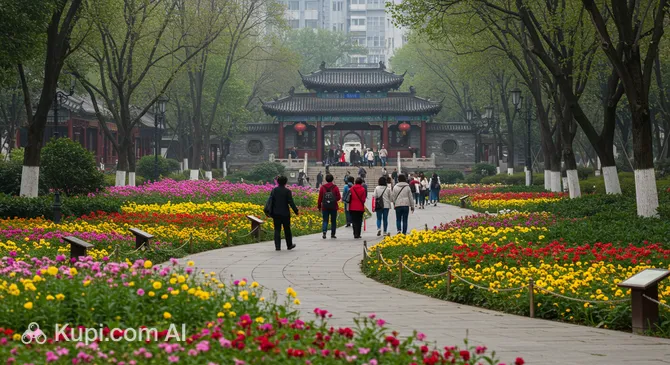
People's Park. Source: Kupi.Binoculars
The city is home to the New Century Global Center, which holds the record for the largest building in the world by floor area. This colossal structure is so vast that it could theoretically fit three Pentagons or twenty Sydney Opera Houses inside its glass walls.
Teahouse culture is the heartbeat of the city, and in places like People's Park, you can witness a distinct local tradition known as "ear picking." Professional ear cleaners roam the tea tables, offering this grooming service that locals find incredibly relaxing and essential to their leisure time.
Chengdu is famously overcast and has one of the lowest annual sunshine durations in China due to the basin topography. This persistent cloudiness gave rise to an ancient proverb stating that "Sichuan dogs bark at the sun," implying that sunny days are so rare they startle the animals.
The local obsession with Mahjong is legendary and transcends typical boundaries. During the hot summer months, it is a common sight to see residents setting up Mahjong tables directly in the shallow waters of rivers to stay cool while they play.
While known for pandas, the city was also the first in Asia to be designated a UNESCO City of Gastronomy, honoring its rich culinary heritage. In addition to its food culture, Chengdu is historically significant as the birthplace of the world's first paper money, the "Jiaozi," which was invented here during the Song Dynasty.
How to Get There
Chengdu is a major transportation hub in western China, well-connected to the rest of the country and the world. Whether you are arriving by air or land, there are multiple convenient options to reach the city. You can read more about how to get to Chengdu in our detailed guide to planning your arrival.
The city is primarily served by two significant airports. The newest major gateway is Chengdu Tianfu (IATA: TFU), located approximately 46 km from the city center. As a large international airport, it handles a vast number of passengers annually. Traveling from here to downtown Chengdu by taxi or bus typically takes around 90 minutes.
Another key entry point is Chengdu Shuangliu International Airport (IATA: CTU), which is situated much closer, just 11.5 km from the city center. Its proximity makes it extremely convenient for travelers, with the transfer time to the heart of the city taking only about 40 minutes by road.
For clarity, here is a summary of the main airports:
Airport Name
City
Passenger Traffic
Km from City
Chengdu Tianfu
Chengdu
Large
46.0
Chengdu Shuangliu International Airport
Chengdu
Large
11.5
Mianyang Nanjiao Airport
Mianyang
Medium
114.7
Nanchong Airport
Nanchong
Medium
192.2
Langzhong Gucheng Airport
Langzhong
Small
214.4
Travelers exploring the wider region might also pass through major railway hubs in neighboring cities. For instance, you can arrive at the Chongqing West Railway Station (IATA: CKJ) in the city of Chongqing, which is about 256 km from Chengdu. From there, a transfer by taxi or bus would take approximately 405 minutes. Alternatively, the Neijiang North Railway Station (IATA: NJB) in Neijiang is located about 144 km away, with a road transfer time of roughly 235 minutes.
Below is a list of these regional railway stations:
Station
City
Passenger Traffic
Km to Center
Chongqing West Railway Station
Chongqing
Large
256.2
Neijiang North Railway Station
Neijiang
Medium
143.7
Chongqingbei Railway Station
Chongqing
261.7
Shapingba Railway Station
Chongqing
257.1
Main Attractions
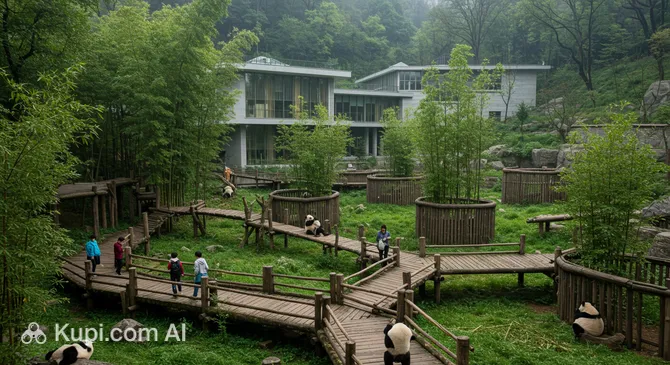
No visit to this city would be complete without spending time at the Chengdu Research Base of Giant Panda Breeding. Located just outside the city center, this world-renowned facility is dedicated to the conservation of endangered giant pandas. Visitors can observe these gentle creatures in environments that closely mimic their natural habitat, munching on bamboo or playing in the trees. It is also home to the adorable red pandas and offers a unique educational experience about wildlife protection.
Chengdu Research Base of Giant Panda Breeding. Source: Kupi.Binoculars
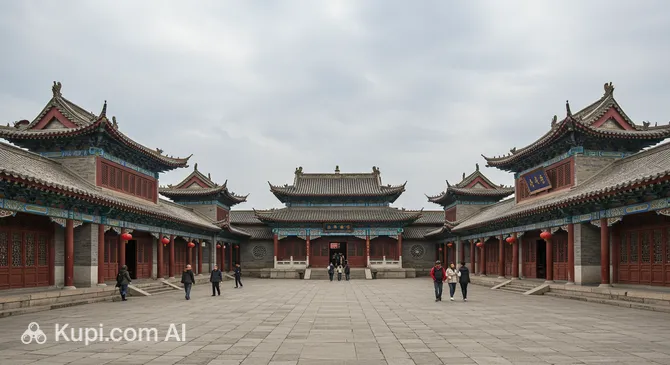
For a deep dive into the region's rich history, the Wuhou Shrine is an essential stop. This extensive complex is dedicated to Zhuge Liang, the brilliant strategist, and Liu Bei, the emperor of the Kingdom of Shu during the Three Kingdoms period. The shrine features magnificent statues, ancient tablets, and peaceful gardens surrounded by striking red walls. It is a place where history comes alive, allowing tourists to walk through the legendary tales of loyalty and wisdom that shaped the nation.
Wuhou Shrine. Source: Kupi.Binoculars
Travelers looking to experience the traditional lifestyle of the city should wander through Kuan Zhai Alley, also known as the Wide and Narrow Alleys. This preserved historic district consists of three parallel alleys lined with renovated Qing Dynasty courtyard houses. Today, it is a bustling cultural hub filled with teahouses, boutique shops, and local eateries. It is the perfect spot to admire ancient architecture while enjoying a cup of tea or trying famous local snacks in a vibrant atmosphere.
Kuan Zhai Alley. Source: Kupi.Binoculars
Another cultural gem is the Du Fu Thatched Cottage, the former residence of one of China's greatest poets. During his stay here in the 8th century, Du Fu wrote hundreds of poems that are still celebrated today. The site has been transformed into a lush, park-like museum featuring traditional pavilions, bamboo forests, and serene ponds. It offers a tranquil escape from the urban bustle and a chance to appreciate the literary heritage of the Tang Dynasty.
Local Cuisine
Chengdu is widely regarded as the culinary capital of China and was the first city in Asia to be named a UNESCO City of Gastronomy. The local food is the heartbeat of Sichuan cuisine, famous worldwide for its bold, pungent flavors and the distinct "mala" sensation—a combination of numbing heat from Sichuan peppercorns and the fiery kick of dried chilies. For tourists, eating here is not just a necessity but a cultural adventure that engages all the senses.
The most iconic dining experience you must try is the Sichuan Hotpot. It is a communal affair where diners gather around a bubbling pot filled with a spicy, oil-rich broth to cook fresh ingredients like sliced beef, tripe, duck intestines, and vegetables. If you prefer individual dishes, Mapo Tofu is a legendary local creation featuring soft tofu in a spicy bean-based sauce, while Dan Dan Noodles offer a savory delight with noodles topped with minced pork and chili oil. Another classic is Kung Pao Chicken, which originated in this province and delivers a perfect balance of sweet, sour, and spicy flavors.
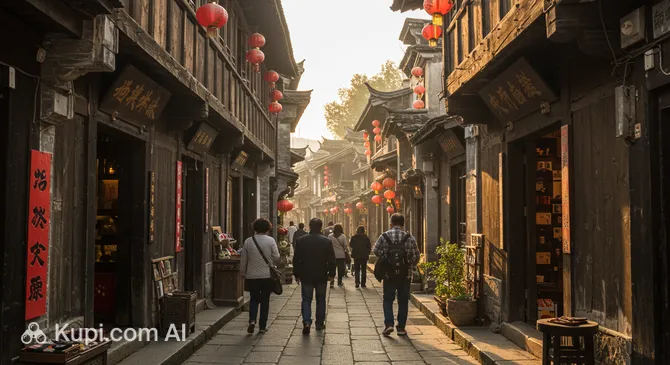
Beyond formal restaurants, the city is famous for its "Xiao Chi" or small eats, which are best explored on foot. Jinli Ancient Street is a premier destination for food lovers, lined with vendors selling everything from spicy skewers and sticky rice cakes to the more adventurous spicy rabbit heads. The atmosphere here is lively, allowing you to sample a wide variety of snacks while admiring traditional architecture.
Jinli Ancient Street. Source: Kupi.Binoculars
To balance the heat of the food, the local drinking culture focuses heavily on tea. Teahouses are scattered throughout the city and serve as vital social hubs where locals spend hours chatting, playing mahjong, and sipping Jasmine tea, a local favorite. For those interested in vegetarian options, the restaurant at Wenshu Monastery is highly acclaimed, serving exquisite meat-free dishes that mimic the textures and flavors of traditional Sichuan cooking without the use of animal products.
Travel Tips
Visiting Chengdu is an exciting immersion into a world of spicy aromas, relaxed vibes, and ancient history. To ensure your journey through the "Land of Abundance" is as smooth and enjoyable as possible, we have compiled a list of essential practical advice for your trip.
Clothing and Gear: Chengdu is known for its humid, often overcast climate. Summers (June to August) are hot and muggy, so bring breathable fabrics and definitely pack a compact umbrella or raincoat. Winters are damp and chilly, requiring warm layers and a good jacket rather than heavy wool. Since you will likely do a lot of walking at the Panda Base and ancient alleys, comfortable walking shoes are non-negotiable. When visiting temples like Wenshu Monastery, dress modestly by covering your shoulders and knees.
Transportation: The Chengdu Metro is modern, efficient, and the easiest way to get around; signs and ticket machines have English options. For more direct travel, taxis are affordable, but drivers rarely speak English, so have your destination written in Chinese characters. The ride-hailing app DiDi (often available within the Alipay app) is a fantastic alternative for tourists, as it features an English interface and automatic translation for messaging drivers.
Finances: China is a nearly cashless society. While carrying some cash (Renminbi/CNY) is wise for emergencies, most transactions happen via mobile apps. Download Alipay or WeChat Pay before you arrive and link your international credit card; this will allow you to pay for everything from street food to metro tickets like a local. Tipping is not part of the culture and is generally not expected in restaurants or taxis.
Health and Safety: Chengdu is very safe for tourists, but standard precautions apply. Do not drink tap water; always buy bottled water or use a boiler. Pharmacies are marked with a green cross, but bring your own supply of digestion aids—Sichuan cuisine is famous for its oil and spice, which can be intense for unaccustomed stomachs. If you have dietary restrictions, learn the Chinese phrase for your allergy or save a picture of it on your phone.
Communication: English is not widely spoken outside of major hotels and tourist hotspots. It is crucial to have a translation app (like Baidu Translate or a voice translator) ready. Western apps like Google Maps or WhatsApp may not work without a specific roaming plan or software, so consider downloading local alternatives like Amap (Gaode Maps) for navigation. Buying a local SIM card or an eSIM with data is highly recommended for staying connected.
Local Etiquette: The local vibe is laid-back, but manners matter. When dining, wait for the host or the eldest person to start eating. It is common to share dishes rather than ordering individual plates. If you visit a teahouse, you can linger for hours; it is a social space, so feel free to relax and observe the local life without rushing.
What to Avoid: Never leave your chopsticks sticking vertically upright in a bowl of rice, as this resembles incense burning for the dead and is considered very bad luck. Also, avoid relying solely on credit cards (Visa/Mastercard), as they are rarely accepted at regular shops and restaurants—mobile payment is king.
Additional Tip: If you plan to visit the Panda Base, go as early as possible (aim to arrive by 7:30 or 8:00 AM). Pandas are most active in the cool morning air during feeding time; by noon, they are usually asleep, and the crowds can get overwhelming.
By keeping these tips in mind, you will be well-prepared to navigate the city's unique blend of modern efficiency and traditional charm. Embrace the local pace, be adventurous with the food, and enjoy the warm hospitality that makes Chengdu a favorite destination for travelers.
Entertainment & Nightlife
When the sun sets, Chengdu transforms from a laid-back tea-drinking capital into a vibrant hub of nocturnal energy. The city's nightlife is as diverse as its cuisine, offering everything from thumping electronic dance clubs to intimate folk music bars and bustling night markets. Unlike the high-pressure atmosphere of some coastal cities, the evening vibe here remains welcoming and unpretentious, inviting visitors to relax and enjoy the "Land of Abundance" after dark.
For those seeking a lively bar scene, the Jiu Yan Qiao (Nine Eye Bridge) district is the undisputed center of action. Located along the Jinjiang River, this area is packed with brightly lit bars and clubs that offer stunning views of the water reflecting the city lights. Just a short walk away is the local version of Lan Kwai Fong, a trendy riverside complex dedicated entirely to nightlife, featuring high-end clubs, gastropubs, and karaoke lounges. The atmosphere here is chic and energetic, with a crowd that parties well into the early morning hours.
If you prefer a more traditional yet lively setting, Jinli Ancient Street is magical at night. As dusk falls, hundreds of red lanterns illuminate the traditional architecture, creating a cinematic backdrop for an evening stroll. The street comes alive with vendors selling local crafts and spicy snacks, and you can find several open-air bars where you can sip a beer while soaking in the historic ambiance. Similarly, the renovated courtyards of Kuan Zhai Alley host a variety of stylish lounges and live music venues, blending old-world charm with modern entertainment.
A unique cultural experience that defines Chengdu's evening entertainment is the Sichuan Opera. This is not opera in the Western sense but a variety show featuring fire-breathing, puppetry, and the famous "face-changing" (bian lian) performance, where actors switch masks in the blink of an eye. Many teahouses across the city offer these shows nightly, providing a spectacular glimpse into local folklore.
During the day, entertainment is more subdued but equally engaging. You can immerse yourself in local leisure culture at People's Park, where the entertainment consists of rowing boats, watching locals dance, or simply observing the world go by. For history buffs, the city boasts excellent museums, including the massive Chengdu Museum at Tianfu Square, which offers fascinating exhibits on the region's past.
Practical Advice: The nightlife in Chengdu typically kicks off around 9:00 PM, with clubs getting busy after 11:00 PM. The dress code is generally casual, though people tend to dress up a bit more for high-end clubs in Lan Kwai Fong. Prices are reasonable compared to Shanghai or Beijing; expect to pay around 40-60 RMB for a beer and 60-90 RMB for a cocktail. The city is very safe for night walks, even in the early hours. Public transport closes around 11:00 PM, so be prepared to use a taxi or a ride-hailing app like DiDi to get back to your hotel.
Parks & Museums
Chengdu is often celebrated as a city within a garden, where ancient culture and natural beauty coexist harmoniously. Beyond its bustling streets and famous panda sanctuaries, the city offers a wealth of serene green spaces and world-class museums that provide a deeper understanding of the region's artistic and historical legacy. Exploring these venues allows visitors to step back in time and experience the tranquil side of Sichuan life.
One of the most poetic green spaces in the city is Wangjiang Tower Park (River Viewing Tower Park). Located along the banks of the Jinjiang River, this park is dedicated to the Tang Dynasty poetess Xue Tao. It is renowned for its bamboo forest, boasting over 150 varieties of bamboo, which makes it a lush, emerald retreat from the urban heat. The park's centerpiece is the magnificent 39-meter-high Wangjiang Tower, an architectural masterpiece that offers scenic views of the river and stands as a symbol of the city's literary heritage.
For those seeking a more expansive natural environment, Huanhuaxi Park is the largest urban forest park in Chengdu. Situated adjacent to the Du Fu Thatched Cottage, this ecological haven features meandering streams, wetlands, and dense woodlands. It is a favorite spot for locals to practice tai chi or jog in the morning mist. The park connects history with nature, providing a peaceful corridor that links several cultural landmarks, making it an ideal location for a leisurely afternoon walk.
Delving into the city's ancient past, the Jinsha Site Museum is a must-visit for history enthusiasts. Built over the archaeological site where the 3,000-year-old Shu Kingdom ruins were discovered, this museum showcases the mysterious and advanced civilization that once thrived here. The highlight of the collection is the "Gold Sun Bird," a stunning gold foil ornament that has become the emblem of Chinese cultural heritage. The museum's modern design and immersive exhibits offer a fascinating glimpse into a lost world of bronze masks, jade artifacts, and ivory carvings.
Another significant cultural venue is the Sichuan Museum, the largest provincial museum in southwest China. It houses a vast collection of artifacts ranging from pottery and paintings to ethnic minority handicrafts. Visitors are particularly drawn to the exhibition of Tibetan artifacts and the gallery of Zhang Daqian's paintings, one of China's most renowned modern artists. The museum provides a comprehensive narrative of the region's diverse history and is an excellent educational stop for families and solo travelers alike.
Wenshu Monastery. Source: Kupi.Binoculars
Among the city's historical treasures, the Wenshu Monastery stands out as the best-preserved Buddhist temple in Chengdu. Dating back to the Tang Dynasty, this active monastery is a sanctuary of spiritual calm amidst the city noise. Visitors can admire intricate carvings, ancient calligraphy, and precious relics, including a piece of the skull of Xuanzang, the famous monk who inspired the "Journey to the West." The complex also features a delightful vegetarian restaurant and a traditional tea house where you can sit under ginkgo trees and observe the quiet rhythm of monastic life.
For a truly authentic local experience, head to the Qingyang Palace (Green Ram Temple), one of the most famous Taoist temples in China. While less crowded than other tourist spots, it offers a unique insight into Taoist philosophy and architecture. Look for the bronze goat statue in the main hall; legend says that touching it brings good health and fortune, a tradition that locals have cherished for centuries.
Getting Around
Navigating Chengdu is a breeze thanks to its modern and comprehensive public transportation network, which is designed to handle the needs of a bustling metropolis. The backbone of the system is the Chengdu Metro, a rapidly expanding subway network that connects all major districts, railway stations, and the airport. It is clean, efficient, and tourist-friendly, with signs and announcements available in English. For visitors, Line 3 is particularly useful as it leads towards the Giant Panda Research Base, while Line 1 cuts through the city center, stopping at key landmarks like Tianfu Square.
Complementing the subway is an extensive bus system, including the highly efficient Bus Rapid Transit (BRT) network. The BRT primarily operates on the elevated Second Ring Road, bypassing traffic jams and offering a swift way to circle the city. Regular city buses reach every corner of the metropolis, making them a good option for short trips to destinations not immediately served by the metro. While bus stops usually display information in Chinese, route numbers are clear, and navigation apps can help you determine which line to take.
When it comes to paying for your rides, the city offers several convenient options. Fares are distance-based and generally very affordable, typically starting around 2 RMB. Most locals use mobile payment apps like Alipay or WeChat Pay, which have dedicated "Transport" mini-apps that generate a QR code for scanning at metro turnstiles and on buses. If you prefer a physical card, you can purchase a Tianfu Tong card at metro stations and convenience stores; this rechargeable card works on both the metro and buses. For short-term visitors, single-journey tickets in the form of plastic tokens or QR codes can be bought at station vending machines, which accept cash and mobile payments.
For a more direct and private mode of travel, taxis and ride-hailing services are widely available. Regular taxis are usually green or blue and operate on a meter; they are easy to flag down on the street, though drivers rarely speak English. A popular alternative is the DiDi app (often accessible within Alipay), which functions similarly to international ride-sharing platforms. It is especially helpful for tourists as it allows you to input your destination in English and pays the driver automatically, eliminating language barriers and payment hassles.
Given the city's relatively flat terrain, cycling is another fantastic way to get around. You will find colorful shared bicycles parked on sidewalks throughout the city, operated by companies like HelloBike, Meituan, and Qingju. These can be unlocked using their respective apps or via Alipay and WeChat. It is an eco-friendly and leisurely way to explore the tree-lined streets and riverbanks, solving the "last mile" problem between metro stations and your final destination.
A delightful feature of the local transport system is the effort to incorporate the city's mascot into the travel experience. Keep an eye out for the panda-themed trains, particularly on Line 3, which feature adorable panda handles, seats, and floor decorations. Regarding operating hours, the metro typically runs from around 6:00 AM to 11:00 PM, though times can vary slightly by line. To ensure a comfortable journey, try to avoid the morning (7:30 AM – 9:00 AM) and evening (5:30 PM – 7:00 PM) rush hours when the network is at its busiest.

Accommodation
Finding the perfect place to stay in Chengdu is relatively easy, as the city offers a wide spectrum of accommodation options to suit every budget and travel style. Visitors can choose from vibrant youth hostels with a social atmosphere, comfortable mid-range business hotels, and opulent luxury resorts managed by international chains. For a more unique local experience, there is also a growing number of boutique hotels set within renovated traditional courtyards, allowing guests to immerse themselves in the region's architectural heritage.
When selecting a location, the city center around Chunxi Road and Tianfu Square is often the most convenient choice for first-time visitors. Staying here places you right in the heart of the commercial district, with easy access to major metro lines, shopping malls, and a plethora of dining options. Alternatively, the area surrounding the Wenshu Monastery offers a quieter, more culturally rich atmosphere, where you can wake up to the sound of temple bells and enjoy a slower pace of life.
For those prioritizing a visit to the giant pandas, while it might be tempting to stay near the research base on the outskirts, it is generally more practical to stay centrally and take a taxi or metro in the early morning. The city's efficient transport network means you can reach the pandas quickly without sacrificing the convenience of downtown amenities for the rest of your stay.
Booking Tip: Chengdu is a major domestic tourist destination, so accommodation can fill up quickly, especially during Chinese national holidays like the Golden Week (early October) and the Lunar New Year. It is highly recommended to book your room several weeks in advance if you plan to travel during these peak periods to secure the best rates and availability.
In terms of pricing, the city is generally more affordable than Beijing or Shanghai. Budget travelers can find hostel beds or simple guesthouses for very reasonable rates, while mid-range hotels offer excellent value with modern amenities. Luxury stays are available at international standard prices but often provide exceptional service. Most bookings can be easily made through major international travel platforms, though using apps that specialize in the Asian market can sometimes offer a wider selection of local boutique properties.
Nearby Cities
For those looking to explore the surroundings, Chengdu serves as an excellent base for day trips to several interesting nearby locations. The province of Sichuan is vast and diverse, and venturing just outside the capital reveals a fascinating mix of ancient history, technological hubs, and authentic local culture.
One of the most compelling destinations for a day trip is Deyang, located less than an hour away. This city is globally renowned for the Sanxingdui Museum, an archaeological site that has reshaped the understanding of Chinese history. Here, visitors can marvel at the mysterious, alien-like bronze masks and towering statues attributed to the ancient Shu civilization, making it a bucket-list stop for history enthusiasts.
Another noteworthy option is Mianyang, the second-largest city in the province. While it is known today as a major center for science and technology, it retains deep historical roots, including connections to the famous Tang Dynasty poet Li Bai. The city offers a more relaxed pace compared to the capital and serves as a gateway to scenic mountains and temples, providing a perfect blend of modern life and traditional heritage.
These nearby destinations offer a glimpse into the diverse culture and landscapes of the region, allowing travelers to experience the broader charm of Sichuan beyond the city limits.
Shopping & Souvenirs
Shopping in Chengdu is a delightful exploration of contrasts, where futuristic malls stand just steps away from centuries-old market streets. Whether you are looking for high-end international fashion, exquisite local handicrafts, or quirky souvenirs, the city offers a diverse retail landscape that caters to every taste and budget.
The city's premier commercial hub is Chunxi Road, often compared to New York's Times Square or Tokyo's Ginza. This bustling pedestrian district is packed with department stores, boutiques, and modern malls. Right next to it lies the upscale Sino-Ocean Taikoo Li, an open-air shopping complex built around the ancient Daci Temple. Here, luxury brands are housed in traditional-style buildings with gray tiled roofs, creating a unique atmosphere that blends heritage with contemporary style. Don't miss the famous sculpture of a giant panda climbing the wall of the IFS building nearby—it is a popular photo spot and a landmark for shoppers.
For those seeking authentic local treasures, the city is famous for Shu Brocade and Shu Embroidery, which are among the oldest and most celebrated silk crafts in China. These intricate works of art, often featuring designs of pandas, flowers, or landscapes, make for precious gifts. You can find high-quality pieces in specialized shops or visit the Shu Brocade Academy to see the weaving process firsthand.
If you prefer a more traditional market vibe, head to Jinli Ancient Street. While known for its snacks, it is also a treasure trove for folk crafts. Stalls here sell everything from paper cuttings and shadow puppets to calligraphy brushes and hand-painted fans. Similarly, Kuan Zhai Alley offers a mix of trendy lifestyle shops and heritage stores where you can buy tea sets, ceramics, and creative cultural products.
Speaking of tea, as a city with a deep-rooted tea culture, Chengdu is the perfect place to purchase high-quality leaves. Jasmine tea and Zhu Ye Qing (Green Bamboo Leaf) are local specialties that are widely available in tea shops and supermarkets. For a fun and affordable souvenir, you simply cannot leave without something panda-themed. From plush toys and t-shirts to panda-shaped cookies, you will find adorable merchandise on almost every corner.
Most shopping centers are open from 10:00 AM to 10:00 PM. While large malls accept credit cards, smaller shops and market stalls rely heavily on mobile payments like Alipay or WeChat Pay, so it is advisable to have these apps ready. Bargaining is generally acceptable in street markets and independent souvenir stalls, but prices in malls and department stores are fixed.