Support

Nanchong

About

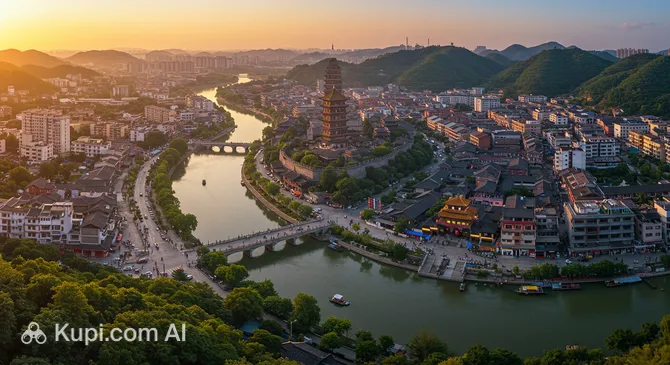
Welcome to Nanchong, a dynamic metropolis situated in the northeast of the Sichuan Basin. Located gracefully along the banks of the Jialing River, this city is a significant cultural and economic hub in China. With a population exceeding 6 million people, Nanchong offers a vibrant atmosphere that perfectly balances modern urban life with the lush, subtropical scenery typical of the province.

The city is renowned for its deep cultural roots and is often celebrated as the "Cradle of Silk" due to its long-standing tradition of sericulture and textile production. Visitors interested in the past will find the history of Nanchong fascinating, particularly its connection to the Three Kingdoms period. It is the hometown of Chen Shou, the famous historian who authored the Records of the Three Kingdoms, a work that has influenced Chinese culture for centuries.

Nanchong. Source: Kupi.Binoculars

Travelers flock to Nanchong to explore its diverse attractions. A highlight for many is the nearby Langzhong Ancient City, one of the four great ancient cities in the country, known for its well-preserved architecture and Feng Shui layout. Within Nanchong itself, Mount Xishan offers panoramic views and scenic hiking trails, while the riverside parks provide a relaxing space to enjoy the local lifestyle. Whether you are exploring its ancient heritage or enjoying its famous silk products, Nanchong invites you to discover the charm of eastern Sichuan.

Weather Overview

Nanchong experiences a humid subtropical climate with four distinct seasons, making it a year-round destination with varying atmospheric moods. Summers are typically hot and humid, with August being the warmest month, featuring an average temperature of 29.3°C and highs reaching up to 33.1°C. This season also brings the most rainfall; July is particularly damp, with precipitation occurring on approximately 18 days of the month.

The winter months are much cooler and drier, though generally mild compared to northern China. January is usually the coldest time, with average temperatures hovering around 7.2°C and lows dipping to 3.6°C. While rainfall is minimal during winter, with only about 1mm of precipitation in months like December and January, the skies can often remain overcast. Spring and autumn offer moderate and comfortable conditions, serving as excellent times for outdoor exploration.

For those looking to time their visit perfectly, it is helpful to consult the detailed guide to the weather in Nanchong before packing. In general, travelers should expect hot, wet summers with frequent rain showers and cool, relatively dry winters.

Interesting Facts

Beyond the main attractions, Nanchong holds many fascinating secrets that reveal its deep historical and cultural significance. From ancient astronomical achievements to unique culinary traditions, this city offers surprises around every corner.

  • The Father of the Spring Festival: Nanchong is widely regarded as the birthplace of the Chinese New Year. Luo Xiahong, a renowned astronomer from the area during the Western Han Dynasty, formulated the Taichu Calendar, which officially established the dates for the Spring Festival that is celebrated throughout China to this day.

  • Giant Puppets: The city is home to the unique Northern Sichuan Giant Puppet Show, a rare form of folk art. Unlike typical hand puppets, these creations can stand as tall as a human and are incredibly flexible, capable of performing delicate actions like lighting candles, drinking tea, or even changing costumes on stage.

  • Medicinal Vinegar: The local Baoning Vinegar is one of the four famous vinegars in the country and is distinct for being brewed with various traditional medicinal herbs. It is so revered in the region that it is not only used for cooking but is sometimes consumed as a health drink.

  • A General's Snack: A famous local specialty is "Zhang Fei Beef," named after the legendary general of the Three Kingdoms period who governed the region. The dried beef features a dark skin and red meat, which is said to symbolize the general's dark complexion and his loyal, patriotic heart.

How to Get There

Planning a trip to this part of Sichuan is quite convenient, with options ranging from direct flights to regional transport connections. You can find more details and all ways to reach the city in our dedicated guide.

The most direct way to arrive is via Nanchong Airport (NAO). This regional airport is located within the city, approximately 10.3 km from the center, making it a very accessible entry point. The journey by taxi or bus typically takes around 35 minutes. For those looking for more extensive international connections, Chongqing Jiangbei International Airport (CKG) is a major alternative. Situated in the city of Chongqing, about 134 km away, it serves a large volume of passengers annually. Traveling from there to Nanchong by road typically takes between 2 to 2.5 hours.

For clarity, here is a summary of the main airports:

Airport Name City Passenger Traffic Km from City
Chongqing Jiangbei International Airport Chongqing Very High 134.1
Mianyang Nanjiao Airport Mianyang Medium 146.1
Dazhou Jinya Airport Dazhou Medium 128.8
Nanchong Airport Nanchong Medium 10.3
Langzhong Gucheng Airport Langzhong Small 74.1

Travelers exploring the wider region may also utilize major railway hubs in neighboring cities. Significant options include Chongqing West Railway Station and Chongqingbei Railway Station, both located in Chongqing. If you arrive at these stations, it is highly recommended to catch a connecting high-speed train to Nanchong. This is the standard and most convenient method for tourists, offering a faster and more comfortable journey compared to road transfers.

Below is a list of nearby railway stations:

Station City Passenger Traffic Km to Center
Chongqing West Railway Station Chongqing High 145.8
Wanzhou North Railway Station Wanzhou Medium 215.4
Neijiang North Railway Station Neijiang Medium 172.9
Chongqingbei Railway Station Chongqing High 142.3
Shapingba Railway Station Chongqing High 151.2

Main Attractions

Nanchong offers a fascinating blend of deep-rooted history and natural beauty, making it a rewarding destination for travelers exploring Sichuan. The city is particularly famous for its association with the Three Kingdoms period and its well-preserved ancient architecture. Whether you are a history enthusiast or simply looking for a scenic getaway, the region provides several captivating sites to explore.

Langzhong Ancient City is undoubtedly the crown jewel of the region's tourism. Located within the administrative area of Nanchong, it is celebrated as one of China's four great ancient cities. This destination is renowned for its unique urban layout, which was designed according to traditional Feng Shui principles, earning it the nickname "Feng Shui Ancient City." Visitors can wander through its well-preserved streets, admire the architecture from the Ming and Qing dynasties, and visit the Zhang Fei Temple, dedicated to the legendary general who once governed the area.

For those staying within the main city center, the Mount Xishan Scenic Area is a must-visit destination that combines nature with culture. This lush, green hill is not only a "natural oxygen bar" for the city but also a site of great historical significance. Its most famous landmark is the Wanjuan Tower (Tower of Ten Thousand Volumes), the former study place of Chen Shou, the historian who wrote the Records of the Three Kingdoms. A hike or cable car ride to the top rewards visitors with panoramic views of Nanchong and the winding Jialing River.

If you are looking for a relaxing afternoon in the heart of the city, Beihu Park (North Lake Park) is the perfect spot. This expansive urban park features a large, serene lake often dotted with lotus flowers in the summer. It serves as a vibrant hub for local life, where you can watch residents practicing Tai Chi, playing traditional instruments, or simply enjoying a tea break by the water. It offers a peaceful retreat from the bustling streets and a genuine glimpse into the daily lifestyle of the locals.

Local Cuisine

The local cuisine in Nanchong is a vibrant reflection of its location in the Sichuan Basin, characterized by bold flavors, liberal use of chili oil, and the signature numbing sensation of Sichuan peppercorns. While it shares the spicy soul of the broader provincial cuisine, Nanchong boasts its own unique culinary identity, particularly famous for its distinct breakfast culture and savory street snacks.

The most iconic dish in the city is undoubtedly Nanchong Rice Noodles (Nanchong Mifen). Unlike in many other parts of China where noodles are a lunch or dinner staple, here they are the preferred way to start the day. Locals often line up early in the morning for a steaming bowl of these soft, silky noodles, which are typically served in a rich bone broth and topped with spicy stewed beef, intestines, or pickled vegetables. It is a hearty and warming meal that fuels the city's residents.

Another "must-try" delicacy is Chuanbei Liangfen (North Sichuan Jelly Noodles). This cold dish consists of smooth, translucent strips made from pea starch, dressed in a pungent sauce of chili oil, vinegar, garlic, and crushed peanuts. The contrast between the cool, slippery jelly and the fiery sauce creates a refreshing yet intense flavor profile that is perfect for hot summer days. Visitors should also look for Guokui, a type of crisp, flaky flatbread often stuffed with minced meat or seasoned vegetables, which serves as a popular on-the-go snack.

When it comes to beverages, the city's tea culture is prominent, with teahouses serving as social hubs where people gather to chat and relax. Uniquely, Nanchong is famous for Baoning Vinegar, a dark, medicinal vinegar brewed with herbs. While primarily a condiment that adds a rich, sour depth to local dishes, it is sometimes diluted and consumed as a health drink due to its reputed digestive benefits. For those seeking something stronger, local varieties of baijiu (grain liquor) are widely available and often accompany festive dinners.

The food scene in Nanchong is casual and accessible. While there are plenty of sit-down restaurants offering elaborate Sichuan feasts, the true spirit of local dining is found in the small "fly restaurants" (small, hole-in-the-wall eateries) and street stalls. Here, the atmosphere is lively and unpretentious, allowing tourists to rub shoulders with locals while enjoying authentic flavors at affordable prices.

Travel Tips

Visiting Nanchong offers a unique opportunity to experience the authentic lifestyle of the Sichuan Basin, far removed from the intense bustle of China's mega-cities. To ensure your journey through the "Cradle of Silk" is as smooth and enjoyable as possible, here are some practical tips to help you navigate local customs and logistics.

  1. Clothing and Gear: Since Nanchong has a humid subtropical climate, packing requires strategy. In summer, bring light, breathable fabrics and a sturdy umbrella, as rain showers are frequent and humidity is high. Winters are chilly and damp, so a warm coat and thermal layers are essential. Comfortable walking shoes are a must, especially if you plan to explore the cobblestone streets of Langzhong Ancient City or hike up Mount Xishan.
  2. Transportation: Unlike larger Chinese metropolises, Nanchong does not currently have an operational subway system. The most convenient way to get around is by taxi or ride-hailing apps like DiDi (the local version of Uber), which are affordable and reliable. Public buses are extensive and very cheap (usually 1 or 2 RMB), but routes are in Chinese, so having a navigation app is helpful.
  3. Finances: The local currency is the Chinese Yuan (RMB). While cash is still accepted, digital payments via Alipay or WeChat Pay dominate daily life, from street vendors to shopping malls. It is highly recommended to set up the international version of these apps on your phone before arrival. International credit cards are rarely accepted outside of major hotels, so always carry some cash for emergencies. Tipping is not part of the culture and is not expected.
  4. Health and Safety: Nanchong is generally very safe for tourists. However, the local cuisine is famous for its heavy use of chili oil and Sichuan peppercorns. If you have a sensitive stomach, carry digestive medicine and ask for "bu la" (not spicy) or "wei la" (mildly spicy) when ordering. Never drink tap water; stick to bottled water or boiled water provided in hotels. Pharmacies are marked with a green cross, but English-speaking staff may be rare.
  5. Communication: Mandarin is the official language, though locals often speak the Sichuan dialect, which can be distinctively different. English proficiency is limited outside of high-end hospitality venues. It is crucial to have a translation app (like Baidu Translate or a translation feature on your phone) downloaded offline. Purchasing a local SIM card or an eSIM with data roaming is vital for navigation and translation.
  6. Local Etiquette: The pace of life here is more relaxed than in Chengdu or Chongqing. When dining, it is polite to wait for the host or the eldest person to start eating. If you are sharing dishes, use the serving chopsticks provided. Greeting locals with a smile and a nod is common; handshakes are generally reserved for formal introductions.
  7. What to Avoid: Avoid leaving your chopsticks sticking vertically into a bowl of rice, as this resembles incense burning for the dead and is considered very inauspicious. Additionally, try not to be alarmed by loud conversations in restaurants or public spaces; the local dialect is naturally expressive and energetic, which can sometimes be mistaken for arguing.
  8. Local Insight: Embrace the tea culture! Nanchong has a vibrant teahouse tradition. Spending an afternoon sipping tea and playing cards or Mahjong in a riverside park is the best way to connect with the local vibe. Also, since the city is famous for silk, buying silk products here can be a great souvenir, often at better quality and prices than in tourist-heavy cities.

By keeping these practicalities in mind, you will be well-prepared to immerse yourself in the rich history and spicy flavors of Nanchong. Whether you are marveling at ancient architecture or enjoying a bowl of rice noodles, a little preparation goes a long way in making your trip unforgettable.

Entertainment & Nightlife

As the sun sets over the Jialing River, Nanchong transforms from a busy commercial hub into a vibrant city of lights and entertainment. While it may not share the international fame of Chengdu's nightlife, the city offers a spirited evening scene that blends modern excitement with local Sichuanese flavor. The nightlife here is concentrated in specific districts where locals gather to unwind, eat, and socialize until the early hours.

The epicenter of evening entertainment is undoubtedly the 1227 Shopping Plaza (also known as 1227 Cultural Street). Located in the Shunqing District, this area is not just a shopping destination but a bustling nightlife district designed with architecture reminiscent of the Republic of China era. At night, the buildings are beautifully illuminated, creating a cinematic backdrop for the numerous bars, KTV lounges, and trendy restaurants that line the streets. It is the perfect place to start your evening with a hot pot dinner before moving on to a lounge or club.

For those seeking a more energetic atmosphere, the area around Wuxing Garden (Five Star Garden) in the city center remains lively well into the night. Here, and in the surrounding commercial blocks, you can find a variety of nightclubs and "slow shake" bars (lounges with DJ music where people stand and drink). The crowd is typically young and fashionable, with venues playing a mix of electronic dance music and Chinese pop. The dress code is generally smart-casual; while you don't need formal wear, avoiding flip-flops and beach shorts is recommended for clubs.

If you prefer a more relaxed evening, a stroll along the Jialing River offers a refreshing alternative. The riverside parks come alive at night with locals dancing, singing, and enjoying the cool breeze. Nearby, the Baita Park (White Tower Park) area provides stunning views of the city lights reflecting on the water. For a truly unique experience, a trip to Langzhong Ancient City (about an hour away) offers a magical night scene where red lanterns glow against ancient wooden facades, perfect for a quiet, atmospheric walk.

Practical tips for enjoying Nanchong at night:

  • Timing: Bars and clubs usually start filling up after 9:00 PM, while night markets and restaurants are busiest between 7:00 PM and 10:00 PM.
  • Prices: Entertainment here is generally more affordable than in first-tier cities. A beer in a bar might cost 30-50 RMB, while street food is very cheap.
  • Transport: Taxis and ride-hailing apps like DiDi are the best way to get around at night. They are plentiful and inexpensive.
  • Safety: The main nightlife districts like 1227 Plaza are well-lit and safe. However, as with any city, it is wise to stay in populated areas and keep an eye on your belongings.

While the nights are for revelry, Nanchong also offers plenty of daytime entertainment. Culture lovers can visit the Nanchong Grand Theatre for local performances or explore the city's museums to dive deeper into the region's history. Families might enjoy the various amusement parks scattered around the city's outskirts, offering a fun break from historical sightseeing.

Parks & Museums

Nanchong is a city where urban development exists in harmony with lush natural landscapes and deep historical roots. The city’s green spaces are not just recreational areas but are often intertwined with cultural landmarks, offering visitors a chance to enjoy the outdoors while connecting with the region's storied past. From scenic hills overlooking the river to museums preserving ancient traditions, there is plenty to explore.

Mount Xishan Scenic Area is the premier natural destination within the city limits, often referred to as the "First Mountain in Guoba." Rising elegantly to the west of the city, it offers a refreshing escape with its dense forests and winding walking trails. The park is most famous for the Wanjuan Tower, a tribute to the historian Chen Shou, where visitors can learn about the Three Kingdoms period while enjoying panoramic views of the Nanchong skyline and the Jialing River below. It is an ideal spot for a morning hike or a leisurely cable car ride.

Another significant green space is Baita Park (White Tower Park), named after the majestic white pagoda that stands atop the hill. Dating back to the Song Dynasty, the White Tower is an architectural marvel and a symbol of the city's heritage. The park surrounding it is beautifully landscaped with native trees and flower gardens, providing a serene environment for locals who come here to exercise, fly kites, or simply admire the sweeping views of the river bending around the city.

For those interested in the intellectual history of the region, the Sichuan Northern Imperial Examination Museum (located in Langzhong Ancient City, administered by Nanchong) is a world-class cultural venue. It is one of the best-preserved examination halls in China, offering a fascinating glimpse into the rigorous civil service exams of imperial times. Visitors can walk through the original testing cells and view artifacts that reveal the intense pressure and prestige associated with these ancient academic trials.

To understand the local identity, a visit to the Nanchong Museum is highly recommended. This comprehensive facility showcases the region's evolution from prehistoric times to the modern era. Exhibits often highlight Nanchong's status as the "Cradle of Silk," displaying ancient looms, silk fabrics, and tools that demonstrate the city's thousands of years of sericulture history. It provides essential context for understanding why this city became a vital economic hub in Sichuan.

For a truly authentic experience, take a walk along the Jialing River Wetland Park in the early evening. This massive ecological corridor stretches for miles and is the living room of the city, where you can find locals practicing calligraphy on the pavement with water brushes or playing traditional instruments in small pavilions, offering a genuine slice of Nanchong life away from the tourist crowds.

Getting Around

Navigating Nanchong is relatively straightforward, although the city differs from China's largest metropolises in that it does not currently rely on a subway network for daily commuting. The backbone of the public transport system is an extensive and efficient bus network. These buses connect all major districts, railway stations, and tourist attractions, making them the most practical option for budget-conscious travelers. The fleet is generally modern, with many air-conditioned vehicles providing a comfortable ride, even during the humid summer months.

For visitors, the payment system is digital-first, though traditional methods still work. The fare for most bus routes is very affordable, typically costing 1 to 2 RMB per ride regardless of distance. While you can pay with exact change (coins or small notes) by dropping it into the box at the driver's entrance, most locals and savvy tourists use mobile payment apps. Alipay and WeChat Pay are essential tools here; both apps have a "Transport" or "Ride Code" feature that generates a QR code, which you simply scan upon boarding. Physical transit cards (IC cards) exist but are generally not worth the hassle for short-term visitors compared to the convenience of mobile apps.

Taxis and ride-hailing services offer a convenient alternative and are surprisingly affordable compared to Western standards. Official taxis can be hailed on the street and are strictly metered; always ensure the driver turns the meter on when you start your journey. For a more seamless experience, the ride-hailing app DiDi (accessible via a standalone app or within WeChat/Alipay) is highly recommended. It allows you to input your destination in English (which the app translates for the driver) and pay automatically, eliminating language barriers and payment fumbles.

For short distances, the city is very walkable, especially around the riverside and commercial centers. Additionally, shared bicycles are ubiquitous. You will find yellow (Meituan) or blue (HelloBike) bikes parked on sidewalks throughout the city. These can be unlocked by scanning a QR code with the respective app or Alipay/WeChat. They offer a flexible way to explore the scenic roads along the Jialing River at your own pace, costing only a few RMB per hour.

A few practical tips will ensure a smooth experience. Public buses typically operate from around 6:00 AM to 9:30 PM, though some major lines may run slightly later. If you are traveling late at night, taxis are your best bet. Since English signage at bus stops can be limited, it is crucial to have your destination written in Chinese characters to show a driver or to cross-reference with a navigation app like Baidu Maps or Amap (Gaode Maps). Avoid traveling during peak rush hours (7:30–9:00 AM and 5:30–7:00 PM) if possible, as traffic congestion can significantly increase travel time.

Accommodation

Finding the right place to stay in Nanchong is relatively easy, as the city offers a broad spectrum of accommodation options ranging from cost-effective guesthouses to upscale business hotels. Unlike some of China's most tourist-heavy destinations, Nanchong provides excellent value for money, with even high-end establishments often priced significantly lower than comparable hotels in Chengdu or Chongqing. The options generally fall into two categories: modern high-rise hotels in the main urban districts and traditional boutique inns in the nearby historical areas.

For most visitors, the Shunqing District serves as the most convenient base. This is the heart of the city, home to major commercial hubs like the 1227 Shopping Plaza and Wuxing Garden. Staying here places you within walking distance of vibrant night markets, restaurants, and the Jialing River waterfront. It is an excellent choice for travelers who want to be in the center of the action with easy access to public transport. Alternatively, the Gaoping District, located across the river, offers newer developments and is often closer to Nanchong Airport and the railway station, making it suitable for those with early morning connections.

A unique accommodation experience awaits those who choose to visit Langzhong Ancient City, which falls under Nanchong's administration. Here, travelers can stay in beautifully restored traditional courtyards (Siheyuan) that have been converted into boutique inns. These establishments often feature wooden architecture, lantern-lit corridors, and antique furniture, offering an immersive cultural stay that feels like stepping back in time. It is highly recommended to spend at least one night here to enjoy the atmosphere after the day-trippers have left.

When it comes to booking, it is important to note a specific logistical detail for international travelers in China. Not all hotels are licensed to host foreign guests. Therefore, it is advisable to use major international booking platforms or large Chinese travel apps (like Trip.com) that explicitly state whether a property accepts foreign passports. Checking this in advance can save you from the inconvenience of being turned away at the front desk.

Price Range and Tips:
Accommodation in Nanchong is generally very affordable.
Budget: Clean and simple rooms can be found for under 150 RMB per night.
Mid-Range: Comfortable business hotels typically range from 200 to 400 RMB.
High-End: Luxury options and premium boutique inns usually start around 500 RMB.
It is wise to book in advance if you are traveling during major Chinese holidays, such as the Spring Festival or National Day (early October), as prices can spike and popular rooms in the ancient city sell out quickly.

Nearby Cities

For those looking to explore the surroundings, Nanchong serves as an excellent base for day trips to several interesting nearby locations:

City Population Distance (km)
Chongqing 12,135,000 147
Dazhou 5,468,097 136
Mianyang 4,868,243 153
Deyang 3,877,000 167
Neijiang 3,702,847 172

Among the most popular destinations for a short excursion is Chongqing. Known as the "Mountain City," it is a sprawling metropolis located at the confluence of the Yangtze and Jialing rivers. Visitors are drawn to its unique 3D geography, where trains pass through buildings and roads stack upon one another. It is also world-famous for its fiery hot pot cuisine and stunning night views, particularly around the Hongya Cave area, which resembles a traditional stilt house complex lit up against the modern skyline.

Another fascinating option is Mianyang, the second-largest city in Sichuan Province. Historically significant, it is often associated with the famous Tang Dynasty poet Li Bai, whose hometown is located nearby in Jiangyou. Mianyang offers a blend of ancient culture and modern innovation, being known as China's Science and Technology City. Travelers can explore the Holy Water Temple (Shengshui Temple) with its impressive statues or enjoy the relaxed pace of this culturally rich urban center.

These nearby destinations offer a glimpse into the diverse culture and landscapes of the region.

Shopping & Souvenirs

Shopping in Nanchong offers a delightful mix of modern retail experiences and traditional Sichuanese commerce. As the renowned "Cradle of Silk," the city is an excellent destination for purchasing high-quality textiles, but it also boasts bustling commercial districts where international brands sit side-by-side with local vendors. Whether you are looking for luxury goods in air-conditioned malls or hunting for unique local snacks in lively street markets, the city provides a diverse range of options that reflect its status as a regional economic hub.

The commercial heart of the city beats strongest around Wuxing Garden (Five Star Garden) in the Shunqing District. This iconic roundabout serves as the central landmark for Nanchong's downtown area and is surrounded by a dense network of pedestrian streets and department stores. It is the go-to location for fashion, electronics, and cosmetics. Another must-visit area is the 1227 Shopping Plaza (1227 Cultural Street). Designed with architecture that mimics the Republic of China era, this district offers a more scenic shopping experience. It is particularly popular in the evenings, where you can browse boutique shops, buy handicrafts, and enjoy local snacks in a vibrant, photogenic setting.

For a comprehensive one-stop shopping experience, the city features several large modern complexes. The Wangfujing Department Store is a prominent name, offering upscale clothing brands, jewelry, and a wide selection of dining options on the upper floors. Similarly, the New Century Department Store is a favorite among locals for its reliability and variety of goods. These malls provide a comfortable escape from the summer heat or winter chill and are typically equipped with cinemas and supermarkets, making them convenient hubs for travelers.

To truly understand the local lifestyle, visiting a market is essential. While traditional wet markets are where residents buy their daily produce, tourists will find the night markets more engaging. These pop-up stalls often appear near university districts and busy intersections, selling everything from phone accessories and cheap clothing to handmade trinkets. They are also the best places to sample street food while you shop, adding a flavorful dimension to your retail therapy.

When it comes to souvenirs, Nanchong Silk is the undisputed highlight. The region has a history of sericulture stretching back thousands of years, and you can find exquisite silk scarves, pajamas, and bedding at very competitive prices compared to larger cities. Food items are also popular gifts; Zhang Fei Beef (a dried, spiced beef snack with a dark coating) is a savory treat with a legendary backstory. Additionally, a bottle of Baoning Vinegar, famous for its medicinal herbal brewing process, makes for a unique and practical memento of the local culinary culture.

Most shops in Nanchong operate daily from around 10:00 AM to 10:00 PM, although smaller street stalls may stay open later into the night. Payment is almost exclusively digital; WeChat Pay and Alipay are used everywhere, from high-end malls to roadside vegetable vendors. While major department stores accept credit cards, cash is becoming increasingly rare, though still legally accepted. It is highly recommended to have a mobile payment method set up on your phone for a seamless experience.

Regarding tax refunds, Nanchong is not typically a major hub for tax-free shopping for international tourists compared to cities like Shanghai or Beijing. Visitors should not expect instant tax refund services at most counters. It is best to assume that the price you see is the final price, although bargaining is acceptable and expected in street markets and smaller independent shops.
Reached the end of the page?

That means the route is fully explored