Support

Dazhou

About

Dazhou is a vibrant and significant city located in the eastern part of Sichuan province, China. Often referred to as the "Gas Capital of China" due to its abundant natural gas reserves, the city is also a crucial transportation hub connecting the province to the rest of the country. With a population of over 5.4 million, Dazhou combines the bustle of modern development with the serene beauty of its surrounding mountains and rivers, offering a unique atmosphere that blends industrial energy with natural charm.

Geographically, the city sits between the Daba Mountains and the Sichuan Basin, resulting in a landscape characterized by rolling hills and lush greenery. The region enjoys a humid subtropical climate, making it a pleasant destination for nature enthusiasts throughout much of the year. Beyond its natural allure, the area is historically significant as one of the cradles of the ancient Ba culture. Those wishing to delve deeper into the history of Dazhou will discover a fascinating legacy of folk customs and archaeological treasures that date back thousands of years.
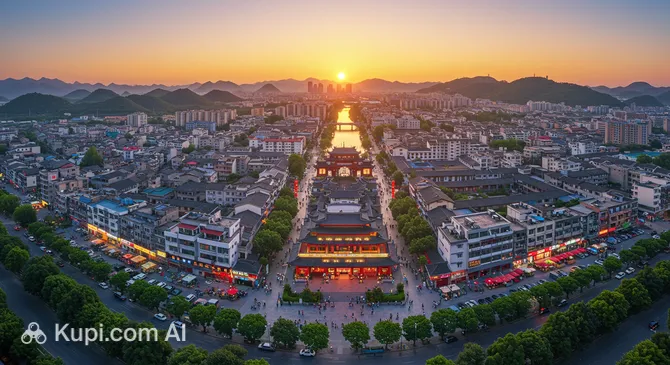
Dazhou. Source: Kupi.Binoculars

Travelers visiting Dazhou should not miss the opportunity to explore its stunning scenic spots. Mount Zhenfo (True Buddha Mountain) is a major attraction, renowned for its exquisite temples and religious significance, offering both spiritual solace and breathtaking views. Another highlight is Batai Mountain, often called the "Mt. Emei of Eastern Sichuan," which captivates visitors with its dramatic peaks and sea of clouds. Whether you are interested in hiking, cultural exploration, or simply enjoying the local cuisine, Dazhou provides a memorable experience off the beaten path.

We invite you to discover the hidden gems of Dazhou, where ancient traditions meet spectacular natural landscapes. It is a destination that promises authentic encounters and scenic wonders for every type of traveler.

Weather Overview

The climate in this region is generally mild and humid, featuring distinct seasonal changes that travelers should consider when planning their itinerary. To help you prepare for your trip and pack accordingly, you can consult the detailed forecast for the weather in Dazhou. Generally, the city experiences warm summers with occasional rain and cool, drier winters.

Summer is the hottest time of the year, particularly in August, which sees an average temperature of 28.6°C and daily highs reaching up to 32.6°C. This season is also characterized by frequent precipitation; July, for instance, records approximately 18 wet days. Conversely, winters are quite cool, with January being the coldest month, averaging 6.3°C and seeing lows dip to around 2.7°C.

The transitional seasons of spring and autumn offer moderate and comfortable conditions for sightseeing. April brings pleasant warmth with an average of 17.7°C, while October remains mild at 17.1°C. Since the number of wet days remains relatively high from spring through autumn—peaking in the summer months—it is always a good idea to carry an umbrella or rain gear during these times.

Interesting Facts

Beyond its scenic landscapes and industrial prominence, Dazhou holds several fascinating secrets that surprise many visitors. From ancient architectural wonders to rare geological features, the city offers a deeper layer of history and natural wealth waiting to be explored.

  • The Kingdom of Han Towers: Dazhou is widely renowned as the "Hometown of Han Towers" because it preserves the largest collection of Que (stone watchtowers) from the Han Dynasty in China. These 2,000-year-old structures are considered "living fossils" of architecture, featuring intricate carvings that provide a rare and valuable glimpse into the art and customs of the ancient Ba people.

  • A Land of Selenium: The Wanyuan area within Dazhou is celebrated as a "Selenium-Enriched Capital." The local soil is naturally abundant in selenium, a vital trace element, which makes the region's agricultural products—especially its tea and potatoes—highly sought after by health-conscious travelers for their nutritional quality.

  • A Giant in Energy: While the city is familiarly known as the "Gas Capital," the sheer scale of its resources is staggering. It houses the Puguang Gas Field, one of the largest marine facies gas fields in Asia. This site is not just a local resource but the critical starting source for the "Sichuan-to-East Gas Pipeline," a massive infrastructure project supplying clean energy to eastern regions of the country.

  • The Legend of the Ba General: Local folklore is rich with stories of the ancient Ba Kingdom, particularly regarding General Fan Kuai. Legend has it that the general once stationed his troops here, and many local place names and mountain peaks are named in his honor, serving as a lasting testament to the region's strategic historical importance.

How to Get There

Reaching this part of Sichuan is relatively straightforward, with options ranging from direct flights to regional rail connections. Travelers can find more about how to get to Dazhou and the specific routes available, but the most convenient method for many is flying directly into the local airport.

The city is served by Dazhou Jinya Airport (DZH), which is located within Dazhou itself, approximately 18.4 km from the city center. A taxi or shuttle from here typically takes around 50 minutes. For those arriving from further afield or internationally, Chongqing Jiangbei International Airport (CKG) in Chongqing is a major alternative hub. Although it is situated about 183 km away, it offers extensive connections. The journey by road from Chongqing to Dazhou takes approximately 5 hours.

For clarity, here is a summary of the main airports:

Airport Name City Passenger Traffic Km from City
Chongqing Jiangbei International Airport Chongqing Very Large 183.2
Dazhou Jinya Airport Dazhou Medium 18.4
Nanchong Airport Nanchong Medium 143.5
Wanxian Airport Wanzhou Medium 102.6
Langzhong Gucheng Airport Langzhong Small 140.2

If you prefer traveling by train, you can utilize stations in neighboring cities to access the region. One of the closest options is Wanzhou North Railway Station (WXB) in the city of Wanzhou, located about 93.5 km from Dazhou. From there, you can get a taxi or bus, which takes about 2 hours and 40 minutes. Another significant transport hub is Chongqing West Railway Station (CKJ) in Chongqing. While it is approximately 207 km away, it is a major station handling a large volume of passengers; the transfer by road to Dazhou from here takes around 5.5 hours.

Below is a list of nearby railway stations:

Station City Passenger Traffic Km to Center
Chongqing West Railway Station Chongqing Very Large 207.5
Wanzhou North Railway Station Wanzhou Large 93.5
Chongqingbei Railway Station Chongqing 197.9
Enshi Railway Station Enshi 214.7
Shapingba Railway Station Chongqing 213.7

Main Attractions

Dazhou offers a fascinating blend of natural wonders and deep-rooted cultural heritage, making it a rewarding destination for travelers exploring eastern Sichuan. From mist-covered peaks to ancient architectural marvels, the city's attractions provide a glimpse into both the scenic beauty and the historical depth of the region.

Zhenfo Mountain (True Buddha Mountain) is one of the area's most spiritual and scenic sites. Located in the Dachuan District, this "Tri-Religious Sacred Site" uniquely integrates Buddhism, Taoism, and Confucianism within its temple complexes. Visitors can climb the 999 stone steps to reach the summit, where the magnificent Dehua Temple stands. The mountain is not only a place for worship but also offers panoramic views of the surrounding countryside, making the ascent well worth the effort for both pilgrims and hikers.

For those seeking dramatic landscapes and a touch of adventure, Batai Mountain in Wanyuan is a must-visit. Often called the "Little Emei of Eastern Sichuan," it is famous for its breathtaking sunrises and the "sea of clouds" that frequently shrouds its limestone peaks. The mountain is also home to a glass skywalk that clings to the cliffs, offering thrill-seekers a dizzying but spectacular perspective of the valleys below. In winter, the snow-capped scenery transforms the park into a serene white wonderland.

Bashan Grand Canyon offers a completely different natural experience, featuring deep gorges, karst caves, and winding rivers. Historically known as the Baili Gorge, this area is rich with the legacy of the ancient Ba people. Travelers can explore the rugged terrain where General Fan Kuai once stationed his troops or take a boat ride to admire the towering cliffs from the water. The combination of geological grandeur and historical legends makes it a captivating spot for nature lovers and history buffs alike.

History enthusiasts should not miss the Han Dynasty Towers in Qu County (Quxian). These stone watchtowers, or Que, date back around 2,000 years and are considered "living fossils" of Chinese architecture. Dazhou possesses the largest concentration of these ancient structures in China. Intricately carved and stoically preserving the artistic style of the Han Dynasty, they offer a rare tangible connection to one of China's most significant historical eras.

Local Cuisine

The local cuisine of Dazhou is a fiery and flavorful celebration of traditional Sichuan cooking, deeply influenced by the region's ancient Ba culture. Known for its bold use of chili peppers, Sichuan peppercorns, and aromatic spices, the food here is designed to awaken the senses. The local palate leans heavily towards the famous "mala" (numbing and spicy) profile, but you will also find unique preserved ingredients and river delicacies that distinguish this area from the rest of the province.

One dish you absolutely must try is Dengying Beef (Shadow Play Beef). This is Dazhou's most iconic culinary export, dating back to the Tang Dynasty. The beef is sliced so thinly that it becomes translucent—legend says you can see moving figures through it like a shadow puppet play. Marinated in spices and slow-roasted, it is crispy, spicy, and perfect as a snack or appetizer. Another local favorite is Kaijiang Dried Tofu, a chewy and savory soybean snack that comes in various spiced flavors, reflecting the city's reputation for high-quality soy products.

For a heartier meal, taste the region's renowned Wanyuan Old Bacon (Wanyuan Laorou). This smoked pork delicacy is aged to perfection, offering a rich, savory taste that pairs wonderfully with local vegetables. Seafood lovers should look for dishes featuring fresh river fish from the Zhouhe River, which are often prepared in spicy, bubbling broths that highlight the fish's tenderness. Additionally, the region is famous for Quxian Yellow Daylily, a nutritious flower bud often used in soups or stir-fries, adding a subtle sweetness and delicate texture to the table.

The food culture in Dazhou is vibrant and communal. To wash down the spicy flavors, locals often turn to tea grown in the misty Bashan mountains, such as "Bashan Que She" (Sparrow's Tongue), which offers a refreshing counterpoint to the oily meals. The true soul of the city's food scene is found in its bustling food streets and night markets, where tourists and locals alike gather to sample street food amidst the clatter of chopsticks and the rich aroma of chili oil.

Travel Tips

Visiting Dazhou offers a unique opportunity to experience the authentic lifestyle of eastern Sichuan, but a little preparation goes a long way in this mountainous region. To help you navigate the city with ease and make the most of your journey through the "Hometown of Han Towers," here are some essential practical tips.

  1. Clothing and Gear: The climate here is humid subtropical, so pack lightweight, breathable fabrics for the hot and sticky summers. Winters are cool and damp, requiring warm layers and a water-resistant jacket. Since Dazhou is famous for its scenic mountains like Zhenfo and Batai, sturdy, comfortable walking shoes are non-negotiable. Don't forget a universal power adapter (China uses types A, C, and I) and a portable power bank for long days out.
  2. Transportation: Getting around the city center is most convenient via taxis or ride-hailing apps like DiDi, which are generally affordable and reliable. Public buses are extensive but can be challenging if you don't read Chinese characters. For travel between districts or to nearby counties, the local bus stations and the railway network are your best options; high-speed trains provide excellent connections to major hubs like Chengdu and Chongqing.
  3. Finances: The local currency is the Renminbi (RMB). While major hotels may accept international credit cards, daily life in Dazhou runs on mobile payments. It is highly recommended to set up Alipay or WeChat Pay on your phone before arrival, as even small street vendors prefer digital transactions. Always carry some cash for emergencies, but finding ATMs that accept foreign cards can sometimes be limited to major bank branches.
  4. Health and Safety: Dazhou is generally a very safe city for tourists. However, the local cuisine is famous for its heavy use of chili and Sichuan pepper. If you have a sensitive stomach, pack digestion remedies and ease into the local food scene slowly. Pharmacies are recognizable by a green cross sign; while over-the-counter basics are available, carrying a translation of your specific medical needs is wise.
  5. Communication: Mandarin is the official language, but locals often speak a distinct Sichuan dialect that can be hard to understand, even for Mandarin speakers. English is not widely spoken outside of top-tier hotels. A reliable translation app is essential for daily interactions. Be sure to purchase a local SIM card upon arrival in China to access maps and translation tools without relying on public Wi-Fi.
  6. Local Etiquette: Dining is a communal affair here. When eating with locals, wait for the host to signal the start of the meal, and never stick your chopsticks vertically into a bowl of rice, as this resembles incense burning for the dead. If you are offered a toast, it is polite to take at least a small sip. Handing over money or cards with both hands is a sign of respect.
  7. What to Avoid: Avoid discussing sensitive political topics, as this is considered impolite and inappropriate. Additionally, do not underestimate the "mala" (numbing spice) level of the food; unless you are a spice veteran, it is safer to ask for "wei la" (mildly spicy) when ordering traditional dishes like hotpot.
  8. Experience the Tea Culture: Dazhou has a rich tea heritage, particularly with its selenium-enriched tea. Take time to visit a traditional teahouse. It’s not just about the drink; it is a social hub where you can observe the relaxed pace of local life, play a game of cards, and chat with residents.

By keeping these tips in mind, you will be well-equipped to handle the logistics of your trip, leaving you free to enjoy the stunning landscapes and warm hospitality of Dazhou. Embrace the local rhythm, savor the fiery flavors, and have a wonderful adventure in this hidden gem of Sichuan!

Entertainment & Nightlife

Nightlife in Dazhou is vibrant and deeply rooted in the local culture of socializing over food and entertainment. Unlike the frantic pace of China's coastal metropolises, the evening atmosphere here is more relaxed but equally lively, centering on "Ye Xiao" (late-night snacks), riverside promenades, and bustling public squares. As the sun sets, the city lights up with neon signs, and the streets fill with locals enjoying the cool evening air, creating a welcoming environment for visitors to explore.

For those seeking the heart of the action, the area around People's Square is a perfect starting point. This central hub comes alive at night with musical fountains, bright lights, and groups of residents practicing traditional dances or tai chi. It is surrounded by commercial districts where you can find various KTVs (karaoke clubs) and bars. Another key area is the riverside along the Zhouhe River. A stroll here offers beautiful views of the illuminated bridges and access to numerous tea houses and open-air bars where you can enjoy a drink while watching the city reflect on the water.

One of the most spectacular evening attractions is the Lotus Lake Wetland Park (Lianhuahu). At night, this expansive park transforms into a visual wonderland with its famous 5D holographic water dance show. The combination of water jets, lasers, and music creates a stunning performance that attracts families and couples alike. It is a more scenic and romantic alternative to the noisy city center.

Food lovers should head straight to Sansheng Palace Night Snack Street. This is the epicenter of Dazhou's late-night culinary scene, where the air is thick with the aroma of spicy barbecue, grilled fish, and the region's famous "lantern shadow beef." It is a loud, chaotic, and incredibly fun place to eat like a local. Another bustling spot is DaRen Jie, a popular street market filled with vendors selling everything from handicrafts to local snacks, offering a glimpse into the everyday life of the city.

Practical Advice: The best time to experience the nightlife is between 8:00 PM and midnight. Prices in Dazhou are generally very affordable compared to Chengdu or Chongqing; a hearty meal and drinks might cost around 50-100 RMB per person. Taxis are plentiful and safe at night, but it is highly recommended to have your destination written in Chinese or use a ride-hailing app like DiDi, as English proficiency among drivers is limited. The city is safe for walking, even late at night, but stick to well-lit main streets to avoid getting lost.

While the nights are for dining and lights, the daytime offers its own cultural treasures. Before the sun goes down, consider visiting the Dazhou Museum to learn about the ancient Ba culture or take a trip to the scenic Mount Zhenfo for a mix of hiking and spiritual history.

Parks & Museums

While Dazhou is often recognized for its industrial energy and dramatic mountain surroundings, the city itself offers a surprising array of tranquil green spaces and rich cultural venues. For travelers looking to slow down and connect with the local heritage, the city's parks and museums provide a perfect counterpoint to the rugged outdoor adventures found in the nearby wilderness. Whether you are strolling through landscaped wetlands or exploring ancient artifacts, these spots offer an intimate look at the daily life and history of eastern Sichuan.

Lotus Lake Wetland Park (Lianhuahu) is the city's premier ecological retreat and a favorite among locals. Located just north of the city center, this expansive area is designed around a picturesque lake, featuring wooden boardwalks, lotus ponds, and lush walking trails. It is an excellent spot for a relaxing afternoon picnic or a leisurely bike ride. While it dazzles at night with light shows, the daytime offers a peaceful atmosphere where you can observe local birdlife and enjoy the fresh air away from the urban bustle.

For those who enjoy a bit of elevation without leaving the city, Phoenix Mountain Park (Fenghuangshan) is a must-visit. Regarded as the "green lung" of Dazhou, the park features a network of paved hiking paths that wind through dense forests to the summit. The climb is manageable for most fitness levels and rewards visitors with panoramic views of the city skyline nestled against the river. It is also a cultural hub where you will often find residents practicing Tai Chi, playing traditional instruments, or singing folk songs in the pavilions.

To understand the deep historical roots of the region, a visit to the Dazhou Museum is essential. This modern facility houses an impressive collection of artifacts that trace the area's timeline from the ancient Ba Kingdom to the present day. The exhibits on the Han Dynasty are particularly noteworthy, showcasing replicas and fragments of the famous stone watchtowers (Que) and intricate pottery that define the region's archaeological importance. It provides crucial context for the sights you might see in the surrounding countryside.

Another significant venue is the Wanyuan Battle History Memorial Hall, located in the Wanyuan area of Dazhou. This museum is dedicated to the region's pivotal role during the "Red Army" era and the Sichuan-Shaanxi Soviet. Through preserved weapons, photographs, and dioramas, it tells the story of the intense struggles that took place in these mountains. For history buffs, it offers a compelling insight into the 20th-century events that shaped modern China, set within a park that serves as a memorial garden.

For a truly authentic experience, try visiting People's Park in the early morning. Unlike the major tourist sites, this is where the heartbeat of the city is most palpable. You can watch locals engaged in everything from ballroom dancing to calligraphy on the pavement with water brushes. It is a fantastic place to sit with a cup of tea and simply people-watch, immersing yourself in the relaxed and friendly rhythm of Dazhou life.

Getting Around

The public transport system in Dazhou is primarily reliant on an extensive network of buses, as the city does not currently have an operational metro or subway system. Buses serve as the backbone of daily commuting, connecting the main urban districts of Tongchuan and Dachuan, as well as linking the city center to the railway stations and the airport. The fleet is generally modern, with air-conditioning being standard on most routes, providing a comfortable respite during the humid summer months.

For payment, the system has largely transitioned to digital methods, which is consistent with the rest of the region. While you can still pay with cash, you must have the exact fare—typically 1 or 2 RMB depending on the route—as drivers cannot provide change. For tourists, the most convenient option is to use the "Transport" mini-apps within Alipay or WeChat. These generate a QR code that you simply scan upon boarding. Physical IC transport cards are available for long-term residents but are generally unnecessary for short-term visitors given the ubiquity of mobile payments.

Taxis and ride-hailing services offer a popular and affordable alternative to buses, especially for travelers carrying luggage or those who prefer direct routes. Taxis can be easily hailed on the street and are distinguished by their green or yellow livery. They operate on a meter system, with fares starting at a very reasonable rate. Alternatively, ride-hailing apps like DiDi are widely used and often preferred by visitors because they allow you to input your destination in English (if the app supports it) or via map pins, eliminating language barriers with the driver.

For short distances, shared bicycles are scattered throughout the city sidewalks. These bikes, operated by major tech companies, can be unlocked using the same Alipay or WeChat apps used for the bus. They are an excellent way to navigate the riverside promenades or travel between nearby attractions. However, be mindful of the city's terrain; while the riverbanks are flat, some parts of Dazhou are hilly, making cycling a bit of a workout.

Operating hours for public buses generally run from around 6:00 AM to 9:30 PM, though some major lines may run slightly later. Taxis are available 24/7. Visitors should be aware that bus stops and route information are predominantly in Chinese characters. To navigate successfully, it is highly recommended to have a navigation app installed on your phone that can translate routes or to have your destination written down in Chinese to show a taxi driver or a helpful local.

Accommodation

Finding accommodation in Dazhou is generally straightforward and affordable, offering a mix of options that cater to both business travelers and tourists. The city’s hospitality sector has developed significantly in recent years, providing everything from modern high-end hotels and reliable mid-range business chains to budget-friendly guesthouses. While you may not find as many international luxury brands as in Chengdu or Chongqing, the local premium hotels offer excellent amenities and comfort at a fraction of the price found in larger metropolises.

For most visitors, the most convenient area to stay is the Tongchuan District. As the commercial and cultural heart of the city, staying here puts you within walking distance of shopping centers, restaurants, and the lively riverside promenade along the Zhouhe River. Alternatively, the Dachuan District, located south of the river, is a newer development zone featuring wider streets and modern infrastructure. It is a great choice if you prefer newer hotels and a slightly quieter environment while remaining close to the city center.

If your itinerary involves frequent travel to neighboring scenic spots or counties, staying near the Dazhou Railway Station in the western part of the city can be very practical. This area is well-served by public transport and offers numerous quick accommodation options. For travelers venturing out to nature reserves like Batai Mountain or the Bashan Grand Canyon, accommodation is typically in the form of smaller local guesthouses or "Nongjiale" (farm stays), which offer a rustic and authentic experience closer to nature.

Price Range and Booking: Accommodation in Dazhou is very budget-friendly. A comfortable stay in a standard mid-range hotel typically costs between 150 to 300 RMB per night. High-end hotels with 4 or 5-star standards generally range from 350 to 600 RMB, offering great value for money. Budget travelers can find clean hostels or inns for under 100 RMB. Most bookings can be made easily through major online platforms. For international travelers, using apps like Trip.com or Agoda is recommended, as they list properties that are accustomed to hosting foreign guests.

Important Booking Tip: When booking a hotel in smaller Chinese cities like Dazhou, it is critical to confirm that the property is licensed to accept foreign nationals. Not all hotels, especially smaller budget inns, have the necessary police registration system for non-Chinese ID holders. To avoid any inconvenience upon arrival, look for the "Foreign Guests Welcome" tag on booking sites or contact the hotel directly to verify their policy before you travel.

Nearby Cities

For those looking to explore the surroundings, Dazhou serves as an excellent base for day trips to several interesting nearby locations:

One of the most accessible destinations is Guang'an, located just a short distance away. It is widely known as the hometown of Deng Xiaoping and offers a mix of "Red Tourism" and natural beauty, particularly the scenic Huaying Mountain with its stone forests and caves. Another excellent option is Nanchong, a city with a rich history in silk production. It serves as the gateway to the famous Langzhong Ancient City, one of the four best-preserved ancient towns in China, where visitors can wander through time-worn streets and traditional architecture. For those willing to travel a bit further for a big-city experience, Chongqing offers a dramatic contrast with its towering skyline, famous spicy hotpot, and unique "mountain city" terrain.

City Population Distance (km)
Chongqing 12,135,000 202
Nanchong 6,278,614 136
Hanzhong 3,416,196 210
Suining 3,252,619 194
Guang'an 3,205,476 115

These nearby destinations offer a glimpse into the diverse culture and landscapes of the region, ranging from quiet historical towns to bustling metropolises.

Shopping & Souvenirs

Shopping in Dazhou offers a delightful mix of modern convenience and authentic local flavor. While it may not have the high-end luxury boutiques of China's coastal metropolises, the city provides a robust retail experience where travelers can find everything from contemporary fashion to unique regional specialties. The commercial scene is largely concentrated in the bustling city center, making it easy for visitors to explore department stores and traditional shops within a relatively compact area.

The primary hub for shopping is located in the Tongchuan District, particularly around the Center Square (Zhongxin Guangchang) area. This district serves as the commercial heart of the city, teeming with energy and activity. The streets radiating from the square are lined with a variety of shops, ranging from clothing boutiques and electronics stores to local snack vendors. Walking through this area gives tourists a genuine feel for the local lifestyle, as it is a popular gathering spot for residents to shop and socialize.

For a more modern retail experience, visitors should head to the city's major shopping malls. Luofu Square is one of the most popular commercial complexes in Dazhou, offering a comprehensive mix of shopping, dining, and entertainment. Here, you can find well-known domestic and international brands, a cinema, and numerous restaurants under one roof. Another prominent destination is the New Century Department Store, a staple in the Sichuan region, known for its reliable quality and wide selection of cosmetics, apparel, and household goods.

To truly understand the local culture, exploring the markets is essential. While there are standard fresh produce markets, the most interesting finds for tourists are often in the specialty food shops scattered throughout the city. These markets are vibrant and aromatic, filled with the scents of Sichuan peppercorns and dried chilis. They are the best places to purchase authentic local ingredients if you wish to take the "mala" (numbing and spicy) flavor of Dazhou home with you.

When it comes to souvenirs, Dazhou is famous for its distinctive food products. The absolute must-buy item is Dengying Beef (Shadow Play Beef), a translucent, paper-thin dried beef snack that is spicy, savory, and has a history dating back over a thousand years. Another excellent choice is Bashan Que She, a high-quality green tea rich in selenium, grown in the surrounding misty mountains. For a savory snack, look for Kaijiang Dried Tofu, which is vacuum-packed and travel-friendly, making it a perfect gift for foodies.

Most shops and malls in Dazhou operate from around 10:00 AM to 10:00 PM. While some smaller street vendors may close earlier or stay open later depending on the crowd, the major commercial centers maintain consistent hours. Payment methods are heavily digital; Alipay and WeChat Pay are universally accepted and preferred, even for small purchases. Cash is accepted, but carrying large bills might be inconvenient for small vendors. International credit cards are rarely accepted outside of major hotels or large department stores, so having a mobile payment app set up is highly recommended.

Regarding tax-free shopping, Dazhou is not a primary destination for international tax refund schemes compared to major hubs like Beijing or Shanghai. Visitors should not expect to find "Tax Free" counters in most local stores. It is best to assume that the price you see is the final price, although bargaining is acceptable and expected in smaller independent stalls and markets, particularly when buying souvenirs or clothes without price tags.

Reached the end of the page?

That means the route is fully explored