Support

Enshi

About

Hidden away in the mountainous southwestern corner of Hubei Province, Enshi is a captivating destination that offers a perfect blend of breathtaking natural scenery and rich ethnic culture. As the seat of the Enshi Tujia and Miao Autonomous Prefecture, this city serves as a gateway to some of the most dramatic landscapes in China. With a population of approximately 800,000 people, Enshi maintains a welcoming atmosphere, surrounded by lush forests, deep gorges, and pristine rivers that make it a paradise for nature lovers.

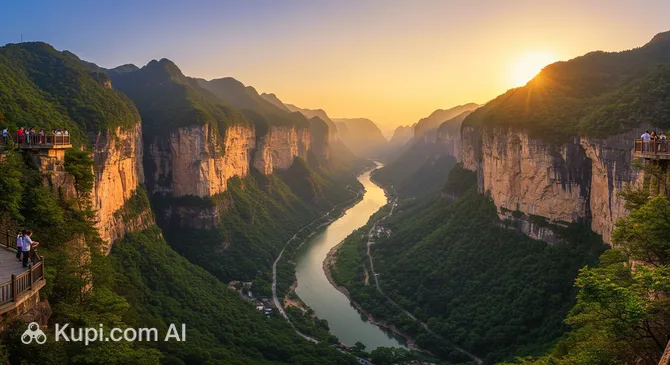
Enshi. Source: Kupi.Binoculars

The region is renowned for its unique geological features and is often referred to as the "World Capital of Selenium" due to its selenium-rich soil and flora. Beyond its natural wonders, the area holds a deep cultural significance. Travelers interested in the local heritage can delve into the history of Enshi to learn about the ancient Tusi system and the traditions of the Tujia and Miao minority groups, which are still vibrantly celebrated today through local architecture, dance, and festivals.

Visitors are drawn to Enshi for its spectacular attractions, most notably the Enshi Grand Canyon, which is frequently compared to the Grand Canyon in the United States for its sheer scale and majestic cliffs. Another highlight is Enshi Tusi City, a sprawling complex that showcases traditional stilt houses and offers a glimpse into the lifestyle of the ancient tribal chieftains. For those seeking underground marvels, the massive Tenglong Cave provides an unforgettable exploration experience.

Whether you are hiking along precipitous cliffside paths or savoring the unique flavors of Tujia cuisine, Enshi promises an adventure that is both scenic and culturally immersive. It is a destination that truly deserves a spot on your travel itinerary.

Weather Overview

Travelers planning a trip to this mountainous region should prepare for a climate characterized by distinct seasons and frequent moisture, which contributes to the area's lush, green landscapes. The summer months are typically warm and humid, with August reaching an average high of 27.9°C. However, this season also brings the highest frequency of rain, with July experiencing up to 24 wet days, so waterproof gear is essential for outdoor exploration.

Winters in the city are significantly cooler and drier compared to summer, though the air remains crisp. January is usually the coldest month, with average temperatures dropping to 3.2°C and nightly lows hovering just above freezing at 0.3°C. For a more detailed breakdown to help you decide the best time to visit, you can consult the guide on the weather in Enshi. Spring and autumn offer a pleasant transition with moderate temperatures, making them comfortable times for hiking, provided you are prepared for the occasional shower.

Interesting Facts

Beyond the main attractions, Enshi holds many fascinating secrets that reveal the depth of its natural and cultural wonders. These unique features, ranging from geological marvels to vibrant local traditions, offer a glimpse into what makes this region truly special.
  • The Helicopter-Sized Cave: The Tenglong Cave is one of the largest karst caves in the world, but its sheer scale is what truly sets it apart. The entrance is so colossal—approximately 74 meters high and 64 meters wide—that it is widely known for being spacious enough to allow a helicopter to fly directly into it.

  • World Capital of Selenium: Enshi is globally recognized as the "World Selenium Capital" because it possesses one of the few known independent selenium deposits on Earth. This rare geological feature enriches the local soil and water, making the region's produce, especially its green tea and potatoes, naturally rich in this essential mineral.

  • The Floating Highway: In the Shiziguan Scenic Area, visitors can experience the "Long Bridge of Dreams," a remarkable floating wooden bridge that stretches 500 meters across the Qingjiang River. Designed to rise and fall with the water levels, it allows cars to drive directly along the river's surface, creating ripples as they pass.

  • The Gravity-Defying Pillar: The Enshi Grand Canyon is home to the "One Incense Stick" (Yizhu Xiang), a limestone pillar that stands about 150 meters tall but is only 4 meters thick at its narrowest point. Despite its slender structure, it has miraculously withstood countless storms and earthquakes over millennia, standing tall without tilting.

  • The Bowl-Smashing Tradition: In Tujia Daughter's City, a popular cultural custom known as "Shuai Wan Jiu" invites guests to drink rice wine and immediately smash the ceramic bowl on the ground. Far from being rude, this act symbolizes friendship, the releasing of grievances, and a wish for good fortune.

How to Get There

Reaching this mountainous region has become increasingly convenient in recent years, with options catering to both air and rail travelers. Whether you prefer a direct flight or a scenic train ride through the Hubei countryside, you can easily plan your journey. For a detailed breakdown of routes and schedules, you can read more about how to get to Enshi to find the option that best suits your itinerary.

The most direct way to arrive is via Enshi Airport (IATA: ENH), which is situated locally and serves as the primary hub for the prefecture. It is located just 5.3 km from the city center, allowing for a quick transfer; a taxi ride typically takes only a short drive. Alternatively, travelers exploring the broader region might fly into Zhangjiajie Hehua Airport (IATA: DYG) in the neighboring city of Zhangjiajie. While it handles a larger volume of passengers, it is located approximately 159 km from Enshi, meaning the subsequent transfer by road or rail can take several hours.

For clarity, here is a summary of the main airports:

Airport Name City Passenger Traffic Km from City
Zhangjiajie Hehua AirportZhangjiajieMedium159.2
Enshi AirportEnshiMedium5.3
Wanxian AirportWanzhouMedium117.1
Qianjiang Wulingshan AirportQianjiangSmall105.2
ShennongjiaShennongjiaSmall171.4

If you prefer traveling by train, the city is well-connected by the high-speed rail network. The Enshi Railway Station is conveniently located within the city limits, approximately 8.9 km from the downtown area. A taxi from the station to the city center generally takes a brief period. For those arriving from other directions where tickets to Enshi might be sold out, Wanzhou North Railway Station in Wanzhou is a major regional hub. However, it is situated about 126.5 km away, so you would need to arrange further transport to reach your final destination.

Below is a list of relevant railway stations in the vicinity:

Station City Passenger Traffic Km to Center
Wanzhou North Railway StationWanzhouHigh126.5
Jingzhou Railway StationJingzhouMedium261.8
Enshi Railway StationEnshi8.9
Zhijiang Railway StationZhijiang218.4
Jingmen Railway StationZhongxiang274.5

Main Attractions

The city and its surrounding prefecture are a treasure trove for explorers, offering a mix of dramatic karst landscapes and deep-rooted cultural heritage. While the region is vast, a few specific locations stand out as essential stops for any visitor wanting to experience the true essence of this mountainous paradise. Here are the top attractions that define the travel experience in Enshi.

Enshi Grand Canyon is undoubtedly the crown jewel of the region's natural wonders. Often compared to the Grand Canyon in the United States, this massive gorge features towering cliffs, deep valleys, and a "sea of clouds" that often shrouds the peaks in mystery. Tourists are particularly drawn to the "One Incense Stick," a slender limestone pillar that defies gravity, and the thrilling cliffside walkways that offer heart-stopping views of the abyss below. It is a hiking experience that combines physical challenge with unparalleled visual rewards.

For a deep dive into local history, Enshi Tusi City offers a magnificent reconstruction of the ancient tribal chieftain system. This complex is the only one of its kind in the country, showcasing the architectural brilliance of the Tujia people with its intricate stilt houses (Diaojeolou) and the majestic Tusi Palace. Visitors come here not only to admire the wooden craftsmanship but also to watch vibrant folk performances that bring the customs and legends of the Tujia minority to life.

Suobuya Stone Forest presents a surreal geological landscape formed during the Ordovician period, making it one of the oldest stone forests in the world. Unlike other stone forests that are dry and barren, Suobuya is uniquely lush, with vegetation growing directly on and around the rock formations. Walking through its labyrinthine paths feels like entering a natural sculpture garden, where the dissolution of soluble rock has created shapes resembling animals, pagodas, and warriors.

Shiziguan Scenic Area has gained internet fame for its stunning "Long Bridge of Dreams," a floating wooden boardwalk that snakes along the surface of the emerald-green river. Surrounded by steep canyon walls and verdant forests, this attraction offers a serene yet exhilarating experience as you walk or drive literally on the water. It is a favorite spot for photographers and nature lovers looking for a perspective that blends the tranquility of the river with the grandeur of the gorge.

Local Cuisine

The local cuisine of Enshi is a vibrant reflection of its mountainous geography and the rich cultural heritage of the Tujia and Miao people. Characterized by sour, spicy, and aromatic flavors, the food scene here is distinct from typical Hubei cuisine, often drawing comparisons to the fiery dishes of neighboring Chongqing but with its own rustic charm. Because the region is known as the "World Selenium Capital," many local ingredients, particularly potatoes and tea, are prized for their nutritional value and unique taste.

One of the absolute must-try dishes is Tujia Cured Meat (La Rou). This smoked pork is marinated with salt and spices, then slowly cured over a fire, resulting in a deep, savory flavor. It is often stir-fried with dried radishes, garlic sprouts, or ferns gathered from the mountains. Another staple on every local table is Hezha, sometimes affectionately called "Lazy Tofu." Made from soybean dregs and vegetables, this soup-like dish is mild, nutritious, and serves as a perfect counterbalance to the region's spicier offerings. It is said that "Enshi people can go three days without meat, but not one day without Hezha."

For street food enthusiasts, the Enshi Small Potato is iconic. Since potatoes grow exceptionally well in the selenium-rich soil, they are a dietary staple. On the streets, you will find them fried in large iron pans until they have a golden, crispy skin, then tossed with chili powder, cumin, scallions, and pickled radish. Another popular snack is Tujia Shaobing, a flatbread baked in a clay oven and stuffed with minced meat and spices, offering a crunchy and flavorful bite on the go.

When it comes to beverages, the region is famous for Enshi Yulu Tea, one of the few steamed green teas remaining in China. It has a fresh, lingering aftertaste and is widely available in local teahouses. For something with a bit of a kick, try the local Sweet Rice Wine (Mijiu). This low-alcohol drink is refreshing and sweet, often served in ceramic bowls. It plays a central role in the social dining culture, particularly during festive meals.

To truly experience the food culture, visitors should head to the bustling night markets or the restaurant districts in Tujia Daughter's City. Here, dining is a communal and lively affair. You can immerse yourself in the atmosphere of "Shuai Wan Jiu" (Bowl Smashing Wine) restaurants, where the sound of smashing ceramic bowls accompanies the meal, symbolizing friendship and good fortune. Whether you are sitting at a roadside stall or a banquet table, the hospitality in Enshi is as warm and memorable as the food itself.

Travel Tips

Preparing for a trip to Enshi involves more than just booking tickets; it requires readiness for its dynamic weather and mountainous terrain. To help you navigate this stunning part of China with confidence, we have compiled a set of essential travel guidelines to ensure a smooth journey.

  1. Clothing and Gear: The weather in the mountains can be unpredictable, and rain is frequent throughout the year. A lightweight, durable raincoat and waterproof shoe covers are indispensable items for your backpack. Since the main attractions, such as the Grand Canyon, involve steep climbs and long walks, wear broken-in hiking boots with good grip to prevent slipping on wet stone steps.

  2. Transportation: The city itself does not have a metro system, so taxis and ride-hailing apps are the most convenient ways to get around downtown. To reach distant scenic spots like the Grand Canyon or the Stone Forest, it is best to take the dedicated tourist buses that depart from the Enshi Passenger Transport Center or hire a private driver for the day.

  3. Finances: The local currency is the Chinese Yuan (RMB). While mobile payments via Alipay and WeChat Pay are ubiquitous and highly recommended for convenience, it is wise to carry some cash. Small denominations are useful for street food vendors or remote village shops where international credit cards are rarely accepted.

  4. Health and Safety: Given the winding mountain roads leading to the major natural attractions, motion sickness medication is a must for those with sensitive stomachs. Pharmacies are widely available in the city and are usually marked with a green cross, but it is safer to bring your own specific prescription medicines.

  5. Communication: English is not widely spoken outside of major hotels and tourist information centers. It is essential to download an offline translation app before you arrive. Additionally, have the names of your hotel and intended destinations written in Chinese characters to show taxi drivers.

  6. Local Etiquette: The Tujia people are known for their warm hospitality. If you visit a "Shuai Wan Jiu" restaurant, do not be alarmed by the sound of smashing pottery; it is a celebrated local custom symbolizing friendship and good fortune. Feel free to participate in the toast, but always drink responsibly.

  7. What to Avoid: Do not ignore safety signs or cross barriers at cliffside attractions. The drops in the canyon areas are sheer and dangerous, and the perfect photo is not worth the risk. Additionally, avoid engaging unlicensed taxi drivers at the airport or train station; stick to official queues or reputable apps.

  8. Local Insight: If you plan to buy the famous Enshi Yulu Tea, try to visit a local tea house or a specialized shop in the city center rather than buying from tourist stalls at the attraction sites. You will likely get better quality tea at a fairer price, often with a tasting session included.

By keeping these practical tips in mind, you can focus on soaking in the majestic views and vibrant culture that make this region so special. A little preparation goes a long way in ensuring your adventure in the mountains of Enshi is safe, comfortable, and truly unforgettable.

Entertainment & Nightlife

Nightlife in Enshi offers a distinct departure from the high-energy clubbing scenes found in China's coastal metropolises. Instead of thumping techno beats and neon-lit skyscrapers, the evening entertainment here is deeply rooted in ethnic culture, social dining, and scenic relaxation. The city comes alive after sunset with a warm, inviting atmosphere where the focus is on communal gatherings, vibrant night markets, and enjoying the cool mountain air. The dress code is almost universally casual, reflecting the relaxed pace of life in this mountainous prefecture.

The undisputed hub of evening activity is Tujia Daughter's City (Nu'er Cheng). While it is a popular destination during the day, it truly transforms at night when thousands of red lanterns illuminate the traditional wooden architecture. This bustling district is a one-stop destination for entertainment, featuring a mix of open-air theaters, souvenir stalls, and lively bars. It is here that you can experience the famous "Bowl Smashing Wine" tradition at local restaurants, where the sound of shattering pottery creates a rhythmic backdrop to the evening. For those seeking a more modern vibe, the area also hosts several KTV lounges and music bars where locals gather to sing and socialize until late.

For a more serene experience, the banks of the Qingjiang River offer a picturesque setting for a night out. The riverside promenades are beautifully lit, making them perfect for a leisurely stroll to admire the "Wind and Rain Bridges" (Fengyu Bridges), which are architectural staples of the Tujia and Miao minorities. In the summer months, you might catch a performance of the Dragon Boat Tune, a spectacular live landscape theatre show set against the backdrop of the canyon and river, combining elaborate lighting with traditional folk songs.

Practicalities for a night out in Enshi are straightforward. The nightlife typically peaks between 8:00 PM and 11:00 PM, winding down earlier than in larger cities, so it is best to head out early. Prices are generally affordable, with beers and snacks costing significantly less than in Beijing or Shanghai. Getting around is easy; taxis are plentiful and inexpensive, and ride-hailing apps are widely used. The city is very safe for night walks, even in less crowded areas, but it is always advisable to have your destination written in Chinese for the driver.

During the day, entertainment shifts towards cultural and educational pursuits. The Hubei Museum of Nationalities is an excellent venue to explore the costumes, artifacts, and history of the region's minority groups. For theater lovers, the Enshi Cultural Center occasionally hosts performances and exhibitions that delve deeper into the local heritage. Whether you are exploring ancient artifacts by day or toasting with rice wine by night, Enshi offers a rich tapestry of experiences for every traveler.

Parks & Museums

Enshi is a destination where urban life is deeply intertwined with nature and heritage, offering visitors a chance to explore lush green spaces and profound cultural exhibits side by side. From dense forest parks located right in the city center to museums that preserve the legacy of the Tujia and Miao people, the city provides ample opportunities to connect with both the environment and local history.

Fenghuang Mountain National Forest Park is the city's primary green lung, conveniently located on the eastern outskirts of the downtown area. Known as "Phoenix Mountain," it is a favorite spot for locals to enjoy morning exercises and leisurely strolls amidst dense pine and cypress forests. For tourists, the park offers a refreshing escape with well-maintained walking paths, traditional pavilions, and an amusement park at the summit. It is an excellent place to enjoy panoramic views of the Enshi cityscape while breathing in the fresh, oxygen-rich air that the region is famous for.

While often categorized as a major scenic attraction, the Enshi Grand Canyon functions as a massive national geopark that showcases the raw power of nature. Located a bit further from the city center, it is essential for anyone interested in geological wonders. The park features a complex ecosystem of karst landforms, including the famous "One Incense Stick" pillar and miles of cliffside hiking trails. It serves as a natural classroom for understanding the geological history of the Hubei mountains, offering a scale of natural beauty that rivals the most famous national parks in the world.

For a deep dive into the region's cultural fabric, the Hubei Museum of Nationalities is the premier institution to visit. Situated near Fenghuang Mountain, this museum houses a vast collection of artifacts that tell the story of the Tujia, Miao, and Dong minority groups. Exhibits range from traditional costumes and silver jewelry to ancient farming tools and musical instruments. It provides invaluable context for understanding the unique customs you will encounter throughout the prefecture, making it a must-visit for history buffs and cultural enthusiasts.

Enshi Tusi City offers a different kind of museum experience, functioning as a sprawling open-air complex dedicated to the history of the Tusi chieftain system. Unlike a traditional gallery, this site immerses visitors in the architectural grandeur of the past, featuring the magnificent Tusi Palace and traditional stilt houses. Walking through the complex feels like stepping back in time, allowing you to explore the political and social structures that governed this region for centuries through physical structures and live cultural performances.

For a quieter, lesser-known experience, consider a walk along the Qingjiang River Scenic Belt within the city limits. While not a formal enclosed park, the riverside promenade is beautifully landscaped and offers a peaceful setting for observing local life. In the evenings, it becomes a vibrant social space where residents gather to dance and relax, offering an authentic glimpse into the daily rhythm of Enshi beyond the main tourist sites.

Getting Around

Navigating Enshi is relatively straightforward, though it differs from the complex transit webs of China's mega-cities. As a mountainous prefecture-level city, it does not currently operate a subway system. Instead, the public transportation network is primarily composed of an extensive and efficient bus system, complemented by affordable taxis and dedicated tourist shuttles that connect the urban center with the distant scenic areas.

The public bus network is the most economical way to move around the downtown area. Routes are well-developed, covering key locations such as the railway station, the airport, and major commercial districts like Tujia Daughter's City. Most buses operate with a flat-fare system, typically costing just 1 or 2 RMB per ride, regardless of the distance. The vehicles are generally modern and air-conditioned. However, route information at bus stops is almost exclusively in Chinese, so having a navigation app like Baidu Maps or Amap (Gaode Maps) on your phone is highly recommended to identify the correct bus number and track your journey.

When it comes to payment, digital wallets are the standard. Locals and tourists alike use Alipay or WeChat Pay to scan the QR code located near the driver's seat upon boarding. To do this, you simply need to activate the "Transport" or "Ride Code" feature within these apps, which generates a specific QR code for the scanner. If you do not have mobile payment set up, you can still pay with cash. Be aware that onboard fare boxes do not give change, so you must prepare the exact amount in coins or small bills before you board.

For those prioritizing comfort and speed, taxis are a very popular alternative. They are abundant on the streets and can be hailed easily; look for vehicles that are typically painted green or yellow. Fares are quite reasonable compared to Western standards, starting with a low flag-fall price. Alternatively, ride-hailing apps like DiDi Chuxing (often accessible via WeChat or Alipay in English) are extremely convenient. They allow you to input your destination in English, get an estimated fare, and pay automatically, effectively eliminating language barriers with the driver.

Since the region's main draws are its natural wonders located outside the city limits, special tourist shuttles are a vital part of the transport ecosystem. For major attractions like the Enshi Grand Canyon, dedicated buses depart regularly from the Enshi Passenger Transport Center (located on Hangkong Road) and the distribution center near the Railway Station. These coaches are comfortable and run on fixed schedules, usually starting early in the morning to accommodate day-trippers. Tickets for these longer journeys are purchased at the station counters, where you will likely need to present your passport.

While the city terrain is hilly, shared bicycles are available and popular in the flatter areas, particularly along the Qingjiang River promenade. You can unlock these ubiquitous yellow or blue bikes using the scan function in your payment apps. They are perfect for short, scenic rides along the water but are less practical for navigating the steeper residential parts of town. Public transport generally operates from around 6:00 AM to 9:00 PM or 10:00 PM, so if you are out late enjoying the nightlife, plan to take a taxi back to your accommodation.

Accommodation

Finding the perfect place to stay in Enshi is relatively easy, as the city’s tourism infrastructure has developed rapidly to accommodate its growing popularity. The accommodation landscape offers a broad spectrum of choices, ranging from economical youth hostels and charming, family-run guesthouses (known locally as "Minsu") to modern mid-range business hotels and a few upscale resorts. Whether you prefer the bustle of the city center or the tranquility of the mountains, there is something to suit every traveler's preference and budget.

For most visitors, the most convenient area to base yourself is the City Center, particularly near the HangKong Road commercial district or along the Qingjiang River. Staying here places you within walking distance of varied dining options, supermarkets, and the main transport hubs, making it easy to catch buses to the outlying scenic spots during the day. Another highly popular area is Tujia Daughter's City. Accommodation here often features traditional architectural styles, allowing you to immerse yourself in the festive atmosphere of the night markets right outside your doorstep, though it can be a bit noisier in the evenings.

If your primary reason for visiting is hiking, you might consider staying closer to the major attractions rather than in the city. There is a cluster of hotels and boutique homestays located at the base of the Enshi Grand Canyon, approximately 1.5 to 2 hours from the city center by road. Staying here allows you to beat the crowds in the morning and enjoy the serene mountain environment after the day-trippers have left. These options range from basic lodges to high-end "cliff view" rooms that offer spectacular scenery right from your window.

In terms of pricing, Enshi is generally quite affordable compared to China's major coastal cities. Budget travelers can find clean and comfortable hostels or simple guesthouses for as little as 100 to 200 RMB per night. Mid-range hotels, which typically offer standard amenities like air conditioning and breakfast, usually range from 300 to 500 RMB. Luxury options and boutique resorts, especially those in scenic areas, can start from 600 RMB and go upwards depending on the season.

Booking Tip: While it is usually possible to find a room upon arrival during the low season, booking in advance is highly recommended if you are traveling during the peak summer months (July and August) or during Chinese national holidays like the Golden Week in October. Online travel platforms are the most efficient way to secure your stay, and many local guesthouses are listed on major international booking sites. If you choose a smaller family-run guesthouse, it is helpful to have a translation app ready, as the owners may not speak fluent English but are typically very welcoming and helpful.

Nearby Cities

Nearby Cities:

Enshi is strategically located near the borders of Chongqing and Hunan, making it a convenient hub for exploring the diverse landscapes of Central China. The region is surrounded by a mix of bustling riverside ports and famous scenic destinations, allowing travelers to easily extend their itinerary. Whether you are looking to discover the dramatic karst peaks of neighboring provinces or explore other major urban centers in Hubei, there are several fascinating options within a short distance.

Below is a list of cities that are easily accessible from Enshi, along with their approximate distance and population:

City Population Distance (km)
Lichuan 913,700 53
Wanzhou 1,600,000 119
Zhangjiajie 1,537,900 160
Yichang 4,137,900 179
Dazhou 5,468,097 220

Shopping & Souvenirs

Shopping in Enshi offers a delightful departure from the high-street fashion and luxury malls of China's coastal metropolises. Instead, the retail experience here is deeply connected to the region's rich ethnic heritage and its status as a natural agricultural hub. Visitors will find that the best items to buy are those that reflect the local culture, particularly the handicrafts of the Tujia and Miao minorities, as well as the area's renowned selenium-rich produce. Whether you are browsing a bustling tourist district or a local specialty store, shopping here is an exploration of tradition and flavor.

The city's commercial heart is centered around Hangkong Road (Aviation Road) and the Wuyang Ba district. These areas serve as the primary downtown shopping zones where locals go for their daily needs. Here, you will find a mix of modern department stores, clothing boutiques, and electronics shops lining the busy streets. It is a lively area to walk around, offering a glimpse into the contemporary lifestyle of the city's residents, with plenty of snack stalls and bubble tea shops to keep you energized while you browse.

For a more tourist-centric shopping experience, Tujia Daughter's City (Nu'er Cheng) is the undisputed highlight. While it functions as a comprehensive entertainment and dining complex, it is also a massive marketplace for souvenirs and local crafts. The streets are lined with wooden stalls and shops selling everything from handmade silver jewelry to traditional costumes. It is the perfect place to hunt for unique gifts, as the atmosphere is festive and the variety of goods is extensive, ranging from inexpensive trinkets to high-quality artisan products.

When it comes to souvenirs, Enshi Yulu Tea (Jade Dew Tea) is at the top of the list. As one of the few remaining steamed green teas in China, it is famous for its emerald color and refreshing taste. You can find specialized tea shops throughout the city where you can taste different grades before purchasing. Another iconic local product is Xilankapu, a traditional brocade woven by the Tujia people. Known for its vivid colors and intricate geometric patterns, this durable fabric is crafted into blankets, bags, and wall hangings, making for a beautiful and culturally significant memento.

In addition to crafts, the region's food products make excellent gifts. Selenium-rich potatoes and cured pork (La Rou) are local staples that are often vacuum-packed for travelers. The cured meat, smoked with aromatic wood, captures the distinct flavor of Tujia cuisine. For those who appreciate jewelry, Miao silver ornaments are widely available. These pieces are often handmade and feature elaborate designs, sold by weight or craftsmanship in specialized jewelry stores and markets.

Most shops in the city operate from around 9:00 AM to 9:30 PM, though supermarkets and convenience stores may stay open later. Payment is almost exclusively digital; Alipay and WeChat Pay are accepted virtually everywhere, from large department stores to small street vendors. While cash is still legal tender, carrying small denominations is advisable as change might be scarce. International credit cards are rarely accepted outside of major hotels, so ensure you have your mobile payment apps set up or enough cash on hand.

Regarding tax refunds, Enshi is not typically a designated tax-free shopping destination for international tourists like Beijing or Shanghai. Tax-free shopping services are generally unavailable, so visitors should not expect to claim VAT refunds at the airport or in stores. Prices are usually fixed in department stores, but bargaining is acceptable and expected in market stalls and independent souvenir shops, especially in tourist areas like Daughter's City.
Reached the end of the page?

That means the route is fully explored