Support

Shiyan

About

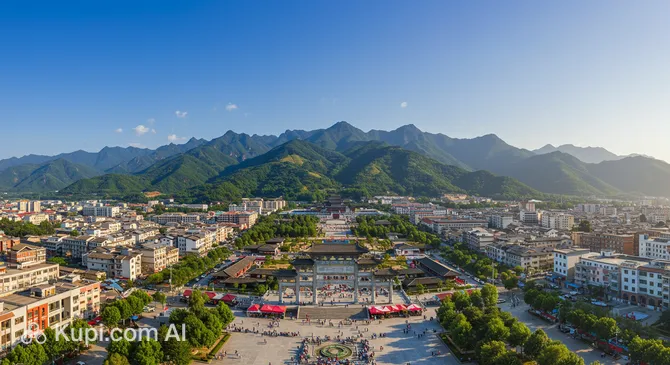
Shiyan is a captivating destination located in the northwestern part of Hubei Province, offering a unique blend of industrial vitality and profound spiritual heritage. Often referred to as the "Motor City" due to its significance in the automotive industry, it also serves as a serene gateway to some of the most sacred landscapes in China. With a population of approximately 3.4 million people, the city balances its energetic urban atmosphere with the tranquility of its mountainous surroundings.

Shiyan. Source: Kupi.Binoculars

The region is renowned for its spectacular natural scenery and cultural significance. The rich history of Shiyan is deeply intertwined with the legendary Wudang Mountains, a UNESCO World Heritage site located nearby. These misty peaks are famous for their ancient Taoist building complex and as the cradle of Wudang martial arts, including Tai Chi. Visitors flock here to experience the harmonious architecture nestled among steep cliffs and lush forests.

Beyond the mountains, the city is situated near the Danjiangkou Reservoir, a massive and beautiful body of water known as the "first scenery of Asia." Whether you are a pilgrim seeking spiritual roots, a nature lover exploring pristine waters, or a traveler interested in modern Chinese culture, Shiyan provides an unforgettable experience full of discovery and inspiration.

Weather Overview

Shiyan experiences a temperate climate with distinct seasonal changes, ranging from warm, humid summers to cold, dry winters. Understanding the weather in Shiyan is helpful for planning your trip, as conditions vary significantly throughout the year. Generally, the city enjoys plenty of sunshine, though precipitation patterns shift with the seasons.

The summer months, particularly June through August, are the warmest time of year. Average temperatures hover around 27°C, with daytime highs frequently reaching 31°C. This is also the wettest period; July, for instance, typically sees about 15 days with some rainfall, although the total precipitation volume remains moderate.

In contrast, winters are chilly and much drier. From December to February, the city quiets down with average temperatures dropping to between 2.9°C and 5.2°C. January is usually the coldest month, where nighttime lows can dip to -1.3°C. Spring and autumn serve as pleasant transition periods, offering mild temperatures between 11°C and 22°C, making them excellent seasons for outdoor exploration.

Interesting Facts

Beyond its reputation as an industrial hub and a spiritual center, Shiyan holds fascinating secrets that surprise many visitors. From ancient fossils to strategic massive engineering feats, the city offers a deeper layer of history and significance waiting to be explored.

  • The Source of Northern Water: The Danjiangkou Reservoir is not merely a scenic spot; it serves as the crucial water source for the middle route of China's South-to-North Water Diversion Project. This massive engineering marvel channels fresh water from Shiyan all the way to Beijing and Tianjin, quenching the thirst of millions in the north.

  • Strategic "Third Front" Origins: The city's identity as a "Motor City" has a unique origin story. It was developed in the late 1960s as part of the "Third Front" construction, a defense strategy that placed heavy industry deep within the mountains to protect it from potential military threats, effectively building a metropolis in the wilderness.

  • Home of the "Yunxian Man": Shiyan is a site of global archaeological importance. In 1989 and 1990, two relatively complete fossilized skulls of Homo erectus, known as "Yunxian Man," were discovered here. Dating back approximately one million years, these findings have provided invaluable clues about human evolution in East Asia.

  • A Global Turquoise Capital: The region, particularly Zhushan County, is one of the world's most significant sources of high-quality turquoise. Known locally as the "Hometown of Chinese Turquoise," it produces roughly 70% of the world's supply, making it a hidden paradise for gemstone collectors.

  • Dinosaur Egg Valley: The Qinglong Mountain area in the Yunyang District boasts an extraordinary concentration of dinosaur egg fossils. It is recognized as one of the largest and best-preserved in-situ dinosaur egg fossil clusters in the world, turning the landscape into a natural geological museum.

How to Get There

Reaching Shiyan is quite convenient thanks to its developing transport infrastructure, which connects the city to major hubs across the country. Whether you prefer flying or taking the train, there are several viable options to suit your itinerary. For a complete overview of routes and travel tips, you can read more about how to get to Shiyan on our detailed page.

The most direct way to arrive by air is via Shiyan Wudangshan (IATA: WDS). This airport is located within the city limits, approximately 11.1 km from the center. It serves as a key gateway for tourists visiting the famous Wudang Mountains. A taxi ride from here to the downtown area typically takes about 35 to 40 minutes. Alternatively, travelers can fly into Xiangyang Airport (IATA: XFN) in the neighboring city of Xiangyang. Although it is about 150.2 km away from Shiyan, it handles a larger volume of passengers and may offer different flight connections. The journey from Xiangyang to Shiyan by road takes significantly longer, roughly 4 hours via taxi or transfer.

For clarity, here is a summary of the main airports in the vicinity:

Airport Name City Passenger Traffic Km from City
Xiangyang Airport Xiangyang Medium 150.2
Nanyang Airport Nanyang Medium 174.6
Shiyan Wudangshan Shiyan Medium 11.1
Ankang Airport Ankang Small 175.3
Shennongjia Shennongjia Small 118.6

If you prefer rail travel, the city is well-served by the Shiyan Railway Station. Located just 3.3 km from the city center, it is extremely convenient for travelers staying in the downtown area. With a high volume of annual passengers, this station connects Shiyan to many other major Chinese cities, making it a popular choice for both locals and tourists. The short distance to the center means a taxi ride takes only about 25 minutes.

Below is a list of railway stations serving the region:

Station City Passenger Traffic Km to Center
Shiyan Railway Station Shiyan High 3.3
Jingzhou Railway Station Jingzhou Medium 283.7
Jingmen Railway Station Zhongxiang 219.8
Zhijiang Railway Station Zhijiang 260.1
Enshi Railway Station Enshi 281.8

Main Attractions

Wudang Mountains

Undoubtedly the most iconic destination in the region, the Wudang Mountains are a UNESCO World Heritage site that seamlessly blends cultural history with breathtaking natural beauty. Famous as the birthplace of Taoism and Wudang martial arts, this mountain range features a magnificent complex of ancient palaces, temples, and nunneries that appear to cling precariously to the steep cliffs. Tourists are drawn here not only for the spiritual atmosphere but also for the stunning peaks, often shrouded in mist, which offer some of the most photogenic landscapes in the province. The hike to the Golden Hall at the summit provides a rewarding challenge with panoramic views that are truly unforgettable.

Danjiangkou Reservoir

Known as the "Pearl of the Hanshui River," the Danjiangkou Reservoir is a massive man-made lake that serves as a vital water source for northern China. Beyond its strategic importance, it is a prime spot for leisure and nature appreciation. The water is crystal clear, reflecting the surrounding emerald hills and creating a tranquil environment perfect for boat tours and fishing. Visitors often come to marvel at the colossal dam structure, which is a feat of modern engineering, or to enjoy a relaxing day by the water's edge, soaking in the serenity of what is often called the "Little Pacific" of the interior.

Qinglong Mountain Dinosaur Egg Fossil Cluster

For a unique journey into the prehistoric past, the Qinglong Mountain Dinosaur Egg Fossil Cluster National Geopark is a fascinating stop. Located in the Yunyang District, this site is renowned for having one of the largest and best-preserved collections of dinosaur egg fossils in the world. Unlike typical museums, this park allows tourists to see the fossils in situ, embedded in the rock layers exactly where they were discovered. It is an educational adventure that captivates both adults and children, offering a rare glimpse into the life that roamed these lands millions of years ago.

Shiyan Museum

To gain a deeper understanding of the local heritage, the Shiyan Museum offers a comprehensive look at the city's evolution. The museum houses an impressive collection of artifacts, but it is most famous for its exhibits related to the "Yunxian Man," an ancient hominid skull discovered in the region that dates back approximately one million years. The exhibits guide visitors through the area's paleolithic history, its rich Taoist culture, and its modern transformation into an automotive hub. It is an excellent place for history enthusiasts to connect the dots between the region's ancient roots and its present-day identity.

Local Cuisine

The culinary landscape of Shiyan is a delightful reflection of its geography, blending the spicy and savory flavors typical of Hubei Province with fresh ingredients from the surrounding mountains and rivers. As part of the Chu cuisine tradition, local food tends to be rich in flavor, often featuring river fish and preserved vegetables. A trip here is not complete without tasting the region's signature Danjiangkou Fish. Sourced directly from the pristine waters of the nearby reservoir, the fish is celebrated for its tender meat and lack of earthy taste, usually served braised in a spicy sauce or as a milky-white soup that highlights its natural freshness.

For a truly unique local specialty, travelers should seek out Yunxian Sanhe Tang (Three-Combination Soup). This popular dish, often eaten for breakfast, is a savory bowl containing three main elements: beef slices, sweet potato vermicelli (or sometimes dumplings), and blood curd. The broth is typically rich and spicy, seasoned with vinegar and chili oil, offering a warming kick that locals adore. Another gastronomic highlight is the Wudang Vegetarian Cuisine found near the mountains. Rooted in Taoist traditions, this style of cooking uses plant-based ingredients like tofu, gluten, and mushrooms to intricately mimic the texture and appearance of meat and fish dishes, providing a cultural experience that is as visual as it is delicious.

When it comes to beverages, the region is famous for Fangxian Yellow Wine (Huangjiu). Unlike stronger spirits, this fermented rice wine has a lower alcohol content and a milky, slightly sweet profile. It is a traditional drink with a long history in the area, often enjoyed during meals or celebrations. For non-alcoholic options, the local tea culture is strong, influenced by the spiritual practices of the Wudang Mountains. Wudang Daoist Tea is widely available and makes for a refreshing, aromatic break during a day of sightseeing.

The food culture in Shiyan is casual and vibrant, with a strong emphasis on "Guo Zao," the Hubei tradition of eating a hearty breakfast out. Visitors will find that the city streets come alive early in the morning with small stalls and family-run shops serving steaming bowls of noodles and soup. In the evenings, night markets offer a bustling atmosphere where you can sample various street snacks and barbecue. Whether you are dining in a simple roadside eatery or a mountain-view restaurant near the temples, the atmosphere is generally welcoming and unpretentious.

Travel Tips

Welcome to Shiyan, a city where industrial energy meets the serene spirituality of the Wudang Mountains. To help you navigate this unique blend of modern urban life and ancient heritage, we have compiled a list of essential practical tips that will ensure your journey is smooth, respectful, and truly memorable.

  1. Clothing and Gear for the Mountains: Since a visit to Shiyan almost always involves the Wudang Mountains, bring sturdy, broken-in walking shoes. You will likely encounter thousands of stone steps. The weather varies greatly; summers are hot and humid, requiring light, breathable fabrics, while winters are cold and dry, necessitating thermal layers and heavy coats. If you plan to enter the Taoist temples, dress modestly—avoid short skirts or tank tops out of respect for the religious environment.
  2. Getting Around the City: Shiyan does not have a metro system, so the primary modes of public transport are buses and taxis. The bus network is extensive and affordable, connecting the city center to the railway station and outlying districts. For convenience, use ride-hailing apps like DiDi, which often have English interfaces. Car rental is generally not recommended for international tourists due to the requirement of a Chinese driver's license and the complex mountain roads.
  3. Managing Your Finances: The local currency is the Chinese Yuan (CNY). While credit cards are accepted in major hotels, they are rarely used in local shops or restaurants. The most effective way to pay is via mobile apps like Alipay or WeChat Pay, which now allow you to link international bank cards. It is highly advisable to carry some cash (small denominations) for bus fares or small purchases in remote mountain areas where signals might be weak.
  4. Health and Safety Precautions: Shiyan is generally a very safe city for travelers. Pharmacies are widely available and can be identified by a green cross sign; however, staff may not speak English, so having a translation app ready is helpful. Do not drink tap water; always opt for bottled or boiled water. If you are hiking in Wudang, stay on marked paths to avoid getting lost in the dense forests.
  5. Overcoming the Language Barrier: Mandarin is the primary language, and English proficiency is relatively low outside of major tourist reception areas. Download a reliable translation app that works offline before you arrive. Buying a local SIM card is recommended for navigation and translation needs; you can purchase these at official telecom stores in the city center, requiring your passport for registration.
  6. Respecting Local Etiquette: When visiting temples, observe strict rules: do not point your finger directly at statues, and never step on the raised wooden threshold of a temple door—step over it instead. In dining situations, it is polite to try a bit of everything served. If you are toasting with locals, holding your glass slightly lower than theirs is a sign of respect and humility.
  7. What to Avoid: Avoid taking photographs of monks or nuns without their explicit permission, as this is considered rude and intrusive. Additionally, be wary of unlicensed taxis (often referred to as "black cars") at the train station or airport; stick to the official taxi queues or reputable ride-hailing apps to ensure fair pricing and safety.
  8. Wudang Travel Hack: To truly experience the mystical atmosphere of the Wudang Mountains, consider staying overnight in a hotel on the mountain itself rather than returning to the city center. This allows you to witness the breathtaking sunrise and the "sea of clouds" early in the morning before the day-trippers arrive, providing a much more peaceful and spiritual experience.

With these tips in hand, you are well-prepared to explore the wonders of Shiyan, from its bustling streets to its misty peaks. Embrace the local culture, respect the ancient traditions, and enjoy the incredible hospitality that this fascinating part of China has to offer.

Entertainment & Nightlife

While Shiyan is widely known for its spiritual mountains and industrial prowess, its nightlife offers a grounded and vibrant experience that reflects the local lifestyle. The city may not have the frenetic clubbing scene of Shanghai or Beijing, but it compensates with bustling night markets, lively KTV (karaoke) lounges, and a growing number of modern bars. The evening atmosphere here is welcoming and safe, characterized by groups of friends enjoying late-night meals and entertainment after a day of work or hiking.

The heart of Shiyan's nocturnal activity is undoubtedly its street food culture. Dongyue Road Food Street in the Zhangwan District is a must-visit destination for anyone looking to capture the true flavor of the city. As dusk falls, this street transforms into a sensory wonderland filled with the aroma of sizzling barbecue and spicy broths. It is the perfect place to try local favorites like "Sanhe Soup" or spicy crayfish amidst a crowd of chatting locals. The atmosphere is casual and energetic, with stalls staying open well past midnight.

For a more modern entertainment experience, the area around Shiyan Wanda Plaza in the Zhangwan District is a primary hub. This sprawling commercial complex is not just for shopping; it serves as a center for evening leisure, housing a cinema, arcade zones, and numerous restaurants. Surrounding the plaza, you will find a concentration of bars and lounges where the younger crowd gathers. These venues range from quiet spots for a cocktail to livelier bars featuring live bands or DJ sets. The dress code is generally smart-casual, and the vibe is relaxed yet stylish.

Another vibrant spot to explore is the Laohugou area. Known for its bustling environment and variety of delicious snacks, this neighborhood attracts both tourists and students looking for a tasty evening treat. It is an excellent spot for a night walk, offering a colorful glimpse into the city's "night economy" distinct from other parts of China. If you prefer singing over eating, KTV is a massive part of local nightlife. You will find various karaoke venues along major thoroughfares like Renmin Road, where private rooms allow you to sing the night away in comfort with beverage and fruit platter service.

Practicalities for a night out in Shiyan are straightforward. The city is generally very safe for walking at night, especially in well-lit districts like Zhangwan and Maojian. Public buses stop running relatively early, so taxis or ride-hailing apps are the best way to get around after 10:00 PM. Fares are affordable, usually costing between 10 to 20 CNY for trips within the city center. Most bars and night markets are most active between 8:00 PM and 1:00 AM, though some barbecue stalls stay open until dawn.

Before the sun sets, Shiyan offers plenty of daytime diversions to fill your schedule. The city has several green spaces and cultural sites, such as the Shiyan Museum, which provides fascinating insights into the region's history and paleontology. For families or those seeking lighthearted fun, local amusement parks and public squares offer a pleasant break from the more rigorous hiking demanded by the nearby mountains.

Parks & Museums

While Shiyan is celebrated for its industrial heritage and the spiritual heights of its mountains, the city also offers a refreshing array of green spaces and cultural institutions. For travelers looking to understand the local lifestyle or delve deeper into the region's history beyond the major landmarks, the city's parks and specialized museums provide an enriching experience.

Sifang Mountain Botanical Garden

Often described as the "back garden" of Shiyan, Sifang Mountain (Sifangshan) is a favorite retreat for locals seeking fresh air and exercise. Located just a short distance from the city center, this expansive botanical garden transforms with the seasons, offering vibrant blooms in spring and lush, cooling greenery in summer. The park features well-paved hiking trails that wind through diverse plant collections, making it an accessible spot for a morning hike. Reaching the summit rewards visitors with a panoramic view of the city’s skyline nestled against the backdrop of distant mountains, providing a perfect perspective on Shiyan's unique geography.

People's Park (Renmin Park)

Situated in the heart of the city, People's Park serves as the social living room for Shiyan's residents. Unlike the wilder nature of the surrounding mountains, this urban park is manicured and bustling with community activity. It is an excellent place for tourists to observe authentic local culture; in the mornings and evenings, the grounds are filled with groups practicing Tai Chi, dancing, or playing traditional instruments. The park also includes shaded walking paths, small pavilions, and recreational areas for children, making it a relaxing stop to break up a day of sightseeing.

Wudang Museum

Distinct from the main city museum, the Wudang Museum is located at the foot of the Wudang Mountains and is dedicated entirely to the history and culture of this UNESCO World Heritage site. The museum houses a remarkable collection of Taoist relics, including statues, religious instruments, and imperial gifts bestowed by Ming Dynasty emperors. Its architecture is designed to harmonize with the surrounding landscape, and the exhibits offer a focused narrative on the development of Taoism, Wudang martial arts, and ancient architecture. It is an essential stop for anyone planning to hike the mountains, providing the historical context needed to fully appreciate the temples above.

Yunyang Museum

For those interested in the deep prehistoric roots of the region, the Yunyang Museum in the Yunyang District offers a fascinating look into the area's paleontological significance. While the Shiyan Museum covers the "Yunxian Man," this local institution focuses on the broader history of the Han River valley and the specific archaeological finds of the district. The collections often include fossils and ancient pottery that paint a picture of early human settlement along the river. It provides a quieter, more intimate educational experience compared to the larger city institutions.

Automotive Industrial Heritage

As the "Motor City" of China, Shiyan itself acts as an open-air museum of industrial history. While specific exhibitions may vary, the influence of the Dongfeng Motor Corporation is visible throughout the city. Visitors interested in industrial culture can often find outdoor displays of vintage trucks and vehicles in public plazas or near the major automotive plants. These monuments celebrate the city's origins in the "Third Front" construction era and offer a unique photo opportunity that captures the gritty, hardworking spirit of the town.

Insider Tip: If you visit Sifang Mountain, try to go early in the morning. Not only will you beat the midday heat, but you will also encounter the "morning exercise" culture, where locals of all ages hike the trails with impressive vigor, often happy to exchange a friendly greeting with visitors.
Getting Around

Navigating Shiyan is relatively straightforward, though visitors should be aware that the city does not currently operate a metro or light rail system. The primary mode of public transportation is an extensive and reliable bus network that covers the urban center, industrial districts, and connects to key transport hubs like the railway station and the airport. Because the city is spread out across hilly terrain, buses are the lifeline for locals and tourists alike, offering a frequent and economical way to get around.

The public bus fleet is modern, with many vehicles being electric or hybrid, reflecting the city's status as a hub for automotive manufacturing. Most bus lines operate from early morning, typically around 6:00 AM, until late evening, usually winding down between 9:00 PM and 10:00 PM. Routes are clearly numbered, and while stop announcements are often in Mandarin, digital displays inside the buses usually show the next stop, helping non-Chinese speakers track their journey.

When it comes to payment, the system is designed for efficiency. The fare for most routes is a flat rate, generally 1 or 2 RMB, regardless of the distance traveled. If you prefer to pay with cash, you must have the exact change ready to drop into the fare box upon entry, as drivers do not carry change. However, the most convenient method for travelers is digital payment. The "Transport" code feature within major apps like Alipay or WeChat Pay is widely accepted; you simply scan the QR code on the reader near the driver's seat when you board.

For those seeking a more direct and comfortable option, taxis are abundant and affordable compared to Western standards. You can hail a taxi on the street—look for the illuminated sign on the roof indicating availability—or find them at designated stands near shopping malls and stations. All official taxis are metered, and it is advisable to ensure the driver engages the meter at the start of the trip. Alternatively, ride-hailing apps are extremely popular and often easier for tourists, as they allow you to input your destination in English (depending on the app version) and pay automatically, eliminating language barriers.

For short distances within the city center, shared bicycles are a popular alternative. You will see rows of colorful bikes (typically blue or yellow) parked on sidewalks. These can be unlocked by scanning a QR code with your smartphone, provided you have a compatible app set up with a payment method. They are perfect for navigating the riverside paths or moving between nearby attractions, though the city's undulating topography might make cycling a bit of a workout in certain areas.

A unique aspect of transport in the region relates to its most famous attraction, the Wudang Mountains. While not part of the urban transit system, the connection is seamless. Specialized tourist buses run from the city proper to the mountain entrance. Once inside the scenic area, private vehicles are banned, and an eco-friendly internal bus system shuttles visitors between temples. Additionally, spectacular cable cars operate on the mountain, offering a breathtaking aerial commute to the Golden Summit, saving hikers hours of climbing and providing stunning views of the peaks.

Accommodation

Where to Stay:

Accommodation in Shiyan caters to a diverse range of visitors, from business travelers connected to the automotive industry to pilgrims and tourists heading to the Wudang Mountains. The city offers a broad spectrum of lodging options, ranging from economical youth hostels and family-run guesthouses to modern mid-range business hotels and a few upscale resorts. Whether you prefer the convenience of the urban center or the tranquility of nature, you will find suitable places to rest.

For most travelers, the choice of location depends largely on their itinerary. If your primary goal is to explore the Wudang Mountains, it is highly recommended to stay in the Wudangshan Special District (Wudang Town). This area is situated at the foot of the mountains, approximately an hour's drive from downtown Shiyan. Staying here allows for easy access to the park entrance early in the morning. Within this district, you can find numerous hotels lining the main street, as well as traditional guesthouses that offer a more immersive cultural experience. For the ultimate spiritual journey, there are also basic accommodations located on the mountain slopes themselves, ideal for those wishing to catch the sunrise at the Golden Summit.

Alternatively, if you are in Shiyan for transit or to visit local museums and industrial sites, the City Center (Maojian and Zhangwan Districts) is the most convenient option. Hotels in this area are clustered around the Shiyan Railway Station and major commercial hubs like Wanda Plaza. Staying downtown places you close to shopping centers, diverse restaurants, and the main bus terminals. This area typically features standard business hotels that offer reliable amenities, English-speaking staff, and easy access to urban transport.

Booking Tip: Shiyan is a year-round destination, but accommodation near the Wudang Mountains can fill up quickly during peak travel periods, such as the National Day Holiday (early October) and the Spring Festival. It is advisable to book your rooms at least a few weeks in advance if you plan to visit during these busy seasons. Additionally, if you choose to stay inside the scenic area on the mountain, confirm the check-in times and luggage transport options, as access can be limited after dark.

Regarding costs, Shiyan is generally more affordable than China's major coastal metropolises. Budget travelers can find clean, basic rooms or hostel beds for very reasonable rates. Mid-range hotels, which make up the bulk of the options, offer excellent value with comfortable, modern facilities. Luxury options are available but fewer in number, mostly represented by high-end domestic brands or international chains in the city center. Booking is best done through major international or Chinese travel platforms to ensure payment compatibility and to view recent reviews from fellow travelers.

Nearby Cities

For those looking to explore the surroundings, Shiyan serves as an excellent base for day trips to several interesting nearby locations:

City Population Distance (km)
Nanyang 10,013,600 167
Xiangyang 5,062,000 142
Ankang 2,629,906 166
Yicheng 1,285,785 171
Zaoyang 1,004,741 194

Xiangyang

Located just a short train ride or drive away, Xiangyang is a city steeped in history and legend. It is famously known for having one of the best-preserved ancient city walls in China, surrounded by one of the widest moats in Asia. History enthusiasts will recognize it as a pivotal location in the Romance of the Three Kingdoms era. Visitors can walk along the ramparts, explore the historic streets, or visit Longzhong, the secluded residence of the famous strategist Zhuge Liang.

Nanyang

To the northeast lies Nanyang, a city with a deep cultural heritage dating back to the Han Dynasty. It is renowned as the hometown of Zhang Zhongjing, the "Saint of Medicine," and offers fascinating sites such as the Temple of Marquis Wu and the Nanyang Museum of Han Stone Carving. The city provides a rich educational experience regarding ancient Chinese science, medicine, and art, making it a worthwhile destination for culture lovers.

Ankang

For a change of pace and scenery, Ankang in neighboring Shaanxi Province offers a lush, riverside escape. Situated along the Han River and nestled in the Qinba Mountains, it is often called the "Green Pearl" of the region. The city is known for its beautiful natural landscapes, tea plantations, and the impressive Yinghu Lake. It is an ideal spot for travelers seeking outdoor activities and a breath of fresh air away from the industrial bustle.

These nearby destinations offer a glimpse into the diverse culture and landscapes of the region.

Shopping & Souvenirs

Shopping in Shiyan offers a distinct mix of modern convenience and rich local culture, reflecting the city's dual identity as an industrial hub and a spiritual center. While it may not rival the massive luxury retail scenes of China's coastal metropolises, the city provides a satisfying array of options ranging from contemporary shopping malls to bustling street markets. Visitors can expect to find everything from standard international brands to unique regional handicrafts, making it an excellent place to pick up both travel essentials and meaningful keepsakes.

For a lively street shopping experience, Renmin Road serves as one of the city's primary commercial arteries. This bustling thoroughfare is lined with a variety of shops, department stores, and boutiques selling clothing, electronics, and local snacks. It is a great place to walk around, soak in the urban atmosphere, and observe the daily life of the locals. Another notable area is Dongyue Road, which, while famous for its food, also features numerous small shops and vendors where you can find affordable accessories and daily goods amidst the aroma of street food.

Travelers looking for a comprehensive, one-stop shopping experience should head to Shiyan Wanda Plaza in the Zhangwan District. As one of the city's premier modern complexes, it houses a wide selection of fashion retailers, lifestyle brands, and entertainment facilities. It is an ideal spot to escape the weather, enjoy a meal in the food court, or browse for trusted domestic and international labels in a comfortable, air-conditioned environment. The People's Shopping Mall (Renmin Shangchang) is another well-known establishment, offering a more traditional department store layout that has served the community for years.

Markets in Shiyan are vibrant and colorful, often focusing on fresh produce and local specialties. While there are fewer tourist-centric "flea markets" compared to larger cities, the local wet markets and wholesale tea markets offer a fascinating glimpse into the region's agriculture. Here, you can find high-quality loose-leaf teas grown in the misty mountains surrounding the city, often sold at much better prices than in tourist gift shops.

When it comes to souvenirs, Shiyan boasts several unique items that reflect its heritage. The region is famously known as the "Hometown of Chinese Turquoise," particularly from nearby Zhushan County. You can find beautiful turquoise jewelry and carvings throughout the city, ranging from affordable trinkets to high-value artistic pieces. Additionally, given the proximity to the Wudang Mountains, Wudang Tea and Taoist-inspired items are popular gifts. For those interested in martial arts, high-quality replica swords and Tai Chi uniforms are widely available and make for distinctive mementos.

Most shops and malls in Shiyan operate from around 10:00 AM to 9:30 PM or 10:00 PM. Payment methods are heavily digital, with Alipay and WeChat Pay being the standard everywhere, from large department stores to small street vendors. While cash is generally accepted, carrying small denominations is advisable as some smaller vendors may not have much change. International credit cards are rarely accepted outside of major hotels or high-end establishments, so setting up mobile payment on your phone prior to arrival is highly recommended.

Regarding tax-free shopping, Shiyan is not typically a major hub for tax refund services compared to cities like Beijing or Shanghai. While some policies may exist for specific goods, tourists should not expect widespread "Tax Free" counters in local malls. It is best to assume that the price you see is the final price, although bargaining is often acceptable and expected in smaller independent shops and markets.

Reached the end of the page?

That means the route is fully explored