Support

Shennongjia

About

Hidden away in the mountains of the Hubei province, Shennongjia is a destination that feels worlds apart from the bustling metropolises of China. This unique forestry district is renowned not for skyscrapers or industry, but for its pristine wilderness, misty peaks, and an air of mystery that captivates travelers from around the globe. It serves as a vital ecological sanctuary, bridging the gap between the plains and the mountain ranges of the country's interior.
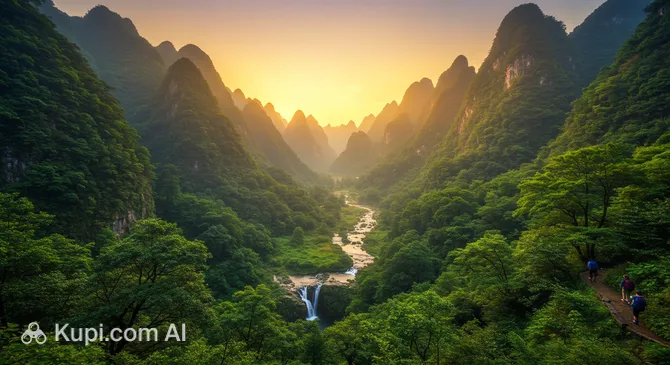
Shennongjia. Source: Kupi.Binoculars

Geographically, Shennongjia is a treasure trove of biodiversity, often referred to as a "Green Pearl." The region is characterized by its dramatic elevation changes and dense primeval forests, which provide a habitat for rare species such as the golden snub-nosed monkey. With a relatively small population of approximately 65,000 people, the area maintains a tranquil atmosphere where nature reigns supreme. The climate here is generally cool and humid, making it a refreshing escape during the hotter summer months.

Beyond its natural splendor, the region is steeped in legend. The history of Shennongjia is deeply intertwined with Chinese mythology, most notably the story of Shennong, the legendary emperor and herbalist said to have tasted hundreds of herbs here to save his people. Today, the district is perhaps most famous for the enduring tales of the "Yeren" or "Wild Man," a Bigfoot-like creature that has allegedly been spotted in the deep woods, adding a layer of intrigue to every hike.

Whether you are a nature enthusiast eager to explore a UNESCO World Heritage site or an adventurer looking to uncover ancient myths, Shennongjia offers an unforgettable experience. Its majestic scenery and rich ecological value make it a must-visit location for anyone seeking to connect with the wild heart of the East.

Weather Overview

The climate in this mountainous region is generally mild and humid, offering a refreshing contrast to the heat often found in the surrounding lowlands of Hubei. Due to its elevation, the weather in Shennongjia is characterized by distinct seasons, with temperatures that remain relatively cool even during the peak of summer.

Summers are the warmest time of year, with July seeing an average temperature of 22.4°C and highs reaching roughly 26°C. However, this is also the dampest season; July features the highest frequency of rain, with up to 24 wet days and precipitation levels around 11mm. Travelers visiting during this time should be prepared for frequent, albeit often light, rainfall.

In contrast, the winter months are cold and significantly drier. January is typically the coldest month, with average temperatures dropping to -0.1°C and lows reaching -3.6°C. Precipitation is minimal during this period, averaging just 1mm in December and January, creating a crisp and dry winter atmosphere.

Expect warm summers with occasional rain and cold, dry winters. The transitional months of May and September offer moderate conditions with average temperatures ranging from 16°C to 18°C, making them excellent times for exploring the district's natural wonders.

Interesting Facts

Beyond the main attractions, Shennongjia holds many fascinating secrets and unexplained phenomena that deepen the allure of this remote wilderness. The region is not only a sanctuary for rare wildlife but also a place where legends and geological oddities converge.

  • The area is scientifically renowned for a mysterious high concentration of white animals. Researchers have documented rare albino species here, including white bears, white deer, and white snakes, leading some to call the forest a natural "white zoo" due to its unique genetic environment.

  • The name "Shennongjia" literally translates to "Shennong's Ladder," referencing an ancient legend. It is said that the mythical Emperor Shennong built a massive rattan scaffold to scale the precipitous cliffs, allowing him to collect the medicinal herbs that grew on the high peaks.

  • Geologists are baffled by the Cold and Warm Cave, a peculiar cavern where the temperature fluctuates dramatically. Visitors can experience a blast of hot air from one side and a chilling breeze from the other, creating a stark thermal contrast within a single underground chamber.

How to Get There

Reaching this mountainous district requires a bit of planning due to its secluded location in Hubei province. While the area is remote, the infrastructure has improved significantly, allowing visitors to choose between flying directly into the mountains or arriving at larger transport hubs nearby and continuing by road. For a comprehensive guide on all available transport options, you can read more about how to get to Shennongjia.

The most convenient entry point for air travelers is the local Shennongjia airport (IATA: HPG). Located directly within the Shennongjia forestry district, it sits at a high altitude and offers the quickest access to the region. The airport is approximately 34 km from the main tourist centers, and a taxi or shuttle bus ride takes about 1 hour and 10 minutes. However, as a small regional airport, it has limited flight connections.

Alternatively, many travelers choose to fly into Shiyan Wudangshan airport (IATA: WDS) in the city of Shiyan. Although this airport is not in Shennongjia itself, it is situated about 96 km away. The transfer by car or bus from Shiyan to Shennongjia typically takes around 2 hours and 45 minutes. For those seeking more flight options, the Yichang Sanxia Airport (IATA: YIH) in Yichang is a major hub located roughly 140 km away. The journey from Yichang involves a scenic drive of approximately 3 hours and 50 minutes through the mountains.

For clarity, here is a summary of the main airports serving the region:

Airport Name City Passenger Traffic Km from City
Yichang Sanxia AirportYichangLarge139.6
Xiangyang AirportXiangyangMedium159.2
Enshi AirportEnshiMedium194.6
Shiyan WudangshanShiyanMedium96.5
ShennongjiaShennongjiaSmall34.3

Traveling by train is another viable option, though Shennongjia does not have its own railway station in the immediate scenic area. The closest major rail hub is the Shiyan Railway Station located in the city of Shiyan, approximately 96 km away. This station is well-connected to many major Chinese cities. Upon arrival, you can take a bus or taxi to Shennongjia, a journey that takes about 2 hours and 45 minutes. This route is popular among travelers combining a visit to the Wudang Mountains with their trip to the forestry district.

Below is a list of railway stations that can serve as gateways to the area:

Station City Passenger Traffic Km to Center
Shiyan Railway StationShiyanLarge96.0
Jingzhou Railway StationJingzhouMedium210.9
Jingmen Railway StationZhongxiang164.5
Zhijiang Railway StationZhijiang178.2
Enshi Railway StationEnshi192.0

Main Attractions

The vast wilderness of Shennongjia is divided into several distinct scenic areas, each offering a unique perspective on the region's ecological and cultural richness. From mist-covered wetlands to towering summits, the attractions here allow visitors to immerse themselves fully in one of China's most pristine natural environments.

Shennong Ding (Shennong Peak) is undoubtedly the crown jewel of the region. Known as the "Roof of Central China," it stands as the highest point in the Hubei province, reaching an elevation of over 3,100 meters. Tourists flock here to challenge themselves on the "Stairs to Heaven," a steep ascent that rewards climbers with breathtaking panoramic views and, weather permitting, a spectacular sea of clouds. It is a prime location for witnessing the diverse vertical vegetation zones, ranging from evergreen forests at the base to alpine meadows at the summit.

For a complete change of scenery, Dajiuhu National Wetland Park offers a tranquil escape often compared to the grasslands of Inner Mongolia. Located high in the mountains, this area consists of nine interconnected lakes surrounded by lush marshes and grazing cattle. It is particularly interesting to photographers and nature lovers in the early morning, when a thick, dreamlike mist hovers over the water, creating a serene and ethereal atmosphere that feels entirely different from the rugged peaks nearby.

Deeply rooted in local mythology is the Shennong Altar, a cultural site dedicated to the legendary Emperor Shennong, who is credited with introducing agriculture and herbal medicine to China. The centerpiece of this attraction is a colossal statue of the Emperor's head, carved directly into the mountain, which watches over the valley with a solemn gaze. Visitors also come here to see the ancient "King of Firs," a massive tree estimated to be over a thousand years old, symbolizing the enduring power of nature.

Another favorite for those who enjoy scenic walks is Tiansheng Bridge. This natural limestone arch was formed by centuries of mountain torrents rushing through a cave, eventually carving out a bridge-like structure. A majestic waterfall cascades through the opening, creating a thunderous and refreshing spectacle. The surrounding wooden boardwalks allow tourists to explore the lush forest, cool caves, and vibrant pools with relative ease, making it a perfect spot for a relaxing hike.

Local Cuisine

The local cuisine of Shennongjia is a direct reflection of its rugged, mountainous geography and rich biodiversity. Often described as "green" and "ecological," the food here relies heavily on fresh ingredients foraged directly from the surrounding primeval forests. The flavors are typically earthy, savory, and wholesome, with a strong influence from the culinary traditions of the Tujia ethnic minority found in the neighboring regions.

One of the most iconic dishes you must try is Shennongjia Cured Meat (Larou). This preserved pork is marinated with salt and local spices before being slowly smoked over a wood fire, giving it a distinctively rich and smoky aroma. It is commonly sliced thin and stir-fried with garlic sprouts or dried bamboo shoots, creating a hearty meal that locals have relied on for generations to survive the cold winters. Another signature specialty is Lazy Tofu (Lan Doufu). Unlike the smooth blocks of tofu found elsewhere, this rustic dish involves grinding soybeans mixed with water and vegetables into a thick, porridge-like consistency, offering a unique texture and a fresh, nutty flavor.

Given the region's status as a natural botanical garden, wild vegetables and mushrooms play a massive role on the dinner table. You will often find dishes featuring fresh bamboo shoots, ferns (bracken), and rare fungi that grow in the high-altitude forests. These ingredients are prized for their organic quality and medicinal properties. The local alpine potatoes are also famous; small, yellow, and incredibly flavorful, they are often fried whole with spices until they have a crispy golden skin.

When it comes to drinks, the locals have a penchant for Corn Wine (Bao Gu Jiu). This potent, clear spirit is distilled from corn grown on the mountain slopes and is a staple at social gatherings, known for its strong kick and warming effect. For a non-alcoholic alternative, the region produces excellent high-mountain Green Tea. Grown in the mist-shrouded peaks, the tea leaves develop a sweet, lingering aftertaste and are perfect for cleansing the palate after a savory meal.

The food culture in Shennongjia is best experienced in the small town of Muyu, which serves as the main tourist hub. Here, the streets are lined with restaurants displaying fresh game and wild vegetables at their entrances. For the most authentic experience, however, visitors should look for "Nongjiale" (farmhouse entertainment) venues. These family-run establishments in the countryside offer home-cooked meals using ingredients harvested from their own backyards, allowing you to taste the true, unadulterated flavors of the mountains.

Travel Tips

Preparing for a trip to the mystical forests of Shennongjia requires a bit more foresight than a standard city break, given its rugged terrain and remote location. To ensure your adventure in this wild corner of China is safe and comfortable, here are some essential practical tips to keep in mind.

  1. Clothing and Gear: The weather in the mountains is unpredictable and can change rapidly. Even in summer, temperatures drop significantly at night and at higher altitudes, so bring breathable layers and a warm jacket. A sturdy raincoat or poncho is essential, as mist and sudden showers are common. Since you will be doing a lot of walking on uneven paths and stairs, comfortable, waterproof hiking boots are a must.
  2. Transportation: Shennongjia is a vast forestry district rather than a compact city, and attractions are spread far apart. There is no metro or city bus system connecting the scenic areas. The most convenient way to get around is by using the tourist shuttle buses that operate from the main hub, Muyu Town. Alternatively, hiring a private driver for the day is a popular option offering more flexibility. Car rentals are only recommended if you have a valid Chinese driving license and experience with winding mountain roads.
  3. Finances: The local currency is the Chinese Yuan (RMB). While mobile payments like Alipay and WeChat Pay are ubiquitous even in small mountain stalls, international credit cards are rarely accepted outside of high-end hotels. It is crucial to carry enough cash for small purchases or in case of poor signal. ATMs are available in Muyu Town, but it is wise to withdraw money before heading into the deeper scenic areas.
  4. Health and Safety: The roads connecting the attractions are incredibly winding, so if you are prone to car sickness, bring motion sickness medication. Pharmacies are available in Muyu Town, but they may not have English-speaking staff, so have a translation app ready. Generally, the area is safe, but always stay on marked trails to avoid getting lost in the dense, protected forests.
  5. Communication: Mandarin is the primary language, and English proficiency is limited among locals and taxi drivers. It is highly recommended to download an offline translation app and a map app like Gaode or Baidu Maps before you arrive. Buying a local SIM card with a data plan is essential for navigation and translation; try to purchase this at a major airport like Wuhan or Yichang before reaching the mountains.
  6. Local Etiquette: When interacting with locals, a simple nod or a smile accompanied by "Ni hao" (Hello) is a polite greeting. Shennongjia is an ecological conservation area, so showing respect for nature is paramount. Do not litter, pick plants, or disturb wildlife. In dining situations, it is polite to wait for the host or the eldest person to start eating before you do.
  7. What to Avoid: Do not provoke or feed the wild monkeys. While the Golden Snub-nosed Monkeys are elusive and usually seen from a distance, macaques can be aggressive if they see food. Also, avoid venturing into "restricted" or "scientific research" zones; these areas are off-limits to tourists to protect the ecosystem and for your own safety.
  8. Accommodation Tip: Most tourists use Muyu Town as their base camp. It offers the widest range of hotels and restaurants and serves as the transportation hub for the scenic areas. Booking your accommodation here ensures you have easy access to food and shuttles after a long day of hiking.

By packing the right gear and planning your transport in advance, you can focus entirely on the breathtaking beauty and legends of Shennongjia. Embrace the fresh mountain air and the slower pace of life, and you are sure to have a memorable journey into the wild.

Entertainment & Nightlife

Nightlife in Shennongjia offers a stark and refreshing contrast to the neon-lit bustle of China's major metropolises. As a region dedicated to nature conservation and forestry, the area does not feature large dance clubs or sprawling entertainment districts. Instead, the evening scene is intimate, laid-back, and centered almost entirely around the local culinary culture and relaxation. The primary hub for any after-dark activity is Muyu Town, the tourist center where most visitors base their stay.

The atmosphere in Muyu Town after sunset is vibrant yet cozy. As darkness falls, the main streets are illuminated by traditional red lanterns, and the air fills with the spicy, smoky aroma of outdoor cooking. The crowd is a mix of weary hikers returning from the mountains and locals enjoying their evening meal. The dress code is entirely casual; hiking gear is the standard "fashion" here. Shops and restaurants typically stay open until around 10:00 PM or 11:00 PM, though some barbecue stalls may serve customers until midnight during the peak summer season.

For the most authentic experience, head to the Muyu Night Market area along the main street. This is not a single venue but a collection of lively stalls and open-air eateries that define the town's nightlife. Here, the entertainment is the food itself. You can sit on small wooden stools and enjoy local specialties like grilled river fish, roasted potatoes, and spicy skewers. It is a social environment where travelers swap stories over bottles of local beer or corn wine.

If you are looking for indoor entertainment, your best option is to visit one of the local KTV (Karaoke) lounges scattered throughout Muyu Town. Karaoke is a beloved pastime across China, even in remote mountain towns. These venues offer private rooms where you can sing your heart out in a comfortable setting. While they lack the glamour of city clubs, they provide a fun, authentic insight into how locals unwind. Additionally, some larger hotels organize Bonfire Parties, often featuring traditional singing and dancing by the Tujia ethnic minority, allowing guests to participate in folk culture under the stars.

Safety is rarely a concern in Shennongjia. Muyu Town is small, walkable, and very safe for night strolls. The streets are well-lit, and the crime rate is exceptionally low. Getting around is best done on foot, as most hotels, restaurants, and shops are concentrated within a few blocks. If you need to travel further or return to a hotel on the outskirts, local taxis are available, though it is advisable to have your destination written in Chinese as English is not widely spoken.

Before the evening festivities begin, daytime entertainment in the town offers a slower pace. Visitors can explore the Shennongjia Natural History Museum to learn about the region's unique flora and fauna, including the mysterious "Wild Man." For a more immersive cultural experience, keep an eye out for local theaters that occasionally host performances depicting the legends of Emperor Shennong and the history of the forest, providing a perfect cultural prelude to a relaxing night out.

Parks & Museums

While Shennongjia is primarily famous for its wild, untamed landscapes, the region also hosts well-curated parks and educational venues that allow visitors to understand the deeper significance of this "Green Pearl." The district acts as a massive living museum, where ecological parks and cultural exhibitions provide context to the breathtaking scenery and the legends that permeate the forests.

One of the most accessible and comprehensive green spaces is the Guanmenshan Ecotourism Area. Located just a short distance from Muyu Town, this park is often described as a microcosm of Shennongjia's biodiversity. It features steep cliffs and lush vegetation, but its main appeal lies in its role as a biological conservatory. Visitors can wander through specialized gardens dedicated to rare plants and observe the protected Giant Salamanders in their naturalistic habitats. It is also home to a panda enclosure, where these beloved national treasures live in a cool, mountainous environment similar to their native Sichuan.

For a more serene experience focused on water and tranquility, the Xiangxiyuan (Source of Fragrant Stream) is a delightful natural area. Legend has it that the famous historical beauty Wang Zhaojun once washed her pearls here, infusing the water with a pristine clarity and fragrance. The park is a lush valley filled with the sound of rushing water, ancient trees, and moss-covered rocks. The water here is renowned for its purity and sweetness, making it a favorite spot for tea enthusiasts who believe it brews the perfect cup of local high-mountain tea.

Delving into the region's biggest mystery, the Shennongjia Natural History Museum (often found within the Guanmenshan complex) is a fascinating stop for the curious. Its most compelling section is undoubtedly the Wild Man Exhibition Hall. This facility documents decades of scientific expeditions and witness accounts regarding the "Yeren," China's version of Bigfoot. The museum displays casts of mysterious large footprints, hair samples, and photographic evidence, offering a captivating glimpse into the cryptozoological puzzle that has baffled researchers for years.

To understand the physical formation of these dramatic peaks, the Shennongjia Geopark Museum offers an educational journey through time. As a UNESCO Global Geopark, the region's geological history is complex and ancient. The museum showcases an impressive collection of rock specimens and fossils, explaining how tectonic movements lifted the ocean floor to create the "Roof of Central China." It provides essential context for the jagged limestone formations and deep canyons you see while hiking.

In terms of historical significance, the Ancient Rhinoceros Cave (Xiniu Dong) stands out as a crucial archaeological site. Located in the Hongping area, this cave has yielded thousands of fossils dating back to the Paleolithic era, including those of rhinos, giant pandas, and ancient elephants. It serves as a testament to the prehistoric life that once thrived in these mountains and offers a cool, cavernous adventure for history buffs.

For a truly authentic experience, try to visit the Dalongtan Golden Monkey Research Center. While access can sometimes be restricted to protect the animals, it is one of the few places where you might observe the rare Golden Snub-nosed Monkeys at a closer range than in the wild. Unlike the typical zoo experience, this is a research base where the monkeys roam freely in the trees, offering a quiet and respectful encounter with the region's most famous primate residents.

Getting Around

Navigating the public transport system in Shennongjia requires a shift in expectations, as this is a vast forestry district rather than a dense urban metropolis. There is no metro, tram, or complex municipal bus network here. Instead, the local transport infrastructure is designed primarily to connect the main accommodation hub, Muyu Town, with the various scattered scenic areas and nature reserves.

The backbone of the transport system for visitors is the Tourist Shuttle Bus network. These eco-friendly buses depart from the Tourist Transfer Center located in Muyu Town. They operate on specific routes that take travelers to major attractions such as Shennong Ding, Guanmenshan, and the Shennong Altar. These buses are reliable and essential for those who do not have a private vehicle, as the distances between the town and the mountain peaks can be significant.

For payment, the system is modernized but straightforward. You generally purchase bus tickets at the ticket windows in the Tourist Transfer Center. Prices vary depending on the route and whether you are buying a bundled ticket that includes park admission. While cash is accepted and useful to have as a backup, mobile payment apps like Alipay and WeChat Pay are the standard and most convenient methods used by ticket counters and drivers throughout the region. There are no specific "travel cards" or magnetic passes like those found in large cities; paper tickets or QR codes are the norm.

Inside the specific scenic areas, you will often find internal transit options designed to save time and energy. Electric battery cars are available in larger parks like Dajiuhu Wetland to shuttle visitors between viewing points. Additionally, some steep mountain areas feature cable cars to help tourists reach high elevations without an exhausting hike. These usually require a separate ticket, which can be purchased on-site using mobile payments or cash.

Taxis are available, primarily concentrated in Muyu Town. They are easy to flag down for short trips within the town, such as getting from your hotel to a restaurant. For longer distances to scenic spots, taxis rarely use the meter. Instead, it is standard practice to negotiate a flat rate with the driver before getting in. It is highly recommended to ask your hotel reception for an estimate of fair prices to avoid being overcharged.

For those seeking maximum flexibility, chartering a car (hiring a private driver for the day) is a very popular alternative to public transport. This allows you to visit multiple attractions at your own pace without waiting for shuttle schedules. You can arrange this through your hotel or local travel agencies in Muyu. While ride-hailing apps might work in the town center, availability can be spotty in the mountains, so pre-booking a driver is often a safer bet.

A crucial piece of advice for tourists is to pay close attention to operating hours. The tourist shuttle buses typically run from early morning (around 7:30 AM or 8:00 AM) until late afternoon. However, schedules can change based on the season and weather conditions. Since the roads are winding and travel times are long, always plan to return to Muyu Town before sunset to ensure you don't get stranded in the remote scenic areas.

Accommodation

Accommodation in Shennongjia caters primarily to nature lovers and hikers, offering a range of options that blend comfort with the rustic charm of the mountains. While you will not find many ultra-luxury international hotel chains here, the district has a well-developed hospitality sector. Visitors can choose from standard mid-range hotels, boutique resorts designed to harmonize with the forest environment, and a vast number of traditional family-run guesthouses known as "Nongjiale."

The most popular and convenient area to stay is Muyu Town. Serving as the primary tourist hub of the forestry district, Muyu offers the highest concentration of hotels, restaurants, and shops. staying here ensures easy access to the Tourist Transfer Center, where shuttle buses depart for the major scenic spots like Shennong Peak and Guanmenshan. The town is walkable and lively in the evenings, making it an ideal base camp for travelers who want modern amenities after a day of trekking.

For those seeking a more immersive experience in nature, staying near Dajiuhu National Wetland Park is a fantastic alternative. Accommodation here is generally quieter and allows visitors to wake up right next to the wetlands. This is particularly recommended for photography enthusiasts who wish to capture the famous morning mist rising over the lakes without having to travel from the main town before dawn.

A unique feature of lodging in Shennongjia is the abundance of Nongjiale (farmhouse stays). These are typically budget-friendly, family-operated establishments located in the villages surrounding the scenic areas. staying in a farmhouse offers a genuine cultural exchange, often including home-cooked meals made with fresh mountain ingredients. It is an excellent way to experience the local lifestyle and hospitality firsthand.

Booking Tips and Prices: The price range for accommodation is generally reasonable. Budget travelers can find clean guesthouses for very affordable rates, while mid-range hotels offer substantial comfort at prices significantly lower than in major cities like Beijing or Shanghai. However, Shennongjia is a popular summer retreat for domestic tourists escaping the heat. During July, August, and the "Golden Week" holiday in early October, rooms fill up quickly and prices can rise. It is highly advisable to book your accommodation in advance via major online travel platforms to secure your preferred spot.

Nearby Cities

For those looking to explore the surroundings, Shennongjia serves as an excellent base for day trips to several interesting nearby locations:

City Population Distance (km)
Xiangyang 5,062,000 140
Yichang 4,137,900 130
Shiyan 3,398,000 99
Ankang 2,629,906 187
Yicheng 1,285,785 150

Shiyan is the closest major city and is most famous for being the gateway to the Wudang Mountains. This UNESCO World Heritage site is a renowned center for Taoism and traditional martial arts. Visitors can explore ancient temple complexes perched on steep peaks, enjoy spectacular mountain views, and immerse themselves in a spiritual atmosphere that perfectly complements the natural wilderness of Shennongjia.

Located to the south, Yichang is a bustling port city on the banks of the Yangtze River. It is best known as the site of the Three Gorges Dam, the world's largest hydroelectric power station. Travelers often visit Yichang to marvel at this engineering feat or to embark on scenic river cruises that traverse the majestic Xiling Gorge, offering a blend of modern industry and natural beauty.

For history enthusiasts, Xiangyang offers a deep dive into China's past. The city is celebrated for its massive and well-preserved ancient city wall, which dates back to the early Ming Dynasty. Xiangyang played a pivotal role during the Three Kingdoms period, and today, visitors can explore historical sites related to famous strategists and battles, making it a culturally rich destination.

These nearby destinations offer a glimpse into the diverse culture and landscapes of the region.

Shopping & Souvenirs

Shopping in Shennongjia is a unique experience that focuses less on high-end fashion or luxury brands and more on the region's rich ecological bounty. As a remote forestry district, the commercial scene here is deeply connected to the land. Visitors will not find sprawling shopping malls or international designer boutiques. Instead, the area offers a plethora of specialty stores selling "green" products, local handicrafts, and organic foods harvested directly from the surrounding mountains. It is the perfect place to find authentic, nature-based gifts that reflect the wild character of the province.

The primary destination for any shopping activity is Muyu Town. As the main tourist hub, its streets are lined with small shops, supermarkets, and local specialty stores catering to visitors. A stroll down the main thoroughfare reveals rows of vendors displaying dried mountain goods, tea, and traditional crafts. This is where you will find the widest selection of items and the most convenient access to supplies. The atmosphere is relaxed and walkable, allowing you to browse at your own pace after a day of hiking.

Given the district's rural nature, traditional large-scale shopping malls do not exist here. The retail landscape is dominated by independent shopkeepers and small-scale department stores that provide daily necessities, hiking gear, and groceries. If you need specific trekking equipment or forgotten toiletries, the supermarkets in Muyu Town are well-stocked. For anything more specialized or branded, it is best to make your purchases in larger transit cities like Yichang or Shiyan before arriving.

Markets play a vital role in the local lifestyle, offering a glimpse into the region's agricultural richness. In the mornings, local farmers often set up stalls to sell fresh seasonal produce, such as alpine potatoes, walnuts, and chestnuts. These markets are vibrant and colorful, filled with the scents of fresh earth and mountain herbs. While the night markets are primarily focused on street food, you can also find vendors selling small trinkets and local handicrafts that make for charming, inexpensive keepsakes.

When it comes to souvenirs, Shennongjia offers distinct local specialties that are highly prized for their quality and health benefits:

  • Local Tea: The high-altitude, misty environment is perfect for growing tea. Shennongjia Yunwu Tea (Cloud and Mist Tea) is famous for its delicate fragrance and sweet aftertaste.
  • Medicinal Herbs: Known as the domain of Emperor Shennong, the legendary herbalist, the region is a treasure trove of traditional Chinese medicine. You can find high-quality Gastrodia elata (Tian Ma), Angelica, and other dried herbs believed to have healing properties.
  • Wild Mushrooms and Fungi: Dried mushrooms, wood ear fungus, and bamboo shoots are popular purchases. They are lightweight, easy to pack, and delicious when rehydrated for cooking at home.
  • Wild Honey: The diverse flora of the forest allows bees to produce a rich, multi-floral honey that is considered pure and highly nutritious.
  • "Wild Man" Themed Goods: For a fun memento, look for dolls, keychains, or carvings depicting the "Yeren," the legendary Bigfoot-like creature said to roam these woods.

Store opening hours in Muyu Town generally cater to the tourist schedule. Most shops open around 9:00 AM and stay open until 9:00 PM or even later during the peak summer season. Payment methods are modern and convenient; while cash (RMB) is always accepted and useful for small market vendors, the vast majority of shops accept mobile payments like WeChat Pay and Alipay. Credit cards are rarely accepted outside of major hotels, so ensure you have a digital payment method set up or carry sufficient cash.

Regarding tax-free shopping, Shennongjia is not a designated duty-free zone. The tax refund systems found in major international airports or large department stores in Beijing and Shanghai do not apply here. The prices you see are generally final, though friendly bargaining is often acceptable and expected in smaller shops and market stalls.

Reached the end of the page?

That means the route is fully explored