Support

Zhangjiajie

About

Zhangjiajie is a destination that feels like stepping into another world, offering a surreal landscape that captivates every visitor. Located in the northwest of Hunan Province, this city is globally renowned for its breathtaking natural beauty and unique geological formations. As one of the most spectacular scenic spots in China, it serves as a gateway to nature at its most majestic, famously inspiring the floating mountains in the movie Avatar.

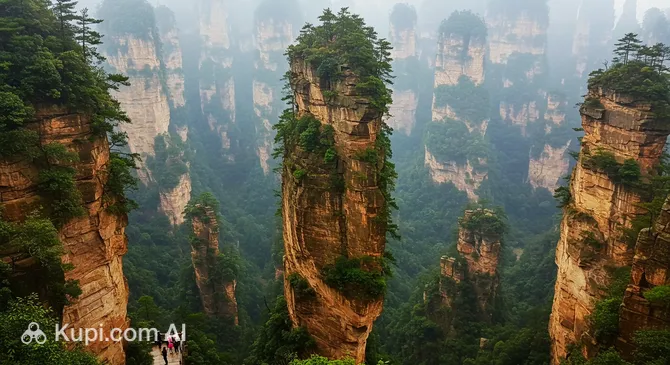
The city is home to a population of approximately 1.5 million people and enjoys a subtropical climate, which keeps the region lush and green throughout the year. The area is often shrouded in a mystical mist, adding an ethereal quality to the thousands of towering sandstone pillars that define the horizon. This dramatic scenery makes it a paradise for photographers and nature lovers alike.
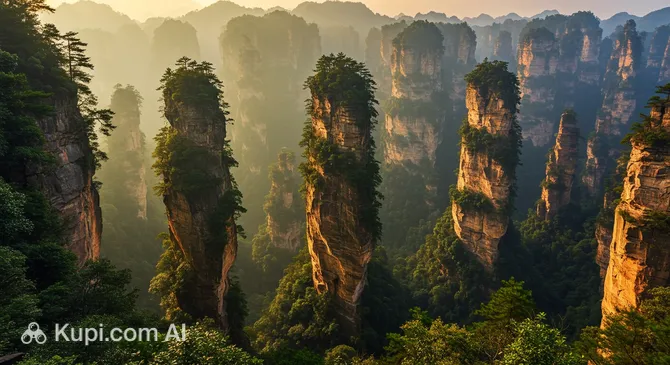
Zhangjiajie. Source: Kupi.Binoculars

While the geological wonders are the main draw, the region also possesses a rich cultural depth. Exploring the history of Zhangjiajie reveals a fascinating heritage shaped by local ethnic minority groups, such as the Tujia, Bai, and Miao people, who have preserved their unique traditions and customs in these mountains for centuries.

Travelers flock here to explore the Wulingyuan Scenic Area, a UNESCO World Heritage site featuring thousands of quartz-sandstone pillars. Another must-visit is the awe-inspiring Tianmen Mountain, famous for its natural rock arch known as "Heaven's Gate" and the winding road that leads up to it. For the adventurous, the record-breaking Zhangjiajie Glass Bridge offers a thrilling perspective high above the grand canyon.

Whether you are seeking an adrenaline rush or a peaceful escape into nature, Zhangjiajie promises an unforgettable experience. It is a place where reality seems to blend with fantasy, inviting you to wander through its cloud-piercing peaks and discover the magic hidden within its valleys.
Weather Overview

Zhangjiajie experiences a climate with four distinct seasons, characterized by warm summers and cool, damp winters. The region is generally humid, which helps maintain the lush vegetation covering the sandstone pillars, but visitors should be prepared for frequent changes in conditions. Expect warm summers with regular rainfall and colder winters where the mist often freezes on the peaks.

The warmest months are typically July and August, where average temperatures hover around 27°C, with highs occasionally reaching 30°C. Conversely, January is the coldest month, with average temperatures dropping to approximately 4.1°C. While it rarely freezes deeply in the city, the mountain tops can be significantly colder.

Rainfall is a constant companion throughout much of the year, contributing to the area's famous "sea of clouds" phenomenon. The period from March to July sees the highest frequency of rain, with July experiencing up to 21 wet days. December tends to be the driest month, with only about 7 days of precipitation. For a more detailed forecast to help schedule your hiking days, you can check the specific weather in Zhangjiajie.

Interesting Facts

Beyond its cinematic fame and misty peaks, Zhangjiajie holds a collection of fascinating secrets and engineering marvels that surprise many visitors. Digging deeper into its local lore reveals stories of ancient strategists and modern record-breaking feats that add layers of intrigue to the landscape.
Yuanjiajie Scenic Area. Source: Kupi.Binoculars
  • Although famous today as Zhangjiajie, the city was known as Dayong for centuries until 1994. The current name honors Zhang Liang, a legendary strategist from the Han Dynasty who is believed to have lived in seclusion within these mountains to escape political persecution, leaving behind a legacy that is still celebrated by the local Tujia people.

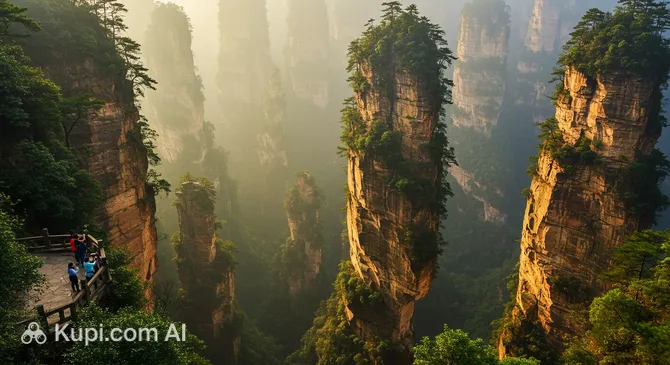
  • The region is home to the stunning Yuanjiajie Scenic Area, where fiction became reality in 2010. The 1,080-meter quartz-sandstone pillar formerly known as the "Southern Sky Column" was officially renamed "Avatar Hallelujah Mountain" in honor of the film Avatar, which used the landscape as inspiration for the floating world of Pandora.

  • Engineering limits are constantly pushed here, most notably with the Bailong Elevator, also known as the "Hundred Dragons Elevator." Built onto the side of a massive cliff, it holds the Guinness World Record for being the tallest outdoor lift, transporting visitors up 326 meters in just under two minutes.

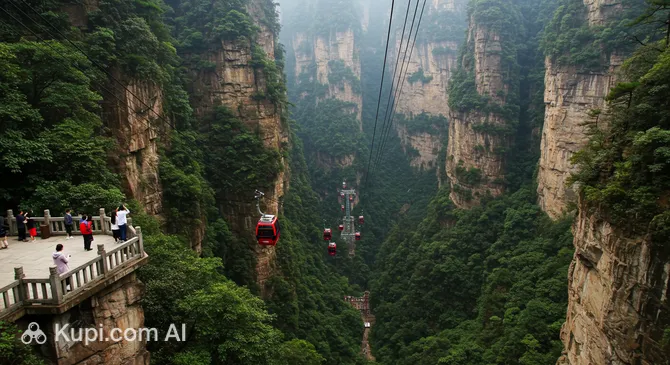
  • The journey to the peaks is just as impressive as the destination, particularly on the Tianmen Mountain Cableway. Often cited as the longest passenger cableway of high mountains in the world, it spans a staggering 7,455 meters and offers a ride that feels like flying through the clouds for nearly half an hour.

How to Get There

Reaching the scenic wonders of this region is convenient thanks to a variety of transport connections. Whether you prefer flying directly into the heart of the mountains or taking a scenic train ride through the province, there are multiple ways to begin your adventure. For detailed planning, you can find more about how to get to Zhangjiajie and choose the best route for your itinerary.

The most direct way to arrive is via Zhangjiajie Hehua Airport (DYG), which serves as the primary aviation hub for the area. Conveniently located within the city limits, it is only about 3.8 km from the city center, making the transfer by taxi or bus a quick journey of approximately 26 minutes. This airport handles a significant volume of travelers annually, connecting the scenic area to major cities across China.

Alternatively, travelers can fly into Changde Airport (CGD), located in the neighboring city of Changde. This airport is situated roughly 115 km away from Zhangjiajie. A transfer from here typically takes around 3 hours by road, offering a viable option if direct flights to Zhangjiajie are unavailable.

For clarity, here is a summary of the main airports:

Airport Name City Passenger Traffic Km from City
Zhangjiajie Hehua Airport Zhangjiajie Medium 3.8
Enshi Airport Enshi Medium 164.4
Changde Airport Changde Medium 115.3
Qianjiang Wulingshan Airport Qianjiang Small 165.9
Biancheng (Xiangxi Biancheng) Airport Qianzhou Small 116.2

For those arriving by rail who might be connecting through the wider Hunan region, Huaihua Railway Station is a major transit point. It is located in the city of Huaihua, approximately 184 km from Zhangjiajie. Traveling from this station to Zhangjiajie by road takes about 5 hours.

Another regional option is Enshi Railway Station, situated in Enshi city, about 168 km away. While not in the immediate vicinity, it serves as a gateway for travelers exploring the broader Wuling mountain area, with a travel time of roughly 4.5 hours to Zhangjiajie by car.

Below is a list of regional railway stations that may serve as transit points:

Station City Passenger Traffic Km to Center
Huaihua Railway Station Huaihua Very High 183.9
Loudi Railway Station Loudi High 213.0
Jingzhou Railway Station Jingzhou Medium 217.7
Enshi Railway Station Enshi 167.6
Zhijiang Railway Station Zhijiang 190.8

Main Attractions

The city of Zhangjiajie is a treasure trove of natural wonders, offering visitors a chance to explore landscapes that defy imagination. From soaring sandstone pillars to record-breaking engineering feats, the region is packed with sites that highlight the majestic beauty of Hunan Province. Here are some of the most captivating places to visit during your stay.

Undoubtedly the crown jewel of the region is the Zhangjiajie National Forest Park. As China's first national forest park and a UNESCO World Heritage site, it is famous for its thousands of quartz-sandstone pillars that rise abruptly from the ground. Visitors can wander through lush valleys and hike along scenic trails, surrounded by a landscape that feels prehistoric. The park is vast and offers numerous vantage points to admire the unique geological formations that change remarkably with the shifting mist and light.

Zhangjiajie National Forest Park. Source: Kupi.Binoculars

For a breathtaking journey into the sky, the Tianmen Mountain Cableway is an attraction in itself. Often described as the "longest passenger cableway of high mountains in the world," it transports tourists from the city center directly to the summit of Tianmen Mountain. The ride offers panoramic views of the urban landscape fading into green peaks and provides a stunning aerial perspective of the famous "99 Bends" road that winds up the mountain slopes below.

Tianmen Mountain Cableway. Source: Kupi.Binoculars

Located within the larger forest park area, the Yuanjiajie Scenic Area is a must-see for its high concentration of dramatic peaks. This area is particularly renowned for the "Avatar Hallelujah Mountain," a pillar that inspired the floating mountains in the film Avatar. Beyond its cinematic fame, Yuanjiajie features incredible natural structures like the "First Bridge under Heaven," a natural rock bridge connecting two peaks high above a deep chasm, offering thrilling views for those brave enough to look down.

Local Cuisine

The culinary landscape of Zhangjiajie is as dramatic and memorable as its mountains, deeply rooted in the traditions of the Tujia ethnic minority and the bold, spicy flavors of Hunan cuisine. The local food is characterized by its sour and spicy profile, making extensive use of mountain ingredients like wild mushrooms, bamboo shoots, and cured meats. Dining here is an exploration of rustic, hearty flavors that provide the perfect comfort after a long day of hiking.

The most iconic dish you must try is Sanxiaguo (Three Lower Pot). Historically associated with the Tujia people, this hot pot-style meal was traditionally made with three ingredients—bacon, tofu, and radish. Today, it has evolved into a rich, spicy stew that can include a variety of meats such as pork intestines, tripe, or beef, simmered with local spices and chilies. It is typically served in a sizzling iron pot and is a communal dish meant to be shared.

Another staple of the region is Tujia Smoked Bacon (Larou). The locals cure pork slowly over firewood, giving it a distinct smoky aroma and a firm, savory texture. It is often sliced thin and stir-fried with dried radishes, garlic shoots, or ferns gathered from the surrounding hills. Visitors should also try the local wild vegetable dishes, such as fern root noodles, which offer a unique, earthy taste found specifically in this mountainous area.

To accompany these spicy meals, locals often enjoy Rice Wine, a sweet and mild alcoholic beverage that is frequently homemade and served in small bowls. For a non-alcoholic option, the region is famous for Zhangjiajie Berry Tea (Meicha). This herbal tea grows in the Wuling mountains and is known for its unusual flavor profile; it tastes slightly bitter at the first sip but leaves a lingering, refreshing sweetness in the throat.

The food scene is vibrant and accessible, ranging from bustling night markets to cozy family-run restaurants. In the city center, particularly in the Yongding District, you can find lively streets lined with vendors selling spicy potatoes, grilled skewers, and stinky tofu. While exploring the Zhangjiajie National Forest Park, dining options are typically simpler, consisting of small stalls selling fried potatoes, corn on the cob, or cucumber to keep your energy up. For a full gastronomic experience, it is best to return to the town areas where the specialized Sanxiaguo restaurants are located.

Travel Tips

Visiting Zhangjiajie is a dream for many travelers, but navigating this mountainous region requires a bit of preparation to ensure your trip is as smooth as it is spectacular. Here are some practical tips to help you manage everything from the variable weather to local customs, allowing you to focus entirely on the breathtaking views.

  1. Clothing and Gear: Since exploring the national park involves navigating thousands of stone steps, **comfortable, sturdy hiking shoes** are absolutely essential. The weather in the mountains can be unpredictable, so pack a lightweight **raincoat or poncho**, especially if you are visiting during the rainy season from April to July. Layers are also recommended, as temperatures can drop significantly at higher altitudes.

  2. Transportation: Public buses and dedicated tourist mini-vans frequently connect the city center (Yongding District) with the Wulingyuan Scenic Area. Taxis are affordable and plentiful, but you should always insist that the driver uses the meter. For a more seamless experience, consider downloading the DiDi app (the local equivalent of Uber), which often has an English interface. Car rental is generally not recommended for foreigners due to complex road conditions and licensing requirements.

  3. Finances: The local currency is the Chinese Yuan (CNY). While high-end hotels may accept international credit cards, most shops and restaurants do not. The economy is digital-first, dominated by Alipay and WeChat Pay; tourists can now link foreign cards to these apps for easier payments. However, it is wise to carry some **cash** for small vendors or in case of connection issues.

  4. Health and Safety: Zhangjiajie is generally very safe for tourists. Pharmacies are easy to spot by their green cross signs, though staff may not speak English, so bringing your own basic medications is advisable. A specific safety note for the parks: be cautious around the **wild monkeys**. Do not feed them, and keep food hidden and bags securely zipped, as they can be aggressive if they smell snacks.

  5. Communication: Mandarin is the official language, though locals often speak a Hunan dialect. English proficiency is limited outside of major hotels and ticket counters. It is crucial to download a **translation app** (such as Baidu Translate or an offline version of Google Translate) before you arrive. Ensure you have a roaming plan or a local SIM card that allows internet access, as many Western apps are blocked in China.

  6. Local Etiquette: When handing over money, a business card, or a gift, use **both hands** as a sign of respect. In crowded areas, personal space may be less than what you are used to; this is normal, so remain patient. If you are eating with locals, wait for the host to start the meal, and remember that leaving a small amount of food on your plate can signify that you were well-fed.

  7. What to Avoid: Avoid following individuals who approach you at the airport or train station offering "cheap" tours or rides; these are often unlicensed operators. It is also best to avoid visiting during major Chinese holidays, particularly the **National Day Golden Week** (early October) and the Spring Festival, when the crowds can be overwhelming and queues for attractions like the Glass Bridge can last for hours.

  8. Beat the Crowds: The scenic spots are incredibly popular, so the best strategy is to start your day as early as possible. Arriving at the park gates right when they open (usually around 7:00 AM or 8:00 AM) will give you a head start on the tour groups and allow you to enjoy the morning mist over the mountains in relative peace.

With these tips in hand, you are well-equipped to conquer the floating mountains and misty valleys of Zhangjiajie. A little preparation goes a long way in this unique corner of Hunan, ensuring your adventure is filled with awe-inspiring moments and hassle-free travels.

Entertainment & Nightlife

While Zhangjiajie is primarily famous for its daytime vistas, the city and its surrounding scenic areas come alive with vibrant entertainment options once the sun goes down. From spectacular outdoor musical dramas to lively night markets, there are plenty of ways to unwind or immerse yourself in local culture after a day of hiking.

A highlight for many visitors is the Tianmen Fox Fairy Show, an open-air musical performed at the foot of Tianmen Mountain. This grand production utilizes the natural canyon and the towering cliffs as its backdrop, creating a visually stunning stage. Based on a local folktale about the love between a fox fairy and a woodcutter, the show combines modern lighting, traditional music, and a cast of hundreds to tell a moving story under the stars.

For those staying near the Zhangjiajie National Forest Park in the Wulingyuan district, the Charming Xiangxi Grand Theater offers a fantastic indoor alternative. This variety show focuses on the rich heritage of the region's ethnic minorities, featuring colorful costumes, folk songs, and impressive acrobatic feats. It provides an energetic and educational glimpse into the traditions of the Tujia, Miao, and Bai people.

Travelers looking for a more casual evening can explore Xibu Street (Xibu Alley) in Wulingyuan. This pedestrian zone is designed with traditional architectural styles and is packed with souvenir shops, bars, and street food vendors. It is an excellent place to sample local snacks, listen to live music echoing from the pubs, or simply enjoy a leisurely stroll along the riverbank.

Another popular way to spend the evening is visiting the 72 Strange Buildings (72 Qilou). This towering architectural marvel is particularly impressive at night when it is fully illuminated with dazzling lights. It functions as a cultural complex offering food stalls, performances, and a lively atmosphere that attracts both locals and tourists seeking great photo opportunities and late-night bites.

Finally, no trip to this mountainous region is complete without experiencing a traditional Chinese foot massage. After traversing the steep paths and riding the Tianmen Mountain Cableway, your legs will likely be tired. You will find numerous spas and massage parlors throughout the city and Wulingyuan town, offering a relaxing way to soothe your muscles and recharge for the next day's adventure.

Parks & Museums

While the towering peaks of Zhangjiajie are its most famous feature, the city and its surroundings also offer a variety of curated green spaces and cultural institutions that provide a deeper understanding of the region. Beyond the wild mountain trails, visitors can find serene lakes, fascinating geological exhibits, and unique art galleries that celebrate the local heritage and the very stones that make the landscape so dramatic.

The most significant natural area is, of course, the Zhangjiajie National Forest Park. While famous for its summits, the park also offers tranquil ground-level experiences, particularly along the Golden Whip Stream. This area functions as a massive natural corridor where visitors can walk along a flat, paved path flanked by sheer cliffs and lush vegetation. It is a perfect spot for a relaxing stroll away from the cable car crowds, offering opportunities to spot wild monkeys and enjoy the sound of flowing water.

For a change of pace from hiking, Baofeng Lake offers a peaceful retreat nestled within the Wulingyuan Scenic Area. This freshwater lake is surrounded by verdant mountains and is best explored by a traditional wooden boat ride. The calm waters reflect the surrounding peaks, creating a mirror-like effect that is incredibly photogenic. It is a relaxing way to admire the limestone formations without the physical exertion of climbing steps.

To truly understand the artistic soul of the region, a visit to the Junsheng Sandstone Painting Institute is essential. Founded by local artist Li Junsheng, this gallery showcases a unique art form known as "sandstone painting." Instead of traditional ink or oil, the artists use natural materials such as sand, stone granules, and plants collected from the local mountains to create textured, three-dimensional landscapes. It is a fascinating museum where the medium itself is part of the subject, offering a "green" art style that is distinct to Zhangjiajie.

For history enthusiasts, the Tujia Folk Custom Park (often referred to as Tusi City) serves as a living museum of the local ethnic minority culture. The complex features impressive traditional architecture, including the magnificent Tusi Castle and intricate wooden stilt houses known as Diaojiaolou. Visitors can explore exhibits on Tujia customs, such as the unique "crying marriage" ceremony, and view ancient relics that tell the story of the tribal chieftains who once ruled these lands.

The Zhangjiajie City Museum, located near Dayongqiao Park, is another key institution. It combines a geological museum with historical exhibits, providing scientific context to the "Zhangjiajie Landform" seen outside. The displays explain the geological movements that formed the quartz-sandstone pillars over millions of years, making it an educational stop for those curious about the science behind the scenery.

For an authentic experience, try to visit the Junsheng gallery in the late afternoon when the light hits the textured paintings, bringing them to life. If you visit the Yuanjiajie Scenic Area during the day, the museum offers a perfect intellectual counterpoint in the evening, explaining the geological forces that created the "Avatar" mountains you just walked among.

Getting Around

Navigating Zhangjiajie is relatively straightforward, though it differs significantly from the sprawling metropolises of China. The city does not have a subway or metro system; instead, the public transport network relies heavily on a comprehensive bus system, affordable taxis, and specialized tourist connections. For travelers, understanding the distinction between the city center (Yongding District) and the main scenic area (Wulingyuan), which are about 30 to 40 kilometers apart, is the key to getting around efficiently.

Public buses are the most economical way to travel within the city districts. These buses are generally clean, air-conditioned, and frequent. Routes are numbered, and fares are incredibly low, typically costing 1 or 2 CNY per ride regardless of distance. While the route maps at bus stops are usually only in Chinese, the buses themselves often have digital displays indicating the next stop. For tourists, Bus No. 4 and Bus No. 6 are particularly useful as they connect the airport and the train station to the city center and the Tianmen Mountain cable car station.

To travel between the city center and the famous Wulingyuan Scenic Area, visitors should use the dedicated tourist shuttle buses. These depart frequently from the Zhangjiajie Central Bus Station (near the railway station). These are small coaches or minibuses rather than city transit buses. They generally do not have a fixed schedule, departing instead when every seat is filled, which happens very quickly during peak hours. The journey takes about 45 minutes to an hour and costs roughly 12 to 20 CNY.

Taxis are ubiquitous and offer a convenient alternative, especially if you are carrying luggage or traveling in a group. They are strictly metered in the city, with flag-fall prices starting at a low rate. However, for longer trips, such as from the airport to Wulingyuan, drivers may prefer to negotiate a flat fee. To avoid confusion or overcharging, it is advisable to use a ride-hailing app like DiDi (accessible via Alipay or WeChat), which provides an estimated price upfront and overcomes language barriers by allowing you to input your destination in English.

A unique aspect of Zhangjiajie's transport is the internal system within the national parks. Once you purchase an admission ticket to the Zhangjiajie National Forest Park, it includes unlimited access to the eco-buses that shuttle visitors between different mountain zones. These purple or beige buses are essential for navigating the vast park. Additionally, the region features spectacular "vertical transport" options, such as the Bailong Elevator and various cable cars. While these require separate tickets, they function as vital public transit links in this vertical landscape, saving hours of hiking.

Regarding payment, the system is heavily digitized. The most convenient method is mobile payment via Alipay or WeChat Pay, which can be used for taxis, buses, and ticket counters. If you prefer to use cash, you must have exact change (1 CNY coins or notes) for city buses, as drivers do not carry change. Physical transit cards exist for locals but are generally not worth the hassle for short-term visitors.

A few practical tips will ensure a smooth experience. City buses typically operate from around 6:00 AM to 9:30 PM, so plan for a taxi if you are out late. Always have your destination written in Chinese characters to show drivers, as English proficiency is limited among transport staff. Finally, be cautious of unmarked "black taxis" at transport hubs; sticking to official marked taxis or the DiDi app is the safest choice for tourists.

Accommodation

Finding the perfect place to stay in Zhangjiajie depends largely on which scenic spots you plan to prioritize. The city offers a diverse range of accommodation options, from budget-friendly youth hostels and cozy family-run inns to international luxury resorts. Generally, the accommodation landscape is divided into two main areas: the city center (Yongding District) and the scenic area (Wulingyuan District).

For travelers whose main goal is exploring the famous "Avatar Mountains," staying in the Wulingyuan District is the most convenient choice. This area is located about 40 minutes from the city center but sits right at the entrance of the Zhangjiajie National Forest Park. Staying here allows you to beat the morning crowds and maximize your time hiking. Wulingyuan resembles a small town catering specifically to tourists, filled with hotels, restaurants, and shops, ranging from high-end resorts with mountain views to simple guesthouses.

Alternatively, the Yongding District (City Center) is the urban heart of the region. It is the best base if you have an early flight or train, as it is close to the airport and railway station. This area is also the ideal location for visiting the Tianmen Mountain Cableway, the starting station of which is located directly within the city. The city center offers a wider variety of dining and nightlife options, making it a lively place to return to after a day of sightseeing.

Booking Tips: Zhangjiajie is a top-tier tourist destination in China, so availability can tighten quickly. It is highly recommended to book your accommodation in advance, especially if you are traveling during the peak season (July to August) or major Chinese holidays like the National Day Golden Week in October. During these times, prices can double, and the best rooms sell out months ahead.

Price Range: The cost of staying in Zhangjiajie is generally reasonable compared to major cities like Beijing or Shanghai. Budget travelers can find hostel beds or simple rooms for very low rates. Mid-range hotels offer comfortable amenities and good locations at moderate prices. For those seeking luxury, there are several 5-star properties, particularly in Wulingyuan, that offer premium services and stunning views of the sandstone pillars. Most bookings can be easily made via major international online platforms or Chinese travel apps.

Nearby Cities

Zhangjiajie is not only a destination in itself but also a perfect starting point for exploring the wider landscapes of Hunan and neighboring provinces. The region is surrounded by cities that offer a mix of rich history, convenient transport connections, and unique local cultures. Extending your journey to these nearby areas allows for a deeper appreciation of Central China's diversity, from poetic river towns to bustling railway hubs.

The closest major urban center is Changde, situated just a short drive or train ride to the east. It is celebrated for its association with the "Peach Blossom Land," a legendary utopia in Chinese literature. To the north lies Yichang, a vital port city on the Yangtze River known as the gateway to the Three Gorges Dam. For travelers heading south, Huaihua serves as a strategic transit point, connecting the mountainous western Hunan region with the rest of the country.

Below is a list of nearby cities, including their distances and population, to help you plan your itinerary:

City Name Distance (km) Population
Changde 119 5,827,200
Huaihua 178 4,979,600
Yichang 191 4,137,900
Yiyang 193 4,413,800
Lianyuan 196 1,162,928

Each of these destinations offers its own unique charm, making them excellent options for day trips or the next stop on your travel adventure through China.

Shopping & Souvenirs

Shopping in Zhangjiajie offers a delightful diversion from the mountain trails, focusing less on high-end luxury fashion and more on unique local crafts, cultural heritage, and regional delicacies. The city provides a blend of modern retail experiences in the downtown area and atmospheric, traditional-style shopping streets near the scenic spots. Visitors will find that browsing the local shops is an excellent way to connect with the Tujia ethnic culture and pick up authentic mementos of their trip.

For a shopping experience that combines commerce with culture, Xibu Ancient Street (Xibu Alley) in the Wulingyuan District is the premier destination. Located conveniently near the entrance of the Zhangjiajie National Forest Park, this pedestrian zone features traditional architectural styles with wooden facades and overhanging eaves. It is lined with boutiques selling silver ornaments, handmade crafts, and local snacks. In the city center (Yongding District), the Pedestrian Street near Renmin Road is the bustling commercial heart where locals shop for clothing, shoes, and electronics, offering a more authentic urban atmosphere.

If you are looking for a modern retail environment or need to restock on travel essentials, the city has several large shopping complexes. Bubugao (Better Life) Plaza is one of the most popular malls in the downtown area, offering a mix of international and domestic brands, a cinema, and a wide variety of restaurants. It also houses a large supermarket, which is the perfect place to buy local food products at standard retail prices rather than tourist markups.

While there are no massive flea markets in the Western sense, the city's market culture is vibrant and revolves around food and small goods. Street vendors are common around the tourist areas, selling everything from fresh fruits to handmade trinkets. For a deeper dive into local life, visiting a local farmers' market in the morning can be a colorful experience, showcasing the region's fresh produce, including the famous wild mushrooms and mountain herbs used in local cuisine.

When it comes to souvenirs, Zhangjiajie has several distinct specialties that make for perfect gifts. Tujia Brocade (known locally as Xilan Kapu) is a must-buy; these intricately woven textiles feature geometric patterns and are fashioned into bags, scarves, and wall hangings. Zhangjiajie Berry Tea, recognizable by the white "frost" on its leaves, is a healthy and unique local tea. Other popular items include hand-forged silver jewelry, which is significant in Tujia culture, and food items like dried kiwi fruit and kudzu root powder.

Most shops in Zhangjiajie operate from around 9:00 AM or 10:00 AM until 9:30 PM or 10:00 PM, with supermarkets often staying open later. Payment methods are heavily digital; Alipay and WeChat Pay are accepted almost everywhere, from large malls to small street stalls. International credit cards are rarely accepted outside of 5-star hotels and major shopping centers, so it is highly recommended to set up mobile payments on your phone or carry sufficient cash (CNY).

Regarding tax refunds, while China has a Tax Refund Scheme for tourists in major cities, it is less prevalent in smaller cities like Zhangjiajie. Visitors should not expect tax-free shopping to be widely available. If you are making significant purchases at large department stores, look for the "Tax Free" signage at the entrance or service desk to inquire if a refund is possible, but generally, shopping here is affordable enough without it.

Reached the end of the page?

That means the route is fully explored