Support

Lengshuijiang

About

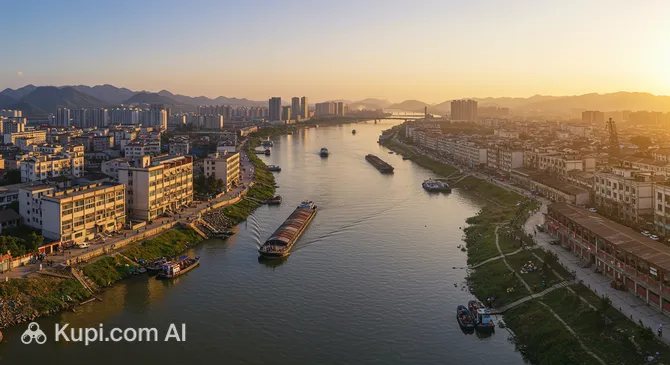
Welcome to Lengshuijiang, a distinctive county-level city located in the heart of Hunan Province. Nestled along the middle reaches of the picturesque Zi River, this city offers a unique blend of industrial heritage and natural beauty. As you travel through China, Lengshuijiang stands out for its energetic atmosphere and the scenic landscapes that surround its urban center.

Lengshuijiang. Source: Kupi.Binoculars

The city is globally renowned as the "Antimony Capital of the World," a title that hints at its significant role in geological and industrial development. Visitors interested in the past can delve into the history of Lengshuijiang to learn how its rich mineral resources shaped its growth and culture over the centuries. Despite its industrial roots, the area is home to a population of approximately 370,000 people who maintain a vibrant local culture.

Beyond the city streets, nature lovers will find plenty to explore. The majestic Daxiong Mountain National Forest Park is a highlight, offering lush greenery, fresh air, and stunning views that provide a perfect escape from urban life. Another gem is the Boyue Cave, known for its fascinating karst formations and underground scenery. Whether you are here for the unique industrial backstory or the tranquil mountain trails, Lengshuijiang invites you to discover its many hidden charms.

Weather Overview

Lengshuijiang experiences a climate marked by distinct seasonal variations, offering visitors a range of atmospheric conditions depending on when they travel. To plan your trip effectively, it is helpful to check the current weather in Lengshuijiang before packing. The summer months are generally warm and humid, with July and August seeing average temperatures around 28°C and daily highs often reaching 31.5°C. June tends to be the wettest month, recording the highest precipitation levels and approximately 22 wet days.

In contrast, the winter season is cool, with January being the coldest month, where average temperatures drop to about 5.2°C and lows can reach 2.2°C. While rainfall volume decreases significantly in winter—dropping to as low as 1mm in December—the days can still be damp, with January seeing around 14 wet days. Spring sees a steady rise in temperature, with averages moving from 12.8°C in March to 21.4°C in May, accompanied by frequent rainfall. Overall, you can expect warm summers with regular rain showers and cool winters with lower precipitation volume but frequent overcast or damp days.

Interesting Facts

Beyond its industrial heritage and scenic landscapes, Lengshuijiang holds fascinating secrets that surprise many visitors. From ancient mythological connections to its role in pop culture history, this city offers layers of intrigue waiting to be uncovered.

  • The World's Antimony Capital: Lengshuijiang is home to the Xikuangshan Mine, which is widely recognized as the largest antimony mine on the planet. This single location has historically produced a staggering portion of the global supply, earning the city the moniker "Antimony Capital of the World." The deposit is so significant that it has been a primary driver of the local economy and urban development for over a century.

  • A Legendary Filming Location: The spectacular Boyue Cave is not just a geological marvel; it is a piece of Chinese television history. The cave served as a key filming location for the classic 1986 TV series Journey to the West. Iconic scenes, including those set in the "Water Curtain Cave" (the Monkey King's home) and the lair of the White Bone Demon, were shot amidst its natural stalactites and stalagmites.

  • Ancestral Home of Chiyou: Local legends and some historical studies suggest that Daxiong Mountain is the ancestral home of Chiyou, a mythical tribal leader and war god in Chinese folklore. It is said that after his defeat by the Yellow Emperor, Chiyou's tribe planted maple and prune trees here, creating the lush forest landscape seen today. The mountain is also steeped in legends about the Yellow Emperor transforming nine green dragons in the area.

  • Literal Translation: The name "Lengshuijiang" translates directly to "Cold Water River." This descriptive name likely stems from the local geography and the chilly waters of the streams that flow into the Zi River, offering a refreshing contrast to the region's often humid subtropical climate.

How to Get There

Reaching Lengshuijiang involves traveling to nearby major transport hubs in Hunan Province, as the city serves as a regional industrial center rather than a primary transit gateway. Most visitors arrive via connecting flights or trains to neighboring cities and complete the journey by road. For a comprehensive overview of all available routes and logistics, you can read more about how to get to Lengshuijiang.

The city of Lengshuijiang does not have its own airport, but you can fly into Changsha Huanghua Airport (IATA: CSX) in the provincial capital, Changsha, which is about 184 km from Lengshuijiang. As a major international hub, it offers the widest range of flight connections. The journey from the airport to Lengshuijiang by taxi or bus typically takes around 5 hours. Alternatively, you can choose Changde Airport (IATA: CGD) in Changde, located approximately 138 km away, with a ground transfer time of about 3 hours and 50 minutes.

For clarity, here is a summary of the main airports serving the region:

Airport Name City Passenger Traffic Km from City
Changsha Huanghua AirportChangshaVery High184.2
Zhangjiajie Hehua AirportZhangjiajieHigh184.7
Changde AirportChangdeMedium138.1
Hengyang Nanyue AirportHengyangMedium140.4
Zhijiang AirportHuaihuaLow173.5

Traveling by train is another convenient option. While you may not arrive directly in the city center via the stations listed below, key railway hubs in neighboring cities provide easy access. You can arrive at the Shaoyang Railway Station in the city of Shaoyang, which is about 52 km from Lengshuijiang. From there, you can get a taxi or bus, which takes about 1 hour and 40 minutes. Another close option is the Loudi Railway Station in Loudi, situated approximately 56 km away, with a transfer time of roughly 1 hour and 45 minutes.

Below is a list of significant railway stations in the vicinity:

Station City Passenger Traffic Km to Center
Zhuzhou Railway StationZhuzhouHigh160.9
Huaihua Railway StationHuaihuaHigh144.1
Loudi Railway StationLoudiMedium56.1
Hengyang Railway StationHengyangMedium153.0
Shaoyang Railway StationShaoyang52.2

Main Attractions

Boyue Cave is widely regarded as the crown jewel of Lengshuijiang's tourism. Known as a "World Geological Museum" due to its rich variety of karst formations, the cave features an impressive array of stalactites, stalagmites, and stone pillars that create a surreal underground landscape. It holds a special place in pop culture history as a primary filming location for the 1986 classic TV series Journey to the West. Visitors can explore the "Water Curtain Cave" and see the "Monkey King's Throne," making it a nostalgic and visually stunning destination for families and fans of Chinese mythology.

For nature enthusiasts and hikers, Daxiong Mountain National Forest Park offers a refreshing escape into the wild. Often celebrated as the ancestral home of Chiyou, a legendary tribal leader in ancient China, the park is steeped in folklore and history. The mountain spans a vast area with lush forests, clear streams, and 48 distinct peaks that provide breathtaking panoramic views. Whether you are visiting to pay respects at the ancient temples or simply to breathe in the fresh mountain air, the park's serene environment and "plum blossom amid snow" scenery make it a top choice for outdoor recreation.

The Zi River Scenic Belt provides a more relaxing way to experience the city's charm. As the river winds through Lengshuijiang, its banks have been developed into picturesque promenades perfect for leisurely strolls, especially in the evening when the city lights reflect off the water. The area highlights the city's connection to the "Cold Water River" and offers a glimpse into local daily life, with residents gathering to enjoy the cool breeze and river views.

Xikuangshan is a site of global industrial significance, earning Lengshuijiang the title of "Antimony Capital of the World." While primarily an industrial area, it attracts visitors interested in geology and industrial heritage. The massive scale of the mining operations and the unique history of antimony extraction here have shaped the region for over a century. For those interested in history, the nearby Duan Family Courtyard offers a look at the traditional architecture and lifestyle of the wealthy mine owners from the Republic of China era.

Local Cuisine

The local cuisine in Lengshuijiang is a vibrant reflection of the broader Hunan culinary tradition, known famously as Xiang cuisine. Visitors should prepare their palates for bold, fiery flavors characterized by the liberal use of fresh chili peppers, garlic, and shallots. The food here is designed to combat the region's humid climate, with dishes that are often hot, spicy, and deeply savory, offering a gastronomic adventure for those who enjoy a kick of heat.

A signature dish that defines the region's dining scene is Sanhe Tang (Three-Delicacy Soup). This hearty and pungent soup is a local staple, typically made from a combination of beef, bovine blood, and tripe. The ingredients are simmered in a broth seasoned with local vinegar and mountain peppercorns, creating a unique "sour and spicy" flavor profile that is said to stimulate the appetite and ward off the dampness. It is often eaten as a breakfast item or a warming dinner, favored by locals for its intense and distinctive taste.

Another must-try delicacy is Hunan Smoked Pork, or La Rou. Given the mountainous terrain surrounding Lengshuijiang, curing meat is a time-honored tradition. The pork is slowly smoked over wood fires, resulting in a rich, savory meat that is often stir-fried with dried long beans, radishes, or fresh chilies. For a lighter snack, look for Rice Tofu, a soft, jelly-like dish made from rice slurry, usually served cold with a dressing of soy sauce, crushed peanuts, and, inevitably, a spoonful of chopped chili paste.

To balance the fiery cuisine, the local beverage of choice is often Mijiu, a sweet, fermented rice wine. It has a low alcohol content and a refreshing taste that pairs perfectly with spicy dishes. In the warmer months, you will also find locals enjoying chilled herbal teas or mung bean soup to cool down. In the evenings, the food culture comes alive at street stalls and night markets, where the aroma of sizzling barbecue and spicy crayfish fills the air, offering a lively and authentic way to experience the city's flavors alongside the residents.

Travel Tips

Planning a trip to the "Antimony Capital of the World" requires a bit of preparation to ensure a smooth and enjoyable journey. To help you navigate the local nuances of Lengshuijiang and make the most of your visit, here are some practical tips designed for travelers.

  1. Clothing and Gear: The climate in Lengshuijiang is humid subtropical, meaning summers are hot and winters can feel damp and chilly. Pack lightweight, breathable fabrics for the summer months, but bring thermal layers and a waterproof jacket if visiting in winter or early spring. Since the main attractions like Daxiong Mountain and Boyue Cave involve walking, sturdy, comfortable shoes are a must. Tip: Even in summer, bring a light sweater for Boyue Cave, as the underground temperature remains cool year-round.
  2. Transportation: While public buses cover the main urban areas, the routes and signage are almost exclusively in Chinese. For international tourists, the most convenient way to get around the city is by taxi or using ride-hailing apps like DiDi (the local equivalent of Uber). Taxis are generally affordable, but few drivers speak English, so have your destination written in Chinese characters to show them.
  3. Finances: The local currency is the Chinese Yuan (RMB). International credit cards are rarely accepted outside of high-end hotels. China is a digital-first society, so it is highly recommended to set up Alipay or WeChat Pay on your phone and link your international card before arrival. Keep a small amount of cash for small vendors or elderly shopkeepers, but rely on mobile payments for convenience.
  4. Health and Safety: Pharmacies are widely available and can be identified by a green cross symbol, though they may not be open 24/7 in smaller neighborhoods. Tap water is not safe to drink; always purchase bottled water or boil it first. Given the local cuisine's reputation for extreme spiciness, packing some medicine for digestion or heartburn is a wise precaution if your stomach is not used to chili peppers.
  5. Communication: English is not widely spoken in Lengshuijiang. To communicate effectively, download a reliable translation app that works offline or with a VPN if necessary. Buying a local SIM card is essential for using maps and translation tools; this is best done upon arrival at the airport in Changsha before transferring to Lengshuijiang, as local shops may be less familiar with processing foreign passports.
  6. Local Etiquette: When dining, it is polite to try a bit of everything served, as sharing dishes is the norm. If you are invited to a local's home or a formal dinner, wait to be seated. When handing over money or a business card, use two hands as a sign of respect. Loud behavior in public is generally frowned upon, although local restaurants can get quite lively during meals.
  7. What to Avoid: Avoid relying on Western mapping apps like Google Maps, as they are often inaccurate or blocked in China. Instead, use local alternatives or Apple Maps. Additionally, avoid sticking your chopsticks vertically into a bowl of rice, as this resembles incense burning for the dead and is considered very bad luck.
  8. Additional Tip: If you plan to visit the Zi River Scenic Belt in the evening, bring mosquito repellent, especially during the warmer months. The riverside is a beautiful spot for a night walk, but the humidity near the water attracts insects. Also, be aware that many local shops close for a midday break, so plan your shopping or errands for the morning or late afternoon.

Armed with these practical insights, you are well-prepared to explore the industrial heritage and natural splendor of Lengshuijiang. Embrace the local culture, enjoy the fiery Hunan flavors, and have a safe and memorable adventure!

Entertainment & Nightlife

Nightlife in Lengshuijiang offers a distinctively local flavor that contrasts with the high-octane club scenes of China's mega-cities. Here, the evening entertainment is deeply rooted in social interaction, revolving principally around dining, karaoke (KTV), and relaxed gatherings along the waterfront. The atmosphere is casual and welcoming, with locals eager to enjoy the cool evening air after a day of work. While you won't find world-famous DJ sets, you will discover a vibrant, energetic city that stays awake well into the night.

The epicenter of evening activity is undoubtedly the Zi River Scenic Belt. As the sun sets, the riverbanks light up with neon signs and decorative lanterns, transforming the promenade into a bustling hub. This area is lined with numerous open-air tea houses, casual bars, and beer gardens where friends gather to play cards, chat, and enjoy river views. It is the perfect spot for a relaxed night out; the dress code is almost exclusively casual, and the vibe is friendly and unpretentious.

For a more energetic experience, Karaoke (KTV) is the undisputed king of entertainment in Lengshuijiang. You will find KTV venues scattered throughout the commercial center, particularly around the main pedestrian streets. These establishments range from opulent, multi-story complexes with private rooms to smaller, family-run spots. A night at a KTV usually involves renting a private room, ordering platters of fruit and beer, and singing until the early hours. It is the primary way locals celebrate birthdays or unwind, and visitors are often welcomed warmly if invited to join.

No description of Lengshuijiang's nightlife is complete without mentioning the culture of Ye Xiao (late-night supper). The city comes alive with the smell of charcoal and spices as night markets and street stalls set up shop. The streets near the city center and residential districts fill with vendors selling spicy crayfish, Shao Kao (Chinese BBQ), and fried rice noodles. These outdoor dining venues are bustling from 9:00 PM until 2:00 AM or later. It is noisy, chaotic, and incredibly fun, offering an authentic taste of Hunan's social life.

When planning your night out, keep in mind that most bars and KTVs are busiest between 9:00 PM and midnight. Prices are generally very affordable compared to provincial capitals like Changsha. A night of food and drinks can cost a fraction of what you might pay in a larger metropolis. Getting around is straightforward; taxis are plentiful and inexpensive at night, and ride-hailing apps like DiDi work well. The city is generally safe for night walks, especially in well-lit areas like the Zi River Scenic Belt, but it is always wise to stick to main roads and have your hotel address written in Chinese.

While the nights are lively, daytime entertainment in Lengshuijiang offers a slower pace. Apart from the natural attractions, the city features standard urban amenities like modern cinemas showing both Chinese and international blockbusters. There are also several shopping plazas and pedestrian commercial streets where you can browse local fashion, visit tea shops, or explore small museums dedicated to the region's industrial history, providing a low-key way to spend an afternoon before the evening festivities begin.

Parks & Museums

Lengshuijiang offers a fascinating juxtaposition of industrial heritage and breathtaking natural landscapes. While the city is famous for its mineral wealth, it also boasts lush forest parks and cultural sites that preserve the region's unique history. Visitors can easily transition from exploring the legacy of the "Antimony Capital" to hiking through pristine mountain ranges, making it a diverse destination for travelers seeking both education and outdoor recreation.

Daxiong Mountain National Forest Park is the premier natural attraction in the area, often referred to as the "Green Lung" of central Hunan. Spanning a vast area with 48 distinct peaks, the park is a haven for hikers and nature lovers. It is renowned for its primitive secondary forests and high negative oxygen ion content, providing a refreshing escape from the city. The park is also culturally significant, as legends claim it to be the ancestral home of Chiyou, a mythical tribal leader. Visitors can explore ancient trails, admire the "plum blossoms amid snow" in winter, and visit the historic temples nestled within the greenery.

For a more urban outdoor experience, the Zi River Scenic Belt serves as the city's communal living room. This extensive riverside park stretches along the banks of the Zi River, offering beautifully landscaped promenades, pavilions, and green spaces. It is the perfect spot for a leisurely afternoon walk or a morning jog. In the evenings, the park comes alive with locals practicing Tai Chi, dancing, or simply enjoying the cool river breeze. The scenic belt effectively combines flood control with leisure, providing a picturesque vantage point to observe the daily rhythm of life in Lengshuijiang.

On the cultural front, the Xikuangshan National Mine Park stands as a testament to the city's industrial identity. As the site of the world's largest antimony mine, this area functions as a massive open-air museum dedicated to mining history and geology. Visitors can see the remnants of old mining infrastructure and learn about the extraction processes that have driven the local economy for over a century. The park highlights the resilience of the miners and the geological significance of the region, offering a rare glimpse into China's industrial past that is both educational and visually striking.

Another key cultural site is the Duan Family Courtyard, which offers a more intimate look at local history. This well-preserved residence once belonged to a prominent family associated with the mining industry during the Republic of China era. The architecture features traditional layout elements combined with intricate wood carvings and stone work, reflecting the wealth and aesthetic tastes of the time. exploring the courtyard provides a narrative about the social history of the region's "Antimony Kings" and offers a quiet, atmospheric contrast to the bustling modern city.

For an authentic local experience, try visiting the foot of Daxiong Mountain early in the morning. You might encounter local villagers collecting wild herbs or tea, a practice that has continued for generations. Engaging with them, even with simple gestures, offers a warm insight into the rural lifestyle that coexists with the city's industrial prowess.

Getting Around

As a county-level city, Lengshuijiang does not have a metro or light rail system. The backbone of public transportation here is the bus network. These buses connect the city center with major residential areas, industrial zones, and key transport hubs. The fleet is generally modern, including many electric vehicles, offering a comfortable ride. However, route maps and announcements are almost exclusively in Chinese, which can be a challenge for non-local speakers.

For payment, the system is heavily digitized. While you can still pay with cash—usually a flat fare of approximately 2 RMB—you must have the exact change as drivers do not handle money. The preferred method for locals is scanning a QR code using WeChat Pay or Alipay. Some buses accept "T-Union" transport cards that work across multiple cities, but mobile payment is far more prevalent. If you plan to use the bus, ensure your mobile payment apps are set up with the "Transport" code activated.

Given the potential language barrier on buses, taxis are often the most practical choice for visitors. You can easily flag down a taxi on the street; they are metered and relatively inexpensive compared to larger metropolitan areas. For a smoother experience, use ride-hailing apps like DiDi (often integrated into Alipay or WeChat). These apps allow you to input your destination in English or pin it on a map, removing the need to verbally communicate the address to the driver. This is particularly useful for reaching specific scenic spots or hotels.

For short distances, shared bicycles are a popular and eco-friendly alternative. You will see colorful dockless bikes parked along sidewalks throughout the city. To use them, simply scan the QR code on the bike using the respective app or through Alipay/WeChat. It is an affordable way to navigate the city center or ride along the river promenades, provided you have mobile data and a configured payment method.

Practical advice for travelers includes avoiding peak commuting hours, typically between 7:30–9:00 AM and 5:00–6:30 PM, when buses and roads are most congested. Most bus lines operate from early morning (around 6:30 AM) until the evening (around 9:00 PM or 9:30 PM), so do not rely on them for late-night transport. If you are staying out late to enjoy the local nightlife, taxis are your only reliable option to get back to your accommodation.

Accommodation

Accommodation in Lengshuijiang primarily caters to domestic business travelers and tourists exploring the Hunan region. The city offers a range of options that are generally functional and affordable, rather than focused on high-end luxury. Visitors will mostly find standard mid-range hotels, business inns, and budget-friendly guesthouses. While international luxury chains are not present, the local 4-star and 3-star equivalent hotels provide comfortable amenities, including clean rooms, Wi-Fi, and on-site dining.

For the most convenient stay, it is best to look for hotels in the city center. This area places you within walking distance of the main pedestrian commercial streets, shopping plazas, and a wide variety of restaurants. Staying here ensures easy access to taxis and public transport. Alternatively, booking a hotel along the Zi River offers a more scenic experience. Rooms with river views provide a pleasant backdrop, and you will be just steps away from the Zi River Scenic Belt for evening strolls.

Prices in Lengshuijiang are generally very reasonable compared to China's major provincial capitals. Budget options can be found for a very low cost, while the city's top-tier hotels remain affordable for most international travelers. When booking, it is highly recommended to use major international travel platforms or reputable Chinese booking apps that support English. This is particularly important to ensure that the hotel is licensed to accept foreign guests, as some smaller, local guesthouses may not have the necessary authorization.

Booking Tip: While room availability is usually good throughout the year, it is wise to book in advance if you are traveling during major Chinese holidays, such as the Spring Festival or National Day Golden Week. During these peak times, local families return home and domestic tourism spikes, causing the best rooms to sell out quickly.

Nearby Cities

For those looking to explore the surroundings, Lengshuijiang serves as an excellent base for day trips to several interesting nearby locations:

City Population Distance (km)
Shaoyang 7,370,500 50
Hengyang 7,243,400 143
Changde 5,827,200 151
Yongzhou 5,452,100 141
Huaihua 4,979,600 142

Shaoyang is the closest major city and a fantastic destination for nature lovers. It is the gateway to the spectacular Langshan Mountain, a UNESCO World Heritage site renowned for its massive deep red Danxia rock formations. Visitors can hike through dramatic cliffs and explore the scenic Zijiang River that winds through the landscape, offering a perfect contrast to the industrial vibe of Lengshuijiang.

Located to the southeast, Hengyang is famous for being home to Mount Heng (Hengshan), one of the Five Great Mountains of China. This sacred peak is a major pilgrimage site for both Taoists and Buddhists, featuring numerous ancient temples hidden among lush forests and misty peaks. It offers a culturally enriching experience combined with challenging hikes and panoramic views.

To the north lies Changde, a city steeped in literary romance. It is best known for the "Peach Blossom Land" (Taohuayuan), a scenic area that brings to life the idyllic utopia described in classic Chinese poetry. The park features serene streams, peach orchards, and traditional architecture, making it a peaceful retreat for those seeking tranquility and a touch of folklore.

These nearby destinations offer a glimpse into the diverse culture and landscapes of the region, allowing travelers to easily expand their itinerary beyond the immediate area.

Shopping & Souvenirs

Shopping in Lengshuijiang offers a genuine slice of local life in Hunan Province, blending the convenience of modern retail with the bustle of traditional markets. While it may not boast the high-end luxury boutiques of China's largest metropolises, the city provides a satisfying array of options for travelers. Visitors can explore lively pedestrian streets, browse through well-stocked department stores, and wander through vibrant markets where the city's industrial energy meets its culinary traditions.

The heart of the city's retail activity is centered around the Commercial Pedestrian Street (Buxingjie). This vehicle-free zone is the most popular destination for both locals and tourists, lined with a mix of clothing boutiques, shoe stores, and sportswear outlets. It is a great place to soak up the local atmosphere, especially in the late afternoon and evening when the neon lights flicker on and the street fills with people. Here, you can find affordable fashion, local brands, and plenty of bubble tea shops to keep you refreshed while you browse.

For a more modern shopping experience, the city features several large shopping centers, often anchored by regional heavyweights like the Better Life (Bubugao) Department Store. These malls provide a one-stop destination for cosmetics, electronics, and branded apparel. They also serve as entertainment hubs, typically housing supermarkets in the basement and cinemas on the upper floors. These air-conditioned environments offer a comfortable escape from the humid weather and are the best places to find standardized goods and familiar brands.

To truly understand the local culture, a visit to a traditional market is essential. The city's fresh markets are teeming with activity, displaying piles of seasonal fruits, vegetables, and local spices. In the evenings, street vendors often congregate near the river or busy intersections to sell everything from inexpensive accessories and phone cases to handmade crafts. These night markets are less about serious shopping and more about the experience of hunting for small bargains amidst the aroma of sizzling street food.

When it comes to souvenirs, the best items to bring back from Lengshuijiang are its famous culinary specialties. Hunan Smoked Pork (La Rou) is a top choice; cured over wood fires, it has a distinct savory flavor and is often sold in vacuum-sealed packages suitable for travel. Another excellent option is local chili sauce or jarred chopped peppers, which allow you to recreate the fiery taste of Xiang cuisine at home. For a non-food item, look for high-quality local teas grown in the surrounding misty mountains, which make for lightweight and thoughtful gifts.

Most shops in Lengshuijiang operate from around 9:00 AM to 9:30 PM, though supermarkets and some mall stores may stay open slightly later. Payment methods have become highly digital; while cash is accepted, the vast majority of transactions—even at small street stalls—are done via WeChat Pay or Alipay. It is highly recommended to have one of these apps set up on your phone, as credit cards are rarely accepted outside of major hotels or large department stores.

Tax-free shopping is generally not available in Lengshuijiang, as it is not a primary entry port for international tourists. Visitors should expect to pay the listed price including tax. Bargaining is acceptable and expected at street stalls and small independent shops, but prices in department stores, supermarkets, and branded boutiques are fixed.
Reached the end of the page?

That means the route is fully explored