Support

Huaihua

About

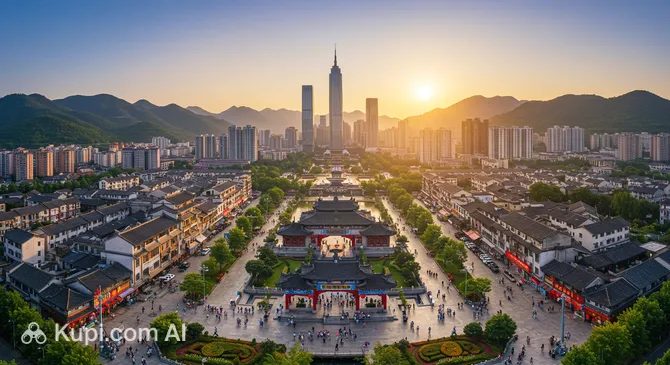
Huaihua is a captivating destination nestled in the mountainous western region of the Hunan province. Often recognized as a vital transportation hub connecting different parts of the country, this bustling city offers travelers a unique blend of modern accessibility and traditional charm. Located in the southern part of China, Huaihua serves as a gateway to the mystic landscapes of the Wuling and Xuefeng mountain ranges, providing a scenic backdrop for any journey.

Huaihua. Source: Kupi.Binoculars

The city is home to a diverse population of approximately 5 million people, creating a vibrant atmosphere enriched by various ethnic minority groups, including the Dong and Miao people. This cultural mosaic is reflected in the local customs, festivals, and architecture. Visitors interested in the past will find that the history of Huaihua is deeply intertwined with ancient trade routes and folklore. The climate here is generally subtropical, ensuring lush greenery and distinct seasons that highlight the natural beauty of the area.

Among the top attractions is the Hongjiang Ancient Commercial City, a remarkably well-preserved complex that offers a glimpse into the bustling life of the Ming and Qing dynasties. Nature enthusiasts will appreciate the region's rugged terrain and forest parks, which are perfect for eco-tourism and photography. Whether you are exploring its rich cultural heritage or enjoying its serene landscapes, Huaihua invites you to experience a side of the province that is both authentic and unforgettable.

Weather Overview

Huaihua features a humid subtropical climate with four distinct seasons, offering a variety of atmospheric backdrops for your visit. To help you pack appropriately, it is useful to review the detailed weather in Huaihua before your departure. Generally, the region experiences warm summers and cool winters, with significant variation in precipitation throughout the year.

Summers are typically hot, with July and August seeing average temperatures around 28.5°C to 28.6°C and daily highs often reaching 32.5°C. Winters are much cooler; January is usually the coldest month, with an average temperature of 5.3°C and lows dipping to around 2.4°C. While the city does not typically experience extreme freezing, warm layers are recommended for the chilly days.

Rainfall is a common occurrence, particularly during the spring and early summer. From April to June, the city experiences approximately 20 wet days per month, making an umbrella an essential travel companion. The latter part of the year tends to be slightly drier in terms of frequency, with December seeing the fewest rainy days, averaging about 9 days of precipitation.

Interesting Facts

Beyond the main attractions, Huaihua holds many fascinating secrets that highlight its unique role in the region's development. From its unusual origins to its contribution to global agriculture, the city offers several surprising stories for the curious traveler.

  • A "City Hauled by Trains": Locals often refer to Huaihua by this unique nickname because of its distinctive history. Unlike many ancient settlements that grew along rivers, this city’s transformation from a remote market town into a bustling metropolis was driven almost exclusively by the intersection of major railway lines, making it a pivotal logistics hub in China.

  • Birthplace of Hybrid Rice: The region is the cradle of a global agricultural revolution. The Anjiang Agricultural School in Huaihua is where the renowned agronomist Yuan Longping conducted his pioneering research, successfully cultivating the world's first hybrid rice strains that have since helped feed millions.

  • A Hidden Ancient Gem: While many travelers flock to nearby Fenghuang, Huaihua is home to the Qianyang Ancient Town, which is actually older and often considered more authentic. This well-preserved site dates back over 2,000 years and was the setting for famous works by the Tang Dynasty poet Wang Changling.

  • The "Rock Candy" Fruit: The area is famous for its specific variety of citrus known as the "Rock Candy Orange" (Bing Tang Cheng). These oranges are celebrated for their exceptionally high sugar content and crisp texture, making them a signature delicacy that is eagerly anticipated during the harvest season.

How to Get There

Reaching this bustling transportation hub in the Hunan province is relatively straightforward, thanks to its strategic location connecting various parts of central and southern China. Whether you prefer flying or taking the train, there are convenient options available for travelers. For a detailed breakdown of all routes and transportation tips, you can read more about how to get to Huaihua.

For air travel, the most convenient entry point is Zhijiang Airport (HJJ), which serves the city directly. Located approximately 33 km from the city center, it is a regional airport handling a moderate volume of passengers. The journey from the airport to downtown Huaihua typically takes around 70 minutes by taxi or shuttle bus. Alternatively, travelers can fly into Tongren Airport (TEN), situated in the neighboring city of Tongren. This airport is about 77 km away from Huaihua, with a transfer time of approximately 2 hours and 15 minutes by road. While further away, it handles a higher volume of passenger traffic and may offer different flight connections.

For clarity, here is a summary of the main airports serving the region:

Airport Name City Passenger Traffic Km from City
Zhangjiajie Hehua Airport Zhangjiajie Medium 175.3
Tongren Airport Tongren Medium 76.7
Biancheng (Xiangxi Biancheng) Airport Qianzhou Small 113.0
Zhijiang Airport Huaihua Small 33.2
Kaili Huangping Kaili Small 210.7

Huaihua is famously known as a "city hauled by trains," making rail travel an exceptionally popular and efficient way to arrive. The city is served by the major Huaihua Railway Station, located just 6.2 km from the city center. This station is a significant hub with very high passenger traffic, connecting the region to many major cities across China. Once you arrive at the station, a taxi or bus ride to the central area is quick, taking only about 30 minutes.

Below is a list of railway stations in the vicinity that travelers might consider:

Station City Passenger Traffic Km to Center
Huaihua Railway Station Huaihua Very High 6.2
Loudi Railway Station Loudi High 198.1
Hengyang Railway Station Hengyang High 277.9
Guilin Railway Station Guilin High 257.0
Shaoyang Railway Station Shaoyang 149.1

Main Attractions

Huaihua is a treasure trove for travelers seeking a blend of cultural depth and natural splendor. The city and its surrounding areas are dotted with ancient towns that have stood the test of time, alongside breathtaking geological formations. Here are some of the most compelling places to explore during your visit.

Hongjiang Ancient Commercial City is often the highlight of any trip to the region. Known as the "Pearl of Western Hunan," this site was once a thriving center for trade during the Ming and Qing dynasties. Today, visitors can wander through a labyrinth of narrow alleys flanked by well-preserved buildings, including old banks, merchant mansions, and traditional shops. It offers a fascinating, immersive look into the commercial hustle and bustle of ancient China, distinguishing itself with an authentic, living-history atmosphere that transports you back in time.

For those who prefer a quieter, more serene historical experience, Qianyang Ancient Town is an ideal destination. Located just upstream from Hongjiang, it boasts a history spanning over 2,000 years, making it one of the oldest settlements in the province. The town is remarkably intact and less commercialized than other famous ancient towns, allowing you to appreciate its classic architecture, city gates, and peaceful riverside setting without the crowds. It was also a source of inspiration for the famous Tang Dynasty poet Wang Changling, adding a layer of literary significance to its charm.

Nature lovers should not miss the spectacular scenery of Wanfo Mountain (Wanfoshan). This scenic area is renowned for its massive Danxia landforms, characterized by red sandstone cliffs and dramatic peaks that resemble a gathering of Buddhas, hence the name. The park features well-maintained hiking trails and viewing platforms that offer panoramic vistas of the lush forests and rugged terrain. It is a perfect spot for photography and escaping into the fresh mountain air.

To experience the unique cultural heritage of the region, a visit to the villages in Tongdao Dong Autonomous County is highly recommended. This area is famous for its distinct Dong minority architecture, particularly the magnificent Wind and Rain Bridges and the towering Drum Towers. These structures are often built entirely of wood without the use of nails, showcasing incredible craftsmanship. Exploring the local villages provides a warm introduction to the traditions, folk music, and hospitality of the Dong people.

Local Cuisine

To explore the local cuisine of Huaihua is to embark on a fiery and flavorful journey that perfectly blends the spicy heat of Hunan's famous Xiang cuisine with the unique, sour traditions of the region's ethnic minorities. The food here is characterized by its bold use of chili peppers, aromatic herbs, and preserved ingredients, creating dishes that are as vibrant in taste as they are in color.

The undisputed star of the local table is Zhijiang Duck, a dish so renowned that it was once served as a tribute to the imperial court. Originating from the Zhijiang Dong Autonomous County, this specialty uses a local breed of "Ma Duck" known for its tender meat and thin skin. The duck is typically braised or stir-fried with a powerful combination of ginger, scallions, red chili peppers, and Sichuan peppercorns—often referred to locally as the "Four Generals." The result is a savory, golden-hued masterpiece that is spicy, aromatic, and surprisingly non-greasy, often enjoyed during festivals and family gatherings.

Another must-try delicacy that reflects the region's love for unique textures is Rice Tofu. Unlike traditional soy-based tofu, this snack is made from rice that has been soaked, ground, and boiled into a jade-green or pale yellow jelly. It is usually cut into cubes or strips and dressed with a mouth-watering mixture of chili oil, vinegar, crushed garlic, and pickled vegetables. It is a popular breakfast item and a refreshing street snack that offers a cooling counterpoint to the city's humid climate.

For a truly distinctive gastronomic experience, visitors should seek out Dong Oil Tea. More of a savory soup than a simple beverage, this traditional "tea" is a staple of Dong minority hospitality. Tea leaves are fried in oil with garlic, ginger, and salt before being boiled with water. The rich broth is then poured over a bowl filled with crunchy puffed rice, fried peanuts, and sometimes soybeans or chopped scallions. It is a warm, earthy, and salty treat that locals consume daily to boost energy and aid digestion.

The street food culture in Huaihua is vibrant and heavily influenced by the local obsession with sour flavors. You will often find stalls selling Zhijiang Sour Radish, a crunchy, pickled snack that is bright pink and addictive, believed to whet the appetite. Additionally, Xinhuang Beef is a premium local product; often sold as dried jerky with spices, it makes for an excellent chewy snack for travelers on the go. Whether you are dining in a bustling night market or being welcomed into a local home in a Dong village, the cuisine of Huaihua promises a memorable adventure for your palate.

Travel Tips

Welcome to Huaihua! To ensure your journey through this dynamic transportation hub and its surrounding ethnic minority villages is as smooth and enjoyable as possible, we have compiled a list of essential travel advice. These practical tips will help you navigate the local customs, climate, and logistics with confidence.

  1. Clothing and Gear: Since Huaihua has a humid subtropical climate, rain gear is a must-have, especially from April to June when rainfall is frequent. Bring a sturdy umbrella and a lightweight raincoat. If you plan to explore the Wanfo Mountain or the cobblestoned streets of Hongjiang Ancient Commercial City, pack durable, comfortable walking shoes. For winter visits, bring warm layers, as the damp cold can feel more intense than the thermometer suggests, and indoor heating is not always available in older buildings.
  2. Transportation: Within the city, taxis are an affordable and convenient way to get around. Ride-hailing apps like DiDi (often accessible via the Alipay app in English) are highly recommended to avoid language barriers when giving directions. Public buses are extensive and cheap, but route maps are almost exclusively in Chinese, making them challenging for non-Mandarin speakers. Car rental is generally not recommended for tourists due to complex traffic regulations and the need for a Chinese driver's license.
  3. Finances: The local currency is the Renminbi (RMB). While cash is still accepted, China is a digital-first society; downloading Alipay or WeChat Pay and linking your international credit card is the most efficient way to pay for everything from street snacks to hotel stays. Carry some physical cash for smaller vendors in remote Dong minority villages where digital signals might be weak. ATMs at major banks like the Bank of China or ICBC are your best bet for withdrawing cash with foreign cards.
  4. Health and Safety: Huaihua is generally very safe for travelers. Pharmacies are easy to spot by a green cross sign, but prescriptions are usually in Chinese, so bring a translation app or a photo of your medicine. Tap water is not safe to drink; always opt for bottled or boiled water. If you are hiking in the lush mountain areas, carrying insect repellent is advisable to protect against mosquito bites.
  5. Communication: English is not widely spoken outside of major hotels or transport hubs. It is crucial to have a translation app installed on your phone (one that works offline or with image recognition is best). Since many Western websites and social media apps are blocked in China, ensure you have a roaming plan or a reliable VPN installed before you arrive to stay connected.
  6. Local Etiquette: When visiting the Dong or Miao ethnic villages, respect local customs; for instance, do not step on the threshold of a doorway, as it is considered bad luck. In dining situations, wait for the host or the eldest person to start eating before you begin. Tipping is not part of the culture in Huaihua and can sometimes be seen as rude or confusing, so simply paying the bill is sufficient.
  7. What to Avoid: Avoid leaving your chopsticks sticking vertically into a bowl of rice, as this resembles incense burning for the dead and is considered very inauspicious. Additionally, try to avoid public displays of anger or frustration; maintaining "face" and staying calm will get you much further in resolving any issues.
  8. Culinary Caution: Huaihua is in Hunan province, famous for its spicy cuisine. Local dishes often feature fresh chilies and can be incredibly hot. If you have a low tolerance for spice, learn the phrase "bu yao la" (no spice) or "wei la" (mild spice), though be warned that even "mild" can pack a punch here!

Armed with these tips, you are ready to immerse yourself in the rich history and vibrant culture of Huaihua. Whether you are navigating the bustling city streets or enjoying the tranquility of an ancient town, a little preparation will go a long way in making your trip an unforgettable adventure.

Entertainment & Nightlife

While Huaihua may not have the internationally renowned nightlife of China's largest metropolises, it offers a vibrant and authentic evening scene that reflects the local culture's love for social gathering. The nightlife here is centered primarily in the Hecheng District, where the city comes alive after dark with neon lights and bustling streets. The atmosphere is generally relaxed yet lively, dominated by the locals' favorite pastimes: singing Karaoke (KTV), enjoying late-night street food, and gathering in bars to play dice games and socialize.

For those looking to experience the city's energy, the areas around Qiongtian Plaza and Xintiandi City Plaza are the main hubs of activity. These districts are packed with entertainment options ranging from loud, energetic dance clubs to quieter tea houses and lounge bars. Visitors can find modern venues in Xintiandi City Plaza that attract a vibrant crowd, while the streets near Jiahua Plaza often feature spots with a slightly more intimate setting, perfect for enjoying a drink and conversation. Dress codes are usually casual, and the venues typically stay open late, often until 2:00 AM or later.

No night out in Huaihua is complete without exploring the local night markets. The streets in the city center often transform into open-air dining venues where the aroma of spicy Hunan cuisine fills the air. You can sample local favorites like spicy crayfish, grilled skewers (shao kao), and the famous "stinky tofu." It is a safe and welcoming environment where you can mingle with residents. For transportation, taxis are plentiful and affordable at night, and ride-hailing apps are widely used. The city is generally very safe for night walks, but it is always wise to have your destination written in Chinese for the driver.

During the day, Huaihua offers a different kind of entertainment focused on culture and nature. History buffs should visit the Huaihua Museum to learn about the region's rich past and ethnic diversity. For a breath of fresh air, Yingfeng Park provides a scenic escape within the city limits. If you have more time, a day trip to the Hongjiang Ancient Commercial City is highly recommended to see traditional theater performances and architecture before returning to the city for the evening festivities.

Parks & Museums

While Huaihua is often celebrated for its surrounding ancient towns and mountains, the city itself offers a selection of serene green spaces and cultural institutions that provide a deeper understanding of the region's heritage. Visitors can easily alternate between enjoying the fresh air in well-maintained parks and exploring museums that showcase the rich tapestry of ethnic history and local customs.

For a refreshing escape within the urban area, Yingfeng Park is a favorite among locals and tourists alike. Located in the heart of the city, this park is anchored by the Yingfeng Tower, which offers panoramic views of the cityscape. It serves as a communal living room where residents gather for morning tai chi, leisurely strolls, and social activities. The lush pathways and shaded areas make it an ideal spot to relax and observe the daily rhythm of local life away from the busy streets.

Just a short distance from the city center lies Zhongpo National Forest Park, often referred to as the "back garden" of Huaihua. This expansive natural area is perfect for those who wish to immerse themselves in nature without traveling far. The park features dense vegetation, clean air, and a network of hiking trails that wind through the forest. It is particularly popular during the warmer months when the canopy provides a cool retreat, and it offers a great opportunity to see local flora and enjoy a quiet picnic in a scenic setting.

To gain insight into the diverse cultural fabric of the region, a visit to the Huaihua Museum is essential. This facility is dedicated to preserving and displaying the history and art of the area, with a strong emphasis on the ethnic minorities that call this part of Hunan home. The exhibits often include colorful traditional costumes, silver jewelry, and intricate handicrafts of the Dong and Miao people, as well as ancient relics unearthed in the region. It provides a comprehensive overview that contextualizes the unique traditions you might encounter in the surrounding villages.

Another significant site is the Memorial Hall of the Victory of the Anti-Japanese War, located in the nearby Zhijiang Dong Autonomous County. As a pivotal historical landmark, it marks the site where the surrender acceptance ceremony took place in 1945. The complex includes the memorial hall and the peace square, offering visitors a solemn and educational look at this critical moment in history. The site is designed to promote peace and is architecturally impressive, blending historical significance with a dignified atmosphere.

For a truly authentic experience, try visiting Yingfeng Park early in the morning. This is when the park is most alive with authentic local culture, as groups of seniors practice traditional sword dancing, fan dancing, and singing. It is a welcoming atmosphere where you can witness the community spirit of Huaihua firsthand, and adventurous travelers might even be invited to join in for a simple exercise.

Getting Around

Navigating Huaihua is relatively straightforward, as the city relies primarily on a comprehensive bus network and a plentiful supply of taxis. Unlike some of the larger metropolises in the region, Huaihua does not currently operate a metro or subway system. However, the existing ground transportation is efficient, affordable, and capable of reaching all major districts, including the bustling commercial centers and the key railway stations that define the city's character.

The public bus system serves as the backbone of local transit. Routes are extensive, covering the city center, the Hecheng District, and connecting to the Huaihua South High-speed Railway Station. The buses are generally modern and air-conditioned, providing a comfortable ride even during the humid summer months. Bus stops are clearly marked, though route information is almost exclusively in Chinese. It is highly advisable to use a navigation app to identify the correct bus number and track your journey in real-time.

Payment for public transport is designed for convenience, though it heavily favors digital methods. The standard bus fare is typically very low, usually around 1 to 2 RMB per ride, regardless of distance. While you can still pay with cash, you must have the exact change in coins or small notes as drivers cannot provide change. For a smoother experience, most locals use mobile payment apps like Alipay or WeChat Pay, which have dedicated "Transport Code" features that you simply scan upon boarding. Physical transit cards are available but are less practical for short-term visitors compared to mobile apps or cash.

For those seeking more direct and private transportation, taxis are ubiquitous and affordable. You can easily hail them on the street; they are typically distinctively painted and equipped with meters. Always ensure the driver uses the meter at the start of the trip. Alternatively, ride-hailing apps are extremely popular and often easier for international travelers, as they allow you to input your destination in English (or via map selection) and pay automatically, bypassing the language barrier that can occur with street taxis.

Another excellent option for short distances is the shared bicycle system. You will see rows of colorful bikes parked on sidewalks throughout the city. These can be unlocked by scanning a QR code using the same mobile payment apps used for buses. They offer a flexible and scenic way to explore the city's parks or travel between the bus stops and your final destination, especially along the flatter areas of the city center.

Tourists should be aware that public buses typically operate from early morning, around 6:00 AM, until the evening, with most lines ceasing operations between 9:00 PM and 10:00 PM. Taxis and ride-hailing services are available 24 hours a day, making them the only viable option for late-night travel. To ensure a hassle-free experience, always have the name and address of your hotel or destination written in Chinese characters to show to drivers, as English proficiency among transport staff is limited.

Accommodation

Accommodation in Huaihua caters to a diverse range of travelers, reflecting its status as a major transportation hub and a gateway to Western Hunan's cultural heritage. Visitors will generally find a solid selection of options ranging from budget-friendly hostels and business express hotels to more upscale, full-service establishments. While the city may not have an abundance of international luxury chains, the local high-end hotels offer comfortable and modern amenities suitable for international guests.

For those prioritizing convenience, the most popular area to stay is within the Hecheng District, particularly near the Huaihua Railway Station and the high-speed Huaihua South Station. Staying in this vicinity ensures easy access to intercity transport, which is ideal for travelers using the city as a transit point. This area is also bustling with restaurants and shops, making it easy to find a meal after a long journey. Alternatively, for a more atmospheric experience, consider booking a night in one of the boutique inns or traditional guesthouses located in Hongjiang Ancient Commercial City or Qianyang Ancient Town. These accommodations often feature traditional wooden architecture and offer a chance to sleep within the historic quarters, though they are located some distance from the modern city center.

When planning your stay, it is important to note a specific logistical detail relevant to travel in smaller Chinese cities: not all hotels are authorized to host foreign nationals. It is highly recommended to confirm that your chosen accommodation accepts international passports before making a reservation. Additionally, booking in advance is advisable if you plan to visit during major Chinese holidays, such as the National Day "Golden Week" in October or the Spring Festival, when demand spikes significantly.

Price-wise, Huaihua is generally very affordable compared to major tourist destinations like Zhangjiajie or Changsha. Budget travelers can find clean and basic rooms for very reasonable rates, while mid-range hotels offer excellent value with spacious rooms and reliable Wi-Fi. Most reservations can be easily made through major international booking platforms, which is often the safest way to ensure the property is foreigner-friendly. Payment is typically handled via mobile apps or credit cards at larger hotels, though smaller guesthouses in the ancient towns may prefer cash or mobile transfers.

Nearby Cities

For those looking to explore the surroundings, Huaihua serves as an excellent base for day trips to several interesting nearby locations:

City Population Distance (km)
Shaoyang 7,370,500 150
Loudi 3,931,800 197
Tongren 3,168,800 82
Zhangjiajie 1,537,900 178
Lianyuan 1,162,928 165

Among the most famous destinations in the vicinity is Zhangjiajie. Renowned globally for the Wulingyuan Scenic Area, it features thousands of pillar-like sandstone formations that create a surreal, otherworldly landscape, often cited as the inspiration for the floating mountains in the movie Avatar. It is a must-visit for nature lovers and photographers seeking dramatic scenery and thrilling attractions like the glass bridge.

Located significantly closer to Huaihua is Tongren, situated in the neighboring Guizhou province. This city is best known as the gateway to Fanjingshan (Mount Fanjing), a UNESCO World Heritage site. The mountain is famous for its unique mushroom-shaped rock, the Red Clouds Golden Summit, and its rich biodiversity, making it a premier destination for hiking and spiritual retreats.

For those interested in unique geological formations without the heavy crowds, Shaoyang offers access to the Langshan Mountain scenic area. This region is celebrated for its spectacular Danxia landforms, featuring deep red cliffs and winding rivers that provide a picturesque backdrop for rafting and exploration.

These nearby destinations offer a glimpse into the diverse culture and landscapes of the region.

Shopping & Souvenirs

Shopping in Huaihua offers a practical and authentic experience that reflects its status as a regional transportation hub and a gateway to ethnic minority areas. While you may not find the extensive luxury avenues seen in China's largest metropolises, the city provides a solid mix of modern conveniences and traditional commerce. Visitors can explore multi-story shopping centers for branded goods or dive into bustling local markets to find unique regional specialties. The retail scene is concentrated primarily in the Hecheng District, making it accessible for travelers staying near the city center.

The commercial heart of the city beats strongest along Renmin Road and the surrounding streets in the downtown area. This district is a lively thoroughfare lined with clothing boutiques, electronics stores, and local retailers. It is a great place to walk around, soak in the local atmosphere, and find everyday items at reasonable prices. The streets are often busy with pedestrians, especially in the evening when the neon lights turn on and street vendors set up small stalls selling accessories and snacks.

For a modern shopping experience, Huaihua boasts several large malls that serve as one-stop destinations for dining, entertainment, and retail. Huaihua Wanda Plaza is one of the most popular venues, offering a wide range of international and domestic fashion brands, a cinema, and numerous restaurants. Another key location is the Bubugao (Better Life) Plaza, a well-known chain in Hunan province that combines a department store with a supermarket, making it convenient for stocking up on travel supplies or buying reliable quality goods.

To truly understand the local flavor, visiting a traditional market is essential. The city's agricultural markets are vibrant places where farmers sell fresh produce directly to consumers. If you are visiting during the harvest season, these markets are the best places to find the region's famous fruits. The atmosphere is energetic and loud, offering a stark contrast to the polished floors of the shopping malls, and providing a glimpse into the daily lives of the local residents.

When it comes to souvenirs, Huaihua has several distinctive local products that make for excellent gifts. The most famous edible souvenir is the "Rock Candy" Orange (Bing Tang Cheng), celebrated for its intense sweetness and crisp texture. Another popular choice is Zhijiang Duck; you can find vacuum-packed versions of this spicy, savory delicacy in supermarkets and specialty stores, allowing you to bring a taste of Hunan home. For non-food items, look for handicrafts from the Dong and Miao ethnic minorities, such as intricate silver jewelry or colorful Dong brocade, which are renowned for their craftsmanship and cultural significance.

Most shopping malls and large department stores operate from around 10:00 AM to 10:00 PM, giving you plenty of time to browse after a day of sightseeing. Smaller independent shops and market stalls may close earlier or stay open later depending on the flow of customers. As with the rest of the country, mobile payments via Alipay and WeChat Pay are the primary method of transaction everywhere, from high-end stores to street vendors. Cash is generally accepted, but carrying small denominations is thoughtful for smaller purchases. International credit cards are rarely accepted outside of major hotels or large supermarket chains.

Travelers should note that Huaihua is not a typical destination for tax-free shopping. The tax refund schemes found in major international hubs like Beijing or Shanghai are generally not available here. Prices are displayed inclusive of tax, and bargaining is not common in malls or supermarkets, though it is acceptable and expected when buying items from street vendors or in traditional open-air markets.
Reached the end of the page?

That means the route is fully explored