Support

Hengyang

About

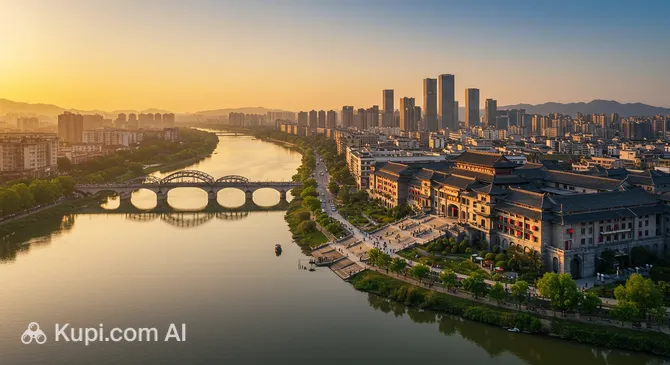
Welcome to Hengyang, the second-largest city in the Hunan province of China. Often poetically referred to as the "Wild Goose City" because of the migratory birds that are said to rest here during winter, this bustling metropolis blends ancient traditions with modern vitality. Situated at the confluence of the Xiang, Zheng, and Lei rivers, Hengyang serves as a crucial transportation hub and a vibrant center of commerce and culture in the southern part of the country.

Hengyang. Source: Kupi.Binoculars

The city is home to a staggering population of over 7.2 million people, contributing to its dynamic and energetic atmosphere. While the urban area is rapidly modernizing, the region remains deeply rooted in the past. Visitors interested in the fascinating history of Hengyang will find that it has been a strategic military and cultural post for thousands of years, witnessing significant events that have shaped the province's identity.

Travelers are primarily drawn here to visit Mount Heng (Hengshan), one of the Five Great Mountains of China, renowned for its breathtaking scenery, lush vegetation, and sacred Taoist and Buddhist temples. Another cultural gem is the Shigu Academy, one of the oldest and most prestigious academies in Chinese history, located on a scenic peninsula within the city. Whether you are seeking spiritual enlightenment on misty peaks or exploring rich urban heritage, Hengyang offers a memorable journey into the heart of Hunan.

Weather Overview

Hengyang experiences a subtropical climate with four distinct seasons, offering a variety of conditions for travelers throughout the year. The summer months of July and August are the hottest, with average temperatures hovering around 31°C and daily highs often reaching nearly 35°C. In contrast, winter brings cooler weather; January is typically the coldest month, where the average temperature drops to approximately 7°C, and nights can be quite chilly.

Rainfall is a significant factor to consider when planning your itinerary, particularly in the spring and early summer. From March through June, the city sees frequent precipitation, with May and June experiencing up to 20 wet days each. For a more comprehensive forecast to help you prepare, you can consult the guide to the weather in Hengyang. Overall, visitors should expect hot, humid summers with frequent rain and cool, relatively drier winters.

Interesting Facts

Beyond the main attractions, Hengyang holds many fascinating secrets that reveal its profound impact on history and culture. Here are a few intriguing aspects of this dynamic city that often surprise visitors:

  • The Cradle of Papermaking: One of the most significant contributions to human civilization has roots here. Cai Lun, the court official traditionally credited with inventing paper during the Eastern Han Dynasty, was a native of the area. Today, visitors can explore the Cai Lun Bamboo Sea in Leiyang, a county-level city under Hengyang's administration, which honors his legacy.

  • A Symbol of Longevity: The city is intrinsically linked to a famous blessing in China: "May your fortune be as boundless as the East Sea, and your life as long as the Southern Mountain." The "Southern Mountain" (Nanshan) in this idiom refers to Mount Heng, cementing the region's reputation as a spiritual center for health and long life.

  • The Home of Nonferrous Metals: While known for its scenery, the city is also a geological powerhouse. It is frequently referred to as the "Capital of Lead and Zinc" due to its vast underground mineral reserves, playing a critical but often overlooked role in the nation's industrial development.

How to Get There

Reaching this vibrant city in Hunan province is relatively straightforward, thanks to its position as a key transportation hub in southern China. Travelers can choose from various options depending on their starting point and preferences. For a comprehensive guide on all available routes, you can read more about how to get to Hengyang.

The most convenient option for air travelers is the local Hengyang Nanyue Airport (IATA: HNY), situated just about 8.6 km from the city center. It is a regional hub serving domestic flights, and a taxi ride to the downtown area typically takes around 35 minutes. For a wider range of international and domestic connections, many visitors opt to fly into Changsha Huanghua Airport (IATA: CSX) in the neighboring city of Changsha. Although it is approximately 157 km away, it handles a significantly larger volume of passenger traffic. The journey by road from Changsha airport to Hengyang typically takes about 2 hours via the expressway.

For clarity, here is a summary of the main airports serving the region:

Airport Name City Passenger Traffic Km from City
Changsha Huanghua Airport Changsha Very Large 157.2
Changde Airport Changde Medium 242.5
Hengyang Nanyue Airport Hengyang Medium 8.6
Ji'an Jinggangshan Airport Jian Small 214.7
Yichun Mingyueshan Yichun Small 199.2

Traveling by train is another very popular way to reach the city. The Hengyang Railway Station (IATA: HBP) is a primary rail hub located directly within the city limits, approximately 13.3 km from the main urban center. It connects the city to many parts of the country, and a taxi from the station to the city center generally takes about 40 minutes. Another significant nearby hub is the Zhuzhou Railway Station in the city of Zhuzhou, located about 111 km away. While it is further afield, it serves as a major transit point for the province.

Below is a list of the nearest railway stations:

Station City Passenger Traffic Km to Center
Zhuzhou Railway Station Zhuzhou High 111.0
Loudi Railway Station Loudi High 109.9
Hengyang Railway Station Hengyang High 13.3
Shaoyang Railway Station Shaoyang Unknown 116.4
Changsha Railway Station Changsha Unknown 147.3

Main Attractions

Hengyang boasts a rich tapestry of natural wonders and historical sites that reflect its status as a cultural center in Hunan. From sacred mountains to ancient academies, the city offers diverse experiences for nature lovers and history buffs alike.

As one of the Five Great Mountains of China, Mount Heng (Hengshan) is undoubtedly the crown jewel of the region's tourism. Known as the "Southern Mountain," it consists of 72 peaks, with the majestic Zhurong Peak rising above them all. Tourists flock here not only for the stunning natural scenery—which ranges from a sea of clouds to lush, ancient forests—but also for its spiritual significance. It is a rare sacred site where both Buddhism and Taoism coexist harmoniously, offering a tranquil escape for those seeking peace and reflection.

Located at the foot of Mount Heng, the Nanyue Grand Temple is the largest ancient building complex in southern China and is often compared to the Imperial Palace in Beijing due to its grandeur. Covering a vast area, this architectural masterpiece features magnificent halls, intricate stone carvings, and towering cypress trees. It serves as the primary place of worship for pilgrims visiting the mountain and is a fascinating spot for visitors to observe local religious customs and admire the exquisite craftsmanship of past dynasties.

For history enthusiasts, the Shigu Academy is a must-visit destination. Situated at the scenic confluence of the Xiang, Zheng, and Lei rivers, it is celebrated as one of the Four Great Academies of the Song Dynasty. The site has been a center of learning and Confucian culture for over a millennium. Today, visitors can wander through its classical gardens, admire the traditional pavilions, and enjoy panoramic views of the rivers meeting, imagining the scholars who once gathered here to discuss philosophy and literature.

To understand the soul of the city, a trip to Huiyan Peak (Returning Wild Goose Peak) is essential. It is the first of the 72 peaks of Mount Heng and is famously associated with the legend that wild geese flying south for the winter would stop here, giving Hengyang its nickname, "Wild Goose City." The park offers a pleasant climb to the top, where you can enjoy a sweeping view of the Xiang River and the sprawling cityscape. It is a perfect spot for a leisurely afternoon walk, blending local folklore with beautiful urban nature.

Local Cuisine

Hengyang is a paradise for lovers of spicy food, deeply rooted in the traditions of Xiang cuisine (Hunan cuisine), one of the Eight Great Cuisines of China. The local palate favors bold flavors, characterized by a liberal use of chili peppers, garlic, and shallots, often combined to create a distinct "hot and sour" sensation. The city's location along three rivers ensures a steady supply of fresh aquatic ingredients, which play a central role in many signature dishes, distinguishing the local food scene from other parts of the province.

The absolute must-try dish here is Hengyang Fish Noodles (Yufen). Unlike other regional noodle dishes that might rely on pork or beef bones for stock, this local specialty features a milky-white, rich broth made by simmering fresh river fish, typically crucian carp, for hours. Served with round rice noodles and topped with crispy soybeans, chopped spring onions, and often a spoonful of spicy chili oil, it is the quintessential breakfast for locals. Starting the day with a steaming bowl of Yufen is a daily ritual that offers a genuine taste of the city's lifestyle.

Given the spiritual significance of nearby Mount Heng, the region is also famous for Nanyue Vegetarian Cuisine. This culinary style has developed over centuries to serve the pilgrims visiting the mountain's Buddhist and Taoist temples. Local chefs are masters at creating "mock meat" dishes using tofu, gluten, and vegetables, mimicking the texture and flavor of meat or fish with surprising accuracy. It offers a lighter, healthier alternative to the typically heavy and spicy Hunan fare, allowing travelers to cleanse their palates while exploring the local culture.

When it comes to beverages, the area is renowned for Nanyue Cloud and Fog Tea (Yunwu Tea). Grown on the high-altitude slopes of Mount Heng, this green tea is prized for its delicate aroma and sweet aftertaste. It is the perfect accompaniment to a spicy meal, helping to cool the tongue and aid digestion. For a more casual evening experience, tourists can explore the city's vibrant night markets. Here, the air is filled with the scent of sizzling street food, such as spicy crayfish and grilled skewers, which are best enjoyed with a cold local beer amidst the lively chatter of residents.

Travel Tips

Preparing for a trip to the "Wild Goose City" involves a few practical steps to ensure your journey is as smooth as the flow of the Xiang River. To help you navigate the local nuances and make the most of your time in this vibrant part of China, here are some essential travel tips.

  1. Clothing and Gear: Hengyang has a humid subtropical climate, so pack breathable, light fabrics if you are visiting in summer to cope with the heat. Winters can be damp and surprisingly chilly, often lacking central heating indoors, so bring warm layers and a good jacket. Since a visit to Mount Heng is a highlight, sturdy, comfortable walking shoes are a must for hiking the trails and temple stairs.

  2. Transportation: The city does not have a metro system, so taxis are the most convenient way for tourists to get around. They are generally affordable and plentiful. Ride-hailing apps like DiDi are widely used and often support international credit cards within their app interface. Public buses are very cheap (usually 1 or 2 RMB), but routes and signs are almost exclusively in Chinese, making them challenging for non-speakers.

  3. Finances: While the official currency is the Renminbi (RMB), physical cash is becoming increasingly rare in daily life. Most vendors, from shopping malls to street food stalls, prefer mobile payments via Alipay or WeChat Pay. It is highly recommended to download one of these apps and link your international bank card before you arrive. Keep a small amount of cash for emergencies, but do not rely on it exclusively.

  4. Health and Safety: Hengyang is generally very safe for tourists. Pharmacies are easy to spot, usually marked with a green cross, though staff may not speak English. Tap water is not safe to drink directly; always stick to bottled water or boiled water provided in hotels. Be cautious of "black taxis" (unlicensed cabs) at train stations; always queue for the official taxi stand.

  5. Communication: English is not widely spoken outside of major hotels. It is crucial to have a translation app installed on your phone that works offline or with data. You will need a local SIM card, which can be purchased at official China Mobile or China Unicom stores with your passport. Remember that many Western social media apps and Google services are blocked, so you may need a roaming plan or specific software to access them.

  6. Local Etiquette: When dining, never stick your chopsticks vertically into a bowl of rice, as this resembles incense burning for the dead and is considered very bad luck. It is polite to try a little bit of everything served at a communal meal. Handshakes are the standard greeting, but a slight nod is also respectful when meeting someone new.

  7. What to Avoid: Avoid losing your temper or shouting in public. In local culture, "saving face" is important, and public confrontation is viewed very negatively. It is better to remain calm and smile when resolving misunderstandings. Also, avoid discussing sensitive political topics.

  8. Dining Tip: Be prepared for the heat—and not just from the weather. Hengyang cuisine is famous for being incredibly spicy, often more so than in other parts of the country. If you cannot handle high spice levels, learn the phrase "bu yao la" (I don't want spicy), though even "mild" dishes might still carry a kick.

By keeping these practicalities in mind, you will be well-equipped to explore the historic streets and scenic mountains of Hengyang with confidence. Embrace the local lifestyle, enjoy the fiery cuisine, and have a wonderful trip!

Entertainment & Nightlife

As the sun sets over the Xiang River, Hengyang transforms from a bustling trade hub into a vibrant city of neon lights and lively entertainment. The nightlife here is deeply rooted in the local culture, blending the traditional love for spicy late-night snacks with a modern enthusiasm for singing and socializing. While it may not rival the sheer scale of China's largest metropolises, the city offers a distinct and energetic atmosphere where travelers can easily mingle with friendly locals.

The heart of the action typically beats loudest around Jiefang Road and the surrounding commercial districts. This area is a kaleidoscope of bright signage, busy pedestrians, and shops that stay open late. For a more scenic experience, the Yanjiang Road area along the riverfront is a favorite destination. Here, the evening breeze from the water complements the lineup of bars and tea houses, making it an ideal spot for a relaxing night out after a day of hiking or sightseeing.

For those looking to experience the local clubbing and bar scene, a few venues stand out. Shui Ling Long Bar, located on North Yanjiang Road in the Shigu District, is a popular choice for its relatively upscale ambiance and river views, often attracting a crowd looking for conversation and decent drinks. Another notable spot is Louis XIII Bar in the Yanfeng District, which is known for a more energetic vibe that often includes singing and dancing performances, reflecting the Chinese preference for interactive entertainment over purely dance-floor-focused clubs.

No night out in Hengyang is complete without exploring the culinary side of the evening. The city's night markets are legendary, particularly for their spicy offerings. The aroma of sizzling spicy crayfish (xiaolongxia) and stinky tofu fills the air in popular street food zones. These markets are not just places to eat but social hubs where groups of friends gather on small plastic stools to drink local beer and chat until the early hours. It is the most authentic way to taste the "fiery" spirit of Hunan province.

Practicalities for a night out are straightforward. The dress code is generally casual; locals prioritize comfort, so there is no need to dress up unless you are visiting a high-end hotel bar. Prices are very reasonable compared to Shanghai or Beijing, with a beer often costing a fraction of the price. The city is safe for night walks, especially in well-lit areas like the Xiang River Scenic Belt, but it is always wise to keep an eye on personal belongings. Taxis are plentiful, and ride-hailing apps like DiDi are the most convenient way to return to your hotel safely.

If you prefer daytime entertainment, the city offers plenty of cultural diversions. The Hengyang Museum provides a deep dive into the region's history, while the Hengyang Grand Theater occasionally hosts performances ranging from traditional opera to modern concerts. Families might enjoy the local parks, which often feature small amusement rides and are buzzing with activity on weekends. Of course, the ultimate daytime excursion remains a trip to the sacred peaks of Mount Heng, just a short drive away.

Parks & Museums

Hengyang is not just a hub of commerce; it is a city that breathes through its lush parks and preserves its soul in its museums. For travelers seeking a break from the urban bustle or a deeper dive into local heritage, the city offers a variety of green spaces and cultural institutions that perfectly complement its famous mountains and temples.

One of the most popular urban retreats is West Lake Park (Xihu Park). Situated in the heart of the city, this expansive area is famous for its serene water features and traditional Chinese landscaping. In the summer, the lake comes alive with blooming lotus flowers, creating a picturesque setting for photography and leisurely walks. Another significant green space is Yueping Park, located on the west bank of the Xiang River. It is one of the oldest parks in the city, featuring wooded hills and quiet paths that offer a peaceful escape and panoramic views of the river and the cityscape.

For those who enjoy long, scenic strolls, the Xiang River Scenic Belt is an absolute must. Stretching along the riverbanks, this beautifully maintained promenade is the city's "living room," where locals gather to fly kites, practice Tai Chi, and enjoy the cooling river breeze. It serves as a green corridor connecting various parts of the city, offering visitors a chance to observe the authentic daily life of residents against the backdrop of flowing waters.

To understand the region's rich cultural tapestry, a visit to the Hengyang Museum is highly recommended. The museum houses an impressive collection of artifacts, including ancient bronzes, ceramics, and calligraphy that trace the area's history from the Neolithic age to the present day. It provides valuable context to the city's development and its strategic importance in southern China.

Given the region's claim as the birthplace of the inventor of paper, the Cai Lun Memorial Hall is a significant cultural site worth the short excursion to nearby Leiyang. This facility honors Cai Lun with exhibits detailing the history of papermaking technology. Surrounded by a bamboo sea, it offers a unique blend of industrial history and natural beauty, highlighting one of the most transformative inventions in human civilization.

For a truly local experience, try visiting these parks in the early morning. You will often witness a vibrant scene of community life, from elderly residents practicing sword dancing to groups singing traditional opera. It is a heartwarming spectacle that offers a genuine connection to the local spirit, far removed from the typical tourist trail.

Getting Around

The public transport system in Hengyang is primarily anchored by a comprehensive network of public buses. As the city currently does not operate a metro system, these buses serve as the main arteries for daily commuting, connecting the downtown commercial districts with residential areas, railway stations, and major parks. The fleet is largely modern and air-conditioned, offering a reliable and cost-effective way to traverse the urban landscape.

For payment, the system has fully embraced digital convenience. While you can still pay with cash—typically 1 or 2 RMB placed into the fare box upon entry—this requires having exact change, as drivers do not carry or provide coins. The most popular and efficient method is scanning a QR code using widely used mobile apps like Alipay or WeChat. Travelers can activate the "Transport" feature within these apps to generate a specific transit code, allowing for seamless boarding without the need to purchase physical tickets or cards.

Navigating the bus network can be an adventure for international visitors, as most route maps, stop announcements, and digital displays are exclusively in Chinese. To make the experience smoother, it is highly advisable to use a navigation app on your phone to identify the correct bus number and track your journey in real-time. Buses generally operate from early morning, around 6:00 AM, until late evening, typically winding down between 9:00 PM and 10:00 PM, though some major routes may run slightly later.

Given the potential language barrier on buses, many tourists find taxis and ride-hailing services to be the most practical alternative. Standard taxis are plentiful and can be hailed on the street; they are metered and relatively inexpensive compared to Western standards. Alternatively, ride-hailing apps like DiDi are extremely popular and user-friendly, often featuring English interfaces that allow you to input your destination and pay automatically, effectively eliminating communication difficulties with the driver.

For short distances or leisurely exploration along the Xiang River Scenic Belt, shared bicycles are a fantastic option. You will see rows of colorful bikes parked on sidewalks throughout the city. These can be unlocked via the same mobile payment apps used for buses. It is an affordable and healthy way to enjoy the city's flat terrain and river views, provided you follow local traffic rules and ensure you park in designated zones when you are finished.

Accommodation

Finding the right place to stay in Hengyang is relatively easy, as the city offers a broad spectrum of accommodation options to suit various budgets and travel styles. The hospitality landscape is dominated by modern mid-range hotels and functional business inns, which provide comfortable amenities at very reasonable prices compared to China's larger coastal metropolises. While ultra-luxury international chains are less prevalent, travelers can expect to find high-quality domestic 4-star and 5-star establishments, alongside a multitude of budget-friendly hostels and guesthouses.

When choosing a location, visitors generally split into two camps based on their itinerary. For those focused on urban exploration, shopping, and food, the city center (particularly around the Yanfeng and Shigu districts) is the most convenient choice. Staying here places you close to the railway stations, the vibrant nightlife of Jiefang Road, and the scenic Xiang River. Conversely, if your primary goal is to hike or worship at Mount Heng (Hengshan), it is highly recommended to book accommodation in the Nanyue District. This area functions almost like a separate town at the foot of the mountain, filled with hotels and traditional inns specifically catering to pilgrims and hikers.

The cost of accommodation in Hengyang is generally quite affordable. Budget travelers can find decent rooms or hostel beds for under 150 RMB per night, while a comfortable stay in a well-rated mid-range hotel typically ranges from 250 to 500 RMB. Even the more upscale options rarely exceed the prices found in Tier 1 cities. Most hotels can be booked via major international travel platforms, which is advisable for non-Chinese speakers to ensure the property is licensed to host foreign guests.

A crucial booking tip for travelers concerns the Nanyue District. As Mount Heng is a major pilgrimage site, accommodation here can fill up rapidly during religious festivals and national holidays, often with a significant spike in prices. If you plan to visit during these peak times, it is essential to secure your reservation well in advance. Additionally, for stays in the city center, checking for hotels that offer breakfast is a good idea, as it provides a convenient start to the day before heading out to explore.

Nearby Cities

For those looking to explore the surroundings, Hengyang serves as an excellent base for day trips to several interesting nearby locations:

One of the most scenic options is Chenzhou, located to the south. It is widely renowned for the mystical Dongjiang Lake, often referred to as "Little Dongjiang." Photographers and nature lovers flock here to witness the morning fog that dances over the water, creating a dreamlike, ethereal atmosphere. The area also boasts impressive mountains and rejuvenating hot springs, making it a perfect retreat for relaxation.

To the west lies Shaoyang, a destination that appeals to outdoor enthusiasts. It is the gateway to the stunning Langshan Mountain, a UNESCO World Heritage site famous for its dramatic Danxia landforms. Visitors can hike among deep red sandstone cliffs and towering peaks that form a unique and rugged landscape unlike anywhere else in the province.

For a glimpse into the region's modern pulse, Zhuzhou to the north is a key industrial and transportation hub. As part of the major city cluster with Changsha, it showcases the rapid development of Hunan. It offers a different vibe from the scenic countryside, featuring modern urban amenities and serving as a testament to the province's economic growth.

City Population Distance (km)
Shaoyang 7,370,500 116
Yongzhou 5,452,100 109
Chenzhou 4,744,500 132
Zhuzhou 4,020,800 118
Loudi 3,931,800 106

These nearby destinations offer a glimpse into the diverse culture and landscapes of the region.

Shopping & Souvenirs

Shopping in Hengyang offers a delightful mix of modern retail experiences and traditional local commerce. While it may not have the high-end luxury density of China's largest metropolises, the city provides everything a traveler might need, from contemporary fashion to unique regional specialties. The retail landscape is evolving rapidly, with large shopping complexes springing up to complement the bustling pedestrian streets that have served as commercial hubs for decades.

The most vibrant commercial artery in the city is undoubtedly Jiefang Road. Located in the city center, this bustling street is lined with a dense array of shops, boutiques, and department stores. It is the perfect place to soak up the local atmosphere, where neon lights illuminate the evening crowds and vendors sell everything from clothing and electronics to local snacks. Another key area is Zhongshan Road, which connects with Jiefang Road to form the primary downtown shopping district, offering a mix of mid-range brands and local businesses.

For a more modern, air-conditioned shopping experience, visitors should head to one of the city's major malls. Hengyang Wanda Plaza is a popular destination that follows the standard of high-quality Chinese malls, featuring international fashion brands, a cinema, and a wide variety of restaurants on the upper floors. Better Life Plaza (Bubugao) is another prominent shopping center, part of a well-known Hunanese chain, offering a comprehensive selection of goods, a large supermarket, and family-friendly entertainment options.

Travelers interested in a more traditional or thematic shopping experience should explore the markets near the Nanyue District, at the foot of Mount Heng. This area is famous for its vast array of religious artifacts and pilgrimage supplies. Here, you can find intricate wood carvings, Buddhist beads, and high-quality incense, which make for culturally significant keepsakes. Additionally, local food markets throughout the city offer a glimpse into daily life, where fresh produce and spices are sold in a lively environment.

When it comes to souvenirs, Hengyang has several distinctive local products that are worth bringing home. The most famous is Nanyue Cloud and Fog Tea (Yunwu Tea), a premium green tea grown on the misty slopes of the nearby mountains, known for its sweet aftertaste. Another local specialty is Huanghuacai (Daylily), often sold dried and used in soups and stir-fries. For those who enjoy savory snacks, vacuum-packed spicy tofu or dried bean curd products are quintessential Hunanese treats that capture the region's fiery flavor profile.

Most shops and malls in Hengyang operate from around 10:00 AM to 10:00 PM, giving visitors plenty of time to browse after a day of sightseeing. Payment methods are heavily digital; while some larger stores may accept international credit cards, the vast majority of vendors prefer or exclusively use mobile payments like Alipay or WeChat Pay. Cash is accepted but is becoming less common for small transactions. Tax-free shopping for tourists is not widely available in Hengyang compared to major gateway cities like Beijing or Shanghai, so visitors should not expect VAT refunds on general purchases.
Reached the end of the page?

That means the route is fully explored