Support

Pingxiang

About

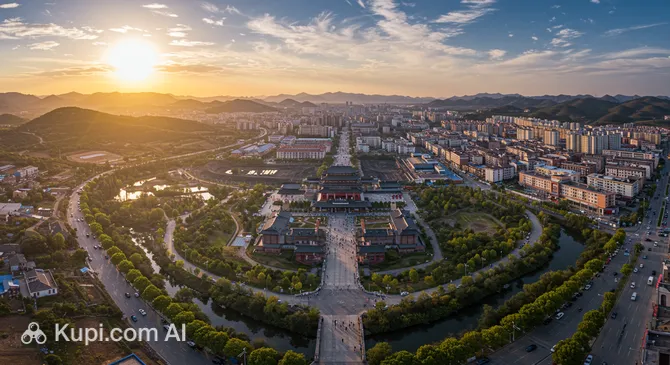
Pingxiang is a captivating city located in the western part of Jiangxi province, bordering Hunan. Often recognized for its significant industrial past as a major coal center, the city has successfully transformed into a vibrant destination that offers a unique mix of cultural heritage and breathtaking natural landscapes. With a population of approximately 1.9 million, it serves as an important regional hub that surprises visitors with its scenic beauty, energetic atmosphere, and distinct local culture.

Pingxiang. Source: Kupi.Binoculars

Geographically, the city sits in a hilly region characterized by a humid subtropical climate, which ensures lush greenery and distinct seasons. While exploring China, travelers are often drawn here to experience the stunning Wugong Mountain (Wugongshan). This natural wonder is famous for its rolling alpine meadows—rare for this latitude—and the spectacular "sea of clouds" that creates a dreamlike vista for hikers and campers.

Beyond its natural allure, the history of Pingxiang is pivotal to the country's modern narrative. The city is celebrated as the site of the famous Anyuan Miners' Strike, a key event in the early labor movement, which is commemorated today at the Anyuan Workers Memorial Hall. Whether you are trekking along the grassy ridges of its mountains or tasting the famously spicy local cuisine, Pingxiang offers an authentic and memorable adventure for every visitor.

Weather Overview

Pingxiang experiences distinct seasons with a climate that ranges from cool winters to hot summers. The city is generally humid, with a significant amount of rainfall concentrated in the first half of the year. Travelers planning a trip should consider these seasonal variations to make the most of their visit.

For a deeper understanding of the seasonal shifts, you can view the detailed report on the weather in Pingxiang. Summers are typically hot, particularly in July and August, when average temperatures hover around 29.5°C to 29.6°C, and daily highs can reach nearly 33.4°C. Conversely, winters are chilly, with January being the coldest month, featuring average temperatures of 6.9°C and lows dipping to 3.5°C.

Precipitation is a key factor to consider, especially from March to June. June is the wettest month in terms of frequency, with rain occurring on approximately 21 days. The autumn months, particularly October and November, tend to be drier and milder, offering comfortable conditions for exploration. Overall, expect warm to hot summers with frequent rain and cool, comparatively drier winters.

Interesting Facts

  • A Living Fossil of Folk Art: Pingxiang is a proud custodian of Nuo culture, an ancient tradition featuring ritual dances and exorcism ceremonies that date back thousands of years. The city is famous for its intricate Nuo masks, carved from camphor wood, which are revered as a "living fossil" of Chinese folk art.

  • The Sponge City Pioneer: Transforming its urban landscape, Pingxiang was selected as one of the country's first pilot "sponge cities." To combat flooding, the city integrates permeable pavements, rain gardens, and artificial wetlands that allow the ground to naturally absorb and reuse rainwater, serving as a model for ecological urban planning.

  • Hometown of Fireworks: Shangli County within Pingxiang is celebrated as a historic birthplace of firecrackers, with a production legacy spanning over 1,300 years. It remains a global hub for the industry, where traditional craftsmanship meets modern pyrotechnics to create displays that light up celebrations around the world.

  • Cradle of Zen Buddhism: Yangqi Mountain is the birthplace of the Yangqi sect of Chan (Zen) Buddhism, which emerged during the Song Dynasty. This influential school of thought spread extensively to Japan and other parts of East Asia, making the ancient Yangqi Temple a significant site for religious history and pilgrimage.

How to Get There

Reaching this part of Jiangxi province is relatively straightforward, thanks to its proximity to several major transport hubs in neighboring cities. While the city itself is tucked away in a scenic mountainous region, the surrounding infrastructure ensures that visitors can arrive comfortably. For a detailed overview of all travel options, you can read more about how to get to Pingxiang.

The city of Pingxiang does not have its own airport, but you can fly into Changsha Huanghua Airport (CSX) in the city of Changsha, which is about 88.6 km from Pingxiang. As a major international hub serving over 27 million passengers annually, it offers the widest range of flight connections. From there, the journey by road typically takes around 2.5 hours. Alternatively, the closest option is Yichun Mingyueshan (YIC) in Yichun, located just 49 km away. This smaller regional airport offers a quicker transfer time of approximately 1.5 hours by taxi or bus.

For clarity, here is a summary of the main airports:

Airport Name City Passenger Traffic Km from City
Changsha Huanghua Airport Changsha Large 88.6
Yichun Mingyueshan Yichun Small 49.0
Ganzhou Airport Ganzhou Medium 216.7
Hengyang Nanyue Airport Hengyang Small 159.1
Ji'an Jinggangshan Airport Jian Small 121.7

Traveling by train is often the most convenient method for reaching the city center directly. The Pingxiang Railway Station (Code: PXG) is located right in Pingxiang, just 3.6 km from the downtown area, making it an excellent choice for arrival. For those connecting from other major lines, the Zhuzhou Railway Station (Code: DHU) in Zhuzhou is a significant regional hub located about 80.4 km away. Travelers arriving in Zhuzhou can expect a transfer time of roughly 2 hours and 20 minutes to reach Pingxiang by road.

Below is a list of railway stations serving the area:

Station City Passenger Traffic Km to Center
Pingxiang Railway Station Pingxiang Medium 3.6
Zhuzhou Railway Station Zhuzhou Large 80.4
Changsha Railway Station Changsha Unknown 97.7
Loudi Railway Station Loudi Medium 183.4
Hengyang Railway Station Hengyang Medium 139.1

Main Attractions

Pingxiang offers a diverse array of attractions that range from breathtaking natural landscapes to pivotal historical sites. While the city is often associated with its industrial heritage, its tourism scene is dominated by scenic mountains, ancient religious sites, and fascinating geological formations. Visitors can easily spend several days exploring the unique blend of culture and nature that defines this region.

Wugong Mountain is undoubtedly the crown jewel of the area and a must-visit for nature enthusiasts. Unlike many other peaks in southern China, it is famous for its vast rolling alpine meadows that sit atop the mountain range, earning it the nickname "grasslands in the clouds." Hikers flock here to conquer the Golden Summit (Baihe Peak) and witness the spectacular "sea of clouds" phenomenon, where the peaks appear to float above a white misty ocean. It is also a premier destination for camping, with colorful tents often dotting the green slopes as travelers wait for the stunning sunrise.

For those interested in history, the Anyuan Miners' Memorial Hall provides a deep dive into the city's significant role in China's modern history. This site commemorates the Anyuan Miners' Strike of 1922, a major event in the early labor movement. The memorial hall and the surrounding sites offer a comprehensive look at the industrial past of the region and the stories of the workers who shaped it. It serves as an educational stop that adds context to the city's identity as a former coal mining hub.

Nature lovers seeking a subterranean adventure should explore Nielong Cave, also known as the "Evil Dragon Cave." This massive karst cave stretches for roughly 4 kilometers and is renowned for its intricate stalactites, stalagmites, and stone pillars. Inside, visitors can marvel at underground rivers and waterfalls that create a cool, mystical atmosphere. The cave is often described as an "underground art gallery" due to the natural sculptures formed by water and time over millions of years.

Another site of great cultural importance is Yangqi Mountain, a serene destination deeply rooted in religious history. It is celebrated as the birthplace of the Yangqi Sect of Chan (Zen) Buddhism, which has had a far-reaching influence across East Asia. The mountain features the ancient Putong Temple, surrounded by lush forests and quiet trails, offering a peaceful retreat for those looking to connect with the spiritual heritage of the area while enjoying the fresh mountain air.

Local Cuisine

Pingxiang cuisine is a fiery testament to the city's geographical position, blending the savory depth of traditional Jiangxi flavors with the intense heat of neighboring Hunan. Known as one of the spiciest regions in China, the local food scene is not for the faint of heart but promises an unforgettable gastronomic adventure for those who enjoy a kick. Chili peppers are not just a garnish here; they are a fundamental vegetable used generously to create dishes that are aromatic, colorful, and boldly flavored.

The undisputed star of the local table is Lianhua Blood Duck (Lianhua Xue Ya). This signature dish is a cultural icon, originating from Lianhua County. The preparation involves chopping duck meat into tiny, bone-in cubes and stewing it with plenty of fresh chili oil, ginger, and garlic. The secret ingredient is fresh duck blood mixed with rice wine, which is added at the very end to coat the meat in a rich, glossy, purple-red sauce. The result is a tender, savory, and incredibly spicy delicacy that pairs perfectly with steamed rice.

Another must-try specialty is Pingxiang Smoked Meat (La Rou), particularly famous in the Wugong Mountain area. Unlike the air-cured hams found elsewhere, this meat is smoked using pine and cypress branches, giving it a distinct, robust aroma. It is typically sliced thin and stir-fried with dried bamboo shoots, garlic sprouts, or incredibly spicy local peppers. The smoky flavor of the pork combined with the crisp texture of the vegetables makes it a favorite comfort food among locals.

For breakfast or a quick street-side meal, Pingxiang Rice Noodles are a daily staple. These white, round noodles are usually served in a broth or stir-fried (Chao Fen) with an aggressive amount of chili powder, scallions, and minced meat. The texture is smooth and chewy, but it is the "heavy flavor"—salty and spicy—that defines the experience. Visitors will often find locals enjoying these noodles at small, bustling stalls early in the morning, starting their day with a burst of heat.

To balance the fiery cuisine, locals often turn to traditional beverages. Sweet Rice Wine is a popular homemade drink that is low in alcohol and served warm or cold. Its sugary, mellow taste provides a soothing contrast to the sharp spice of the main courses. Additionally, tea from the high-altitude plantations of Wugong Mountain offers a refreshing palate cleanser, known for its clear green color and lingering orchid-like fragrance.

The food culture in Pingxiang is unpretentious and deeply social. The best meals are often found not in fancy hotels, but in lively "night markets" and small family-run eateries tucked away in alleys. As the sun sets, the streets come alive with the smell of frying chilies and cumin. Tourists are encouraged to pull up a plastic stool at a roadside stall, order a few stir-frys, and immerse themselves in the energetic atmosphere of a city that takes its spicy food very seriously.

Travel Tips

Welcome to Pingxiang! To ensure your journey through this scenic mountain city is as smooth and enjoyable as possible, we have compiled a set of essential practical tips. Whether you are here to conquer the peaks of Wugong Mountain or explore the local industrial heritage, these guidelines will help you navigate the city with confidence.

  1. Clothing and Gear: Since the climate is humid subtropical, pack breathable, lightweight clothing for the hot summers, but bring a warm jacket if you are visiting in winter, as it can feel quite damp and chilly. If you plan to hike Wugong Mountain, sturdy hiking boots and a high-quality raincoat are mandatory, especially between March and June when rainfall is frequent. A portable power bank is also essential for long treks.

  2. Transportation: The most convenient way to get around Pingxiang is by using ride-hailing apps like DiDi (accessible via Alipay or WeChat), which remove the language barrier found with traditional taxis. Public buses are very affordable (usually 1-2 RMB) but require knowledge of Chinese routes. Car rental is generally not recommended for foreigners due to complex traffic regulations and the requirement for a local driving license.

  3. Finances: The local currency is the Chinese Yuan (RMB). While cash is accepted, Pingxiang, like the rest of China, runs on mobile payments. It is highly advisable to link your international credit card to Alipay or WeChat Pay before arrival, as this is how you will pay for everything from street food to taxi rides. ATMs are available at major bank branches, but smaller shops may not accept physical foreign cards.

  4. Health and Safety: Pingxiang is a safe city for tourists. Pharmacies are easily recognizable by a green cross symbol, though staff may not speak English, so have a translation app ready. Do not drink tap water; always purchase bottled water or boil it first. If you are hiking, carry basic first-aid supplies, as medical assistance on the mountain trails can take time to arrive.

  5. Communication: Mandarin is the official language, though locals often speak the Pingxiang dialect. English proficiency is limited outside of major hotels. You must download an offline translation app (like Baidu Translate or a configured Google Translate) and a map app (like Amap or Baidu Maps) before you arrive. Buying a local SIM card with data is crucial for staying connected.

  6. Local Etiquette: When dining, it is polite to try a bit of everything served. If you are eating with a group, do not leave your chopsticks sticking vertically into your rice bowl, as this resembles incense burning for the dead. A simple nod or a handshake is the standard greeting. Locals are generally friendly and curious; a smile goes a long way.

  7. What to Avoid: Avoid tipping in restaurants or taxis; it is not part of the culture and can sometimes be seen as confusing or offensive. Also, avoid public displays of anger or frustration. If a problem arises, staying calm and smiling will resolve the issue much faster than raising your voice, which causes a "loss of face" for everyone involved.

  8. Spice Warning: A specific tip for Pingxiang: Do not underestimate the local spice level! This region is famous for its heat. If you cannot handle very spicy food, explicitly ask for "bu la" (no spice) or "wei la" (mild spice), though be warned that even "mild" here can be quite fiery for the unaccustomed palate.

With these practical tips in hand, you are ready to immerse yourself in the vibrant culture and stunning nature of Pingxiang. Embrace the local flavors, enjoy the breathtaking views, and have a safe and unforgettable adventure!

Entertainment & Nightlife

While Pingxiang is often celebrated for its mountains and history, the city comes alive in a different way once the sun goes down. The nightlife here is less about thumping mega-clubs and more about a vibrant social culture centered on food, singing, and strolling. For the locals, a perfect evening involves a spicy late-night meal followed by entertainment in the bustling city center.

The heart of the action can typically be found around the Runda International Plaza area. This modern commercial district serves as a one-stop destination for evening entertainment, housing a variety of cinemas, trendy tea shops, and KTV (karaoke) lounges. It is a popular gathering spot for young people and families alike, offering a polished and energetic atmosphere where you can shop late, catch a movie, or enjoy a cocktail at one of the adjacent lounge bars.

For a more traditional and sensory experience, you must visit Nanzheng Street. This historical area transforms at night into a lively hub of activity. It is the best place to experience the local "yexiao" (night supper) culture. The narrow lanes are filled with the aroma of sizzling chili oil and cumin as vendors serve up spicy crayfish, grilled skewers, and stir-fried rice noodles. The crowd here is casual and boisterous, often staying out well past midnight to enjoy the cool air and fiery food.

If you prefer a relaxing evening walk, the area around Yuan River offers a pleasant escape. The riverside promenades are illuminated at night, providing a safe and scenic route for a digestif walk after a heavy meal. You will often see locals dancing in public squares or practicing Tai Chi, adding a charming community feel to the night.

Practical advice for a night out in Pingxiang is simple: come hungry and dress casually. Most venues, including bars and KTVs, do not have a strict dress code. The peak time for nightlife is between 8:00 PM and 1:00 AM. Prices are generally very affordable compared to larger Chinese cities; a hearty meal and drinks can cost significantly less than in Shanghai or Beijing. Getting around is safe and easy, with taxis and ride-hailing apps like DiDi available throughout the night. The city center is well-lit and secure for walking.

During the daytime, the entertainment pace shifts to cultural exploration. Visitors can explore the Pingxiang Museum to learn about the region's geological and revolutionary past or enjoy a peaceful afternoon at E'hu Park, a green oasis in the city perfect for leisurely boat rides and tea sipping. Whether day or night, Pingxiang offers a welcoming and authentic slice of local Jiangxi life.

Parks & Museums

While Pingxiang is famously defined by its mountainous perimeter, the city itself offers a surprising array of green spaces and cultural institutions that provide a deeper look into the heritage of this unique region of China. Beyond the hiking trails, visitors can find tranquil urban parks perfect for relaxation and museums that hold rare geological treasures. Exploring these sites offers a well-rounded perspective of the region, balancing its natural ruggedness with its urban charm and historical depth.

E'hu Park (Goose Lake Park) stands out as the city's premier urban oasis. Located in the heart of the city, this expansive park is centered around a serene lake where visitors can rent small boats or simply stroll along the tree-lined embankments. It serves as a communal living room for locals, who gather here for morning tai chi, jogging, and leisure. For tourists, it offers a peaceful break from the bustling streets and a chance to observe the laid-back local lifestyle. The park's lush landscaping and traditional pavilions make it a picturesque spot for an afternoon walk.

Another significant public space is the Autumn Harvest Uprising Square. More than just a plaza, this vast area functions as a cultural park and a civic hub. Dominated by a large commemorative monument, it pays homage to the region's revolutionary history. In the evenings, the square comes alive with music, illuminated fountains, and groups of residents participating in public dancing. It is an excellent place to witness the vibrant community spirit of Pingxiang while soaking in the local history.

For those interested in the region's ancient past, the Pingxiang Museum is a must-visit destination. This modern facility is renowned for its impressive collection of dinosaur egg fossils, which were discovered in the local red rock strata. Pingxiang is one of the few places with such a high concentration of these Cretaceous-era fossils, making the museum a fascinating stop for geology enthusiasts. In addition to paleontology, the museum houses exhibits on local folk customs and artifacts that trace the city's development from an ancient county to an industrial power.

Nature lovers seeking a colorful escape should visit the Lianhua Lotus Expo Garden in nearby Lianhua County. As a renowned center for lotus culture, this expansive botanical park features thousands of lotus varieties that bloom spectacularly during the summer months. Visitors can wander along wooden boardwalks that wind through vast fields of flowers, offering excellent photography opportunities and a tranquil atmosphere. The park is not only a visual delight but also a celebration of the lotus flower's significance in Chinese art and cuisine.

For a truly unique cultural experience, adventurous travelers should look into the Nuo culture of the region. Pingxiang is often called the "Hometown of Nuo," an ancient folk tradition involving exorcism rituals and wooden masks. While artifacts are displayed in the main museum, visiting the specialized Nuo Mask Museum in Mashan Town offers a rare glimpse into these living traditions. Here, you can see the intricate craftsmanship of the camphor wood masks and learn about the dances used to pray for blessings and ward off evil spirits.

Getting Around

Navigating Pingxiang is relatively straightforward, with a public transport system that primarily relies on an extensive network of buses. As the city does not currently have a metro system, the bus lines serve as the backbone of local travel, connecting key districts, the railway stations, and major commercial areas. The buses are generally modern, air-conditioned, and well-maintained, offering a comfortable way to move between the city center and the outskirts. For tourists, the routes are numbered, but since stop information is almost exclusively in local characters, using a navigation app to track your journey is highly recommended.

When it comes to paying for your ride, the system is heavily digitized. While you can still pay with cash, you must have the exact fare—usually 1 or 2 RMB—as drivers do not carry change. However, the most convenient method is to use mobile payment apps like Alipay or WeChat Pay. Both apps have a "Transport" or "Ride Code" feature that allows you to generate a QR code, which you simply scan at the machine upon boarding. Physical IC transport cards exist for residents, but for short-term visitors, mobile scanning or exact cash is much more practical.

For a more direct and flexible mode of transport, taxis are abundant and affordable. You can easily hail a taxi on the street, especially near transport hubs like the Pingxiang North Railway Station. Most taxis run on a meter, and it is advisable to ensure the driver turns it on at the start of the trip. Alternatively, ride-hailing apps are extremely popular and often easier for travelers who do not speak the local language. Using an app like DiDi (which has an English interface within Alipay) allows you to input your destination and pay automatically, eliminating communication hurdles and the need for cash.

For short distances or leisurely exploration within the city center, shared bicycles are a fantastic option. You will see rows of colorful electric and manual bikes parked along sidewalks, operated by major companies like HelloBike or Meituan. To use them, you simply scan the QR code on the bike using the respective app or Alipay. This is an eco-friendly and efficient way to navigate the last mile to your hotel or to cruise around parks like E'hu Park.

If you are planning to visit the famous Wugong Mountain, be aware that it requires a different type of transport than the standard city bus. Dedicated tourist shuttle buses depart regularly from the Pingxiang Railway Station and the High-Speed North Station directly to the mountain's visitor center. These buses are specifically designed for tourists, with clearly marked schedules. In general, public transport in the city operates from around 6:00 AM to roughly 9:00 PM or 10:00 PM, so if you are out late enjoying the nightlife, a taxi or ride-share will be your best bet to get home safely.

Accommodation

Accommodation in Pingxiang caters to a wide spectrum of travelers, ranging from budget-conscious backpackers to those seeking modern luxury. As a city that balances industrial history with booming nature tourism, the hospitality sector has developed to offer everything from standard business hotels in the city center to unique stays near the scenic areas. Visitors can expect to find reliable international chains, locally managed star-rated establishments, and affordable guesthouses.

For those who prioritize convenience and connectivity, the city center is the most practical area to stay. Hotels located near the Pingxiang Railway Station or the bustling Runda International Plaza offer easy access to shopping, dining, and public transport. Staying in the downtown area allows travelers to explore the urban attractions by day and enjoy the lively night markets and pedestrian streets after dark. This area is particularly suitable for visitors using the city as a transit hub or those interested in exploring local culture and cuisine.

Travelers visiting specifically for the natural scenery often choose to stay near Wugong Mountain. The accommodation landscape here is quite different, focusing on immersion in nature. At the base of the mountain, you will find numerous boutique hotels, farm stays (nongjiale), and hostels that offer a rustic yet comfortable experience. For the more adventurous, spending a night on the mountain itself is a highlight. The "Golden Summit" area is famous for its vast tent camps, where hikers can rent a tent and sleeping bag to sleep under the stars and wake up to a breathtaking sunrise over the sea of clouds.

When booking accommodation in Pingxiang, particularly for international travelers, it is crucial to verify that the property is licensed to accept foreign guests. In China, not all hotels have the clearance to host non-mainland citizens, so checking this detail in advance is essential to avoid complications upon arrival. It is highly recommended to book through major international travel platforms or reputable Chinese apps that filter for "foreigner-friendly" options.

In terms of pricing, Pingxiang is generally very affordable compared to China's major metropolises. Budget hostels and simple guesthouses can cost very little, while mid-range hotels offer excellent value with modern amenities. Even the high-end luxury hotels in the city center are reasonably priced by international standards. However, during peak travel periods such as the National Day "Golden Week" in October or the Labor Day holiday in May, demand spikes significantly—especially for tent spots on Wugong Mountain—so booking several weeks in advance is strongly advised.

Nearby Cities

For those looking to explore the surroundings, Pingxiang serves as an excellent base for day trips to several interesting nearby locations. Situated on the border between Jiangxi and Hunan provinces, the city offers easy access to a variety of cultural and natural attractions that can be experienced in a single day.

One of the most popular destinations is Changsha, the vibrant capital of neighboring Hunan province. Known for its rich history and fiery cuisine, visitors can explore the ancient Yuelu Academy, stroll along the scenic Orange Isle, or indulge in the city's famous street food. Alternatively, travelers seeking relaxation should head east to Yichun. This city is renowned for its "Moon Culture" and the stunning Mingyue Mountain, which features lush bamboo forests and natural hot springs perfect for unwinding.

Another noteworthy option is Xiangtan, a city deeply rooted in modern history. It is the gateway to Shaoshan, the birthplace of Mao Zedong, making it a significant site for those interested in the country's revolutionary past. Whether you are looking for urban excitement, natural beauty, or historical insight, the region around Pingxiang has plenty to offer.

City Population Distance (km)
Yichun 5,573,200 59
Jian 4,956,600 126
Changsha 4,766,296 112
Zhuzhou 4,020,800 75
Xiangtan 2,864,800 93

These nearby destinations offer a glimpse into the diverse culture and landscapes of the region.

Shopping & Souvenirs

Shopping in Pingxiang offers a delightful mix of modern convenience and traditional charm, reflecting the city's rapid development alongside its deep cultural roots. While it may not have the massive luxury avenues of China's largest metropolises, the city provides a satisfying retail experience where visitors can find everything from international fashion brands to unique local handicrafts. The shopping scene is concentrated in the city center, making it easy to navigate between air-conditioned malls and lively pedestrian streets.

The most prominent destination for a modern shopping experience is Runda International Plaza. Located in the heart of the city, this sprawling complex is the go-to spot for locals and tourists alike. It houses a wide array of clothing boutiques, electronics stores, and lifestyle shops, along with a variety of restaurants and a cinema. For those looking for a reliable department store experience, the Rainbow (Tianhong) Shopping Mall is another major venue, offering high-quality goods, cosmetics, and supermarkets stocked with both imported and local products.

For a more atmospheric experience, travelers should head to Nanzheng Street. This historical area has been revitalized into a vibrant commercial district that blends old-world architecture with modern commerce. Walking along the stone-paved lanes, you will find smaller boutiques, souvenir shops, and vendors selling local snacks. It is the perfect place to leisurely browse for gifts while soaking in the local culture, especially in the evening when the street is beautifully illuminated and bustling with activity.

Markets in Pingxiang are less about tourist trinkets and more about authentic local life. The city's various street markets and food bazaars are excellent for explorers who want to see what ends up on the local dinner table. Here, you can find fresh produce, spices, and the region's famous chili peppers. While there isn't a dedicated "flea market" for tourists, the small shops around the pedestrian zones often sell interesting bric-a-brac and traditional items that make for unique keepsakes.

When it comes to souvenirs, Pingxiang has several distinct specialties. The city is known as the "Hometown of Nuo Culture," making a hand-carved Nuo Mask the ultimate local memento. These masks, often made from camphor wood and used in traditional folk rituals, are intricate works of art. Foodies should look for Wugong Mountain Tea, a refreshing green tea grown in the high-altitude mists, or vacuum-packed spicy dried tofu and smoked meat (La Rou), which allow you to bring the fiery flavor of Jiangxi home with you.

Stores in Pingxiang generally open around 10:00 AM and stay open late, often until 10:00 PM, particularly in the malls and busy districts like Nanzheng Street. Payment is almost exclusively digital; international visitors should ensure their Alipay or WeChat Pay accounts are set up, as many smaller vendors and even some larger stores may not accept foreign credit cards or large denominations of cash.

Regarding tax refunds, tourists should be aware that Pingxiang is not a major duty-free hub. The tax-free shopping schemes found in major cities like Shanghai or Beijing are generally not available here. It is best to assume that the price you see is the final price, and tax refunds at the airport or point of sale are not standard practice in this region.
Reached the end of the page?

That means the route is fully explored