Support

Chenzhou

About

Nestled in the southern part of the Hunan Province, Chenzhou is a vibrant city often referred to as the "South Gate" of the province due to its strategic location bordering Guangdong. This scenic destination in China offers a perfect blend of natural beauty and urban development, making it an intriguing stop for travelers. With a population of over 4.7 million, it serves as a bustling hub that maintains a close connection to the lush landscapes and mountains surrounding it.

The region boasts a rich cultural heritage that adds depth to any visit. Exploring the history of Chenzhou reveals a legacy stretching back more than two thousand years, with roots established during the Qin Dynasty. Over the centuries, it has evolved from a vital transport junction on the ancient trade routes into a modern city that respects its enduring traditions and historical significance.

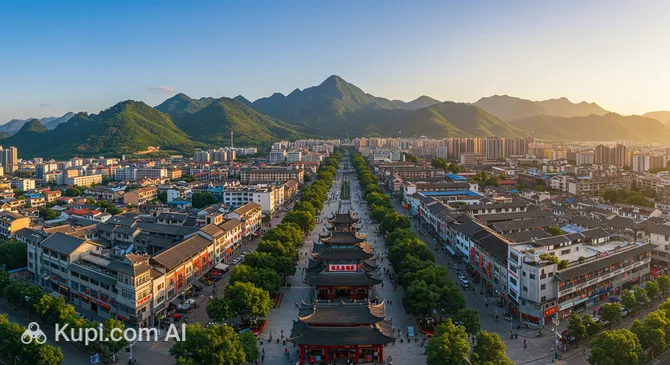
Chenzhou. Source: Kupi.Binoculars

Nature enthusiasts will find themselves in paradise here. The city is renowned for the breathtaking Dongjiang Lake, famous for the ethereal mist that dances over its surface at sunrise, creating a truly magical atmosphere. Another highlight is the Mangshan National Forest Park, a haven of biodiversity featuring dramatic peaks, dense forests, and unique wildlife. These natural wonders provide ample opportunities for hiking, boating, and simply soaking in the serene environment.

Whether you are seeking outdoor adventures among misty mountains or wish to experience the authentic local culture of southern Hunan, Chenzhou welcomes you with open arms. It is a destination that promises memorable experiences and a refreshing escape into nature for every visitor.

Weather Overview

Understanding the weather in Chenzhou is essential for planning a comfortable visit, as the city experiences distinct seasonal changes. Generally, you can expect warm to hot summers with occasional rain and cold, relatively drier winters.

Winters are cool, with January being the coldest month, featuring an average temperature of 7.0°C and lows hovering around 3.7°C. This season sees moderate moisture, with December having the fewest wet days (9 days) of the year. In contrast, summers are hot and humid. July is typically the warmest month, with average temperatures reaching 29.2°C and daily highs climbing up to 33.1°C.

Travelers should be prepared for frequent rainfall during the spring and early summer months. May is particularly damp, recording about 20 wet days. However, autumn brings milder and more stable conditions; for instance, October offers a pleasant average temperature of 19.4°C and fewer rainy days, making it an excellent time for exploration.

Interesting Facts

Beyond the main attractions, Chenzhou holds many fascinating secrets that reveal its unique character and geological significance. This city is not just a scenic destination; it is a place where ancient legends meet extraordinary natural phenomena.

  • Chenzhou is globally renowned as the "Hometown of Non-ferrous Metals." The city sits atop immense mineral deposits, containing over 110 different kinds of ores. It holds some of the largest reserves of tungsten, bismuth, and silver in China, earning it the nickname "Mineral Capital."

  • The region is home to the Rucheng Hot Springs, which are famous for their remarkably high temperatures. Reaching up to 98°C (208°F), the water is hot enough to boil eggs and peanuts, a unique activity that visitors can experience firsthand right at the spring's source.

  • Locals often describe their home as a "City in the Forest." With a forest coverage rate exceeding 70%, Chenzhou serves as a massive natural oxygen bar. This lush canopy contributes to an air quality that is significantly fresher and cleaner than many other urban areas in the country.

  • The Suxian Ridge is steeped in local folklore, particularly the legend of Su Xian, a man who is said to have ascended to immortality from this spot. Recognized in Taoist tradition as the "18th Blessing Land," the ridge is also historically significant for the "Three Wonders" tablet, celebrating poetry, calligraphy, and stonemasonry.

How to Get There

Reaching this scenic destination in southern Hunan is increasingly convenient thanks to the region's developing infrastructure. The city is well-connected to the rest of the country, particularly via the modern high-speed railway network and well-maintained expressways. Whether you are arriving from a major international hub or a neighboring province, there are efficient ways to complete your journey. You can find more about how to get to Chenzhou and select the route that best suits your travel plans.

For international visitors, the most practical gateway is usually Guangzhou Baiyun International Airport (CAN). Located approximately 265 km south of Chenzhou, this major aviation hub offers flights from around the world. From the airport, a drive to Chenzhou typically takes about 3 to 4 hours via the highway. Many travelers also choose to take a high-speed train from Guangzhou South Railway Station, which can reach Chenzhou in under 2 hours. For a closer regional option, Hengyang Nanyue Airport (HNY) is situated roughly 130 km away, with a transfer time of approximately 1.5 to 2 hours by road.

Here is a summary of the airports serving the wider region:

Airport Name City Passenger Traffic Km from City
Guangzhou Baiyun International Airport Guangzhou Large 265.0
Ganzhou Airport Ganzhou Medium 176.8
Hengyang Nanyue Airport Hengyang Small 130.2
Ji'an Jinggangshan Airport Jian Small 209.4
Yichun Mingyueshan Yichun Small 259.4

Traveling by train is often the most popular choice for domestic arrivals. Chenzhou is directly served by the Beijing-Guangzhou High-Speed Railway, with trains stopping at Chenzhou West Railway Station. This allows for quick and comfortable connections from major cities like Changsha, Wuhan, and Guangzhou. The conventional Chenzhou Railway Station also handles regular passenger trains, providing affordable options for those traveling at a more leisurely pace.

In addition to the local stations, several major railway hubs in neighboring cities facilitate travel throughout the Hunan province. These stations can serve as alternative transit points or stops for those exploring the broader area:

Station City Passenger Traffic Km to Center
Zhuzhou Railway Station Zhuzhou High 224.2
Loudi Railway Station Loudi Medium 240.8
Hengyang Railway Station Hengyang Medium 128.9
Pingxiang Railway Station Pingxiang Low 223.8
Shaoyang Railway Station Shaoyang 223.2

Main Attractions

Chenzhou is a treasure trove of natural wonders and cultural landmarks, offering visitors a unique mix of ethereal landscapes and historic sites. From mist-covered lakes to dramatic mountain ridges, the city's attractions are perfect for nature lovers and photographers alike. Here are some of the most captivating places to explore during your visit.

Dongjiang Lake is arguably the most iconic destination in the region, famous for the mesmerizing "Misty Small Dongjiang" phenomenon. In the early morning hours and at dusk, a thick, dreamlike mist rises from the river surface, creating a scene reminiscent of a traditional Chinese ink painting. Visitors can take boat rides to enjoy the pristine water, which is renowned for its clarity, or simply stroll along the viewing decks to capture stunning photographs of the fishermen casting their nets into the fog.

For those seeking adventure, Mangshan National Forest Park offers a spectacular immersion into a primeval forest ecosystem. Known as the "Green Pearl," this vast park is home to rich biodiversity, including the rare Mangshan Pit Viper. The park features dramatic peaks, deep valleys, and waterfalls. A highlight for many is the Wuzhifeng (Five Fingers Peak) area, which is famous for its accessible design, featuring cliffside elevators and flat plank roads that allow visitors of all ages to enjoy breathtaking mountain views without strenuous climbing.

Gaoyiling Scenic Area has recently exploded in popularity due to its unique and photogenic Danxia landforms. Unlike other similar geological parks, Gaoyiling features smooth, red rock ridges that rise sharply from emerald-green water pools, often described as looking like the back of a giant dragon. Hiking here involves walking along these exposed ridges, offering thrilling views and a stark contrast between the red rocks and the lush surrounding vegetation.

Closer to the city center lies Suxian Ridge, a site deeply rooted in local folklore and Taoist culture. It is celebrated for the "Three Wonders" tablet, a historic artifact praising the mountain's beauty through poetry, calligraphy, and sculpture. A climb to the top rewards travelers with panoramic views of Chenzhou city and a chance to explore ancient temples that add a spiritual dimension to the scenic beauty.

Local Cuisine

Chenzhou's culinary scene is a fiery delight that heavily draws from the bold traditions of Hunan cuisine, also known as Xiang cuisine. The local flavors are characterized by a "sour and spicy" profile, distinct from the numbing heat found in other parts of China. Visitors will find that chili peppers are a staple ingredient, used generously to create dishes that are aromatic, colorful, and stimulating to the palate.

The most iconic dish in the city is undoubtedly Qifengdu Fish Noodles. Traditionally eaten for breakfast, this dish features round rice noodles swimming in a bright red, spicy broth made from fresh river fish. The soup is rich and savory, often topped with a poached egg or soybean paste. It represents the soul of Chenzhou's food culture—hot, fresh, and invigorating.

Thanks to the pristine waters of Dongjiang Lake, freshwater fish is a highlight on many menus. Dongjiang Fish serves as the centerpiece for various preparations, from delicate fish soups to the famous "Chopped Chili Fish Head," where the fish is steamed under a blanket of fermented chilies. Meat lovers should look out for Linwu Duck, a renowned local specialty prized for its tender meat and thin skin, often stewed or stir-fried with local herbs and spices.

Dining in Chenzhou is a lively experience, with a strong culture of street food and night markets. As the sun sets, the streets come alive with vendors selling barbecue skewers, spicy crayfish, and the ubiquitous Stinky Tofu, which is fried to a crisp and soaked in a spicy sauce. Whether you choose a bustling street stall or a sit-down restaurant, the atmosphere is typically casual and welcoming, inviting you to share in the local passion for bold flavors.

To cool down after a spicy meal, locals often turn to the region's tea. The high-altitude mountains around the city produce excellent tea leaves, offering a refreshing and slightly sweet beverage that cleanses the palate. Sweet fermented rice wine is another traditional drink, often served warm or cold depending on the season, providing a gentle sweetness that complements the savory cuisine.

Travel Tips

Embarking on a journey to Chenzhou is an exciting opportunity to explore the scenic "South Gate" of Hunan, and a little preparation will ensure your adventure is as smooth as it is memorable. To help you navigate the local customs and logistics, here are some practical tips designed to enhance your travel experience in this misty mountain city.

  1. Clothing and Gear: Since Chenzhou has a humid subtropical climate, breathable, light layers are best for summer, while a warm jacket is necessary for the chilly, damp winters. If you plan to visit Mangshan National Forest Park or Gaoyiling, sturdy, non-slip hiking boots are essential, as the trails can be steep and slippery. Don't forget a raincoat or umbrella, especially if visiting in spring, and bring a universal power adapter (types A, C, and I) for your electronics.

  2. Transportation: The city does not have a metro system, so the most convenient way to get around is by taxi or ride-hailing apps like DiDi (the local equivalent of Uber), which often have English interfaces. Public buses are available and very affordable, but routes are displayed only in Chinese, making them challenging for non-speakers. For trips to scenic spots like Dongjiang Lake, dedicated tourist shuttle buses or private drivers are recommended.

  3. Finances: The official currency is the Renminbi (RMB/CNY). While major hotels may accept international credit cards, most local shops and restaurants do not. Mobile payments via Alipay or WeChat Pay are ubiquitous; travelers can now link international cards to these apps for easy payment. It is still wise to carry some cash for small vendors or remote areas where digital signals might be weak.

  4. Health and Safety: Chenzhou is generally very safe for tourists. Pharmacies are easily engaging, usually marked with a green cross, though English service is rare. Tap water is not safe to drink; always stick to bottled or boiled water. When hiking in nature reserves, stay on marked paths to avoid getting lost or encountering wildlife like snakes in the dense forests.

  5. Communication: Mandarin is the primary language, though locals also speak a distinct dialect. English proficiency is limited outside of major hotels and tourist centers. It is highly recommended to download a translation app that works offline and a map app suitable for China (like Baidu Maps or Amap, as Google services are blocked). Buying a local SIM card or an eSIM upon arrival is crucial for internet access.

  6. Local Etiquette: A simple nod or a smile with "Ni hao" (Hello) is a polite greeting. When dining, it is customary to share dishes; wait for the host to start eating before you begin. Never stick your chopsticks vertically into a bowl of rice, as this resembles incense burning for the dead and is considered bad luck. Be prepared for hospitality involving tea and possibly very spicy food.

  7. What to Avoid: Avoid visiting popular scenic spots like Dongjiang Lake during major Chinese public holidays (like the National Day Golden Week in October) if you dislike large crowds. Also, avoid underestimating the local "sour and spicy" cuisine; if you cannot handle heat, explicitly ask for "bu la" (no spice), though even "mild" might still carry a kick.

  8. Golden Hour Tip: To see the famous mist at Dongjiang Lake, timing is everything. You must arrive at the viewing decks very early, typically between 6:30 AM and 8:30 AM, especially from April to October. If you arrive late in the morning, the mist will have likely dissipated, and you will miss the magical view that defines the region.

With these tips in hand, you are well-equipped to navigate the lush landscapes and vibrant culture of Chenzhou. Embrace the local pace of life, enjoy the fiery cuisine, and let the breathtaking natural beauty of southern Hunan create lasting memories for your trip.

Entertainment & Nightlife

Entertainment and Nightlife:

While Chenzhou is best known for its misty landscapes and natural wonders, the city comes alive after sunset with a vibrant local energy. The nightlife here is less about exclusive high-end clubs and more about social dining, lively street scenes, and entertainment complexes that cater to groups of friends and families. The atmosphere is generally relaxed and welcoming, allowing visitors to immerse themselves in the authentic rhythm of Hunanese life.

The undisputed highlight of the city's evening activity is Yuhou Street (also known as Yuhou Ancient Street). Widely regarded as the premier nightlife destination in Chenzhou, this historic area offers a captivating blend of traditional architecture and vibrant modern energy. Situated along the riverside, the street is beautifully illuminated at night, providing stunning views that make it the perfect spot for a leisurely stroll. Here, visitors can admire the ancient-style buildings while sampling a vast array of local snacks, from spicy crayfish to the region's signature stinky tofu. It is a sensory delight where history meets the bustling culinary culture of the present.

For those seeking music and drinks, the city center offers a selection of bars and lounges, though the primary form of nocturnal entertainment remains KTV (Karaoke TV). You will find numerous KTV venues and clubs concentrated around Wuling Square and major commercial centers like the Bubugao (Better Life) Plaza. These venues range from opulent private rooms to lively halls featuring DJs and dice games, a popular pastime in Chinese bars. The crowd is typically young and energetic, and peak hours usually start around 9:00 PM and can last until the early morning.

If you prefer a more tranquil evening, a walk around Beihu Park offers a refreshing change of pace. The park is beautifully illuminated at night, providing a safe and scenic environment for a stroll along the water. It is a popular spot for locals to gather for evening exercise or simply to enjoy the cool night air away from the noise of the commercial districts.

Getting around at night is straightforward and safe. The city center is well-lit and secure for walking, but for longer distances, taxis and ride-hailing services are readily available and inexpensive. Most drivers may not speak English, so having your destination written in Chinese on your phone is highly recommended.

During the daylight hours, the city offers several cultural diversions to complement the nightlife. Visitors can explore local museums to gain deeper insights into the region's history and mineral wealth, or catch a performance at the local theaters which occasionally host traditional Xiang opera. Whether day or night, the city provides ample opportunities to engage with the local community and culture.

Parks & Museums

Chenzhou seamlessly blends its reputation as a "City in the Forest" with a deep cultural narrative, offering visitors a mix of lush urban retreats and educational institutions. While the surrounding mountains often steal the spotlight, the city's parks and museums provide a more intimate look at local life, history, and the region's unique geological identity.

Beihu Park serves as the emerald heart of the downtown area and is a favorite among locals for relaxation and recreation. Originally established in the Tang Dynasty, this expansive park is centered around a large, tranquil lake that reflects the modern skyline. By day, it is a hub of activity where visitors can watch residents practicing Tai Chi, playing traditional instruments, or strolling along the willow-lined embankments. It offers a peaceful break from the urban bustle without leaving the city center.

Another culturally significant green space is Ailian Lake Park (Love Lotus Lake Park). This park is dedicated to Zhou Dunyi, a famous philosopher from the Song Dynasty who wrote the celebrated essay "Ode to the Lotus Flower" while serving in Chenzhou. The park is beautifully landscaped with traditional pavilions, bridges, and, naturally, vast ponds filled with lotus flowers that bloom spectacularly in the summer. It is not just a scenic spot but a tribute to the city's literary heritage, making it perfect for a reflective afternoon walk.

For those interested in the region's past, the Chenzhou Museum offers a comprehensive journey through time. The museum houses a diverse collection of artifacts ranging from ancient pottery and bronzeware to displays on local folk customs. It provides valuable context to the area's development, showcasing relics from the Qin and Han dynasties and offering insights into the unique cultural tapestry of southern Hunan.

Given Chenzhou's global status as the "Hometown of Non-ferrous Metals," a visit to the Chenzhou International Mineral and Gem Show venues or related mineral museums is highly recommended. These facilities display an astonishing array of rare crystals, gemstones, and mineral specimens unearthed from the local landscape. The exhibits highlight the geological wonders that lie beneath the surface, featuring world-class specimens of calcite, fluorite, and bismuth that attract collectors from around the globe.

For an authentic local experience, try visiting Yidi Garden early in the morning. While less famous than the major tourist parks, it offers a quiet atmosphere where you can observe the authentic daily rhythms of Chenzhou's elderly residents engaging in morning exercises and social gatherings.

Getting Around

Navigating Chenzhou is relatively straightforward, though the city relies entirely on a road-based transportation network rather than a subway system. The primary mode of public transport for locals and visitors alike is the extensive public bus network, which connects the city center with major railway stations, commercial districts, and residential areas. While the lack of a metro might seem like a drawback, the bus system is efficient, frequent, and covers most areas of interest within the urban core.

The public buses are modern and generally air-conditioned, providing a comfortable ride even during the hot summer months. Routes are identified by numbers, and fares are extremely affordable, typically costing a flat rate of 2 RMB per journey regardless of the distance. Tourists should be aware that bus stop signs and route maps are almost exclusively in Chinese. Therefore, it is highly recommended to have a navigation app installed on your smartphone to help identify the correct bus number and track your progress in real-time.

When it comes to payment, the system has largely shifted towards digital solutions. While you can still pay with cash, you must have the exact change ready to drop into the fare box upon entry, as drivers do not carry change. The most convenient method for travelers is to use mobile payment apps like Alipay or WeChat Pay. You can activate a "Transport Code" within these apps, which generates a QR code that you simply scan at the card reader when boarding. Physical "T-Union" transport cards valid across China are also accepted, but mobile codes are generally easier for short-term visitors to set up.

For reaching the famous scenic spots located outside the city center, such as Dongjiang Lake or Mangshan, dedicated tourist lines and long-distance buses are available. These typically depart from the Chenzhou Intercity Bus Terminal (often located near the railway stations). Unlike city buses, these coaches may have higher fares depending on the distance and often require purchasing a ticket at a counter or via a machine before boarding. Operating hours for city buses generally run from 6:00 AM to roughly 9:00 PM or 10:00 PM, so it is wise to plan alternative transport for late-night outings.

Taxis and ride-hailing services offer a flexible and affordable alternative to buses. Standard taxis can be hailed on the street and are metered, with fares starting at a low base rate. However, communicating destinations can be a hurdle due to the language barrier. Using a ride-hailing app like DiDi (accessible via a standalone app or within Alipay/WeChat) is often the best choice for tourists. These apps allow you to input your destination in English (or pin it on a map), see the estimated fare upfront, and pay automatically, eliminating communication issues and the need for cash.

For short trips within the downtown area, shared bicycles and electric scooters are ubiquitous. You will find rows of colorful bikes from providers like HelloBike or Meituan parked on sidewalks. These can be unlocked by scanning a QR code with the respective app or through Alipay/WeChat. They are an excellent way to explore areas like the riverside or travel between closely spaced attractions, offering a breezy and inexpensive way to see the city at your own pace.

Accommodation

Finding the perfect place to stay in Chenzhou is relatively easy, as the city offers a wide spectrum of accommodation options ranging from cost-effective business hotels to luxurious international chains and charming local guesthouses. Whether you are here for a quick stopover or a leisurely exploration of the scenic landscapes, the hospitality sector is well-developed to meet the needs of diverse travelers.

For those prioritizing convenience and urban amenities, the Beihu District (the city center) is the most practical area to base yourself. Staying here places you close to major shopping complexes, lively night markets like Yuhou Street, and essential transport hubs like the Chenzhou Railway Station. This area is populated with numerous mid-range and high-end hotels that offer modern comforts, English-speaking staff, and easy access to taxis and public buses.

If your primary goal is to witness the famous misty sunrise at Dongjiang Lake, it is highly recommended to stay in Zixing, the county-level city where the lake is located, specifically near the Xiaodongjiang scenic area. Many travelers choose riverside inns or boutique homestays (often referred to as "minsu") along the Tuojiang River. Staying here allows you to wake up early and reach the viewing decks within minutes, ensuring you don't miss the fleeting morning fog. These accommodations often offer a more rustic and authentic experience, with some providing rooms that overlook the water.

For nature lovers visiting the Mangshan National Forest Park, accommodation options are clustered near the park entrances. This area is famous for its hot spring resorts, allowing visitors to relax in thermal waters after a long day of hiking. These resorts range from comfortable 4-star equivalents to more basic lodges, providing a tranquil retreat surrounded by lush forest.

When it comes to booking, it is advisable to reserve your rooms in advance, especially if you plan to visit during the peak travel seasons (May to October) or Chinese national holidays. Lake-view rooms in Zixing are particularly sought after and can sell out weeks ahead of time.

Prices in Chenzhou are generally very reasonable compared to China's Tier-1 cities. A clean and comfortable budget hotel can cost between 150 to 300 RMB per night, while mid-range options typically range from 300 to 600 RMB. Luxury hotels and high-end resorts may charge upwards of 600 RMB. Most bookings can be easily made through major international platforms like Trip.com or Booking.com, though local apps often offer a wider selection of smaller guesthouses.

Nearby Cities

For those looking to explore the surroundings, Chenzhou serves as an excellent base for day trips to several interesting nearby locations:

One of the most significant nearby destinations is Hengyang, located to the north. It is famous for being the home of Mount Heng (Hengshan), which is one of the Five Great Mountains of China. This sacred site attracts visitors with its lush mountain scenery, ancient Taoist and Buddhist temples, and the opportunity to hike amongst clouds and cultural history.

To the south, crossing into Guangdong Province, lies Shaoguan. This city is the gateway to the stunning Mount Danxia (Danxiashan), a UNESCO World Heritage Site. The park is renowned for its vibrant red sandstone cliffs and unique rock formations, which are the namesake for "Danxia landforms" found elsewhere in China. It offers spectacular hiking trails and boat rides along the winding river at the base of the cliffs.

For a more relaxing experience closer to Chenzhou, Rucheng is a fantastic choice. It is widely known for its natural hot springs, which are among the hottest in the region. The geothermal waters here are rich in minerals and hot enough to boil eggs at the source, providing a therapeutic retreat for travelers seeking wellness and relaxation.

City Population Distance (km)
Hengyang 7,243,400 132
Yongzhou 5,452,100 158
Shaoguan 2,997,600 121
Rucheng 1,267,066 72
Leiyang 1,151,554 74

These nearby destinations offer a glimpse into the diverse culture and landscapes of the region.

Shopping & Souvenirs

Shopping in Chenzhou offers a delightful mix of modern convenience and authentic local flavor. While it may not be a global fashion capital like Shanghai or Hong Kong, the city provides a robust retail experience ranging from high-end department stores to bustling local markets. Visitors can find everything from international brands to unique regional specialties, making it an excellent place to hunt for gifts that reflect the area's rich geological and culinary heritage.

The commercial heart of the city beats strongest around Wuling Square and the surrounding downtown streets. This area serves as the primary hub for both locals and tourists, lined with a variety of clothing boutiques, electronics shops, and department stores. Walking through this district offers a glimpse into the daily life of the residents and provides easy access to some of the city's most popular retail destinations.

For a modern shopping experience, Bubugao (Better Life) Plaza is one of the most prominent shopping malls in the city. It houses a wide array of domestic and international brands, a large supermarket, and numerous dining options, offering a comfortable, air-conditioned environment perfect for escaping the summer heat or winter chill. Another key destination is the Youyi (Friendship) Shopping City, a well-established department store chain in Hunan province that offers quality goods ranging from cosmetics to apparel.

Given Chenzhou's reputation as the "Hometown of Non-ferrous Metals," the city's specialized markets are a highlight for collectors. There are several markets and shops dedicated to minerals and gemstones, where you can browse through spectacular specimens of calcite, fluorite, and other crystals. Additionally, the night market at Yuhou Street is not just for food; it also features stalls selling local handicrafts, traditional accessories, and small trinkets, set against a backdrop of beautiful historic-style architecture.

When it comes to souvenirs, mineral specimens are undoubtedly the most unique gift to bring home from Chenzhou. The intricate and colorful crystals found here are world-class. For those interested in craftsmanship, Yongxing Silverware is highly recommended; the nearby Yongxing County is famous for its silver processing, and you can find exquisite jewelry and ornaments throughout the city. Foodies should look for vacuum-packed Linwu Duck, a savory local delicacy, or high-quality local tea grown in the mist-covered mountains surrounding the city.

Most shopping malls and large department stores operate daily from approximately 10:00 AM to 10:00 PM. Independent shops and street markets may have more flexible hours, often staying open later into the evening. Mobile payments via Alipay and WeChat Pay are the dominant payment methods everywhere, from luxury counters to street stalls. While major shopping centers usually accept credit cards, it is advisable to carry some cash for smaller vendors who might not accept international cards.

Tourists should be aware that tax-free shopping and refund services are generally not available in Chenzhou, as they are typically limited to major international gateways in China. Prices are usually fixed in malls, but bargaining is acceptable and expected in street markets and independent mineral shops, where a friendly negotiation can often secure a better price.

Reached the end of the page?

That means the route is fully explored