Support

Yongzhou

About

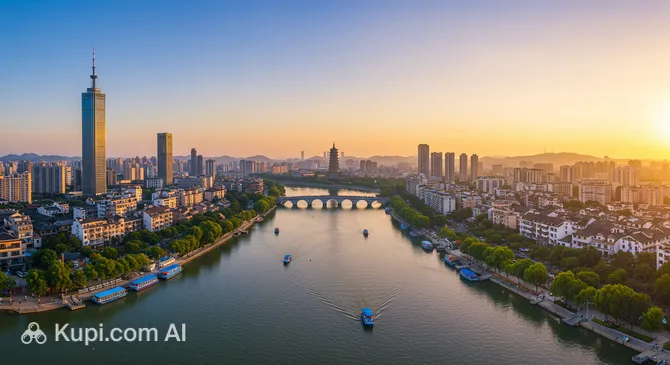
Located in the southern part of Hunan Province, China, Yongzhou is a captivating city where ancient culture meets stunning natural beauty. Situated at the confluence of the Xiao and Xiang rivers, this historic metropolis serves as a vital gateway connecting the central and southern regions of the country. With a population of over 5.4 million, it is a bustling hub that maintains a serene atmosphere thanks to its lush landscapes and flowing waters.

Yongzhou. Source: Kupi.Binoculars

The city holds a special place in Chinese literary tradition, most notably associated with the celebrated Tang Dynasty writer Liu Zongyuan, who penned his famous essays here. Visitors intrigued by the past can delve deeper into the history of Yongzhou to learn about its evolution over two millennia. The region is also globally unique as the birthplace of Nüshu, a script developed and used exclusively by women, which adds a fascinating layer to the local cultural heritage.

Travelers will find plenty to explore, from the historic Liuzi Temple, dedicated to the city's literary icon, to the majestic Jiuyi Mountains, which are steeped in legends of the Emperor Shun. The scenic beauty of the river confluence and the surrounding karst topography offers a picturesque backdrop for exploration. Whether you are a history buff or a nature lover, Yongzhou invites you to discover its hidden gems and experience the authentic charm of southern Hunan.

Weather Overview

Yongzhou experiences a distinct seasonal climate characterized by hot, humid summers and cool, drier winters. To help plan your packing list and daily activities, it is helpful to review the detailed weather in Yongzhou before your trip. Generally, the city enjoys a subtropical environment where nature thrives year-round, though travelers should be prepared for varying conditions depending on the month of their visit.

The summer months are the warmest, with July and August seeing average temperatures around 30°C and daily highs reaching up to 33.9°C. In contrast, winters are chilly but rarely freezing; January is typically the coldest month with an average temperature of 7.1°C and lows dipping to 4.1°C. Rainfall is a consistent part of the local climate, particularly in the spring, with May experiencing up to 20 wet days, while autumn and early winter tend to be drier with fewer rainy days.

Interesting Facts

Beyond the scenic landscapes and well-trodden paths, Yongzhou harbors intriguing stories and discoveries that surprise even seasoned travelers.

  • Ancient Human History: The Fuyan Cave in Daoxian County, under Yongzhou's administration, yielded a groundbreaking discovery of 47 human teeth dating back between 80,000 and 120,000 years. This find challenged previous theories about human migration, suggesting that modern humans were present in southern China long before they appeared in Europe.

  • The Legend of Spotted Bamboo: The region is renowned for "Xiangfei" or mottled bamboo. Local legend holds that when the mythical Emperor Shun died in the Jiuyi Mountains, his two wives wept in grief over the bamboo forests; their tears are said to have left permanent stains on the stems, creating this unique botanical variety found in the area today.

  • A Unique Culinary Staple: One of the city's most distinct dishes is "Yongzhou Blood Duck." Unlike typical preparation methods, this local specialty involves stir-frying the duck meat with its fresh blood and vinegar, creating a rich, dark sauce that is considered a true delicacy of Hunan cuisine.

  • The Snake Catcher's Tale: Yongzhou is the specific setting for the classic Chinese essay "The Snake Catcher's Lesson" by Liu Zongyuan. The text famously describes a peculiar local snake with black groundwork and white patterns, used in traditional medicine, cementing the city's name in the annals of classical literature.

How to Get There

Reaching Yongzhou is a journey that allows travelers to experience the diverse landscapes of Hunan Province. While the city is well-connected by road, visitors often choose to fly or take a train to nearby major hubs before completing the final leg of the trip. For a detailed breakdown of all transport options and routes, you can read more about how to get to Yongzhou to plan your arrival smoothly.

The region is served by several regional and international airports that act as convenient gateways for travelers. The closest facility is Hengyang Nanyue Airport (HNY) in Hengyang, located approximately 100 km away. For broader international connections, travelers often utilize Changsha Huanghua Airport (CSX) in Changsha, a major transport hub situated about 252 km from Yongzhou. Another accessible option is Guilin Liangjiang International Airport (KWL) in Guilin, roughly 206 km away, which offers additional routes for visitors.

For clarity, here is a summary of the main airports serving the area:

Airport Name City Passenger Traffic Km from City
Changsha Huanghua AirportChangshaLarge252.4
Guilin Liangjiang International AirportGuilinMedium206.3
Changde AirportChangdeMedium276.9
Hengyang Nanyue AirportHengyangMedium100.4
Zhijiang AirportHuaihuaSmall220.8

Rail travel provides another efficient way to approach the region, with several key stations functioning as transit points within a reasonable distance. Shaoyang Railway Station (SYG) in Shaoyang is situated about 90 km from the city, offering a relatively short ground transfer. Additionally, Hengyang Railway Station (HBP) in Hengyang, approximately 121 km away, serves as a significant railway junction connecting to various parts of the country. These stations handle substantial passenger traffic and facilitate smooth access to the scenic surroundings of Yongzhou.

Below is a list of the nearest railway stations offering access to the region:

Station City Passenger Traffic Km to Center
Huaihua Railway StationHuaihuaHigh201.7
Loudi Railway StationLoudiHigh151.6
Hengyang Railway StationHengyangHigh121.1
Guilin Railway StationGuilinMedium185.3
Shaoyang Railway StationShaoyangMedium89.5

Main Attractions

Yongzhou offers a rich tapestry of historical sites and natural wonders, deeply rooted in Chinese literary tradition and ancient legends. From sacred temples to scenic mountains, the city's landmarks provide a fascinating glimpse into the cultural heritage of Hunan Province.

Liuzi Temple is arguably the city's most iconic cultural site, dedicated to the celebrated Tang Dynasty writer Liu Zongyuan. Located on the banks of the Xiaoshui River, this well-preserved complex dates back to the Northern Song Dynasty. Visitors are drawn to its elegant architecture, featuring intricate wood carvings and ancient stone inscriptions. The temple not only honors the writer's legacy but also serves as a peaceful retreat where one can reflect on the literary works that put Yongzhou on the historical map.

For those seeking outdoor adventure and mythical history, the Jiuyi Mountains National Forest Park is a must-visit destination. Legend holds that this mountain range is the burial place of Emperor Shun, a revered mythical ruler of ancient China. The park is famous for its nine peaks, which are said to be so intertwined that they confuse travelers, hence the name "Nine Doubts Mountain." Beyond the majestic Emperor Shun’s Mausoleum, the area boasts dense forests, karst caves, and waterfalls, offering a perfect mix of hiking and cultural exploration.

Another gem located within the city is Wuxi Park, often associated with Liu Zongyuan's famous "Eight Records of Yongzhou." The park is centered around a small stream and is renowned for its impressive collection of cliffside stone carvings and calligraphy. It is a landscape garden that perfectly harmonizes nature with art, allowing visitors to wander through bamboo groves and admire the historical inscriptions that adorn the rock faces, effectively walking through pages of history.

Situated at the picturesque confluence of the Xiao and Xiang rivers, Ping Island (Pingzhou) is a scenic spot that offers some of the best water views in the city. Often described as a green jewel floating on the river, the island is lush with vegetation and provides a panoramic vantage point to observe the merging waters. It is a popular location for a relaxing afternoon stroll, offering a refreshing escape from the urban environment while showcasing the river culture that defines the region.

Local Cuisine

The local cuisine of Yongzhou is a vibrant reflection of Hunan’s renowned Xiang culinary tradition, characterized by bold, spicy, and sour flavors that awaken the palate. As a city with a rich agricultural heritage, Yongzhou prides itself on using fresh, locally sourced ingredients, particularly poultry and seasonal vegetables, which are transformed into dishes known for their aromatic intensity and appetizing colors.

The undisputed star of the local table is Yongzhou Blood Duck (Yongzhou Xue Ya). This unique dish is famous throughout the province and involves stir-frying bite-sized pieces of duck with fresh chili peppers, ginger, and garlic. The secret to its rich flavor and distinctive dark color lies in the addition of fresh duck blood mixed with vinegar, which is poured over the meat towards the end of cooking. The result is a savory, glossy sauce that coats every piece of tender meat, offering a delicious experience that is far more appetizing than its name might suggest.

Another culinary heavyweight originating from this region is Dong'an Chicken. Hailed as one of the top dishes in Hunan cuisine, it has even graced state banquets. The dish features parboiled chicken that is stir-fried with strips of ginger, scallions, and dried chili peppers, then simmered with local rice vinegar. The flavor profile is a sophisticated balance of sour and spicy, with meat that is incredibly tender and refreshing, making it a favorite among visitors who appreciate zesty food.

For breakfast or a casual meal, Yongzhou Rice Noodles are a staple of daily life. Unlike the soup-heavy versions found elsewhere, locals often prefer them served "dry" (Lu Fen), tossed in a special marinade made from soy sauce, herbs, and spices, then topped with peanuts, chopped chilies, and slices of roast pork or beef. Another local delicacy worth trying is Mount Jiuyi Stuffed Tofu, where large cubes of tofu are filled with a savory minced meat mixture and then braised to perfection, absorbing the flavors of the broth.

When it comes to drinks, the region has a strong tradition of brewing homemade rice wine. This slightly sweet, cloudy beverage is often enjoyed during family gatherings and festivals, serving as a soothing counterpoint to the heat of the spicy dishes. Tea culture is also deeply rooted here, with local varieties offering a refreshing way to cleanse the palate after a rich meal.

To truly experience the food culture of Yongzhou, tourists should venture beyond hotel restaurants and explore the city's lively night markets and small street-side eateries. In the evenings, the streets come alive with the aroma of charcoal-grilled skewers and spicy crayfish. Dining here is a social affair; locals gather at low tables to enjoy large, shared platters of food, creating a noisy, friendly, and authentic atmosphere that welcomes travelers to join in the feast.

Travel Tips

Visiting Yongzhou is a rewarding experience that offers a deep dive into the cultural and natural heart of Hunan, but a little preparation goes a long way in ensuring a smooth journey. To help you navigate the local customs and logistics with ease, here are some practical tips designed to make your stay as enjoyable and hassle-free as possible.

  1. Clothing and Gear: Since the region has a subtropical climate, summers are hot and humid, so lightweight, breathable fabrics are essential. Winters can be damp and chilly, so bring a warm jacket and layers. If you plan to hike in the Jiuyi Mountains or explore the extensive grounds of Liuzi Temple, sturdy and comfortable walking shoes are a must. There are no strict dress codes for general sightseeing, but modest attire is recommended when visiting religious sites.

  2. Transportation: Yongzhou does not have a metro system, so the best way to get around is by taxi or ride-hailing apps like DiDi, which are convenient and affordable. Public buses are available and cover most of the city, but routes can be confusing for non-Chinese speakers. It is highly advisable to have your destination written in Chinese characters to show your driver, as this will save you a lot of time and confusion.

  3. Finances: The local currency is the Chinese Yuan (RMB). While major hotels may accept international credit cards, daily life in China runs on mobile payments. It is strongly recommended to set up Alipay or WeChat Pay on your phone before arrival, as even small street vendors prefer digital payments. Keep some cash on hand for emergencies, but don't rely solely on ATMs, which may not always accept foreign cards.

  4. Health and Safety: Yongzhou is generally a very safe city for tourists. Pharmacies are easily engaging and can be identified by a green cross sign; many sell basic over-the-counter medicines, though labels will be in Chinese. Tap water is not safe to drink directly, so stick to bottled water or boiled water, which is readily available in hotels and restaurants.

  5. Communication: English is not widely spoken outside of high-end hotels and major tourist centers. A translation app that works offline or with image recognition is an absolute lifesaver for reading menus and signs. You should purchase a local SIM card upon arrival in the country or activate an international roaming plan to ensure you have internet access for maps and translation tools.

  6. Local Etiquette: When greeting locals, a nod or a smile is polite; handshakes are common but not always expected. If you are invited to dine with locals, remember that the "lazy Susan" (rotating tray) is standard; wait for the dish to rotate to you before serving yourself. Always offer and receive gifts or business cards with two hands as a sign of respect.

  7. What to Avoid: Do not underestimate the spice level of the local cuisine. Hunan food is famous for its heat, often using fresh chilies and vinegar. If you cannot handle spicy food, explicitly ask for "bu la" (no spice) or "wei la" (mild), though even "mild" might still pack a punch for the uninitiated.

  8. Additional Tip: Take advantage of the hot water culture. You will find free hot water dispensers in train stations, airports, and many public buildings. Carrying a thermal flask is a great local "life hack" that ensures you always have safe drinking water or can make instant tea while on the go.

By keeping these practicalities in mind, you will be well-equipped to embrace the unique rhythm of life in Yongzhou. Whether you are navigating the bustling streets or enjoying a quiet moment by the Xiang River, these tips will help you focus less on logistics and more on creating unforgettable memories in this historic city.

Entertainment & Nightlife

As the sun sets over the Xiang River, Yongzhou transforms from a quiet historical city into a vibrant hub of activity. The nightlife here offers a distinct blend of traditional charm and modern entertainment, split primarily between the two main districts: the historic Lingling District and the more modern Lengshuitan District. While it may not rival the frenetic energy of China's mega-cities, Yongzhou provides a relaxed yet lively atmosphere where travelers can immerse themselves in local culture, enjoy spicy Hunanese street food, and experience the warmth of the local community.

For those seeking a bustling atmosphere, the Lengshuitan District is the commercial heart of the city and the go-to destination for modern entertainment. The area surrounding Wanda Plaza is particularly popular, serving as a magnet for young locals and visitors alike. Here, you will find a concentration of cinemas, karaoke (KTV) lounges, and bars that stay open late. KTV is a staple of Chinese nightlife, and venues in this area are often opulent, offering private rooms where groups can sing and drink in comfort. If you are looking for a place to enjoy a cocktail or a cold beer, the streets adjacent to the plaza feature several western-style bars and casual pubs.

In contrast, the Lingling District offers a more atmospheric and culturally rich experience. The Lingling Ancient City is beautifully illuminated at night, making it perfect for a leisurely evening stroll. The ancient architecture, adorned with red lanterns, creates a nostalgic backdrop for night photography. Within this area, the Lingling Night Market is a must-visit for foodies. The air here is thick with the aroma of charcoal grills and spices. It is the best place to try local late-night snacks, such as spicy crayfish, grilled skewers, and the famous Yongzhou Blood Duck, all at very affordable prices.

For a unique shopping and leisure experience, visitors can head to the Xiaoxiang All Day Mall. This venue combines shopping, dining, and entertainment under one roof, making it a convenient option for families or those who prefer an indoor environment. It often hosts events and performances in the evenings, adding to the lively spirit of the city. Another notable mention for a scenic night out is the Jianghua Yao Autonomous County Water Street (often called "China's Love Town"). Although it requires a bit of travel from the city center, its romantic water canals and ethnic Yao architecture are spectacular when lit up, offering a nightlife experience steeped in local folklore.

Practicalities for a night out in Yongzhou are straightforward. The city is generally very safe for walking, even late at night, but it is always wise to stay in well-lit, populated areas. Taxis are readily available and inexpensive, with most rides within the city costing between 10 to 20 RMB. Ride-hailing apps like DiDi are widely used and are often more convenient for non-Chinese speakers as you can input your destination in advance. Most bars and clubs do not have a strict dress code; smart-casual attire is perfectly acceptable everywhere.

While nightlife is a highlight, daytime entertainment in Yongzhou is equally engaging. Culture enthusiasts should visit the Yongzhou Museum to delve into the region's deep history, or catch a performance of local Huagu Opera at one of the city's theaters. For families, the city's parks offer boat rides and amusement facilities that provide fun for all ages before the sun goes down.

Parks & Museums

Yongzhou is a city where verdant landscapes and deep-rooted history coexist harmoniously. The city's green spaces offer a refreshing escape into nature, while its museums provide a window into the region's unique cultural identity, preserving traditions found nowhere else in China. Whether you are looking to hike through blooming mountains or decode ancient scripts, the area offers a diverse range of experiences for every traveler.

For nature enthusiasts, Yangmingshan National Forest Park is a premier destination located on the outskirts of the city. This vast natural reserve is renowned for its breathtaking "Sea of Azaleas," particularly in late spring when the mountainsides erupt in vibrant shades of pink and red. Beyond the flowers, the park features dense bamboo forests, crystal-clear streams, and refreshing air, making it an ideal spot for hiking and escaping the summer heat. The serene environment and Buddhist temples scattered within the park add a spiritual dimension to the scenic beauty.

Closer to the urban center, Xiaoxiang Park serves as a vital green lung for the city and a hub for local social life. Named after the poetic region of Hunan, this park is beautifully landscaped with traditional pavilions, winding paths, and water features. It is a fantastic place to observe daily life; in the mornings, you will find residents practicing Tai Chi or dancing, while afternoons are perfect for a quiet stroll along the shaded walkways. It offers a peaceful contrast to the bustling streets and a glimpse into the relaxed pace of Yongzhou's residents.

To understand the depth of the region's heritage, a visit to the Yongzhou Museum is essential. This comprehensive facility houses a vast collection of artifacts that trace the city's history from the Neolithic age to the present day. Highlights include ancient ceramics, bronzes, and stone carvings that reflect the area's strategic importance as a cultural crossroads. The exhibits are well-curated to tell the story of the local people, their customs, and the artistic evolution of southern Hunan.

One of the most culturally significant venues in the broader region is the Nüshu Museum, located in Puwei Village, Jiangyong County. This museum is the only one in the world dedicated to Nüshu, the mysterious "Women's Script" developed and used exclusively by women in this area to communicate with one another. Visitors can view rare manuscripts, embroidered textiles featuring the delicate characters, and learn about the poignant history of female bonding and expression. It is a profoundly moving experience that highlights a unique chapter in human anthropology.

In terms of architectural landmarks, Huilong Tower stands as a sentinel overlooking the river in the Lingling District. Built during the Ming Dynasty, this seven-story hexagonal brick tower is a classic example of Chinese pagoda architecture. Its location by the water makes it a picturesque spot for photography, especially at sunset. The tower has withstood centuries of weathering and remains a symbol of the city's resilience and enduring connection to the river.

For an authentic local experience, try to catch a performance of local opera or folk songs, often held in community centers or public squares during festivals. Additionally, if you visit the Nüshu Museum, look out for demonstrations of "Nüshu songs," where the script is chanted in a distinctive, melodic dialect. These intangible cultural heritage performances offer a rare auditory connection to the past that you won't find in standard guidebooks.

Getting Around

Navigating Yongzhou is a relatively straightforward experience, primarily relying on an extensive bus network and convenient taxi services. Unlike China's mega-cities, Yongzhou does not currently have an underground metro system, but its public transportation is well-developed to handle the unique geography of the city, which is split between two main urban centers: the modern Lengshuitan District and the historic Lingling District.

The backbone of local transit is the public bus system. Buses cover every corner of the city, from the bustling commercial streets of Lengshuitan to the ancient alleys of Lingling. A crucial detail for visitors to note is the distance between these two districts, which are approximately 20 kilometers apart. Special inter-district bus lines, such as the BRT (Bus Rapid Transit) or express routes (often numbered in the 300s, like the 301 or 302), connect these hubs. These journeys can take around 40 to 60 minutes, offering a scenic, albeit slow, way to see the transition from urban landscapes to the riverside countryside.

When it comes to payment, the system is modernized but still accommodates cash users. Most buses operate on a flat-fare basis, typically costing 1 or 2 RMB per ride, though longer inter-district routes may cost slightly more. If you choose to pay with cash, you must have the exact change ready to drop into the coin box upon entry, as drivers do not provide change. However, the most convenient method for tourists is digital payment. almost all buses are equipped with scanners for WeChat Pay and Alipay (using the "Transport" mini-app or QR code), which saves you the hassle of carrying coins.

Taxis are a popular and affordable alternative, especially for travelers carrying luggage or those who prefer a direct route. You can easily hail a taxi on the street; they are generally green or yellow and are equipped with meters. Rates start at a low base fare, making short trips across town very economical. For a more seamless experience, ride-hailing apps like DiDi are widely used. These apps are particularly helpful for international visitors as they allow you to input your destination in English (or pin it on a map) and pay automatically, eliminating language barriers with the driver.

For short distances, shared bicycles and electric scooters are scattered throughout the city. Platforms like HelloBike and Meituan Bike allow you to unlock a bike using their respective apps. This is an excellent way to explore the scenic riverside paths along the Xiang River or to navigate the narrower streets of the Lingling Ancient City where larger vehicles might move slowly. Be sure to park these vehicles in designated zones to avoid penalties.

Practical advice for tourists includes planning your travel times carefully. Most bus lines operate from approximately 6:00 AM to 9:30 PM, though some major routes may run a bit later. If you are traveling late at night, taxis will be your only option. Additionally, since English signage at bus stops can be limited or non-existent, it is highly recommended to have your destination written in Chinese characters on your phone to show the driver or to ask locals for assistance. Using a map app on your smartphone to track your real-time location while on the bus is also a great way to ensure you don't miss your stop.

Accommodation

Finding the right place to stay in Yongzhou is relatively easy, as the city offers a welcoming mix of accommodation options that cater to both business travelers and tourists. The hospitality landscape here ranges from modern, high-rise hotels equipped with extensive amenities to modest, budget-friendly guesthouses. While you won't find an abundance of ultra-luxury international chains, there are plenty of high-standard domestic hotels that provide excellent comfort and service at a fraction of the price you would pay in China's Tier-1 cities.

When choosing a location, most visitors decide between the city's two main districts, each offering a distinct vibe. The Lengshuitan District is the modern administrative and commercial center. This area is ideal for travelers seeking convenience, as it is home to the main railway station, large shopping malls like Wanda Plaza, and a lively entertainment scene. Staying here ensures you are close to transport links and modern comforts. In contrast, the Lingling District is the historical heart of Yongzhou. If you prefer a more atmospheric stay near cultural landmarks like the Liuzi Temple and the Ancient City, this area offers a quieter, more scenic environment, often with hotels located near the river.

For those interested in a more immersive experience, the areas surrounding major natural attractions, such as the Jiuyi Mountains, offer resort-style accommodations. These properties often focus on integrating with the natural landscape, providing a peaceful retreat for hikers and nature lovers. In the city center, mid-range business hotels are the most common standard, typically offering reliable Wi-Fi, breakfast buffets, and clean, spacious rooms.

Booking Tips: One crucial tip for international travelers visiting smaller Chinese cities like Yongzhou is to confirm that your chosen hotel is licensed to accept foreign guests. Not all budget accommodations or small inns have this authorization. It is highly recommended to book through major international travel platforms or reputable Chinese apps where you can filter for "foreigner-friendly" properties. Additionally, if you plan to visit during major Chinese holidays such as the Spring Festival or National Day (Golden Week), booking several weeks in advance is essential to secure a room.

Price Range: Accommodation in Yongzhou is generally very affordable. Budget travelers can find comfortable rooms for as little as 100–200 RMB per night. Mid-range hotels, which offer a very good standard of service, typically range from 250 to 450 RMB. Even the city's top-tier hotels are reasonably priced, often costing significantly less than comparable options in Changsha or Guilin, making it easy to enjoy a touch of luxury without breaking the bank.

Nearby Cities

For travelers eager to extend their journey, Yongzhou serves as an excellent gateway to some of southern China's most captivating destinations. The city's strategic location allows for convenient excursions to neighboring regions rich in natural wonders and historical significance, making it easy to plan diverse day trips or short tours.

One of the most prominent destinations nearby is Guilin, globally celebrated for its breathtaking karst mountains and the Li River. Although it requires a bit of travel, the world-class scenery makes it a favorite for photographers and nature lovers. Closer to Yongzhou, Hengyang is a key cultural hub, best known as the home of Mount Heng (Nanyue), one of China's Five Great Mountains. Additionally, Shaoyang offers unique geological formations, including the spectacular Langshan Mountain, a UNESCO World Heritage site known for its massive red cliffs.

City Population Distance (km)
Shaoyang 7,370,500 92
Hengyang 7,243,400 109
Loudi 3,931,800 146
Chenzhou 4,744,500 158
Guilin 5,085,500 184

These neighboring cities provide a fantastic opportunity to explore the broader cultural and geographical diversity of Hunan and the surrounding provinces.

Shopping & Souvenirs

Shopping in Yongzhou offers a delightful mix of modern retail convenience and traditional charm. While the city may not feature the high-end luxury boutiques found in China's largest metropolises, it provides a genuine local experience where travelers can find everything from contemporary fashion to unique cultural handicrafts. The shopping scene is split between the bustling, modernized commercial centers and the slower-paced, historic districts where the region's heritage shines through.

The city's main commercial activities are concentrated in the Lengshuitan District. This area serves as the modern heart of Yongzhou, featuring wide avenues lined with clothing stores, electronics shops, and department stores. For a more culturally immersive experience, the Lingling District offers a different vibe. Here, near the ancient city walls and historic sites, visitors can wander through smaller streets filled with independent vendors selling local crafts, tea, and traditional goods that reflect the area's long history.

For a one-stop shopping experience, Wanda Plaza in the Lengshuitan District is the premier destination. As is common in many Chinese cities, this massive complex anchors the local retail scene, housing a vast array of international and domestic brands, a cinema, and numerous restaurants. Another popular spot is the Better Life Plaza (Bubugao), a well-known retail chain in Hunan Province. It is an excellent place to shop for daily necessities, clothing, and groceries, offering a comfortable, air-conditioned environment perfect for escaping the summer heat or winter chill.

To truly understand the local lifestyle, a visit to the city's markets is essential. The Lingling Night Market is a vibrant hub that comes alive after dark. While it is famous for its street food, it is also a great place to browse for inexpensive clothes, accessories, and quirky trinkets. For a look at local ingredients, the morning wet markets in both major districts display the region's agricultural bounty, including fresh chilies, seasonal fruits, and the bamboo shoots that feature heavily in Hunan cuisine.

When searching for souvenirs, Yongzhou offers items that are deeply rooted in its unique culture. The most significant local specialty is Nüshu craftsmanship. As the birthplace of this rare "Women's Script," the region produces fascinating handicrafts such as embroidered handkerchiefs, fans, and calligraphy scrolls featuring these unique characters. Additionally, products made from mottled bamboo (Xiangfei bamboo), such as combs, brush pots, and carvings, are highly prized due to the local legends associated with them. Foodies might also want to bring back vacuum-packed Yongzhou Blood Duck or jars of the local spicy chili sauce.

Store opening hours in Yongzhou are generally tourist-friendly. Large shopping malls and supermarkets typically operate from 10:00 AM to 10:00 PM daily. Smaller street shops may open earlier and close later, depending on the flow of customers. Payment methods are overwhelmingly digital; WeChat Pay and Alipay are accepted almost everywhere, from high-end stores to street vendors. While cash (RMB) is legally accepted, it is becoming less common, so carrying small denominations is advisable if you haven't set up mobile payments.

Travelers should note that Tax-Free shopping services (VAT refunds) are generally not available in Yongzhou. Unlike major international hubs such as Shanghai or Beijing, the stores here are typically not equipped to process tax refund forms for tourists. It is best to assume that the price you see is the final price, although bargaining is often acceptable and expected in street markets and independent stalls.
Reached the end of the page?

That means the route is fully explored