Support

Shaoguan

About

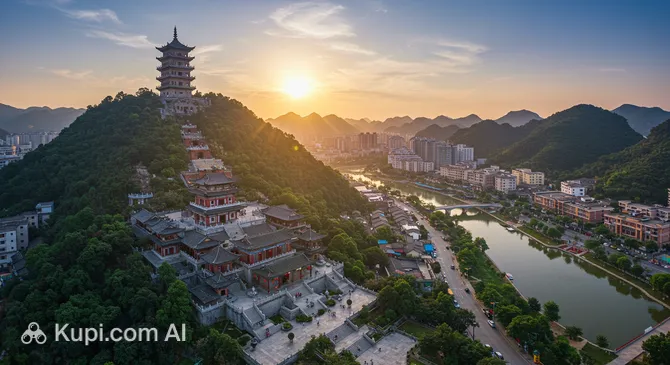
Nestled in the northern part of Guangdong province, Shaoguan is a captivating city known for its breathtaking natural scenery and rich cultural heritage. As a vital gateway connecting the Pearl River Delta to the interior of China, this city offers a unique blend of bustling urban life and serene landscapes. With a population of approximately 3 million residents, Shaoguan sits at the confluence of three rivers—the Wu, Zhen, and Bei—creating a picturesque setting that charms visitors from around the globe.

Shaoguan. Source: Kupi.Binoculars

The city boasts a legacy that spans over two millennia, serving as a historical melting pot of diverse cultures. Exploring the history of Shaoguan reveals its past importance as a strategic military and commercial post connecting central and southern regions. Today, travelers are drawn to its world-class attractions, most notably the spectacular Mount Danxia. This UNESCO World Heritage site is famous for its vibrant red sandstone cliffs and unique rock formations, which gave the name to the "Danxia landform" geologically recognized worldwide.

Beyond its geological wonders, Shaoguan is a significant spiritual center for Zen Buddhism. The ancient Nanhua Temple, resting peacefully amongst the mountains, provides a tranquil retreat and offers profound insight into the region's spiritual roots. Whether you are hiking through lush forests, admiring the striking red cliffs, or delving into local traditions, Shaoguan promises an unforgettable journey filled with discovery and natural beauty.

Weather Overview

Shaoguan experiences a distinct seasonal climate, generally characterized by mild winters and hot, humid summers. Understanding the patterns of the weather in Shaoguan can help you choose the best time for your outdoor adventures. The city sees a significant variation in rainfall throughout the year, with a marked increase in precipitation frequency during the late spring and early summer months.

Winter is the coolest time of year, with January seeing average temperatures of 10.9°C and lows around 6.9°C. This season is relatively dry, especially in December, which typically records only about 7 wet days. In contrast, the summer heat peaks in July with an average temperature of 28.6°C and highs climbing to 32.2°C. Travelers visiting in June should be prepared for rain, as it is the dampest month with approximately 24 wet days.

Interesting Facts

Beyond the main attractions, Shaoguan holds many fascinating secrets that delve deep into anthropology and ancestral lineage. This region is not just a scenic wonder but a treasure trove of ancient discoveries and cultural roots.

  • Home of the "Maba Man": Shaoguan is a significant site for archaeologists due to the discovery of the "Maba Man" skull in a cave at Lion Rock. These fossilized remains belong to an early human species that lived in the area approximately 130,000 years ago, providing a crucial link in understanding human evolution in southern China.

  • The Cradle of Cantonese People: The ancient Zhuji Lane (Zhujixiang) in Nanxiong is widely regarded as the ancestral home of millions of overseas Chinese and Cantonese people. Historically, it served as a primary migration route from the north to the south, and today, many travelers visit to trace their genealogical roots and pay respects to their ancestors.

  • A Preserved Saint: While Nanhua Temple is a known destination, few realize it houses the "true body" of Huineng, the Sixth Patriarch of Zen Buddhism. His mummified body, preserved for over 1,000 years and coated in lacquer, sits in the temple's main hall, serving as a revered relic and a testament to the area's deep spiritual history.

  • The Grand Canyon of Guangdong: Often overshadowed by the Danxia mountains, the Ruyuan Grand Canyon offers a dramatic 300-meter deep fissure in the earth. It is located in the Ruyuan Yao Autonomous County, where visitors can also experience the unique colorful traditions and costumes of the Yao ethnic minority.

How to Get There

Reaching Shaoguan is an essential part of planning your trip to this scenic part of northern Guangdong. While the city is nestled in a mountainous region, it is well-connected to major transportation hubs in southern China. Whether you prefer flying into a major international airport or taking a scenic train ride, there are various ways to approach the city. For a detailed breakdown of all available routes and tips, you can read more about how to get to Shaoguan.

The city of Shaoguan does not have its own international airport, but you can fly into Guangzhou Baiyun International Airport (IATA: CAN) in the city of Guangzhou, which is about 160 km from Shaoguan. As one of the busiest transport hubs in the world, it offers extensive connections. From there, the journey by taxi or bus takes approximately 4 hours and 20 minutes. Alternatively, travelers can choose Shenzhen Bao'an International Airport (IATA: SZX) located in Shenzhen, roughly 241.4 km away. A transfer from Shenzhen to Shaoguan by road typically takes about 6 hours and 20 minutes.

For those looking for regional options, Ganzhou Airport (IATA: KOW) in Ganzhou is another possibility, situated approximately 165.4 km from the city center. While smaller, it provides a closer alternative for domestic travelers, with a travel time of around 4 hours and 30 minutes by road.

For clarity, here is a summary of the main airports:

Airport Name City Passenger Traffic Km from City
Guangzhou Baiyun International Airport Guangzhou Large 160.0
Shenzhen Bao'an International Airport Shenzhen Large 241.4
Huizhou Airport Huizhou Medium 220.1
Ganzhou Airport Ganzhou Medium 165.4
Foshan Airport Foshan Medium 198.7

If you are considering arriving by train from neighboring provinces, you might look into stations in nearby cities if direct routes are unavailable. For instance, you can arrive at the Hengyang Railway Station (IATA: HBP) in the city of Hengyang, which is about 248.1 km from Shaoguan. From there, you can get a taxi or bus, which takes about 6 hours and 30 minutes. While this is a longer route, it serves as a connector for travelers coming from the north.

Below is a list of the railway stations in the wider region:

Station City Passenger Traffic Km to Center
Hengyang Railway Station Hengyang Medium 248.1
Wuzhou Railway Station Wuzhou 281.1

Main Attractions

Shaoguan offers a diverse array of sights ranging from world-famous geological wonders to deeply spiritual historical sites. Whether you are a nature enthusiast eager to hike through dramatic landscapes or a history buff tracing the roots of Zen Buddhism, the city provides a memorable itinerary. Here are some of the top places to explore during your visit.

Mount Danxia is undoubtedly the crown jewel of the region's tourism. As a UNESCO World Heritage Site, it is the namesake for the "Danxia landform," a geological term used worldwide to describe similar red sandstone terrain. Visitors can explore the Elder Peak (Zhanglao) to catch a breathtaking sunrise or take a boat cruise along the Jin River which winds peacefully through the red cliffs. The park is also famous for its peculiar rock formations, such as the Yangyuan Stone, which attract photographers and geologists alike due to their unique shapes and vibrant colors.

For those seeking spiritual tranquility, Nanhua Temple is an essential stop. Located about 24 kilometers south of the city center, this temple has a history spanning over 1,500 years and is revered as the cradle of Zen Buddhism. It was here that Huineng, the Sixth Patriarch, taught for decades. Beyond its religious significance, the temple complex is a masterpiece of ancient architecture, featuring majestic halls, intricate carvings, and ancient cypress trees that create a serene atmosphere perfect for contemplation.

Nature lovers looking for adventure should head to the Guangdong Grand Canyon (also known as Ruyuan Grand Canyon). Stretching 15 kilometers in length and reaching depths of over 300 meters, this massive fissure in the earth offers a thrilling experience. A hike here involves navigating steep staircases and paths that lead past thundering waterfalls and emerald pools. The sheer scale of the cliffs and the roaring sound of the water make it one of the most impressive natural spectacles in the province.

Nanxiong Zhuji Lane offers a poignant journey into the past for those interested in Chinese genealogy. Often referred to as the "Hometown of Cantonese People," this ancient alleyway was a major migration route from central to southern China during the Tang and Song dynasties. Today, it stands as a living museum with well-preserved ancestral halls and traditional architecture. Walking down the cobblestone path, visitors can feel the weight of history and learn about the massive migrations that shaped the culture of the region.

Another fascinating site is the Maba Man Ruins at Lion Rock. This archaeological park is famous for the discovery of the "Maba Man" skull, an early human fossil dating back over 100,000 years. The site combines natural beauty with educational value, featuring a museum that details prehistoric life in the area. Visitors can explore the limestone caves where these early humans lived and enjoy the surrounding parkland, making it a great destination for families and history enthusiasts.

Local Cuisine

The culinary landscape of Shaoguan is a delightful fusion where the delicate freshness of Cantonese cuisine meets the hearty, savory flavors of Hakka traditions. Unlike the typically mild palate of southern China, some local dishes here surprise visitors with a spicy kick, influenced by the neighboring Hunan and Jiangxi provinces. This unique blend makes the city a fascinating destination for food lovers looking to explore a different side of Guangdong's gastronomy.

One of the absolute must-try dishes is the Nanxiong Goose King (Nanxiong E Wang). This stew is famous for its rich, spicy broth and tender goose meat, offering a fiery experience that is quite distinct from standard Cantonese fare. For those preferring classic savory flavors, Hakka Stuffed Tofu is a comforting staple found on almost every menu, featuring soft tofu cubes filled with seasoned minced pork. Another local specialty is the Longgui Cold Water Pig Stomach, a dish renowned for its remarkably crisp texture and aromatic seasoning, often served as a refreshing appetizer.

When it comes to beverages, the region's Hakka Rice Wine is a cultural icon. Often homemade and served in traditional ceramic bowls, this wine is typically sweet, mellow, and lower in alcohol than other spirits, making it a popular accompaniment to festive meals. Tea culture is also deeply rooted here, with locals frequently enjoying locally grown teas that thrive in the misty, mountainous terrain surrounding the city.

The food culture in Shaoguan is vibrant and accessible, ranging from bustling street scenes to rustic countryside dining. In the city center, night markets come alive with vendors selling snacks like Ai Bing (mugwort rice cakes) and grilled skewers. Meanwhile, the rural areas near major attractions like Mount Danxia are famous for "Nongjiale"—farmhouse restaurants. These establishments serve fresh, organic vegetables and poultry straight from the backyard, offering tourists an authentic and earthy dining experience amidst nature.

Travel Tips

Embarking on a journey to Shaoguan offers a delightful mix of spiritual tranquility and geological marvels, but the region's distinct characteristics require a bit of preparation. To ensure your exploration of the red cliffs of Mount Danxia and the ancient Nanhua Temple is as smooth as possible, we have compiled some essential practical advice for your trip.

  1. Clothing and Gear: Since Shaoguan is a premier destination for nature lovers, comfortable, sturdy hiking shoes are non-negotiable, especially for navigating the steep stairs of Mount Danxia and the Grand Canyon. The summers are hot and humid, so breathable, quick-drying fabrics are best, while a lightweight waterproof jacket is essential if you visit during the rainy season (May to June). If you plan to visit religious sites like Nanhua Temple, remember to dress modestly, covering your shoulders and knees.

  2. Transportation: While the city has a network of public buses, they can be slow and crowded. For reaching major attractions located outside the city center, such as Mount Danxia, dedicated tourist buses depart frequently from the Shaoguan East Railway Station. Within the city, ride-hailing apps like DiDi are extremely convenient, affordable, and often easier to use than hailing a street taxi if you don't speak Chinese.

  3. Finances: The local currency is the Renminbi (RMB/CNY). While international credit cards are accepted at high-end hotels, they are rarely useful in local restaurants or shops. China is a leader in mobile payments, so it is highly recommended to set up Alipay or WeChat Pay on your phone and link your international card before arrival. However, always carry some cash for small vendors in rural areas or "Nongjiale" farm restaurants.

  4. Health and Safety: Shaoguan is generally very safe for tourists. Pharmacies are marked with a green cross and are widely available in the city, though 24-hour services may be limited to major hospitals. If you are hiking in the summer, insect repellent is crucial to protect against mosquitoes. Always stick to marked trails in the mountains to avoid getting lost or injured on the rugged terrain.

  5. Communication: Mandarin is the primary language, though many locals also speak Cantonese and the local Hakka dialect. English proficiency is limited outside of major hotels. It is vital to download an offline translation app (like Baidu Translate or a configured Google Translate) and have your destination names written in Chinese characters to show drivers. Ensure you have a roaming plan or a SIM card that allows access to international websites, as many Western apps are blocked.

  6. Local Etiquette: When visiting temples, maintain a respectful silence and never take photos of the Buddha statues inside the halls. In dining situations, it is polite to pour tea for others before yourself. If you are sharing dishes, use the communal chopsticks or spoons provided rather than your own to pick up food.

  7. What to Avoid: Do not rely solely on Western map applications like Google Maps, as they can be outdated or inaccurate in China. Instead, use Apple Maps (which sources local data) or local apps like Gaode Maps for navigation. Also, try to avoid visiting popular spots like Mount Danxia during major Chinese holidays (Golden Week in October or Chinese New Year), as the crowds can be overwhelming.

  8. Culinary Insight: Be prepared for a spicy surprise! Unlike the mild flavors typical of Guangdong, Shaoguan's cuisine is heavily influenced by nearby Hunan and Jiangxi provinces. Many local dishes, especially the famous Nanxiong Goose, pack a serious punch. If you cannot handle heat, strictly ask for "bu la" (no spice) when ordering local specialties.

With these tips in hand, you are well-equipped to navigate the unique blend of rugged nature and deep-rooted culture that defines this region. We hope your adventure in Shaoguan is filled with breathtaking views, delicious discoveries, and safe travels!

Entertainment & Nightlife

While Shaoguan may not possess the frenetic 24-hour pulse of Guangzhou or Shenzhen, its nightlife offers a charming blend of riverside relaxation, vibrant street food culture, and lively pedestrian districts. The city comes alive after sunset, particularly along the riverbanks where the cooling breeze draws locals out for evening strolls, late-night snacks, and social gatherings. The atmosphere here is welcoming and safe, characterized by a slower, more enjoyable pace that allows visitors to truly soak in the local lifestyle.

The heart of the city's evening entertainment beats strongest at Centennial East Street (Bainian Dongjie). Located along the east bank of the Zhenjiang River, this historical district features beautifully preserved arcade-style architecture that glows with warm lights at night. It is the premier destination for tourists looking for a mix of history and modern leisure. Here, you will find a variety of riverside bars, tea houses, and open-air cafes where you can enjoy a drink while watching the illuminated cruise boats drift by. The area is also famous for its late-night eateries serving local favorites like sour bamboo shoot and river snail stew, a spicy dish that pairs perfectly with a cold beer.

For a more bustling, local experience, head to the Mengzhouba Night Market. This vibrant spot has become a favorite gathering place, featuring rows of stalls selling everything from creative handicrafts to mouth-watering street food. The air is often filled with the sounds of folk music or impromptu performances, creating a festive environment that is perfect for families and groups of friends. It is an excellent place to try "barbecue skewers" and fresh fruit juices at very affordable prices.

Another iconic landmark that defines the nightscape is the Fengcai Tower. Situated at the end of Fengdu Road Pedestrian Street, this ancient architectural marvel is spectacularly lit after dark, standing as a glowing symbol of the city. The surrounding pedestrian street is a hive of activity where shops stay open late, and young people gather to shop and socialize. Walking from Fengcai Tower down through the pedestrian zone offers a safe and energetic route for a night walk.

Practical Nightlife Tips:

  • Timing: The nightlife in Shaoguan typically kicks off around 8:00 PM and winds down by 1:00 AM, though some bars on East Street may stay open later on weekends.
  • Safety: The city is generally very safe for night walks, especially in well-lit areas like Centennial East Street and Fengdu Road. However, standard travel precautions apply.
  • Transport: Taxis and ride-hailing apps like DiDi are readily available at night and are inexpensive. Most drivers may not speak English, so have your destination written in Chinese.
  • Dress Code: The vibe is casual. You will feel comfortable in smart-casual attire at bars, while shorts and t-shirts are perfectly acceptable for night markets.

If you are looking for entertainment during the daylight hours before the sun goes down, Shaoguan has plenty to offer. The Shaoguan Museum provides a fascinating look into the region's history, including the famous Maba Man archaeological finds. For a breath of fresh air within the city limits, Zhongshan Park is a lovely green space where you can observe locals practicing Tai Chi or playing traditional instruments, offering a peaceful counterpoint to the lively evenings.

Parks & Museums

Shaoguan is often celebrated as a "City of Landscape," where urban life is harmoniously interwoven with lush greenery and deep-rooted history. Beyond its famous red cliffs and ancient temples, the city offers a variety of serene parks and insightful museums that allow visitors to connect with the local environment and heritage at a deeper level.

For a refreshing escape right on the edge of the city center, Shaoguan National Forest Park is the premier destination. Located on Lotus Mountain, this expansive green space serves as the city's "natural oxygen bar." The park is famous for its diverse vegetation and the majestic Shaoyang Tower, a traditional architectural landmark perched at the summit. Climbing to the top of the tower rewards hikers with a panoramic view of the entire city and the spectacular confluence of the Wu, Zhen, and Bei rivers. It is an ideal spot for a morning hike or a sunset viewing, offering a peaceful retreat without leaving the urban area.

Another significant natural area is the Nanling National Forest Park, situated on the border of Guangdong and Hunan provinces. Although it requires a trip further afield, it is home to the largest protected forest area in the province and the highest peak in Guangdong, Shikengkong. The park is a paradise for nature enthusiasts, featuring the spectacular Waterfall Group, where crystal-clear water cascades down a series of rocky steps. The cool climate and rich biodiversity make it a perfect summer resort and a haven for photographers seeking untouched wilderness.

To understand the region's rich timeline, a visit to the Shaoguan Museum is essential. The modern facility houses an impressive collection of artifacts that trace the city's development from the Neolithic age to the present day. Exhibits include ancient pottery, bronze wares, and cultural relics that tell the story of Shaoguan's strategic role as a gateway between central and southern China. The museum effectively uses dioramas and multimedia displays to bring local history to life, making it engaging for visitors of all ages.

For those fascinated by anthropology, the Maba Man Museum located within the Lion Rock Scenic Area offers a specific focus on prehistory. Dedicated to the "Maba Man," an early human species discovered here, the museum showcases fossilized remains and stone tools dating back over 100,000 years. It provides a compelling narrative about human evolution in the region, set against the backdrop of the actual limestone caves where these ancient people once dwelled.

In terms of historical architecture, the Dajian Temple stands as a quiet witness to the city's spiritual past. Located in the bustling city center, this temple holds profound historical significance as one of the key sites where Huineng, the Sixth Patriarch of Zen Buddhism, once preached the Dharma. Though smaller and less commercialized than the famous Nanhua Temple, its ancient layout and tranquil courtyards offer a rare glimpse into the authentic religious life of the locals. It is a hidden gem for those who appreciate architectural history and spiritual heritage without the crowds.

For a truly local experience, take a stroll along the riverbanks near Centennial East Street in the early morning. While the area is known for nightlife, the morning light reveals a different charm, with locals practicing Tai Chi and flying kites in the riverside parks. It is a perfect moment to observe the slow, rhythmic lifestyle of Shaoguan's residents against the backdrop of the flowing rivers.

Getting Around

Navigating Shaoguan is relatively straightforward, as the city relies primarily on a comprehensive network of public buses and taxis to move residents and visitors around. Unlike larger metropolises in the province such as Guangzhou or Shenzhen, Shaoguan does not currently have a metro system. However, the bus network is extensive and well-developed, covering the main urban districts as well as connecting the city center to the major railway stations and outlying scenic spots. For most tourists, the public bus will be the most economical way to get around, while taxis offer a more direct and comfortable alternative.

The public bus system operates with a flat-fare structure for most routes within the city limits. A standard ride typically costs 2 RMB, regardless of the distance traveled. The buses are generally modern, air-conditioned, and safe. An important distinction for travelers to note is the existence of dedicated tourist lines. Specifically, there are frequent shuttle buses running from the Shaoguan East Railway Station to major attractions like Mount Danxia and Nanhua Temple. These tourist-specific routes may have higher fares depending on the distance, but they provide a direct and hassle-free link to the region's most famous sites.

When it comes to paying for your ride, digital payments have largely superseded cash, though coins and small bills are still accepted. If you choose to pay with cash, you must have the exact change ready to drop into the fare box upon entry, as drivers cannot provide change. For a smoother experience, most locals use QR codes via Alipay or WeChat Pay. Tourists can activate the "Transport" feature within these apps to generate a scannable bus code. While physical transit cards like the Yang Cheng Tong (used in Guangzhou) are technically interoperable in many parts of the province, using the mobile apps is generally more reliable and convenient for short-term visitors.

Taxis are widely available throughout the city and can be hailed on the street or found at designated stands near train stations and hotels. They are metered, and it is advisable to ensure the driver turns the meter on at the start of the journey. For those who prefer digital convenience, ride-hailing apps are extremely popular. DiDi Chuxing is the dominant service and offers an English-language interface, allowing you to input your destination and pay automatically via the app. This is often the best option for tourists who do not speak the local language, as it eliminates communication barriers regarding the destination.

For short distances within the city center, shared bicycles are a fantastic option. You will see yellow (Meituan) or blue (HelloBike) bicycles parked on sidewalks. These can be unlocked using the respective apps or through Alipay and WeChat. They offer a leisurely way to explore the riverside promenades or travel between nearby points of interest. However, be aware that you need a mobile data connection and a linked digital payment method to use them.

A crucial tip for using the transport system involves understanding the two main railway hubs. Shaoguan Station serves high-speed trains, while Shaoguan East Station serves regular trains. These two stations are located on opposite sides of the city but are connected by several bus lines, such as Route 22. Make sure you check which station your train departs from to avoid confusion. Buses generally run from early morning, around 6:00 AM, until late evening, typically ending service between 9:00 PM and 10:00 PM, so plan accordingly for late-night travel.

Accommodation

Where to Stay:

Finding the perfect place to stay in Shaoguan is relatively easy, as the city offers a diverse range of accommodation options tailored to different budgets and travel styles. From modern, high-rise hotels in the bustling city center to rustic family-run guesthouses near the scenic mountains, visitors can choose between urban convenience and natural immersion. The hospitality sector here is well-developed, ensuring that whether you are a backpacker or a luxury traveler, you will find a suitable home away from home.

For those who prioritize accessibility and urban amenities, the City Center (Zhenjiang District) is the most practical choice. Staying here places you close to major transportation hubs like the Shaoguan East Railway Station and provides easy access to shopping districts, night markets, and local restaurants. The downtown area features a mix of well-established domestic hotel chains and reliable mid-range options, making it a convenient base for travelers planning to explore various parts of the region via public transport.

If your primary goal is to explore the geological wonders, consider staying in Renhua County near the entrance of Mount Danxia. This area is dotted with numerous "Nongjiale" (farmhouse guesthouses) and boutique inns that cater specifically to hikers and nature lovers. Staying here allows for an early start to catch the famous sunrise over the red sandstone cliffs without the need for a long morning commute. Many of these accommodations offer a more authentic, local experience, often serving home-cooked meals featuring fresh local ingredients.

Shaoguan is also renowned for its geothermal resources, making it a prime destination for wellness tourism. The region, particularly around Qujiang District, boasts several hot spring resorts. These properties typically offer higher-end amenities, including private soaking pools and spa services, providing a luxurious way to unwind after a day of hiking.

Booking and Prices:
Accommodation prices in Shaoguan are generally reasonable compared to major Tier-1 cities in China.

  • Budget: Simple guesthouses and hostels, particularly near Mount Danxia, can cost between 100 to 200 RMB per night.
  • Mid-Range: Comfortable 3-to-4-star hotels in the city center typically range from 200 to 450 RMB.
  • Luxury: High-end resorts and hot spring hotels can range from 500 RMB to over 1,000 RMB depending on the season.
Most bookings can be easily made via major international and local online travel platforms. It is generally advisable to carry your passport at all times, as all hotels must register foreign guests with the local police.

Travel Tip: While walk-ins are often possible during the low season, it is highly recommended to book your accommodation in advance if you are visiting during Chinese public holidays (such as the National Day Golden Week in October or the Lunar New Year). During these peak times, rooms near Mount Danxia fill up quickly, and prices can increase significantly.

Nearby Cities

For those looking to explore the surroundings, Shaoguan serves as an excellent base for day trips to several interesting nearby locations:

Just across the border in Hunan province lies Chenzhou, a destination famous for the ethereal scenery of Dongjiang Lake. It is particularly renowned for the mystical fog that blankets the water in the early morning, attracting photographers from all over the country. Visitors can take a boat ride to enjoy the tranquil atmosphere or explore the stunning rock formations of the Feitian Mountain National Geopark.

To the south is Qingyuan, often referred to as the "backyard garden" of the Pearl River Delta. This city is a hotspot for wellness and adventure, known specifically for its numerous hot spring resorts and thrilling white-water rafting experiences in the Gulong Gorge. It also features impressive glass bridges and lush forest parks, making it a favorite getaway for those seeking both relaxation and adrenaline.

Heading northeast into Jiangxi province, travelers can visit Ganzhou, a city steeped in history and culture. It boasts one of the best-preserved Song Dynasty city walls in China and iconic ancient floating pontoon bridges. As a major center for Hakka culture, Ganzhou offers a unique opportunity to explore traditional architecture and learn about the deep historical roots of the Hakka people.

City Population Distance (km)
Ganzhou 8,970,014 176
Chenzhou 4,744,500 121
Qingyuan 3,969,473 137
Heyuan 3,093,900 163
Yutan 1,368,117 131

These nearby destinations offer a glimpse into the diverse culture and landscapes of the region.

Shopping & Souvenirs

Shopping in Shaoguan offers a delightful mix of modern convenience and traditional local flavor. While it may not have the overwhelming scale of luxury retail found in Guangzhou or Shenzhen, the city provides a relaxed atmosphere where visitors can find everything from international fashion brands to unique regional specialties. The retail scene here is characterized by bustling pedestrian streets, lively night markets, and specialty shops dedicated to the agricultural bounty of northern Guangdong.

The heartbeat of the city's commercial activity is undoubtedly Fengdu Road Pedestrian Street. Located in the city center, this vibrant thoroughfare is closed to vehicle traffic, allowing pedestrians to wander freely among hundreds of shops. It is the perfect place to browse for clothing, shoes, and accessories at reasonable prices. At night, the street is illuminated by neon lights and the glow of the iconic Fengcai Tower, creating an energetic backdrop for window shopping and sampling local snacks.

For a shopping experience infused with history, visitors should head to Centennial East Street (Bainian Dongjie). Situated along the riverbank, this area features restored arcade-style architecture that dates back to the Republic of China era. It is not just a scenic spot but a hub for boutique shops, souvenir stores, and tea houses. Walking through these arcades offers a glimpse into the city's past as a commercial trading post while allowing you to pick up handicrafts and local gifts.

Travelers looking for a comprehensive, air-conditioned shopping experience will find several modern malls in the downtown area. Moore City and Poly Plaza are among the popular destinations where you can find supermarkets, cinemas, and recognizable chain stores. These malls are excellent for restocking travel essentials, buying electronics, or enjoying a meal in a comfortable food court environment.

Local markets play a significant role in the daily life of Shaoguan's residents. While there are standard fresh produce markets, tourists are often more interested in the specialty markets that sell dried goods. The region is famous for its "North Guangdong Specialties" (Yue Bei Te Chan), and you will often see shops dedicated entirely to these products. Additionally, the Mengzhouba Night Market is a fantastic place to hunt for inexpensive trinkets, phone accessories, and handmade crafts while enjoying the riverside breeze.

When it comes to souvenirs, the region is renowned for its high-quality agricultural products. The most popular items to bring back include dried shiitake mushrooms and wood ear fungus, which are staples of the local cuisine and are prized for their intense flavor. Shaoguan tea, particularly varieties grown in the misty mountains around Renhua and Lechang, makes for a lightweight and culturally significant gift. Other popular local goods include preserved fruits and candied items, which are sweet treats that travel well.

Most shops and malls in Shaoguan operate from around 10:00 AM to 10:00 PM, giving you plenty of time to shop after a day of sightseeing. Payment methods are heavily digital; WeChat Pay and Alipay are universally accepted, from high-end department stores to small street vendors. While major supermarkets and hotels accept credit cards, smaller boutiques and market stalls typically do not, so carrying a small amount of cash is advisable if you do not have mobile payment set up.

Regarding tax refunds, Shaoguan is not a primary destination for tax-free shopping compared to major international hubs like Shanghai or Beijing. Tax refund services for tourists are generally not available in standard retail stores or markets in the city. Visitors should expect to pay the listed price, though bargaining is acceptable and expected in street markets and independent stalls.
Reached the end of the page?

That means the route is fully explored