Support

Huizhou

About

Huizhou is a captivating destination located in the southeast of the Guangdong Province in China. Known for its picturesque landscapes and deep cultural roots, this city serves as a central hub in the Pearl River Delta, offering a slightly more relaxed pace compared to its bustling neighbors. With a population of over 2.5 million people, Huizhou perfectly balances modern urban living with the tranquility of nature, boasting lush mountains, winding rivers, and a beautiful coastline.

The city enjoys a humid subtropical climate, making it a pleasant place to visit year-round, though spring and autumn are particularly delightful. Exploring the history of Huizhou reveals a legacy that spans over a thousand years. It has long been a center of culture and commerce, attracting renowned scholars and poets throughout the dynasties, including the famous Su Shi, who immortalized the region's beauty in his verses.

Huizhou. Source: Kupi.Binoculars

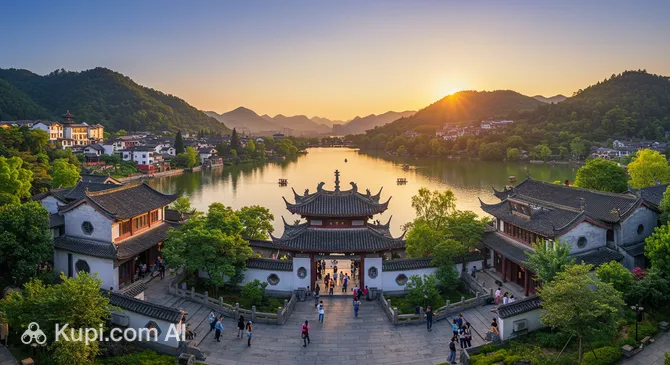
Travelers are often drawn to the city's stunning natural attractions. The Huizhou West Lake is a highlight, celebrated for its classical gardens, ancient pagodas, and serene waters that rival the fame of Hangzhou's West Lake. For those seeking outdoor adventure, Mount Luofu offers breathtaking views and a chance to explore Taoist temples, while the pristine beaches of Xunliao Bay provide a perfect seaside escape.

Whether you are interested in ancient architecture, hiking through verdant forests, or simply enjoying local Hakka cuisine, Huizhou has something unique to offer. It is an inviting destination that promises a memorable journey into the heart of southern Chinese culture and scenery.

Weather Overview

Huizhou experiences a humid subtropical climate, offering distinct seasonal changes that affect travel planning. The summer months, particularly from June to August, are typically hot and humid, with average temperatures peaking around 28.8°C in July. This period is also characterized by frequent rainfall; for instance, June can see up to 28 wet days, making it the rainiest time of the year.

In contrast, the winter season is mild and significantly drier, providing comfortable conditions for outdoor exploration. December and January are the coolest months, with average temperatures hovering around 15°C and lows rarely dropping below 10°C. Precipitation is minimal during this time, often recording as little as 0mm to 1mm. Generally, you can expect hot, humid summers with frequent rain and mild, dry winters. To find the best time for your specific travel dates, it is helpful to consult the detailed weather in Huizhou.

Interesting Facts

Beyond the main attractions, Huizhou holds many fascinating secrets that reveal its deep historical significance and unique ecological treasures. From ancient legends to rare natural sanctuaries, this city offers much more than meets the eye.

  • The Legend of the "Goose City": Huizhou is affectionately nicknamed "Echeng" or "Goose City," a name derived from a local legend. It is said that a celestial being flying on a wooden goose was so captivated by the region's stunning scenery that he refused to leave. The goose eventually transformed into what is now known as "Flying Goose Mountain" (Feie Ling) in the city center.

  • A Sanctuary for Sea Turtles: The city is home to the Huidong Harbor Sea Turtle National Nature Reserve, which is the only active sea turtle nesting ground on the entire Chinese continental coastline. This protected area in Turtle Bay serves as a critical nursery for endangered green sea turtles, earning it the reputation of being a "living fossil" sanctuary.

  • The "Sister" of Hangzhou's West Lake: While Hangzhou's West Lake is world-famous, Huizhou's West Lake shares a deep connection with it through the renowned poet Su Shi. After being exiled here in the Song Dynasty, Su Shi praised the lake's beauty in his poetry and funded the construction of bridges and causeways, leading many to regard the two lakes as cultural "sisters."

  • A Taoist Medicine Hub: Mount Luofu is not just a scenic spot but one of the ten sacred mountains of Taoism in China. It has been a center for traditional Chinese medicine for centuries, historically hosting a famous "Medicine Market" where herbalists and healers from across the region would gather to trade rare medicinal plants found on the mountain's slopes.

How to Get There

Reaching this destination is convenient due to its strategic location in the Pearl River Delta, with several transport options available for travelers. For a detailed overview of routes and tips, you can read more about how to get to Huizhou.

The most direct entry point is Huizhou Airport (HUZ), located approximately 20 km from the city center. This regional hub serves a moderate number of travelers annually. A journey by taxi or bus from the airport to downtown Huizhou typically takes around 50 minutes.

For more international connections, many visitors choose Shenzhen Bao'an International Airport (SZX), situated in Shenzhen, about 81.2 km away. As a major airport with very high passenger traffic, it offers a wide range of flights. Traveling from Shenzhen to Huizhou by road generally takes about 2 hours and 20 minutes. Another significant option is Guangzhou Baiyun International Airport (CAN) in Guangzhou, located 118.4 km away, which also handles a vast volume of passengers.

For clarity, here is a summary of the main airports:

Airport Name City Passenger Traffic Km from City
Guangzhou Baiyun International Airport Guangzhou Very High 118.4
Shenzhen Bao'an International Airport Shenzhen Very High 81.2
Hong Kong International Airport Hong Kong High 101.2
Macau International Airport Macau Medium 136.2
Huizhou Airport Huizhou Moderate 20.0

Regarding rail travel, while Huizhou is part of the regional network, some travelers may arrive via stations in neighboring cities if direct routes are unavailable. One such option is Puning Railway Station (OPQ), located in the city of Puning. However, it is situated approximately 183 km from Huizhou, meaning a subsequent transfer by road would take nearly 5 hours. Another facility in the wider region is Chaoyang Railway Station (Guangdong) (AZQ) in Jieyang, which is about 207.1 km away.

Below is a list of these regional railway stations:

Station City Passenger Traffic Km to Center
Puning Railway Station Puning Medium 183.0
Chaoyang Railway Station (Guangdong) Jieyang Low 207.1
Chaoshan Railway Station Shantou 226.7

Main Attractions

Huizhou offers a diverse array of sights, ranging from serene lakes and sacred mountains to stunning coastal bays and unique cultural landmarks. Whether you are a nature lover, a history buff, or simply looking for a relaxing getaway, the city's top attractions provide something for everyone.

One of the city's most celebrated landmarks is Huizhou West Lake, a scenic treasure located in the heart of the city. Often compared to its famous counterpart in Hangzhou, this expansive lake area is renowned for its "Five Lakes, Six Bridges, and Eighteen Scenes." It holds deep cultural significance, having been a source of inspiration for the legendary poet Su Shi (Su Dongpo) during the Song Dynasty. Visitors can stroll along the tree-lined causeways, admire the historic Sizhou Tower, or take a boat ride to fully appreciate the tranquil beauty of the traditional pavilions and lush islands.

For a spiritual and active retreat, Mount Luofu stands out as one of the most prestigious mountains in the region. Known as the "First Mountain of Lingnan," it is one of the ten sacred mountains of Taoism in China. The area is lush with primeval forests, cascading waterfalls, and mineral springs. Hikers can explore ancient sites like the Chongxu Ancient Temple, which has stood for over 1,600 years, and learn about the mountain's long history associated with traditional Chinese medicine and Taoist philosophy.

Travelers seeking sun and sea will find paradise at Xunliao Bay. Located in Huidong County, this coastal resort is famous for its crystal-clear waters and fine white sand, earning it a reputation as one of the cleanest bays in eastern Guangdong. It is an excellent spot for swimming, sailing, and beach sports. The coastline is also dotted with interesting rock formations, and the nearby fishing villages offer a chance to savor incredibly fresh local seafood.

A truly unique stop in Huizhou is the Hallstatt Village, a fascinating replica of the famous UNESCO World Heritage town in Austria. Nestled in Boluo County, this picturesque site recreates the European architecture, church spire, and charming streets of the original Alpine village. It has become a popular destination for photography enthusiasts and those curious to experience a slice of Austrian atmosphere amidst the landscapes of southern China.

Local Cuisine

The culinary landscape of Huizhou is a delightful reflection of its cultural heritage, predominantly defined by Hakka cuisine with strong Cantonese influences. Known for its emphasis on preserving the natural texture and flavor of ingredients, the local food scene is hearty, savory, and deeply satisfying. Unlike the spicy profiles of other Chinese regions, Huizhou dishes focus on umami, aromatic oils, and the skillful use of soy products and meats.

No visit to the city is complete without trying the "Three Treasures of Hakka Cuisine," which form the backbone of the local gastronomy. The most famous is Salt-Baked Chicken (Yanjuji), a dish where a whole chicken is buried in hot coarse salt to lock in moisture, resulting in golden, tender meat with a savory skin. Another must-try is Hakka Stuffed Tofu (Niang Doufu), consisting of soft tofu cubes filled with a savory mixture of minced pork and fish, then braised in a clay pot. Additionally, Braised Pork with Preserved Vegetables (Meicai Kourou) is a signature specialty, featuring succulent pork belly steamed with Huizhou's renowned sweet preserved mustard greens, creating a melt-in-the-mouth experience.

Given its coastal location, Huizhou also offers exceptional seafood, particularly in areas like Huidong. Travelers can feast on fresh abalone, sea urchins, and crabs, often steamed with garlic and vermicelli to highlight their freshness. For those exploring the streets, local snacks like Radish Balls (Luobo Ban) and sticky rice cakes provide a quick and tasty introduction to the region's rustic flavors.

When it comes to beverages, the locals have a strong affinity for traditional drinks that complement their meals. Hakka Glutinous Rice Wine (Niang Jiu) is a staple; it is a sweet, low-alcohol yellow wine often served warm, believed to nourish the body. Non-alcoholic options are equally popular, with Lei Cha (Pounded Tea) being a unique cultural experience. This gruel-like tea is made by grinding tea leaves, herbs, nuts, and seeds into a paste and mixing it with hot water, offering a nutritious and refreshing energy boost.

The food culture in Huizhou is communal and unpretentious. Locals often gather in Dai Pai Dongs—open-air food stalls—for lively dinners late into the night. These bustling spots are perfect for tourists wanting to soak up the authentic atmosphere. For a more rustic experience, "Nongjiale" (farmhouse joy) restaurants located in the villages around Mount Luofu offer dishes made from organic, farm-to-table ingredients, allowing diners to enjoy their meals amidst the tranquility of nature.

Travel Tips

Planning a trip to Huizhou offers a wonderful mix of scenic beauty and cultural discovery, but a little preparation goes a long way in this dynamic part of Guangdong. To help you navigate the city with ease and confidence, here is a set of essential practical tips for your journey.

  1. Clothing and Gear: The climate is humid and subtropical, so if you are visiting between May and September, pack lightweight, breathable fabrics to handle the heat and humidity. A raincoat or umbrella is essential during the summer rainy season. Winters are mild but can feel chilly due to dampness, so a light jacket or sweater is recommended. Since Huizhou is known for its nature—especially West Lake and Mount Luofu—bring sturdy, comfortable walking shoes.

  2. Transportation: Unlike its mega-city neighbors, Huizhou relies heavily on an extensive public bus network rather than a dense inner-city metro system for local travel. For tourists, the most convenient option is often ride-hailing apps (like DiDi) or regular taxis. Taxis are generally affordable, but ensure the driver uses the meter. If you plan to explore the coastline at Xunliao Bay, hiring a private driver or renting a car might give you more flexibility.

  3. Finances: The local currency is the Chinese Yuan (RMB). China is a nearly cashless society, and Huizhou is no exception. International credit cards are rarely accepted outside luxury hotels. It is highly recommended to set up mobile payment apps like Alipay or WeChat Pay on your phone before arrival; most now allow you to link international bank cards. Carry a small amount of cash for very small vendors, but be prepared for them to not have change.

  4. Health and Safety: Huizhou is generally very safe for travelers. Pharmacies are widespread and usually marked with a green cross symbol, though staff may not speak English. Tap water is not safe to drink without boiling; always buy bottled water, which is cheap and readily available. If you are hiking in the mountains or visiting parks, carry mosquito repellent to protect against insect bites.

  5. Communication: Mandarin is the primary language, though you will hear locals speaking Hakka and Cantonese. English proficiency is limited outside of major hotels and tourist centers. It is crucial to have a translation app installed on your phone that works offline. Additionally, remember that many Western apps (Google, Facebook, Instagram) are blocked; purchasing a roaming package or a tourist SIM card that bypasses these restrictions is often the easiest solution for staying connected.

  6. Local Etiquette: Politeness is valued, so a simple nod or a smile goes a long way. When dining in groups, dishes are often shared on a "Lazy Susan" (rotating tray); wait for the host to start eating and never stick your chopsticks vertically into a bowl of rice, as this resembles incense burning for the dead. Tipping is not part of the culture and is generally not expected in restaurants or taxis.

  7. What to Avoid: Avoid losing your temper or shouting in public, as causing someone to "lose face" is considered very rude and unhelpful in resolving conflicts. Also, be cautious of unlicensed taxis (often unmarked cars) waiting outside train stations; stick to official queues or designated ride-hailing pickup points.

  8. Additional Tip: If you plan to visit the popular Huizhou West Lake, try to go early in the morning or on weekdays. It is a favorite spot for locals to exercise and relax, and weekends can get quite crowded. Early mornings offer a serene atmosphere perfect for photography and observing local life.

With these practical insights in mind, you are well-equipped to explore the "Goose City" without the usual travel hiccups. Enjoy the stunning landscapes, savor the hearty Hakka cuisine, and have a memorable adventure in Huizhou!

Entertainment & Nightlife

While Huizhou is often celebrated for its scenic mountains and tranquil lakes, the city comes alive after sunset with a vibrant and diverse nightlife scene. The entertainment culture here is a blend of traditional Cantonese leisure and modern urban energy, focused primarily in the bustling Huicheng District. Visitors will find that the nightlife is less about overwhelming chaos and more about socializing in lively, well-lit environments, ranging from high-energy dance clubs to relaxed riverside lounges.

The epicenter of the city's evening entertainment is undoubtedly the Binjiang Road Bar Street (Binjiang West Road). Located along the banks of the East River, this strip is illuminated by neon lights and packed with a variety of venues. Here, you can find everything from thumping nightclubs hosting guest DJs to quieter pubs where you can enjoy a drink with a view of the water. The atmosphere is distinctively local yet welcoming, with crowds of young professionals and students gathering to unwind. The dress code is generally casual to smart-casual; while you don't need a tuxedo, looking neat is appreciated in the upscale clubs.

For those who prefer a more culinary approach to nightlife, the Shuimen Night Market offers a fantastic sensory experience. As evening falls, the streets fill with the aroma of sizzling oysters, spicy crayfish, and the region's famous Hakka snacks. It is the perfect place to experience "Xiao Ye" (midnight snacking), a beloved local tradition. The market is bustling, noisy, and incredibly friendly, offering an authentic slice of Huizhou life that you won't find in a shopping mall.

Karaoke is a cornerstone of entertainment in this part of China, and Huizhou boasts numerous high-end KTV venues. These are not just singing booths but lavish entertainment complexes with private rooms, buffet service, and premium drinks. It is a popular activity for groups of friends or business associates. If you are looking for a cultural performance rather than a party, the Huizhou Cultural Art Center in the Jiangbei district is a modern architectural landmark that regularly hosts concerts, operas, and theatrical performances in the evening.

Practical Advice for a Night Out:
Most bars and clubs are open until 2:00 AM or 3:00 AM, while KTVs often operate until dawn. Prices in Huizhou are generally more affordable than in neighboring Shenzhen or Guangzhou. A beer in a standard bar might cost around 30-50 RMB, though VIP tables in clubs can run much higher. Getting around at night is easy; taxis and ride-hailing apps like DiDi are plentiful and safe. It is advisable to have your destination written in Chinese, as few drivers speak English.

In terms of safety, Huizhou is very secure for night walks, especially in well-lit areas like the riverfront and major commercial districts. However, standard travel common sense applies: keep an eye on your belongings in crowded markets and avoid unlit, isolated alleyways late at night. If you need a taxi, stick to official vehicles or reputable apps rather than unlicensed cars waiting on street corners.

During the daytime, the city offers a different pace of entertainment. Culture enthusiasts should visit the Huizhou Museum to explore the region's extensive history, while families might enjoy the interactive exhibits at the Huizhou Science and Technology Museum. For those seeking outdoor fun without the hiking boots, the various urban parks and the scenic areas around West Lake offer boat rides and leisurely promenades that are perfect for a relaxing afternoon before the night begins.

Parks & Museums

Huizhou is often celebrated as a "National Forest City," where the urban landscape is beautifully interwoven with lush greenery and deep-rooted cultural heritage. For travelers, this means an abundance of serene parks for relaxation and impressive museums that offer a window into the region's storied past and artistic traditions.

One of the premier spots for outdoor enthusiasts is the Honghua Lake Scenic Area. Located just south of the city center, this expansive ecological park is renowned for its pristine water and dense forests. The highlight here is the 18-kilometer greenway that encircles the lake, making it a perfect destination for cycling or a long, leisurely walk amidst fresh air. It is a tranquil escape where visitors can enjoy the reflection of green mountains on the water's surface, far removed from the city's noise.

For those seeking panoramic views, Eling Park (Feie Ling) is a must-visit. Situated on a hill in the city center, this park is deeply connected to the legend of the "Flying Goose" that gave Huizhou its nickname. It features beautiful pavilions and shaded paths, but the main attraction is the view from the top. From here, you can gaze out over the entire city and the shimmering West Lake, offering a perfect vantage point for photography, especially during sunset.

To dive deeper into the local culture, the Huizhou Museum in the Jiangbei district is an architectural and historical gem. The building itself is designed to resemble a traditional "historic seal" and houses a vast collection of artifacts ranging from prehistoric pottery to Ming and Qing dynasty porcelain. It provides a comprehensive overview of the region's history, including exhibits on folk customs and the unique Hakka culture that defines much of Huizhou's identity.

Another culturally significant venue is the Su Dongpo Memorial Hall, located within the West Lake scenic area. This museum is dedicated to Su Shi (Su Dongpo), the renowned Song Dynasty poet and statesman who lived in exile in Huizhou. The exhibits chronicle his life, his literary contributions, and his profound impact on the city's development. It is a fascinating stop for anyone interested in Chinese literature and the historical figures who shaped the region.

In terms of historical landmarks, Pinghai Ancient City stands out as a "living fossil" of coastal defense history. Built during the Ming Dynasty over 600 years ago, this walled town features a unique cross-shaped street layout connecting four city gates. Walking through its narrow, stone-paved alleys feels like stepping back in time, with well-preserved temples, ancestral halls, and traditional dwellings that tell the story of the soldiers and families who once guarded the coast.

For a truly authentic and peaceful experience, consider visiting the Daya Bay Mangrove Wetland Park. It offers a rare chance to walk along wooden boardwalks through a dense mangrove forest, which serves as a sanctuary for egrets and other migratory birds. It is a quiet, lesser-known spot that offers a close encounter with the region's coastal ecology.

Getting Around

Navigating Huizhou is relatively straightforward, with a public transport system that primarily relies on an extensive network of buses and an increasingly integrated regional rail service. While the city does not yet have a fully operational internal metro system comparable to its larger neighbors like Shenzhen or Guangzhou, the existing infrastructure covers all major districts, tourist attractions, and residential areas efficiently. The local government has invested heavily in modernizing the fleet, meaning most vehicles are comfortable, air-conditioned, and electric.

The public bus system is the backbone of urban mobility here. Routes are numbered, and bus stops clearly display the route information, although usually in Chinese. For tourists, the "K" lines (e.g., K1, K2) are particularly useful as they often serve as express routes connecting key transport hubs, such as railway stations, with the city center and major scenic spots like West Lake. Fares are generally calculated based on distance or set as a flat rate for shorter trips, making it an extremely budget-friendly way to get around.

Although a dedicated inner-city subway is still in the planning and development stages, Huizhou utilizes the Intercity Railway (often referred to as the C-train) to function somewhat like a rapid transit system for longer cross-district travel. The Dongguan-Huizhou Intercity Railway runs through the city, with convenient stops such as Xihu East Station, which drops passengers right next to the famous West Lake. This is a fast and traffic-free way to move between the sprawling districts of Huicheng and Huiyang.

When it comes to payment, the city is highly digitalized. The most convenient method for short-term visitors is using mobile payment apps like Alipay or WeChat Pay. You can activate a "Transport Code" (Chengche Ma) within these apps, which generates a QR code that you simply scan upon boarding a bus or entering a station. For those who prefer a physical card, the Huizhou Tong card is widely used. This smart card is compatible with the broader Lingnan Pass system used throughout the province, allowing for seamless travel across different cities.

If you choose to pay with cash, be aware that buses operate on an exact change basis. Drivers do not carry money, so you must drop the exact fare into the coin box upon entry. It is advisable to carry small denominations (1, 5, or 10 RMB notes and coins) if you plan to rely on cash. Physical transport cards can be purchased and topped up at major bus terminals, some convenience stores, and authorized service centers.

For a more direct and private mode of transport, taxis are plentiful and can be hailed on the street. They are typically painted green or blue and are required to use a meter. However, ride-hailing apps (such as DiDi) are often a better choice for tourists. These apps allow you to input your destination in English (or pin it on a map), providing an estimated fare upfront and eliminating language barriers with the driver. This is particularly useful as few taxi drivers speak English.

For short distances and leisurely exploration, shared bicycles are extremely popular. You will find dockless bikes from major providers lined up on sidewalks throughout the city. To use them, you simply scan the QR code on the bike using your Alipay or WeChat app. This is an excellent, eco-friendly way to travel along the scenic riverbanks or navigate the narrower streets around the historic center where larger vehicles might move more slowly.

A practical tip for visitors is to avoid the peak rush hours, typically from 7:30 AM to 9:00 AM and 5:30 PM to 7:00 PM, when buses can become quite crowded. Additionally, since most signage and announcements are in the local language, having your destination written in Chinese characters on your phone to show a driver or a local helper is invaluable. With these options at your disposal, getting around the city is both affordable and convenient.
Accommodation

Accommodation in Huizhou caters to a wide spectrum of travelers, ranging from luxurious international five-star hotels to budget-friendly hostels and comfortable homestays. As a city that blends urban living with coastal resorts and mountain retreats, the lodging landscape is diverse. Visitors can choose between modern high-rises in the bustling city center, scenic lakeside boutique hotels, or sprawling beach resorts along the coast, ensuring there is something to suit every preference and budget.

For those interested in history, culture, and convenient access to the main urban attractions, the Huicheng District is the most practical area to stay. Specifically, the neighborhoods surrounding Huizhou West Lake are highly recommended. Staying here places you within walking distance of the scenic scenic area, the pedestrian streets, and a plethora of dining options. This area offers a mix of established mid-range hotels and charming inns that provide a local feel.

If your primary goal is a beach vacation, you should look towards Huidong County, particularly the areas around Xunliao Bay and Double Moon Bay. These coastal zones are lined with numerous resort-style hotels and serviced apartments offering sea views and direct beach access. Alternatively, for a relaxing wellness retreat, Longmen County near Nankun Mountain is famous for its hot spring resorts, where you can unwind in thermal pools surrounded by lush forests.

Booking Tip: Huizhou is a popular weekend getaway for residents of nearby Shenzhen and Guangzhou. Consequently, coastal resorts and hot spring hotels can fill up quickly on Friday and Saturday nights. It is highly advisable to book at least a few weeks in advance if you plan to visit during the summer months or major holidays like Chinese New Year and the National Day Golden Week.

The price range for accommodation is generally reasonable compared to China's first-tier cities. Budget travelers can find clean and decent hostels or guesthouses for around 150 to 300 RMB per night. Mid-range hotels typically charge between 350 and 600 RMB, offering good amenities and comfort. Luxury resorts, especially those with hot springs or prime ocean views, usually start from 800 RMB and can go significantly higher during peak seasons. Most bookings can be easily made through major international and local online travel platforms.

Nearby Cities

For those looking to explore the surroundings, Huizhou serves as an excellent base for day trips to several interesting nearby locations:

One of the most popular destinations is Shenzhen, a vibrant metropolis located just south of Huizhou. Known for its futuristic skyline and rapid modernization, it offers a dynamic contrast to the region with world-class theme parks like Window of the World and extensive shopping districts. It is an ideal spot for visitors seeking the energy of a major global city.

To the west lies Dongguan, a city that blends industrial prowess with deep cultural heritage. Visitors here can explore the famous Keyuan Garden, a masterpiece of Qing Dynasty landscaping, or delve into history at the museums in Humen. For nature lovers, a trip northeast to Heyuan offers the pristine beauty of Wanlv Lake and a chance to see one of the world's largest collections of dinosaur egg fossils.

City Population Distance (km)
Shenzhen 17,619,000 73
Dongguan 10,646,000 69
Heyuan 3,093,900 76
Longhua 2,528,872 56
Humen 1,800,000 83

These nearby destinations offer a glimpse into the diverse culture and landscapes of the region.

Shopping & Souvenirs

Shopping in Huizhou offers a delightful mix of modern convenience and traditional charm. While it may not have the overwhelming scale of luxury retail found in neighboring Shenzhen or Guangzhou, the city provides a relaxed experience where visitors can explore everything from high-end international brands to local specialty shops. The retail scene is largely concentrated in the Huicheng District, where glittering shopping malls stand just a short distance from bustling street markets that have served the community for decades.

For a taste of the local atmosphere, the Huizhou Pedestrian Street (Zhongshan North Road) is the place to start. This vibrant thoroughfare is the commercial heart of the old city, lined with independent boutiques, clothing stores, and snack stalls. It is a fantastic spot for leisurely strolling, people-watching, and picking up affordable fashion items or accessories. As evening falls, the area becomes even more lively, illuminated by neon signs and filled with the chatter of locals enjoying their night out.

Travelers looking for a comprehensive, modern shopping experience should head to the city's major malls. Huamao Place is arguably the most popular and upscale destination in the Jiangbei district. It houses a wide array of international fashion labels, a large cinema, and a diverse food court, making it a one-stop destination for entertainment and retail. Another prominent spot is Kaisa Plaza, a major commercial complex located in the city center. It offers a mix of department stores, lifestyle brands, and dining options, catering to families and shoppers looking for reliable quality and variety.

Markets play a crucial role in daily life here, and visiting one can be a cultural adventure. The Shuimen Market is a traditional hub where the sights and smells of Huizhou come alive. Here, you can find fresh produce, local snacks, and everyday household goods. If you are exploring the coastal areas like Huidong, the local Seafood Markets are unmissable. You can buy fresh catch directly from fishermen and dried seafood products, which are high-quality and make for excellent gifts.

When it comes to souvenirs, Huizhou is famous for its "Three Treasures." The most iconic item to bring home is Meicai (sweet preserved mustard greens), a staple ingredient in Hakka cuisine that adds a unique savory flavor to dishes. Another popular choice is Luofu Mountain Hundred Grass Oil, a traditional herbal remedy known for its medicinal properties. For those who enjoy spirits, Hakka Glutinous Rice Wine is a sweet, mellow beverage that represents the region's hospitality. Additionally, high-quality tea leaves grown in the surrounding mountains are always a well-received gift.

Most shopping malls and large department stores operate from 10:00 AM to 10:00 PM daily. Independent shops and street markets may open earlier and stay open later into the night, especially on weekends. Payment is overwhelmingly digital; cash is accepted, but mobile payment platforms like Alipay and WeChat Pay are the standard everywhere, from luxury boutiques to small street stalls. It is highly recommended to have these apps set up on your phone for a seamless shopping experience.

Regarding tax refunds, while China has a tax-free shopping policy for international tourists in certain designated stores, it is less commonly available in Huizhou compared to major tourist hubs like Shanghai or Beijing. Visitors should not expect tax-free services in general retail outlets and should check with the specific service counters in large malls if such facilities are available.

Reached the end of the page?

That means the route is fully explored