Support

Foshan

About

Welcome to Foshan, a dynamic metropolis that serves as a cultural and economic powerhouse in southern China. Situated in the fertile Pearl River Delta within Guangdong Province, this bustling city is home to over 9 million residents. It offers a fascinating mix of historical charm and modern development, making it a unique destination for travelers seeking an authentic experience just a short distance from Guangzhou.

Foshan. Source: Kupi.Binoculars

Foshan is renowned globally as the cradle of Cantonese opera, lion dancing, and perhaps most notably, martial arts. Visitors fascinated by the past will find the history of Foshan deeply enriching, particularly its reputation as the ancestral home of legendary Kung Fu masters like Ip Man and Wong Fei-hung. The city enjoys a humid subtropical climate, ensuring warm weather for most of the year, which is perfect for exploring its lush parks and heritage sites.

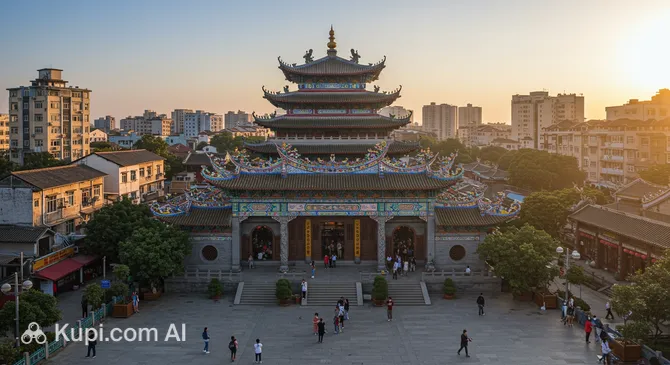
Among the city's must-see attractions is the magnificent Foshan Ancestral Temple (Zumiao), a masterpiece of traditional architecture and folk art. The city is also famous as the "Ceramics Capital," with the ancient Nanfeng Kiln offering a glimpse into centuries of pottery tradition. Food lovers should not miss the chance to explore the Shunde District, a UNESCO City of Gastronomy known for its exquisite Cantonese cuisine. Whether you are here for the martial arts legacy, the artistic heritage, or the incredible food, Foshan promises an unforgettable journey.

Weather Overview

Foshan generally enjoys a mild and humid subtropical climate, characterized by distinct seasonal changes that travelers should consider when planning a trip. To get a detailed forecast for your specific travel dates, checking the weather in Foshan is highly recommended. Overall, visitors can expect hot, humid summers with frequent rainfall and mild, comfortable winters with significantly drier conditions.

The summer months, particularly from June to August, bring the highest temperatures and humidity levels. During this time, average temperatures hover around 29°C, with July highs reaching nearly 33°C. This season is also the wettest, with June seeing up to 25 wet days and peak precipitation. Conversely, winter offers a pleasant escape from the heat; January is typically the coolest month with an average temperature of 15.4°C and lows around 11.6°C. Rainfall is minimal during the winter, especially in December and January, making it a great time for exploring the city without the interruption of heavy showers.

Interesting Facts

Beyond its famous temples and martial arts academies, Foshan holds many fascinating stories that often escape the casual visitor's eye. Digging a little deeper reveals a city rich in legends, record-breaking traditions, and surprising connections to global pop culture.

  • The Legend of the Buddha Hill: The name "Foshan" literally translates to "Buddha Mountain." This title dates back to 628 AD, when local villagers unearthed three bronze Buddha statues on a hill, interpreting it as a divine sign and renaming the area in honor of the discovery.

  • An Eternal Flame: The ancient Nanfeng Kiln is not merely a museum piece; it is a living marvel. The kiln's fire has reportedly been kept burning continuously for over 500 years, a feat that highlights the city's unbroken dedication to its ceramic craftsmanship.

  • Bruce Lee’s Ancestral Roots: While Foshan is famously associated with Ip Man, it is also the ancestral home of the global martial arts icon, Bruce Lee. His family roots can be traced back to Jun'an town in the Shunde district, where a memorial hall now stands in tribute to his legacy.

  • Birthplace of the Southern Lion: The city is widely recognized as the cradle of the Southern Lion Dance. Distinct from its Northern counterpart, the Foshan style is heavily influenced by Kung Fu, emphasizing powerful stances and expressive movements that are now performed in Chinatowns around the world.

How to Get There

Reaching Foshan is convenient due to its strategic location in the Pearl River Delta, offering travelers multiple entry points through its own facilities and neighboring major hubs. Whether you prefer flying directly or taking a scenic train ride, there are several options to suit your itinerary. For a comprehensive guide on all available transport methods, you can read more about how to get to Foshan.

For those prioritizing proximity, the city is served by its own Foshan Airport (IATA: FUO). Located just 8.7 km from the city center, this regional hub primarily handles domestic flights. A taxi or bus ride from here to downtown takes approximately 35 minutes. While it is a smaller airport compared to its neighbors, it offers the most direct access to the heart of the city.

International travelers often find the best connectivity via Guangzhou Baiyun International Airport (IATA: CAN) in the city of Guangzhou. Situated about 45 km from Foshan, this is a massive international aviation hub with extensive global connections. The journey from the airport to Foshan typically takes around 1.5 hours by road. Another viable option is Shenzhen Bao'an International Airport (IATA: SZX) in Shenzhen, located approximately 82 km away. It is a large, modern airport, and travel to Foshan generally takes about 2.5 hours.

For clarity, here is a summary of the main airports:

Airport Name City Passenger Traffic Km from City
Guangzhou Baiyun International Airport Guangzhou Very High 44.9
Shenzhen Bao'an International Airport Shenzhen Very High 82.4
Hong Kong International Airport Hong Kong Very High 114.4
Macau International Airport Macau Medium 108.0
Foshan Airport Foshan Small 8.7

Regarding rail travel, while the region is well-connected, the specific data available highlights the Wuzhou Railway Station (IATA: KZZ). It is important to note that this station is located in the city of Wuzhou, which is approximately 200 km from Foshan. Travelers arriving here would face a significant onward journey of several hours to reach Foshan. Visitors are advised to check for closer high-speed railway options directly within Foshan or Guangzhou for a smoother arrival.

Below is the information for the railway station mentioned:

Station City Passenger Traffic Km to Center
Wuzhou Railway Station Wuzhou 199.9

Main Attractions

Foshan Ancestral Temple (Zumiao) is widely regarded as the soul of the city and a must-visit for anyone interested in the region's cultural heritage. Originally built in the Northern Song Dynasty, this complex is not just a place of worship dedicated to the Northern Emperor; it serves as a comprehensive museum of folk arts. Visitors are particularly drawn here to see the magnificent wood carvings and ceramic ridges, but the real highlight for many is the chance to witness live martial arts performances and traditional lion dances. The temple grounds also house memorial halls for the legendary Kung Fu masters Wong Fei-hung and Ip Man, making it a pilgrimage site for martial arts enthusiasts.

For a serene escape into classical Chinese aesthetics, Qinghui Garden in the Shunde District offers a breathtaking experience. Recognized as one of the four great gardens of Guangdong, it features an exquisite layout of pavilions, lotus ponds, and intricate rockeries that reflect the elegance of the Ming and Qing dynasties. It is a perfect spot for tourists to enjoy a leisurely stroll while admiring the harmony between architecture and nature. The garden is also famous for its collection of rare plants and beautiful stained glass windows, which add a unique splash of color to the traditional grey bricks and green foliage.

Nanfeng Ancient Kiln stands as a testament to Foshan's status as the "Ceramics Capital" of China. Located in the Shiwan district, this site is home to a dragon kiln that has been firing continuously for over 500 years, earning it a place in the Guinness World Records. Tourists find this attraction fascinating not only for its history but for the interactive experience it offers; visitors can try their hand at throwing clay and creating their own pottery souvenirs. Walking through the ancient lanes surrounding the kiln feels like stepping back in time, with countless shops displaying the unique Shiwan artistic ceramics.

Nature lovers and hikers should venture to Xiqiao Mountain National Forest Park, an extinct volcano that serves as a scenic landmark in the southern part of the city. The mountain is renowned for its 72 peaks, strangely shaped rocks, and abundant waterfalls, but its most iconic feature is the massive 61.9-meter tall statue of Guanyin (the Goddess of Mercy) seated atop one of the peaks. The climb offers panoramic views of the surrounding delta, and the park is also culturally significant as a center for Neo-Confucianism and Buddhism. It is an ideal destination for those looking to combine outdoor activity with spiritual exploration.

Local Cuisine

Foshan is widely celebrated as one of the true birthplaces of Cantonese cuisine, with its Shunde District holding the prestigious title of a UNESCO City of Gastronomy. There is a popular saying in the region: "Eating in Guangzhou, cooking in Shunde," which highlights the city's reputation for culinary excellence. Food here is not just sustenance; it is an art form characterized by fresh ingredients, delicate flavors, and intricate cooking techniques that have been perfected over centuries.

Among the dishes you absolutely must try is Shuang Pi Nai, or Double-Skin Milk. This famous dessert, originating from the Daliang area, is a velvety milk custard made from buffalo milk, egg whites, and sugar. It gets its name from the two layers of "skin" that form during the steaming process, creating a texture that is incredibly smooth and rich. Another signature delicacy is Shunde-style Raw Fish (Yu Sheng). Unlike Japanese sashimi, this dish consists of paper-thin slices of freshwater fish served with a variety of condiments like ginger, scallions, sesame seeds, peanuts, and oil, which diners mix together to create a personalized blend of flavors and textures.

For those looking for a savory snack or a souvenir, Blind Man's Cake (Mang Gong Bing) is a local legend. Despite its name, it is a type of crispy, round biscuit made from sticky rice flour, sugar, peanuts, and sesame. It has a unique savory-sweet profile and a history dating back to the Qing Dynasty. Visitors will find these sold in bakeries throughout the city, often packaged in traditional boxes that make for great gifts.

When it comes to beverages, Foshan offers some unique local specialties. The city is famous for Yuk Bing Siu (Jade Ice Burning), a type of rice wine with a distinct preparation method involving pork fat to clarify the liquid and mellow the taste. It has a clean, smooth finish and is a staple at celebratory dinners. For a non-alcoholic option, the local culture is deeply rooted in drinking herbal teas (Liang Cha). These are not typical tea leaves but rather medicinal brews found at dedicated shops, consumed to balance the body's internal heat in the humid climate.

The food culture in Foshan revolves heavily around the tradition of Yum Cha (morning tea). Locals flock to bustling teahouses in the early morning to enjoy baskets of dim sum and pots of hot tea while catching up with friends and family. While there are plenty of upscale restaurants, some of the best authentic flavors are found in the humble eateries and street stalls of the Shunde District. Here, the atmosphere is lively and unpretentious, allowing the quality of the food to take center stage.

Travel Tips

To ensure your journey through the home of Kung Fu and ceramics is as smooth as it is exciting, a little practical preparation goes a long way. Here are some essential tips to help you navigate Foshan with ease and confidence.

  1. Clothing and Gear: Foshan has a humid subtropical climate, so pack lightweight, breathable fabrics like cotton or linen if you visit during the long, hot summers. A sturdy umbrella is essential for sudden downpours. Winters are mild, requiring only light layers or a windbreaker. Since you will likely be walking a lot to explore the Ancestral Temple and parks, bring comfortable walking shoes. When visiting religious sites, dress modestly by covering your shoulders and knees.

  2. Transportation: The city is well-connected by the Guangfo Metro, which seamlessly links Foshan to neighboring Guangzhou, making it the most efficient way to travel between and within these cities. For direct trips to specific locations, ride-hailing apps (often accessible via Alipay) are more convenient than hailing street taxis. Car rental is generally not recommended for tourists due to complex traffic conditions and the requirement for a Chinese driving license.

  3. Finances: The local currency is the Renminbi (CNY). Be aware that China is rapidly becoming a cashless society; many vendors, including street stalls and taxis, may not have change for large bills. It is highly recommended to download Alipay or WeChat Pay and link your international credit card before arrival. While ATMs are available, relying solely on cash or physical cards can be difficult in daily situations.

  4. Health and Safety: Foshan is generally a very safe city for tourists. However, do not drink tap water; always buy bottled water, which is cheap and readily available. Pharmacies are marked with a green cross, but staff may not speak English, so having a translation app ready is helpful. In summer, carry mosquito repellent, especially when visiting gardens or parks like Xiqiao Mountain.

  5. Communication: The main languages spoken are Mandarin and the local dialect, Cantonese. English proficiency is not widespread outside of luxury hotels. You must install a reliable translation app (that works offline or with image recognition) on your phone. Additionally, ensure you have a roaming plan or an eSIM that allows access to international websites and maps, as many western apps are blocked by the local internet firewall.

  6. Local Etiquette: Politeness is key. When dining, you may see locals tapping two fingers on the table when someone pours them tea; this is a traditional Cantonese gesture of thanks ("kowtow" with fingers). If you are invited to a local's home or a specific temple hall, check if you need to remove your shoes. Always offer and receive gifts or business cards with both hands as a sign of respect.

  7. What to Avoid: Avoid tipping in restaurants or taxis, as it is not part of the culture and can sometimes be seen as rude or confusing. Also, avoid public displays of anger or frustration; causing someone to "lose face" is a serious social faux pas. Handle conflicts calmly and privately if possible.

  8. Additional Tip: Be mindful of Chinese public holidays, particularly the National Day Golden Week (first week of October) and Chinese New Year. During these times, popular attractions like the Nanfeng Ancient Kiln can become incredibly crowded, and accommodation prices often skyrocket.

By keeping these practicalities in mind, you can focus on enjoying the rich heritage and delicious cuisine that make Foshan such a rewarding destination. A little digital preparation with payment and translation apps will open up the city to you in a way that feels welcoming and accessible.

Entertainment & Nightlife

While Foshan is deeply rooted in history during the day, the city transforms into a vibrant hub of modern entertainment once the sun sets. The nightlife scene here is diverse, ranging from sophisticated lounges set in restored heritage buildings to energetic nightclubs and bustling night markets. Whether you are looking for a quiet craft cocktail, a lively pub atmosphere, or a late-night street food adventure, Foshan offers plenty of options to keep night owls entertained.

The crown jewel of Foshan's evening entertainment is undoubtedly Lingnan Tiandi. This area is a masterclass in urban regeneration, where traditional alleyways and ancestral halls have been converted into trendy bars, bistros, and microbreweries. The atmosphere here is upscale yet relaxed, attracting a mix of locals, expats, and tourists. It is the perfect place to enjoy a drink while admiring the illuminated architecture. Another major hotspot is the Foshan Creative Industry Park, which offers a more youthful and energetic vibe. This district is famous for its concentration of nightclubs, KTV (karaoke) lounges, and a massive array of late-night dining options that stay open well into the early hours.

For those seeking specific venues, The Paddy Field in Lingnan Tiandi is a popular choice. It is an authentic-style Irish pub that draws a friendly crowd with its live sports screenings, hearty food, and wide selection of draught beers. It is a great spot to meet people and enjoy a casual night out. If you prefer a more social, open-air drinking experience, Commune is a favorite among the younger demographic. Known for its extensive "bottle shop" selection and communal tables, it offers a lively atmosphere that is perfect for starting a night out with friends.

When planning a night out, it is helpful to know that the dress code in Foshan is generally smart-casual. While high-end clubs may expect a more polished look, most bars and pubs in Lingnan Tiandi are quite relaxed. Prices are reasonable compared to nearby Guangzhou; expect to pay around 40–60 CNY for a beer and slightly more for cocktails. The city is very safe for night walks, even in the late hours. Public transport, including the metro, typically stops running around 11:00 PM, so it is advisable to download a ride-hailing app or have your hotel address written in Chinese for taxi drivers to ensure a smooth journey home.

Beyond the bars and clubs, Foshan offers rich cultural entertainment during the day and early evening. The Foshan Grand Theatre is a stunning architectural landmark that hosts a variety of performances, from symphonies and operas to modern stage plays. For families and culture enthusiasts, the city's museums continue to be a draw, and the numerous parks, such as Asian Arts Park, offer beautiful illuminated walking paths for a calmer evening experience.

Parks & Museums

Foshan offers a harmonious blend of natural tranquility and deep cultural introspection, with its landscape dotted by classical gardens, modern green spaces, and world-class museums. Beyond the bustling city streets, visitors can find serenity in centuries-old courtyards or immerse themselves in the artistic legacies that define the region's identity.

For a perfect example of classical Lingnan landscape architecture, Liang's Garden (Liang Yuan) is an exquisite destination in the Chancheng District. As one of the "Four Famous Gardens of Guangdong," it is celebrated for its delicate layout that combines residential buildings, ancestral halls, and landscaped gardens. Tourists will appreciate the intricate rock formations, calming lotus ponds, and the abundance of calligraphy and paintings that adorn the halls, offering a peaceful retreat that feels worlds away from the urban noise.

On the modern side of the spectrum is the Asian Arts Park, a sprawling urban oasis designed to showcase the artistic traditions of Asian cultures. The park is centered around a large lake and is famous for its "Light of Asia" ceramic sculpture and the breathtaking Lotus Island. It is particularly interesting for photographers and leisure seekers, especially in the evening when the water mist and light shows create a dreamlike atmosphere around the giant lotus statues rising from the water.

Art and architecture enthusiasts should not miss the He Art Museum (HEM) in the Shunde District. Designed by the renowned architect Tadao Ando, this private museum is a masterpiece of modern design, featuring a stunning double-helix staircase and a focus on regional Lingnan culture alongside contemporary global art. It is a key stop for those wishing to see how Foshan is embracing the future of art while respecting its roots, housing diverse collections ranging from painting and calligraphy to contemporary installations.

To dive deeper into the local performing arts heritage, the Guangdong Cantonese Opera Museum offers a fascinating educational experience. Located in Zhaoxiang Park, the museum is dedicated to preserving the history of Cantonese Opera, which originated in this region. Visitors can explore exhibits displaying elaborate costumes, traditional musical instruments, and historical documents. It provides a unique window into the dramatic flair and storytelling traditions that are central to Cantonese identity.

For a truly authentic experience, try visiting the parks early in the morning, around 7:00 AM. Places like Zhongshan Park are alive with locals practicing Tai Chi, sword dancing, and flying kites, offering a genuine glimpse into the daily rhythm and community spirit of Foshan's residents.

Getting Around

The public transport system in Foshan is modern, efficient, and remarkably well-integrated with the neighboring metropolis of Guangzhou. For most tourists, the Foshan Metro is the most convenient way to get around. It serves as the backbone of the city's transit network and is famous for the Guangfo Line, which seamlessly connects Foshan's downtown area with Guangzhou's transport grid. The stations are clean, safe, and feature signage in English, making navigation relatively stress-free for international visitors. The metro typically operates from around 6:00 AM to 11:00 PM, covering major districts and tourist sites like the Ancestral Temple.

For destinations not directly served by the subway, the public bus network offers extensive coverage. Buses can take you to specific scenic spots, such as Xiqiao Mountain or the Nanfeng Ancient Kiln, that might be a bit further from a metro station. While buses are an affordable option, usually costing around 2 CNY per ride, they can be slower due to traffic. It is important to note that bus drivers generally do not speak English, so having your destination written in Chinese characters on your phone or a piece of paper is highly recommended.

When it comes to paying for rides, the city has largely moved towards digital solutions, but physical cards remain a great option for travelers. The most useful tool is the Yang Cheng Tong (or Lingnan Pass) smart card. This rechargeable card works on both the metro and buses in Foshan, as well as in Guangzhou, eliminating the need to buy single-journey tickets for every trip. You can purchase and top up these cards at metro service centers or convenience stores like 7-Eleven. For those comfortable with mobile technology, Alipay and WeChat Pay are ubiquitous; you can activate a "Transport QR Code" within these apps to scan at metro turnstiles and on bus card readers.

If you prefer a more direct and private mode of transport, taxis are widely available and reasonably priced. You can hail them on the street, and they use a meter system. However, the popularity of ride-hailing apps has made getting a car even easier. DiDi (the local equivalent of Uber) is extremely popular and often accessible via the Alipay app, which sometimes offers an English interface. This is particularly helpful for tourists as it removes the language barrier by allowing you to input your destination digitally before the driver arrives.

For short distances or the "last mile" from a metro station to your hotel, shared bicycles are a fantastic alternative. You will see bright yellow or blue bikes parked on sidewalks throughout the city. These can be unlocked using the scan function in Alipay or WeChat. Foshan is relatively flat, making cycling a pleasant way to explore local neighborhoods at a leisurely pace.

A unique feature of the local transport landscape is the Gaoming Tram. Notably, this is the world's first commercial hydrogen-powered tram line. While it primarily serves the Gaoming District and may not be on the standard tourist itinerary, it represents a fascinating piece of modern eco-friendly engineering for transport enthusiasts to check out. Whether you choose the high-tech tram, the bustling metro, or a casual bike ride, getting around the city is affordable and accessible.

Accommodation

Finding the perfect place to stay in Foshan is relatively easy, as the city offers a diverse range of accommodation options to suit every budget and travel style. From luxurious five-star international chains and charming boutique hotels to efficient business inns and budget-friendly hostels, the hospitality landscape here is well-developed. Compared to its neighbors, Guangzhou and Hong Kong, hotel rates in Foshan are generally more affordable, offering excellent value for money without compromising on comfort or amenities.

For most first-time visitors, the Chancheng District is the most practical and popular area to base yourself. This is the historical and cultural heart of the city, placing you within walking distance of major attractions like the Ancestral Temple (Zumiao) and the vibrant Lingnan Tiandi entertainment district. Staying here means you have easy access to the metro, a plethora of dining options, and the bustling energy of the city right at your doorstep. It is an ideal location for those who want to explore the city's heritage by day and enjoy its nightlife by evening.

If your primary motivation for visiting is the legendary cuisine, you might consider staying in the Shunde District. While it is located further from the city center and the main historical sites, it is the epicenter of Cantonese gastronomy. Hotels here range from modern high-rises to comfortable local establishments, providing a strategic base for food tours. Alternatively, business travelers and those seeking scenic, modern surroundings often prefer the Nanhai District, particularly around Qiandeng Lake. This area features upscale hotels with lake views, wide promenades, and a more relaxed, contemporary atmosphere.

When planning your trip, it is crucial to consider the timing. Foshan is very close to Guangzhou, and during the biannual Canton Fair (typically in April/May and October/November), accommodation prices in Foshan can surge as overflow from Guangzhou reaches the city. It is highly advisable to book your room several weeks in advance if your travel dates coincide with this massive trade event or during Chinese national holidays.

In terms of pricing, budget travelers can find clean and comfortable rooms for approximately $20–$40 USD per night. Mid-range hotels, often offering breakfast and modern facilities, typically range from $45 to $80 USD. Luxury stays in top-tier international hotels usually start around $90 USD and go up from there. Booking is best done through major international platforms like Trip.com, Booking.com, or Agoda, which offer English support and reliable payment options for international credit cards.

Nearby Cities

Foshan is strategically situated in the heart of the Pearl River Delta, enjoying a prime location that makes it an excellent base for exploring the wider Guangdong Province. The city is tightly integrated with its neighbor, Guangzhou, located just 19 km away. The two cities are so interconnected by metro and road networks that they form a massive metropolitan area often referred to as "Guangfo," offering travelers seamless access to the provincial capital's world-class amenities and transport hubs.

Beyond the immediate vicinity, Foshan is surrounded by other significant urban and cultural centers. To the east lies Dongguan, a global manufacturing hub that also boasts lush parks and museums. Travelers interested in heritage and architecture often head southwest to Jiangmen, famous for its UNESCO-listed diaolou watchtowers. For those seeking scenic landscapes, the cities of Zhaoqing and Qingyuan are within easy driving distance, offering beautiful lakes, mountains, and gorges perfect for day trips.

The following table lists major cities near Foshan, along with their population and distance:

City Population Distance (km)
Guangzhou 26,940,000 19
Jiangmen 4,630,300 49
Dongguan 10,646,000 65
Zhaoqing 4,151,700 67
Qingyuan 3,969,473 73

Shopping & Souvenirs

Shopping in Foshan is a unique experience that reflects the city's dual identity as a modern consumer hub and a historic center of craftsmanship. While the city is globally famous as a manufacturing giant for furniture and ceramics, it also offers tourists a delightful mix of trendy shopping malls, bustling pedestrian streets, and traditional markets. Visitors can find everything from high-end international fashion to exquisite local handicrafts that serve as perfect mementos of their trip.

For a blend of heritage and retail therapy, the Lingnan Tiandi area is the premier destination. Located in the heart of the Chancheng District, this beautifully restored neighborhood features traditional grey-brick buildings that now house boutique shops, art galleries, and souvenir stores. It is an excellent place to browse for high-quality local crafts while enjoying a pedestrian-friendly atmosphere. Just a short walk away is Zumiao Road, the city’s commercial spine. This bustling street is lined with department stores and shops, buzzing with energy and offering a more mainstream urban shopping experience.

Travelers looking for a comprehensive modern shopping experience should head to the city's major malls. NOVA Lingnan Station is a popular choice, conveniently located near the Ancestral Temple metro station. It attracts a youthful crowd with its trendy fashion brands, lifestyle stores, and diverse dining options. Another significant complex is Oriental Plaza, a massive shopping center that has served locals for years. It is large enough to get lost in and offers a vast array of goods ranging from electronics and clothing to local snacks, providing a glimpse into the daily commercial life of Foshan's residents.

Foshan's specialized markets are where the city truly shines. The Shiwan Ceramics Wholesale Market is a must-visit, even if you are not planning to buy in bulk. As the "Ceramics Capital," this area is filled with shops selling everything from tiny artistic figurines to massive garden vases. For those interested in jewelry, the Pingzhou Jade Street in Nanhai District is one of the largest jade markets in China, offering a dazzling array of finished jade accessories and raw stones.

When it comes to souvenirs, Shiwan ceramics top the list. The intricate figurines, often depicting characters from Chinese folklore or everyday life, are distinct to this region. Another cultural treasure is Foshan paper cutting, a delicate folk art known for its intricate patterns and use of copper foil, making for a lightweight and beautiful gift. For edible treats, boxes of Blind Man's Cakes (Mang Gong Bing) are a classic choice, widely available in bakeries throughout the tourist districts.

Most shopping malls and department stores in Foshan operate daily from around 10:00 AM to 10:00 PM. Independent street shops and markets typically open earlier, around 9:00 AM, and close by 9:00 PM. While major shopping centers and hotels accept international credit cards, mobile payments via Alipay and WeChat Pay are the standard everywhere, from luxury boutiques to market stalls. Carrying some cash is advisable for small purchases, though digital payment is preferred.

International tourists may be eligible for a VAT refund on goods purchased at designated "Tax Free" stores, provided the purchase amount exceeds 500 CNY in a single day. Look for the "Tax Free" signage at the entrance or checkout counters of large department stores and malls. Be sure to request the necessary refund forms and tax invoices at the time of purchase to process them at the airport or designated refund points upon departure.
Reached the end of the page?

That means the route is fully explored