Support

Shenzhen

About

Shenzhen is a dazzling metropolis that stands as a symbol of rapid modernization and innovation. Often referred to as the "Silicon Valley of Hardware," this vibrant city offers a unique blend of futuristic architecture, lush green spaces, and a dynamic urban atmosphere that captivates visitors from around the globe.

Located in the Guangdong province of southern China, the city sits strategically just north of Hong Kong. It features a humid subtropical climate, ensuring warm weather and blooming flora for much of the year. With a massive population of over 17 million residents, it is one of the most populous and energetic cities in the region.

Shenzhen. Source: Kupi.Binoculars

The city's rise is nothing short of miraculous. To fully appreciate how a quiet collection of fishing villages transformed into a global economic powerhouse in just a few decades, it is worth exploring the history of Shenzhen. This fascinating background provides excellent context for the towering skyscrapers and bustling streets you see today.

Travelers are spoiled for choice with attractions ranging from the famous Window of the World theme park, which features replicas of global landmarks, to the sprawling Lianhuashan Park, offering panoramic views of the city center. Tech enthusiasts will find the Huaqiangbei electronics market particularly intriguing, as it is one of the largest and most comprehensive markets of its kind in the world.

Whether you are visiting for business, technology, or leisure, Shenzhen promises an unforgettable experience. Its efficient public transport, modern amenities, and welcoming vibe make it a must-visit destination for anyone exploring the Pearl River Delta.

Weather Overview

Shenzhen enjoys a subtropical climate that generally offers warm conditions year-round, though the city has distinct wet and dry seasons. For travelers planning their wardrobe and itinerary, checking the current weather in Shenzhen is recommended to ensure a comfortable trip.

The winter months, particularly December and January, are mild and pleasant, with average temperatures hovering around 16°C to 17°C. This is typically the driest time of year, with December seeing as few as 3 wet days, making it an excellent period for outdoor exploration. In contrast, the summer season from June to August is hot and humid; average temperatures often reach 28°C to 29°C, with highs exceeding 30°C. Visitors during this time should expect frequent rainfall, as the data indicates up to 28 wet days per month during the peak of summer.

Interesting Facts

Beyond the main attractions and towering skyline, Shenzhen holds many fascinating secrets that reveal the depth of its rapid transformation and unique character.

  • The city is a global pioneer in green transportation, becoming the first in the world to fully electrify its entire public bus fleet. Today, over 16,000 electric buses roam the streets, significantly reducing noise and air pollution compared to traditional vehicles.

  • Shenzhen is famously youthful, often cited as having one of the youngest populations of any major city in China. The average age of its residents hovers around 30, driven by a massive influx of graduates, engineers, and entrepreneurs seeking opportunities in the tech sector.

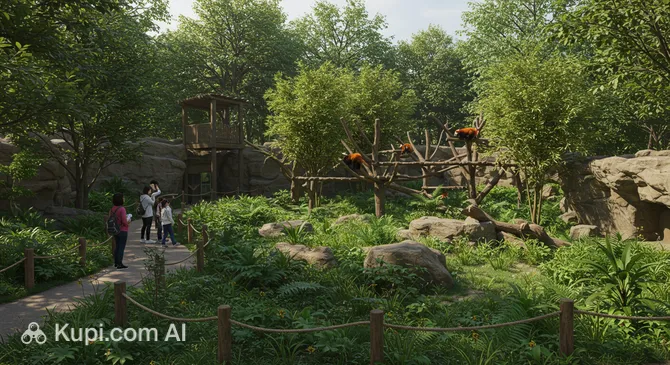
  • Known as the "City of a Thousand Gardens," it boasts an incredible number of green spaces, with over 1,200 parks integrated into the urban landscape. This dedication to nature extends to the Shenzhen Safari Park, which was the first zoo in the country to uncage its animals, allowing them to roam in more natural environments.

  • During the early years of its economic boom, the city coined the term "Shenzhen Speed." This referred to the rapid construction of the Guomao Building, which rose at a record-breaking pace of one story every three days, symbolizing the city's lightning-fast development.

Shenzhen Safari Park. Source: Kupi.Binoculars

How to Get There

Reaching this dynamic metropolis is convenient thanks to its major transport hubs and strategic location in the Greater Bay Area. For a comprehensive guide on planning your journey, you can read more about how to get to Shenzhen and explore all the available travel options.

The most direct way to arrive is via Shenzhen Bao'an International Airport (SZX). Located within the city limits, approximately 27.7 km from the center, this bustling international airport handles a vast number of passengers annually, serving as a key gateway to the region. A taxi or car service from here to the downtown area generally takes about 60 minutes, depending on traffic.

Many travelers also choose to fly into Hong Kong International Airport (HKG), situated in Hong Kong, roughly 28.3 km away. As a massive global aviation hub, it offers extensive international connections. Visitors landing here can easily transfer to Shenzhen via cross-border ferries, buses, or trains.

For clarity, here is a summary of the main airports:

Airport Name City Passenger Traffic Km from City
Shenzhen Bao'an International Airport Shenzhen Very High 27.7
Hong Kong International Airport Hong Kong Very High 28.3
Zhuhai Jinwan Airport Zhuhai Medium 92.2
Macau International Airport Macau Medium 65.0
Huizhou Airport Huizhou Low 78.8

For those traveling by train, the wider Guangdong region is served by several stations, although the specific ones listed here are located at a considerable distance from the city center. You can arrive at Puning Railway Station (OPQ) in the city of Puning, which is about 233.4 km from Shenzhen. From there, you can get a taxi or bus, which takes about 3.5 to 4 hours. Another regional option is Chaoyang Railway Station (Guangdong) (AZQ) in Jieyang, located approximately 259.2 km away.

Below is the information for these railway stations:

Station City Passenger Traffic Km to Center
Puning Railway Station Puning Medium 233.4
Chaoyang Railway Station (Guangdong) Jieyang Low 259.2
Chaoshan Railway Station Shantou 281.3

Main Attractions

Shenzhen offers a diverse array of attractions that cater to nature lovers, thrill-seekers, and those looking for relaxation. From sprawling wildlife reserves to pristine coastal areas, the city provides plenty of opportunities to escape the urban bustle and enjoy unique leisure experiences.

One of the top destinations for families and animal enthusiasts is the Shenzhen Safari Park. Situated near Xili Lake, this expansive zoological garden is renowned for its open-range design, allowing animals to roam in environments that closely mimic their natural habitats. Visitors can observe a wide variety of wildlife, including pandas, giraffes, and Asian elephants, making it an educational and exciting day out for visitors of all ages.

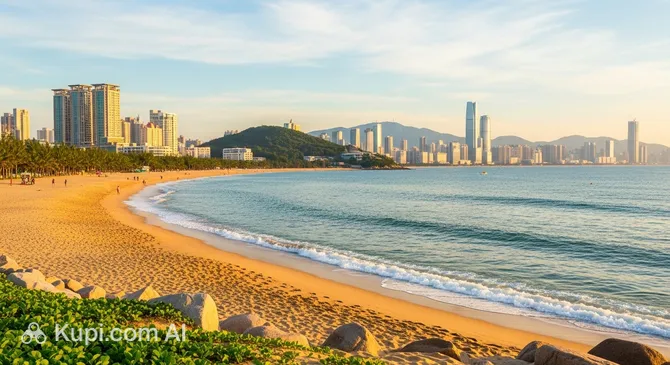
For those yearning for a seaside retreat, Golden Beach is a perfect getaway. Located on the scenic Dapeng Peninsula, this coastal gem is celebrated for its soft sands and clear waters. It serves as a popular spot for swimming, beach sports, and simply soaking up the sun away from the city's skyscrapers. The surrounding area also offers a glimpse into the more laid-back, maritime side of the region.

Golden Beach. Source: Kupi.Binoculars

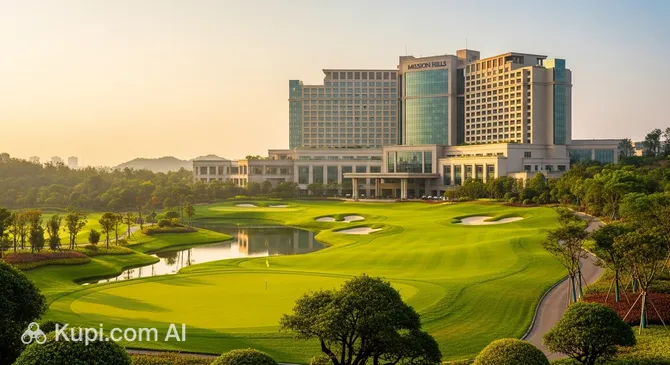
Golf aficionados and luxury travelers will find a haven at Mission Hills Resort Dongguan. While technically straddling the border with neighboring Dongguan, this world-class facility is easily accessible from Shenzhen and is an integral part of the region's leisure landscape. Known for its extensive golf courses designed by legends of the sport, the resort also features top-tier spa facilities and ecological parks, offering a comprehensive resort experience.

Mission Hills Resort Dongguan. Source: Kupi.Binoculars

Local Cuisine

Shenzhen’s culinary landscape is as dynamic and fast-paced as the city itself. Located in the heart of Guangdong province, the local food culture is deeply rooted in Cantonese traditions, yet it heavily features flavors brought by millions of migrants from across China. This "melting pot" effect means you can enjoy authentic local specialties alongside spicy Sichuan dishes and hearty Northern cuisine, often on the same street.

A quintessential experience here is enjoying Dim Sum, a traditional Cantonese morning tea ritual known as "Yum Cha." You can feast on bite-sized delicacies like har gow (shrimp dumplings), siu mai (pork dumplings), and fluffy BBQ pork buns, all served in bamboo steamers. For a dish that has become a distinct favorite in the city, try the Coconut Chicken Hotpot. This meal combines fresh chicken with a sweet, clear broth made from coconut water, offering a refreshing and healthy flavor profile that perfectly suits the humid climate. Additionally, seafood lovers should look out for Shajing Oysters, a famous regional product known for their impressive size and freshness.

Beverages are an integral part of the dining experience. Tea culture is paramount, with locals often enjoying Gongfu tea—a ceremonial preparation of oolong or pu-erh tea—during meals or business meetings. To combat the subtropical heat, traditional herbal teas (liang cha) are widely consumed for their cooling properties. In the evenings, light local lagers are common accompaniments to spicy street food feasts.

The city comes alive at night with vibrant food streets and bustling markets. Areas like the famous Dongmen Pedestrian Street are legendary spots for adventurous foodies, offering everything from grilled skewers to stinky tofu. Locals also love "Da Pai Dang," open-air food stalls that serve affordable and delicious stir-fries late into the night, creating a lively and communal atmosphere.

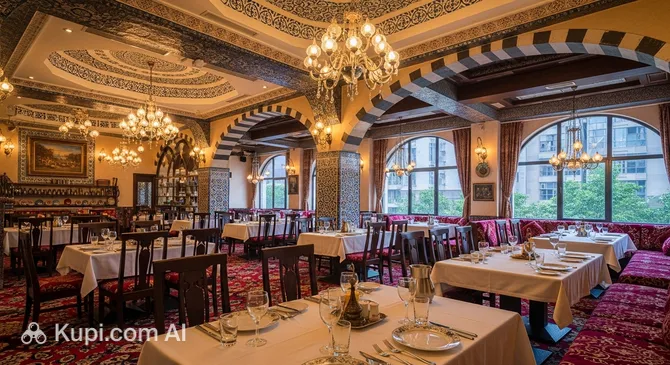
Mevlana Turkish Restaurant. Source: Kupi.Binoculars

Reflecting its status as a global metropolis, the city also boasts a thriving international food scene. Travelers looking for diverse flavors can find excellent authentic cuisine from around the world. For instance, you can visit the Mevlana Turkish Restaurant to enjoy rich Middle Eastern dishes in the heart of this modern Chinese city.

Travel Tips

Welcome to Shenzhen, a city where cutting-edge technology meets lush tropical landscapes. To help you navigate this fast-paced metropolis with confidence and ease, we have compiled a list of essential practical tips for your upcoming journey.

  1. Clothing and Gear: Due to the humid subtropical climate, lightweight and breathable fabrics are best for most of the year. However, indoor air conditioning can be quite strong, so always carry a light jacket or cardigan. If you visit in winter (December to January), bring layers as temperatures can drop in the evenings. Don't forget a universal power adapter; China typically uses Type A, C, and I plugs.
  2. Transportation: The Shenzhen Metro is the most efficient way to get around; it is clean, modern, and signs are in English. For greater flexibility, download a ride-hailing app like DiDi (the local equivalent of Uber), as hailing taxis on the street can sometimes be difficult during rush hour. Car rental is generally not recommended for tourists due to complex traffic patterns and licensing requirements.
  3. Finances: The local currency is the Chinese Yuan (RMB). China is a nearly cashless society, and international credit cards are rarely accepted at small shops or restaurants. It is highly recommended to set up Alipay or WeChat Pay on your phone before you arrive; both now allow international bank cards to be linked for tourist use. Keep a small amount of cash for emergencies, but rely on digital payments. Tipping is not customary in Shenzhen.
  4. Health and Safety: Shenzhen is generally very safe for tourists. Pharmacies are widely available and can be identified by a green cross sign, though English may not be spoken, so have a translation app ready. Tap water is not safe to drink; always purchase bottled water or use boiled water. Be mindful of mosquitoes during the humid summer months and carry repellent.
  5. Communication: Mandarin is the primary language, though Cantonese is also spoken. English proficiency varies and is mostly found in business districts and high-end hotels. A reliable translation app that works offline or with image recognition is indispensable. Since many Western apps are blocked, ensure you have a roaming plan or purchase a local SIM card/eSIM that allows access to the internet you are used to.
  6. Local Etiquette: When handing over or receiving something—whether it's a business card, money, or a gift—use two hands as a sign of respect. Greeting with a nod or a handshake is standard. In public, avoid loud behavior and always respect queues, which are strictly observed in metro stations and banks.
  7. What to Avoid: Avoid leaving your chopsticks sticking vertically upright in a bowl of rice, as this resembles incense burning for the dead and is considered very bad luck. Also, try to avoid traveling during major Chinese holidays (like Golden Week or Chinese New Year) if you dislike extreme crowds, as transport and attractions will be packed.
  8. Additional Tip: If you are a tech enthusiast, visiting the Huaqiangbei electronics district is a must. It opens later in the morning (around 10:00 AM or 11:00 AM), so don't rush there too early. Be prepared to bargain if you are buying gadgets in the market stalls!

With these tips in hand, you are well-prepared to explore the vibrant streets and futuristic skyline of Shenzhen. Enjoy the unique energy of this innovative city and have a wonderful trip!

Entertainment & Nightlife

As the sun sets, Shenzhen transforms into a dazzling spectacle of neon lights and vibrant energy, living up to its reputation as a city that never sleeps. The nightlife here is diverse and electric, catering to everyone from electronic music aficionados to those seeking a relaxed evening by the water. Whether you are looking for high-end clubs, bustling night markets, or chic rooftop bars, the city offers an array of options to keep you entertained until the early hours.

The epicenter of the party scene is undoubtedly Coco Park in the Futian District. This area is packed with trendy bars and pulsating nightclubs where local youth and expats mingle. It is the perfect place to hop from one venue to another, with music spilling out onto the streets. For a more laid-back but equally lively atmosphere, head to Sea World in Shekou. This district is centered around a landlocked ship and features a wide promenade lined with open-air pubs and international restaurants. It is particularly popular with the expatriate community and offers a great mix of live music and alfresco dining.

If you prefer a more artistic and bohemian vibe, the OCT-Loft Creative Culture Park is the place to be. Converted from old factory buildings, this area hosts cozy jazz bars, craft beer taprooms, and intimate live music venues that attract a creative crowd. For a sophisticated evening, the area around OCT Harbour provides stunning views of the water shows and modern architecture, making it ideal for a romantic night out.

For those who want to start their night with a flavorful meal, the city's culinary scene remains active well into the evening. You can enjoy a hearty dinner at the Mevlana Turkish Restaurant, which offers authentic dishes that are perfect for fueling up before a night of exploration. Afterward, you might check out popular local spots like The Terrace in Sea World for consistent live bands, or Pepper Club in Futian if you are ready to dance.

Practicalities are easy to manage here. The dress code is generally "smart casual"—shorts are often acceptable in bars, but trousers and closed shoes are recommended for high-end clubs. The party usually peaks between 11:00 PM and 2:00 AM. Getting around is safe and convenient; authorized taxis and ride-hailing apps like DiDi are readily available throughout the night. Shenzhen is very safe for night walks, even in the early morning hours, thanks to well-lit streets and a constant police presence.

While the nights are electric, the city also boasts plenty of daytime entertainment. Visitors can explore world-class museums, watch performances at the grand theaters, or spend a fun-filled day at the Shenzhen Safari Park. Whether you are observing wildlife during the day or dancing the night away in Futian, the city ensures there is never a dull moment.

Parks & Museums

While Shenzhen is globally recognized for its technological prowess and skyscrapers, the city dedicates a surprising amount of space to nature and culture. It is a metropolis where futuristic urban planning meets lush subtropical gardens, and where a growing number of world-class museums document both the region's ancient history and its rapid modern transformation.

Among the city's most beloved green spaces is Lianhuashan Park. Located at the northern end of the central axis, this park is the green lung of the downtown area. A short hike to the top of the hill rewards visitors with a bronze statue of Deng Xiaoping and a sweeping panoramic view of the Civic Center and the skyline. It is a popular spot for locals to fly kites, dance, and enjoy family picnics. Another natural gem is the Fairy Lake Botanical Garden. Spanning over 546 hectares, this diverse park features a petrified forest, a paleontological museum, and the serene Hongfa Temple, offering a spiritual and botanical retreat from the urban bustle.

For those interested in the city's unique journey, the Shenzhen Museum is an essential stop. It provides a comprehensive look at the region's history, from ancient times to the "Reform and Opening Up" period that turned a fishing village into a megacity. The exhibits on "Shenzhen Speed" are particularly fascinating for understanding the economic miracle of the area. Art lovers should explore the Dafen Oil Painting Village. Once a dedicated production center for art replicas, it has evolved into a vibrant cultural district filled with galleries, studios, and original works, making it a unique "living museum" of the global art trade.

History enthusiasts will find a rare glimpse of the past at Nantou Ancient City. With a history dating back over 1,700 years, this site served as the administrative center of the region long before the modern city existed. Walking through its narrow alleys, visitors can see preserved government offices, traditional ancestral halls, and remnants of the old city walls, all standing in stark contrast to the surrounding modern high-rises.

In addition to these cultural and historical sites, the city offers engaging attractions for wildlife lovers. The Shenzhen Safari Park is a highlight, combining a zoo and a park setting where animals from around the world can be observed in open environments.

For a truly authentic experience, consider visiting the Sea World Culture and Arts Center in Shekou. Designed by the renowned architect Fumihiko Maki, this waterfront venue hosts cutting-edge design exhibitions and offers a beautiful roof garden with views of Shenzhen Bay, blending contemporary culture with a relaxed seaside atmosphere.

Getting Around

Navigating Shenzhen is remarkably easy and efficient, thanks to one of the most modern and comprehensive public transport networks in the world. The backbone of the system is the Shenzhen Metro, which covers almost every major district, tourist attraction, and transport hub. It is fast, clean, and tourist-friendly, with station announcements and signs provided in both Mandarin and English. The network continues to expand rapidly, so it is always a good idea to check a current map, but generally, you can reach anywhere from the airport to the city center and the border checkpoints seamlessly.

For destinations not directly served by the subway, the city’s bus network is an excellent alternative. Shenzhen was the first major city to electrify its entire bus fleet, meaning the rides are quiet and environmentally friendly. Buses are air-conditioned and comfortable, though the route maps at stops are often only in Chinese. Using a navigation app is highly recommended to identify the correct bus number and stop. Additionally, a modern tram system operates in the Longhua District, offering a scenic and leisurely way to explore that specific area of the city.

Paying for transport is convenient and high-tech. The most versatile option for tourists is the Shenzhen Tong card, a stored-value card similar to London's Oyster or Hong Kong's Octopus. You can purchase and top up these cards at metro service centers and convenience stores. The card works on the metro, buses, and trams, often providing a small discount on fares. For those who prefer digital solutions, the "Shenzhen Metro" app, as well as Alipay and WeChat mini-programs, generate a transport QR code that you simply scan at the turnstiles or upon boarding a bus. Single-journey tokens are also available at automatic ticket machines in metro stations, which accept cash and mobile payments.

Fares are calculated based on distance. Metro rides typically range from 2 RMB for short trips to around 10-14 RMB for long cross-city journeys, such as traveling to the airport. Bus fares are generally lower, often a flat rate of 2 RMB or slightly more for express lines. It is important to note that buses usually require exact change if you are paying with cash, so holding onto small coins and notes is a good strategy if you haven't bought a pass yet.

Operating hours for the metro generally run from 6:30 AM to 11:00 PM. However, during major holidays like the Spring Festival or National Day, service hours are often extended to accommodate the crowds. Be aware that security checks are mandatory at all metro entrances; you will need to pass your bags through an X-ray machine and walk through a scanner, so allow a few extra minutes for this process.

If you prefer a more direct route, taxis are plentiful and relatively affordable compared to Western standards. They are metered, and you should always ensure the driver uses the meter. Most taxis are electric (often blue or red/white) and offer a smooth ride. Alternatively, ride-hailing apps are extremely popular. DiDi (the local equivalent of Uber) is available in English and can be linked to international credit cards, making it a stress-free option for tourists who do not speak Chinese.

For short distances, bike-sharing is a fantastic way to get around. The sidewalks are lined with yellow (Meituan) and blue (HelloBike) bicycles that can be unlocked by scanning a QR code with the respective app or via Alipay/WeChat. It is an inexpensive and healthy way to bridge the gap between the metro station and your final destination, allowing you to see the city at your own pace.

Accommodation

Finding the perfect place to stay in Shenzhen is relatively easy, as the city offers a vast array of accommodation options to suit every budget and travel style. From affordable youth hostels and efficient business hotels to opulent five-star towers and sprawling resorts, the hospitality landscape here is as modern and developed as the city's skyline. Whether you are a backpacker looking for a bunk or a luxury traveler seeking a suite with a view, you will find plenty of choices.

The location of your stay can greatly influence your experience. Futian District is the heart of the city's central business district (CBD) and is ideal for business travelers and those who want to be close to high-end shopping malls and the Civic Center. Luohu District, being older and closer to the main border crossing with Hong Kong, offers a bustling atmosphere with plenty of mid-range and budget options, making it convenient for cross-border trips. For those interested in theme parks and the tech scene, Nanshan District is a popular choice, while the Shekou area within Nanshan is a favorite among expatriates for its international vibe and seaside restaurants.

For travelers seeking a world-class leisure experience away from the city center, the Mission Hills Resort Dongguan is a standout option. Although it sits on the border with neighboring Dongguan, it is a premier destination accessible from Shenzhen, renowned for its extensive golf facilities, spa services, and family-friendly amenities. It represents the high-end resort style available in the Greater Bay Area, perfect for a relaxing getaway.

When planning your trip, it is important to consider the timing. Shenzhen hosts numerous large-scale international trade fairs and tech conventions throughout the year. During these events, hotel prices can spike, and rooms in prime locations fill up quickly. Therefore, it is highly recommended to book your accommodation in advance, especially if your visit coincides with major exhibitions or Chinese national holidays.

In terms of pricing, the city is generally more expensive than rural China but offers good value compared to nearby Hong Kong. Budget travelers can find hostels and guesthouses for reasonable rates, while mid-range chains provide clean and modern rooms at competitive prices. Booking is most conveniently done through major international online platforms or popular local apps like Trip.com. Be sure to check if your chosen hotel accepts international credit cards if you have not set up a local mobile payment method.

Nearby Cities

For those looking to explore the surroundings, Shenzhen serves as an excellent base for day trips to several interesting nearby locations. The Pearl River Delta is a cluster of vibrant cities, each with its own unique character, history, and culinary traditions, making it easy to experience different facets of Southern China within a short travel time.

One popular option is Dongguan, situated just north of the city. While known globally as a manufacturing hub, it surprises visitors with cultural gems like the Keyuan Garden, one of the four famous gardens of Guangdong, and historical sites related to the Opium Wars in Humen. For a more scenic retreat, Huizhou offers a relaxed atmosphere with its beautiful West Lake and the Taoist sanctuary of Mount Luofu, providing a perfect contrast to the urban bustle. Additionally, Zhongshan is celebrated for its rich history as the birthplace of Sun Yat-sen and its distinct culinary scene, particularly its roasted pigeon.

City Population Distance (km)
Dongguan 10646000 62
Shunde 3000000 84
Zhongshan 2909633 69
Longhua 2528872 23
Huizhou 2509243 73

These nearby destinations offer a glimpse into the diverse culture and landscapes of the region, allowing travelers to enrich their itinerary with minimal travel effort.

Shopping & Souvenirs

Shenzhen is widely recognized as a premier shopping destination, offering a retail experience that ranges from ultra-modern luxury malls to bustling wholesale markets. Often hailed as the "Silicon Valley of Hardware," the city is globally famous for its electronics, but it is also a hub for fashion, jewelry, and bespoke tailoring. Whether you are hunting for the latest tech gadgets, designer clothing, or unique local crafts, the city provides an endless array of choices to suit every budget.

For a quintessential local experience, Dongmen Pedestrian Street in the Luohu District is a must-visit. This historic commercial area is a labyrinth of multi-story malls, narrow alleyways, and independent stalls selling everything from trendy apparel and shoes to quirky accessories. It is loud, crowded, and vibrant, offering a perfect opportunity to practice your bargaining skills. Another iconic district is Huaqiangbei, the world’s largest electronics market. Here, tech enthusiasts can find everything from computer components and drones to the newest mobile accessories, often at wholesale prices.

Travelers seeking a more upscale and relaxed environment should explore the city's massive shopping complexes. The MixC (Wanxiang City) is one of the most prestigious luxury malls, housing international designer brands, high-end cosmetics, and an Olympic-sized ice skating rink. In the Futian District, COCO Park offers a trendy mix of fashion boutiques and lifestyle stores, uniquely designed with an open-air central courtyard that blends shopping with al fresco dining and entertainment.

Beyond the streets and malls, Shenzhen's specialized markets are a highlight. Luohu Commercial City, located right next to the border crossing with Hong Kong, is legendary among tourists for its vast selection of handbags, watches, and custom tailoring services. You can have a suit or dress made to measure in just 24 hours. For tea lovers, the city boasts several dedicated tea markets where you can sample and purchase high-quality Chinese teas, including locally favored Pu-erh and Oolong varieties, along with exquisite tea sets.

When it comes to souvenirs, the best items to bring back reflect the city's character. Consumer electronics are the most obvious choice given the local industry. However, Chinese tea and tailor-made clothing are also excellent keepsakes. Additionally, art enthusiasts might consider visiting the Dafen Oil Painting Village to purchase original artwork or high-quality reproductions directly from the artists.

Most shopping malls and department stores typically operate from 10:00 AM to 10:00 PM daily. While major shopping centers and international brands accept foreign credit cards, smaller shops and market stalls heavily rely on mobile payments. It is highly recommended to set up Alipay or WeChat Pay on your phone, as these are the primary payment methods everywhere. Cash is accepted but is becoming less common for small transactions.

International tourists may be eligible for a Tax Refund on purchases made at designated "Tax Free" stores. If you spend over 500 RMB in a single participating store, you can apply for a VAT refund upon departure. Be sure to carry your passport with you while shopping and ask the staff for the necessary tax refund forms at the time of purchase.
Reached the end of the page?

That means the route is fully explored