Support

Zhongshan

About

Zhongshan is a captivating city located in the southern part of the Pearl River Delta in Guangdong province. Known for its lush landscapes and relaxed pace of life, it stands out as a garden city that perfectly balances modern development with rich cultural heritage. As a significant hub in China, it offers travelers a unique glimpse into the region's traditions, distinct from the hustle and bustle of its larger neighbors like Guangzhou and Shenzhen.

Geographically, the city enjoys a humid subtropical climate, making it green and pleasant year-round. With a population of approximately 2.9 million residents, it feels lively yet spacious. The city is crisscrossed by numerous waterways and is renowned for its cleanliness and livability, often ranking high among the country's most environmentally friendly urban areas.
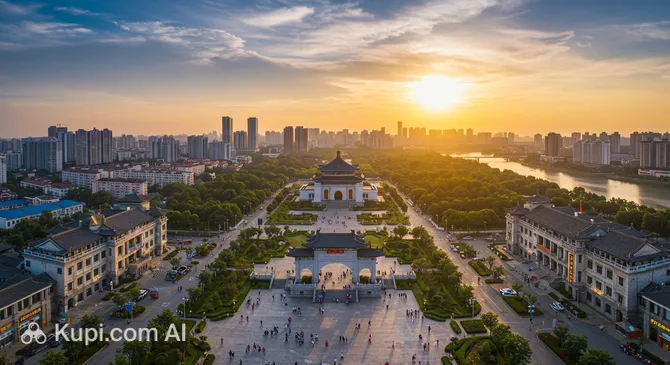
Zhongshan. Source: Kupi.Binoculars

The city holds a special place in the hearts of many as the birthplace of Dr. Sun Yat-sen, a pivotal figure in the nation's past. Visitors eager to delve into the history of Zhongshan will find a wealth of sites dedicated to his memory and the region's transformation over the centuries. This deep historical connection permeates the city's atmosphere, adding a layer of reverence to its scenic beauty.

Travelers should not miss the Sun Yat-sen Residence Memorial Museum, which offers a fascinating look at the local architecture and the early life of the revolutionary leader. Another highlight is the Sunwen West Road Pedestrian Street, where you can admire beautifully preserved Qilou (arcade) buildings that blend Chinese and Western architectural styles. For nature lovers, Zimaling Park provides a sprawling green oasis perfect for a leisurely afternoon stroll.

Whether you are drawn by its famous culinary delights, such as the renowned roasted pigeon, or its historical significance, Zhongshan welcomes you with open arms. It is an ideal destination for those seeking an authentic and culturally enriching experience in the heart of Guangdong.

Weather Overview

Zhongshan generally enjoys a mild subtropical climate, making it a year-round destination, though travelers should be aware of the distinct seasonal changes. To plan your trip effectively, it is helpful to check the weather in Zhongshan before packing, as conditions can vary significantly between the wet and dry seasons.

Summers, spanning from June to August, are typically hot and humid. Average temperatures hover around 29°C, with daytime highs often reaching above 32°C. This is also the rainiest period of the year; expect frequent showers, with up to 26 wet days per month in June and August. Travelers visiting during this time should definitely pack lightweight clothing and rain gear.

In contrast, the winter months of December through February offer a respite from the heat and humidity. The weather becomes much drier and cooler, with average temperatures ranging between 16°C and 18°C. Rainfall is minimal during this season, often dropping to near zero, providing clear skies and comfortable conditions for sightseeing.

Spring and autumn serve as transition periods. Spring sees a gradual increase in temperature and humidity, while autumn is widely considered one of the best times to visit. During months like October and November, the heat subsides to a pleasant average of 21°C to 25°C, and the frequency of rain decreases significantly, creating ideal conditions for outdoor activities.

Interesting Facts

Beyond its scenic parks and historical sites, Zhongshan hides intriguing stories that highlight its industrial might and cultural depth. Here are a few surprising details that make this city truly unique within the region.

  • A Rare Namesake: Zhongshan is one of the very few cities in China named after a person. Originally known as Xiangshan (Fragrant Mountain), it was renamed in 1925 to honor Dr. Sun Yat-sen, the founding father of the Republic of China, using his Mandarin name, Sun Zhongshan.

  • The Lighting Capital: The town of Guzhen, located within the city, is globally recognized as the "Lighting Capital of the World." It is estimated that a massive percentage of the domestic lighting market originates here, and the town features miles of dazzling showrooms that light up the night sky.

  • Edible Flowers: The Xiaolan district is famous for its Chrysanthemum Exhibition, a tradition dating back to the Ming Dynasty. Locals do not just admire these blooms; they use them as a key ingredient in their cuisine, serving unique dishes like deep-fried chrysanthemum leaves and chrysanthemum fish balls.

  • Global Connections: Zhongshan is a famous ancestral home for millions of people living overseas. The number of overseas Chinese with roots in this city is said to exceed the local population, creating a vast global network that has influenced the city's unique architectural blend of East and West.

How to Get There

Reaching this vibrant city in the Pearl River Delta is quite convenient thanks to the dense network of transport hubs in the surrounding region. While the city itself does not host a major international airport, it is surrounded by some of the busiest aviation centers in the world. For a detailed breakdown of all routes and transport modes, you can read more about how to get to Zhongshan.

The city of Zhongshan does not have its own airport, but you can fly into Shenzhen Bao'an International Airport (IATA: SZX) in Shenzhen, which is about 45.1 km from Zhongshan. It is a major hub, and a transfer by taxi or bus typically takes around 90 minutes. Another very close option is Macau International Airport (IATA: MFM) in Macau, located approximately 45.5 km away, with a travel time of roughly 90 minutes. Additionally, many international visitors choose Hong Kong International Airport (IATA: HKG) in Hong Kong, situated 60 km from the city; the journey by road generally takes about 110 minutes.

For clarity, here is a summary of the main airports:

Airport Name City Passenger Traffic Km from City
Shenzhen Bao'an International Airport Shenzhen Large 45.1
Hong Kong International Airport Hong Kong Large 60.0
Zhuhai Jinwan Airport Zhuhai Medium 56.5
Macau International Airport Macau Medium 45.5
Foshan Airport Foshan Small 71.1

Regarding rail transport, the stations currently listed are located at a considerable distance from the city. You can arrive at Wuzhou Railway Station (IATA: KZZ) in the city of Wuzhou, which is about 246.1 km from Zhongshan. From there, you can get a taxi or bus, which takes about 6.5 hours. Another option is Puning Railway Station (IATA: OPQ) in Puning, situated approximately 299.4 km away.

Here is the data for the railway stations:

Station City Passenger Traffic Km to Center
Puning Railway Station Puning Medium 299.4
Wuzhou Railway Station Wuzhou 246.1

Main Attractions

While Zhongshan is often recognized for its business and historical significance, it also offers a delightful array of attractions that cater to history buffs, nature lovers, and culture seekers alike. From expansive film sets to serene traditional gardens, the city provides diverse experiences for travelers looking to explore beyond the urban center.

Zhongshan TV and Film City is a must-visit destination for those interested in media and architecture. Located near the childhood home of Dr. Sun Yat-sen, this sprawling complex is one of the ten major film bases in China. The site is divided into distinct scenic areas representing China, Japan, England, and the United States, each featuring meticulously recreated streets and buildings from different historical eras. It is a fantastic spot for photography, allowing visitors to "travel the world" in a single afternoon while walking through sets used in popular television dramas.

For a peaceful escape into classical Chinese culture, Zhan Park offers a stunning example of traditional gardening art. Known as one of the largest private gardens in the region, it was built with a filial devotion to the owner's mother. The park beautifully integrates the natural landscape with elegant pavilions, winding corridors, and tranquil lakes. The architecture reflects the refined style of Suzhou gardens, making it a perfect place to admire intricate stone carvings and enjoy a quiet stroll amidst lush greenery.

Nature enthusiasts and outdoor adventurers will find Jinzhong Reservoir to be an urban oasis. This area has been transformed into a scenic park featuring a well-maintained greenway that circles the water. It is exceptionally popular for cycling and jogging, offering a refreshing break from city life. The path winds through wetlands and forests, providing habitats for various bird species and offering picturesque views of the water against the backdrop of distant mountains.

Cuiheng Village serves as the cultural heart of the city's tourism. It is famous primarily for the Sun Yat-sen Residence Memorial Museum, a site of profound historical importance. The residence itself is a unique two-story building designed by Dr. Sun Yat-sen, showcasing a fusion of Chinese and Western architectural styles. Surrounding the main house, the village preserves the atmosphere of the late 19th century, with exhibition halls detailing the revolutionary history and local folk customs of the Pearl River Delta.

Local Cuisine

Zhongshan is a celebrated destination for food lovers, offering a distinct branch of Cantonese cuisine known for its freshness and unique local specialties. The city's culinary scene is deeply rooted in the traditions of the Pearl River Delta, yet it boasts several signature dishes that have gained fame across the entire country. Dining here is not just about sustenance; it is a cultural immersion into the flavors of southern China.

The undisputed star of the local table is the Shiqi Pigeon. This dish is iconic to the city, featuring pigeons that are typically braised in a savory marinade and then roasted to perfection. The result is a bird with crispy, amber-colored skin and remarkably tender, juicy meat. Another must-try delicacy is the Crispy Grass Carp. Unlike standard fish, this variety is raised on a special diet that gives its meat a firm, crunchy texture. It is often served in multiple ways, from hot pots to stir-fries, allowing diners to appreciate its unique consistency.

For a sweet treat, the city is famous for its Almond Cakes. These traditional cookies, made primarily from mung bean flour and almonds, are crumbly, fragrant, and often filled with a slice of preserved pork fat for added richness. They make for an excellent snack to pair with the local beverages. In terms of drinks, the humid climate has popularized traditional herbal teas (Liang Cha), which are consumed to "cool" the body. However, the most prevalent drink is hot Chinese tea, such as Pu'er or Chrysanthemum tea, which is essential to the dining experience.

The food culture in Zhongshan revolves heavily around the tradition of Yum Cha, or morning tea. Locals flock to large, bustling restaurants to enjoy baskets of dim sum and socialize for hours. For a more casual atmosphere, the city's pedestrian streets and night markets offer a vibrant array of street food, where you can sample everything from fish balls to sweet tofu pudding while soaking in the lively evening atmosphere.

Travel Tips

Visiting Zhongshan offers a delightful mix of history and modernity, but navigating this dynamic city requires a bit of local know-how to ensure a seamless experience. To help you make the most of your journey through this gem of the Pearl River Delta, here are some essential practical tips.

  1. Clothing and Gear: The climate is subtropical, so summers (May to September) are hot and humid; pack lightweight, breathable fabrics and a sturdy umbrella for sudden downpours. Winters are mild but can feel damp, so a light jacket or sweater is necessary. comfortable walking shoes are essential for exploring the sprawling parks and the pedestrian streets.
  2. Transportation: Unlike its larger neighbors, Zhongshan relies primarily on an extensive bus network and taxis rather than an internal metro system. The most convenient way to get around is by using ride-hailing services, which are often integrated into major payment apps. Taxis are also plentiful and affordable, but have your destination written in Chinese.
  3. Finances: The local currency is the Renminbi (CNY). While China is rapidly becoming a cashless society, international credit cards are rarely accepted directly at local shops or restaurants. It is highly recommended to set up Alipay or WeChat Pay with your international card before arrival. Keep a small amount of cash for elderly vendors or small purchases.
  4. Health and Safety: The city is generally very safe for tourists. Pharmacies are easily engaging and usually marked with a green cross, though English may not be spoken. Tap water is not safe for direct consumption; always drink bottled or boiled water. In summer, carry mosquito repellent, especially when visiting nature reserves like Jinzhong Reservoir.
  5. Communication: Mandarin is the official language, though Cantonese is widely spoken by locals. English proficiency is limited outside of high-end hotels. It is crucial to download an offline translation app and a map app that works locally (like Baidu Maps or Gaode), as Western navigation services are often inaccurate or blocked.
  6. Local Etiquette: Dining is a communal affair; if you are sharing a meal, wait for the host or the eldest person to start eating. When someone pours tea for you at a Yum Cha restaurant, tapping the table with two fingers is a customary gesture of thanks.
  7. What to Avoid: Avoid relying solely on Western internet services (like Google, Facebook, or Instagram) as they are inaccessible without a specific roaming plan or technical solution. Also, avoid losing your temper or shouting in public disputes, as causing a "loss of face" is taken seriously and will not help resolve issues.
  8. Additional Tip: Always carry a packet of tissues and hand sanitizer with you. While major shopping malls are well-equipped, public restrooms in parks or smaller establishments often do not provide toilet paper.

By keeping these practicalities in mind, you can focus on enjoying the rich culture and delicious cuisine that Zhongshan has to offer. With the right preparation, you will find the city to be a welcoming and accessible destination for your travel adventures.

Entertainment & Nightlife

As the sun sets over the Pearl River Delta, Zhongshan transforms from a bustling business hub into a vibrant city of lights and leisure. While it may be quieter than its massive neighbors like Guangzhou, the city offers a sophisticated and diverse nightlife scene that caters to both energetic party-goers and those seeking a relaxed evening by the water. The atmosphere here is generally welcoming and safe, with a mix of modern chic and traditional charm that defines the local evening culture.

The epicenter of the city's nightlife is undoubtedly Xingzhong Plaza, located along the Qijiang River. This area is dominated by the iconic Symphony Ferris Wheel, which lights up in dazzling colors after dark, creating a romantic backdrop for the bars and restaurants below. Here, you can find a variety of venues ranging from open-air beer gardens to pulse-pounding clubs. For a lively night out, COMMUNE Phantom is a popular choice, known for its industrial design and extensive selection of drinks, making it a favorite among the younger crowd. Just a short walk away, C BASE offers a more energetic clubbing experience with neon lights and DJ sets that keep the energy high until the early morning hours.

For travelers preferring a more upscale or quiet environment, the area around Lihe Plaza provides excellent options. This district is known for its high-end hotels and rooftop bars where you can enjoy a cocktail with a view. Venues like Horizon, situated within the city's luxury hotels, offer a sophisticated setting perfect for conversation and relaxation. The dress code in these establishments tends to be smart-casual, whereas the riverside bars at Xingzhong Plaza are generally more relaxed and informal.

No experience of the local nightlife is complete without visiting a traditional night market. The Shagangxu Night Market is a sprawling, lively venue that offers an authentic taste of local life. It is not just a place to eat; it is a cultural phenomenon where you can browse through stalls selling everything from clothing to crafts while snacking on local street food delicacies. The market is bustling, noisy, and incredibly fun, offering a stark contrast to the polished bars of the city center.

When planning your night out, it is best to head out around 8:00 PM when the city fully wakes up. Transportation is convenient, with taxis and ride-hailing apps like Didi being widely available and safe to use late into the night. The city center is walkable and well-lit, making it safe for evening strolls, especially along the river promenade. Prices are generally reasonable compared to Hong Kong or Shenzhen, allowing for an enjoyable night without breaking the bank.

During the day, Zhongshan offers a different kind of entertainment that is equally engaging. Families and thrill-seekers can enjoy various amusement parks and scenic spots. The Zhongshan Skywheel, while beautiful at night, offers panoramic views of the cityscape and the river during the day. For a mix of history and leisure, the city's museums and the expansive Zhongshan TV and Film City provide immersive experiences where you can wander through movie sets and learn about the region's cinematic history.

Parks & Museums

Zhongshan offers a refreshing balance between urban development and natural beauty, boasting a variety of well-maintained green spaces and cultural institutions. The city takes pride in its heritage as the hometown of Dr. Sun Yat-sen, and this is reflected in its thoughtfully curated museums and memorial parks, which provide visitors with a deep understanding of the region's historical and cultural evolution.

For those seeking a unique blend of nature and industrial history, Qijiang Park is an exceptional choice. Built on the site of the former Yuezhong Shipyard, this park has garnered international design awards for its innovative reuse of industrial structures. Visitors can walk among preserved railway tracks, rusty machinery, and the skeletal remains of old workshops, all integrated into a lush landscape. It is a favorite spot for photographers and offers a distinct aesthetic that contrasts with traditional Chinese gardens.

Another significant green space is the Sun Wen Memorial Park, situated to the south of the city center. The park is divided into two main zones: a revolutionary memorial area and a scenic leisure area. A towering bronze statue of Dr. Sun Yat-sen stands at the peak, offering panoramic views of the city skyline. It serves as a respectful tribute to the city's most famous son and a popular spot for locals to exercise and relax.

To experience one of the city's oldest recreational areas, head to Zhongshan Park, located on Yandun Hill. This lush hillside park is home to the historic Fufeng Pagoda, an octagonal seven-story structure built in 1608. Visible from many parts of the city, the pagoda adds a touch of classical elegance to the surroundings and stands as a testament to the region's long history.

To dive deeper into the local history, the Zhongshan Museum is a must-visit. Recently renovated and expanded, this complex in the old town area includes the former Radio Museum and showcases the city's development from a humble county to a modern hub. The exhibits vividly narrate the stories of the "Xiangshan" people, their overseas migration, and their contributions to modern China. The architecture itself, blending colonial and modern styles, is a visual treat.

Located right on the bustling Sunwen West Road Pedestrian Street, the Xiangshan Commercial Culture Museum offers a specific focus on the region's trading past. Housed in a distinctive pink colonial-style building, it is the first museum in China dedicated to commercial culture. Inside, life-size dioramas and artifacts depict the rise of local merchants and the influential "comprador" class who facilitated trade between the East and the West in the 19th and early 20th centuries.

Beyond the museums and parks, the Xishan Temple serves as a serene historical sanctuary. Dating back to the Ming Dynasty, this temple is perched on a small hill and has been a center of worship for centuries. Its intricate wood carvings, calligraphy, and peaceful courtyards offer a quiet respite from the city's busy streets, allowing visitors to observe local religious practices in an authentic setting.

For an insider experience, consider venturing a bit further to the Yakou area near the coast. Unlike the manicured city parks, this area features vast rice paddies and wetlands that are particularly stunning during the harvest season. It is a popular spot among locals for cycling and enjoying fresh seafood in a rustic, open-air environment, offering a glimpse of the region's agricultural roots.

Getting Around

Navigating Zhongshan is a straightforward experience, primarily relying on an extensive and well-organized road network. Unlike some of its larger neighbors, the city does not currently operate an internal underground metro system for local commuting. Instead, the public transport backbone consists of a comprehensive bus network and a highly efficient Bus Rapid Transit (BRT) system that connects the main urban districts with the surrounding towns and development zones.

The Bus Rapid Transit (BRT) is the most convenient option for tourists moving through the city center. These buses run on dedicated lanes, allowing them to bypass traffic congestion and ensure punctual service. The stations are distinct, often located in the middle of the road, and feature electronic boards displaying arrival times. In addition to the BRT, hundreds of standard bus routes crisscross the city, reaching even the more remote heritage villages and industrial parks. Most buses are modern, air-conditioned, and comfortable.

For longer distances across the region, the Guangzhou-Zhuhai Intercity Railway serves as a high-speed rail link that functions somewhat like a commuter train. While it is technically an intercity train, it has several stops within the Zhongshan administrative area, such as Zhongshan North Station, Zhongshan Station, and Xiaolan Station. This is the fastest way to travel between the northern and southern parts of the expansive city area or to connect to nearby metropolises.

Paying for transport is modern and convenient. Fares are generally very affordable, typically ranging from 2 to 4 CNY depending on the distance. While you can still use cash, you must have the exact change as drivers do not carry money. The most popular payment method is digital; almost all buses are equipped with scanners for WeChat Pay and Alipay "Ride Codes." For long-term stays, you might consider purchasing a Zhongshan Tong physical IC card, or the regional Lingnan Pass, which can be tapped upon entry.

For tourists, a few practical tips can smooth the journey. If you plan to use mobile payments, ensure your Alipay or WeChat app is set up with an international card before you board. Physical transport cards can be purchased at major bus terminals and convenience stores. Buses generally operate from early morning, around 6:00 AM, until 10:00 PM or 10:30 PM, though some night lines may run later. Always hail the bus driver as the vehicle approaches a stop, and press the bell button or move to the door to signal your exit.

If you prefer a more direct route, taxis are plentiful and can be hailed on the street or found at designated stands near hotels and shopping malls. They are metered, and it is advisable to have your destination written in Chinese characters to show the driver. Alternatively, ride-hailing apps like DiDi are extremely popular and often easier for foreigners to use, as the apps provide automatic translation for destinations and estimated fares.

For short trips and sightseeing at a leisurely pace, shared bicycles are scattered throughout the city. You will see yellow (Meituan), blue (HelloBike), and green (Qingju) bikes parked on sidewalks. These can be unlocked using the respective apps or through Alipay/WeChat mini-programs. Cycling is a fantastic way to explore the scenic greenways, particularly around Jinzhong Reservoir or the pedestrian-friendly areas of the old town.

Accommodation

Zhongshan offers a wide spectrum of accommodation options that cater to diverse preferences and budgets, ranging from luxurious five-star international hotels to comfortable, budget-friendly guesthouses. As a city that blends rapid modern development with rich cultural heritage, visitors can choose between staying in sleek, contemporary high-rises or opting for more modest lodgings closer to the historic quarters. Generally, the standard of hospitality is high, and the facilities are modern, ensuring a pleasant stay for both business travelers and vacationers.

For most tourists, the most convenient area to stay is the East District (Dongqu). This is the city's modern central business district, characterized by wide avenues, upscale shopping malls, and government buildings. Here, you will find the highest concentration of luxury hotels and reliable international chains, offering amenities like swimming pools, executive lounges, and English-speaking staff. It is an excellent base for those who prioritize comfort and easy access to transport links.

Alternatively, the Shiqi District appeals to travelers looking to immerse themselves in the local culture. As the old city center, Shiqi is vibrant and bustling, home to the famous Sunwen West Road Pedestrian Street and numerous historical sites. Staying here places you within walking distance of authentic local eateries, night markets, and the scenic Qijiang River. The accommodation in this area tends to be more mid-range or budget-oriented, often located in lively neighborhoods that offer a true taste of daily life in the Pearl River Delta.

While the city hosts several renowned international hotel brands that provide a familiar standard of service, there is also a growing number of domestic boutique hotels that offer great value. These local establishments often feature stylish decor and are competitively priced, making them a smart choice for savvy travelers. Whether you choose a global chain or a local inn, amenities such as free Wi-Fi and air conditioning are standard across the board.

Booking Tips: Although Zhongshan is not as crowded as Guangzhou or Shenzhen, it is wise to book your accommodation in advance, especially during the Canton Fair sessions (usually April/May and October/November). During these periods, spillover demand from nearby Guangzhou can cause hotel prices in Zhongshan to rise, and availability may become limited. Similarly, national holidays like the Lunar New Year and the Golden Week in October are peak travel times.

In terms of pricing, accommodation in Zhongshan is generally very affordable compared to its neighbors like Hong Kong or Macau. A stay in a high-end luxury hotel here often costs significantly less than a comparable room in a Tier-1 city. Mid-range options are plentiful and offer excellent value for money. Most hotels can be easily booked through major international travel platforms, though downloading a local map app can help locate smaller properties tucked away in the older districts.

Nearby Cities

For those looking to explore the surroundings, Zhongshan serves as an excellent base for day trips to several interesting nearby locations. The city's strategic position in the Greater Bay Area means that some of China's most dynamic and culturally rich metropolises are just a short drive or train ride away.

One of the most popular destinations is Guangzhou, the provincial capital located just to the north. Known historically as Canton, it is a paradise for food lovers, offering what many consider the best dim sum in the world. Visitors can explore a fascinating mix of ancient temples, colonial architecture on Shamian Island, and futuristic landmarks like the Canton Tower. It is an ideal spot for those wanting to experience the bustling energy of a major global city.

For a deep dive into traditional Lingnan culture, Foshan is an unmissable stop. Renowned as the cradle of Cantonese opera and Chinese martial arts, it is the ancestral home of legendary figures like Ip Man and Bruce Lee. The city is famous for its ceramics and the magnificent Ancestral Temple (Zumiao), making it a perfect destination for history buffs and culture seekers.

Closest to Zhongshan is Jiangmen, a city with a unique architectural heritage. It is widely known as the "Hometown of Overseas Chinese," and its surrounding villages feature the UNESCO-listed Kaiping Diaolou—fortified towers that blend Chinese and Western architectural styles. A trip here offers a quieter, more rustic experience compared to the mega-cities of the region.

City Population Distance (km)
Guangzhou 26,940,000 69
Shenzhen 17,619,000 69
Dongguan 10,646,000 67
Foshan 9,498,863 63
Jiangmen 4,630,300 33

These nearby destinations offer a glimpse into the diverse culture and landscapes of the region, allowing travelers to easily expand their itinerary beyond the city limits.

Shopping & Souvenirs

Shopping in Zhongshan offers a delightful blend of modern convenience and traditional charm, reflecting the city's status as a bustling hub in the Pearl River Delta. While it may not have the high-end luxury density of neighboring Hong Kong, it is famous for specific industries that attract buyers from all over the world. The city is globally renowned as the "Lighting Capital," particularly in the town of Guzhen, where miles of showrooms display dazzling fixtures. Additionally, the Dachong district is celebrated for its exquisite mahogany furniture, making the city a prime destination for those looking to furnish their homes with high-quality craftsmanship.

For a more atmospheric shopping experience, Sunwen West Road Pedestrian Street is the place to be. This historic street is lined with beautifully preserved Qilou (arcade-style) buildings that date back to the early 20th century, offering a fusion of Chinese and Western architectural styles. Walking down this vibrant avenue, tourists can browse through a variety of shops selling clothing, local snacks, and handicrafts while soaking in the nostalgic ambiance of old Zhongshan. It is the perfect spot to find casual wear and observe the local lifestyle.

Travelers who prefer the comfort of modern amenities will find several large-scale shopping complexes in the city center. Lihe Plaza, easily recognizable by its twin towers, is one of the city's most prominent landmarks. It houses a vast array of international fashion brands, a cinema, and numerous dining options, providing a comprehensive one-stop shopping experience. Another popular destination is The Summit (Daxin New Metro), a massive mall that caters to families and young people with its mix of retail stores, entertainment facilities, and supermarkets.

To truly immerse yourself in the local commerce, a visit to the Shagangxu Market is essential. Historically a rural market gathering, it has evolved into a sprawling complex that sells almost everything imaginable. From fresh produce and flowers to clothing, household goods, and antiques, this market is a treasure trove for bargain hunters. It is particularly lively on "market days" (dates ending in 3, 6, and 9 on the lunar calendar), though it remains a bustling hub of activity throughout the week.

When it comes to souvenirs, the city is best known for its culinary specialties. Almond Cakes are the quintessential gift to bring back home; these crumbly, sweet treats are widely available in specialty bakeries, particularly around the pedestrian street. Other popular local goods include dried seafood and preserved meats, which are staples of the Cantonese pantry. For those interested in crafts, intricate embroidery and small mahogany carvings make for memorable keepsakes that are easier to transport than furniture.

Most retail stores and shopping malls in Zhongshan operate from around 10:00 AM to 10:00 PM, giving visitors plenty of time to shop after a day of sightseeing. Payment methods have become heavily digitized, with WeChat Pay and Alipay being the primary modes of transaction everywhere, from high-end boutiques to street stalls. While major malls and supermarkets accept credit cards, it is advisable to carry some cash or set up mobile payments for smaller vendors.

Regarding tax refunds, the system in mainland China is gradually expanding, but it is less prevalent in Zhongshan compared to major tourist hubs like Beijing or Shanghai. Some designated large department stores may offer tax-free shopping for international visitors, but you should look for the "Tax Free" signage and inquire at the service desk before making a purchase. Be prepared to present your passport and complete the necessary paperwork at the store.

Reached the end of the page?

That means the route is fully explored