Support

Hong Kong

About

Hong Kong is a mesmerizing destination where ancient traditions seamlessly blend with futuristic modernity. As a world-class metropolis, it offers a unique energy that captivates travelers from the moment they arrive. Known for its iconic skyline and bustling harbor, the city stands as a global financial hub and a vibrant cultural melting pot where East meets West.

Geographically, the city is situated on the southeast coast, encompassing Hong Kong Island, the Kowloon Peninsula, and the New Territories, along with over 200 offshore islands. With a population of approximately 7.45 million people, it is one of the most densely populated places on Earth. Despite the urban density, the territory features a subtropical climate and is surprisingly green, with vast country parks and scenic hiking trails located just a short distance from the bustling city center.
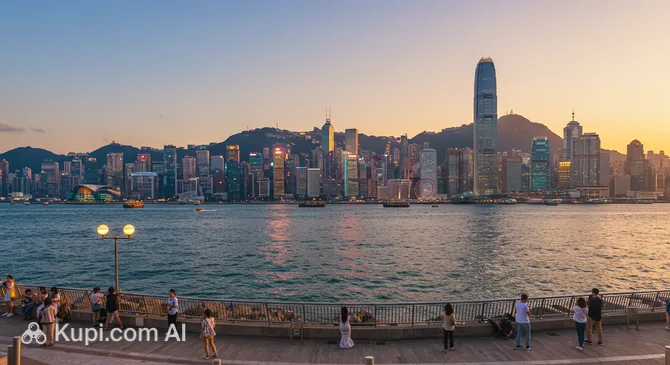
Hong Kong. Illustration.
Source: Kupi.com AI

The cultural tapestry here is deeply woven with stories of the past. To truly understand the local spirit, visitors should explore the history of Hong Kong, which traces its fascinating evolution from a humble cluster of fishing villages to a major international port and trading center. This rich heritage is visible everywhere, from the incense-filled temples tucked away in narrow alleys to the grand colonial architecture that stands alongside towering glass skyscrapers.

Travelers are spoiled for choice when it comes to unique experiences. A trip up to Victoria Peak via the historic tram offers unparalleled panoramic views of the glittering cityscape and Victoria Harbour. For a taste of local life and nostalgia, a ride on the legendary Star Ferry provides a charming and scenic way to cross the water between Kowloon and the island. The city is also a culinary paradise, renowned globally for its exquisite dim sum and vibrant street markets like the Temple Street Night Market.

With its efficient public transport, diverse attractions, and dynamic atmosphere, the city is an accessible and exciting destination for any traveler. Whether you are seeking world-class shopping, outdoor adventures, or gastronomic delights, we invite you to discover the endless wonders of this dazzling pearl of the Orient.
Weather Overview

Hong Kong experiences a subtropical climate characterized by distinct seasonal changes, making it a year-round destination with varied atmospheric moods. Generally, visitors can expect hot, humid summers with frequent rain and mild, relatively dry winters. The city's weather patterns range from cool breezes in the cooler months to the sweltering heat of the mid-year season.

During the summer months from June to September, the city is at its warmest and wettest. Average temperatures consistently hover around 28°C, with June and August seeing the highest frequency of precipitation, recording up to 28 wet days per month. Conversely, the winter period from December to February offers a respite from the humidity. January is typically the coolest month with an average temperature of 16.3°C, while December is notably dry, experiencing only about 3 wet days.

The transitional seasons of spring and autumn offer their own unique charm. Spring sees temperatures rising from 20.9°C in March, accompanied by increasing humidity. Autumn is often cited as a favorite among travelers, particularly October and November, when temperatures settle between 21.8°C and 25.0°C with significantly less rainfall. For a comprehensive breakdown of what to expect during your visit, you can check the detailed report on the weather in Hong Kong.

Average monthly temperature

Average monthly precipitation

Interesting Facts

Beyond the glittering skyline and busy harbor, Hong Kong holds many fascinating secrets that surprise even the most seasoned travelers. Here are some intriguing insights into the unique character of this dynamic metropolis:
  • Despite its reputation as a concrete jungle, the city is surprisingly green. Approximately 40% of the territory is designated as protected country parks and nature reserves, such as the lush Lantau South Country Park, offering a stark and beautiful contrast to the urban density.

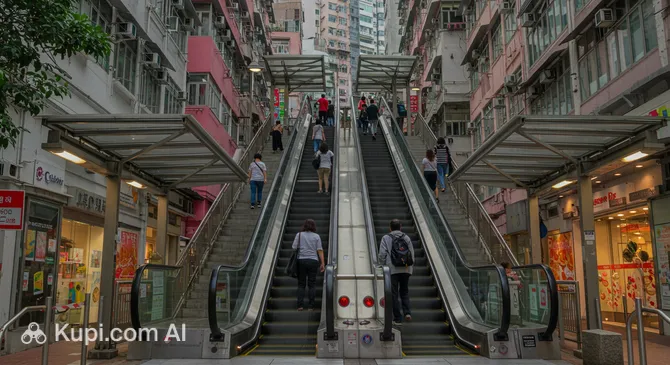
  • Commuting here can be an adventure in itself, as the city is home to the world's longest outdoor covered escalator system. The Central–Mid-Levels Escalator spans over 800 meters and climbs 135 meters in elevation, transporting tens of thousands of people daily between the downtown area and the residential districts.

  • Hong Kong boasts more skyscrapers than any other city on the planet, surpassing even New York City. Uniquely, construction and renovation on these modern giants often rely on traditional bamboo scaffolding, a resilient and flexible technique that has been passed down for generations.

  • Visitors riding the Peak Tram may experience a curious visual phenomenon known as the "Peak Tram Illusion." Due to the steep gradient of the ascent, the high-rise buildings on the right side of the tram appear to lean heavily toward the peak, a trick of the eye caused by the tilted visual reference.

Central–Mid-Levels Escalator. Illustration.
Source: Kupi.com AI

Traveler photos:

How to Get There

Hong Kong is one of the most accessible cities in Asia, serving as a major gateway to the region. Whether you are arriving from the other side of the world or a neighboring city, there are numerous options for reaching this vibrant metropolis. For a complete overview of all transportation methods, you can read more about how to get to Hong Kong to plan your journey effectively.

The primary entry point for international travelers is Hong Kong International Airport (HKG). Located approximately 24 km from the city center, this world-class facility is one of the busiest aviation hubs globally. A trip from the airport to the downtown area typically takes around 55 minutes by taxi or bus, depending on traffic conditions. Another viable option is Shenzhen Bao'an International Airport (SZX), situated in the neighboring city of Shenzhen, roughly 53.5 km away. While it requires crossing the border, it offers extensive connections, with a travel time of approximately 1 hour and 40 minutes by road.

For clarity, here is a summary of the main airports:

AirportPassenger trafficDistance
Hong Kong International Airport58.4 mln24 km
Shenzhen Bao'an International Airport61.5 mln54 km
Macau International Airport7.6 mln61 km
Zhuhai Jinwan Airport11.5 mln87 km
Huizhou Airport2.6 mln96 km
Foshan Airport1.3 mln143 km

For travelers exploring the wider Guangdong region, there are railway connections in nearby cities, although they are situated at a significant distance from Hong Kong. Puning Railway Station (OPQ) is located in Puning, approximately 236 km away. Reaching Hong Kong from this station by road would be a long journey, estimated at around 6 hours and 15 minutes. Similarly, Chaoyang Railway Station (Guangdong) (AZQ) in Jieyang is about 262 km away, serving as another regional transport node rather than a direct gateway to the city.

Below is the data for these railway stations:

StationPassenger trafficDistance
Songshanhu Railway Station80 km
Dongguan Nancheng Railway Station89 km
Qingyuan City Terminal194 km
Puning Railway Station4.5 mln236 km
Chaoyang Railway Station (Guangdong)817 600262 km

Main Attractions

Hong Kong is a city of endless discovery, where world-famous landmarks sit alongside hidden cultural gems. From soaring peaks and spiritual sanctuaries to magical theme parks and scenic promenades, the city offers a diverse range of experiences that cater to every type of traveler. Here are some of the must-visit attractions that define the unique character of this vibrant metropolis.

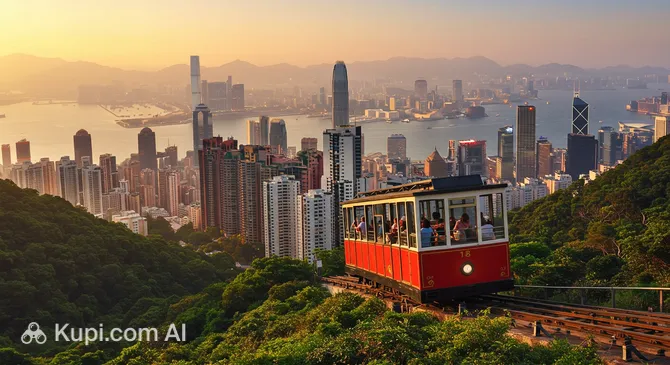
No visit to the city is complete without a journey on the Peak Tram. This historic funicular railway, which has been operating since 1888, offers a steep and thrilling ride up to Victoria Peak. As you ascend, the skyscrapers appear to glide past at impossible angles, revealing a spectacular panorama of Victoria Harbour and the skyline. It is the perfect spot for photography enthusiasts and anyone wishing to see the city from its most iconic vantage point.

Peak Tram. Illustration.
Source: Kupi.com AI

Traveler photos:

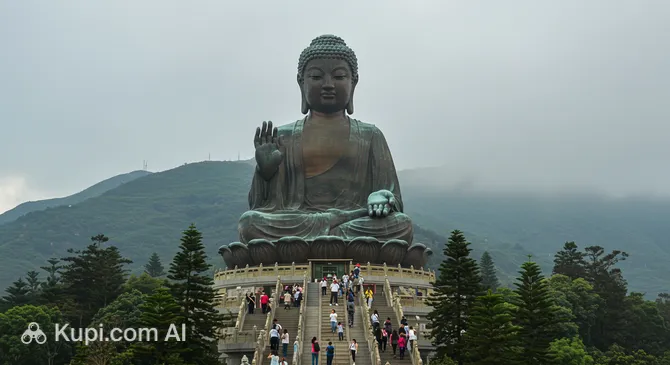
For a spiritual and serene experience, travelers should head to Lantau Island to visit the majestic Tian Tan Buddha, also known as the Big Buddha. Sitting atop Mount Muk Yue, this colossal bronze statue stands 34 meters tall and faces north to look over the Chinese people. Visitors can climb the 268 steps to the base of the statue to enjoy sweeping views of the lush mountains and the South China Sea, or simply soak in the peaceful atmosphere of the adjacent Po Lin Monastery.

Tian Tan Buddha. Illustration.
Source: Kupi.com AI

Traveler photos:

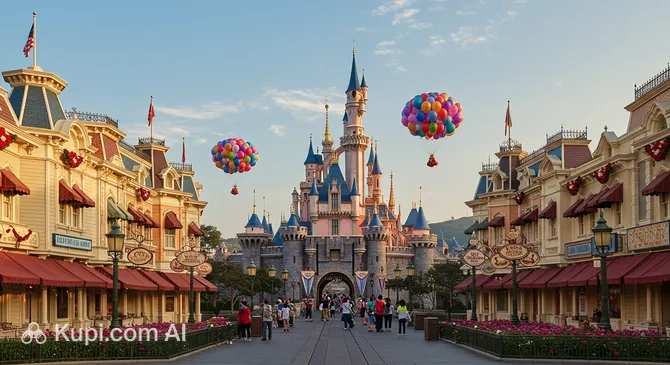
Families and fans of fantasy will find a world of wonder at Hong Kong Disneyland. Located on reclaimed land in Penny's Bay, this magical kingdom combines classic Disney charm with distinct Chinese culture. Guests can explore seven themed lands, meet their favorite characters, and enjoy thrilling attractions like the Iron Man Experience. The park is also famous for its spectacular stage shows and the nightly fireworks display that lights up the castle.

Hong Kong Disneyland. Illustration.
Source: Kupi.com AI

Traveler photos:

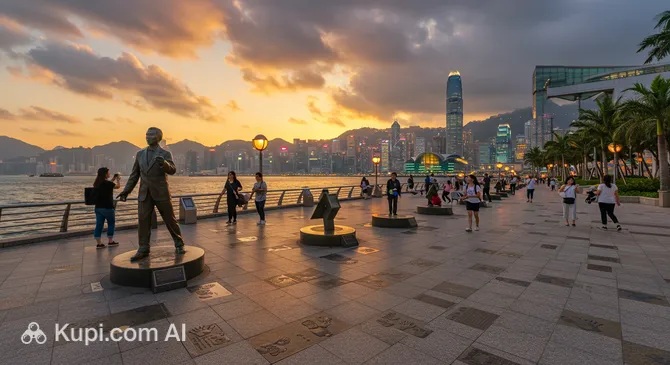
To experience the city's cinematic history and enjoy one of the best harbor views, a walk along the Avenue of Stars in Tsim Sha Tsui is essential. Modeled after Hollywood's Walk of Fame, this waterfront promenade honors the celebrities of the Hong Kong film industry with handprints and statues, including the legendary Bruce Lee. It is a popular gathering spot for tourists to watch the "A Symphony of Lights" show, where lasers and lights dance across the skyscrapers on the opposite shore.

Avenue of Stars. Illustration.
Source: Kupi.com AI

Traveler photos:

Local Cuisine

Hong Kong is widely recognized as the "Culinary Capital of Asia," offering a gastronomic landscape that is as diverse as it is delicious. The city's food culture is deeply rooted in Cantonese traditions but is constantly evolving with international influences, creating a unique fusion of flavors. From humble street stalls known as dai pai dongs to prestigious Michelin-starred establishments, the dining options are endless.

A quintessential local experience is Yum Cha, the tradition of drinking tea accompanied by dim sum. These bite-sized delicacies are served in bamboo steamers and are best enjoyed as a leisurely brunch. Travelers should try classics like har gow (shrimp dumplings), siu mai (pork dumplings), and fluffy char siu bao (BBQ pork buns). Whether in a bustling traditional teahouse or a modern restaurant, this ritual is central to local social life.

For meat lovers, the city is famous for its Cantonese roast meats, or siu mei. Succulent roast goose with crispy skin and honey-glazed barbecued pork are staples found in windows across the city. Another comfort food favorite is a bowl of springy wonton noodles, served in a rich, flavorful broth with fresh shrimp dumplings.

Those with a sweet tooth will delight in local snacks such as the famous pineapple bun—a soft, sweet bread topped with a crumbly, sugary crust and often served with a thick slice of butter. The flaky egg tart is another icon of the local bakery scene, perfectly paired with a cup of smooth, creamy Hong Kong-style milk tea.

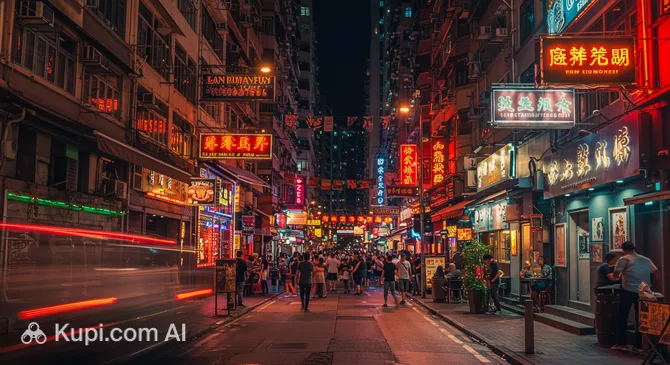
When evening falls, the city's nightlife and dining scene comes alive in vibrant districts like Lan Kwai Fong. This bustling L-shaped street is packed with trendy restaurants, clubs, and bars, making it a popular gathering spot for both locals and tourists. For those seeking world-class cocktails, the city boasts award-winning venues such as COA and Quinary, which are renowned for their innovative mixology and creative drinks.

Lan Kwai Fong. Illustration.
Source: Kupi.com AI

Traveler photos:

Travel Tips

Planning a trip to Hong Kong is the start of an exciting adventure, but navigating this fast-paced metropolis can be overwhelming for first-time visitors. To help you blend in and travel smoothly, we have compiled a list of essential insights that will save you time, money, and hassle.

  1. Pack for Humidity and Air Conditioning. The city has a subtropical climate, so lightweight, breathable clothing is best for most of the year, but you must bring a light jacket or sweater. Indoor venues, malls, and public transport blast strong air conditioning, creating a stark contrast with the outdoor heat. Also, pack a Type G power adapter (British style) and comfortable walking shoes, as you will likely cover many miles on foot.

  2. Get an Octopus Card Immediately. The most important tool for any traveler here is the Octopus Card, a stored-value smart card used for the MTR (metro), buses, ferries, trams, and even payments at convenience stores and vending machines. You can buy one at the airport or any MTR station; it makes getting around seamless and eliminates the need for small change.

  3. Cash is Still Essential. While international credit cards are widely accepted in shopping malls, hotels, and upscale restaurants, cash is still king in local culture. You will need Hong Kong Dollars (HKD) for taxis, traditional eateries (cha chaan tengs), and street markets. ATMs are everywhere, so withdrawing cash is convenient.

  4. Navigating Public Transport. The public transport system is one of the best in the world, so renting a car is unnecessary and often stressful due to traffic. The MTR is fast and clean, while the double-decker trams on Hong Kong Island offer a scenic and cheap ride. If you take a taxi, note the colors: Red is for urban areas, Green for the New Territories, and Blue for Lantau Island.

  5. Communication and Connectivity. English is an official language and is widely spoken, especially in business and tourist districts, though many taxi drivers may only speak Cantonese. It is helpful to have your destination written in Chinese or marked on a map app. SIM cards are cheap and easy to buy at 7-Eleven or Circle K stores to ensure you have data for navigation.

  6. Follow Local Etiquette on Escalators. In this vertical city, escalator etiquette is taken very seriously. Always stand on the right side to let people walk past you on the left. Blocking the left lane during rush hour is a major annoyance for busy locals. Additionally, table sharing is common in casual restaurants; don't be surprised if a stranger sits next to you.

  7. Strict Rules on the MTR. One specific behavior to avoid is eating or drinking inside the paid areas of MTR stations or on the trains. This rule is strictly enforced to keep the system spotless, and violators can face a hefty fine. Keep your snacks and water bottles packed away until you exit the station.

  8. Stay Safe and Healthy. Hong Kong is incredibly safe for tourists, even at night. For minor health issues, pharmacy chains like Watsons and Mannings are easy to find and have English-speaking pharmacists. Tap water is technically safe, but most locals and hotels boil it first; sticking to bottled or filtered water is the most common practice for visitors.

Armed with these practical tips, you are ready to explore the vibrant streets, delicious food stalls, and stunning peaks of this dynamic city with confidence. Embrace the energy of the local lifestyle, and enjoy every moment of your stay in the Pearl of the Orient.

Entertainment & Nightlife

As the sun sets and the city's iconic neon lights flicker to life, Hong Kong transforms into a vibrant playground for night owls. The energy here is palpable, ranging from sophisticated rooftop cocktails with skyline views to raucous street parties that last until dawn. Whether you are looking for pulsating dance floors, laid-back jazz lounges, or bustling night markets, the city offers a nocturnal landscape that caters to every taste.

The epicenter of the party scene is undoubtedly Lan Kwai Fong (LKF) in Central. This L-shaped cobblestone lane is packed with over 90 restaurants and bars. The atmosphere here is electric and casual, with crowds often spilling out onto the street with drinks in hand. Just a short walk away via the Mid-Levels Escalator is SoHo (South of Hollywood Road), which offers a more upscale and relaxed vibe. Here, you can find chic wine bars and trendy bistros perfect for a conversation-friendly evening.

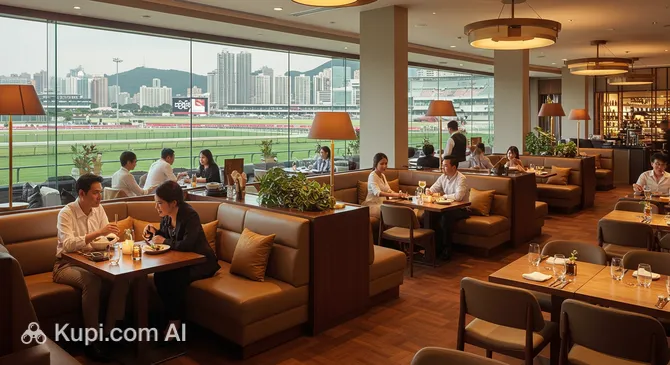
For those seeking a unique blend of entertainment and nightlife, the Happy Valley Racecourse is a must-visit, particularly on "Happy Wednesdays." During the racing season (typically September to July), this venue turns into a massive carnival with live music, food trucks, and beer tents, attracting a mix of locals and expats cheering on the horses under the floodlights.

Happy Valley Racecourse. Illustration.
Source: Kupi.com AI

Traveler photos:

If you prefer an indoor venue with a distinct style, the city boasts several impressive clubs and speakeasies. The Trilogy is a popular destination that combines a rooftop bar and a club experience, offering different musical vibes across its spaces. For something with a more theatrical and vintage atmosphere, Maggie Choo's offers a hidden world of cabaret and jazz, serving expertly crafted cocktails in a setting reminiscent of an old-world bank vault.

Practical advice is key to enjoying the night. Most bars have happy hours, locally known as "Happy Hour," usually running from 5:00 PM to 8:00 PM. The dress code varies; while LKF is generally casual, clubs and hotel bars often require smart casual attire—no flip-flops or shorts for men. In terms of safety, the city is incredibly safe for night walks, even in the early hours. Getting home is easy: the MTR runs until around 1:00 AM, and "N" bus routes operate throughout the night. Red taxis are plentiful, but it is wise to have your destination written in Chinese or use a ride-hailing app.

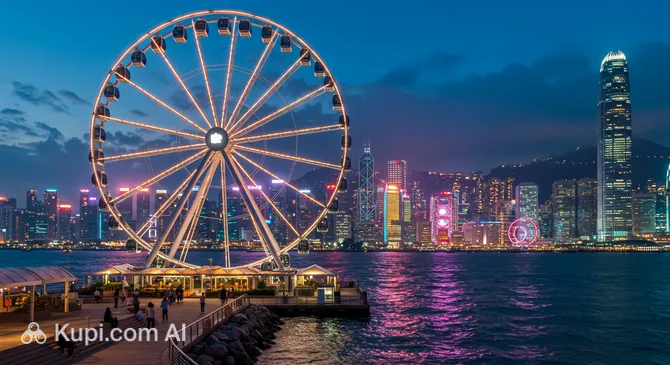
While the nights are dazzling, daytime entertainment is equally enriching. Culture enthusiasts should explore the West Kowloon Cultural District, a sprawling arts hub featuring world-class museums and green spaces. For a more relaxed afternoon, a ride on the Hong Kong Observation Wheel on the Central Harbourfront provides stunning, leisurely views of Victoria Harbour, serving as a perfect prelude to the evening's festivities.

Hong Kong Observation Wheel. Illustration.
Source: Kupi.com AI

Traveler photos:

Parks & Museums

Beyond the hustle of its financial district and the glitter of its skyscrapers, Hong Kong surprises visitors with its serene natural landscapes and a rapidly expanding cultural scene that rivals any global capital. The city is a study in contrasts, offering lush mountain trails and sandy shores just minutes away from world-class museums and heritage sites.

Nature lovers will find a haven in Shek O Country Park, a sprawling green area located on the southeastern part of Hong Kong Island. It is most famous for the Dragon's Back, an undulating hiking trail that offers breathtaking views of the coastline and the South China Sea. For a more relaxed day by the water, Repulse Bay Beach is a top choice. This crescent-shaped stretch of sand is one of the city's most beautiful beaches, known for its clear waters, colonial-style architecture, and upscale atmosphere perfect for a sunset stroll.

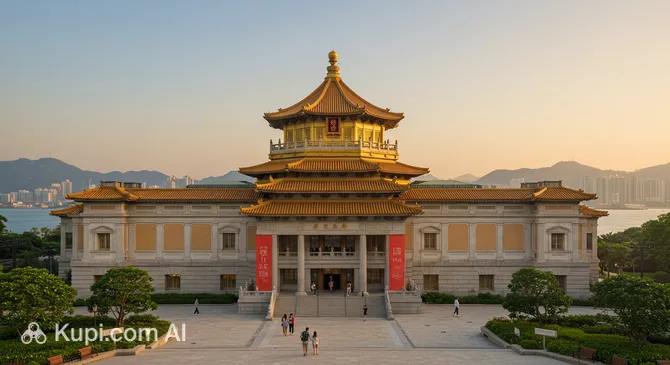
The city's museum landscape has evolved significantly, becoming a major draw for art and history enthusiasts. The Hong Kong Palace Museum, located in the West Kowloon Cultural District, is a modern architectural marvel that showcases priceless treasures from the Forbidden City in Beijing. It offers a deep dive into Chinese art and culture through rotating exhibitions. Across the harbor, the Hong Kong Museum of Art stands as a custodian of the city's artistic legacy, housing an extensive collection of Chinese antiquities, calligraphy, and local art, all set against the backdrop of Victoria Harbour.

Hong Kong Palace Museum. Illustration.
Source: Kupi.com AI

Traveler photos:

Another cultural highlight is Tai Kwun, a spectacular revitalization project in Central. Once the Central Police Station compound, this heritage site has been transformed into a vibrant center for heritage and arts. Visitors can explore the historic prison cells, enjoy contemporary art exhibitions, and relax in the lively courtyard surrounded by colonial-era buildings.

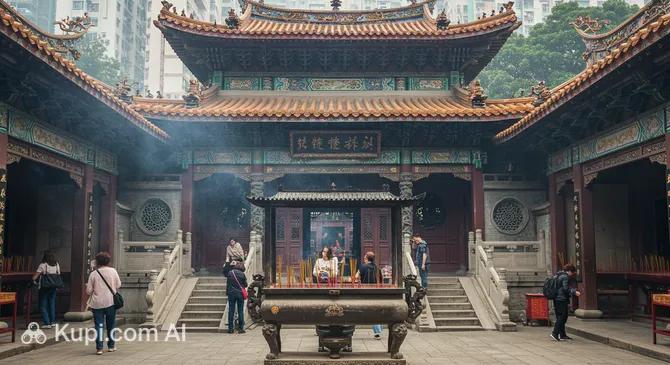
History is etched into the streets of the city, visible in landmarks that have stood the test of time. The Man Mo Temple on Hollywood Road is a mesmerizing tribute to the God of Literature and the God of War. Stepping inside, travelers are enveloped in the aromatic smoke of large spiral incense coils hanging from the ceiling, creating a mystical and photogenic atmosphere. In Tsim Sha Tsui, the Clock Tower stands as a poignant reminder of the age of steam; it is the only remnant of the original Kowloon-Canton Railway station and serves as a beloved meeting point near the ferry pier.

Man Mo Temple. Illustration.
Source: Kupi.com AI

Traveler photos:

For those interested in wildlife, a visit to the Giant Panda Adventure provides a rare opportunity to see these majestic creatures up close in a habitat designed to mimic their natural environment. It is a delightful experience for families and animal lovers alike.

For an authentic experience away from the crowds, consider hiking up to Devil's Peak. This lesser-known trail offers fascinating military ruins and commanding views over the Lei Yue Mun channel, providing a quiet yet spectacular vantage point that few tourists discover.

Getting Around

Hong Kong boasts one of the most efficient, safe, and affordable public transport networks in the world. The system is so comprehensive that navigating the city without a car is not only easy but often faster than driving. The backbone of the network is the Mass Transit Railway (MTR), a modern metro system that connects the major districts of Hong Kong Island, Kowloon, the New Territories, and Lantau Island. Trains are frequent, air-conditioned, and remarkably clean, with bilingual signage in English and Chinese making navigation simple for international visitors.

For destinations not directly served by the metro, an extensive network of double-decker buses provides excellent coverage. Sitting on the front row of the upper deck offers a fantastic vantage point for sightseeing as you travel through the city's vertical landscape. For the more adventurous, Green Minibuses operate on fixed routes with set prices, while Red Minibuses are less regulated and allow passengers to hop on and off anywhere along the route, though they require some local knowledge and usually cash payment.

One of the city's most charming transport features is the historic tram system, affectionately known as the "Ding Ding" due to the sound of its bells. Operating exclusively on the northern side of Hong Kong Island, these narrow double-decker trams have been running since 1904. They are incredibly cheap and offer a leisurely pace, perfect for soaking in the street-level atmosphere of the busy districts. Additionally, the iconic ferries shuttle passengers across Victoria Harbour, providing a scenic and nostalgic alternative to the underwater tunnels.

The key to unlocking the city's transport is the Octopus Card, a contactless smart card that is essential for every visitor. It can be used on the MTR, buses, ferries, trams, and even for purchases at convenience stores and fast-food outlets. You can purchase a "Sold Tourist Octopus" or a standard on-loan card at the airport and any MTR Customer Service Centre. While some turnstiles now accept QR codes and contactless credit cards, the Octopus remains the most reliable and widely accepted method. Fares are generally calculated by distance; remember to tap your card on the reader when entering and exiting the MTR to ensure the correct deduction.

Taxis are another convenient option, easily identifiable by their colors: Red taxis serve urban areas (Hong Kong Island and Kowloon), Green taxis operate in the New Territories, and Blue taxis are restricted to Lantau Island. While they are reasonably priced, many drivers still prefer or only accept cash, so it is wise to carry small bills. Ride-hailing apps are available but are often more expensive than flagging a taxi on the street.

Unlike many other global cities, car rentals and bike-sharing schemes are generally not recommended for tourists due to the heavy traffic, complex road systems, and the sheer efficiency of public transit. The MTR typically runs from around 6:00 AM until 1:00 AM. For late-night travelers, night bus services (designated with an "N" prefix) operate on major routes, ensuring that you can move around the city safely even after the trains have stopped.

Accommodation

Accommodation:

Finding the perfect place to stay in Hong Kong is an integral part of the travel experience, with options ranging from compact budget guesthouses to some of the world's most opulent luxury suites. The city is known for its high property prices, which often translates to smaller room sizes compared to other international destinations, particularly in the lower and mid-range categories. However, the standard of service and cleanliness is generally high across the board, ensuring a comfortable stay regardless of your budget.

For most tourists, the decision on where to base themselves usually falls between two main areas: Hong Kong Island and the Kowloon Peninsula. Tsim Sha Tsui in Kowloon is a perennial favorite for first-time visitors, offering easy access to the harborfront, museums, and spectacular views of the skyline. On the other side of the harbor, districts like Central, Wan Chai, and Causeway Bay are ideal for travelers who want to be in the heart of the action, close to nightlife, high-end shopping, and the financial district. For those seeking a more local and budget-friendly atmosphere, the bustling streets of Mong Kok provide a vibrant alternative.

Travelers looking for top-tier hospitality will find an impressive selection of five-star properties that define the city's reputation for luxury. The Four Seasons Hotel, located in the prestigious International Finance Centre complex, is renowned for its commanding views of Victoria Harbour and its exceptional dining facilities. Similarly, the Grand Hyatt in Wan Chai offers a resort-style experience in the middle of the city, situated conveniently near the convention center and the ferry pier.

Four Seasons Hotel. Illustration.
Source: Kupi.com AI

Traveler photos:

In terms of pricing, accommodation here tends to be more expensive than in many other Asian cities. Budget travelers can find hostels and "mansions" (large buildings containing many small guesthouses), while mid-range hotels offer a balance of comfort and value. Booking is typically done through major online platforms, which allow for easy price comparison. It is worth noting that prices can fluctuate significantly depending on the season and major events.

Booking Tip: Because the city is a major hub for both business and tourism, popular hotels can fill up quickly. It is highly recommended to book your accommodation well in advance, especially if you plan to visit during peak periods such as the Chinese New Year, "Golden Week" holidays, or during major trade fairs, when room rates are at their highest and availability is scarce.

Nearby Cities

For those looking to explore the surroundings, Hong Kong serves as an excellent base for day trips to several interesting nearby locations:

Just a short journey north of the main urban center lies Sha Tin, a fascinating new town that blends modern living with rich cultural heritage. It is a perfect destination for history buffs and nature lovers alike, hosting the renowned Hong Kong Heritage Museum and the spectacular Ten Thousand Buddhas Monastery. Visitors can also enjoy a scenic walk or bike ride along the Shing Mun River, which runs through the heart of the district.

For a taste of authentic local life and a deep dive into history, Kowloon City offers a unique experience. Once home to the infamous Kowloon Walled City, the area has been transformed into a beautiful park that preserves remnants of its storied past. Today, the district is also celebrated as "Little Thailand," famous for its exceptional Thai cuisine and vibrant food scene that attracts foodies from all over the region.

Sham Shui Po provides a stark contrast to the glossy skyscrapers of Central, offering a gritty and energetic atmosphere filled with street markets and traditional shops. Known as the electronics and fabric hub of the territory, it is the best place to hunt for bargains, vintage cameras, and textiles. The neighborhood is also gaining popularity for its emerging cafe culture and creative spaces, making it an exciting spot for urban explorers.

CityPopulationDistance
Central235 9530 km
Kennedy Town54 0003 km
Shek Tong Tsui17 1703 km
Kowloon2 108 4194 km
Sham Shui Po405 8695 km

These nearby destinations offer a glimpse into the diverse culture and landscapes of the region.

Shopping & Souvenirs

Shopping:

Shopping in Hong Kong is nothing short of a legendary experience, often cited as one of the primary reasons travelers flock to this vibrant metropolis. As a free port with no sales tax on general goods, the city offers competitive prices on everything from high-end luxury fashion and cutting-edge electronics to traditional Chinese antiques. Whether you are browsing through air-conditioned mega-malls or haggling in bustling street markets, the variety and sheer volume of retail options are overwhelming in the best possible way.

The city's retail landscape is divided into several key districts, each with its own distinct character. Causeway Bay on Hong Kong Island is often compared to Times Square in New York, a crowded and energetic maze of department stores and boutiques that stays open late into the night. Across the harbor, Tsim Sha Tsui is the golden mile of shopping, home to prestigious flagship stores and an endless array of shops lining Canton Road.

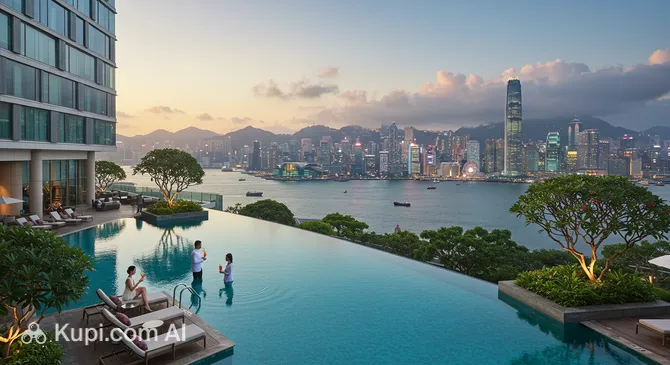
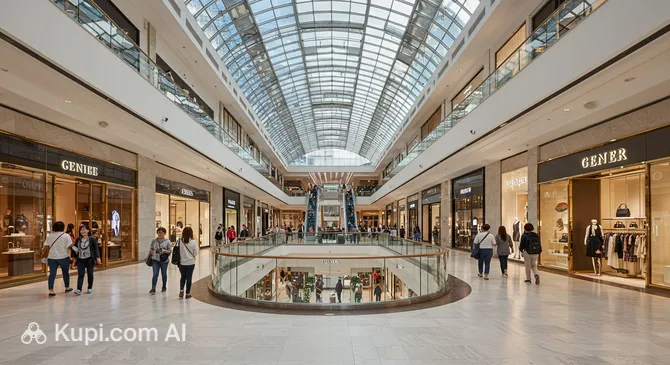
For those who prefer a comprehensive shopping experience under one roof, the malls here are world-class attractions in themselves. The colossal Harbour City in Tsim Sha Tsui is the largest and most famous, housing hundreds of international brands, cinemas, and restaurants along the waterfront. For a more artistic approach to retail, K11 MUSEA offers a unique "cultural-retail" concept where luxury shopping is integrated with contemporary art installations and stunning architecture. Visitors heading to the top of the city can also explore The Peak Galleria, which combines shopping with panoramic views.

Harbour City. Illustration.
Source: Kupi.com AI

Traveler photos:

Beyond the glitzy malls, the local street markets provide a glimpse into the city's authentic trading culture. The Temple Street Night Market is a must-visit for its lively atmosphere, offering everything from trinkets and electronics to fortune tellers and street food. The Ladies' Market in Mong Kok is another favorite, featuring over a kilometer of stalls selling clothing, accessories, and souvenirs at bargain prices. For a more specialized experience, the Cat Street market is famous for antiques and curios.

When it comes to souvenirs, travelers are spoiled for choice. Popular items to bring back include premium Chinese tea, intricate porcelain, and handcrafted jade jewelry, which is believed to bring good luck. The city is also renowned for its bespoke tailoring; getting a custom-made suit or dress is a classic Hong Kong tradition. Foodies might appreciate dried seafood or boxes of traditional almond cookies and egg rolls.

Most shops in shopping centers and major districts open around 10:00 AM or 11:00 AM and stay open until 9:00 PM or 10:00 PM, seven days a week. Street markets typically come alive in the afternoon and run until midnight. Major credit cards are widely accepted in malls and department stores, but cash is essential for street markets and smaller local shops. The Octopus Card is also increasingly accepted at convenience stores and some retailers.

One of the biggest advantages for tourists is the tax-free status. Since there is no Value Added Tax (VAT) or sales tax on most goods (exceptions include alcohol and tobacco), the price you see is the price you pay, and there is no need to go through complex tax refund procedures at the airport.

Nearby cities

Reached the end of the page?

That means the route is fully explored