Support

TsingYi

About

Located in the heart of Hong Kong's New Territories, Tsing Yi Island is a striking example of how modern urbanization harmoniously coexists with industrial power. The island got its name, which literally translates as "green clothes," after a rare species of fish that once inhabited these waters. Today, it is a vibrant district with a population of about 191,500 people, having become a vital transportation and residential hub of the metropolis.

Geographically, the island covers an area of about 10.69 km² and has expanded significantly in recent decades thanks to large-scale land reclamation. Tsing Yi is a place of contrasts: the northeastern part of the island is occupied by cozy residential neighborhoods with high-rise complexes, while the southwestern zone is dedicated to heavy industry and logistics terminals. Despite its utilitarian status, the town possesses the special atmosphere of a functional and dynamic Hong Kong.
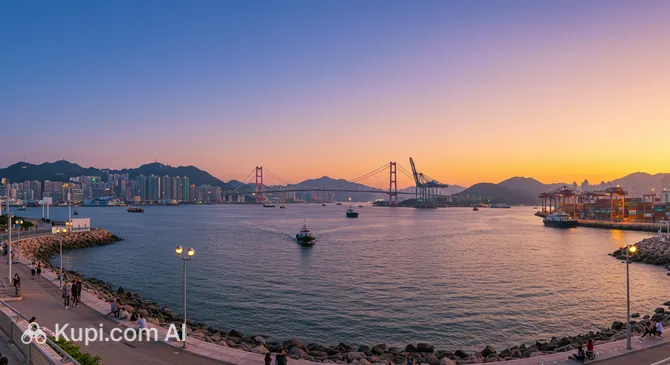
Tsing Yi. Illustration.
Source: Kupi.com AI

For the traveler, the island is interesting primarily for its unique transport significance and engineering masterpieces. The rich history of Tsing Yi's development has transformed it from a quiet haven for fishermen and farmers into a key link connecting the city center with the international airport. Here, you can see grand bridges and enjoy walks along well-maintained embankments while admiring the seascapes.

Although Tsing Yi is not a typical tourist magnet, it offers an honest look at the life of a modern Hong Konger. We invite you to explore this industrial island to feel the rhythm of life in one of the region's most densely populated areas and see the engineering greatness that supports the city's entire transport framework.
Weather Overview

The climate on Tsing Yi Island is typical of Hong Kong's subtropical belt: hot and humid summers are replaced by mild and dry winters. In the summer months, from June to September, the thermometer often rises to +30...33°C, and high humidity makes the air feel particularly thick. Winter, lasting from December to February, on the contrary, pleases with comfortable temperatures in the range of +15...20°C, which is ideal for hiking on island trails.

Precipitation is most abundant between May and September, when tropical downpours and occasionally typhoons hit the region. According to meteorological data, August is often the wettest month, with over 300 mm of rainfall. At this time, you should always have an umbrella or raincoat with you. If you are interested in more detailed weather in the city by month, keep in mind that autumn (October and November) is considered the most favorable time to visit thanks to clear skies and moderate warmth.

The island position of Tsing Yi encourages local winds, especially in the hilly northwestern part, which slightly mitigates the summer heat. However, proximity to large industrial zones and the seaport can affect air quality on windless days. Nevertheless, the abundance of parks and proximity to the water make the atmosphere here fresher than in the densely built-up quarters of central Kowloon.

Average monthly temperature

Average monthly precipitation

Interesting Facts

  • The name Tsing Yi literally means "green clothes"; however, the island received this name not because of its vegetation, but in honor of a special type of fish (black grouper) that was abundant in local waters during the Ming Dynasty.

  • The island is a true triumph of engineering: it is connected to the mainland and other islands by eight bridges. Among them, the Tsing Ma Bridge stands out—the world's longest double-deck bridge designed for both cars and trains.

  • The modern outlines of Tsing Yi are the result of colossal human labor. Almost the entire coastline of the island was created artificially through reclamation work, making it one of the most expanded islands in the entire region.

  • For outdoor enthusiasts, the island has a network of walking trails over 6.4 km long, including the famous Ching Hom Path, which offers panoramic views of industrial landscapes and the sea.

  • In the past, Tsing Yi was a quiet haven for fishing and farming communities, and it was only in the second half of the 20th century that it transformed into a powerful industrial and residential hub while retaining a piece of its traditional maritime heritage.

How to Get There

Thanks to its strategic location between the mainland and Lantau Island, Tsing Yi is one of the most accessible districts in Hong Kong. The island is connected to the rest of the city by a well-developed network of expressways and bridges. The easiest and fastest way to get here from central districts like Central or Kowloon is to use the MTR system. The metro trip takes about 20–25 minutes, although you should allow a bit more time during peak hours due to heavy passenger traffic.

If you are arriving on an international flight, the drive from the airport to Tsing Yi across the famous bridge will take only 15–20 minutes by taxi or express train. Detailed information about routes and current schedules can be found on the page describing how to get to the city.

AirportPassenger trafficDistance
Hong Kong International Airport58.4 mln19 km
Shenzhen Bao'an International Airport61.5 mln45 km
Macau International Airport7.6 mln58 km
Zhuhai Jinwan Airport11.5 mln85 km
Huizhou Airport2.6 mln93 km

The island's main transport hub is Tsing Yi MTR Station, which serves the Tung Chung Line and the Airport Express. It is a modern complex integrated with a large shopping center, making transfers or arrivals as comfortable as possible. The station provides seamless connections to the city's key sites and the airport.

StationPassenger trafficDistance
Songshanhu Railway Station71 km
Dongguan Nancheng Railway Station80 km
Qingyuan City Terminal185 km
Puning Railway Station4.5 mln237 km
Chaoyang Railway Station (Guangdong)817 600263 km

In addition, Tsing Yi is covered by a dense network of bus routes and minibuses that connect residential quarters and industrial zones with neighboring districts such as Tsuen Wan and Kwai Chung. Although ferries are used less frequently, the island location allows you to enjoy views of the straits right from the windows of public transport.

Main Attractions

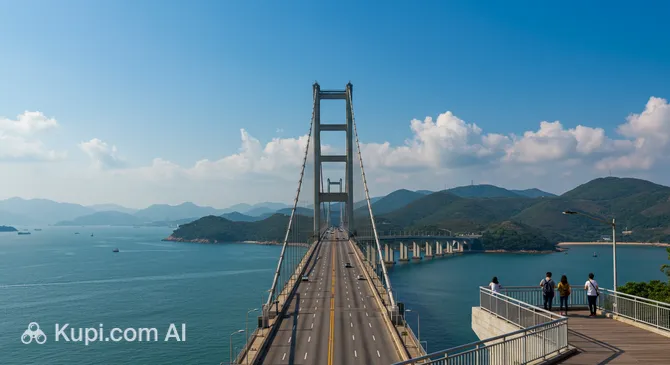
Even though Tsing Yi is primarily a residential and industrial area, there is plenty to see for fans of large-scale architecture and peaceful walks. One of the island's main landmarks is the majestic Tsing Ma Bridge. This engineering colossus is one of the world's largest double-deck suspension bridges, carrying both a highway and a metro line. The view of the bridge, especially in the rays of the setting sun, is impressive in its power and elegance.

Tsing Ma Bridge. Illustration.
Source: Kupi.com AI

Traveler photos:

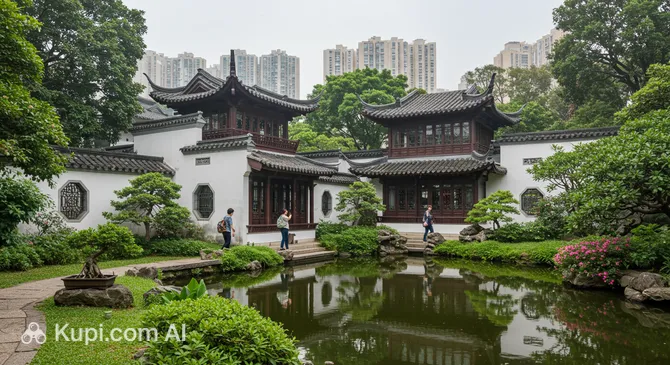
For those seeking solitude amidst the city bustle, Lingnan Garden will be a true discovery. Built in the traditional style of Southern China, this garden is striking in its refinement: here you will find picturesque pavilions, ponds with goldfish, and masterfully trimmed bonsai. It is an ideal place to get acquainted with the aesthetics of classical landscape design and take beautiful photos in a traditional setting.

Lingnan Garden. Illustration.
Source: Kupi.com AI

Traveler photos:

Another point of attraction for green zone lovers is Lai Chi Kok Park. This vast recreational space offers many walking paths and areas for active pastimes. The park harmoniously combines modern recreation areas with traditional Chinese elements, creating a unique atmosphere of tranquility in the middle of a noisy metropolis.

Lai Chi Kok Park. Illustration.
Source: Kupi.com AI

Traveler photos:

Don't forget to visit the Tsing Yi Promenade—an extensive waterfront that has become a favorite spot for running, fishing, and evening walks for local residents. From here, panoramic views of the strait and neighboring islands open up, making the walk particularly pleasant during the cool evening hours.

Local Cuisine

The gastronomic scene in Tsing Yi is the quintessence of Cantonese culinary traditions adapted to the rhythm of a modern metropolis. Here you will find everything Hong Kong cuisine is famous for: from fragrant dim sum and delicate rice rolls to hearty wonton noodle soups. The island's historical past as a fishing village still makes itself known in local restaurants that serve the freshest seafood prepared according to classic recipes.

To experience the real taste of the city, it's worth checking out the tea houses (cha chaan teng) and small family-run establishments located within residential complexes. Be sure to try the famous Hong Kong milk tea or refreshing lemonade—these drinks perfectly complement the local dishes. The dining culture here is democratic: locals prefer to eat at the food courts of large shopping centers or in authentic Cantonese cafes where prices are pleasantly surprising.

If you want to try something more modern, there are excellent establishments on the island and in the immediate vicinity. For example, for high-quality Italian pasta, check out Pici (Lai Chi Kok), which is very popular with local foodies. For lovers of cozy cafes with an interesting menu and pleasant atmosphere, we recommend visiting Friends of Years.

Despite the absence of Michelin-starred restaurants, Tsing Yi offers honest and delicious food. Evening street food at local markets is a separate pleasure: here you can try various snacks on skewers and freshly squeezed juices, immersing yourself in the daily life of this energetic district.

Travel Tips

A trip to Tsing Yi is a great chance to see the non-touristy but very energetic side of the region's life. To make your stay as comfortable as possible, we have prepared some practical recommendations.

  1. Clothing and Accessories: Choose light, breathable clothing made of natural fabrics, as the humidity here is high. Be sure to bring comfortable shoes for walking on the hills and the promenade. Don't forget a power adapter (British Type G).
  2. Transport: First of all, get an Octopus card. It is a universal key to the metro, buses, and even shopping. Try to avoid traveling during peak hours (7:00–9:00 AM and 5:00–7:00 PM) when transport is very crowded.
  3. Finances: The official currency is the Hong Kong Dollar (HKD). Cards are accepted almost everywhere, but always keep some cash for markets and small shops. Tips in restaurants are usually already included in the bill (10% service charge).
  4. Health and Safety: The area is very safe, but in the industrial zones in the southwest, you should be more careful due to active truck traffic. Pharmacies (for example, Watsons or Mannings chains) are easily found in any shopping center.
  5. Communication: The main language is Cantonese, but English is widely spoken in transport and shopping centers. Free Wi-Fi is available at metro stations and in large malls.
  6. Etiquette: In Hong Kong, politeness and queuing (for the bus, elevator, etc.) are valued. Greet people with a slight nod; this is quite sufficient.
  7. What to Avoid: Do not enter secluded warehouse areas of the industrial zone after dark—there may be poor lighting and a lack of sidewalks. Also, try not to block movement on escalators (stand on the right).
  8. Extra Tip: Be sure to walk along the waterfront at dawn or sunset—it's the best time to see the Tsing Ma Bridge in all its glory without the daytime hustle.

We hope these tips help you feel confident on the island and get the most out of its industrial charm. Have a nice trip!

Entertainment & Nightlife

The entertainment scene in Tsing Yi is primarily focused on quiet family vacations and local leisure. You won't find noisy nightclubs or booming bars here—the island quiets down quite early, usually after 10 PM. The centers of daytime activity are the large shopping complexes at the MTR station, which house cinemas, gaming zones, and numerous cafes. For those looking for a vibrant nightlife with cocktail bars and dancing, it is best to head to the central districts of Hong Kong, which can be reached by metro in no more than half an hour.

Culture seekers should check out Lai Chi Kok Park, where local events and festivities are often held. In the evening, you can meet city residents practicing gymnastics or simply walking along the lit alleys. If you get hungry after your walk, stop by the Friends of Years restaurant, which offers a cozy atmosphere and an interesting modern-style menu.

For more active pastimes, the island offers a network of hiking trails passing through the hilly northwestern part. Hiking in these areas allows you to enjoy views of the industrial zones and the strait from above, which is a unique kind of industrial entertainment. After your walk, you can have a delicious lunch at Pici (Lai Chi Kok), which serves excellent pasta loved by many guests of the district for its high-quality ingredients and pleasant service.

Parks & Museums

For residents and guests of Tsing Yi, the main place for outdoor recreation is the eponymous Tsing Yi Park. Occupying an area of about 7 hectares, it offers everything needed for basic leisure: from football fields and tennis courts to cozy playgrounds. The landscaping here is done with the precision typical of Hong Kong, creating a pleasant oasis amidst dense high-rise buildings.

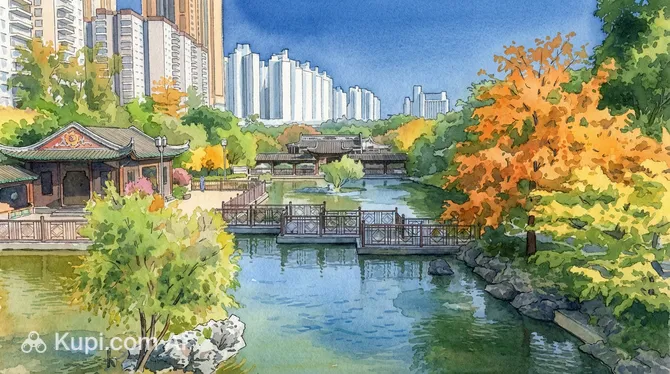
Although there are no major state museums on the island itself, the cultural program is perfectly complemented by Lingnan Garden. This landscape park can be seen as a living museum of Southern Chinese garden art. Walking between traditional pavilions and decorative rocks, you can better understand the aesthetic preferences of the region and enjoy the harmony of nature and architecture.

Lingnan Garden. Illustration.
Source: Kupi.com AI

Traveler photos:

Lovers of active recreation and large-scale park areas should visit Lai Chi Kok Park. This place combines spacious lawns for picnics and interesting design solutions reflecting the local heritage. For those who prefer wilder nature, the island offers a network of hiking trails through the hills, where the silence of the forest contrasts with breathtaking views of the industrial landscape and the majestic Tsing Ma Bridge.

Lai Chi Kok Park. Illustration.
Source: Kupi.com AI

Traveler photos:

The island's walking waterfront (promenade) is another important "green" artery. It is ideal for those who want to relax by the water while watching passing ships. The lack of classical galleries on the island is fully compensated by these open spaces, which allow you to feel the unique landscape and architectural scale of this area.

Getting Around

The transport system of Tsing Yi is a model of efficiency and thoughtfulness. The main link with the rest of the world is Tsing Yi MTR Station. Two key lines pass through it: the Tung Chung Line, providing a quick connection to the city's business center, and the Airport Express, allowing you to reach the airport terminals in minutes. The metro operates from early morning until late at night, and trains run with enviable frequency.

Surface transport is represented by an extensive network of double-decker buses and nimble minibuses. They cover the entire island, including remote residential complexes and industrial zones in the southwest. To pay for travel, a tourist's essential accessory is the Octopus card—a universal smart card that can be used on the metro, buses, in shops, and even some cafes. You can top it up at any metro station or in 24-hour convenience stores.

Although Tsing Yi is a hilly island, walking and cycling are very popular in residential areas and on the waterfront. The well-maintained promenade offers excellent conditions for cycling with a view of the strait. If you need to reach a place with maximum comfort, taxis are always available in the area. Remember that during peak hours (7 to 9 AM and 5 to 7 PM), transport and main highways can be very congested, so plan your movements in advance.

Accommodation

Accommodation options in Tsing Yi are primarily focused on practicality and ease of movement. The island is not a center of luxury hospitality, so modern mid-range hotels and serviced apartments predominate here. Many travelers choose this area for its proximity to the airport and excellent transport accessibility, making it an ideal base for transit trips or business visits.

Residential complexes and apart-hotels in the Rambler Channel area are popular, offering views of the working port and bridges. Such housing is often chosen by expats and those planning a long stay in Hong Kong, who appreciate the relative quiet of a residential area and the ability to quickly reach the center by metro.

If you plan to visit during peak tourist seasons or major exhibitions, we recommend booking your accommodation in advance. Prices here are usually lower than on Hong Kong Island itself or in Kowloon, while the level of comfort in modern buildings remains high. Within walking distance of the main places to stay, you will always find supermarkets and cozy spots like Friends of Years, where you can spend a pleasant evening.

Nearby Cities

Thanks to its central location in the New Territories' transport system, Tsing Yi is an excellent starting point for exploring nearby areas. Just a few metro stops or a short bus ride away, you will find yourself in places with a completely different atmosphere, from bustling markets to peaceful temple complexes.

Just two kilometers away is dynamic Tsuen Wan—an area known for its numerous shopping centers, traditional markets, and beautiful temples. Also worth noting are Kwai Chung, where industrial and commercial life is in full swing, and colorful Sham Shui Po, famous for its flea markets and electronics shops. If you're looking for a fairytale, it's very convenient to get from Tsing Yi to Lantau Island, where the famous Disneyland is located.

CityPopulationDistance
Tsuen Wan307 0002 km
Shek Wai Kok16 6053 km
Pak Tin Pa21 9023 km
Kwai Chung38 6743 km
Sham Shui Po405 8696 km

We strongly recommend not limiting your walks only to the island itself. The proximity of places like Shek Wai Kok and Pak Tin Pa allows you to see the multi-faceted life of the region in a single day, switching between ultra-modern neighborhoods and quiet local settlements.

Shopping & Souvenirs

Shopping in Tsing Yi is primarily functional and oriented toward the daily needs of residents. You won't find high-fashion boutiques here, but you can immerse yourself in the atmosphere of typical Hong Kong consumption. Most shopping opportunities are concentrated in large complexes integrated with residential quarters and transport hubs.

The island's main shopping center is Maritime Square, located directly above the MTR station. It is a modern mall with a wide selection of international clothing brands, cosmetics stores, and electronics. For a more local experience, it's worth checking out Cheung Hong Centre or Tsing Yi Mansion, where supermarkets, pharmacies, and small shops with household goods operate.

Markets on the island are mainly food venues where locals buy fresh vegetables, fruits, and seafood. If you are looking for typical souvenirs, look for tea shops and traditional Chinese delicacy stores (such as dried fruits or sweets), which are often found in shopping centers. For larger-scale souvenir shopping and antiques, it is better to head to neighboring Kowloon.

Shops usually operate from 10–11 AM to 9–10 PM. Credit cards are accepted everywhere in large centers, but for small purchases at markets or in street cafes, it is better to have cash or an Octopus card with you. Remember that there is no sales tax in Hong Kong, which makes any purchase here initially profitable.

Reached the end of the page?

That means the route is fully explored