Support

Zhuhai

About

Zhuhai, often celebrated as the "Chinese Riviera," is one of the most livable and romantic cities in China. Known for its clean air, lush greenery, and beautiful coastline, this modern metropolis offers a refreshing atmosphere that stands in contrast to the hustle and bustle of many other large urban centers. Located in the Pearl River Delta of Guangdong province, it serves as a major gateway bordering Macau and is connected to Hong Kong via the world's longest sea-crossing bridge.

With a population of approximately 2.4 million people, Zhuhai strikes a perfect balance between economic development and ecological preservation. Its subtropical climate ensures mild winters and warm summers, making it a pleasant destination throughout the year. The city is geographically unique, encompassing nearly 150 islands, which has earned it the nickname the "City of a Hundred Islands."
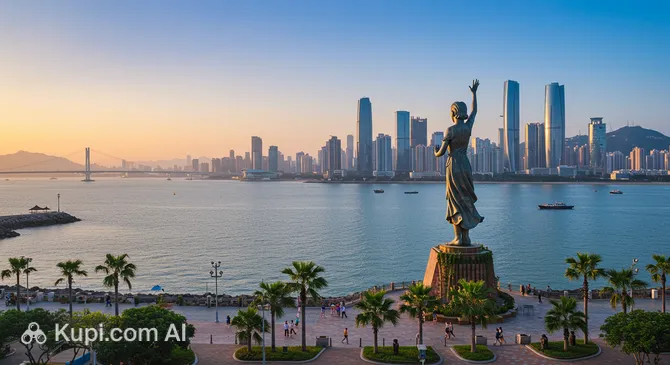
Zhuhai. Source: Kupi.Binoculars

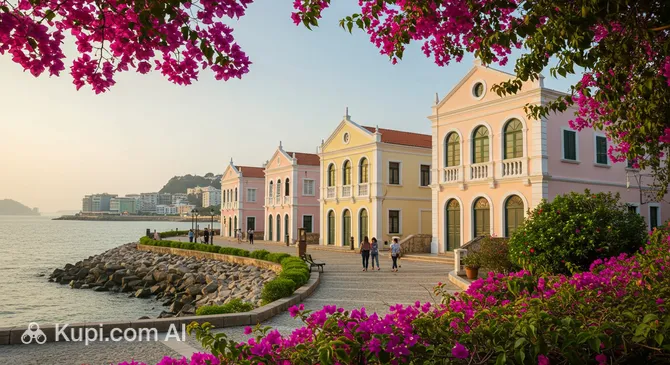
While it is now a thriving Special Economic Zone, the history of Zhuhai is deeply rooted in its origins as a collection of traditional fishing villages. Over the past few decades, it has transformed into a garden city that respects its maritime heritage while embracing modernity. Visitors can still feel this connection to the sea while strolling along the famous Lovers' Road, a scenic promenade that stretches along the coast.

Travelers are drawn to iconic landmarks such as the Fisher Girl Statue, a symbol of the city standing gracefully in Xianglu Bay, and the magnificent New Yuan Ming Palace, which replicates the imperial architecture of Beijing's Summer Palace. For families and thrill-seekers, the massive Chimelong Ocean Kingdom offers world-class entertainment and marine exhibits.

Whether you are looking to explore scenic islands, enjoy fresh seafood, or marvel at modern engineering, Zhuhai provides a captivating blend of leisure and excitement. It is a must-visit destination for anyone seeking a relaxing yet culturally rich experience on the southern coast.
Weather Overview

Zhuhai experiences a humid subtropical climate, characterized by ample sunshine and distinct seasonal changes. Generally, visitors can expect hot, humid summers with frequent rainfall and mild, dry winters that are comfortable for outdoor activities. For a more detailed breakdown of what to expect during your trip, you can check the latest information on the weather in Zhuhai.

The winter months, spanning from December to February, are the coolest and driest time of the year. Average temperatures range from approximately 16°C to 18°C, with lows rarely dropping below 13°C. Rainfall is minimal during this season; for instance, December typically sees only about 3 wet days, making it an ideal period for exploring the city's parks and promenades without the worry of heavy rain.

In contrast, the summer season from June to September brings heat and significant humidity. Average temperatures climb to around 29°C, with July often being the hottest month. This period is also the wettest, with June and August experiencing up to 26 wet days per month. Travelers visiting during this time should be prepared for frequent showers and pack lightweight, breathable clothing.

Spring and autumn offer pleasant transitional weather. March warms up to an average of 21.3°C, while October cools down to a comfortable 25.1°C. These months provide a nice balance, avoiding the peak heat of summer while still remaining warm enough for beach visits and island hopping.

Interesting Facts

Beyond the scenic promenades and modern skyline, Zhuhai holds fascinating secrets and record-breaking features that often go unnoticed. From engineering marvels to unique geographical traits, the city offers unique insights into the culture and development of southern China that go far beyond the typical tourist experience.
  • Zhuhai is home to the Hong Kong-Zhuhai-Macau Bridge, which holds the title of the world's longest sea-crossing bridge. This 55-kilometer engineering masterpiece includes a dedicated undersea tunnel to allow large vessels to pass above, physically linking three major cities in the Pearl River Delta for the first time in history.

  • Despite its status as a bustling Special Economic Zone, Zhuhai is technically an archipelago city. It administers 146 distinct islands, earning it the nickname "City of a Hundred Islands." While the urban center is modern, many of these islands remain pristine and offer a wild, natural escape just a short boat ride away.

  • The city hosts the massive Chimelong Ocean Kingdom, a theme park that has smashed five Guinness World Records, including the one for the largest aquarium tank. The park features immense enclosures and performance venues like the Sea Lion Theater, establishing Zhuhai as a global heavyweight in marine entertainment.

  • Zhuhai becomes the center of the aviation world every two years by hosting the China International Aviation & Aerospace Exhibition. It is the largest airshow in the country and the only one endorsed by the central government, often serving as the debut stage for China's most advanced aircraft and aerospace technology.

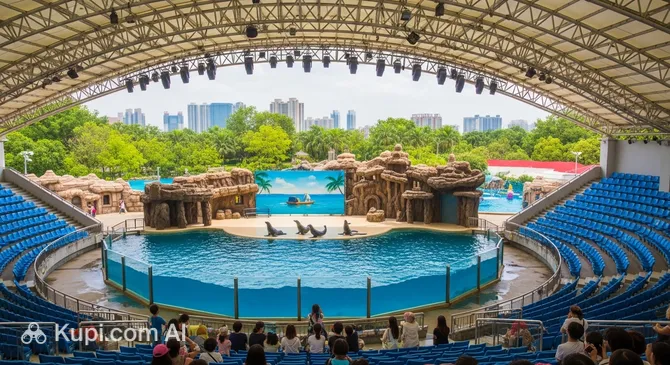
Sea Lion Theater. Source: Kupi.Binoculars

How to Get There

Reaching Zhuhai is increasingly convenient thanks to its strategic location in the Pearl River Delta and its integration into the Greater Bay Area transportation network. Whether you are arriving from within China or from abroad, you have several efficient options to choose from. You can find more about how to get to Zhuhai and detailed route planning on our dedicated page.

The city is served by its own Zhuhai Jinwan Airport (IATA: ZUH), which primarily handles domestic flights. It is located approximately 36 km from the city center. For international travelers, Hong Kong International Airport (IATA: HKG) is a premier choice; although it is in Hong Kong, it is only about 37 km away and well-connected by the Hong Kong-Zhuhai-Macau Bridge. Another major hub is Shenzhen Bao'an International Airport (IATA: SZX) in Shenzhen, situated about 47 km away. Additionally, Macau International Airport offers proximity, located just over 13 km from the city.

For clarity, here is a summary of the main airports:

Airport Name City Passenger Traffic Km from City
Shenzhen Bao'an International Airport Shenzhen Large 47.4
Hong Kong International Airport Hong Kong Large 37.1
Zhuhai Jinwan Airport Zhuhai Medium 35.9
Macau International Airport Macau Medium 13.5
Foshan Airport Foshan Small 104.0

For those considering rail travel through the wider region, there are additional stations in the province, though they are situated at a significant distance from Zhuhai. Puning Railway Station (IATA: OPQ) in the city of Puning is about 290.7 km away, while Wuzhou Railway Station in Wuzhou is located roughly 275.6 km from the city. These stations serve as broader regional connection points rather than direct gateways to Zhuhai.

Here is the data for these railway stations:

Station City Passenger Traffic Km to Center
Puning Railway Station Puning Medium 290.7
Wuzhou Railway Station Wuzhou - 275.6

Main Attractions

Zhuhai offers a wealth of entertainment options, ranging from its own spectacular theme parks to the historic and modern wonders of its neighbor, Macau, which is easily accessible for day trips. One of the top local highlights within the Chimelong Ocean Kingdom is the Sea Lion Theater. This venue is a favorite among families, hosting lively performances where intelligent sea lions showcase their skills and agility, providing a heartwarming and educational experience for visitors of all ages.

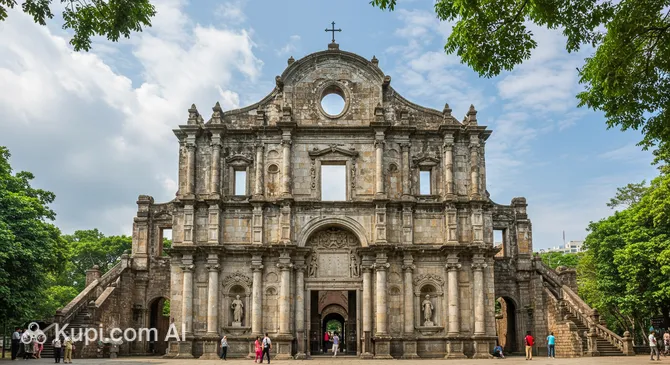
Just across the border, travelers can explore the iconic Ruins of St. Paul's. This UNESCO World Heritage site is one of the most photographed landmarks in the region. The granite façade, which is all that remains of a 17th-century church, stands at the top of a grand stone staircase and serves as a powerful testament to the area's rich history of cultural exchange between East and West.

Ruins of St. Paul's. Source: Kupi.Binoculars

For those interested in modern luxury and architectural grandeur, The Venetian Macao is an essential stop. This massive resort recreates the romantic atmosphere of Venice, complete with indoor canals, singing gondoliers, and replica architecture. It is a hub for shopping, dining, and entertainment that transports guests to Europe without leaving the Pearl River Delta.

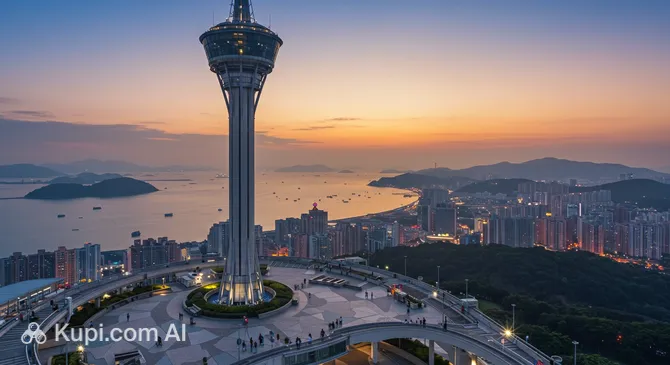
Adventure seekers and sightseers alike should not miss the Macau Tower. Rising 338 meters into the sky, it dominates the skyline and offers panoramic views of the entire delta region. It is famous for hosting the world's highest commercial bungee jump, attracting thrill-seekers from around the globe, while also offering a revolving restaurant for a more relaxed experience.

Macau Tower. Source: Kupi.Binoculars

Another vibrant spot to visit is Macau Fisherman's Wharf, located near the outer harbor. This large waterfront complex combines dining, shopping, and entertainment in a setting that features architecture inspired by different world seaports. It is a pleasant place for a seaside stroll, offering a mix of cultural themes and leisure activities close to the city center.

Local Cuisine

The culinary landscape of Zhuhai is deeply rooted in Cantonese traditions, characterized by fresh ingredients and light, savory flavors that highlight the natural taste of the food. As a coastal city in the Pearl River Delta, it is a paradise for seafood lovers. The local cuisine places a heavy emphasis on the "catch of the day," with restaurants often featuring rows of tanks where diners can select their own live fish, shrimp, and shellfish to be cooked to order.

One of the city's most famous delicacies is the Hengqin Oyster. Grown in the nutrient-rich waters surrounding Hengqin Island, these oysters are renowned for their large size, tender flesh, and white color. They are typically served steamed with garlic and vermicelli or grilled over charcoal, offering a succulent taste of the sea that attracts foodies from all over the region. Another must-try dish is the Wanshan Prawn, known for its robust flavor and firm texture, often prepared simply to maintain its freshness.

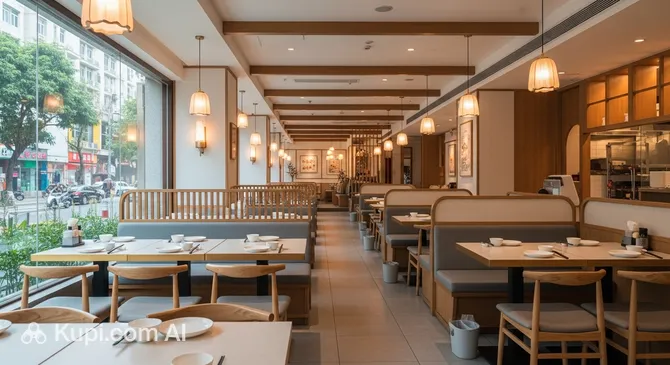
Yige Cuisine - Crab Congee. Source: Kupi.Binoculars

Congee is another staple in the local diet, often enjoyed as a comfort food or a late-night snack. The region is particularly famous for its rich and creamy crab congee, which is simmered for hours to infuse the rice with the sweet essence of the crab. Visitors looking to sample this savory delight can visit Yige Cuisine - Crab Congee, a spot celebrated for its dedication to this traditional dish.

The dining culture in Zhuhai also revolves around the beloved tradition of "Yum Cha," or morning tea. Families and friends gather in bustling teahouses to enjoy premium Chinese teas accompanied by baskets of dim sum, such as shrimp dumplings (har gow) and pork buns (char siu bao). For those seeking a vibrant atmosphere for snacks and souvenirs, Rua do Cunha offers a bustling street food experience where you can try almond cookies, meat jerky, and other regional specialties.

When it comes to drinks, herbal teas are widely consumed to combat the humid subtropical climate, believed by locals to have cooling properties. For a more modern beverage experience, the city and its surroundings offer chic venues with spectacular views. Travelers can unwind at SKY 21, a popular bar and restaurant that serves a variety of cocktails and Asian-fusion dishes against a backdrop of the glittering skyline, perfect for ending a day of gastronomic exploration.

Travel Tips

Welcome to Zhuhai! To ensure your visit to this charming "Garden City" is as relaxing as a stroll along its famous coastline, we have compiled a list of essential travel advice. These practical tips will help you navigate local customs, transportation, and daily life with ease, allowing you to focus on enjoying the beautiful scenery and unique culture.

  1. Clothing and Gear: Since Zhuhai has a subtropical climate, lightweight and breathable fabrics like cotton or linen are best for the hot and humid summers. However, indoor air conditioning can be strong, so bringing a light jacket is wise. If you visit in winter (December to February), pack layers as it can get chilly, especially in the evenings. Don't forget comfortable walking shoes for exploring the lengthy Lovers' Road promenade and a sturdy umbrella, as rain showers can be sudden and heavy during the monsoon season.
  2. Transportation: Getting around Zhuhai is convenient and affordable. Taxis are widely available, but ride-hailing apps like DiDi (accessible via WeChat or Alipay) are often more reliable for tourists as they overcome language barriers with built-in translation. The public bus network is extensive and covers most tourist attractions. While car rental is generally not recommended due to complex traffic rules and the need for a local license, renting a bicycle to ride along the coast is a popular and scenic option.
  3. Finances: The local currency is the Renminbi (RMB/CNY). While cash is legally accepted, China is a nearly cashless society. Most vendors, from high-end malls to street food stalls, prefer mobile payments via WeChat Pay or Alipay. It is highly recommended to download one of these apps and link your international credit card before arrival. ATMs are available, but carrying large amounts of cash is rarely necessary. Tipping is not part of the local culture and is generally not expected.
  4. Health and Safety: Zhuhai is considered one of the safest cities in the country for tourists. Pharmacies are common and usually marked with a green cross, though English-speaking staff may be rare. It is advisable to drink bottled water rather than tap water. In the summer, mosquito repellent is a must-have, especially if you plan to visit parks or islands.
  5. Communication: Mandarin is the official language, though Cantonese is widely spoken by locals. English proficiency varies; while hotel staff may speak it, taxi drivers and shopkeepers often do not. Installing a translation app (like Baidu Translate or the translation feature in WeChat) is essential. To stay connected and access western social media or Google services, ensure you have an international roaming plan or a travel SIM card that bypasses local internet restrictions.
  6. Local Etiquette: Politeness is highly valued. When handing over a business card, money, or a gift, use both hands as a sign of respect. Greeting with a slight nod or a handshake is common. In restaurants, it is normal to wash your utensils with hot tea or water provided at the table before eating, a ritual you will see many locals perform.
  7. What to Avoid: Avoid leaving your chopsticks sticking vertically upright in a bowl of rice, as this resembles incense burning for the deceased and is considered taboo. Also, try to avoid raising your voice or losing your temper in public disputes; maintaining "face" (dignity) is a crucial aspect of social interaction here, and calmness yields better results.
  8. Border Crossing Tip: If you plan to visit Macau, be aware that the Gongbei Port is one of the busiest land border crossings in the world. To avoid massive crowds and long queues, try to cross during off-peak hours (mid-morning or late evening) or consider using the Hong Kong-Zhuhai-Macau Bridge port, which is often faster and less congested.

By keeping these tips in mind, you will be well-prepared to experience the best of Zhuhai. Whether you are marveling at the engineering of the cross-sea bridge or enjoying fresh seafood by the harbor, a little preparation goes a long way in making your journey smooth and memorable.

Entertainment & Nightlife

Nightlife in Zhuhai is a delightful blend of relaxed coastal vibes and energetic urban entertainment. Unlike the frantic pace of some larger metropolises, the evening atmosphere here is welcoming and laid-back, making it perfect for travelers looking to unwind after a day of sightseeing. The city comes alive after sunset, with neon lights reflecting off the water and locals gathering to enjoy the cool sea breeze.

The epicenter of the local bar scene is undoubtedly Shuiwan Bar Street (often just called "Bar Street") in the Gongbei district. This bustling strip is lined with open-air pubs, western-style bars, and karaoke lounges. It attracts a mix of expatriates, tourists, and young locals. The atmosphere is casual and friendly, with music spilling out onto the street. Another trendy area is Midtown (Fuhuali), a modern commercial complex where you can find chic rooftop bars and stylish lounges that offer a more sophisticated setting, perfect for sipping cocktails while admiring the city architecture.

Given Zhuhai's proximity to Macau, many visitors take advantage of the easy access to world-class entertainment venues just across the border. For those seeking a spectacular evening of performances or sporting events, the Cotai Arena is a premier destination that frequently hosts international concerts and major shows. It is a hub of excitement that complements the more local offerings of Zhuhai.

If you are looking for a more traditional pub experience with a lively crowd, the Old Taipa Tavern in nearby Macau is a favorite haunt. Known for its warm hospitality and extensive selection of drinks, it is a great place to socialize and meet fellow travelers. For a night of visual splendor, a visit to the Wynn Palace is highly recommended. The resort is famous for its dazzling Performance Lake, where fountains dance to music and lights in a mesmerizing show that captivates audiences of all ages.

Wynn Palace. Source: Kupi.Binoculars

Practical Advice for Nightlife: Most bars and clubs in Zhuhai stay open late, often until 2:00 AM or 3:00 AM. The dress code is generally casual, although some high-end lounges in hotels or the Midtown area may prefer smart-casual attire. Prices are reasonable compared to Hong Kong or Macau; a beer in a local bar might cost around 30-50 RMB.

Safety and Transportation: Zhuhai is widely considered a very safe city for night walks, even in busy districts like Gongbei. Public transport winds down around midnight, so taxis or ride-hailing apps like DiDi are the best way to get back to your hotel. Taxis are metered and affordable, but it is helpful to have your destination written in Chinese.

While the nights in Zhuhai are vibrant, the surrounding region also offers plenty of daytime entertainment. Just a short trip across the border, culture enthusiasts can visit the Macau Museum of Art to explore impressive collections of Chinese and Western art. Families and science lovers might also enjoy an excursion to the Macao Science Center, distinctive for its asymmetrical conical shape and interactive exhibits that provide fun for the whole family.

Parks & Museums

Zhuhai fully deserves its reputation as a "Garden City," offering a refreshing abundance of manicured green spaces, coastal promenades, and cultural venues that celebrate both local history and the arts. From tranquil imperial-style gardens to cutting-edge science centers located just across the border, the region provides a diverse array of experiences for nature lovers and culture enthusiasts alike.

One of the city's most celebrated green spaces is the New Yuan Ming Palace. Built as a partial replica of the Old Summer Palace in Beijing, this expansive park sits at the foot of Shilin Mountain and features elaborate pavilions, serene lakes, and traditional Chinese landscaping. It is a perfect spot for a leisurely afternoon walk, offering a glimpse into imperial grandeur without leaving the tropics. Another local favorite is Haibin Park (Seaside Park), located near the city center. It offers lush lawns and direct views of the iconic Fisher Girl Statue and the sea, making it a popular gathering place for families and kite flyers on weekends.

For those willing to explore the wider region, nature experiences extend to the neighboring areas. A short trip can lead you to Hac Sa Beach, famous for its unique black sand and relaxing coastal atmosphere. It is an excellent escape for those seeking a break from the urban environment. Animal lovers should not miss the Macao Giant Panda Pavilion, a facility nestled in the hills that provides a natural habitat for these beloved national treasures and other rare animals like red pandas.

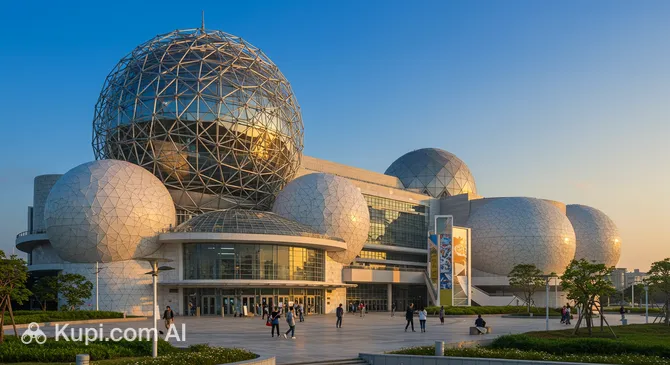
When it comes to museums, the Zhuhai Museum takes center stage within the city, showcasing the region's transformation from a fishing village to a modern economic hub. However, the proximity to Macau allows visitors to access a wealth of world-class institutions nearby. The Macao Science Center is a standout attraction, instantly recognizable by its distinctive asymmetrical conical shape. Inside, it houses interactive galleries dedicated to space science, robotics, and eco-conservation, making it a fascinating destination for curious minds of all ages.

Macao Science Center. Source: Kupi.Binoculars

Art aficionados will appreciate the Macau Museum of Art, the largest visual arts museum in the vicinity. It features an impressive collection of Chinese calligraphy, ceramics, and Western paintings, reflecting the area's rich history of East-West cultural exchange. For a deep dive into architectural heritage, the Taipa Houses offer a living museum experience. These five mint-green colonial residences have been beautifully preserved to display the lifestyle of Macanese families in the early 20th century, set against a wetland backdrop.

Taipa Houses. Source: Kupi.Binoculars

History buffs can also explore the Guia Fortress and Lighthouse, a UNESCO World Heritage site that offers panoramic views and historical insights into the region's maritime past. Nearby, the Monte Fort provides another vantage point with its historical cannons and garden-like setting. For a unique cultural detour, the Kun Iam Ecumenical Centre is dedicated to the Goddess of Mercy and promotes religious tolerance and harmony.

For an insider experience, consider visiting the Macao Grand Prix Museum. Recently renovated, this venue celebrates the history of one of the world's most challenging street circuits with simulators and displays of vintage racing cars. It is a thrilling stop that contrasts with the quiet serenity of the city's parks, offering a high-octane dose of local heritage.

Getting Around

Navigating Zhuhai is remarkably straightforward and affordable, with a public transportation network primarily anchored by an extensive bus system rather than a complex underground metro. The city’s bus network is comprehensive, covering major tourist attractions, the long coastline along Lovers' Road, and residential districts. Most buses are modern, air-conditioned, and increasingly electric, reflecting the city's commitment to environmental sustainability. For longer distances, particularly when traveling north towards the border with other districts or cities, the Guangzhou-Zhuhai Intercity Railway serves as a high-speed commuter rail, functioning somewhat like an express subway line with stops at key stations like Zhuhai Station (Gongbei) and Zhuhai North.

The payment system for public transport is designed for convenience, though it leans heavily towards digital solutions. The standard bus fare is incredibly low, typically costing just 1 RMB per ride for most lines. While you can still pay with cash, you must have the exact change as drivers do not carry coins. For a smoother experience, most locals and visitors use mobile payment apps like WeChat Pay or Alipay, which have dedicated "Ride Code" mini-apps that you scan upon boarding. Physical IC cards, known as the Zhuhai Tong, are also available and can be purchased at designated service centers, though mobile payments are generally more accessible for short-term visitors.

For tourists, the most practical advice is to download a navigation app that supports English or to use the translation features within local apps to plan your route. Bus operating hours generally run from early morning, around 6:00 AM, until late evening, often up to 10:30 PM or 11:00 PM, depending on the line. If you are planning to explore the city's famous coastline, look out for the dedicated sightseeing buses. These double-decker buses offer panoramic views of the sea and major landmarks, providing a scenic and comfortable way to hop between attractions like the Fisher Girl Statue and the Grand Theater.

Taxis are another popular and reasonably priced alternative, especially for travelers with luggage or those moving between hotels and ferry terminals. You can hail them on the street—look for the lighted sign on the roof—or find them at designated stands. Ride-hailing apps, particularly DiDi (the local equivalent of Uber), are extremely convenient and often overcome language barriers since you input your destination digitally. The app is available in English and accepts international credit cards, making it a stress-free option for getting around.

Given Zhuhai's reputation as a garden city with beautiful promenades, cycling is a fantastic way to explore, especially along the flat, scenic paths of Lovers' Road. Shared bicycles are scattered throughout the city and can be unlocked using the same WeChat or Alipay apps used for buses. Additionally, as a city of islands, ferries play a crucial role in the transport ecosystem. Jiuzhou Port and Xiangzhou Port are the main hubs for catching ferries to the tranquil outlying islands or taking a fast boat to nearby cities across the delta.

Accommodation

Where to Stay:

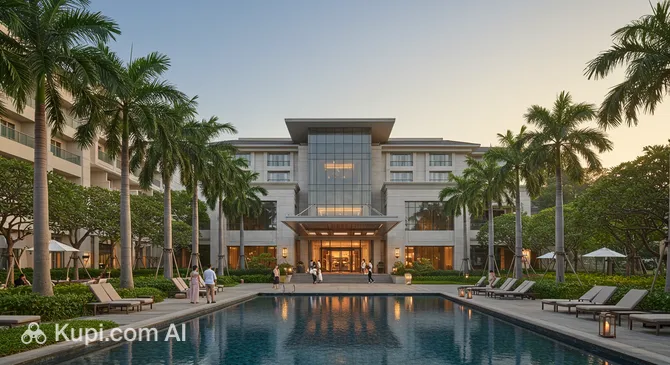
Finding the perfect place to stay in Zhuhai is easy, as the city offers a wide spectrum of accommodations ranging from budget-friendly hostels to opulent five-star resorts. The hospitality landscape is largely defined by the city's geography; whether you prefer waking up to ocean views along the promenade or staying close to the adrenaline of theme parks, there is a district tailored to your needs.

For families and leisure travelers, the Hengqin New Area is a top choice. This district is home to the famous ocean theme parks and offers a variety of themed hotels that cater specifically to children and vacationers. Staying here places you right in the heart of the action, with easy access to entertainment complexes and the border crossing to Macau's Cotai Strip. It is an area designed for fun, characterized by large resort-style properties and spacious surroundings.

If you prefer a more urban vibe with scenic vistas, the Jida and Gongbei districts are ideal. Jida is the city's central business district and is known for its high-end luxury hotels that line Lovers' Road. Here, guests can enjoy sweeping views of the Pearl River Delta and the Hong Kong-Zhuhai-Macau Bridge. Gongbei, on the other hand, is the bustling hub near the main border gate. It is perfect for travelers who prioritize convenience, offering countless dining options, shopping plazas, and immediate access to transportation networks.

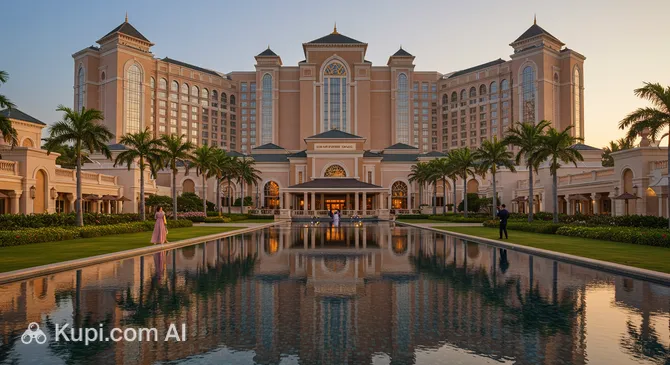
Due to the seamless connectivity between Zhuhai and its neighbor, many travelers also choose to experience the world-class hospitality found just across the border. For those seeking unparalleled luxury and service, the Four Seasons Hotel Macau offers a refined sanctuary with elegant accommodations and premium amenities. It serves as an excellent base for those who wish to explore the region's casinos and heritage sites while enjoying a tranquil retreat at the end of the day.

Four Seasons Hotel Macau. Source: Kupi.Binoculars

For visitors who enjoy having entertainment, shopping, and dining all under one roof, the integrated resorts in the area are unmatched. The City of Dreams is a massive complex that combines stylish hotels with spectacular shows and designer boutiques, providing a vibrant lifestyle experience. Similarly, The Londoner Macao transports guests to the British capital with its themed architecture and sophisticated suites, making it a unique accommodation option for those exploring the Greater Bay Area.

Zhuhai is also celebrated for its wellness retreats. The city's outskirts host several renowned hot spring resorts where visitors can soak in mineral-rich waters surrounded by traditional gardens. These resorts provide a peaceful counterpoint to the city center, making them perfect for a restorative weekend getaway. Whether you choose a seaside room in the city or a lavish suite nearby, the region ensures a comfortable and memorable stay.

Nearby Cities

For those looking to explore the surroundings, Zhuhai serves as an excellent base for day trips to several interesting nearby locations:

Just a short distance away lies Zhongshan, a city of great historical significance as the birthplace of Dr. Sun Yat-sen. Visitors can explore his former residence and enjoy the city's relaxed atmosphere, which is also known for its delicious roasted pigeon. For gastronomy enthusiasts, Shunde is an absolute must-visit. Recognized as a UNESCO City of Gastronomy, it is often cited as the cradle of Cantonese cuisine, famous for its double-skin milk desserts and intricate culinary techniques. Alternatively, the dynamic metropolis of Shenzhen offers a stark contrast with its futuristic skyline, massive electronics markets, and theme parks, representing the cutting edge of China's modernization.

City Population Distance (km)
Shenzhen 17,619,000 58
Dongguan 10,646,000 85
Jiangmen 4,630,300 61
Shunde 3,000,000 66
Zhongshan 2,909,633 33

These nearby destinations offer a glimpse into the diverse culture and landscapes of the region.

Shopping & Souvenirs

Shopping in Zhuhai

Shopping in Zhuhai offers a dynamic mix of experiences, ranging from bustling underground markets filled with bargains to modern, high-end retail complexes. As a coastal city and a major gateway, it is particularly known for its abundance of dried seafood, pearl jewelry, and duty-free goods available at the border crossings. The city provides a more relaxed shopping environment compared to its busy neighbors, with price points that are often more affordable, making it a popular destination for those looking to find great value on clothing, electronics, and local specialties.

One of the most famous shopping destinations in the city is the Gongbei Underground Shopping Plaza. Located right beneath the Gongbei Port immigration building, this massive subterranean labyrinth consists of hundreds of small stalls and shops. It is a haven for bargain hunters, offering everything from shoes and handbags to watches and mobile accessories. Bargaining is expected here, and it is a vibrant, if somewhat chaotic, place to test your negotiation skills. For a more pedestrian-friendly experience, Lotus Road (Lianhua Road) nearby is a historic commercial street lined with boutiques and brand-name stores, popular for casual evening strolls.

For those seeking a world-class luxury retail experience, Zhuhai's proximity to the Special Administrative Regions allows for easy access to some of the most spectacular malls in the region. Many visitors take advantage of this connection to visit the City of Dreams, a premier integrated resort that houses an extensive boulevard of designer fashion labels and high-end jewelry brands. Another architectural marvel and shopping destination is The Londoner Macao, which recreates the streets of London and features a vast array of British and international retailers in a themed setting.

City of Dreams. Source: Kupi.Binoculars

When it comes to traditional markets, the Wanzai Seafood Street is a highlight for foodies and culture seekers. While primarily known for its fresh dining, the area is also packed with stalls selling dried seafood products, which are a staple of the local diet. Here, you can find high-quality dried scallops, abalone, and shrimp at competitive prices. It is an excellent place to observe the local way of life and pick up ingredients that are quintessential to Cantonese cuisine.

If you are looking for authentic souvenirs to bring home, dried seafood—particularly the famous Hengqin oysters—is a top choice. Pearl jewelry is another local specialty, reflecting the city's location in the Pearl River Delta. For edible treats, almond cakes and meat jerky are incredibly popular in the region. The famous Rua do Cunha, located just across the border, is renowned for these snacks, but you can also find excellent bakeries within Zhuhai selling similar traditional pastries that make for perfect gifts.

Most shopping malls and department stores in Zhuhai are open daily from around 10:00 AM to 10:00 PM. Independent shops and street markets may operate with more flexible hours, often staying open later into the evening. Cash is becoming less common; the vast majority of vendors, from high-end boutiques to small market stalls, prefer mobile payments via WeChat Pay or Alipay. It is highly recommended to have one of these apps set up on your phone, as some smaller vendors may not have enough change for large banknotes.

Regarding tax refunds, Mainland China has a tax refund scheme for overseas tourists in designated cities, but the process can be complex and is generally limited to large department stores. However, the Gongbei Port Duty-Free Shop offers a convenient alternative for travelers crossing the border, providing a selection of imported cosmetics, alcohol, and tobacco at tax-free prices.

Reached the end of the page?

That means the route is fully explored