Support

Guangzhou

About

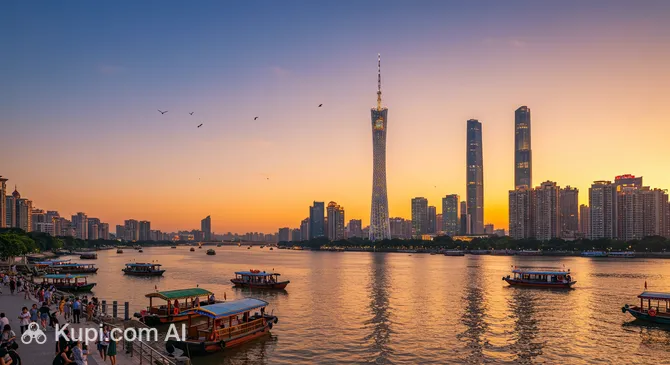
Guangzhou, historically known as Canton, is a vibrant metropolis located in southern China. As the capital of Guangdong Province, it stands as one of the country's most significant commercial and cultural hubs. With a staggering population of nearly 27 million residents, this sprawling port city on the Pearl River is a dynamic engine of growth, yet it retains a unique charm earning it the nickname "City of Flowers" due to its evergreen flora and colorful blooms.

Guangzhou. Source: Kupi.Binoculars

The city offers a fascinating journey through time, where ancient temples stand in the shadow of futuristic skyscrapers. To truly understand the region's significance, one should explore the rich history of Guangzhou, which served as a major terminus of the maritime Silk Road. This deep heritage is visible in landmarks like the Chen Clan Ancestral Hall, famous for its intricate wood carvings, and the preserved colonial architecture on Shamian Island.

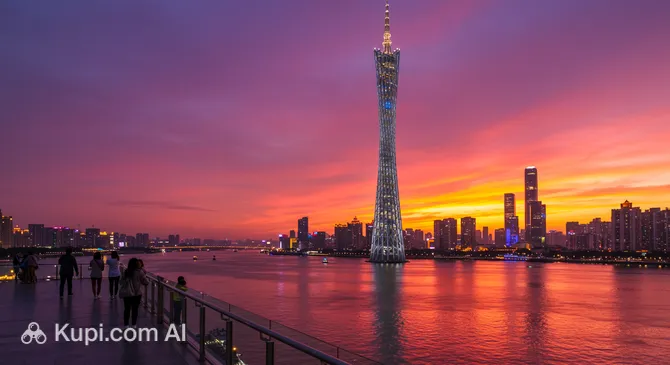
Modern Guangzhou is equally impressive, characterized by the soaring Canton Tower, which offers panoramic views of the urban landscape, especially dazzling during the nightly light shows. Food enthusiasts will find themselves in paradise here, as the city is the spiritual home of Cantonese cuisine; enjoying a traditional morning tea with dim sum is an essential experience for any traveler.

Whether you are drawn by its bustling markets, its humid subtropical climate that allows for year-round travel, or its world-class culinary scene, Guangzhou promises an unforgettable adventure. It is a destination where the pulse of modern life beats in harmony with deep-rooted traditions, inviting visitors to discover its many layers.

Weather Overview

Guangzhou enjoys a warm climate year-round, characterized by distinct seasonal changes in humidity and rainfall rather than extreme temperature fluctuations. Generally, you can expect hot, humid summers with frequent rain and mild, comfortable winters that are much drier.

The summer months, particularly from June through August, are the hottest and wettest time of the year. During this period, average temperatures hover around 29°C, with July often seeing highs of 32.8°C. Rainfall is a constant companion in summer; June, for instance, typically experiences about 26 wet days. In contrast, the winter season from December to February is quite pleasant, with January average temperatures sitting at a mild 15.4°C and rain occurring on only about 5 days.

The transitional seasons of spring and autumn offer moderate conditions, though humidity rises quickly in the spring. May sees averages of 26.9°C, while October remains warm at 24.7°C before the cooler air sets in. For a more detailed breakdown of what to expect during your specific travel dates, you can consult the guide on the weather in Guangzhou.

Interesting Facts

Beyond its reputation as a global trading hub, Guangzhou holds a treasure trove of legends and architectural marvels that often surprise visitors. Digging a bit deeper reveals stories that date back thousands of years and modern feats that defy gravity.
  • The city earns its nickname, the "City of Rams," from an ancient legend where five immortals rode five rams into the city to bless it with a bountiful harvest. This mythical event is commemorated by a famous stone statue located in Yuexiu Park, which has become the emblem of the city.

  • The Temple of the Six Banyan Trees houses the stunning Flower Pagoda, which presents a curious optical illusion. While it appears to have only nine stories from the outside, the interior actually contains 17 levels, making it a masterpiece of ancient architectural engineering.

  • Dominating the skyline, the Canton Tower is affectionately known by locals as "Xiao Man Yao" or "Slim Waist" due to its twisted, hyperboloid structure. It features the world's highest horizontal ferris wheel, known as the Bubble Tram, sitting atop the tower at 450 meters.

  • Guangzhou is home to the Huaisheng Mosque, traditionally believed to be one of the oldest mosques in the world outside the Arabian Peninsula. Built over 1,300 years ago, its unique smooth minaret once served as a lighthouse for boats navigating the Pearl River.

Yuexiu Park. Source: Kupi.Binoculars

How to Get There

Guangzhou is a major transportation hub in Southern China, accessible via several key entry points. For a comprehensive guide on planning your journey, you can read more about how to get to Guangzhou. The most direct option for travelers is Guangzhou Baiyun International Airport (CAN), which is located within the city limits. Situated approximately 29.4 km from the city center, it is a bustling hub where a taxi ride typically takes about 65 minutes.

Travelers also frequently use Shenzhen Bao'an International Airport (SZX), located in the neighboring city of Shenzhen. Although it is about 78 km away from Guangzhou, it serves as a significant gateway to the region, with a transfer time of around 2 hours and 20 minutes by car. For those seeking the closest geographical option, Foshan Airport (FUO) in Foshan is just 20.6 km away, offering a transfer of roughly 50 minutes, though it handles a smaller volume of passengers.

For clarity, here is a summary of the main airports:

Airport Name City Passenger Traffic Km from City
Guangzhou Baiyun International Airport Guangzhou Large 29.4
Shenzhen Bao'an International Airport Shenzhen Large 78.0
Hong Kong International Airport Hong Kong Large 113.3
Macau International Airport Macau Medium 113.6
Foshan Airport Foshan Small 20.6

Regarding rail travel, the region is served by various stations. The provided data specifically notes Wuzhou Railway Station (KZZ), which is located in the city of Wuzhou. It is situated approximately 211.4 km from Guangzhou. Due to this considerable distance, travelers arriving here would face a transfer time of over 5 hours by road to reach Guangzhou.

Below is the information regarding the railway station:

Station City Passenger Traffic Km to Center
Wuzhou Railway Station Wuzhou 211.4

Main Attractions

Guangzhou is a city where history whispers from ancient temples while neon lights pulse through modern avenues. The metropolis offers a diverse range of sights, from architectural masterpieces to bustling commercial hubs, ensuring that every traveler finds something to captivate their imagination.

One of the most magnificent examples of traditional Lingnan architecture is the Chen Clan Ancestral Hall. Originally built in the Qing Dynasty as an academy for the Chen family, it now serves as the Guangdong Folk Arts Museum. Visitors are often mesmerized by the exquisite craftsmanship visible in every corner, featuring intricate wood, stone, and brick carvings, as well as colorful clay sculptures that adorn the ridges of the rooftops. It is a perfect place to appreciate the region's artistic heritage.

Chen Clan Ancestral Hall. Source: Kupi.Binoculars

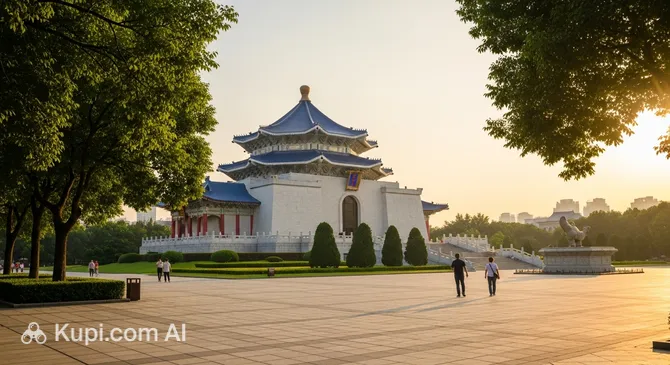
For a deep dive into the nation's past, Dr. Sun Yat-sen's Memorial Hall is an essential stop. This octagonal building was constructed to honor the forerunner of the Chinese democratic revolution. What makes it architecturally unique is the grand hall that spans 71 meters without a single pillar blocking the view, a feat of engineering for its time. The surrounding grounds feature ancient banyan trees and peaceful gardens, offering a quiet respite from the city center.

Dr. Sun Yat-sen's Memorial Hall. Source: Kupi.Binoculars

Nature lovers and families should not miss the Safari Park, widely regarded as one of the best zoological parks in the country. It allows visitors to see rare animals in environments that closely mimic their natural habitats. The park is famous for its large population of white tigers and its giant panda center. A self-drive or tram tour through the park provides close encounters with giraffes, elephants, and other wildlife roaming freely.

Safari Park. Source: Kupi.Binoculars

To experience the vibrant local lifestyle, a walk down Shangxiajiu Pedestrian Street is a must. This bustling commercial area is renowned for its preserved Qilou (arcade) architecture, which blends Western and Chinese styles. It is a paradise for shoppers and foodies alike, lined with hundreds of stores and traditional eateries serving classic Cantonese snacks like double-skin milk and shrimp dumplings.

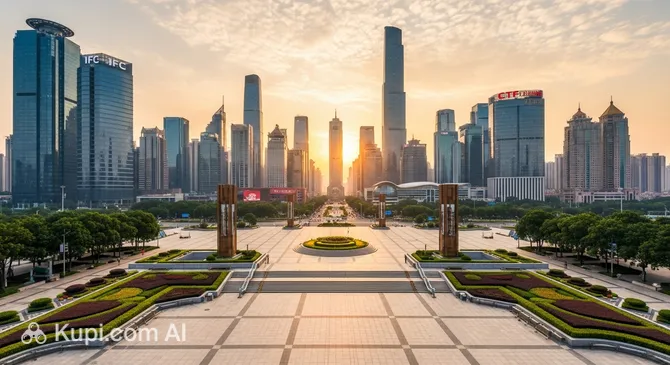
Finally, for a look at the city's futuristic side, head to Huacheng Square. Located in the heart of the new central axis, it is the largest urban square in Guangzhou. Surrounded by landmarks such as the Opera House, the new library, and the Guangdong Museum, it offers the best vantage point for admiring the towering skyline and the majestic Canton Tower, especially when illuminated at night.

Local Cuisine

There is a popular Chinese saying that claims one should "Eat in Guangzhou," and for good reason. As the birthplace of Cantonese cuisine, also known as Yue cuisine, the city is a paradise for food lovers. The local culinary philosophy emphasizes the freshness of ingredients and preserving their natural flavors, resulting in dishes that are savory, mild, and rarely heavily spiced. For any visitor, the food scene here is not just about sustenance; it is a vital part of the cultural experience.

The most iconic aspect of Guangzhou's food culture is undoubtedly Yum Cha, or morning tea. This tradition involves drinking tea accompanied by baskets of bite-sized dishes known as Dim Sum. Travelers should not miss the opportunity to sit in a bustling tea house and try classics like Har Gow (shrimp dumplings), Siu Mai (pork dumplings), and Cheong Fun (rice noodle rolls). It is a social ritual where locals gather to chat, read newspapers, and enjoy a leisurely start to the day.

Beyond dumplings, the city is famous for its roast meats, collectively known as Siu Mei. Roast Goose is a particular specialty, featuring crispy skin and succulent meat served with a plum sauce. Another staple is White Cut Chicken, which is poached to perfection to maintain the tenderness of the meat and served with a ginger and scallion dipping sauce. These dishes can be found everywhere, from high-end banquet halls to humble neighborhood eateries.

Shangxiajiu Pedestrian Street. Source: Kupi.Binoculars

When it comes to beverages, tea is the foundation of every meal, with varieties like Pu'er and Chrysanthemum being local favorites. For something uniquely regional, adventurous souls can try Herbal Tea, or "Leung Cha." These dark, bitter brews are sold in specialized shops and are believed by locals to have medicinal properties that help cool the body in the humid climate. On the lighter side, locally brewed beer is also widely available to accompany evening meals.

To truly immerse yourself in the gastronomic atmosphere, a visit to Shangxiajiu Pedestrian Street is highly recommended. This vibrant area is lined with traditional Qilou buildings and offers an endless array of street food options. Here, you can sample traditional snacks like double-skin milk dessert or ginger milk curd while soaking in the energetic pulse of the city's dining scene.

Travel Tips

Welcome to Guangzhou, a dazzling metropolis where ancient traditions seamlessly blend with futuristic innovation. To help you navigate the bustling streets of the "City of Flowers" with ease and confidence, we have compiled a set of essential practical tips that will ensure your journey is as smooth as it is memorable.

  1. Clothing and Gear: Given the subtropical climate, lightweight and breathable fabrics like cotton or linen are essential for the hot and humid summers. However, indoor air conditioning can be strong, so bringing a light jacket is wise. Winters are mild, requiring only light layers. Comfortable walking shoes are a must for exploring expansive parks and markets. Don't forget a universal power adapter (Type A, C, or I) and a compact umbrella, as sudden showers are common.
  2. Transportation: The most efficient way to get around is the Guangzhou Metro. It is clean, extensive, and features English signage and announcements. Taxis are also plentiful, but few drivers speak English; always have your destination written in Chinese characters to show the driver. Ride-hailing apps like DiDi are widely used and can often be accessed via English-language platforms within payment apps.
  3. Finances: The local currency is the Chinese Yuan (CNY or RMB). While international credit cards are accepted in high-end hotels, daily life in China is dominated by mobile payments. It is highly recommended to set up Alipay or WeChat Pay on your phone before arrival, as they now support international bank cards. Carry a small amount of cash for backup, but be prepared for a largely cashless society. Tipping is not customary in restaurants or taxis.
  4. Health and Safety: Guangzhou is generally very safe for tourists, but standard precautions against pickpocketing should be taken in crowded markets like Shangxiajiu. Pharmacies are marked with a green cross, though English service may be limited. Do not drink tap water; stick to bottled water which is cheap and readily available. In summer, carry mosquito repellent if you plan to visit parks or gardens.
  5. Communication: Mandarin is the official language, though Cantonese is the local vernacular. English proficiency is not widespread outside of major hotels and tourist hubs. Download a translation app that works offline or has a voice feature. Crucially, many western apps and websites are blocked; ensure you have a reliable roaming plan or install a VPN before you enter the country to stay connected.
  6. Local Etiquette: Greetings are usually formal with a nod or a handshake. When dining, never leave your chopsticks sticking upright in a bowl of rice, as this resembles incense burning for the dead and is considered bad luck. If you are invited to tea, tapping two fingers on the table is a polite silent gesture to say "thank you" to the person pouring for you.
  7. What to Avoid: Avoid visiting during the Canton Fair sessions (typically mid-April to early May and mid-October to early November) unless you are attending the trade show. During these periods, hotel prices skyrocket, and the city becomes incredibly crowded. Also, avoid losing your temper or shouting in public, as causing someone to "lose face" is a serious social faux pas.
  8. Life Hack: Always carry a packet of tissues and hand sanitizer with you. While shopping malls and hotels are well-equipped, smaller restaurants and public restrooms often do not provide toilet paper or soap. This simple preparation will save you from many awkward situations during your daily explorations.

Armed with these practical insights, you are ready to dive into the vibrant energy of Guangzhou. Embrace the local customs, savor the world-renowned cuisine, and enjoy every moment of your adventure in this dynamic southern gateway of China!

Entertainment & Nightlife

As the sun sets, Guangzhou transforms into a dazzling spectacle of neon lights and vibrant energy. The city's nightlife is a dynamic mix of trendy clubs, laid-back riverside bars, and bustling night markets, catering to every type of traveler. Whether you prefer sipping cocktails with a view of the skyline or exploring crowded street food stalls, the "City of Flowers" offers endless evening possibilities.

The epicenter of the city's modern nightlife is undoubtedly the Zhujiang Party Pier Beer Culture Art Zone. Located along the Pearl River, this repurposed brewery complex is packed with open-air bars, western-style pubs, and pulsating nightclubs. The atmosphere here is electric, drawing a mix of expatriates, locals, and tourists. Most venues open in the late afternoon and stay busy until the early hours of the morning. The dress code is generally smart-casual, though some high-end clubs may require a more polished look.

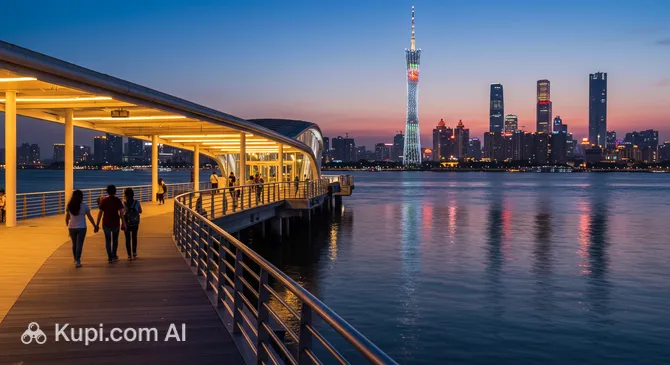
For a more scenic and relaxed evening, a cruise along the river is an absolute must. The illuminated skyline creates a mesmerizing backdrop, with landmarks like the Canton Tower glowing in shifting colors. Many of these cruises depart from the Canton Tower Wharf, making it a convenient starting point for a night out. Seeing the city from the water offers a unique perspective on its architectural grandeur.

If you prefer a quieter evening stroll, Huacheng Square is the perfect destination. It is surrounded by futuristic skyscrapers and offers the best ground-level views of the light shows. Nearby, you can find excellent dining options. For those craving international flavors after a long day, the Bosphorus Turkish Restaurant is a popular spot known for its authentic cuisine and welcoming atmosphere, providing a hearty meal before you continue your night.

Canton Tower. Source: Kupi.Binoculars

Practicalities are important for a smooth night out. The best time to head out is around 9:00 PM when the city is fully lit and the venues start to fill up. Average prices for drinks in the Party Pier area are comparable to Western standards, while local beer in smaller bars is quite affordable. The Guangzhou Metro is efficient but typically stops running around 11:00 PM or midnight. After that, ride-hailing apps like DiDi or regular taxis are the best way to get back to your hotel.

Guangzhou is generally very safe at night, even for solo travelers. The main nightlife districts like Zhujiang New Town and the riverfront are well-patrolled and well-lit. However, as in any major city, it is wise to keep an eye on your belongings in crowded bars. If you need a taxi late at night, it is helpful to have your destination written in Chinese, as few drivers speak English.

While the nights are for excitement, the days in Guangzhou offer a different kind of cultural richness. Before the sun goes down, you can explore the city's heritage at the Chen Clan Ancestral Hall or enjoy a peaceful afternoon in Yuexiu Park. For thrill-seekers and families, the Safari Park provides world-class daytime entertainment that contrasts perfectly with the urban buzz of the evening.

Parks & Museums

Beyond its bustling trade centers and modern skyline, Guangzhou is a city deeply rooted in culture and adorned with lush greenery. The metropolis offers a refreshing array of parks, historical museums, and ancient temples that provide a serene escape from the urban energy, inviting visitors to explore the quieter, more contemplative side of the "City of Flowers."

Among the city's green spaces, Yuexiu Park stands out as the largest park in downtown Guangzhou. Covering an expansive area of 860,000 square meters, it is a perfect blend of natural beauty and cultural relics. Visitors can wander through bamboo groves and flower gardens or rent a boat to drift along the three artificial lakes. The park is also home to the Zhenhai Tower, a five-story historical structure that now houses the Guangzhou Museum, offering panoramic views of the city alongside its historical exhibits.

Another essential natural retreat is White Cloud Mountain (Baiyun Mountain), often referred to as the "lung of the city." Located just north of the city center, this scenic area features over 30 peaks, with Moxing Ridge being the highest. It is a favorite spot for locals to hike and enjoy the fresh air. The mountain becomes particularly enchanting after rain when a wreath of clouds wraps around the peaks. Visitors can take a cable car to the top for a breathtaking bird's-eye view of the sprawling metropolis below.

For those interested in diving deeper into the region's history, the Museum of the Mausoleum of the Nanyue King is a world-class archaeological site. It houses the 2,000-year-old tomb of Zhao Mo, the second king of the Nanyue Kingdom. The museum displays thousands of artifacts unearthed from the site, including the famous jade burial suit sewn with silk thread, offering a fascinating glimpse into the Han Dynasty's imperial past.

In contrast to the ancient tomb, the Guangdong Museum in Zhujiang New Town showcases the region's heritage through a striking modern lens. The building itself is an architectural marvel, designed to resemble a traditional lacquered box. Inside, extensive collections of Chaozhou woodcarvings, ceramics, and calligraphy narrate the rich cultural evolution of Guangdong province, making it a must-visit for art and history enthusiasts.

Religious architecture also plays a significant role in the city's cultural landscape. The Temple of the Six Banyan Trees is a renowned Buddhist temple with a history dating back over 1,400 years. Its most striking feature is the Flower Pagoda, a masterpiece of ancient architecture with curved, petal-like roofs. The temple grounds provide a peaceful atmosphere where the scent of incense mixes with the sounds of chanting monks.

Temple of the Six Banyan Trees. Source: Kupi.Binoculars

For a truly authentic experience, take a stroll through Shamian Island. Once a British and French concession, this sandbank island is a preserved open-air museum of colonial architecture. With its tree-lined avenues, bronze statues, and European-style buildings, it offers a quiet, nostalgic atmosphere that feels worlds away from the frenetic pace of modern Guangzhou.

Getting Around

Navigating Guangzhou is remarkably efficient thanks to its massive, modern, and interconnected public transportation network. The backbone of the system is the Guangzhou Metro, which covers nearly every corner of the metropolis. It is clean, punctual, and tourist-friendly, with signage and announcements in English. A unique feature within the central business district is the APM (Automated People Mover) line, a driverless underground train that services the Zhujiang New Town area, offering a quick way to hop between major landmarks like the Opera House and the Canton Tower.

Complementing the subway is an extensive bus network, including a highly efficient Bus Rapid Transit (BRT) system. While buses can reach areas the metro does not, they can be more challenging for non-Chinese speakers due to limited English information. For a more scenic journey, travelers should consider the Haizhu Tram, which runs along the Pearl River and offers beautiful views of the cityscape. Additionally, the Water Bus ferries provide an inexpensive and picturesque way to cross the river, functioning both as a commuter tool and a sightseeing experience.

When it comes to payment, the most convenient option for tourists is the Yang Cheng Tong card. This reloadable smart card can be used on the metro, buses, ferries, and even in some convenience stores, offering a slight discount on fares. Cards can be purchased and topped up at metro service centers or convenience stores like 7-Eleven. For those comfortable with mobile technology, Alipay and WeChat Pay are ubiquitous; you can activate a "Transport QR Code" within these apps to scan at turnstiles and bus readers, eliminating the need for physical tickets or cash.

Taxis are widely available and relatively affordable, though it is crucial to have your destination written in Chinese characters, as few drivers speak English. Alternatively, ride-hailing apps are extremely popular and often easier for visitors to use; the major service, DiDi, is integrated into English-language platforms and allows you to input destinations in English. For short distances, the city is filled with colorful shared bicycles, which can be unlocked via mobile apps, making the "last mile" of your journey a breeze.

Most public transport operates from early morning, around 6:00 AM, until late at night, typically closing between 11:00 PM and midnight. Travelers should be aware that the metro can be incredibly crowded during peak rush hours (7:30–9:30 AM and 5:30–7:30 PM). To validate your journey, simply tap your card or scan your phone at the entry and exit gates of the metro, or tap once upon entering a bus.

Accommodation

Guangzhou offers a vast and diverse array of accommodation options, catering to every type of traveler, from budget-conscious backpackers to luxury-seeking business executives. As a major international trade hub, the city is well-equipped with thousands of properties, ranging from humble youth hostels and comfortable mid-range chains to opulent five-star resorts situated in soaring skyscrapers.

Choosing the right area to stay depends largely on your itinerary. For those looking to experience the modern pulse of the city, the Tianhe District, particularly around Zhujiang New Town, is the top choice. This area is home to high-end international hotel brands and offers easy access to modern landmarks and upscale shopping malls. Conversely, travelers interested in history and local culture often prefer the Yuexiu or Liwan districts. Staying here places you within walking distance of ancient temples, bustling pedestrian streets like Beijing Road, and authentic Cantonese eateries.

For business travelers, especially those attending trade shows, the Haizhu District near the Pazhou International Exhibition Center is strategic, though it is quieter in the evenings compared to the city center. If you prefer a more nostalgic atmosphere, the area around Shamian Island offers boutique hotels housed in restored colonial buildings, providing a peaceful retreat by the river.

Booking Tip: It is critical to be aware of the Canton Fair dates, typically held in phases during April-May and October-November. During these periods, hotel rates throughout the city can triple, and rooms sell out months in advance. If you are not attending the fair, it is best to avoid these dates or book your accommodation well ahead of time.

Regarding costs, Guangzhou is generally more affordable than Hong Kong or Shanghai. Budget travelers can find clean hostels or budget hotels for around $20–$40 USD per night. Mid-range options, which are plentiful and often high-quality, typically range from $50 to $100 USD. Luxury stays in top-tier hotels usually start from $150 USD and go up. While international platforms like Booking.com are usable, regional apps like Trip.com often offer a wider selection and better rates for properties within mainland China.

Nearby Cities

For those looking to explore the surroundings, Guangzhou serves as an excellent base for day trips to several interesting nearby locations. The Pearl River Delta is a cluster of culturally rich cities, each offering unique experiences ranging from culinary adventures to historical explorations.

Foshan is arguably the most popular day-trip destination, located just a stone's throw away from Guangzhou. Known as the cradle of Cantonese opera and martial arts, it is the ancestral home of legendary Kung Fu masters like Ip Man and Bruce Lee. Visitors can explore the magnificent Ancestral Temple (Zumiao), which houses traditional architecture and ceramics, or witness a lion dance performance.

Shunde, often considered the gastronomic capital of the region, is a must-visit for food enthusiasts. Designated as a UNESCO Creative City of Gastronomy, it is famous for its delicate and inventive Cantonese dishes, such as double-skin milk and steamed fish. Beyond food, Shunde is home to the Qinghui Garden, one of the four great classical gardens of Guangdong, offering a peaceful retreat with its intricate pavilions and koi ponds.

For those interested in unique architecture and history, Jiangmen offers a glimpse into the lives of overseas Chinese. It serves as the gateway to the famous Kaiping Diaolou—fortified multi-story towers that blend Chinese and Western architectural styles. These UNESCO World Heritage structures are scattered across the countryside and tell the story of the region's turbulent yet prosperous past.

City Population Distance (km)
Dongguan 10,646,000 51
Foshan 9,498,863 19
Jiangmen 4,630,300 64
Qingyuan 3,969,473 65
Shunde 3,000,000 36

These nearby destinations offer a glimpse into the diverse culture and landscapes of the region, making them perfect additions to your travel itinerary.

Shopping & Souvenirs

Shopping in Guangzhou is an exhilarating experience that reflects the city's status as a premier commercial hub of Southern China. Known historically as a trading powerhouse, the city offers an incredible variety of retail therapy, ranging from bustling wholesale markets and historic pedestrian streets to ultra-modern luxury shopping complexes. Whether you are looking for high-end fashion, traditional handicrafts, or bargain electronics, this metropolis has a district dedicated to it.

For a taste of traditional Guangzhou mixed with commerce, Shangxiajiu Pedestrian Street is an essential destination. This vibrant thoroughfare is lined with preserved Qilou (arcade-style) buildings that provide shelter from the sun and rain, creating a unique atmosphere. It is famous for its affordable clothing, local snacks, and lively crowds. Another top spot is Beijing Road, a historic shopping street where you can see the preserved layers of the ancient road through glass panels on the ground while browsing international brands and local boutiques.

If you prefer modern, air-conditioned comfort, the Tianhe District is the city's premier destination for high-end retail. Here you will find upscale malls like Taikoo Hui and Tee Mall, which host luxury international designers and gourmet supermarkets. The area around Huacheng Square is also a shopping mecca; beneath the square lies the Mall of the World, a massive underground complex, while the surrounding skyscrapers house exclusive department stores and art-infused retail spaces like K11.

Huacheng Square. Source: Kupi.Binoculars

Guangzhou is also legendary for its specialized markets. The Qingping Market near Shamian Island is a fascinating place to explore, offering everything from traditional Chinese medicine and dried herbs to pets. For those interested in jewelry, the Hualin Jade Street is dedicated to jade stones and finished pieces. There are also massive wholesale markets for clothing, leather goods, and electronics, where patient shoppers can find great deals, though bargaining is often expected in these settings.

When it comes to souvenirs, visitors often look for items that represent Cantonese culture. Cantonese embroidery, known for its intricate designs and vibrant colors, makes for a beautiful gift. Other popular choices include boxes of premium tea, particularly Pu'er or Oolong, as well as delicate Cantonese porcelain. Dried seafood and traditional preserved fruits are also classic local specialties, though you should check customs regulations for your home country before purchasing food items.

Most shopping malls and large department stores are open daily from 10:00 AM to 10:00 PM. While major credit cards are accepted in high-end establishments, the vast majority of transactions in Guangzhou are done via mobile payment apps like Alipay or WeChat Pay. It is highly recommended to set these up on your phone. Cash is accepted but becoming less common for small purchases. Additionally, international tourists may be eligible for a tax refund on purchases over 500 CNY at designated "Tax Free" stores, provided they process the paperwork at the airport upon departure.

Reached the end of the page?

That means the route is fully explored