Support

Meizhou

About

Welcome to Meizhou, a captivating city located in the northeastern part of Guangdong province. Renowned as the "Capital of Hakka in the World," this destination offers a unique window into one of the most influential sub-cultures in China. Nestled among rolling hills and the meandering Meijiang River, Meizhou is not just a scenic retreat but also a significant cultural center that serves as the ancestral home for millions of Hakka people across the globe.

The city covers a vast area with a population of over 4 million residents, blending modern development with deep-rooted traditions. To fully appreciate the local atmosphere, travelers often delve into the history of Meizhou, which is beautifully preserved in its architecture and customs. The region is famous for its distinctive Weilongwu (Hakka walled villages), massive enclosed structures that reflect the community-focused lifestyle and defensive needs of the past.
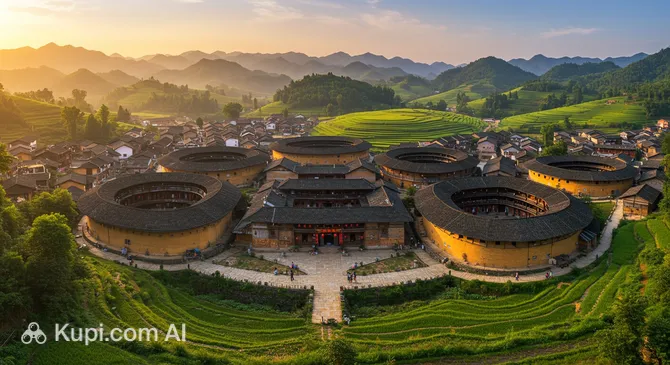
Meizhou. Source: Kupi.Binoculars

Beyond its architectural heritage, Meizhou is celebrated for its lush landscapes and agricultural bounty, particularly its famous Shatian pomelos and expansive tea plantations. Visitors can explore the verdant Yannanfei Tea Field, a resort that combines tea culture with ecological tourism, or pay a visit to the Ye Jianying Memorial Park, dedicated to one of the country's most prominent military leaders who was born here. The city's subtropical climate makes it a pleasant destination year-round, offering a slower pace of life compared to the bustling coastal metropolises.

Whether you are wandering through ancient walled houses, tasting authentic Hakka cuisine, or enjoying the tranquility of its mountain scenery, Meizhou promises an enriching experience. It is a place where the past and present coexist harmoniously, inviting travelers to discover the warmth and hospitality of the Hakka people.

Weather Overview

Meizhou experiences a subtropical climate marked by distinct seasonal changes, offering a variety of conditions for travelers. Generally, you can expect hot, humid summers with frequent rain and mild, dry winters that are often ideal for outdoor activities.

The winter season, spanning from December to February, is the coolest and driest time of the year. Average temperatures range from 13.4°C to 15.0°C, and rainfall is scarce, with very few wet days. As spring approaches, the city warms up quickly; by May, the average temperature reaches 25.1°C, though this warmth comes with increased humidity and more frequent showers.

Summer is the peak of heat and precipitation. July is typically the hottest month, with average highs reaching 32.6°C, while June is the wettest, recording rain on approximately 25 days. The heat begins to subside in autumn, with October and November offering pleasant averages around 19.6°C to 23.6°C and significantly drier skies. For a more detailed breakdown of seasonal patterns and forecasts, you can view the guide to weather in Meizhou.

Interesting Facts

Beyond the main attractions, Meizhou holds many fascinating secrets that reveal its deep cultural and historical significance. The city is not only a guardian of Hakka traditions but also a surprising pioneer in sports and a global touchstone for influential figures.
  • China's Cradle of Football: While many associate football with modern metropolises, Meizhou is officially recognized as the "Hometown of Football" in China. The sport was introduced here by German missionaries as early as 1873 in Yuankeng village, making it the birthplace of the modern game in the country. The city also produced Lee Wai Tong, a legendary player often hailed as the "King of Asian Football" in the 20th century.

  • A Certified World Longevity City: The region is celebrated for the exceptional health and long life of its residents. Meizhou has been designated as a "World Longevity City" by international certification bodies, thanks to its pristine environment and selenium-rich soil. Local folklore even suggests that "every deep breath in Meizhou extends life by three seconds," reflecting the superb air quality.

  • Ancestral Home of Global Leaders: This quiet city has a profound connection to world politics. It is the ancestral home of Lee Kuan Yew, the founding father of modern Singapore. His ancestral residence, known as "Zhong Han Di," is a traditional brick-and-wood structure located in Dabu County, which continues to attract visitors paying respects to his legacy.

  • The Melodies of the Mountains: The "Hakka Hill Songs" are a unique form of oral literature and music native to the area. Historically, these improvisational songs were used by farmers to communicate across distant hills or for courtship. Today, they remain a vibrant part of the local identity, often heard echoing in parks and during festivals.

How to Get There

Planning a trip to Meizhou involves choosing the most convenient mode of transport to reach this culturally rich destination in Guangdong. Whether you prefer flying or taking the train to a nearby hub, there are several options available. For a comprehensive overview of all routes and travel tips, you can read more about how to get to Meizhou.

For air travel, the most direct option is Mei Xian Airport (MXZ), located just 3.4 km from the city center. This proximity makes it incredibly convenient, with a short taxi ride of approximately 25 minutes bringing you right into the heart of Meizhou. Although it handles a smaller volume of passengers, it serves as the primary gateway for direct access. Alternatively, travelers often fly into Jieyang Chaoshan Airport (SWA), situated in the city of Shantou, about 90.3 km away. This is a larger regional hub with more frequent connections. From here, a taxi or bus transfer to Meizhou typically takes around 2.5 hours.

For clarity, here is a summary of the main airports serving the region:

Airport Name City Passenger Traffic Km from City
Xiamen Gaoqi International Airport Xiamen Large 205.3
Jieyang Chaoshan Airport Shantou Medium 90.3
Ruijin Airport Changting Small 185.3
Mei Xian Airport Meizhou Small 3.4
Liancheng Airport Longyan Small 165.2

If you are considering travel by rail, please note that while Meizhou is accessible, some travelers may arrive via major stations in neighboring cities depending on their itinerary. For instance, Chaoshan Railway Station (IBD) is located in Shantou, approximately 95 km from Meizhou. The journey from this station to Meizhou by road generally takes about 2 hours and 45 minutes. Another option is Chaoyang Railway Station (Guangdong) (AZQ) in Jieyang, situated roughly 104.6 km away. These hubs facilitate connections from various parts of China, after which you can continue your journey to Meizhou by local transport.

Below is a list of these railway stations located in the vicinity:

Station City Passenger Traffic Km to Center
Puning Railway Station Puning Medium 113.1
Chaoyang Railway Station (Guangdong) Jieyang Small 104.6
Chaoshan Railway Station Shantou - 95.0

Main Attractions

Meizhou is a treasure trove of cultural heritage and natural beauty, offering visitors a deep dive into the traditions of the Hakka people. From ancient religious sites to preserved historic towns, the city's attractions provide a fascinating glimpse into a unique corner of Chinese history.

Hakka Park (also known as Hakka World) is a must-visit for anyone looking to understand the region's identity. As a large-scale cultural tourism district, it serves as a living museum of Hakka customs, architecture, and history. Visitors can explore the magnificent Hakka Ancestral Hall, wander through recreated traditional villages, and enjoy performances of folk songs. It is an immersive experience that showcases the migration history and the resilient spirit of the "Hakka Capital."

For a spiritual and historical excursion, the Thousand Buddhas Tower offers a unique architectural marvel. Located on a hill in the eastern suburbs, this site is famous for its "pagoda within a pagoda" design. A modern, nine-story stone pagoda protects a precious iron pagoda dating back to the Southern Han Dynasty (965 AD). The ancient iron structure is cast with thousands of intricate Buddha figures, making it a significant relic of Buddhist art and a serene place for reflection.

Travelers interested in the history of the diaspora should not miss Songkou Ancient Town. With a history spanning over a millennium, this town was once a bustling inland port and the primary departure point for Hakka people emigrating to Southeast Asia. Today, it retains a nostalgic atmosphere with its well-preserved "Nanyang" style arcade buildings, ancient streets, and the old terminal, telling the poignant stories of those who ventured overseas centuries ago.

Another architectural gem is Renjinglu, the former residence of the renowned diplomat and poet Huang Zunxian. Built in the late 19th century, this estate is a fascinating blend of traditional Chinese courtyard design and Western architectural elements, reflecting Huang's global perspective. The complex features elegant gardens, pavilions, and study rooms, offering a quiet retreat that highlights the intellectual legacy of one of Meizhou's most famous sons.

Local Cuisine

The culinary landscape of Meizhou is the heart and soul of Hakka cuisine, a cooking style renowned throughout China for its savory aromas, emphasis on texture, and hearty, rustic flavors. Unlike the fiery spices found in other regions, the food here focuses on preserving the natural taste of the ingredients, often utilizing salt, pickling, and braising techniques developed during the Hakka people's historical migrations. Dining here offers a comforting and authentic gastronomic journey into one of the country's most distinct food cultures.

At the top of the must-try list is Salt-Baked Chicken (Yan Ju Ji). This signature dish involves burying a whole chicken in hot, coarse salt, resulting in meat that is incredibly tender, juicy, and wrapped in a golden, salty skin. Equally iconic is Hakka Stuffed Tofu (Niang Dou Fu), where cubes of fresh tofu are filled with a savory mixture of minced pork and fish. Legend has it that this dish was created by Hakka immigrants who, missing the dumplings of the north, improvised with local tofu, creating a staple that is now central to family reunions and festivals.

For a taste of local daily life, you must experience the breakfast culture centered around Yan Mian. These springy, hand-made noodles are typically steamed and then tossed with lard, fried garlic, chopped green onions, and sometimes fish sauce. Served alongside a bowl of soup containing pork, liver, and goji berries, it is the quintessential way to start the day in Meizhou. You will find locals enjoying this dish at small street-side stalls and bustling morning markets, offering a lively atmosphere that contrasts with the quiet of the tea fields.

When it comes to beverages, the region is famous for Hakka Rice Wine (Niang Jiu). This traditional drink is made from fermented glutinous rice and has a lower alcohol content with a sweet, mellow flavor. It is not only a popular drink for celebrations but also a key ingredient in cooking, often used to make "Chicken Wine" soup, which is believed to be nourishing and warming. Additionally, given the city's agricultural heritage, tea plays a major role, often paired with the famous local Shatian Pomelos, whose citrusy zest complements the rich flavors of the cuisine.

Travel Tips

To ensure your journey to the "World Capital of Hakka" is as smooth as it is memorable, a little preparation goes a long way. These practical tips are designed to help you navigate local customs and logistics, allowing you to focus on the rich heritage and natural beauty of Meizhou.

  1. Clothing and Gear: Meizhou has a subtropical climate, so pack light, breathable fabrics for the hot and humid summers, along with a reliable umbrella or raincoat. Winters are mild but can feel chilly, especially in the evenings, so bring a few warm layers. Since exploring traditional Weilongwu (walled villages) and tea plantations often involves uneven terrain, comfortable walking shoes are absolutely essential.

  2. Transportation: Unlike China's mega-cities, Meizhou does not have a metro system. The most convenient way to get around is by using ride-hailing apps (like DiDi) or standard taxis, which are affordable and plentiful. Public buses cover the city well, but routes can be confusing for non-Chinese speakers. Car rental is generally not an option for tourists without a Chinese driver's license, so stick to hired transport.

  3. Finances: The local currency is the Renminbi (RMB). While major hotels may accept international credit cards, daily life runs on digital payments. It is highly recommended to set up Alipay or WeChat Pay on your phone before arrival, as even small street vendors use them. However, keep some cash on hand for rural areas or smaller shops that might not accept foreign-linked digital wallets.

  4. Health and Safety: Meizhou is a very safe city for travelers. Pharmacies are widely available and usually recognized by a green cross symbol, though few staff will speak English. Tap water is not safe to drink; always opt for bottled or boiled water. In summer, carry insect repellent if you plan to visit the tea fields or parks.

  5. Communication: Mandarin is the official language, but the local dialect is Hakka. English proficiency is relatively low outside of high-end hospitality venues. You should download an offline translation app and a map app that works in China before you arrive. Buying a local SIM card at the airport or a major telecom store is crucial for staying connected.

  6. Local Etiquette: The Hakka people are known for their hospitality. If you are invited to tea (a common gesture), tap two fingers on the table to show thanks when your cup is refilled. When dining, wait for the host or the eldest person to start eating. It is polite to leave a small amount of food on your plate to show you were served generously.

  7. What to Avoid: Avoid losing your temper or shouting in public, as causing someone to "lose face" is considered very rude. Also, do not stick your chopsticks vertically into a bowl of rice, as this resembles incense burning for the dead and is considered strictly taboo.

  8. Seasonal Tip: If you visit in late autumn (around October or November), you are in for a treat as it is the harvest season for the famous Shatian Pomelos. You will see them everywhere; buying some from a local orchard is not only a tasty experience but also a great way to interact with the locals.

Armed with these insights, you are ready to immerse yourself in the slow-paced, welcoming atmosphere of Meizhou. Whether you are tracing ancestral roots or simply soaking in the mountain views, respecting these local nuances will surely enrich your travel experience.

Entertainment & Nightlife

Nightlife in Meizhou offers a refreshing departure from the frantic pace of China's coastal metropolises. Instead of overwhelming megaclubs, the evening scene here is characterized by a relaxed, social atmosphere that centers on dining, scenic river views, and lively gatherings. The city comes alive after sunset, blending modern entertainment with the traditional Hakka love for good food and community.

The focal point of evening activity is undoubtedly along the Meijiang River. The "One River, Two Banks" scenic belt transforms at night with beautifully illuminated bridges and riverside promenades. A popular activity for visitors is the Meijiang River Night Cruise, which offers a leisurely boat ride past the city's glittering skyline and the lit-up Hakka architecture. For a more local experience, a walk through Binjiang Park reveals the city's social heart, where residents gather for square dancing, tea drinking, and evening exercises in a safe and welcoming environment.

For those seeking bars, music, and a more energetic vibe, the commercial districts are the place to be. The area surrounding Wanda Plaza serves as a modern entertainment hub, hosting a variety of karaoke (KTV) lounges, cinemas, and trendy bars. This is where the younger crowd congregates to enjoy live bands, imported beers, and cocktails. While the clubbing scene is modest, the bars here are stylish and stay open late, offering a fun space to unwind without the strict dress codes found in larger cities.

No night out in Meizhou is complete without indulging in "Ye Xiao" (night supper). The city's night markets and food streets bustle with energy until the early hours. You can feast on grilled skewers, spicy crayfish, and the local staple, Yan Mian, at open-air stalls. It is an affordable and authentic way to experience the local culture. The atmosphere is casual, so comfortable clothing is perfectly acceptable everywhere.

Practicalities for a night out are straightforward. The city is extremely safe for night walks, even in less crowded areas. Getting around is easy; taxis are plentiful and affordable, and ride-hailing apps like DiDi work reliably throughout the night. Most venues do not require reservations on weekdays, but popular KTV spots might fill up on weekends.

During the day, the entertainment shifts towards cultural enrichment. Visitors can explore the vast collections at the Hakka Museum of China, which provides deep insights into the migration and history of the people. For families or those looking for leisure, the Hakka Park (Kejia Park) offers not only cultural exhibits but also amusement facilities and performance stages, making it a versatile destination for both day and night visits.

Parks & Museums

Exploring Meizhou offers a delightful balance between immersing oneself in lush, subtropical nature and diving deep into the rich history of the Hakka people. The city’s urban planning and surrounding countryside are dotted with serene green spaces and educational institutions that provide visitors with a comprehensive understanding of the region's heritage.

For nature lovers, the Yannanfei Tea Field is arguably the most scenic destination in the area. Located in the Meixian District, this expansive ecological park combines terraced tea plantations with traditional Hakka architecture. Visitors can wander through endless rows of vibrant green tea bushes, breathe in the fresh mountain air, and enjoy the peaceful atmosphere of the surrounding forest. It is not just a visual treat; it is an opportunity to learn about the local tea culture, which is central to Meizhou's agricultural identity.

Closer to the city center, Binjiang Park offers a perfect slice of local life along the banks of the Meijiang River. This linear park is a favorite among residents for morning exercises, leisurely strolls, and kite flying. With its well-maintained walking paths, lush lawns, and views of the river bridges, it serves as a relaxing urban oasis where tourists can observe the slow-paced, community-focused lifestyle that defines the city.

When it comes to museums, the Hakka Museum of China stands out as the premier institution for cultural education. As the only national-level museum in the country dedicated specifically to Hakka culture, it houses an impressive collection of artifacts, genealogy records, and exhibits detailing the massive migration history of the Hakka people. The museum’s architecture itself is a nod to traditional styles, and the interior displays explain everything from folk customs and dialect to the achievements of famous Hakka figures worldwide.

Another significant site is the Ye Jianying Memorial Hall, located within the larger Jianying Park. Dedicated to Marshal Ye Jianying, one of modern China’s founding figures and a Meizhou native, this museum offers a detailed look at his life and military career through photographs, personal items, and historical documents. The surrounding park is also a beautiful spot for a walk, featuring a serene lake and distinct monuments, making it a blend of history lesson and recreational outing.

For a truly authentic experience, try visiting the Meizhou Cherry Blossom Valley (located in Chengbei Town) if you are traveling in late winter or early spring. While less known than the major parks, it transforms into a sea of pink and white blooms, offering a spectacular and photogenic backdrop that feels worlds away from the city bustle.

Getting Around

Navigating Meizhou is relatively straightforward, though it differs significantly from the massive, rail-reliant systems found in the largest metropolises. The city does not have a metro or subway system. Instead, the public transport network relies almost entirely on a comprehensive web of public buses that connect the urban center with key tourist attractions, railway stations, and the airport. These buses are generally modern, air-conditioned, and increasingly electric, offering a comfortable and eco-friendly way to get around.

For most travelers, the bus system will be the primary mode of public transit. Routes are numbered, and while stops are announced in Mandarin (and sometimes Hakka), English signage at bus stops can be limited. It is highly advisable to have the name of your destination written in Chinese characters to show the driver or to compare with the route maps at the bus shelter. Most bus lines operate from early morning, around 06:00, until the evening, typically winding down between 21:00 and 22:00. Fares are very affordable, usually a flat rate of 2 RMB for most trips within the city center, regardless of the distance.

Paying for your ride has become increasingly digital. While you can still pay with cash, you must have the exact change as drivers cannot provide it; simply drop the coins or bills into the box at the front entrance. However, the most convenient method for tourists is to use mobile payment apps like Alipay or WeChat Pay. Within these apps, you can activate a "Transport Code" specifically for Meizhou or Guangdong province, allowing you to scan a QR code reader near the bus entrance. Physical smart cards, such as the Lingnan Pass (used throughout the province), are also accepted and can be tapped on the card reader.

If you prefer a more direct and private option, taxis are abundant and relatively inexpensive compared to Western standards. You can hail them on the street; they are easily recognizable by their distinct painting. All official taxis use a meter, so ensure the driver turns it on when you enter. For a seamless experience without the language barrier, ride-hailing apps are the preferred alternative. DiDi Chuxing is widely used and has an interface available in English. It allows you to input your destination and pay automatically via the app, eliminating the need to explain directions or handle cash.

For short distances, shared bicycles are a popular choice. You will find yellow or blue bicycles parked on sidewalks throughout the city. To use them, you simply scan the QR code on the bike using the respective app or through Alipay/WeChat. This is an excellent way to explore the riverside parks or travel between nearby attractions at your own pace. While there are no historic trams or cable cars acting as public transport, the bus routes crossing the Meijiang River bridges offer scenic views of the city, making the commute itself a pleasant part of the journey.

Accommodation

Accommodation in Meizhou caters to a wide spectrum of travelers, ranging from budget-conscious backpackers to those seeking a luxurious retreat amidst nature. As a city that embraces a slower pace of life, the lodging options reflect this atmosphere, offering a mix of modern business hotels in the city center and culturally distinct resorts in the surrounding countryside. Compared to China's major metropolises, hotel rates here are generally very reasonable, providing excellent value for money.

For visitors who prioritize convenience and access to amenities, the Meijiang District (the city center) is the most practical area to stay. Hotels located near the major commercial plazas or along the banks of the Meijiang River place you within walking distance of shopping centers, restaurants, and the vibrant night markets. Staying here ensures you are never far from a taxi or a bus to major attractions. The riverside properties are particularly popular for their scenic views of the illuminated bridges at night, offering a relaxing backdrop after a day of exploration.

If you are looking for a unique cultural experience, consider staying in the suburbs or near major scenic spots. The region is famous for its "Tea Culture Resorts," particularly in the Meixian District near the tea plantations. These properties often combine high-end accommodation with ecological tourism, allowing guests to wake up to the scent of fresh tea leaves and misty mountain views. Additionally, some restored heritage buildings in historical areas have been converted into boutique guesthouses, offering a chance to sleep within traditional Hakka architecture.

Booking Tips and Prices:

The price range in Meizhou is quite affordable. Budget travelers can find clean, comfortable rooms in local guesthouses or chain express hotels for around 150–250 RMB per night. Mid-range options, which often include breakfast and spacious rooms, typically range from 300 to 500 RMB. Luxury resorts and top-tier hotels generally start from 600 RMB and can go higher depending on the season.

While walk-ins are possible in the off-season, it is highly recommended to book in advance, especially if you plan to visit during Chinese National Holidays or the pomelo harvest season in autumn, when domestic tourism spikes. Most international booking platforms work well for major hotels, but for smaller local inns, relying on major Chinese travel apps can provide more options.

Nearby Cities

For those looking to explore the surroundings, Meizhou serves as an excellent base for day trips to several interesting nearby locations:

Located just a short distance away, Chaozhou is a cultural gem renowned for its well-preserved ancient city wall and the historic Guangji Bridge. It is a fantastic place to experience authentic Teochew cuisine and witness the elaborate Gongfu tea ceremony, offering a distinct cultural flavor compared to the Hakka traditions of Meizhou.

Heading towards Fujian province, Longyan provides a fascinating extension to the region's heritage. It is famous for the UNESCO-listed Fujian Tulou, massive earthen roundhouses that served as communal dwellings for Hakka clans. These architectural marvels offer a unique contrast to the enclosed villages found in Meizhou.

For a taste of the coast, Shantou features a mix of nostalgic colonial-era architecture and vibrant seaside life. Visitors can explore the historic Qilou buildings in the old town or indulge in the city’s renowned beef hotpot, making it a culinary delight for food enthusiasts.

City Population Distance (km)
Jieyang608940086
Zhangzhou5140000157
Shantou4312192118
Longyan2723637126
Chaozhou265660087

These nearby destinations offer a glimpse into the diverse culture and landscapes of the region.

Shopping & Souvenirs

Shopping in Meizhou offers a delightful mix of modern convenience and distinct local character. While the city may not possess the sprawling luxury retail landscape of Guangzhou or Shenzhen, it provides a unique experience where travelers can find everything from contemporary fashion to authentic Hakka specialties. The shopping scene here is less about high-end designer labels and more about discovering high-quality local agricultural products, traditional crafts, and enjoying the relaxed pace of its commercial districts.

The heart of the city's commercial activity is concentrated in the Meijiang District. Vibrant thoroughfares such as Binfang Avenue and the streets surrounding the city center are lined with a variety of independent boutiques, clothing stores, and electronics shops. These areas are bustling with locals, especially in the evenings, making them perfect for a casual stroll to soak up the atmosphere and pick up everyday items at reasonable prices.

For a comprehensive, modern shopping experience, Wanda Plaza is the premier destination in the city. As is common in many Chinese cities, this large complex serves as a one-stop hub for entertainment and retail, housing international fashion brands, sporting goods, cosmetics, and a wide array of dining options. It provides a comfortable, air-conditioned environment ideal for escaping the midday heat. Another notable spot is the commercial area around Hakka World (Kejia Park), which often features shops selling regional products catering specifically to visitors.

To truly understand the local culture, visiting the markets is a must. Meizhou is famous for its agriculture, and local markets are filled with fresh produce and regional delicacies. While there isn't a single famous "tourist market," the wholesale tea markets and local food stalls offer a glimpse into daily life. Here, you can find vendors selling dried goods, tea leaves, and traditional snacks that define the Hakka palate.

When it comes to souvenirs, Meizhou has several "must-buy" specialties that are famous throughout China. Top of the list is the Shatian Pomelo (Golden Pomelo), particularly if you are visiting during the harvest season in autumn; the fruit is sweet, refreshing, and can be stored for months. Hakka Green Tea is another excellent choice, as the region's high-altitude plantations produce exceptional leaves. For a taste of tradition, look for bottles of Hakka Rice Wine (Niang Jiu) or vacuum-packed Salt-Baked Chicken, which allows you to bring a savory piece of Meizhou home. Additionally, Dabu ceramics are highly regarded, with delicate porcelain items making for beautiful gifts.

Most shops in Meizhou operate daily from around 10:00 AM to 10:00 PM, though smaller street vendors and breakfast markets start much earlier. Payment methods are heavily digital; WeChat Pay and Alipay are the standard everywhere, from large malls to roadside fruit stalls. While major shopping centers may accept international credit cards, it is rare in smaller shops, so having mobile payment set up or carrying some cash (RMB) is essential.

Regarding tax refunds, Meizhou is not a primary hub for international tax-free shopping compared to major gateways like Beijing or Shanghai. Tourists should generally expect to pay the standard price including VAT, and tax refund services for foreign visitors are typically not available in local stores.

Reached the end of the page?

That means the route is fully explored