Support

Sanming

About

Welcome to Sanming, a vibrant and lush city nestled in the western part of Fujian Province. Often referred to as the "Green Capital" due to its extensive forest coverage and commitment to environmental preservation, this destination offers a refreshing escape into nature. Sanming strikes a perfect balance between modern urban living and the serene beauty of its mountainous surroundings, making it a unique stop for travelers exploring this region of China.
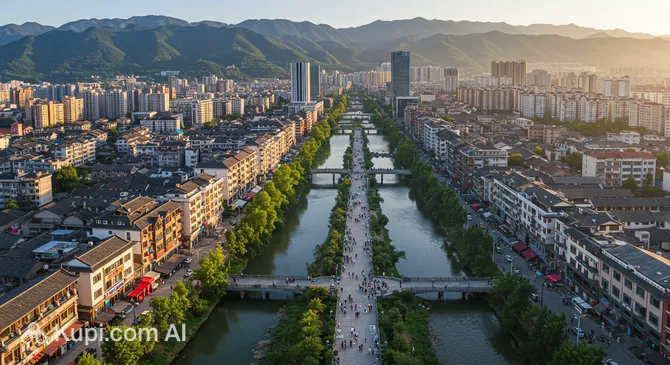
Sanming. Source: Kupi.Binoculars

Geographically, the city is situated between the Wuyi Mountains and the Daiyun Mountains, creating a landscape defined by rolling hills, clear rivers, and dramatic rock formations. With a population of approximately 2.58 million people, it serves as a significant regional hub while maintaining a relaxed atmosphere. The climate here is subtropical and humid, characterized by distinct seasons that bring out different facets of the area's natural beauty throughout the year.

Culturally, the city holds a special place in the hearts of many as the ancestral home of the Hakka people. Exploring the history of Sanming reveals its deep roots as a cradle of Hakka civilization, where ancient traditions and architectural styles have been preserved for centuries. Visitors can trace these origins in the nearby villages, where the unique culture is still very much alive and celebrated.

For nature enthusiasts and adventurers, Sanming is a treasure trove of geological wonders. The Taining Global Geopark is a must-visit, renowned for its spectacular Danxia landforms, deep canyons, and picturesque lakes. Another highlight is the Yuhua Cave, the largest limestone cave in Fujian, which dazzles visitors with its intricate stalactites and underground streams. Whether you are hiking through ancient forests or marveling at geological oddities, Sanming promises an unforgettable journey into the heart of Fujian's natural splendor.

Weather Overview

Sanming experiences a humid subtropical climate characterized by four distinct seasons and abundant rainfall. To plan your trip effectively, it is helpful to check the weather in Sanming before you go, as conditions can vary significantly throughout the year. Generally, the city enjoys a mild climate, but travelers should be prepared for high humidity and frequent showers, especially in the warmer months.

Summers are typically hot and humid, with July being the warmest month, featuring average temperatures of 28.7°C and highs reaching up to 33.4°C. The late spring and early summer period is particularly damp; June sees the highest frequency of rain, with approximately 21 wet days. Expect warm summers with occasional rain, making lightweight, breathable clothing and rain gear essential items for your packing list during this season.

In contrast, winters are cool but generally not freezing. January is the coldest month, with average temperatures around 10.1°C and lows dipping to about 5.8°C. This season is considerably drier than the summer, with December and October recording the lowest precipitation levels. The cooler, crisper air during autumn and winter can offer comfortable conditions for hiking and exploring the region's outdoor attractions.

Interesting Facts

Beyond the lush landscapes and mountain scenery, Sanming holds several fascinating secrets that surprise many visitors. From its culinary global footprint to its prehistoric roots, this city has played a pivotal role in shaping regional culture and history.

  • Sanming's Shaxian District is the birthplace of the famous Shaxian Delicacies, a style of fast food that has become ubiquitous across China. With tens of thousands of eateries worldwide, this local culinary brand rivals major international fast-food chains in terms of outlet numbers, yet it all started in this humble part of the city.

  • The city is home to the Wanshouyan Paleolithic Site, a discovery that significantly rewrote the history of human activity in Fujian. Archaeological findings here date back approximately 185,000 years, providing the earliest evidence of human life in the province and proving that ancient humans inhabited this region far earlier than previously thought.

  • Sanming is often affectionately called "Little Shanghai" by older generations due to a massive industrial migration in the mid-20th century. During a national industrialization drive known as the "Third Front Construction," numerous factories and workers were relocated here from Shanghai, creating a unique cultural pocket where Shanghai dialect and customs blended with local traditions.

  • Located in the nearby Yong'an area, the Gongchuan Ancient City Wall is a rare architectural gem. It stands as the only well-preserved ancient city wall in Fujian Province, originally built during the Tang Dynasty, offering a distinct glimpse into the defensive strategies and urban planning of ancient southern China.

How to Get There

Planning a trip to this scenic part of Fujian Province is the first step toward an unforgettable adventure. Whether you are arriving from within China or traveling internationally, understanding your transport options is essential. For a comprehensive guide on routes and transportation methods, you can read more about how to get to Sanming to ensure a smooth journey.

The most convenient way to arrive by air is via the local Sanming airport (SQJ). Located directly in Sanming, it is situated approximately 26.8 km from the city center. A taxi or bus ride from this airport typically takes around 60 minutes, making it the quickest entry point for visitors. Although it is a smaller regional hub handling about 328,000 passengers annually, it offers direct access to the heart of the region.

Alternatively, travelers often choose to fly into Quanzhou Jinjiang International Airport (JJN) in the city of Quanzhou. While it is located about 188 km away, it is a significantly larger transport hub with an annual passenger traffic of over 6.7 million, offering a wider range of flight connections. The journey from Quanzhou to Sanming by road is longer, taking approximately 5 hours, so travelers may consider combining a flight here with a high-speed train connection for the final leg of the trip. Another option is the Liancheng Airport (LCX) in Longyan, roughly 111 km away, which involves a transfer time of about 3 hours.

For clarity, here is a summary of the main airports serving the region:

Airport Name City Passenger Traffic Km from City
Quanzhou Jinjiang International Airport Quanzhou Large 188.3
Ruijin Airport Changting Medium 159.8
Sanming Sanming Small 26.8
Wuyishan Airport Wuyishan Small 163.3
Liancheng Airport Longyan Small 111.3

In addition to air travel, Sanming is well-integrated into China's extensive high-speed railway network. Trains are a popular and efficient method for reaching the city from major hubs like Fuzhou, Xiamen, and Shanghai. Visitors should check the schedules for Sanming North Railway Station or Sanming Railway Station, as these are the primary rail gateways offering comfortable and scenic rides through the Fujian countryside.

Main Attractions

Sanming is a destination defined by its dramatic geological formations and deep cultural roots. The city and its surrounding counties offer a mix of breathtaking natural landscapes, from red sandstone cliffs to serene lakes, alongside sites of significant historical importance. Whether you are an outdoor enthusiast or a history buff, the region provides a diverse array of experiences that highlight the unique charm of Fujian Province.

One of the most spectacular sights is Taining Golden Lake, a key part of the UNESCO Global Geopark. Famous for its "Water Danxia" landscape, this vast lake is surrounded by striking red cliffs that rise abruptly from the emerald water. A highlight here is the Ganlu Temple, an architectural marvel hidden inside a red rock cave. Built during the Song Dynasty, this wooden temple is renowned for being supported by a single pillar inserted into the rock, a feat of ancient engineering that has withstood the test of time without the use of a single iron nail.

For those seeking geological wonders, the Zhaixia Grand Canyon offers an immersive journey into the earth's history. Often described as a "World Geological Museum," the canyon features magnificent Danxia landforms, lush vegetation, and cascading waterfalls. The walls of the canyon display rock layers of different colors, resembling a colorful painting created by nature over millions of years. It is an excellent spot for hiking, allowing visitors to walk through the valley and admire the towering cliffs and deep ravines up close.

Another must-visit natural attraction is the Yong'an Taoyuan Cave. Despite its name, it is a scenic area characterized by steep cliffs and dense forests rather than just a single cavern. Its most famous feature is the "First Strip of Sky" (Yixiantian), a narrow crevice between two towering cliffs. Stretching over 120 meters long and narrowing to less than 40 centimeters in some places, it is considered one of the narrowest and longest such formations in China, offering a thrilling squeeze for adventurous travelers.

Culturally, Sanming is celebrated as the cradle of the Hakka people. The Hakka Ancestral Land in Ninghua County, specifically Shibi Village, is a site of profound significance. It is considered the birthplace where the Hakka identity began to form before the diaspora spread across the globe. Visitors can explore the magnificent Ancestral Hall of Hakka, a grand structure dedicated to honoring ancestors, and learn about the migration history and unique traditions that define this influential Chinese subculture.

Local Cuisine

The culinary landscape of Sanming is legendary throughout China, primarily because it is the birthplace of Shaxian Delicacies (Shaxian Xiaochi). This style of cooking has become one of the country's most ubiquitous fast-food traditions, but tasting it at its source offers an entirely different level of authenticity and flavor. The food culture here is unpretentious and deeply rooted in tradition, focusing on fresh ingredients, handmade techniques, and affordable prices. For tourists, the city serves as a gastronomic pilgrimage site where snacking is not just a quick bite, but a way of life.

Among the must-try dishes, Bianrou (Flat Meat Wontons) stands out as a culinary marvel. Unlike typical wontons, the wrapper for Bianrou is made by pounding pork into a paste and mixing it with flour, creating a translucent, paper-thin skin that has a unique, crunchy texture. It is often paired with Banmian, simple noodles tossed in a rich, savory peanut butter sauce. This "couple" of soup and dry noodles is the standard breakfast or late-night snack for locals and is the quintessential Sanming dining experience.

Beyond the famous snacks, the region's strong Hakka heritage influences the local palate. Lei Cha (Pounded Tea) is a traditional Hakka drink that eats like a meal. It involves grinding tea leaves, sesame seeds, peanuts, and herbs into a paste, which is then brewed with hot water and served with puffed rice or nuts. It is known for its health benefits and distinctive, earthy flavor. For something stronger, the locally brewed Hakka Rice Wine is a staple at festive gatherings. Sweet and warming, it is often used in cooking or consumed as a celebratory beverage.

The dining scene in Sanming is vibrant and accessible, characterized by bustling street stalls and family-run eateries rather than high-end dining halls. Visitors should explore the local snack streets where vendors steam baskets of Crystal Dumplings and serve piping hot bowls of Tofu Balls. In the Yong'an area, you can also find unique treats like Guo Bian Hu, a rice paste soup cooked on the side of a wok. Whether you are wandering through a night market or sitting on a small wooden stool in a corner shop, the food here is fresh, fast, and incredibly flavorful.

Travel Tips

Preparing for a trip to Sanming is exciting, but a little local know-how goes a long way in ensuring a smooth journey through Fujian's "Green Capital." Here are some practical tips to help you navigate the city and its lush surroundings with ease.

  1. Clothing and Gear: Sanming has a humid subtropical climate, so lightweight, breathable fabrics are best for the hot, humid summers. However, since rainfall is frequent, especially around June, packing a sturdy umbrella or a lightweight raincoat is essential. If you visit in winter, bring layers and a warm jacket, as temperatures can drop to around 5°C. Comfortable, non-slip walking shoes are a must for exploring the Taining Geopark and the uneven paths of ancient villages.
  2. Transportation: Taxis are affordable and plentiful, but most drivers do not speak English. It is highly recommended to have your destination written in Chinese characters or use a ride-hailing app like DiDi, which often has an English interface. Public buses are an economical option, though routes can be confusing for non-Chinese speakers. For foreigners, renting a car is difficult without a Chinese driver's license, so hiring a private driver for day trips to remote scenic spots is often the most convenient choice.
  3. Finances: The official currency is the Chinese Yuan (Renminbi/RMB). While major hotels may accept international credit cards, cash is still necessary for smaller shops and transport. Mobile payments via Alipay or WeChat Pay are the standard everywhere; you can now link some international cards to these apps, which makes transactions much smoother. Tipping is not part of the local culture and is generally not expected in restaurants or taxis.
  4. Health and Safety: Sanming is generally a very safe city for travelers. Pharmacies are widely available and usually marked with a green cross, though staff may not speak English. Tap water is not safe to drink directly; always stick to bottled or boiled water. Mosquito repellent is advisable if you plan to hike in the mountains or visit parks during the summer.
  5. Communication: Mandarin is the primary language, though locals also speak Fujian dialects and Hakka. English proficiency is relatively low outside of high-end hospitality venues. It is crucial to download a translation app (like Baidu Translate or offline Google Translate) before you arrive. Also, ensure you have a way to access the internet, such as an eSIM or a roaming plan, as many Western apps and websites are blocked in China without a specific network solution.
  6. Local Etiquette: When greeting people, a nod or a polite handshake is standard. If you are visiting Hakka ancestral halls or temples, dress modestly and speak softly to show respect. Dining etiquette is important; never stick your chopsticks upright in a bowl of rice, as this resembles incense burning for the dead and is considered very bad luck.
  7. What to Avoid: Avoid getting into arguments or shouting in public. "Saving face" is a significant cultural concept, and public outbursts are seen as embarrassing and counterproductive. Also, avoid taking photos of government buildings or military personnel without permission.
  8. Local Insight: Embrace the local snacking culture. Sanming is the birthplace of "Shaxian Delicacies," so do not stick to hotel food. Ask locals for the best "hole-in-the-wall" spot to try Banmian (peanut sauce noodles) and Bianrou (wontons). These small eateries are often open late and offer the most authentic taste of the city.

With these tips in hand, you are well-prepared to immerse yourself in the natural beauty and rich culture of Sanming. Whether you are hiking the red cliffs or savoring the famous local dumplings, a little preparation will ensure your adventure is as relaxing as it is memorable.

Entertainment & Nightlife

While Sanming is widely celebrated for its lush green mountains and peaceful daytime atmosphere, the city transforms as the sun sets, offering a nightlife scene that is vibrant yet distinctly relaxed. Unlike the frenetic energy of China's mega-cities, the evening culture here focuses on socializing, dining, and leisure. The nightlife is centered around connecting with friends over food and drinks, with a mix of modern entertainment complexes and scenic riverside promenades that come alive with neon lights and local activity.

The primary hub for evening entertainment is undoubtedly the area around Sanming Wanda Plaza in the Sanyuan District. This sprawling complex is more than just a shopping destination; its surrounding "Gold Street" is lined with numerous bars, KTV (karaoke) lounges, and casual bistros. This is where the city's younger crowd gathers to unwind. The atmosphere here is lively but approachable, with music spilling out onto the street and groups of friends moving between venues. You will find a variety of "Slow Shake Bars" (Qing Ba), which are lounge-style pubs perfect for a quiet drink and conversation, alongside more energetic KTV clubs where singing continues late into the night.

For a more scenic and romantic experience, a stroll along the Sha River is a must. The riverside parks are beautifully illuminated at night, creating a glittering reflection on the water. This area is popular for both locals and tourists who enjoy a post-dinner walk or a jog. Along the banks, you can often find open-air tea houses and small pop-up stalls selling refreshments. It is a safe and serene environment, perfect for soaking in the city's "Green Capital" vibe under the stars, away from the thump of bass music.

No guide to Sanming's nightlife would be complete without mentioning the "Ye Xiao" (late-night supper) culture. As the birthplace of Shaxian Delicacies, the city takes its midnight snacks seriously. The streets come alive with vendors serving steaming baskets of dumplings, peanut noodles, and barbecued skewers well past midnight. Exploring the local food streets is a form of nightlife in itself, where the dress code is casual, the prices are incredibly affordable, and the flavors are authentic. It is the perfect way to cap off a night out.

Practical advice for enjoying Sanming at night is simple: the city is extremely safe, and walking around major districts like Sanyuan is worry-free. Taxis are plentiful and can be hailed on the street, but using the DiDi app is often more convenient for non-Chinese speakers. Most bars and clubs do not have a strict dress code; "smart casual" is perfectly acceptable everywhere. Venues typically stay open until 2:00 AM, though some KTVs and food stalls operate even later.

If you are looking for specific places to start your evening, consider these popular spots:

Sanming Wanda Plaza
Located in the city center, this is the one-stop destination for entertainment. It houses a cinema, a large shopping mall, and is surrounded by a pedestrian street filled with bars and KTVs. It is the easiest place for tourists to find a western-style drink or a lively atmosphere.

Lie Dong Pedestrian Street
This is a traditional commercial heart of the city that remains bustling into the evening. It offers a more local experience with rows of shops, street food vendors, and smaller entertainment venues. It is an excellent spot to experience the local hustle and bustle and try authentic snacks.

Sha River Scenic Belt
For those who prefer nature over neon, the riverside walkways offer a peaceful retreat. The illuminated bridges and landscaped paths provide a beautiful backdrop for a night walk, offering a different perspective of the city's architecture and natural beauty.

Parks & Museums

Sanming is a city where nature and history intertwine seamlessly, offering visitors a unique blend of lush green spaces and profound cultural heritage. From prehistoric caves to parks that offer panoramic city views, the destination provides ample opportunities to explore the "Green Capital" of Fujian while uncovering the deep roots of Chinese civilization.

For those seeking immersion in nature, the Taining Global Geopark remains the region's crown jewel. While famous for its dramatic Danxia landforms and red cliffs, it also serves as a massive natural park where visitors can hike through ancient forests and breathe in some of the freshest air in China. Closer to the urban center, Qilin Mountain Park (Qilinshan) acts as the city's green lung. A favorite among locals for morning exercises and leisurely strolls, this park features a small mountain that can be ascended via a walking path or a cable car. Reaching the summit rewards you with a sweeping panoramic view of Sanming's skyline and the winding Shaxi River, making it the perfect spot to get your bearings and appreciate the city's layout.

Delving into the region's past requires a visit to the Wanshouyan National Archaeological Site Park. This is not just a museum but a significant prehistoric site where evidence of human activity dating back 185,000 years was discovered. The on-site museum offers a fascinating glimpse into the "Source of Min People," showcasing ancient stone tools and fossils that rewrote the history of Fujian Province. Walking through the actual caves where these ancient humans lived adds a thrilling layer of reality to the exhibits, connecting you directly with the distant past.

To understand the modern soul of the city, the Sanming 1958 Industrial Memory Museum is a must-visit cultural venue. It tells the story of how Sanming was transformed from a small mountainous area into a major industrial hub during the "Third Front Construction" period. Through preserved machinery, photographs, and recreated scenes, the museum captures the spirit of the workers who migrated here—many from Shanghai—earning the city its nickname "Little Shanghai." It offers a nostalgic and educational look at China's industrialization era that is rare to find elsewhere.

For a truly authentic experience, take a quiet walk along the Shaxi River Greenbelt in the early evening. Unlike the major tourist spots, this is where the city comes alive with local culture; you might see groups practicing Tai Chi, playing traditional instruments, or simply enjoying tea by the water. It is an unpolished, genuine slice of daily life in Sanming that offers a peaceful counterpoint to the day's adventures.

Getting Around

Navigating Sanming is relatively straightforward, as the city relies primarily on an extensive and efficient public bus network rather than a metro system. While subway systems are becoming standard in China, Sanming's bus lines effectively cover all major districts, including the main urban center of Sanyuan and the famous Shaxian District. These vehicles are generally modern, air-conditioned, and well-maintained, providing a comfortable way to travel between scenic spots, shopping areas, and residential neighborhoods. For tourists, the bus system is the most economical way to get around, with routes clearly numbered, although destination signs are typically in Chinese.

When it comes to paying for your ride, the system is highly digitized. While you can still use cash, it requires exact change—usually 1 or 2 RMB per ride—which you drop into a box next to the driver. However, the most convenient method for visitors is to use mobile payment apps like Alipay or WeChat Pay. Both apps have a "Transport Code" feature that works in most cities across the region. You simply open the app, find the transit code mini-program, and scan the QR code on the bus reader as you board. Physical transit cards are available for locals, but for short-term visitors, mobile apps are far more practical.

A unique aspect of Sanming's transport geography is the distance between its two main urban hubs: the central Sanyuan District and the Shaxian District, where the Sanming North Railway Station is located. To bridge this gap, the city operates dedicated rapid bus lines, such as the "K" series (e.g., K101, K102). These buses run frequently between the two districts, taking about 40 to 50 minutes for the journey. They are slightly more expensive than local city buses but are essential for travelers arriving by high-speed train who need to reach the city center.

For those who prefer a more direct and private mode of transport, taxis are abundant and affordable. You can easily hail a taxi on the street; they are typically painted green or yellow. Alternatively, ride-hailing apps like DiDi are extremely popular and often more convenient for international travelers, as the app allows you to input your destination in English and pays automatically via your linked digital wallet. This eliminates the language barrier when trying to explain your destination to a driver who may not speak English.

For short distances or "last mile" travel, shared bicycles are scattered throughout the city. You will see rows of colorful electric and pedal bikes parked on sidewalks, which can be unlocked using the same Alipay or WeChat apps. They are perfect for leisurely exploring the riverside promenades along the Sha River or navigating the flatter parts of the city center. Just be sure to park them in designated zones to avoid extra fees.

While Sanming does not have a subway, it does feature a specialized form of transport for leisure: the cable car at Qilin Mountain Park. Although not part of the daily commuter network, this cableway is a functional and scenic way to ascend the mountain from the city base. It offers visitors a relaxing ride up to the summit, saving a steep hike and providing excellent aerial views of the city's layout and the surrounding lush greenery.

Accommodation

Finding the perfect place to stay in Sanming is relatively straightforward, with options that cater to a wide variety of travel styles and budgets. As a developing tourist destination and a regional hub, the city offers a broad spectrum of accommodation, ranging from economical guesthouses and efficient business hotels to luxurious riverside resorts. Whether you are here for the famous local snacks, a business trip, or an outdoor adventure in the surrounding geoparks, you will find suitable lodgings that provide comfort and hospitality.

For most visitors, the location of their stay depends largely on their itinerary. The Sanyuan District serves as the commercial and political heart of the city. Staying here places you close to major shopping centers like Wanda Plaza, the scenic Sha River, and various parks. It is the most convenient area for travelers who want easy access to urban amenities, nightlife, and transport links. Hotels in this area are typically modern, offering standard amenities like western-style breakfasts and reliable Wi-Fi, making them ideal for those who value convenience.

Alternatively, food enthusiasts and those in transit often choose the Shaxian District. Famous as the birthplace of Shaxian delicacies, this area offers a unique opportunity to stay right in the center of the culinary action. It is also home to the Sanming North Railway Station and the airport, making it a strategic base for travelers with early connections. Accommodation here ranges from simple, family-run inns to mid-range chain hotels that offer excellent value for money.

For nature lovers focusing on the region's geological wonders, staying in the counties outside the city center is highly recommended. Taining County, in particular, is a hotspot for tourism due to the Global Geopark and Golden Lake. Here, the accommodation scene shifts towards scenic resorts and charming homestays (minsu) nestled in the mountains or near the water. These options often provide a more immersive experience, allowing you to wake up to misty mountain views and fresh air, though they may be further from urban conveniences.

Booking Tips: While domestic tourists flock to Sanming during major holidays like the National Day "Golden Week" (early October) and Chinese New Year, availability can be tight during these peaks. It is advisable to book your room well in advance if you plan to visit during these times. Crucially, international travelers should confirm that their chosen hotel is licensed to accept foreign guests, as some smaller budget inns may only be authorized to host mainland Chinese citizens.

In terms of pricing, Sanming is generally very affordable compared to China's first-tier cities. Budget options and hostels can be found for very reasonable rates, often under 200 RMB per night. Mid-range hotels, which offer a good balance of comfort and service, typically range from 300 to 500 RMB. Luxury or high-end business hotels are available for those willing to spend a bit more, usually starting around 600 RMB. Most bookings can be easily made through major international platforms, though downloading a local app might offer a wider selection of smaller guesthouses.

Nearby Cities

For those looking to explore the surroundings, Sanming serves as an excellent base for day trips to several interesting nearby locations:

Located just a short distance to the north, Nanping is a fantastic destination for nature lovers. It serves as the gateway to the majestic Wuyi Mountains, a UNESCO World Heritage site renowned for its stunning river scenery and as the origin of oolong tea. A visit here offers a perfect mix of hiking, bamboo raft drifting, and tea tasting.

Further towards the coast lies Quanzhou, a city steeped in maritime history. Known as the starting point of the Maritime Silk Road, it boasts a rich collection of ancient temples, mosques, and stone bridges. Exploring its historic streets provides a glimpse into a multicultural past where global trade flourished centuries ago.

To the south, Longyan offers a unique cultural experience, particularly famous for the Hakka Tulou (earthen buildings) found in its surrounding counties. These massive, fortress-like communal residences are architectural wonders and offer deep insight into the Hakka way of life.

City Population Distance (km)
Quanzhou 8782285 186
Fuzhou 4047200 167
Putian 3210714 164
Longyan 2723637 146
Nanping 2690000 68

These nearby destinations offer a glimpse into the diverse culture and landscapes of the region.

Shopping & Souvenirs

Shopping in Sanming offers a delightful mix of modern convenience and authentic local flavor. While the city may not be a global fashion capital like Shanghai or Beijing, it provides a relaxed retail experience where visitors can find everything from international brands to unique regional specialties. The city is particularly famous for its abundance of natural resources, meaning the best purchases often revolve around high-quality agricultural products, dried goods, and traditional handicrafts sourced directly from the surrounding mountains and forests.

For a lively street-level experience, the Lie Dong Pedestrian Street in the Meilie District (now part of Sanyuan District) is the traditional commercial heartbeat of the city. This bustling thoroughfare is lined with a variety of clothing boutiques, sportswear outlets, and local shops. It is a great place to walk around, soak in the local atmosphere, and find affordable everyday items. In the evening, the area becomes even more vibrant as street vendors set up stalls selling accessories and snacks, making it a popular spot for both shopping and people-watching.

If you prefer a modern, air-conditioned environment, Sanming Wanda Plaza is the premier destination. Located centrally, this large complex follows the standard high-quality format of Wanda malls found across China. It houses a wide array of fashion retailers, electronics stores, and lifestyle brands. It is a one-stop-shop where tourists can find familiar western brands, watch a movie, or dine at a variety of restaurants on the upper floors. It serves as a comfortable refuge from the humid weather and is the most foreigner-friendly shopping venue in the city.

To truly understand the local culture, visiting a local market is essential. While Sanming has standard supermarkets, its agricultural markets are where the treasures are hidden. Here, you will find an impressive selection of "mountain delicacies" (shanzhen). The region is renowned for its dried goods, particularly mushrooms and bamboo shoots. These markets are vibrant and aromatic, filled with locals bargaining for the freshest produce. While they may not be "tourist markets" in the souvenir sense, they offer the most authentic shopping experience.

When it comes to souvenirs, visitors should focus on the region's natural bounty. Dried Bamboo Shoots are a top choice; Sanming is known as a "Home of Bamboo" in China, and the shoots here are tender and flavorful. Another prized local product is the Red Mushroom (Hong Gu), a wild fungus that cannot be cultivated artificially and is highly valued for its nutritional properties. For tea lovers, locally grown Oolong Tea and Green Tea are excellent buys. Additionally, the nearby Mingxi County is famous for its gemstones, so you may find jewelry shops in the city selling locally processed sapphires and zircons.

Most shops in Sanming operate from around 10:00 AM to 10:00 PM, with supermarkets often opening earlier. Payment methods have gone largely digital; while major shopping malls and supermarkets accept credit cards (UnionPay is standard, international cards are less common), the vast majority of transactions are done via WeChat Pay or Alipay. It is highly recommended to set up one of these mobile payment methods on your phone before arriving, as even small street vendors prefer them over cash.

Regarding tax-free shopping, Sanming is not typically a major hub for tax refund schemes like the large coastal metropolises. Tourists should not expect to find "Tax Free" counters in most stores. It is best to assume that the price you see is the final price, although bargaining is acceptable and expected in smaller independent shops and market stalls.

Reached the end of the page?

That means the route is fully explored