Support

Longyan

About

Longyan is a captivating destination nestled in the mountainous southwestern region of Fujian Province. Known for its lush landscapes and deep cultural roots, this prefecture-level city offers a unique glimpse into the traditions of the Hakka people. It serves as a bridge between the coastal areas and the interior, boasting a distinct atmosphere that combines natural beauty with a rich heritage.

Longyan. Source: Kupi.Binoculars

Located in southeastern China, Longyan is situated at the upper reaches of the Jiulong and Ting Rivers. The city enjoys a subtropical monsoon climate, characterized by mild weather and abundant rainfall, making it a pleasant place to visit year-round. With a population of approximately 2.7 million, it is a bustling hub that maintains a welcoming and authentic charm.

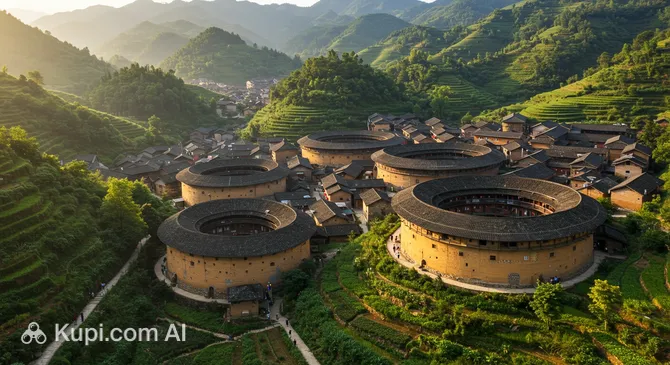
The history of Longyan is inextricably linked to the migration and settlement of the Hakka people. This legacy is most famously preserved in the spectacular Fujian Tulou, the UNESCO World Heritage-listed earthen buildings found in Yongding District. These massive, fortified circular structures are architectural marvels that reflect the communal lifestyle and defensive needs of the past. Beyond the architecture, visitors can explore Mount Guanzhai, known for its stunning Danxia landforms and serene waters.

Whether you are an architecture enthusiast eager to see the Tulou or a nature lover looking to hike through scenic mountains, Longyan has something special to offer. Its blend of fascinating history, unique local cuisine, and warm hospitality makes it a must-visit stop on any journey through Fujian.

Weather Overview

Longyan experiences a subtropical monsoon climate, generally characterized by distinct seasons and moderate humidity. The weather in Longyan remains relatively mild throughout the year, avoiding extreme cold in winter while seeing warm, humid conditions during the summer months. Travelers can generally expect warm summers with frequent rain and mild, drier winters.

The winter months, from December to February, are the coolest and driest time of year. Average temperatures typically hover around 11°C to 12°C, with lows rarely dropping below 6°C. Precipitation is minimal during this period, often recording just 1-2mm per month, which makes for crisp and clear days suitable for sightseeing.

As spring transitions into summer, both temperatures and rainfall increase significantly. The wettest period usually occurs in May and June, with June seeing up to 25 wet days on average. July is typically the warmest month, with average temperatures reaching approximately 26.3°C and daily highs exceeding 30°C. By contrast, autumn brings a pleasant drop in humidity and rainfall, particularly in October, offering comfortable conditions for travel.

Interesting Facts

Beyond the architectural marvels and scenic landscapes, Longyan holds several fascinating stories that add depth to its character. This city is not just a travel destination but a place rich in legends, sports heritage, and unique historical footnotes.

  • The "Missile Silo" Legend: The iconic round Tulou buildings in the Yongding district are so massive and unique in shape that they sparked a Cold War urban legend. It is widely believed that American satellite analysts once mistook these communal earthen structures for nuclear missile silos due to their circular footprint and mushroom-like appearance from above.

  • A Dragon’s Name: The name "Longyan" literally translates to "Dragon Rock." The city was named after a famous limestone cavern, Longyan Cave, which features rock formations resembling a dragon, a symbol deeply embedded in local folklore and geography.

  • Home of Champions: Longyan is celebrated as a powerhouse for producing world-class athletes, particularly in badminton. It is the hometown of the legendary Lin Dan, a two-time Olympic champion, cementing the city's reputation as a cradle of sporting excellence in China.

  • The Hakka Mother River: The Tingjiang River, which flows through the region, holds deep spiritual significance. It is revered as the "Mother River" of the Hakka people, as it served as a vital migration route for ancestors moving south, connecting millions of overseas Chinese to their roots in this region.

How to Get There

Reaching this scenic destination in Fujian Province is possible through various transport hubs located within the region. For a complete overview of travel options, including driving directions and bus routes, you can consult the detailed guide on how to get to Longyan. The city is served by its own regional airport and is also accessible via major international gateways in neighboring cities.

The most direct air route is via Liancheng Airport (LCX), located directly in Longyan. Although it is a smaller regional hub with an annual passenger traffic of around 135,000, it offers the closest access point. The airport is situated approximately 71 km from the city center; a journey by taxi or bus typically takes about 2 hours and 10 minutes. For international travelers, the Xiamen Gaoqi International Airport (XMN) in Xiamen is a significant alternative. As a major hub handling over 27 million passengers annually, it offers far more connections. It is located about 127 km away, and the transfer by road takes approximately 3 hours and 30 minutes.

For clarity, here is a summary of the main airports:

Airport Name City Passenger Traffic Km from City
Xiamen Gaoqi International Airport Xiamen Large 126.8
Kinmen Airport Kinmen Medium 153.5
Ruijin Airport Changting Small 136.2
Mei Xian Airport Meizhou Small 129.1
Liancheng Airport Longyan Small 71.1

Travelers arriving by train may need to consider stations in the wider region if direct tickets to the city are unavailable. One option is the Chaoshan Railway Station, located in the city of Shantou. It is approximately 175 km from Longyan. From there, you can get a taxi or bus, which takes about 4 hours and 45 minutes. Another option is the Chaoyang Railway Station (Guangdong) in Jieyang, situated roughly 197 km away, requiring a transfer time of over 5 hours by road.

Below is a list of regional railway stations:

Station City Passenger Traffic Km to Center
Puning Railway Station Puning Medium 216.7
Chaoyang Railway Station (Guangdong) Jieyang Medium 196.9
Chaoshan Railway Station Shantou 175.4

Main Attractions

Longyan offers a remarkable blend of natural wonders and cultural heritage, making it a distinct destination in Fujian Province. From the architectural marvels of the Hakka people to breathtaking mountain landscapes and mysterious caverns, the city provides a rich tapestry of experiences for travelers seeking authenticity and scenic beauty.

Undoubtedly the most famous attraction in the region is the Yongding Tulou. These massive, circular earthen buildings are a UNESCO World Heritage site and a testament to the ingenuity of the Hakka people. Known as "castles in the mountains," these communal structures were designed for defense and community living, often housing hundreds of people from a single clan. Visitors can explore famous clusters like the Hongkeng Tulou Cluster to see the "Prince of Tulou" (Zhencheng Lou) and marvel at the wooden interiors that contrast with the fortified rammed-earth exteriors. It is a unique architectural experience found nowhere else in the world.

For nature enthusiasts, Mount Guanzhai in Liancheng County is a must-visit. This scenic area is renowned for its spectacular Danxia landforms, characterized by red sandstone cliffs and dramatic peaks. The mountain is often compared to Mount Wuyi for its beauty but tends to be less crowded. A highlight here is Shimen Lake, a serene body of water surrounded by sheer cliffs, where visitors can take a boat ride to appreciate the landscape from a different perspective. The combination of mountain hiking and tranquil waters makes it a perfect spot for outdoor lovers.

Another natural wonder is the Longkong Cave, situated in the Xinluo District. As the place that likely gave Longyan ("Dragon Rock") its name, this karst cave system is significant both geologically and culturally. The cave extends for over 3,000 meters and is divided into upper, middle, and lower layers. Inside, visitors are greeted by a surreal world of stalactites, stalagmites, and stone pillars illuminated by colorful lights. The cave features a spacious main hall and an underground river, creating a cool and mysterious atmosphere that feels like stepping into a mythical realm.

For a deep dive into history without the crowds, Peitian Ancient Village offers a beautifully preserved glimpse into the past. Located in Liancheng, this village dates back to the Ming and Qing dynasties and is often celebrated as the "Forbidden City of the South" due to its sophisticated architecture. Unlike the circular Tulou, Peitian features grand residential compounds with delicate carvings, cobblestone streets, and ancient academies. It provides a quiet, atmospheric setting where tourists can observe traditional rural life and admire the intricate craftsmanship of ancient Chinese residential architecture.

Local Cuisine

The local cuisine of Longyan is a delightful journey into the heart of Hakka culinary traditions. Influenced by the region's mountainous geography, the food here is characterized by its emphasis on fresh, wild ingredients and the classic Hakka flavor profile, which is often described as "salty, fatty, and fragrant." This distinct style ensures that dishes are hearty and energy-boosting, perfect for the cool mountain climate.

One of the most iconic dishes you must try is Hakka Stuffed Tofu (Niang Doufu). This comfort food features cubes of fresh tofu stuffed with a savory mixture of minced pork or fish, then braised in a clay pot to absorb the rich sauce. Another staple is the Salt-Baked Chicken, where the bird is buried in hot coarse salt to lock in moisture and flavor, resulting in meat that is incredibly tender and aromatic. For those who enjoy texture, the local Beef Balls represent a culinary masterpiece; the meat is beaten by hand until it achieves a unique elasticity, making the meatballs surprisingly chewy and delicious in soups.

Beyond main courses, Longyan is famous throughout China for its snacks, particularly Longyan Peanuts. Roasted to perfection, these peanuts are a ubiquitous treat, often enjoyed with tea or drinks. Speaking of beverages, the local Hakka Rice Wine is a cultural cornerstone. It is a sweet, low-alcohol wine made from sticky rice, often brewed at home and served warm to welcome guests. Given Fujian's status as a major tea-producing province, you will also find excellent local teas, such as the Narcissus Oolong from the Zhangping area.

The food culture in Longyan is unpretentious and deeply communal. While there are plenty of sit-down restaurants offering elaborate banquets, the true soul of the city's food scene is found in its small eateries and street stalls. Locals love to gather at night markets where the air is filled with the scent of frying spices and roasted nuts. Whether you are dining in a traditional Tulou setting or grabbing a quick bowl of beef soup on a busy street corner, the experience is always warm and welcoming.

Travel Tips

Visiting Longyan offers a unique opportunity to immerse yourself in the authentic lifestyle of the Hakka people and explore the lush landscapes of Fujian Province. To ensure your journey through the "Dragon Rock" city is as smooth as it is memorable, here are some practical travel tips to keep in mind.

  1. Clothing and Gear: Longyan has a subtropical climate with significant rainfall, particularly during the "Plum Rain" season in May and June. Always carry a sturdy umbrella or a rain poncho. Since exploring the Fujian Tulou and Mount Guanzhai involves extensive walking on uneven terrain, stone paths, and stairs, comfortable, non-slip walking shoes are non-negotiable. If you visit in winter, pack layers and a warm jacket, as the dampness in the mountains can make the air feel colder than the thermometer suggests.

  2. Transportation: Within the city center, taxis and ride-hailing apps (like DiDi) are the most convenient and affordable ways to get around. While public buses exist, they can be difficult to navigate without reading Chinese. Crucially, the famous Tulou clusters in Yongding are located quite far from the urban center (often 1-2 hours by road). For these excursions, it is best to hire a private driver for the day or join a guided tour rather than relying on rural public transport.

  3. Finances: The currency is the Chinese Yuan (CNY). While major hotels may accept international credit cards, the vast majority of transactions in Longyan—from buying tickets to street food—are done via mobile payments. It is highly recommended to download Alipay or WeChat Pay and link your international card before you arrive. Carry some cash as a backup for remote villages, but do not rely on it exclusively.

  4. Health and Safety: Longyan is generally very safe for travelers. However, tap water is not potable; always buy bottled water or drink tea made with boiled water. If you are hiking in the lush areas around Mount Guanzhai or near the earthen buildings, insect repellent is essential to protect against mosquitoes. Pharmacies are easily identified by a green cross, but bringing your own basic medical kit is wise as English-speaking pharmacists may be hard to find.

  5. Communication: Mandarin is the official language, though locals often speak Hakka or Minnan dialects among themselves. English proficiency is low outside of high-end hospitality venues. You must have a reliable translation app installed on your phone that works offline or with data. Additionally, ensure you have a SIM card or roaming plan that allows you to access necessary maps and travel apps, as many western services are blocked.

  6. Local Etiquette: Fujian is famous for its tea culture. If a local host pours tea for you, it is polite to tap your index and middle fingers on the table twice as a silent gesture of thanks. When visiting the Tulou, remember that many of these are still active residential communities. Respect the residents' privacy: ask for permission before taking close-up photos of people, and keep your voice down in the communal courtyards.

  7. What to Avoid: Avoid losing your temper or shouting in public, even if you face a frustrating situation like a language barrier. Causing a scene causes a "loss of face" for everyone involved and will likely make people less willing to help you. A smile and patience go a long way here.

  8. Local Insight: Be prepared for the "siesta" culture in smaller towns. Between 12:00 PM and 2:00 PM, many smaller shops or local service providers might take a break for lunch and a nap. Plan your travel schedule accordingly, perhaps using this time to enjoy a leisurely Hakka lunch yourself.

With these tips in hand, you are well-prepared to navigate the historic villages and scenic mountains of Longyan with confidence. Embrace the local customs, enjoy the legendary hospitality, and have a wonderful trip exploring this fascinating corner of China.

Entertainment & Nightlife

Nightlife in Longyan is primarily centered in the Xinluo District, the city's urban core. Unlike the frenetic 24-hour party scenes of China's coastal metropolises, the evening atmosphere here is more relaxed, communal, and deeply rooted in food culture. The local nightlife revolves around bustling night markets, modern entertainment complexes, and the ever-popular KTV (karaoke) lounges where friends gather for private parties.

For a modern night out, the area surrounding Wanda Plaza in the Xinluo District is the most convenient destination. This commercial hub comes alive after sunset, offering a concentration of Western-style bars, cinemas, and trendy restaurants. It is a popular spot for the younger crowd and professionals to unwind. The dress code here is generally casual to smart-casual; you will fit in perfectly with jeans and a nice shirt. Most venues in this area stay open until around 2:00 AM, with some KTV clubs operating even later.

If you prefer a more authentic local experience, head to the Beishi Night Market. Located near the older parts of the city, this area offers a sensory overload of sights, sounds, and smells. It is the best place to sample local street food late into the night. The vibe is energetic and noisy in the best possible way, with stalls selling everything from grilled skewers to local handicrafts. Another excellent spot for an evening stroll is Xinan Old Alley, which has been revitalized to showcase traditional architecture illuminated by lanterns, creating a charming atmosphere for a night walk.

When it comes to practicalities, getting around Longyan at night is safe and affordable. Taxis are readily available, but using ride-hailing apps like DiDi is often more convenient for non-Chinese speakers as you can input your destination in English. The city is very safe for walking, even late at night, though it is always wise to stay in well-lit, populated areas. Prices for drinks and entertainment are significantly lower than in first-tier cities like Shanghai or Beijing. A beer in a bar might cost 25-40 CNY, while street food snacks are incredibly cheap.

While the nights are lively, Longyan also offers plenty of daytime entertainment. History buffs should visit the Longyan Museum to understand the region's revolutionary past and cultural heritage. For outdoor enthusiasts, a hike up Lianhuashan Park (Lotus Mountain Park) provides not only exercise but also panoramic views of the city, which are particularly beautiful just before sunset.

Parks & Museums

Longyan is a city where lush subtropical nature seamlessly blends with profound historical significance. For travelers, this means the opportunity to transition from hiking through verdant forest parks in the morning to exploring halls filled with revolutionary history and Hakka heritage in the afternoon. The city’s commitment to preserving its green spaces and cultural legacy makes it a rewarding destination for those who enjoy a mix of outdoor leisure and educational experiences.

One of the most accessible and popular green spaces in the city center is Lianhuashan Park (Lotus Mountain Park). Known as the "green lung" of the Xinluo District, this park is famous for its extensive wooden boardwalk system that winds around the mountain. The "Cloud Walkway" offers an easy yet scenic hike, allowing visitors to stroll amidst the tree canopy while enjoying panoramic views of the Longyan skyline. It is a favorite spot for locals to practice Tai Chi in the morning or enjoy a cool breeze at sunset, making it a perfect place to observe local life.

For a wilder and more immersive natural experience, the Meihuashan National Nature Reserve is a significant ecological treasure located within the municipality. Often referred to as the "Mother Mountain of Fujian," it is renowned for its rich biodiversity and cool, misty climate. The reserve is most famous for being a sanctuary for the South China Tiger, one of the world's most endangered big cats. Visitors to the specialized breeding center here can learn about conservation efforts while surrounded by pristine forests, waterfalls, and ancient yew trees.

Delving into the region's rich past, the Minxi Revolutionary History Museum stands out as a key cultural institution. Longyan plays a pivotal role in modern Chinese history, and this museum offers a comprehensive look at the events of the early 20th century. The building itself is grand and imposing, housing thousands of artifacts, photographs, and documents. It provides a detailed narrative of the region's contribution to the revolution, offering context that helps visitors understand the local pride and identity.

Another essential stop for history enthusiasts is the Gutian Conference Site. While it functions as a memorial site, it is effectively an open-air museum located in a beautifully preserved traditional courtyard house. The site is historically significant as the location of a major military conference in 1929. Beyond its historical weight, the complex is architecturally stunning, featuring classic Fujian style with curved roof ridges and quiet courtyards backed by ancient woods. It is a place where history is palpable in the architecture and the surrounding landscape.

For a quieter, more atmospheric experience, seek out the Tingjiang National Wetland Park in Changting County. Unlike the more manicured city parks, this area focuses on the natural flow of the Tingjiang River. It is an excellent spot for birdwatching and enjoying the serenity of the "Mother River" of the Hakka people without the crowds found at major tourist sites.

Getting Around

Navigating Longyan is relatively straightforward, although the city does not currently have a metro system. The primary mode of public transportation is the extensive bus network, which covers the main urban area of the Xinluo District and connects key residential, commercial, and transport hubs. For most tourists staying within the city center, public buses provide a reliable and economical way to get around, with routes frequently servicing major landmarks like the railway station and downtown shopping areas.

The bus fleet is generally modern and air-conditioned. Fares are very affordable, typically costing a flat rate of 1 or 2 CNY per ride, regardless of the distance traveled within the city limits. Passengers board at the front door and exit through the rear. It is important to note that bus schedules in Longyan may not run as late as in larger metropolises; most lines operate from approximately 6:00 AM to 9:30 PM or 10:00 PM, so it is wise to check the specific timetable if you plan to stay out late.

When it comes to payment, the system is highly digitized. While you can still pay with cash, you must have the exact change in coins or small notes as drivers cannot provide change. The most convenient method for travelers is to use mobile payment apps like Alipay or WeChat Pay. Within these apps, you can activate a "Transport Code" (often found under "City Service" or by searching for the local transport mini-program) which generates a QR code that you scan upon boarding. Physical transit cards exist but are less practical for short-term visitors compared to mobile options.

For those who prefer a more direct and comfortable mode of transport, taxis are plentiful and inexpensive compared to Western standards. You can hail them on the street; they are usually distinctively painted and have a lighted sign on the roof. All legitimate taxis are equipped with meters, and you should ensure the driver uses it. Alternatively, ride-hailing apps are extremely popular and often easier for non-Chinese speakers to use, as you can input your destination in English and see the estimated fare upfront. DiDi is the most widely used service in the region.

For short distances, shared bicycles offer a flexible and scenic way to explore the city, particularly around the parks and riverbanks. You will see yellow (Meituan) or blue (HelloBike) bicycles parked along sidewalks. These can be unlocked by scanning the QR code on the bike using the respective app or through Alipay and WeChat. It is an excellent option for "last mile" connectivity, bridging the gap between your hotel and the nearest bus stop or point of interest.

Travelers heading to the famous Tulou clusters should be aware that these are located in rural counties far from the city center, not served by the urban bus network. To reach these distant attractions, you would typically need to take a long-distance bus from the Longyan Bus Station or hire a private car. However, for all travel within the city proper, the combination of public buses and taxis provides ample coverage for a convenient stay.

Accommodation

Accommodation in Longyan caters to a diverse range of travelers, offering a distinct split between modern urban comforts and rustic cultural immersion. The options generally range from standard business hotels and luxury chains in the city center to unique, family-run guesthouses located within the famous earthen buildings in the countryside. Whether you are looking for a reliable 5-star experience or a backpacker-friendly stay steeped in history, the region has something to suit your needs.

For those prioritizing convenience and modern amenities, the Xinluo District—the main urban center of Longyan—is the best place to stay. This area is home to the city's major transport hubs, including the railway station, making it an ideal base for transit or business. Here, you will find well-known international and domestic hotel chains clustered around commercial areas like Wanda Plaza. These hotels typically offer English-speaking staff, western-style breakfasts, and easy access to the city's nightlife and shopping districts.

However, the true highlight of visiting this region is the opportunity to stay in the Yongding District, home to the UNESCO World Heritage Tulou clusters. Many of these massive, circular earthen buildings have been converted into guesthouses. staying inside a Tulou offers an unforgettable experience, allowing you to sleep within centuries-old walls and wake up to the daily rhythms of Hakka village life. These accommodations range from very basic rooms with shared facilities to upgraded "boutique" style rooms with private bathrooms and air conditioning.

In terms of pricing, Longyan is generally quite affordable compared to China's major coastal cities. Budget travelers can find clean hostels or simple guesthouses in the Tulou areas for reasonable rates, while mid-range and luxury hotels in the city center offer excellent value for money. Booking is best done through major international platforms or Chinese apps like Trip.com, which generally have the most comprehensive listings for both city hotels and rural guesthouses.

A crucial tip for those planning to stay in a Tulou is to manage expectations regarding amenities. While the experience is culturally rich, the wooden structures often have poor sound insulation, and facilities can be simpler than in a standard hotel. If you are visiting during major Chinese holidays, such as the Spring Festival or National Day (early October), it is essential to book weeks in advance, as these unique rooms fill up quickly with domestic tourists.

Nearby Cities

For those looking to explore the surroundings, Longyan serves as an excellent base for day trips to several interesting nearby locations. Situated at the junction of Fujian, Guangdong, and Jiangxi provinces, the city offers easy access to a variety of cultural and scenic destinations.

One of the most popular choices is Xiamen, a vibrant coastal city known for its colonial architecture, the pedestrian-only Gulangyu Island, and beautiful seaside promenades. It provides a refreshing oceanfront contrast to the mountainous terrain of Longyan. Closer by is Zhangzhou, a historic city that shares the famous Tulou heritage and offers charming ancient streets filled with traditional snacks. For travelers deeply interested in Hakka culture, a trip to Meizhou in neighboring Guangdong Province is highly recommended, as it is often celebrated as the "World Capital of Hakka" and features unique architectural styles and culinary delights.

City Population Distance (km)
Zhangzhou 5,140,000 89
Meizhou 4,378,800 126
Xiamen 3,707,090 127
Chaozhou 2,656,600 162
Sanming 2,580,000 146

These nearby destinations offer a glimpse into the diverse culture and landscapes of the region, allowing travelers to experience everything from coastal relaxation to deep historical exploration within a short distance.

Shopping & Souvenirs

Shopping in Longyan offers a delightful mix of modern retail experiences and traditional local commerce. While the city may not have the immense luxury avenues of China's largest metropolises, it provides a convenient and authentic shopping environment. Visitors can explore gleaming multi-story shopping malls for international brands or wander through bustling local streets to find regional specialties. The retail scene here is particularly known for its abundance of local agricultural products and Hakka handicrafts, making it an excellent place to pick up unique gifts that reflect the local culture.

The primary commercial hub of the city is located in the Xinluo District. Here, the streets around Zhongshan Road and the central pedestrian areas form the traditional heart of the city's commerce. This area is lined with a variety of shops selling clothing, shoes, and accessories, ranging from affordable local labels to mid-range domestic brands. It is a lively district where locals go for their daily needs, offering a vibrant atmosphere that contrasts with the enclosed malls.

For a more modern and comprehensive shopping experience, Longyan Wanda Plaza is the undisputed center of action. Like its counterparts across China, this massive complex houses a wide array of international fashion chains, electronics stores, and lifestyle brands. It serves as a one-stop destination where you can shop for familiar western brands, catch a movie, and dine in air-conditioned comfort. Another notable destination is Century Tiancheng (Shiji Tiancheng), a large commercial complex that offers a mix of department stores and boutiques, catering to shoppers looking for quality goods and a relaxed environment.

To truly understand the local lifestyle, visiting a market is essential. While the Beishi area is famous for its night market food, during the day, the surrounding markets and smaller shops are excellent for finding tea and local produce. You will find vendors selling bulk teas, dried fruits, and other mountain goods. These markets are less about souvenirs and more about the ingredients that fuel the local Hakka cuisine, offering a colorful and aromatic experience for curious travelers.

When it comes to souvenirs, Longyan is famous for its edible treats rather than trinkets. The absolute must-buy item is Longyan Peanuts. Roasted to perfection with a distinct savory flavor, they are a nationally renowned snack. Another popular local specialty is Dried Sweet Potato, particularly from the Liancheng area, which is chewy, sweet, and healthy. For tea lovers, Zhangping Shuixian is a unique variety of Oolong tea that comes pressed in small square cakes, making it distinct from the loose-leaf teas found elsewhere. These items are widely available in supermarkets and specialty shops throughout the city.

Most retail stores in Longyan operate from around 10:00 AM to 10:00 PM, particularly the large shopping malls. Smaller street-side shops may open earlier and close slightly earlier, though many stay open late to cater to the evening crowds. In terms of payment, digital methods are king. Alipay and WeChat Pay are accepted almost everywhere, from high-end boutiques to small market stalls. While major shopping centers may accept international credit cards, it is rare for smaller merchants to do so. Carrying some cash is useful for very small purchases, but setting up mobile payment on your phone is highly recommended.

Regarding tax refunds, while China has a Tax Refund Scheme for tourists in major cities, it is less commonly found in smaller regional cities like Longyan. You may find tax-free shopping services available at select international brands within large malls like Wanda Plaza, but it is not guaranteed. Look for the "Tax Free" signage at the entrance of stores, and be prepared to present your passport if you wish to inquire about a refund.
Reached the end of the page?

That means the route is fully explored